 Complete Gardening
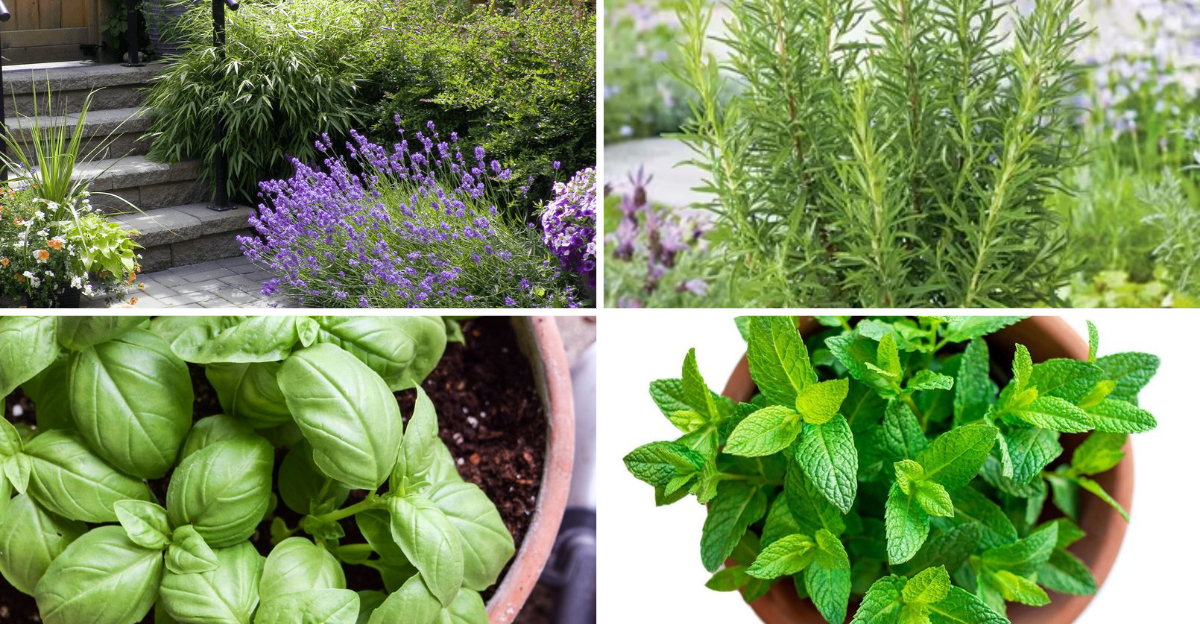
Patio plants are more than just decorative elements to adorn your outdoor spaces. Many of these plants hide secrets that even seasoned gardeners might not know. This blog uncovers 23 intriguing facts about popular patio plants that garden centers often keep under wraps. From fascinating growth habits to unexpected uses, each plant comes with its own unique story. Discover these hidden gems and elevate your gardening knowledge. Whether you’re a novice or a seasoned green thumb, these insights will surely surprise and delight, making your patio the talk of the neighborhood.
1. Lavender

Lavender, with its soothing scent, is known for more than its fragrance. Historically, it was used to ward off the plague. Its oil has antibacterial properties. In the garden, lavender acts as a natural pest deterrent, keeping moths and mosquitoes at bay. Planting it near a seating area enhances relaxation. If you struggle with sleep, a sachet under the pillow might help. Besides, it’s drought-resistant, making it perfect for low-maintenance gardens. The soft purple hues and silvery foliage complement any patio decor, making it both beautiful and functional.
2. Rosemary
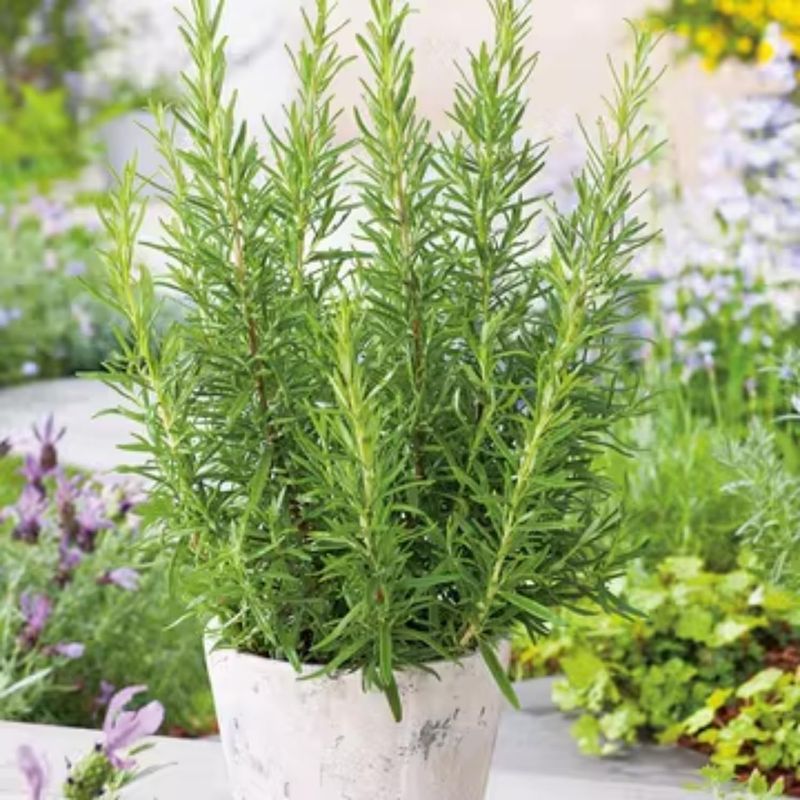
Rosemary is not just for culinary dishes. Ancient Greeks believed it strengthened memory. In gardens, it serves as a natural air freshener, releasing its aromatic oils when brushed. Unlike many herbs, rosemary is evergreen, providing year-round greenery. Its robust nature allows it to thrive in pots, ideal for patios. Besides its decorative charm, rosemary attracts pollinators. A sprig in your lemonade infuses a refreshing twist. Remember, its symbolic meaning includes remembrance and fidelity, adding a touch of sentiment to your outdoor gatherings.
3. Basil
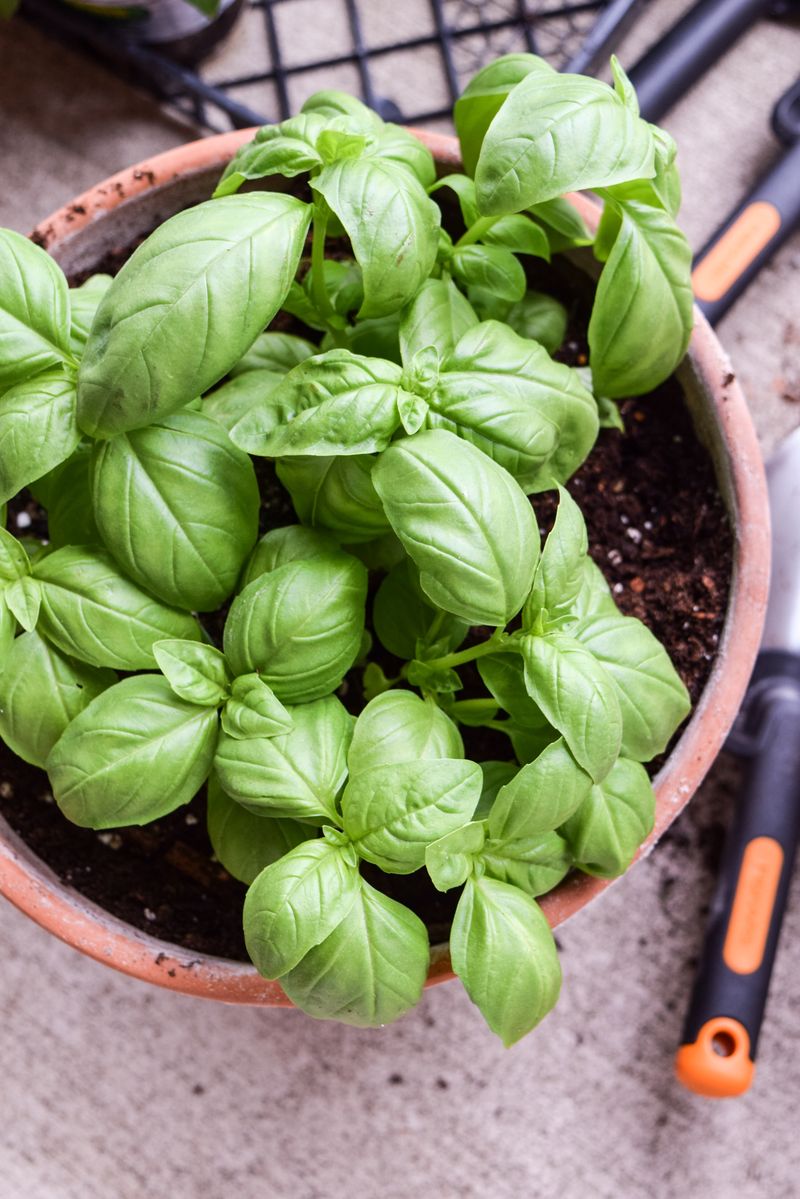
Basil is more than a pizza topping. Known as the ‘King of Herbs,’ it was once considered a royal plant in ancient cultures. Its aroma repels flies and mosquitoes, making it perfect for patios. Basil is a fast grower; regular harvesting promotes bushier plants. Besides culinary uses, it has anti-inflammatory properties. A cup of basil tea can soothe an upset stomach. It’s also a symbol of love in Italy. Keep it well-watered, and this plant will reward you with lush growth and aromatic leaves throughout the season.
4. Mint
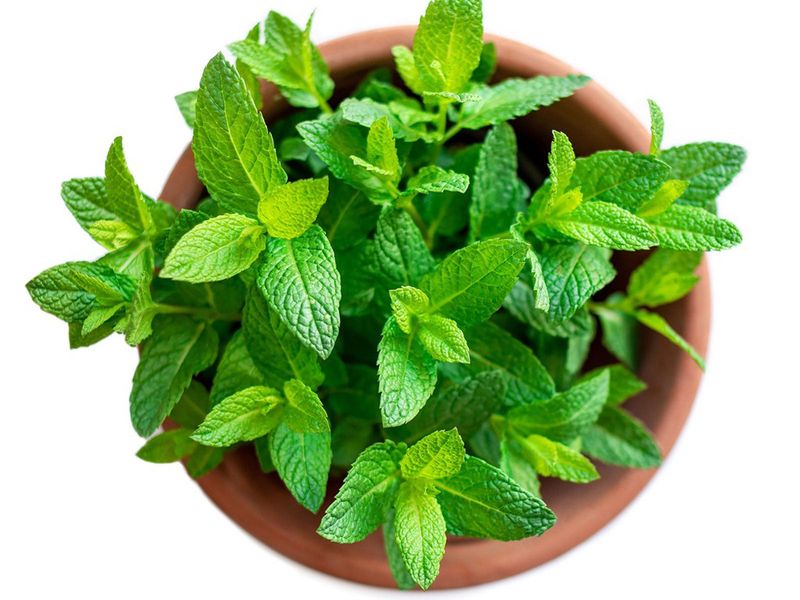
Mint, with its invigorating scent, is a must-have for patio gardens. Its rapid growth can overrun spaces, so contain it in pots. Historically, mint symbolized hospitality. In ancient Rome, tables were rubbed with mint leaves before banquets. Today, it’s popular in teas and cocktails. Its leaves can soothe skin irritations when crushed. Additionally, mint deters ants and flies naturally. However, its invasive nature requires regular pruning. Despite its tenacity, mint adds a refreshing touch to patios, offering both utility and charm with its vibrant green leaves.
5. Thyme
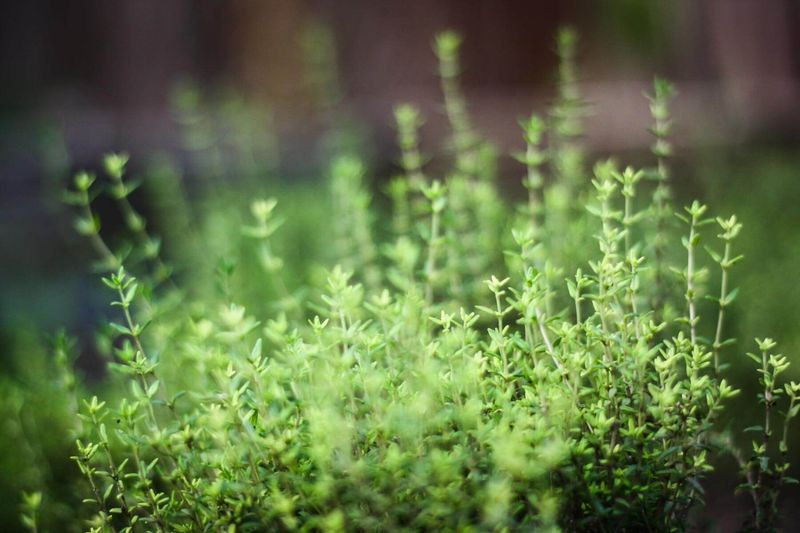
Thyme is more than a culinary staple. In ancient times, it symbolized courage. The plant thrives in full sun, making it ideal for patios. Its tiny leaves pack a punch of flavor and aroma. Thyme’s antiseptic properties make it a home remedy for colds. Its flowers attract bees, supporting garden pollination. Despite its small size, thyme is robust, tolerating drought once established. It’s a versatile herb, complementing meats, vegetables, and even cocktails. With its historical significance and practical uses, thyme is a valuable addition to any patio garden.
6. Oregano
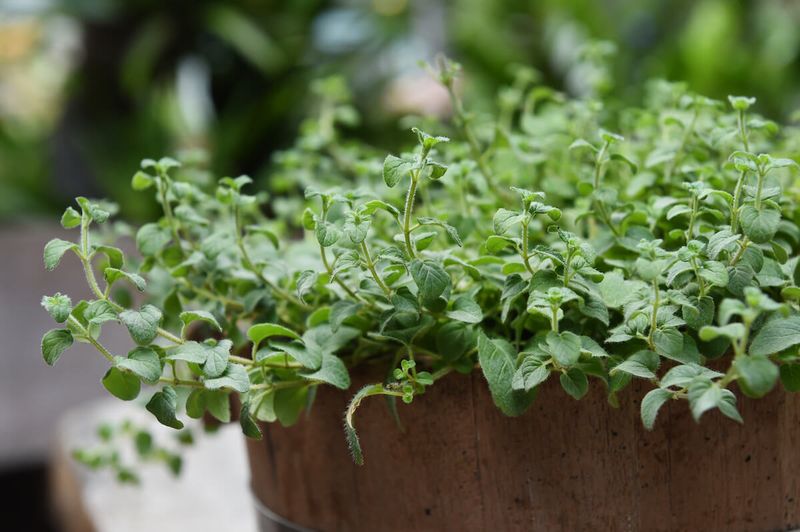
Oregano, with its peppery flavor, holds secrets beyond the kitchen. Historically, it was thought to bring joy. In patio gardens, its strong scent repels pests, protecting nearby plants. When dried, oregano retains its flavor, perfect for year-round use. Its leaves, rich in antioxidants, boost immunity. Thriving in sunny spots, it’s drought-tolerant once established. Oregano is more than a pizza topping; it’s a gardener’s ally. Its sprawling nature complements mixed herb gardens, adding texture and aroma. Embrace oregano for its culinary and gardening benefits alike.
7. Parsley
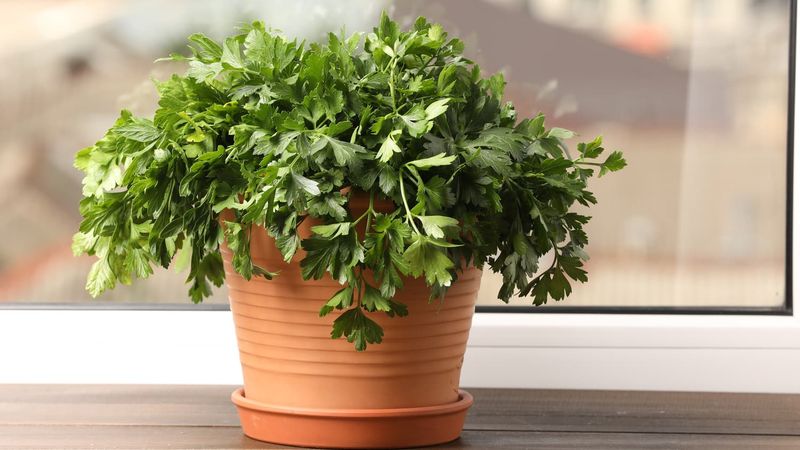
Parsley is often underrated, yet it’s a powerhouse of nutrients. Beyond garnish, it’s rich in vitamins A and C. In Roman times, it symbolized victory. In the garden, parsley attracts beneficial insects. Its deep green leaves add texture to patio arrangements. While it thrives in sunlight, it tolerates partial shade. Regular harvesting encourages growth. Chewing parsley freshens breath naturally. Its nutritional benefits extend to skin health, making it a valuable addition to diets. With its rich history and utility, parsley deserves a spot on every patio.
8. Sage
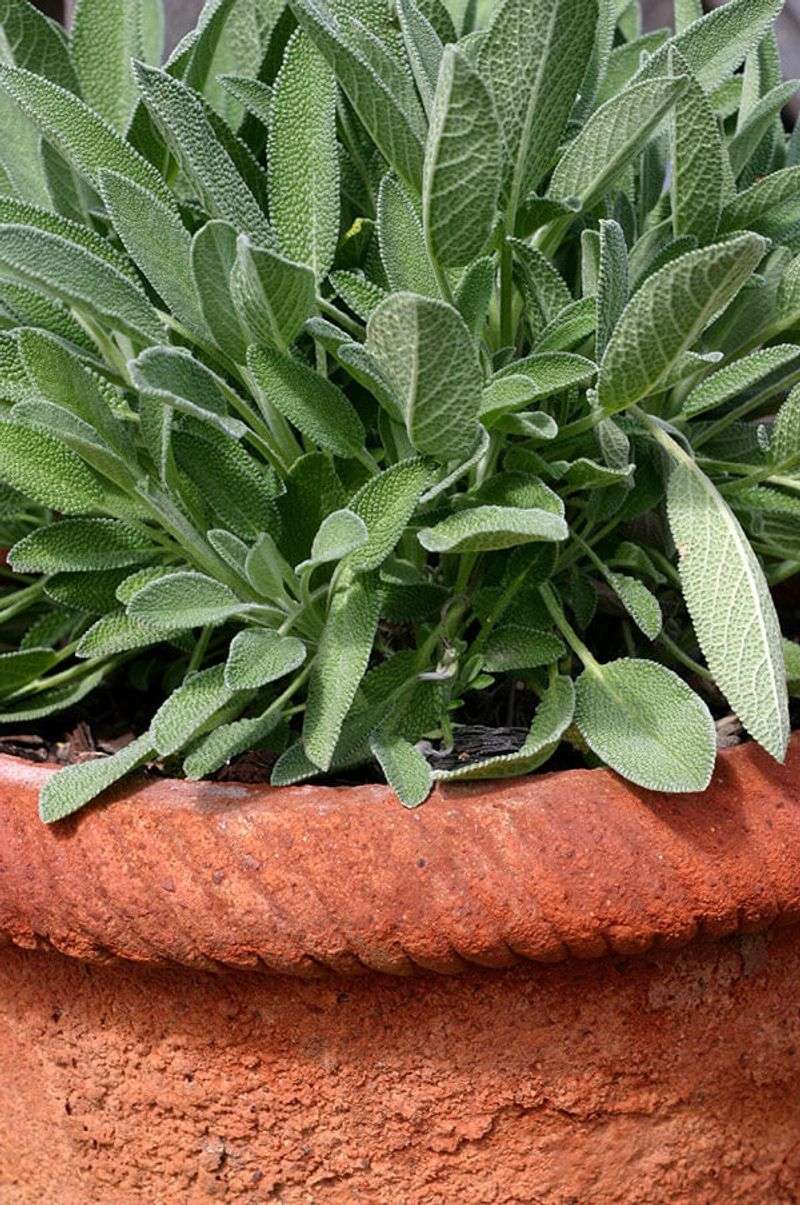
Sage, known for its earthy aroma, carries a storied past. Ancient civilizations believed it enhanced wisdom and longevity. In medieval times, sage tea was a remedy for fevers. On patios, it deters pests with its strong scent. Sage is resilient, tolerating dry conditions once established. Its soft, silvery leaves add visual interest. Beyond cooking, sage is used in smudging rituals for cleansing spaces. Its practical and mystical uses have made it a staple in gardens for centuries. Embrace its versatility and fragrant presence in your outdoor haven.
9. Chives
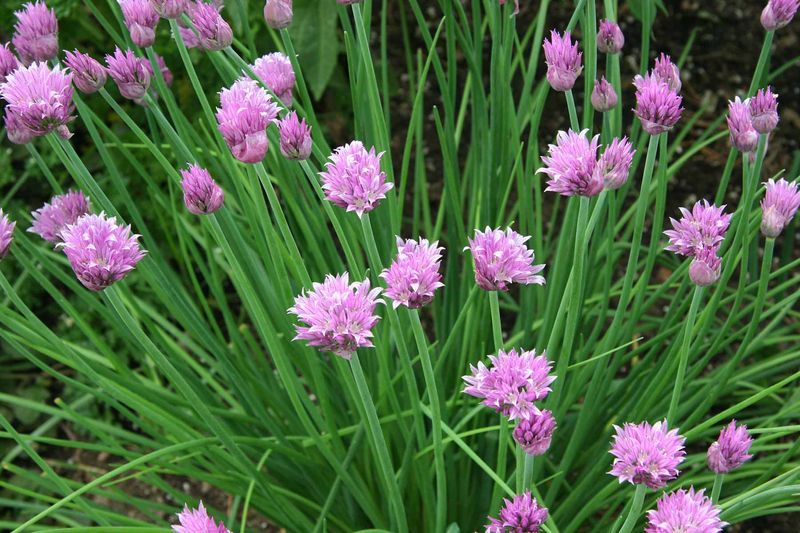
Chives, with their mild onion flavor, are more than a culinary garnish. In gardens, their striking purple flowers attract pollinators. Chives are rich in vitamins A and K. Historically, they were believed to ward off evil spirits. In patio gardens, they deter aphids naturally. Their slender leaves add a vertical element to plant arrangements. Easy to grow, chives thrive in containers, making them suitable for small spaces. Regular trimming encourages new growth. Whether for cooking or decoration, chives bring flavor and flair to patios.
10. Cilantro
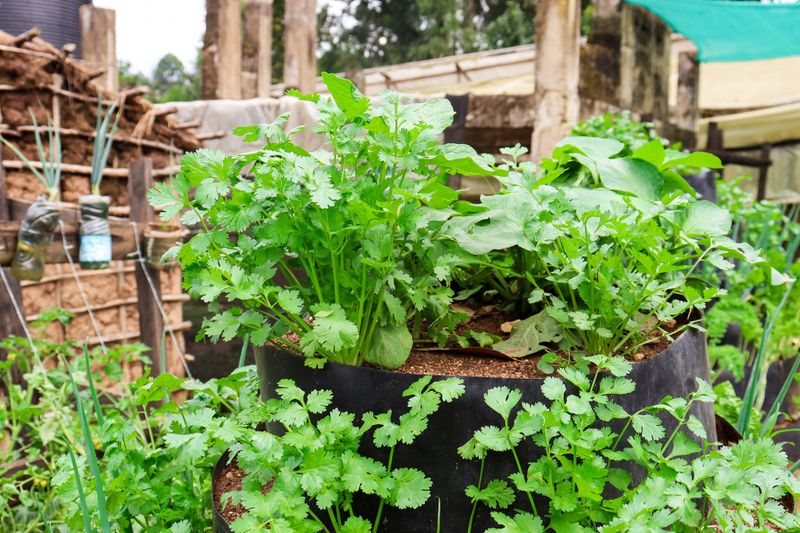
Cilantro, or coriander leaves, has a distinct flavor loved by many. Known for its fresh, citrusy taste, it’s a staple in various cuisines. Its seeds, known as coriander, have been used since ancient Egyptian times. On patios, cilantro benefits from morning sun and afternoon shade. Its rapid growth makes it ideal for regular harvests. Cilantro’s leaves and seeds aid digestion and contain antioxidants. While its flavor is divisive, its benefits are universally acknowledged. In patio gardens, its bright green foliage adds vibrancy and culinary value.
11. Dill
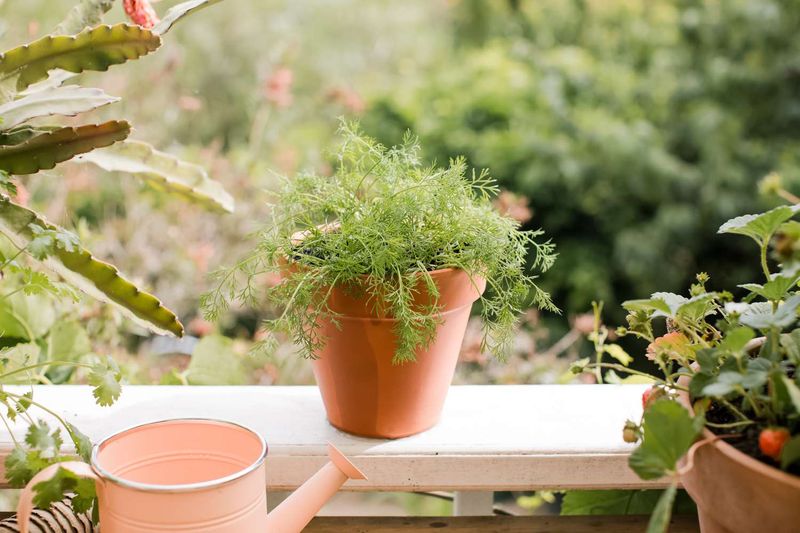
Dill, with its feathery leaves, is more than a pickling spice. In ancient Greece, dill symbolized wealth. On patios, it provides a lush backdrop with its delicate foliage. Dill attracts beneficial insects like ladybugs. Its seeds can be used to brew a soothing tea for digestion. Easy to grow, dill thrives in sunny spots. Regular harvesting encourages new growth. Beyond culinary uses, dill’s essential oils are used in perfumes. Its tall, graceful appearance complements other plants, adding both beauty and functionality to patio gardens.
12. Lemon Balm
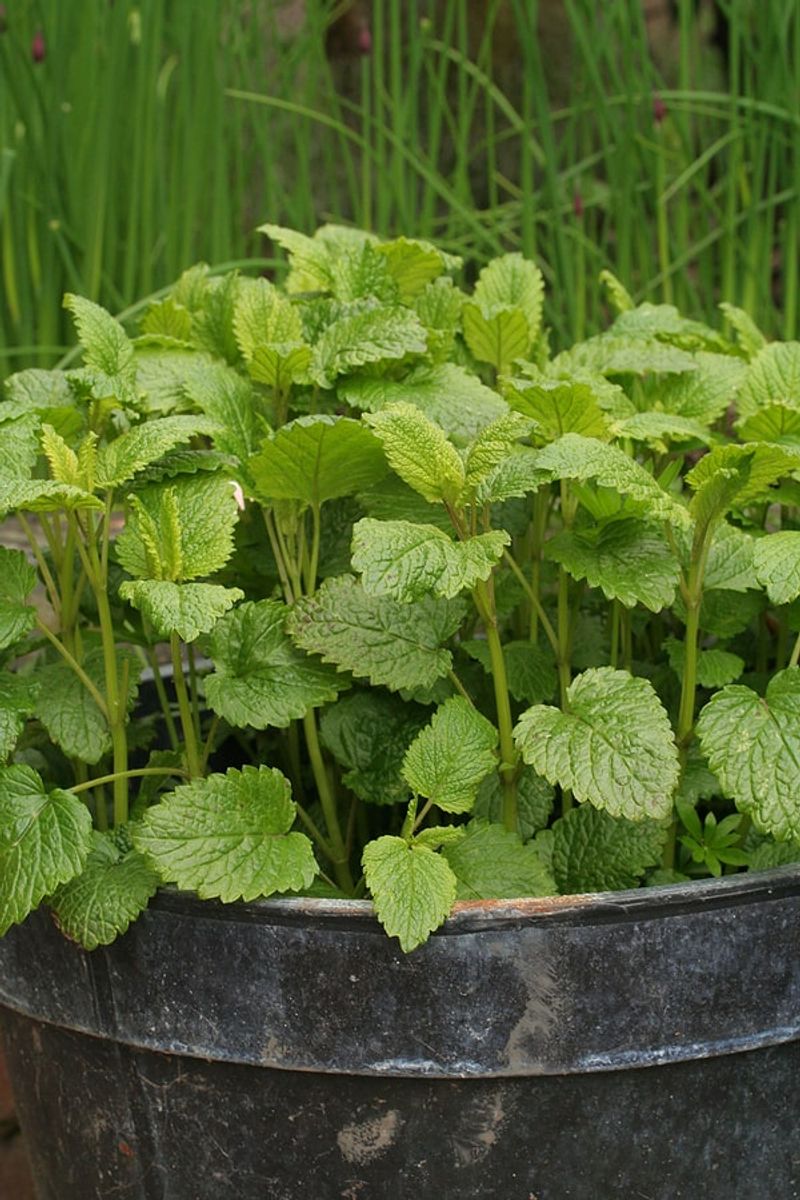
Lemon balm, with its citrus scent, is a delightful addition to patios. Historically, it was used to lift spirits and promote relaxation. In gardens, it attracts bees, supporting pollination. Its leaves, when crushed, release a refreshing aroma. Lemon balm is often used in teas to soothe nerves. It prefers partial shade, making it versatile for various outdoor spaces. Regular pruning keeps it bushy and vibrant. Its calming properties and lemony fragrance make it a favorite among gardeners seeking both utility and sensory appeal.
13. Tarragon
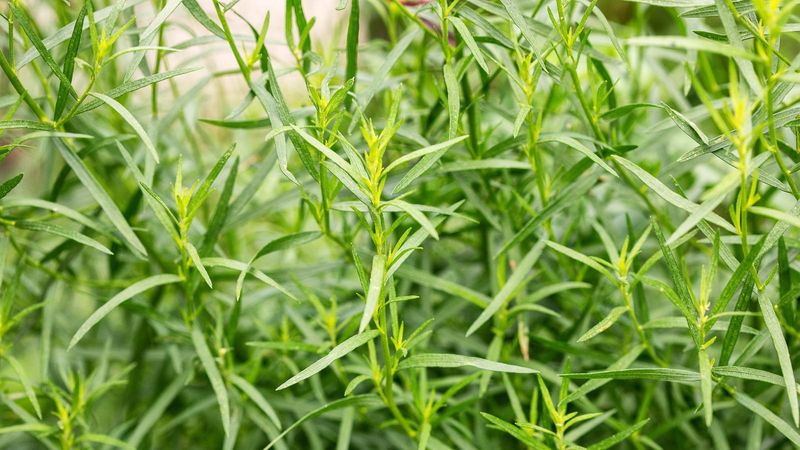
Tarragon, with its anise-like flavor, is cherished in French cuisine. Its name derives from the Arabic word for dragon, hinting at ancient beliefs in its healing powers. On patios, tarragon thrives in warm, well-drained soil. Its slender leaves add elegance to plant arrangements. Tarragon is known to stimulate appetite and enhance digestion. Regular pruning keeps it lush and encourages growth. Though it’s a perennial, it benefits from winter protection in colder climates. Tarragon’s unique flavor and graceful appearance make it a standout in patio gardens.
14. Marjoram
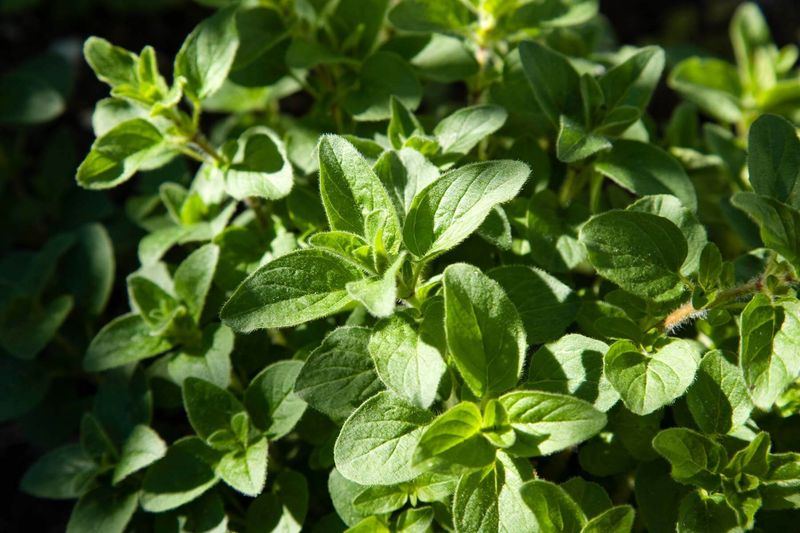
Marjoram, with its sweet, floral aroma, is often overshadowed by its cousin oregano. In ancient Greece, it symbolized happiness. On patios, marjoram’s scent repels pests. Its small, oval leaves add texture to herb gardens. Marjoram thrives in sunny spots and well-drained soil. Its dried leaves retain flavor, perfect for winter use. Beyond cooking, marjoram tea is believed to relieve stress and insomnia. Easy to grow, it’s a charming addition to any patio. With its delightful scent and versatility, marjoram deserves more attention from gardeners.
15. Bay Laurel
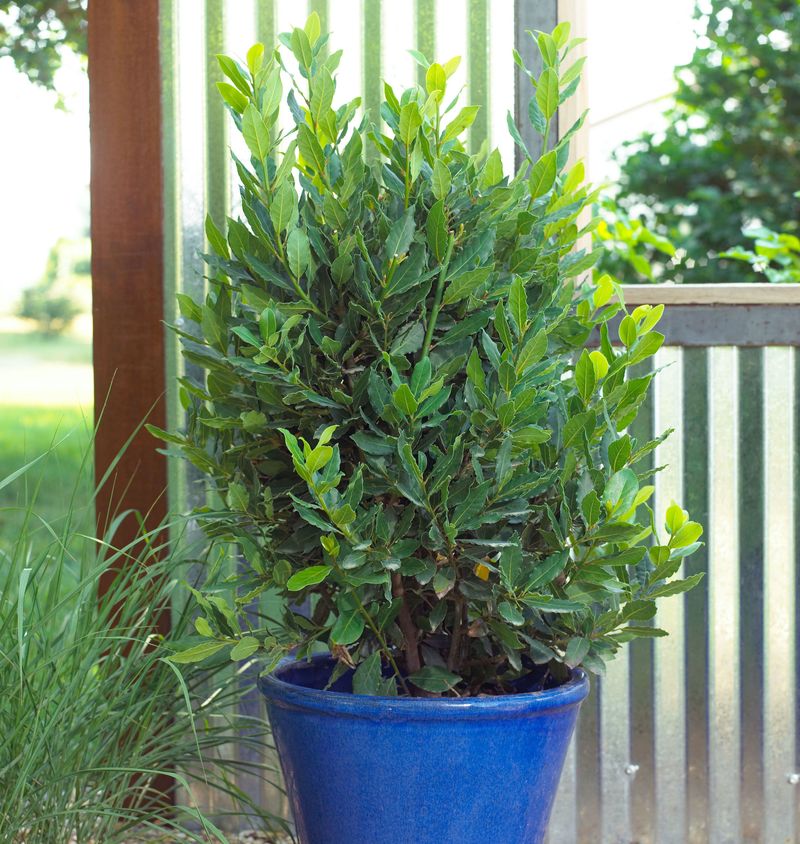
Bay laurel, with its glossy leaves, is synonymous with victory and honor. In ancient Rome, it crowned champions. On patios, it serves as a stately potted plant. Its leaves, used in cooking, infuse dishes with a subtle depth. Bay laurel prefers sunny spots and well-drained soil. While slow-growing, it can be pruned into various shapes, adding an architectural element to gardens. Its evergreen nature ensures year-round beauty. Beyond aesthetics, bay leaves have antioxidant properties. Bay laurel’s historical significance and culinary uses make it a treasured patio plant.
16. Fennel
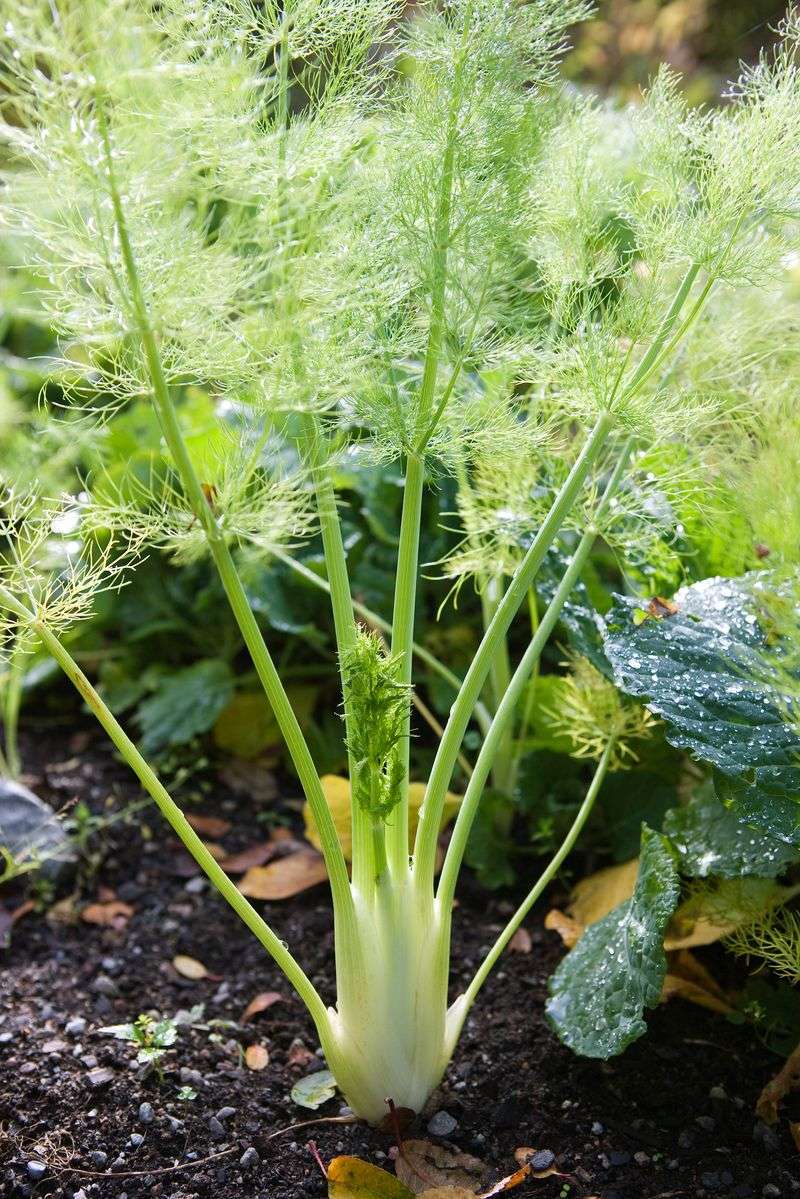
Fennel, with its licorice flavor, is a culinary and visual delight. In ancient times, it symbolized courage. On patios, fennel’s tall stalks and feathery leaves add height and texture. Its bulbs and seeds are versatile in cooking, from salads to breads. Fennel attracts beneficial insects, aiding garden health. It thrives in sunny spots and well-drained soil. Regular harvesting encourages bushier growth. Beyond cooking, fennel tea aids digestion. Its unique flavor and striking appearance make it a distinctive addition to patio gardens, both functional and decorative.
17. Lemongrass
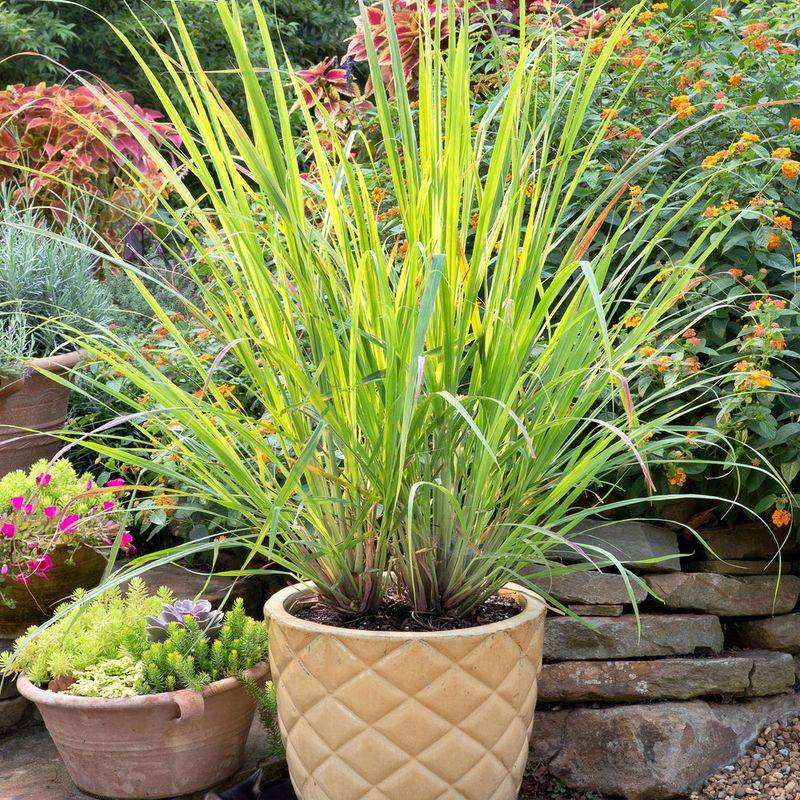
Lemongrass, with its citrus aroma, is more than a culinary herb. In traditional medicine, it’s used to reduce stress and insomnia. On patios, its tall, graceful stalks add vertical interest. Lemongrass thrives in warm climates, preferring full sun and well-drained soil. Its scent repels mosquitoes, enhancing outdoor comfort. Regular trimming encourages new growth. Beyond culinary uses, lemongrass essential oil is popular in aromatherapy. Its refreshing fragrance and practical uses make it a favorite among gardeners. Lemongrass combines beauty and functionality effortlessly in patio gardens.
18. Chamomile
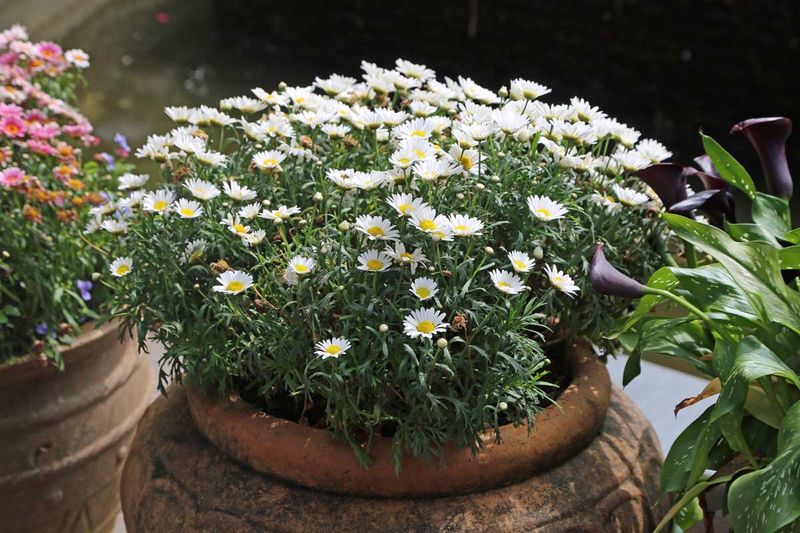
Chamomile, known for its calming properties, is more than a tea ingredient. In gardens, its daisy-like flowers attract beneficial insects. Chamomile thrives in sunny spots, adding a touch of whimsy to patios. Its flowers, when dried, make a soothing tea for relaxation. Historically, it was used in ancient Egypt as a remedy for fevers. Chamomile’s gentle presence complements other plants, creating a harmonious garden scene. Regular harvesting encourages blooming. Beyond its calming effects, chamomile’s delicate beauty makes it a charming addition to any patio.
19. Hyssop
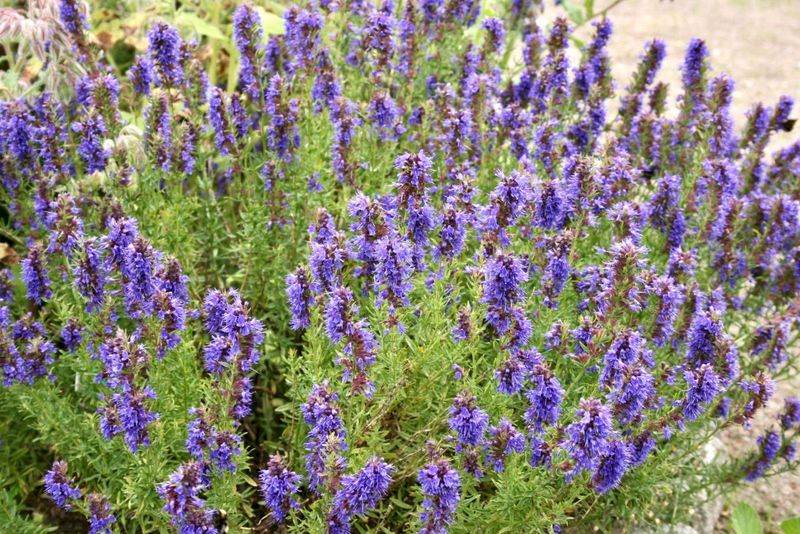
Hyssop, with its vibrant spikes of flowers, carries a rich history. In biblical times, it was used for purification rituals. On patios, its aromatic foliage repels pests. Hyssop thrives in full sun and well-drained soil. Its flowers attract bees, supporting pollination. Besides its ornamental appeal, hyssop tea is believed to relieve respiratory ailments. Its robust nature makes it ideal for container gardens. Regular pruning encourages fuller growth. Hyssop’s combination of historical significance and practical uses makes it a valuable addition to any patio garden.
20. Lovage
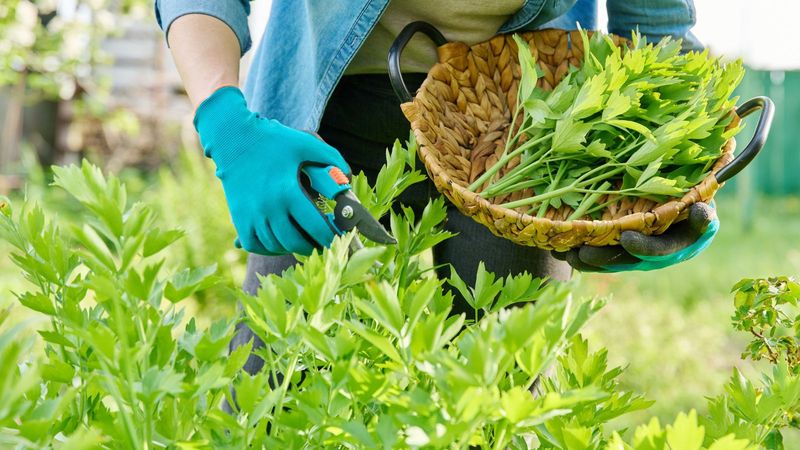
Lovage, with its celery-like flavor, is an underrated herb. In medieval times, it was cherished for its medicinal properties. On patios, lovage’s tall stems add height and structure. Its leaves, seeds, and roots are all edible, offering versatility in the kitchen. Lovage thrives in rich, well-drained soil. It attracts pollinators, enhancing garden biodiversity. Regular harvesting encourages new growth. Beyond cooking, lovage tea is believed to aid digestion. Its bold flavor and architectural presence make it a standout in patio gardens, both useful and attractive.
21. Sorrel
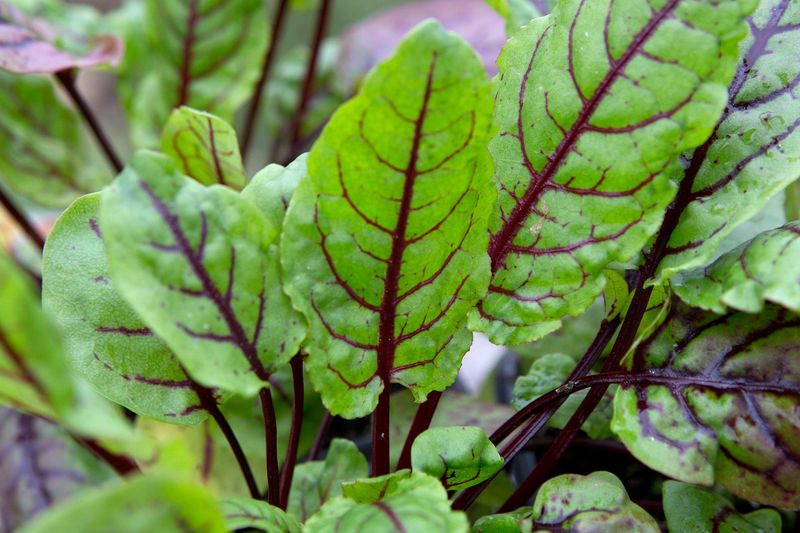
Sorrel, with its tangy flavor, is a culinary gem. In ancient Rome, it was used to season dishes. On patios, sorrel’s arrow-shaped leaves add unique texture. It thrives in partial shade, making it versatile for various garden layouts. Sorrel is rich in vitamin C, offering nutritional benefits. Its leaves are perfect for soups and salads, adding a lemony twist. Regular harvesting encourages lush growth. Beyond cooking, sorrel was historically used as a natural dye. Its vibrant color and flavor make it a refreshing addition to any patio garden.
22. Catnip
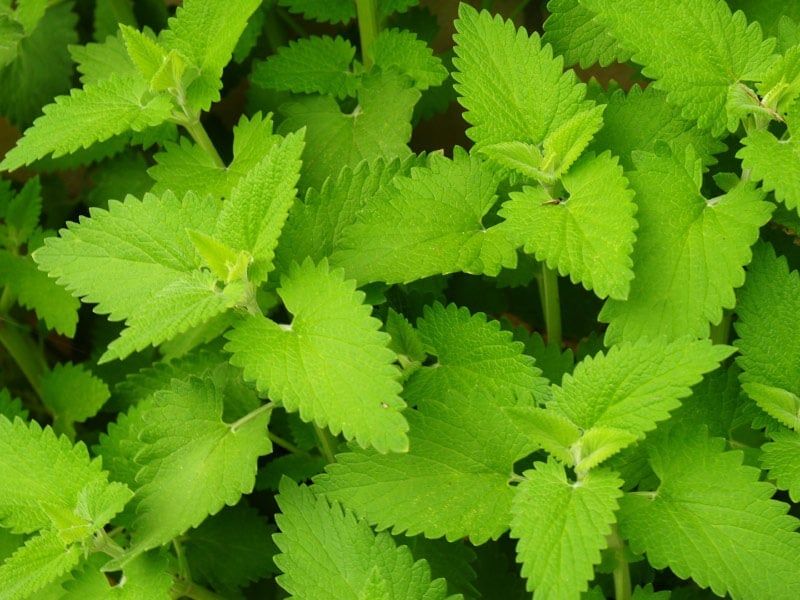
Catnip, known for its appeal to cats, has more to offer. Historically, it was used in herbal remedies for relaxation. On patios, its aromatic foliage deters pests. Catnip thrives in sunny spots, making it ideal for outdoor gardens. Its flowers attract pollinators, enhancing garden health. Regular pruning keeps it bushy and vibrant. Beyond entertaining feline friends, catnip tea is a natural stress reliever for humans. Its dual purpose and ease of growth make it a delightful addition to any patio. Enjoy the playful interactions it brings to your garden.
23. Angel’s Trumpet
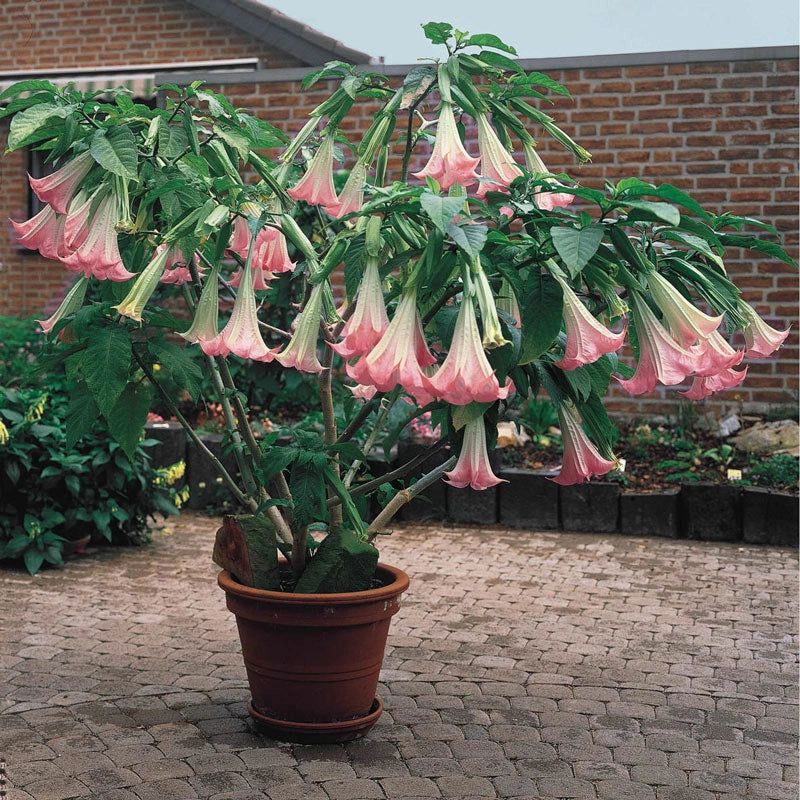
With flowers that resemble musical instruments, Angel’s Trumpet captivates with its dramatic appearance. Originating from South America, this plant boasts large, fragrant blooms that open in the evening. Its intoxicating scent lures nighttime pollinators, adding a mysterious charm to your patio.
Did you know? The plant’s beauty comes with a warning: it’s highly toxic if ingested. Despite its dangers, its stunning display makes it a favorite among adventurous gardeners.
Angel’s Trumpet thrives in containers, allowing flexibility in patio design. Ensure it basks in sunlight for the best blooms.