 Complete Gardening
Gardening enthusiasts are always on the lookout for hidden secrets that can elevate their plant-growing skills. Comfrey, a perennial herb known for its versatility and usefulness, holds a trove of secrets that master gardeners often keep to themselves. From nutrient accumulation to pollinator attraction, these secrets reveal why comfrey is cherished by the gardening elite.
1. It’s a “Dynamic Accumulator” – But Only If You Cut It
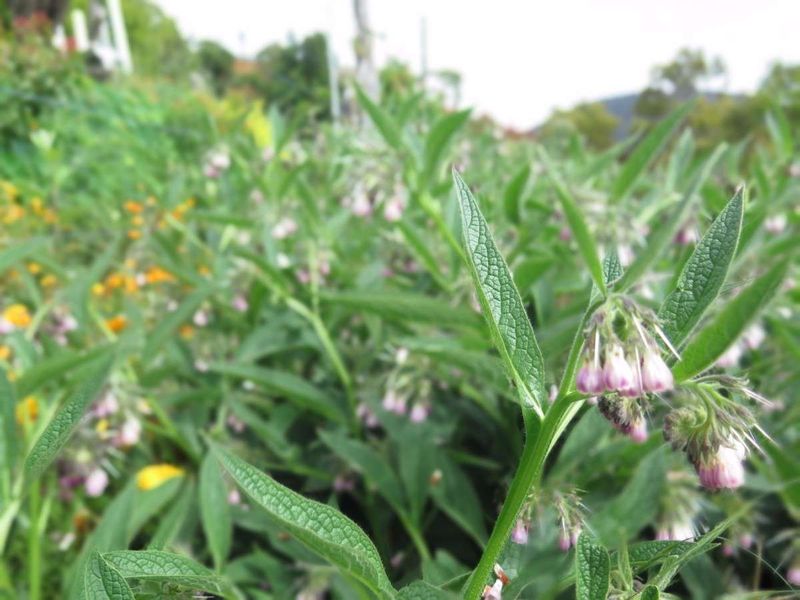
Comfrey is often hailed as a dynamic accumulator—a plant that draws nutrients from deep within the soil. This ability is rooted in its extensive root system, which mines essential minerals like potassium, phosphorus, and calcium. However, merely growing comfrey isn’t enough to impart these nutrients to your garden. The secret lies in strategically cutting the leaves. When you chop and drop them, the leaves decompose, enriching the soil with the stored nutrients. Master gardeners know this, turning comfrey into a natural source of fertilizer without resorting to synthetic options.
2. The Roots Go Deeper Than You Think
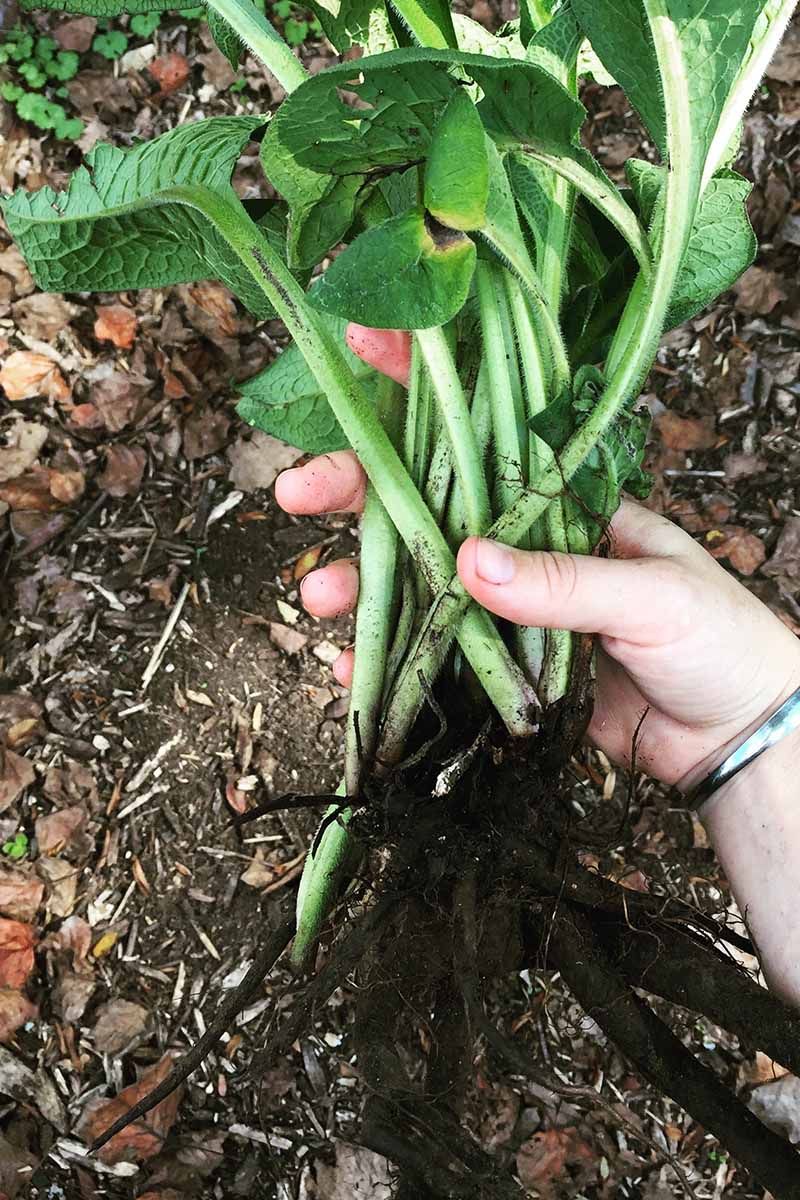
Comfrey’s roots are nature’s underground explorers. Reaching depths of 8 to 10 feet, they break through compacted soil, acting as natural plows. This characteristic makes comfrey invaluable for soil health, as it improves aeration and drainage. However, gardeners must be cautious. Once established, even the smallest root fragment can regenerate a new plant. Removing comfrey completely is a challenge many have faced. Its stubborn persistence underscores its strength but also demands careful management when deciding where to plant it.
3. There’s a Sterile Hybrid (Bocking 14) That Won’t Take Over
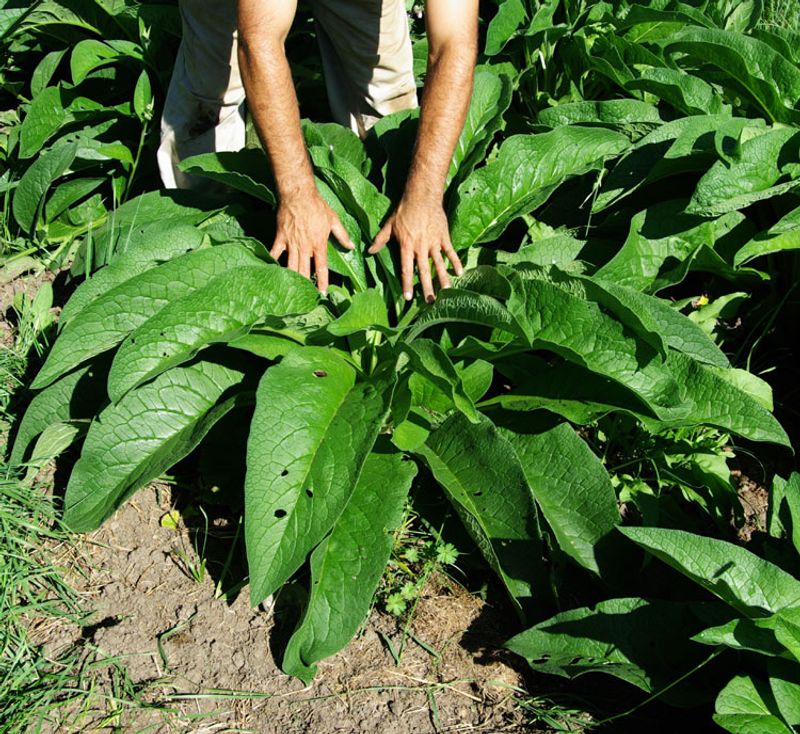
Russian comfrey, known as Symphytum × uplandicum ‘Bocking 14’, is a favored choice among permaculture practitioners. Its appeal lies in its sterility—this hybrid doesn’t produce seeds, preventing unwanted spread. Gardeners appreciate Bocking 14 for its controlled growth, offering all the benefits of comfrey without the risk of invasion. By planting this variety, you can enjoy nutrient-rich leaves and robust growth without worrying about the plant overtaking your garden. Its responsible nature makes it an ideal companion in any organized growing space.
4. It’s a Miracle Mulch & Fertilizer
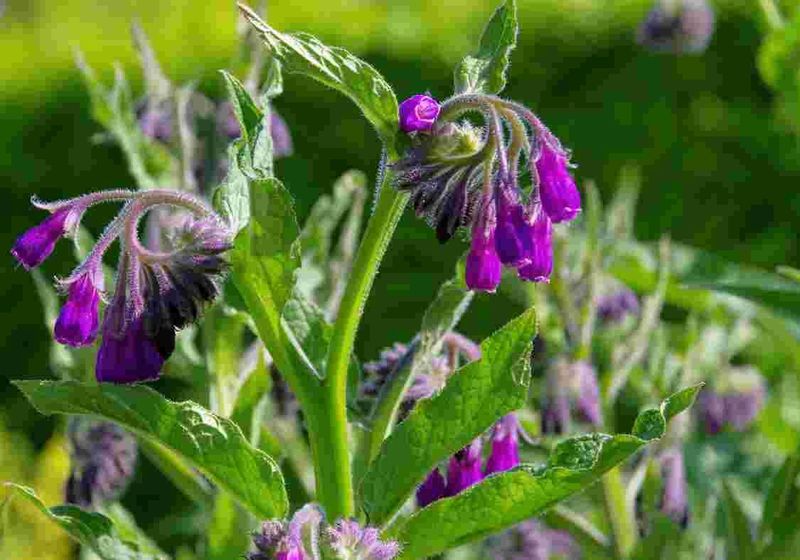
A single comfrey plant can be a powerhouse of mulch production. Gardeners delight in the 4 to 5 pounds of nutrient-packed mulch it yields per cut. The leaves teem with nitrogen and potassium, making them ideal for enriching garden beds. For those seeking a liquid alternative, soaking comfrey leaves in water for a few weeks creates a potent, albeit pungent, fertilizer. This dual-purpose use makes comfrey an invaluable ally in sustainable gardening, offering both immediate and long-term benefits to soil and plants alike.
5. Bees Love It—But It’s Not for Every Pollinator
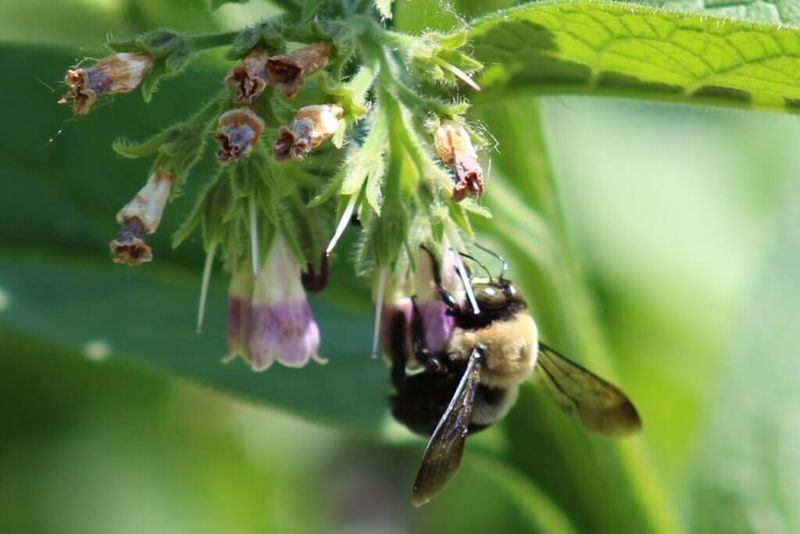
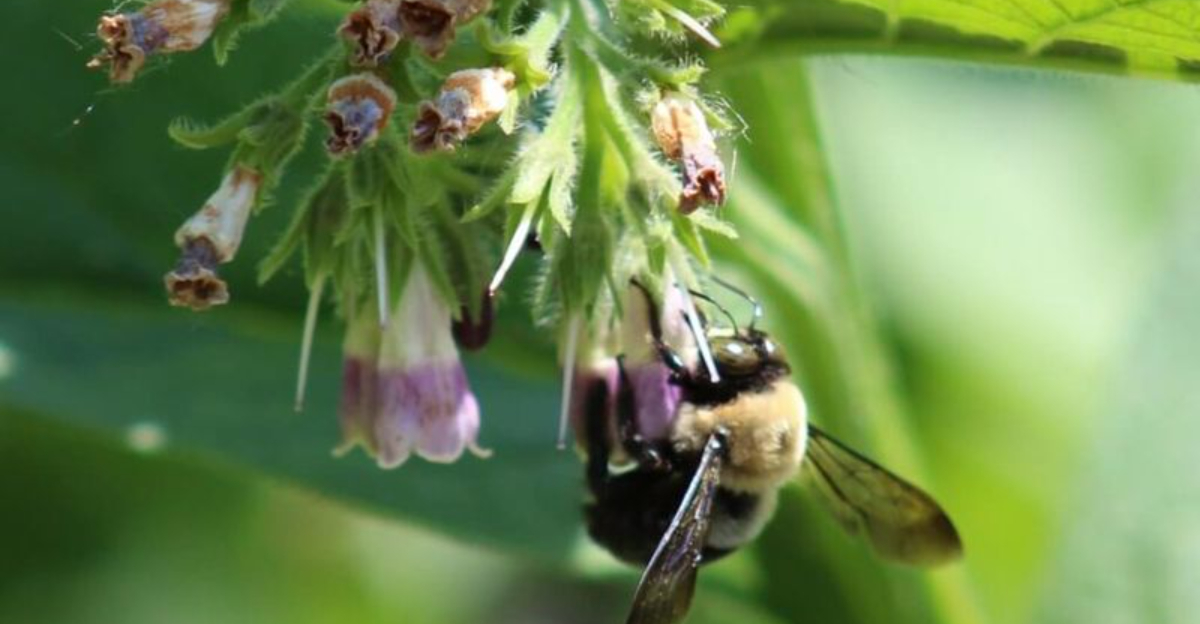
Comfrey boasts bell-shaped flowers that are a magnet for bumblebees and honeybees. Their structure, however, limits access to other pollinators. Bees play a crucial role in gardens, and comfrey provides them with nectar while ensuring pollination. Despite its bee-friendly nature, not all insects benefit from comfrey. The depth of its flowers can exclude some pollinators, making it a specialized resource. This selective attraction can influence the biodiversity in your garden, highlighting the importance of understanding plant-pollinator relationships in garden planning.
6. It Can Be Toxic (But Only If You Eat Pounds of It)
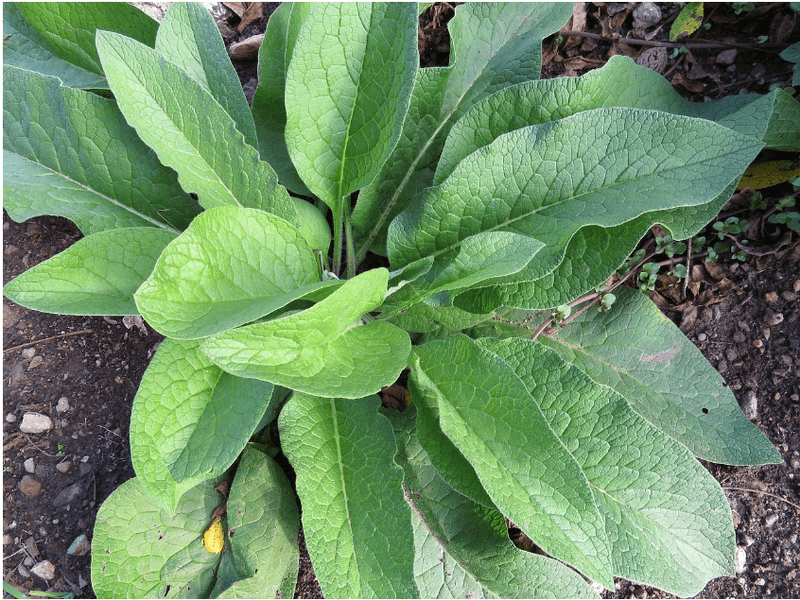
Comfrey’s reputation is marred by its content of pyrrolizidine alkaloids (PAs), compounds known to impact liver health if consumed excessively. While its toxicity primarily concerns internal use, gardeners should still exercise caution. Handling comfrey might irritate sensitive skin, so gloves are advisable. Despite its potential risks, comfrey remains safe for garden use when approached with awareness. Its benefits in composting and soil enrichment outweigh the need for concern, as long as its use remains external, making it a cherished tool among knowledgeable gardeners.
7. It Grows Like a Weed (Literally)
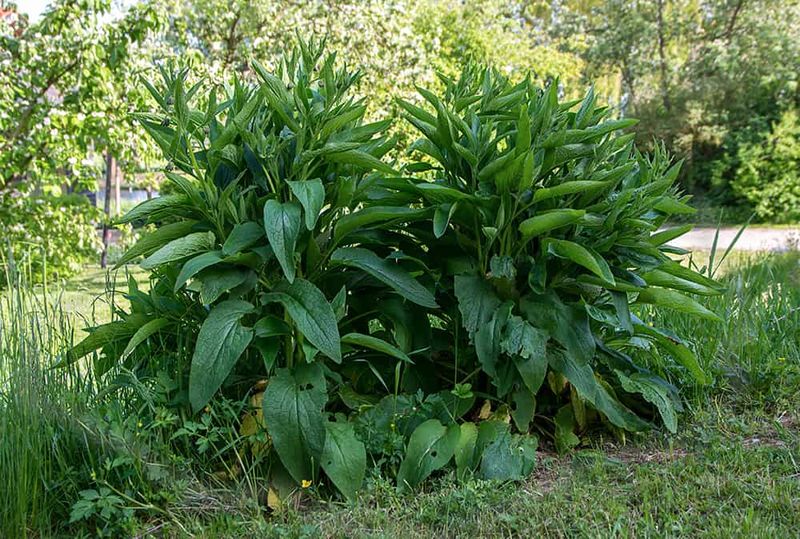
Comfrey is renowned for its vigorous growth, thriving even in poor soil conditions. Its resilience, however, can lead to a takeover if left unchecked. Gardeners seeking to harness comfrey’s benefits without losing control employ strategies like planting in buried pots or bordered beds. These methods contain its roots, allowing for easy management. The plant’s adaptability is both a boon and a challenge, making strategic planning essential. With the right approach, comfrey’s robust nature can be a permanent, manageable asset in any garden.
8. The Best Time to Harvest? Right Before Flowering
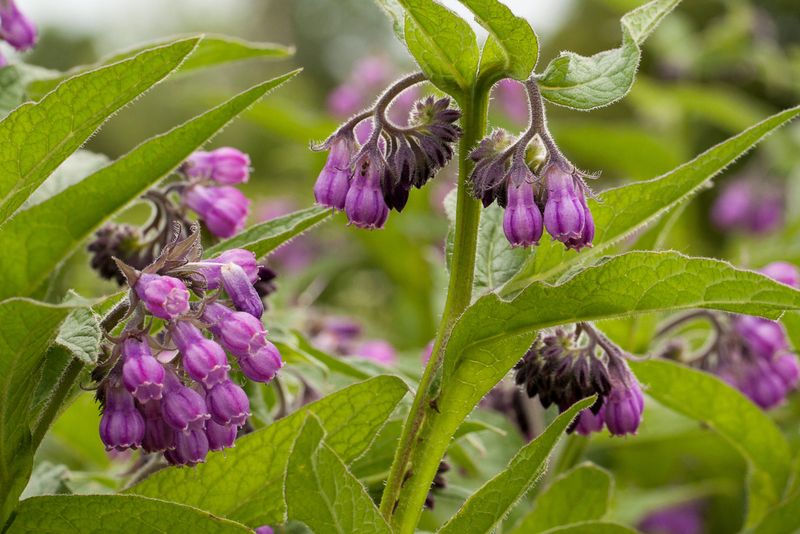
Timing is crucial when harvesting comfrey. Experienced gardeners know that the ideal time to cut comfrey is right before it flowers. This is when the plant’s nutritious leaves are at their peak, rich in nutrients and energy.
Waiting too long can result in a decrease in the potency of its beneficial properties. Early harvesting ensures that you capture the maximum health benefits that comfrey has to offer.
Besides, the plant quickly regrows, allowing for multiple harvests in a single growing season. This not only boosts its yield but also sustains its vigor.
9. It’s a Secret Remedy for Compost Piles
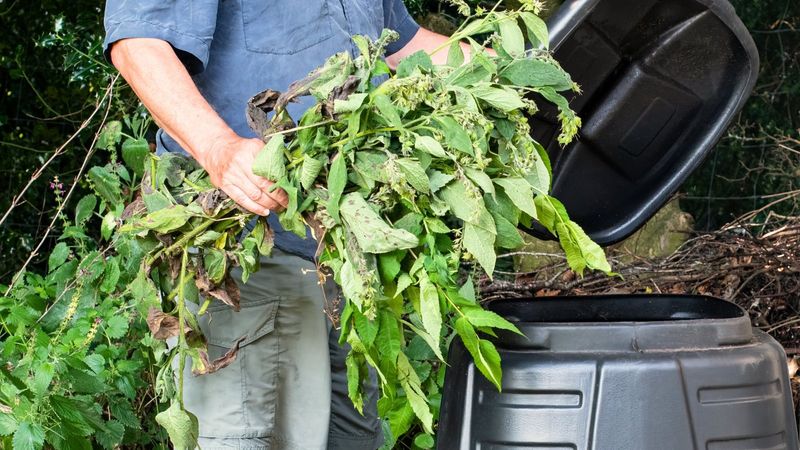
Gardeners treasure comfrey for its ability to enhance compost piles. Its leaves break down swiftly, adding rich nutrients to the compost.
The secret lies in its high nitrogen content, making it an excellent activator. When comfrey is mixed into compost, it accelerates the decomposition process, turning waste into fertile soil faster.
Moreover, this natural booster cuts down on composting time, providing gardeners with ready-to-use compost in less time. It serves as a green catalyst, enriching the garden’s soil with improved fertility and structure.
10. Some States Ban It (Yes, Really)
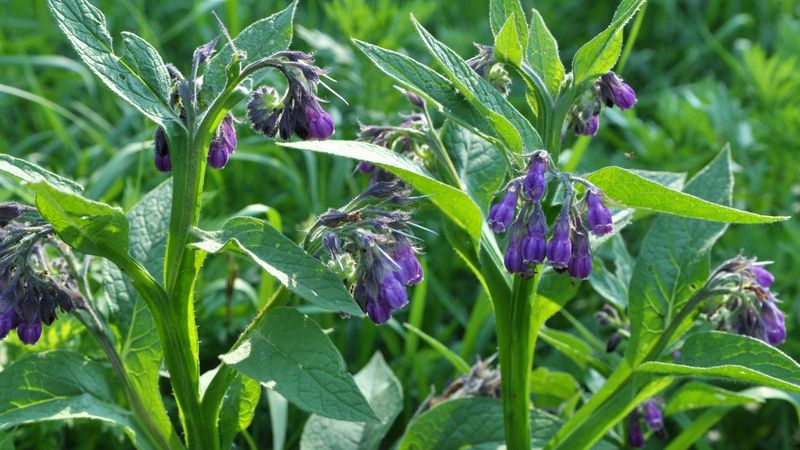
Comfrey’s reputation isn’t spotless; some states have restrictions on its cultivation. Due to concerns over its invasive nature, certain regions have been cautious about allowing comfrey to spread unchecked.
These bans are often enacted to prevent the plant from overtaking native flora, as comfrey’s vigorous growth can crowd out other species.
Gardeners in these areas must take extra precautions or opt for controlled cultivation methods. Despite its many benefits, comfrey’s potential to dominate has earned it a place on certain regulatory lists.
11. Unexpected Companion for Fruit Trees
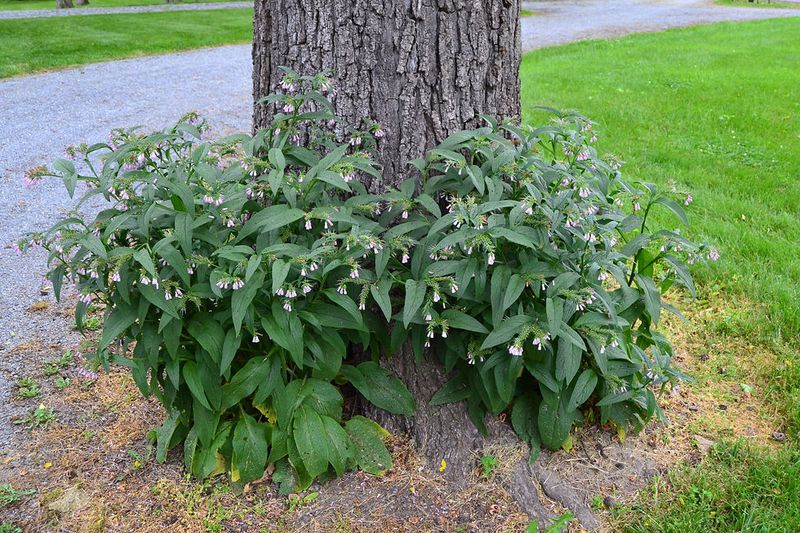
Nestled at the base of fruit trees, comfrey can be a surprising ally. Its roots reach deep, drawing nutrients closer to the surface, benefiting the tree above.
Comfrey’s leaves, when they fall, create a natural mulch, conserving moisture and enriching the soil. This symbiotic relationship enhances fruit production, making comfrey an invaluable companion in orchards.
Gardeners who plant comfrey near fruit trees often notice healthier, more productive plants, revealing another secret weapon in sustainable gardening.
12. A Magnet for Beneficial Insects
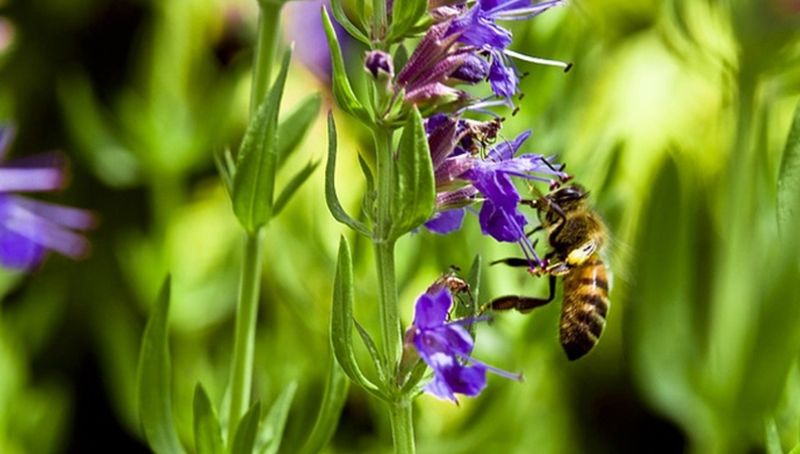
Comfrey is not just a pretty plant; it’s a haven for beneficial insects. Its vibrant flowers attract pollinators like bees, which in turn help other plants in the garden.
This influx of pollinators boosts the overall health and productivity of the garden. Moreover, predatory insects such as ladybugs are drawn to comfrey, aiding in natural pest control.
By encouraging a diverse insect population, comfrey plays a crucial role in maintaining ecological balance, making it a hidden gem for biodiversity in gardens.
13. Natural Plant Protector and Soil Booster
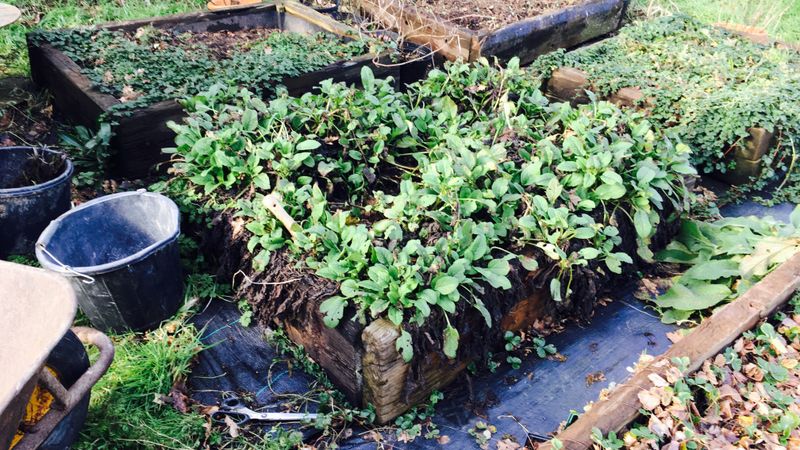
Comfrey’s leaves serve as a defensive layer, protecting the soil and plants from erosion and moisture loss. When used as mulch, they decompose, releasing nutrients that rejuvenate the soil.
This process not only fortifies the soil but also enhances plant growth. The nutrient-rich mulch supports stronger, healthier plants, reducing the need for chemical fertilizers.
Gardeners often rely on comfrey to sustain robust garden ecosystems, revealing its quiet strength in natural plant protection and soil enhancement.