 Complete Gardening
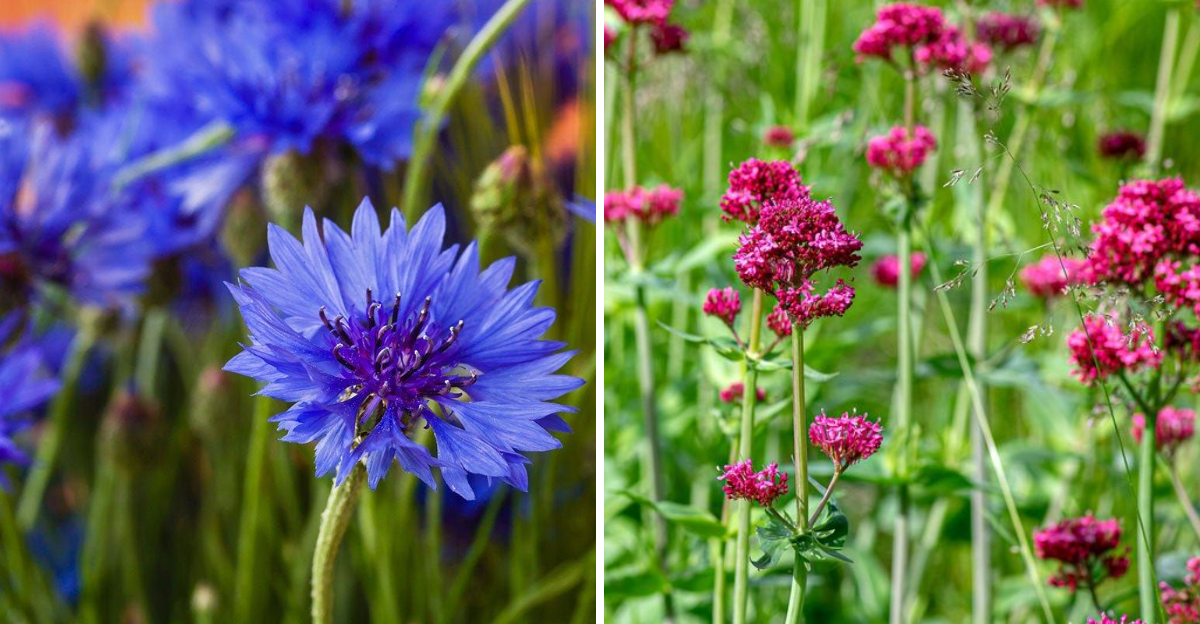
Explore the world of gardening by knowing which blue flowers to skip and which self-spreading perennials to plant instead.
This list guides you through 11 blue flowers that you might consider not planting due to their maintenance needs or invasiveness.
Instead, discover 16 perennials that not only spread themselves but also add vibrant colors and life to your garden with minimal effort.
1. Bluebell
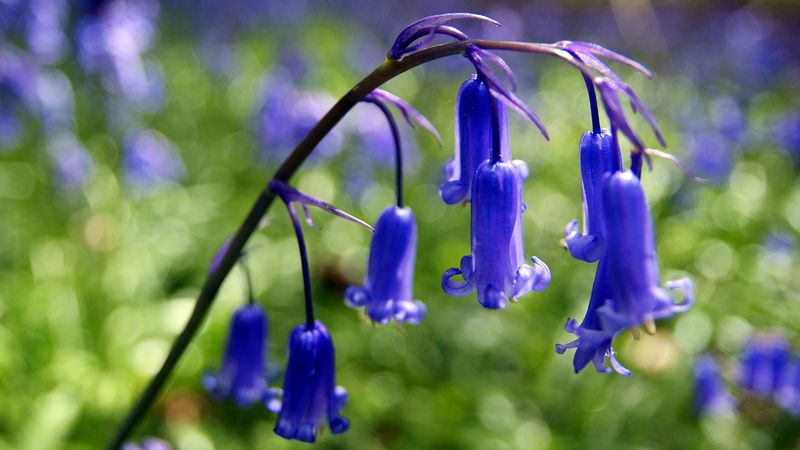
Bluebells are often found carpeting woodlands, creating a sea of blue in spring. However, they can be overly invasive, spreading aggressively and outcompeting native species if planted in the wrong environment. Some gardeners have reported struggles in controlling their spread, which can lead to unintentional garden takeovers. Despite their beauty, consider the ecological impact before planting. Did you know? Bluebells are protected in some regions due to their ecological importance. It’s crucial to ensure they are suited to your local environment before planting.
2. Forget-Me-Not
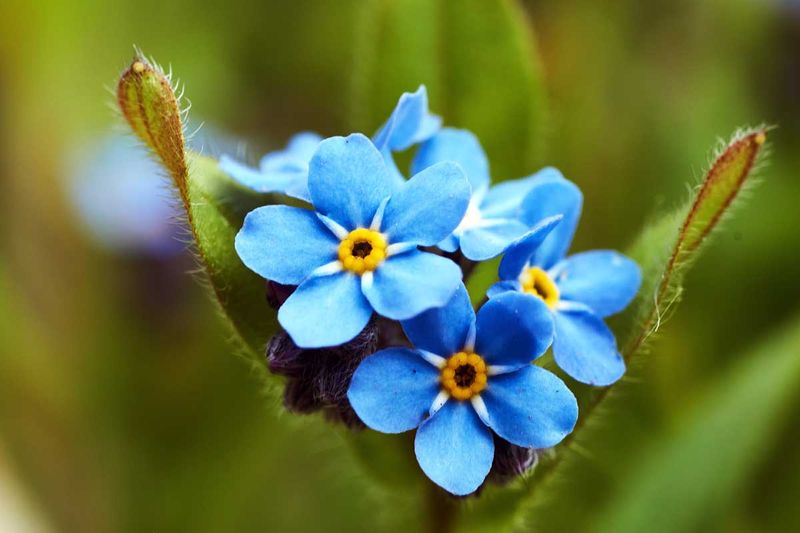
The charming Forget-Me-Not is admired for its delicate blooms and sentimental name. Despite this, they can spread beyond control in garden beds, creating competition for nutrients. Their seeds are easily dispersed by the wind, leading to rapid colonization of unintended areas. This can be problematic for maintaining order in cultivated spaces. If you’re drawn to their nostalgic appeal, consider planting them in a contained area. Fun fact: Forget-me-nots are the state flower of Alaska, recognized for their resilience in cold climates.
3. Lobelia

Lobelia’s vibrant blue flowers are a summer staple for many gardeners. However, while beautiful, they require specific moisture and soil conditions to thrive. If these conditions aren’t met, they can become straggly and underwhelming. Furthermore, in some regions, they can self-seed excessively, leading to crowding in flower beds. Lobelias are best suited for containers where their environment can be more easily controlled. Did you know? Lobelia is named after the botanist Matthias de l’Obel, who first classified these colorful plants.
4. Bachelor’s Button

Bachelor’s Button, or Cornflower, is known for its striking blue hue. Despite its beauty, it can behave like a weed in gardens, spreading seeds that germinate rapidly and without assistance. This can lead to overcrowding and competition with more delicate plants. To enjoy them without the hassle, consider growing them in borders or as part of a wildflower mix where their spread is less of a concern. A fun tidbit: Bachelor’s Button was once worn by young men in love, symbolizing attraction and devotion.
5. Chicory

Chicory, with its sky-blue flowers, often graces roadsides and wild spaces. Though it’s sometimes cultivated for its medicinal properties, in gardens, it can be problematic. It spreads by seed and root, making it difficult to control once established. Its deep taproot also makes removal challenging. While it offers a rustic charm, it might not be the best fit for a manicured garden space. Interestingly, chicory has a long history of use as a coffee substitute, especially during times of shortage.
6. Blue Vervain
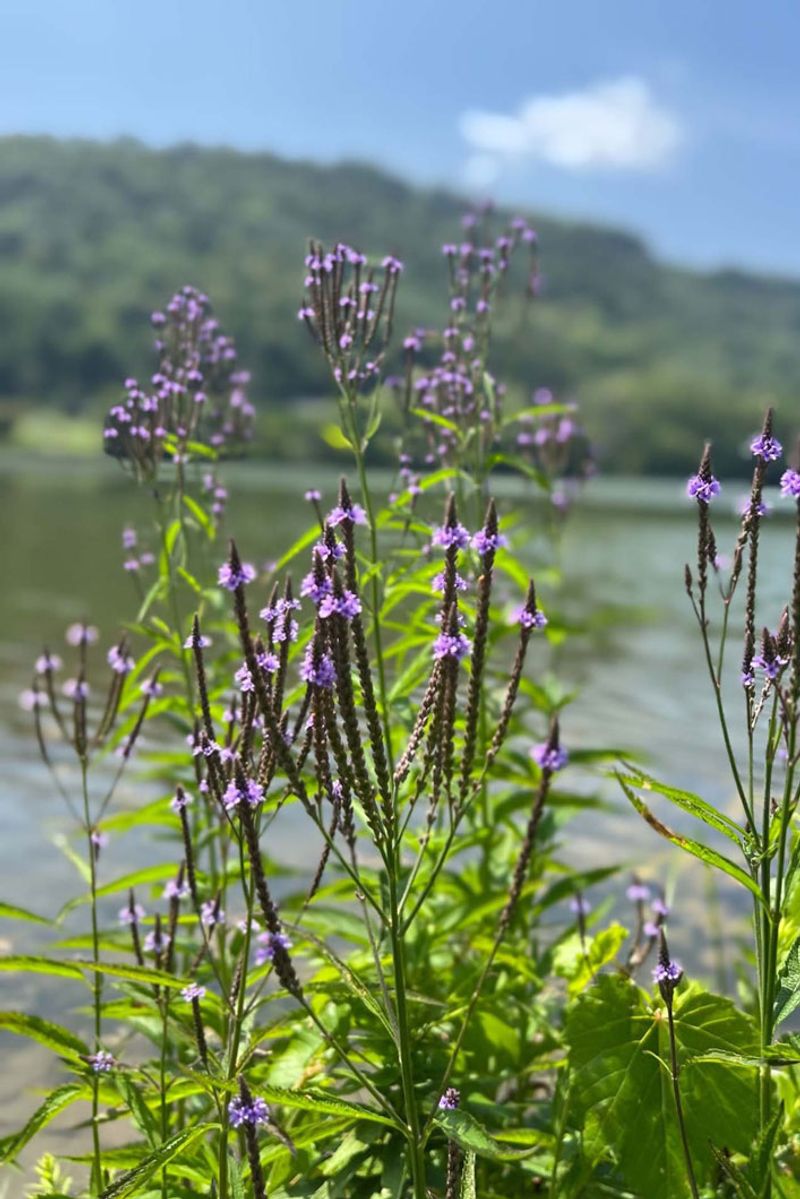
Blue Vervain is a wildflower that attracts pollinators with its tall spikes of blue blooms. In garden settings, it can become unruly, spreading through both seed and rhizome, often overtaking smaller plants. Its robust nature makes it suited for naturalized areas rather than formal gardens. If you seek to support wildlife, Blue Vervain might be an apt choice for less-tamed spaces. Did you know? Blue Vervain has been historically used in herbal medicine and is associated with various cultural myths and practices.
7. Speedwell
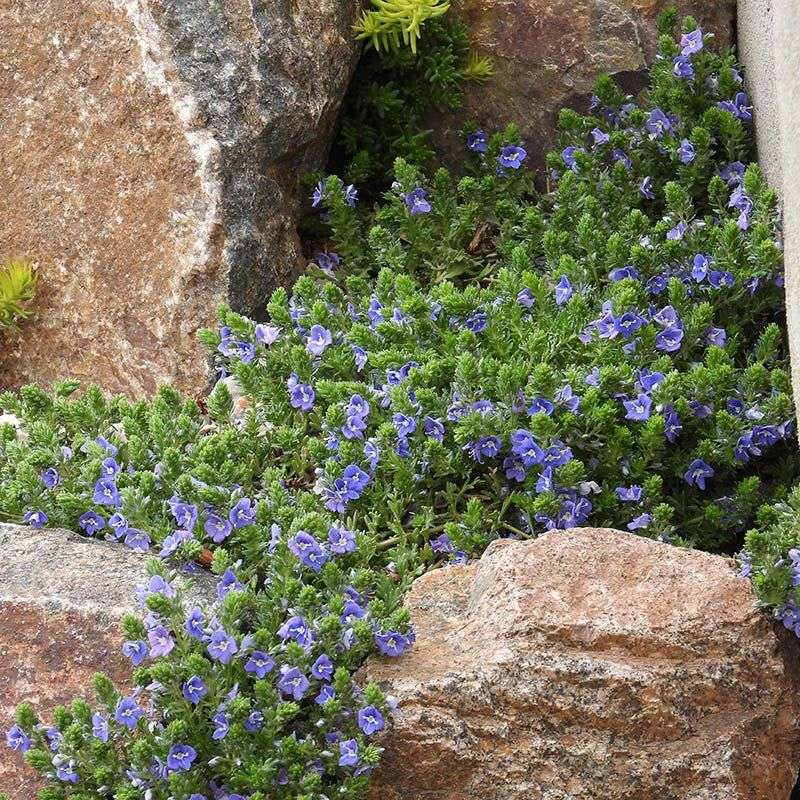
Speedwell is a low-growing plant with charming blue flowers that can smother other plants. Its quick-spreading nature makes it an ideal ground cover in the right circumstances, but it can be invasive if left unchecked. To maintain a balanced garden, consider its placement carefully. It’s best utilized in rock gardens or contained spaces. Historically, Speedwell was believed to bring good luck and was used as an emblem of protection on journeys. This bit of folklore adds a touch of whimsy to its garden presence.
8. Bush Vetch

Bush Vetch, with its light blue, pea-like flowers, adds a wild touch to hedgerows and naturalized areas. However, it can quickly dominate space with its vining habit, often overshadowing other plants. Its ability to fix nitrogen can be beneficial in certain soil conditions but problematic in balanced gardens. If you choose to include it, consider allowing it to mingle with other robust plants that can hold their own. A quirky fact: Bush Vetch is commonly found in European folklore and literature, symbolizing resilience and wild beauty.
9. Comfrey

Comfrey is appreciated for its medicinal properties and rapid growth. Its blue flowers attract pollinators, but the plant itself can become invasive if not managed. Its deep roots make it difficult to eradicate once established, and its tendency to spread can overwhelm garden beds. Comfrey is best suited for permaculture gardens where its benefits outweigh its spread. Interesting tidbit: Comfrey has been used since ancient times in traditional medicine as a healing poultice for wounds and fractures.
10. Virginia Bluebells

Virginia Bluebells bring a touch of woodland enchantment with their nodding blue flowers. While lovely, they can spread rapidly in rich, moist soils, forming extensive colonies that might overpower other plants. They thrive in woodland gardens where their natural spread mimics their native habitat. If you have a woodland garden, they can add elegance and charm. Did you know? Virginia Bluebells are often seen as harbingers of spring, with their blooms coinciding with the season’s arrival in eastern U.S. forests.
11. Phlox paniculata
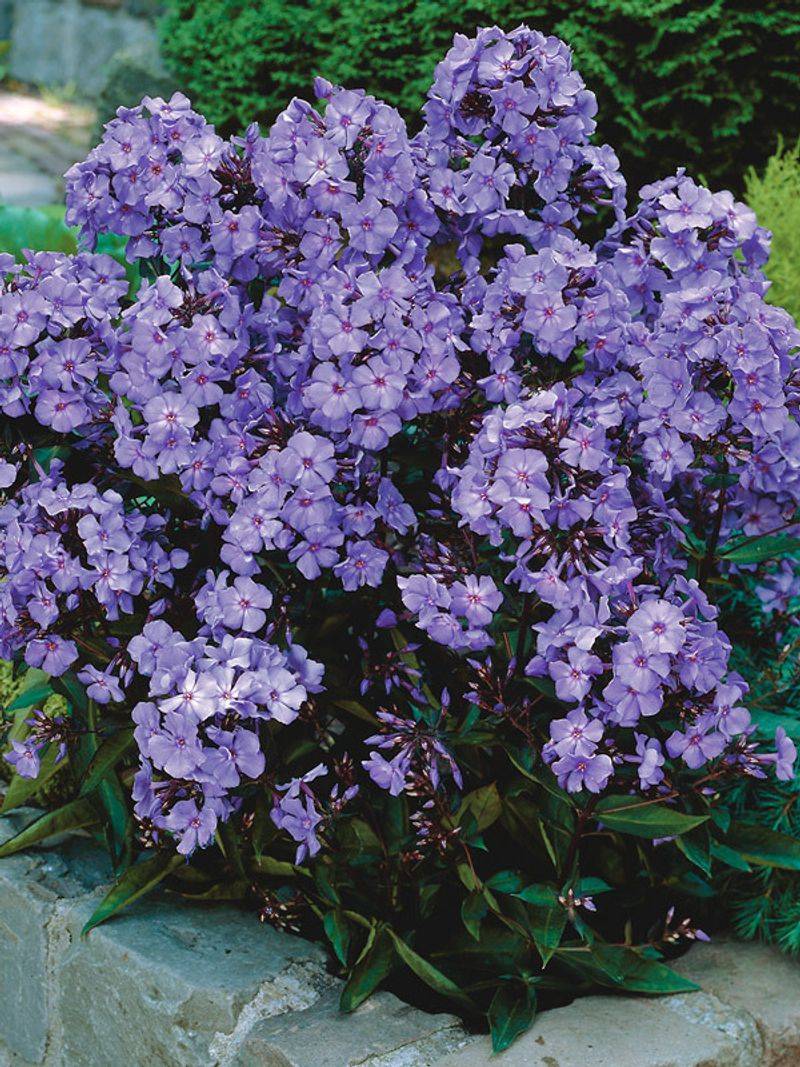
Phlox paniculata, with its showy blooms, adds vibrant blue tones to summer gardens. However, it requires vigilant care to prevent mildew and pest issues. Its tendency to self-seed can lead to unexpected spread, potentially crowding out desired plants. For controlled growth, regular deadheading and monitoring are essential. If you appreciate their color, they’re best used in borders where their spread can be monitored. Fun fact: Phlox is derived from the Greek word for flame, highlighting its fiery range of colors beyond just blue.
1. Catmint
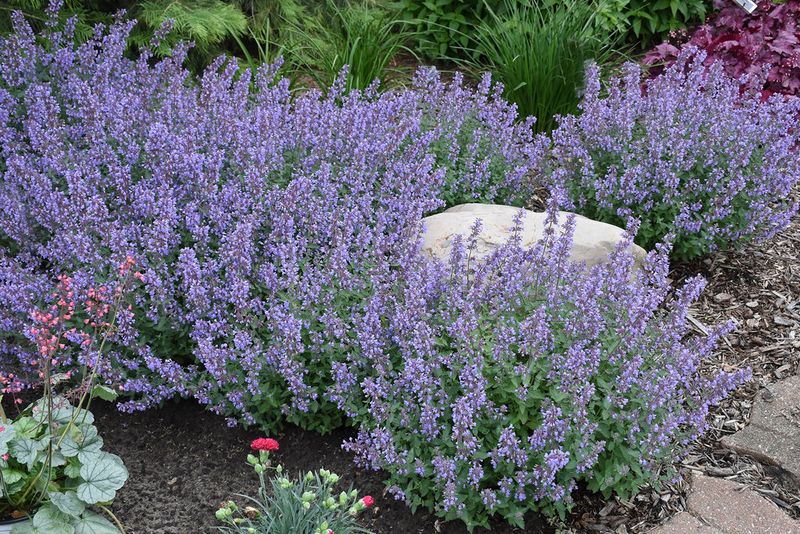
Catmint, known for its aromatic foliage and blue-lavender flowers, is a favorite among pollinators. Its hardiness and ability to thrive in various conditions make it a gardener’s ally, but its vigorous growth can be overwhelming. Regular pruning helps maintain its shape and prevent spreading. Plant it where its scent can be enjoyed along pathways or as borders. Interestingly, Catmint is related to catnip and shares some of its intoxicating effects on felines, making it a playful addition for cat lovers.
2. Lungwort
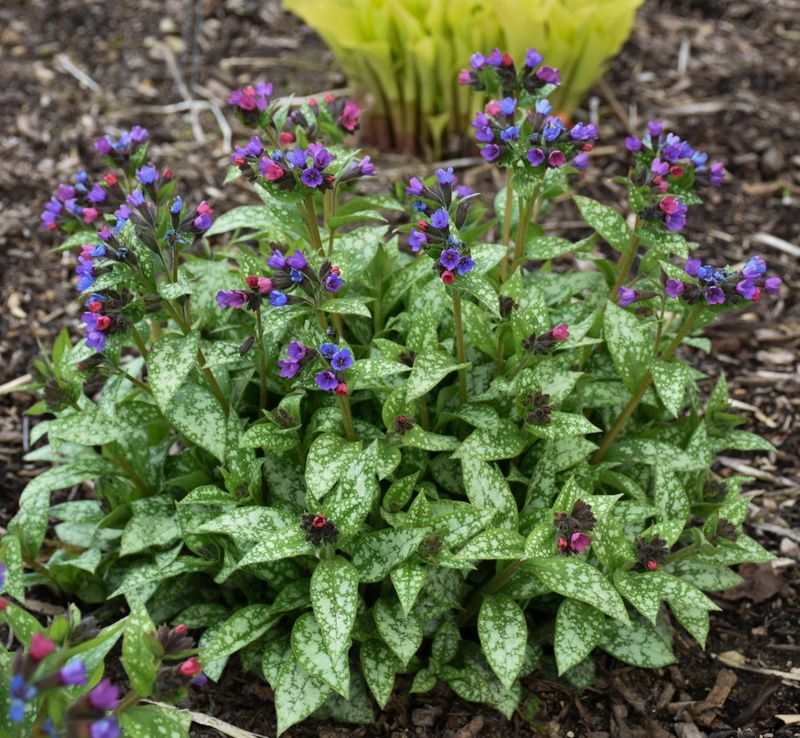
Lungwort, with its speckled leaves and clusters of blue flowers, thrives in shaded garden areas. Its ability to spread makes it ideal for ground cover under trees, but it can encroach on other plants if not managed. Ensure it’s planted in a space where its spread is advantageous rather than troublesome. Lungwort flowers transition from blue to pink as they age, adding a dynamic color range to shaded areas. Historically, Lungwort was believed to have medicinal properties related to lung health, hence its name.
3. Creeping Jenny
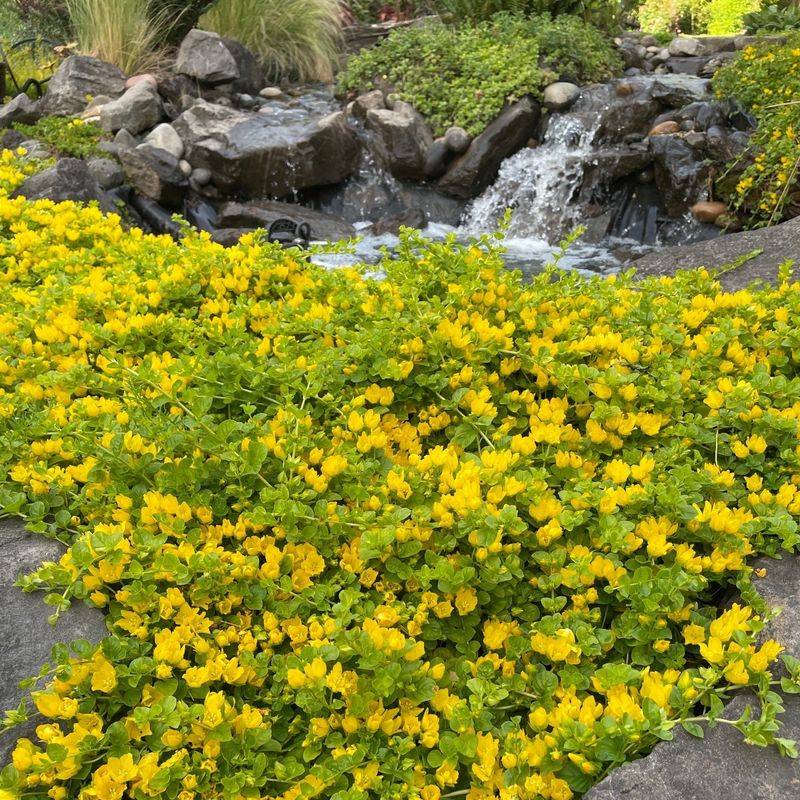
Creeping Jenny is celebrated for its ability to cover ground with vibrant green foliage and occasional yellow flowers. Its aggressive spreading habit makes it a double-edged sword; it can quickly fill gaps but may overrun more delicate plants. It’s ideal for areas needing erosion control, such as slopes or rock gardens, where its rapid growth is beneficial. Plant it with caution, ensuring it won’t choke out neighboring flora. Fun fact: Creeping Jenny is often used in hanging baskets for its trailing effect, adding charm to elevated spaces.
4. Black Eyed Susan
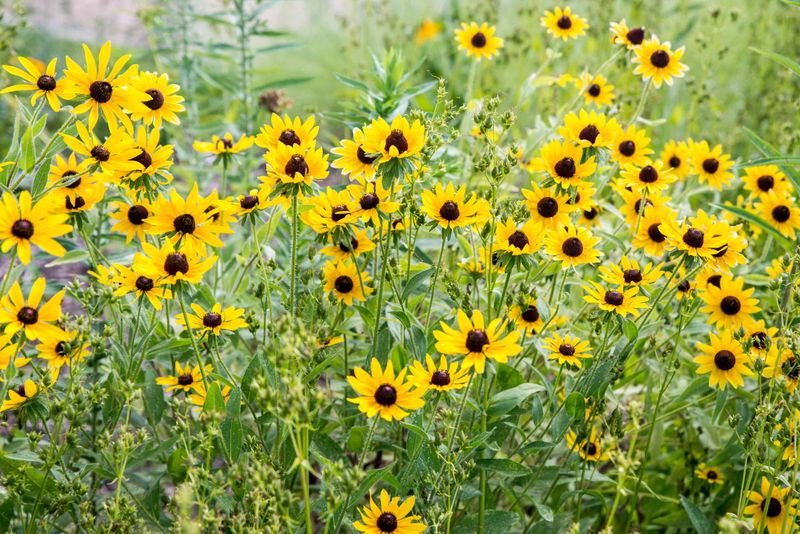
Black Eyed Susans are robust perennials known for their vibrant yellow blooms and dark centers. They spread easily by seed, making them ideal for naturalized areas or wildflower gardens. However, in a controlled garden environment, their prolific nature can lead to unexpected dominance. To keep them in check, regular thinning and deadheading are advisable. Historically, Black Eyed Susan is a symbol of encouragement and motivation, often seen as heralding the arrival of late summer. These flowers attract a variety of pollinators, adding life to gardens.
5. Daylily
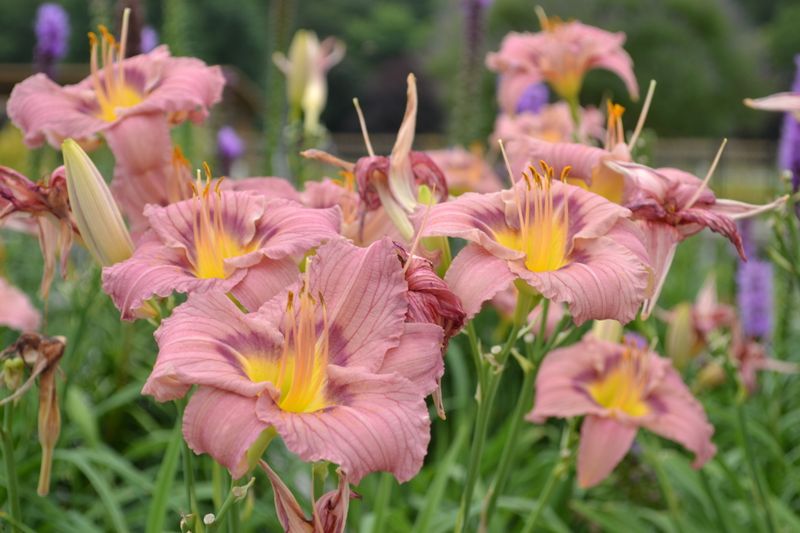
Daylilies are beloved for their hardiness and vibrant blooms that come in a rainbow of colors. They multiply rapidly via their tuberous roots, creating lush clusters that can fill gardens with minimal effort. While their hardiness is a boon, they can overwhelm if left unchecked. Strategically plant them where their spread complements rather than competes. Did you know? Despite their name, each daylily flower blooms for a single day, but each plant produces numerous buds, ensuring a continuous display throughout summer.
6. Yarrow
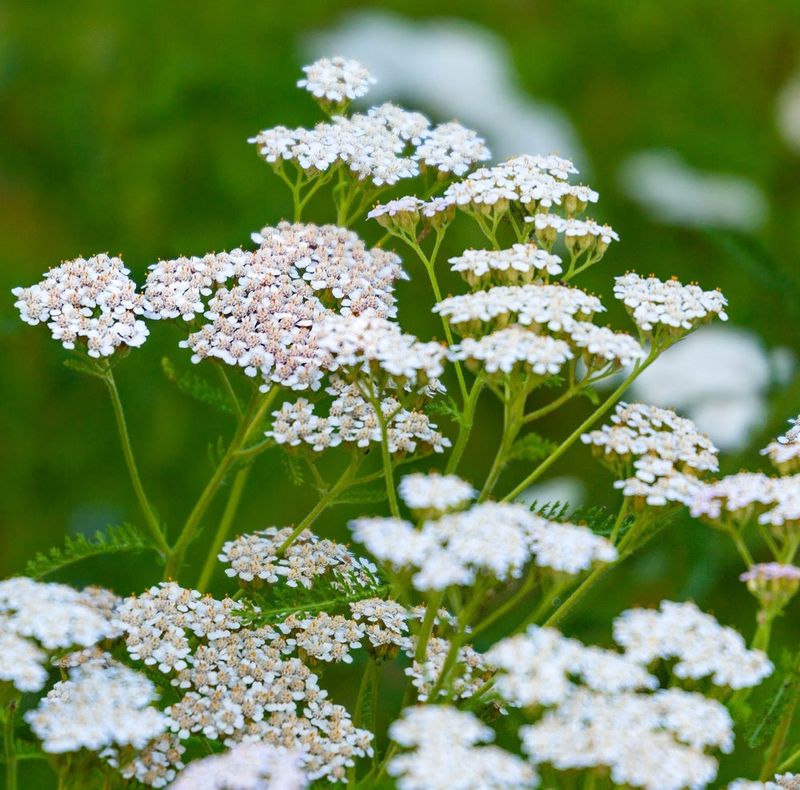
Yarrow is a versatile perennial, cherished for its feathery foliage and clusters of small flowers. It spreads through rhizomes and seeds, making it an excellent choice for wild gardens or naturalized areas. In more structured gardens, its vigor can become problematic, requiring regular management. Its drought tolerance makes it ideal for low-maintenance gardens. Historically, Yarrow has been used in herbal medicine, with its scientific name, Achillea, linking it to the Greek hero Achilles, who purportedly used it to treat battle wounds.
7. Sedum

Sedum, or stonecrop, is a champion of dry, rocky landscapes, thriving where other plants struggle. Its low-growing, succulent nature makes it ideal for rock gardens or green roofs. While not invasive, Sedum spreads readily, filling spaces with its colorful foliage and starry blooms. This resilience makes it a favorite for gardeners seeking low-maintenance, year-round interest. A unique characteristic: Sedum’s leaves can appear green, purple, red, or blue, depending on the variety and environmental conditions, offering a dynamic color palette.
8. Ajuga

Ajuga, or Bugleweed, is a popular ground cover that thrives in shady areas, spreading quickly to form a dense mat. Its vibrant foliage and spikes of blue flowers can brighten dark corners of the garden. While visually appealing, Ajuga can be invasive, spreading aggressively if not kept in check. It’s best suited for contained areas where its growth can be controlled. Fun fact: Ajuga has been used in traditional medicine, with its name possibly derived from ‘a’ (without) and ‘jugum’ (yoke), symbolizing freedom.
9. Bee Balm

Bee Balm is a vibrant addition to any garden, attracting pollinators with its striking red, pink, or purple flowers. Its ability to spread through rhizomes makes it both a blessing and a challenge, requiring careful placement to prevent it from overtaking more delicate plants. It thrives in sunny, moist environments, adding a splash of color and a touch of wildness. Did you know? Bee Balm is also known as Oswego tea, named after the Oswego Native Americans who used it for its medicinal properties and aromatic flavor.
10. Hellebore

Hellebores, often called Lenten Roses, are beloved for their early blooms that bring color to winter gardens. Their hardy nature allows them to spread slowly over time, creating clumps that require minimal maintenance. Although they prefer shaded areas, they can adapt to various conditions, making them versatile additions to diverse garden environments. Fun fact: Hellebores have a storied history in European folklore and were once believed to ward off evil spirits, adding a mystical element to their charm.
11. Astilbe
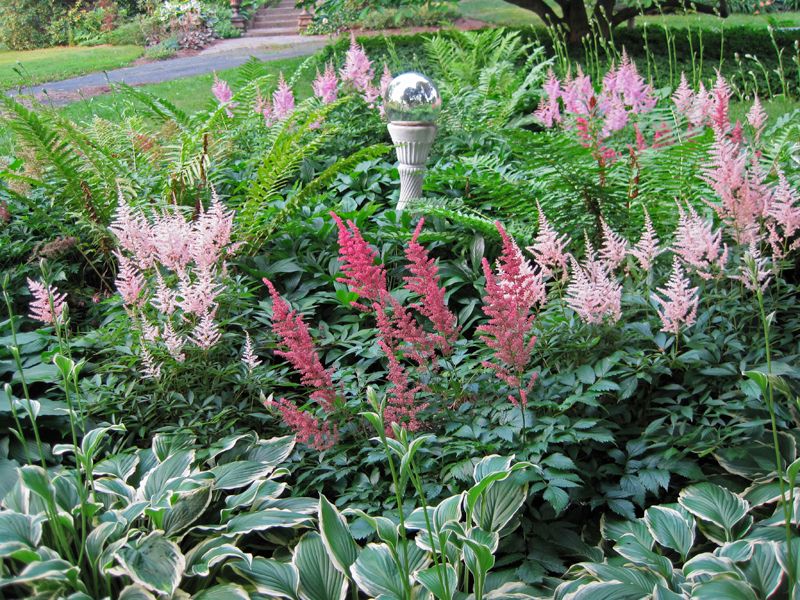
Astilbe adds elegance to shaded gardens with its feathery plumes and fern-like foliage. It thrives in moist, shaded areas and can spread via rhizomes, forming attractive clumps that require little intervention. While not aggressively invasive, it can fill space over time, offering a lush, textured backdrop. Astilbe is particularly cherished in woodland gardens where its natural grace complements the serene environment. Interestingly, Astilbe is native to Asia and North America, making it a versatile addition to gardens across different climates.
12. Creeping Thyme
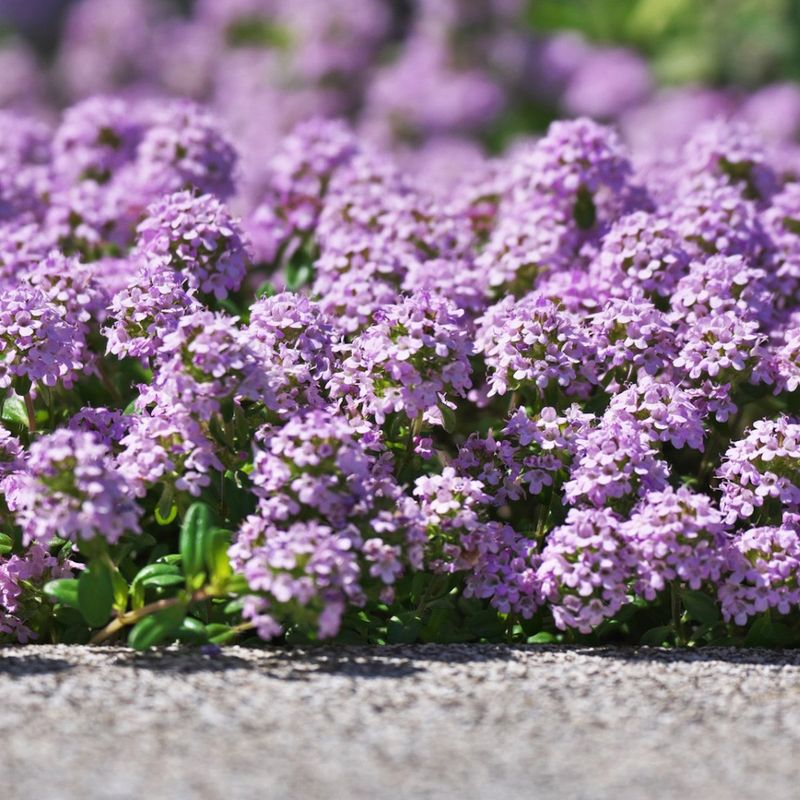
Creeping Thyme is a fragrant, low-growing perennial that doubles as an aromatic ground cover. It spreads efficiently, making it perfect for filling gaps between stepping stones or in rock gardens. Its tiny purple flowers attract bees and add a pop of color to otherwise barren areas. While not invasive, it covers ground swiftly, which is ideal for those seeking a maintenance-free solution. Fun fact: Creeping Thyme releases a delightful fragrance when stepped on, adding a sensory experience to garden paths.
13. Rudbeckia
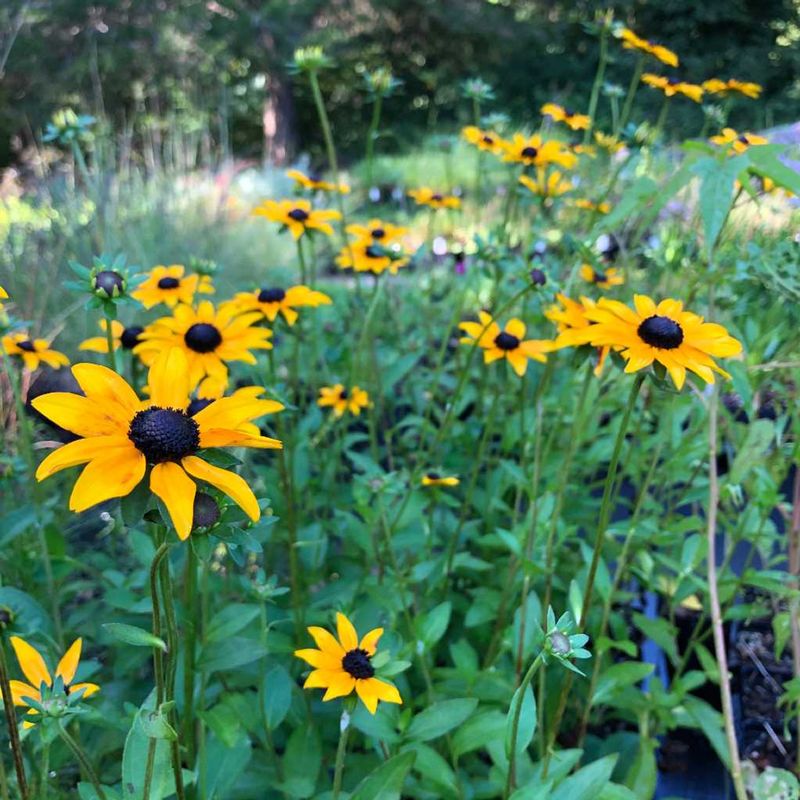
Rudbeckia, with its sunny yellow blooms and contrasting dark centers, is a staple in many gardens. This self-spreading perennial spreads through seeds, creating stunning displays in wildflower gardens or borders. Its resilience and vibrant presence make it a favorite for attracting pollinators. Rudbeckia’s ability to withstand various conditions ensures it thrives with minimal care. Did you know? Named after Swedish botanist Olof Rudbeck, it’s also commonly referred to as ‘coneflower’ due to its distinctive shape.
14. Hosta
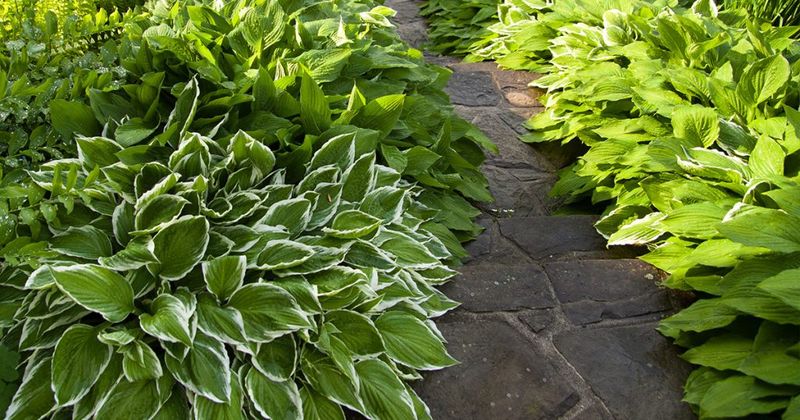
Hostas are celebrated for their lush foliage and ability to thrive in shaded environments. They spread slowly, forming clumps that enhance woodland gardens or shaded borders. Their variety in leaf color and texture offers endless design possibilities. Hostas require little maintenance, making them appealing for gardeners seeking low-effort beauty. Despite their slow spread, they can form extensive colonies over time. Fun tidbit: Hostas are sometimes called ‘plantain lilies’ and are native to northeast Asia, admired for their ornamental value.
15. Jupiter’s Beard
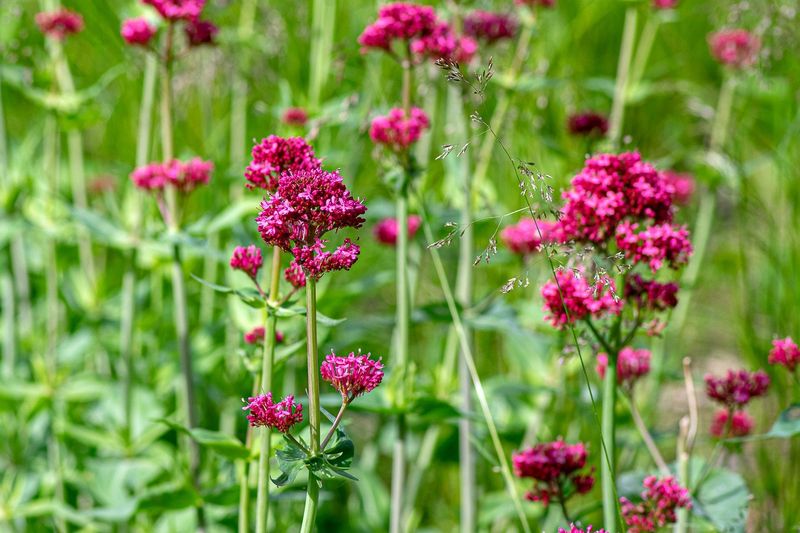
Jupiter’s Beard, known for its clusters of bright pink flowers, is a hardy perennial that flourishes in poor soils and dry conditions. Its ability to self-seed allows it to spread naturally, creating vibrant displays in rock gardens or along walls. It’s drought-tolerant and low-maintenance, appealing to those seeking effortless gardening solutions. Did you know? Jupiter’s Beard is also known as Red Valerian and is native to the Mediterranean, where it’s often found adorning ancient ruins and rocky outcrops.
16. Solomon’s Seal

Solomon’s Seal brings elegance to shaded gardens with its arching stems and dangling white flowers. It spreads through rhizomes, forming graceful clumps that fill shaded areas with ease. Despite its subtle beauty, it can overtake delicate plants if not managed. Ideal for woodland gardens, it complements ferns and other shade-loving flora. Fun fact: Solomon’s Seal has a long history of medicinal use, believed to heal wounds and fractures. Its name derives from the seal-like marks found on its rhizomes.