 Complete Gardening
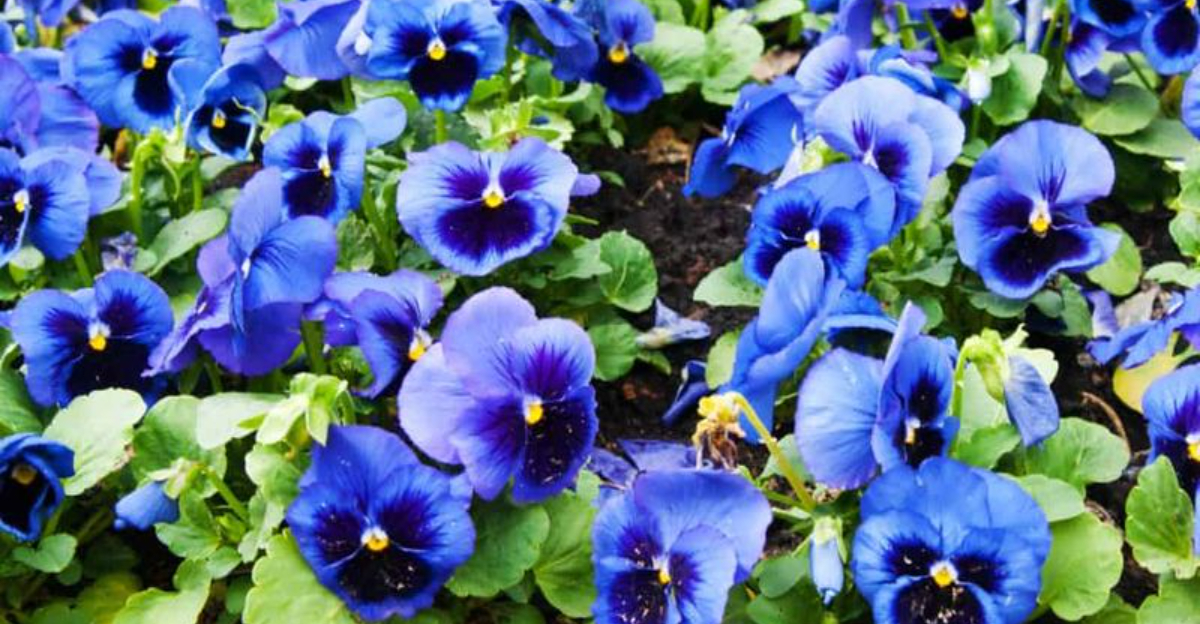
Discover the enchanting world of blue flowers in our latest blog post. We’ll guide you through seven annuals that, despite their brief beauty, demand replanting year after year. On the other hand, you’ll find inspiration in thirteen perennials that offer enduring charm and low-maintenance appeal. Whether you’re an experienced gardener or a beginner, these insights will help you make informed decisions for a vibrant, sustainable garden.
1. Lobelia – Stunning but wilts in heat.
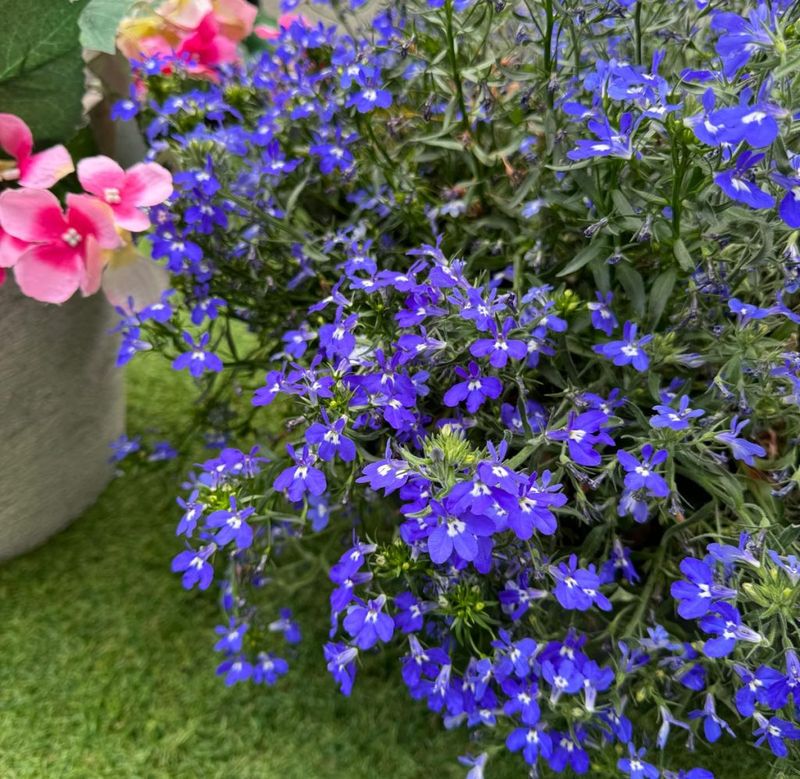
Lobelia’s intense blue hues can be captivating, yet they come with a catch. As temperatures soar, these delicate blooms begin to droop, leaving gardeners disheartened. Despite their initial allure, Lobelias demand careful placement away from harsh sunlight.
Their beauty is fleeting, lasting only a single season, demanding annual replanting. While they offer a burst of color, their sensitivity to heat makes them a challenging choice for those in warmer climates.
For those who love Lobelia, consider using it in shaded areas or container gardens where you can control the environment closely.
2. Blue Petunias – Need constant deadheading.
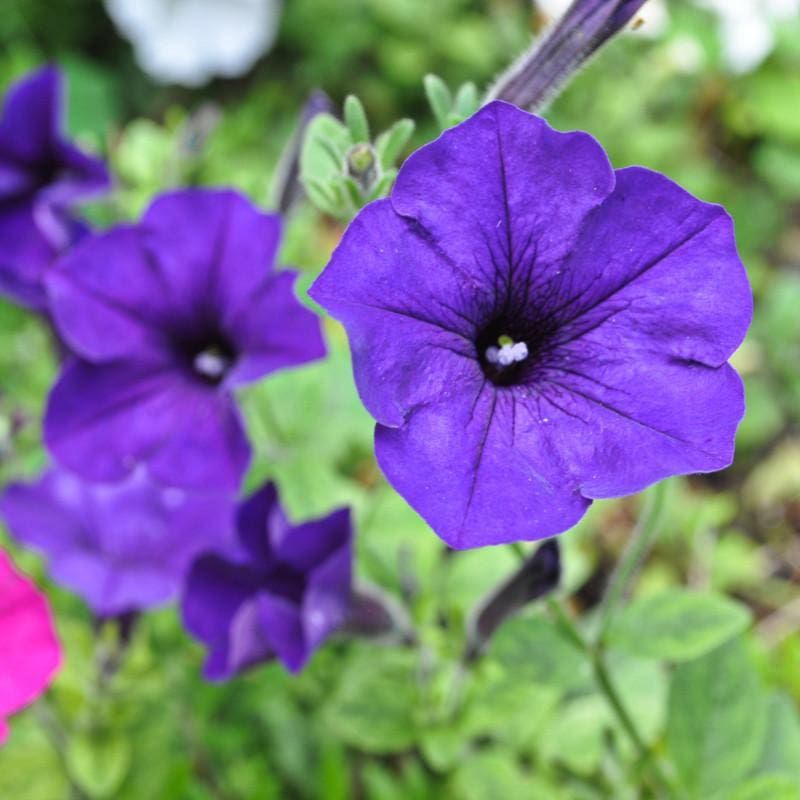
Blue petunias offer vibrant, dreamy hues that captivate the eye. Yet, beneath their beauty lies a demanding nature. Consistent deadheading is essential to maintain their picturesque appearance, making them a labor of love for diligent gardeners.
Each bloom’s lifecycle is short, necessitating regular attention to prevent them from looking bedraggled. Despite this high maintenance, they can transform a garden with their striking color.
If you’re up for the challenge, blue petunias are a showstopper. However, for those seeking low-maintenance options, these annuals may prove too time-consuming.
3. Salvia farinacea (Mealycup Sage) – Often marketed as annual in cold zones.
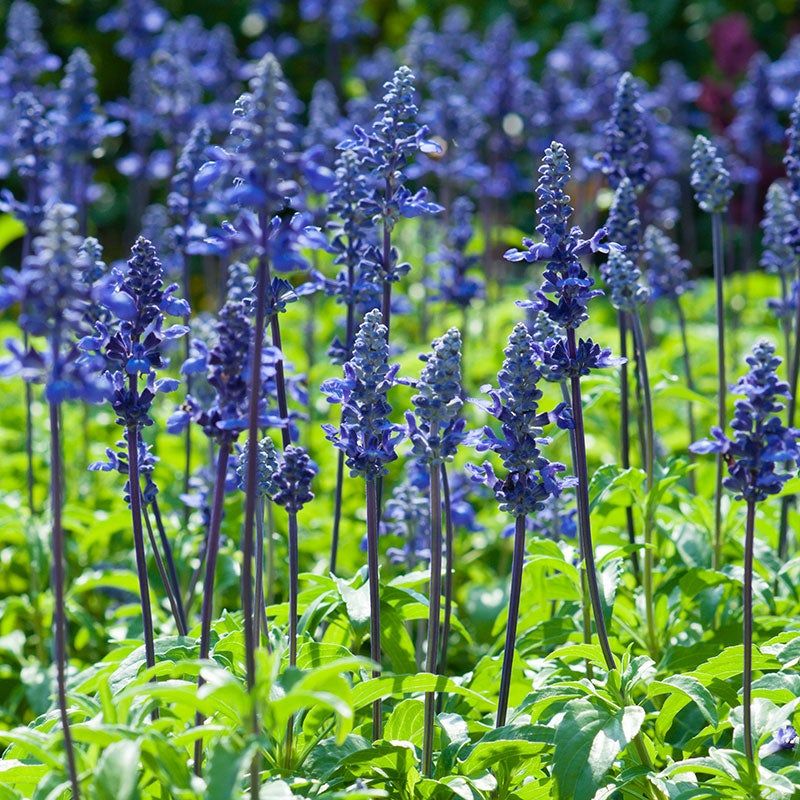
Salvia farinacea, known for its rich blue spikes, often captivates gardeners. In colder zones, it’s typically sold as an annual, though it can be perennial in warmer areas. Its adaptability makes it a popular choice, yet this often leads to confusion.
Gardeners in cooler regions may find its lifecycle limited to a single season, necessitating yearly replanting. Despite this, its robust nature and striking appearance make it a favorite.
For a lasting display, consider pairing it with perennials that complement its color and extend your garden’s seasonal interest.
4. Ageratum – Prone to mildew and pests.
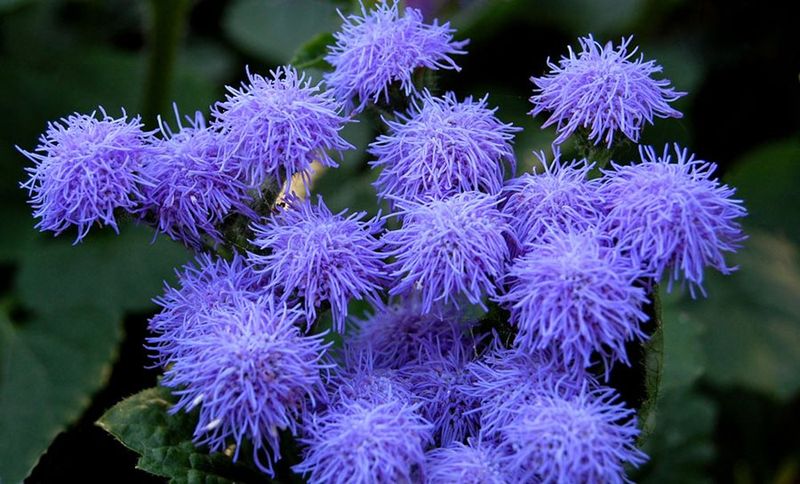
Ageratum, with its soft, fluffy blue blooms, can add a tender touch to any garden. However, its susceptibility to mildew and pests can be problematic. This delicate annual requires vigilant care and monitoring to thrive.
Even with careful attention, it may succumb to unfavorable conditions, leaving gaps in your garden display. Despite these challenges, its unique texture and color can add a special element to floral arrangements.
For those willing to invest the effort, Ageratum rewards with charm, but consider its vulnerabilities when planning your garden.
5. Browallia – Short-lived and shade-dependent.
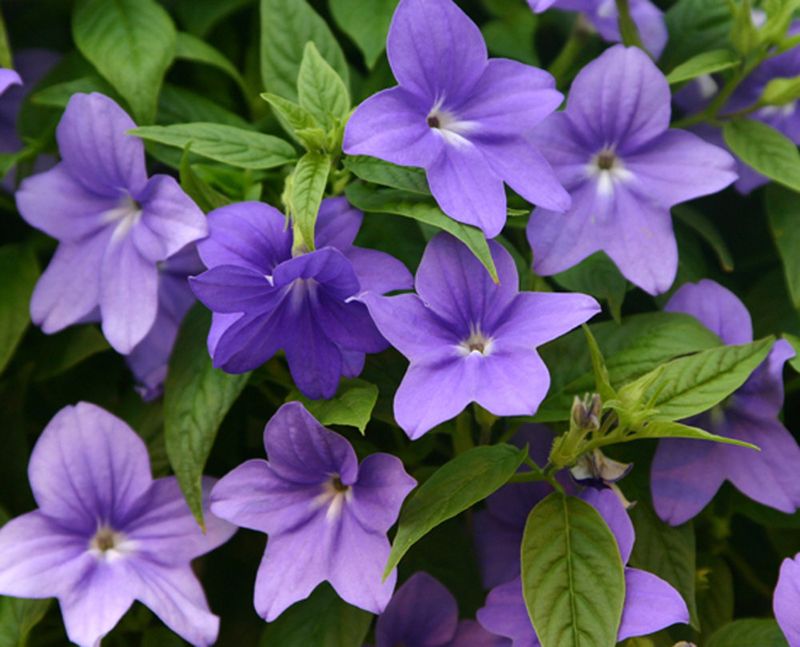
Browallia, known for its graceful blue petals, thrives in the shadows. Its beauty is short-lived, demanding a specific environment to flourish. Shade dependency means it must be carefully positioned away from direct sunlight.
Though its lifespan is brief, it brings a touch of elegance to shaded gardens and containers. For those with the right conditions, Browallia can create charming, ephemeral displays.
However, gardeners seeking long-lasting blooms may find themselves replanting yearly. Ideal for those who appreciate fleeting beauty, it’s a choice that demands thoughtful placement.
6. Nemophila (Baby Blue Eyes) – Fades in summer heat.
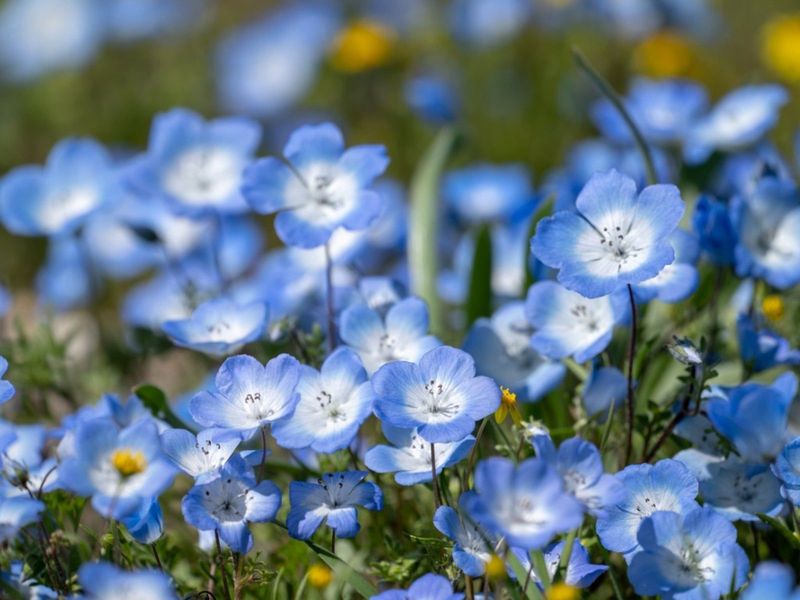
Nemophila, lovingly known as Baby Blue Eyes, enchants with its sky-blue petals. Thriving in the gentle embrace of spring, it struggles once summer’s heat arrives. This transition marks the end of its short-lived charm.
Perfect for early displays, Nemophila requires little maintenance other than mindful placement to maximize its brief flourishing period. As temperatures rise, the delicate flowers begin to fade, leaving room for heat-tolerant varieties.
Ideal for spring gardens, Nemophila adds a serene ambiance but reminds gardeners of the fleeting nature of some annuals.
7. Blue Pansies – Won’t survive frost or scorching sun.
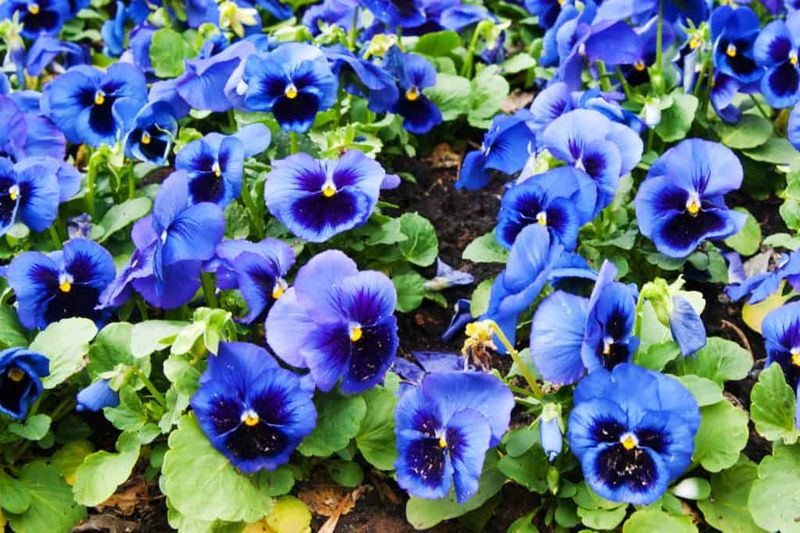
Blue pansies, with their whimsical faces, bring joy to any garden. However, their fragility becomes apparent in extreme weather. Unable to withstand frost or scorching sun, they demand careful positioning.
In moderate climates, they can flourish, bringing cheer to borders and pots. Yet, in harsher conditions, their beauty quickly fades.
Gardening enthusiasts must balance their placement carefully, ensuring protection from the elements. For those in milder regions, blue pansies offer a delightful splash of color, but elsewhere, their delicate nature may be more challenging to maintain.
1. Delphinium – Towering spikes of cobalt blue (zones 3-7).
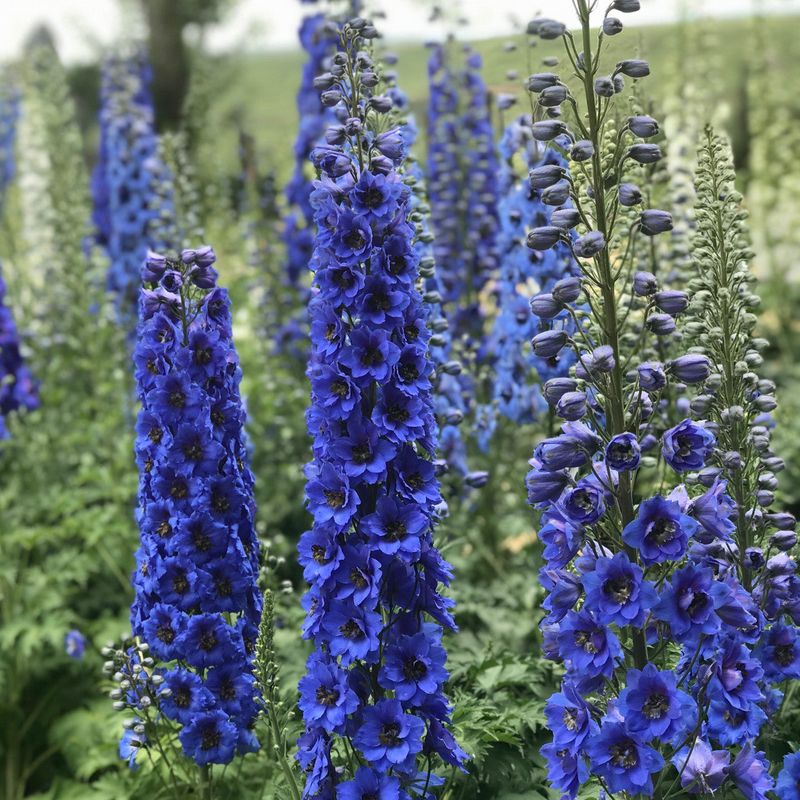
Delphiniums stand tall and proud, their cobalt blue spikes reaching for the sky. These perennials thrive in zones 3-7, offering a majestic presence in any garden.
Their towering beauty is complemented by a delicate nature, requiring well-drained soil and protection from strong winds. When given the right conditions, they can become a perennial favorite, gracing gardens year after year.
Gardeners appreciate their dramatic flair, ideal for back borders where their height can be showcased. With their striking blooms, Delphiniums add structure and color, making them a standout addition to any landscape.
2. Brunnera ‘Jack Frost’ – Heart-shaped leaves with tiny blue blooms (shade-loving).
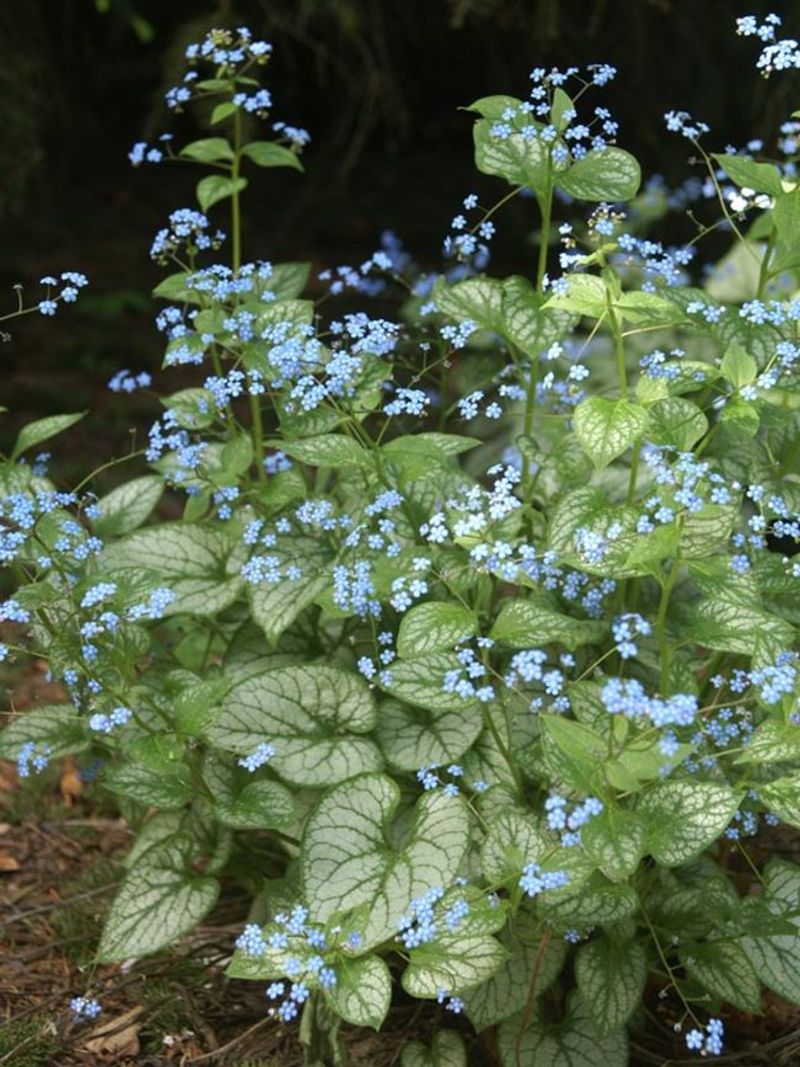
Brunnera ‘Jack Frost’ captivates with its frosty, heart-shaped foliage, adorned with dainty blue blooms. This shade-loving perennial is perfect for woodland gardens, offering a touch of whimsy.
Its silvery leaves create a striking contrast against the verdant backdrop, drawing attention even when not in bloom. As a low-maintenance option, it thrives in moist, well-drained soil.
Gardeners treasure its ability to fill shaded spaces, providing texture and color where few plants thrive. ‘Jack Frost’ stands out for its unique appearance and reliable performance, making it a cherished choice for shaded garden spots.
3. Himalayan Blue Poppy (Meconopsis) – Striking but needs cool climates (zones 5-7).
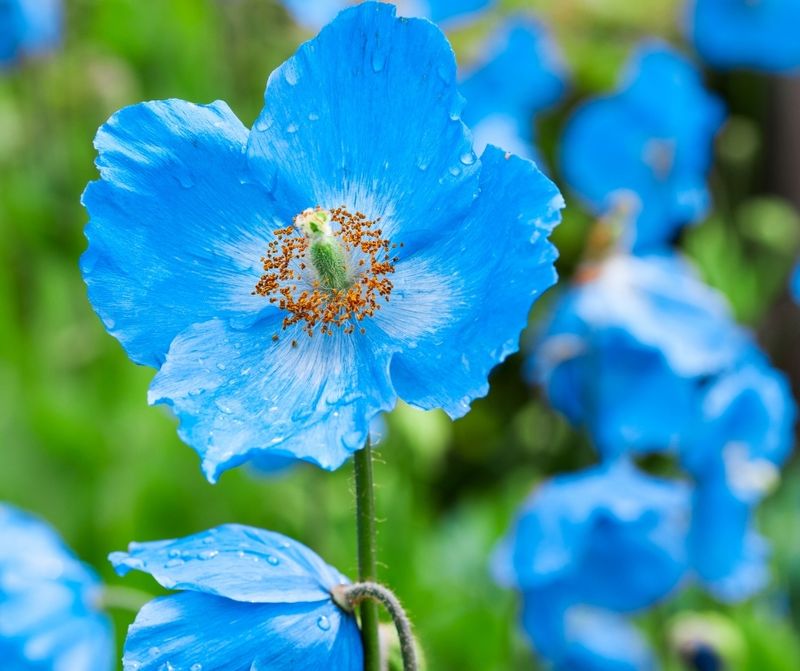
Himalayan Blue Poppy, with its otherworldly blue blooms, is a sight to behold. These rare flowers thrive in cool climates, particularly zones 5-7, adding a mystical touch to gardens.
Despite their beauty, they present challenges, requiring precise conditions to flourish. Cool, moist, and well-drained soils are essential for their success.
Gardeners who succeed in cultivating these elusive flowers are rewarded with their ethereal presence. Ideal for sheltered spots with filtered light, the Himalayan Blue Poppy is a testament to nature’s artistry, offering a unique addition to temperate gardens.
4. Gentian – Intense blue trumpets for late-summer gardens.
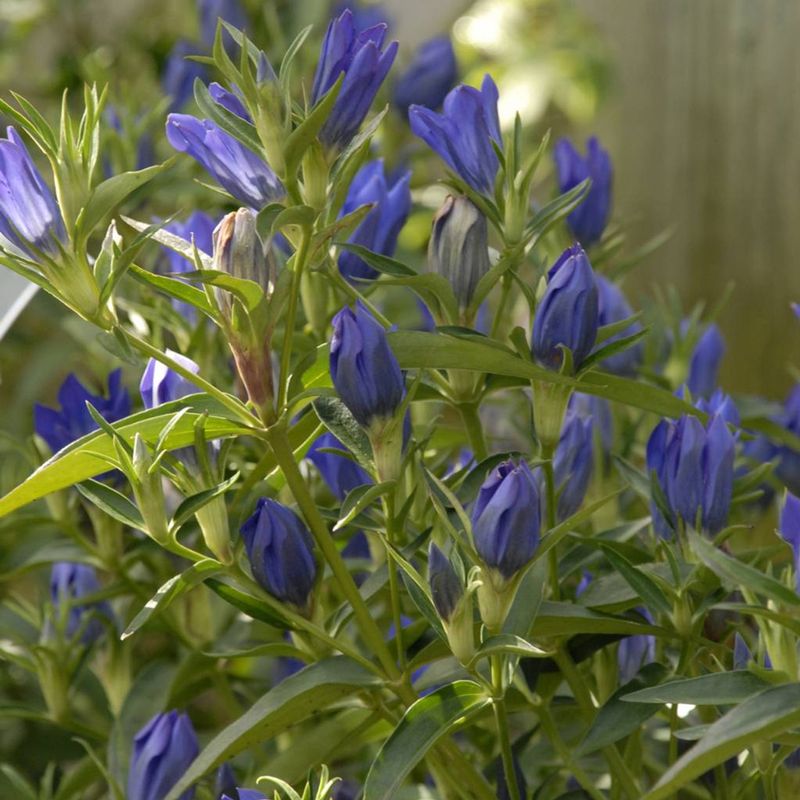
Gentian flowers, known for their intense blue trumpet shapes, make a stunning addition to late-summer gardens. Their vibrant hue stands out against lush green foliage, providing a striking contrast.
These perennials are cherished for their ability to bloom when many others have faded, adding color when it’s most needed. Thriving in well-drained soil and full sun, they require minimal care but offer maximum impact.
Gardeners value Gentians for their resilience and ability to attract pollinators. Ideal for rock gardens and borders, they bring a splash of color to the garden’s late-season palette.
5. Russian Sage (Perovskia) – Misty blue-purple plumes (zones 4-9, deer-resistant).
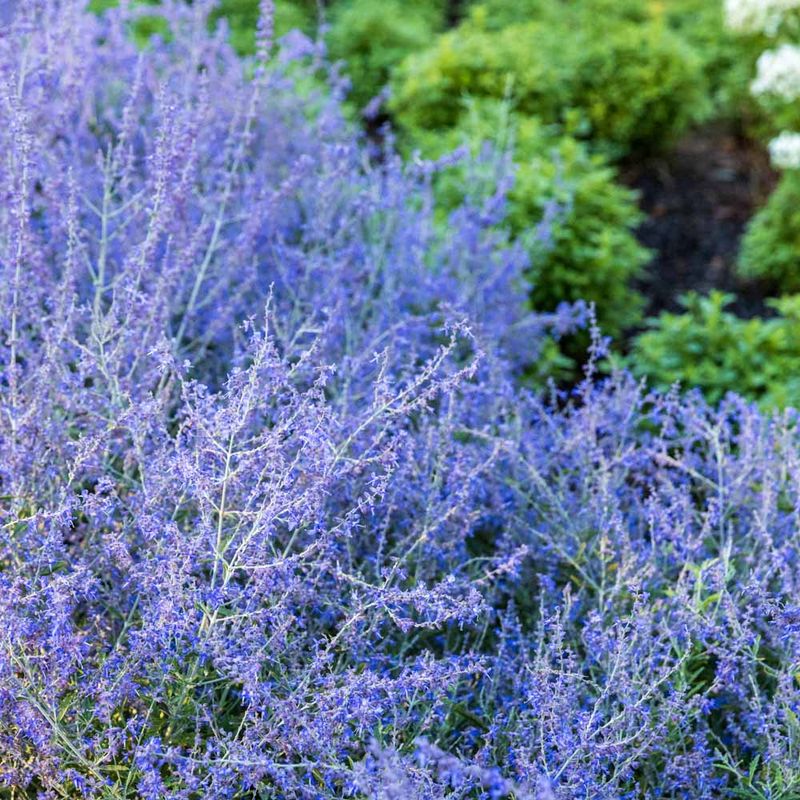
Russian Sage, with its misty blue-purple plumes, adds a touch of elegance to any garden. Thriving in zones 4-9, it is deer-resistant, making it a practical choice for many landscapes.
Its wispy appearance contrasts beautifully with bolder blooms, creating a soft, textured effect. Known for its drought tolerance, Russian Sage is a low-maintenance option that continues to impress.
Ideal for borders and mass plantings, it thrives in full sun and well-drained soil. Gardeners admire its ability to withstand challenging conditions while providing long-lasting color and interest.
6. Blue False Indigo (Baptisia) – Native shrub-like perennial with lupine-like flowers.
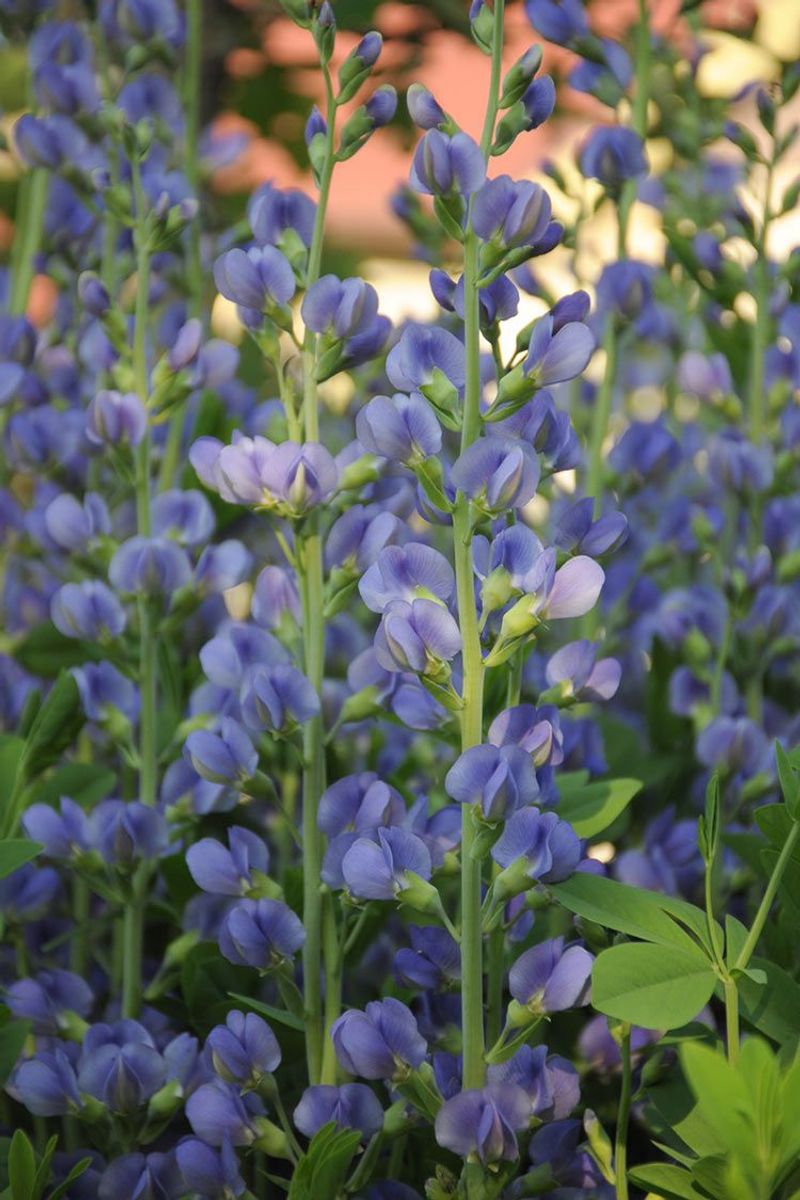
Blue False Indigo, or Baptisia, is a native perennial known for its shrub-like form and lupine-like blue flowers. This robust plant adds architectural interest to gardens, standing out with its unique bloom structure.
As a low-maintenance choice, it thrives in well-drained soils and full sun, proving resilient against drought and common pests. Once established, it requires little care, making it ideal for gardeners seeking beauty without fuss.
Its seed pods add post-bloom interest, providing a subtle, rattling sound in the breeze. A symbol of durability and charm, Blue False Indigo is a garden favorite.
7. Catmint (Nepeta) – Lavender-blue spikes that bees love (thrives in poor soil).
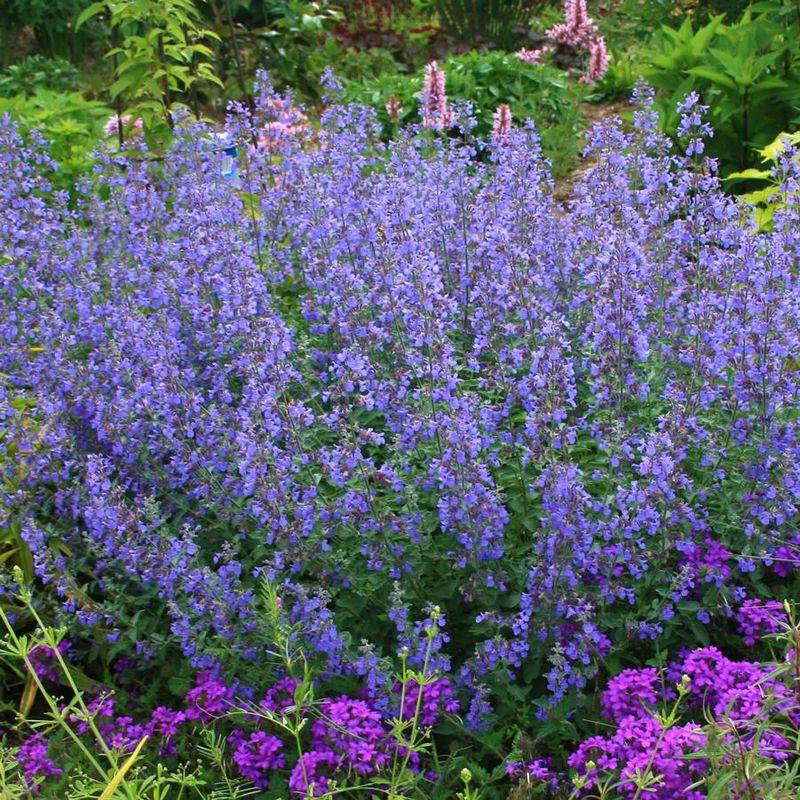
Catmint, known for its lavender-blue spikes, is a favorite among pollinators, attracting bees and butterflies with its aromatic blooms. Thriving in poor soil, it is a low-maintenance perennial that adds beauty and biodiversity to gardens.
Its cascading form makes it ideal for borders and containers, where it can spill gracefully over edges. Gardeners appreciate its long-blooming nature and resilience to challenging conditions.
Catmint’s soft hues and gentle fragrance create a calming garden atmosphere, making it a beloved choice for those looking to attract wildlife while enjoying minimal upkeep.
8. Balloon Flower (Platycodon) – Whimsical buds pop open to star-shaped blue blooms.
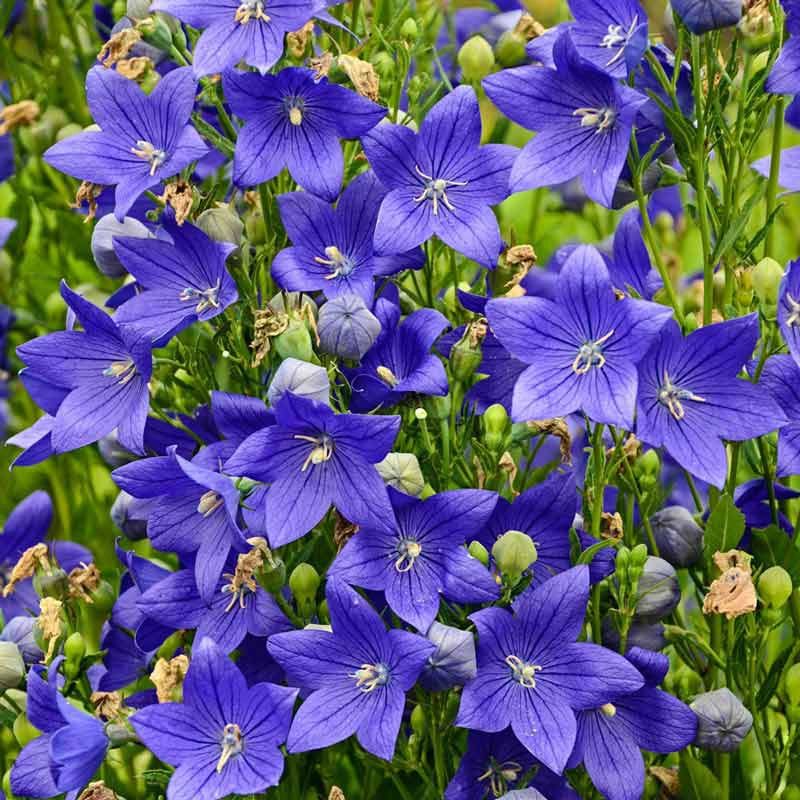
Balloon Flowers, or Platycodon, enchant with their whimsical buds that pop open into star-shaped blue blooms. Their unique opening process captivates gardeners and children alike, making them a delightful addition to any garden.
Requiring little maintenance, they thrive in sunny spots with well-drained soil, providing continuous interest throughout the summer.
Gardeners cherish their reliability and ability to return year after year. Perfect for mixed borders and cottage gardens, Balloon Flowers add charm and whimsy, their playful nature ensuring they remain a firm favorite among flower enthusiasts.
9. Veronica ‘Royal Candles’ – Spiky blue flowers all summer (zones 3-8).
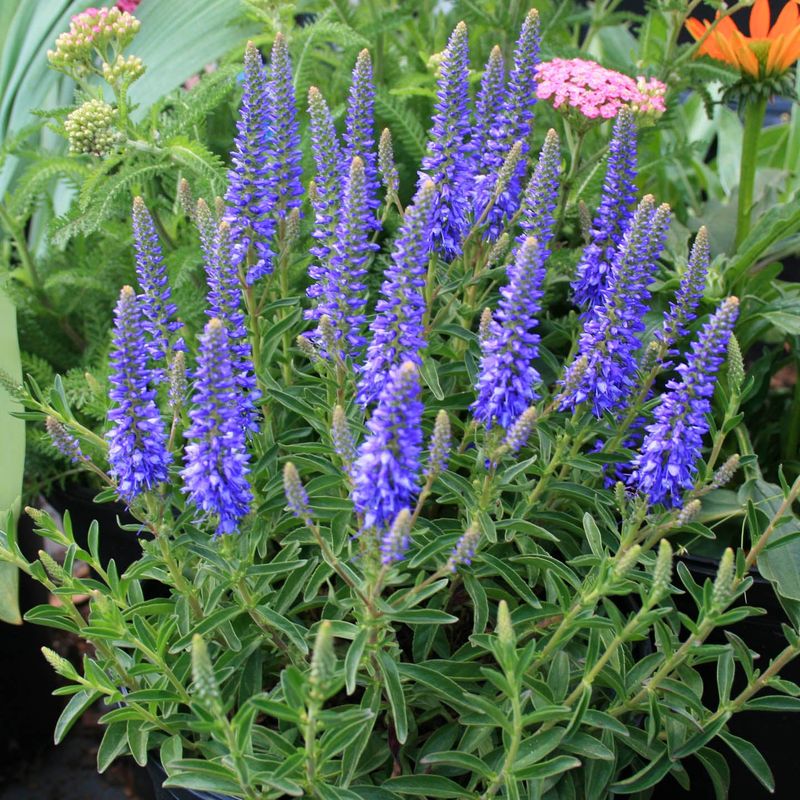
Veronica ‘Royal Candles’ dazzles with its spiky blue flowers that persist all summer long. Ideal for zones 3-8, this perennial is a reliable performer, providing consistent color and form.
Its upright spikes stand proudly amidst garden beds, creating a striking vertical element. Easy to grow, it thrives in full sun and well-drained soil, requiring minimal care once established.
Perfect for borders and pollinator gardens, ‘Royal Candles’ attract bees and butterflies, enhancing garden biodiversity. Its enduring blooms and low-maintenance nature make it a popular choice for gardeners seeking vibrant, lasting color.
10. Sea Holly (Eryngium) – Metallic blue thistles for dry gardens.
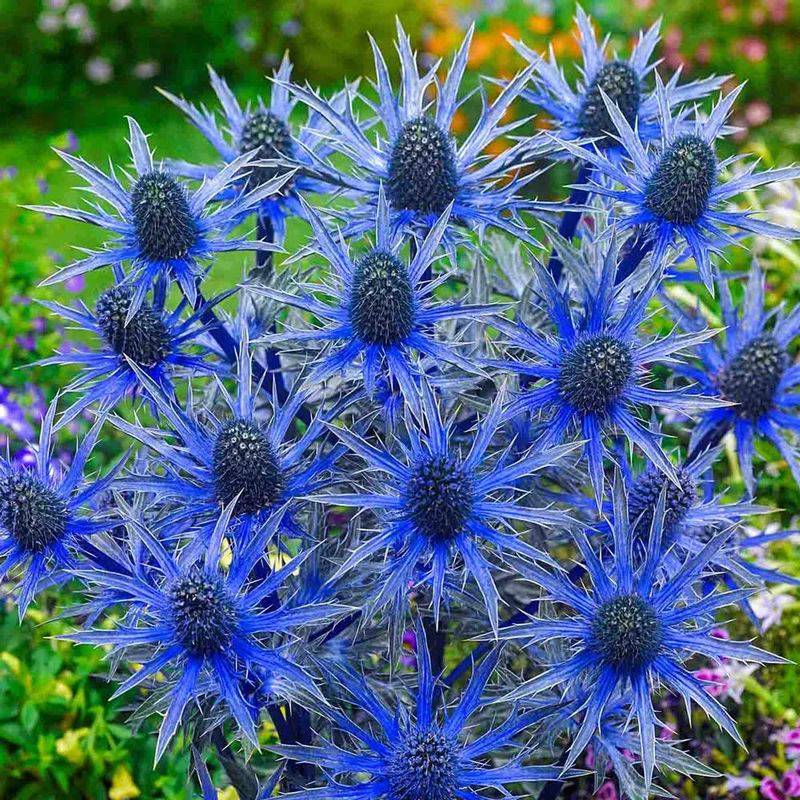
Sea Holly, or Eryngium, offers a unique metallic blue hue that stands out in dry gardens. Known for its spiky thistle-like blooms, it adds a distinctive texture and color to landscapes.
Thriving in poor, sandy soils, it requires little water and maintenance, making it perfect for xeriscaping. Its striking appearance attracts pollinators, adding life to arid environments.
Gardeners value Sea Holly for its resilience and architectural interest, ideal for rock gardens and coastal areas. Its ability to withstand harsh conditions while maintaining beauty makes it a standout choice for adventurous gardeners.
11. Lithodora – Evergreen carpet of true blue (acidic soil needed).
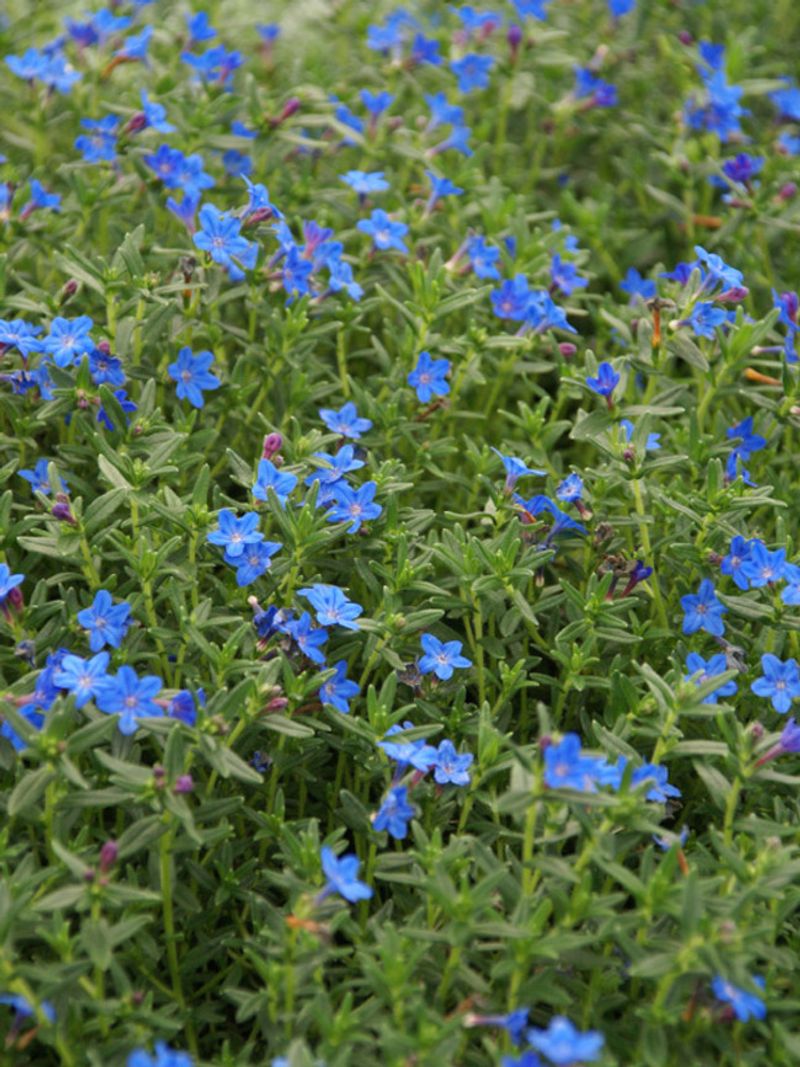
Lithodora creates an evergreen carpet of intense blue flowers, perfect for those seeking ground cover with a splash of color. This low-growing perennial thrives in acidic soils, adding vibrant beauty to gardens.
Its dense foliage and prolific blooms make it ideal for borders, rock gardens, and containers, providing year-round interest. Gardeners appreciate its low maintenance and ability to suppress weeds, enhancing overall garden health.
Lithodora’s deep blue hues create a calming atmosphere, offering a serene backdrop for other garden features. Ideal for those looking for beauty with minimal effort.
12. Virginia Bluebells (Mertensia) – Spring ephemeral with bell-shaped blooms.
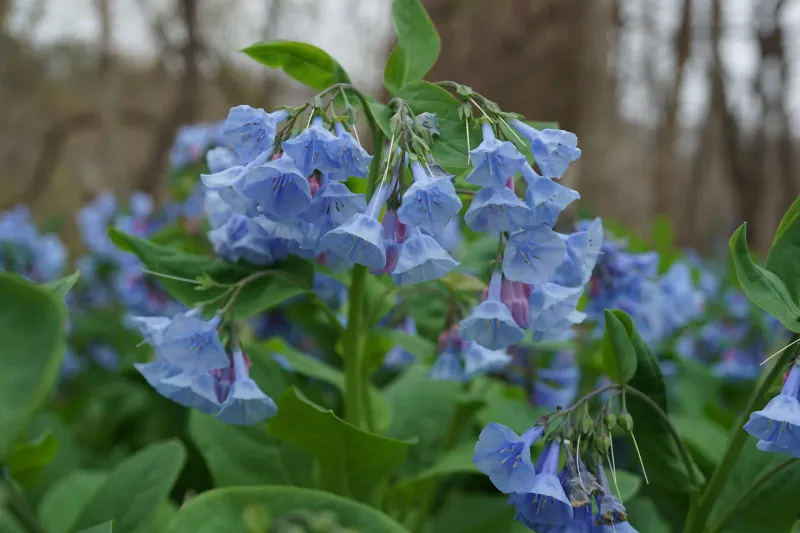
Virginia Bluebells, or Mertensia, welcome spring with their delicate, bell-shaped blue blooms. These ephemeral perennials create a carpet of color in woodland settings, enchanting all who encounter them.
Blooming in early spring, they thrive in moist, well-drained soils with partial to full shade. As summer approaches, they retreat, allowing other plants to take the spotlight.
Gardeners cherish them for their fleeting beauty and ability to signal the start of a new growing season. Perfect for naturalized areas and shaded gardens, Virginia Bluebells add a touch of magic to spring landscapes.
13. Columbine ‘Blue Star’ – Self-seeding beauty for dappled shade.
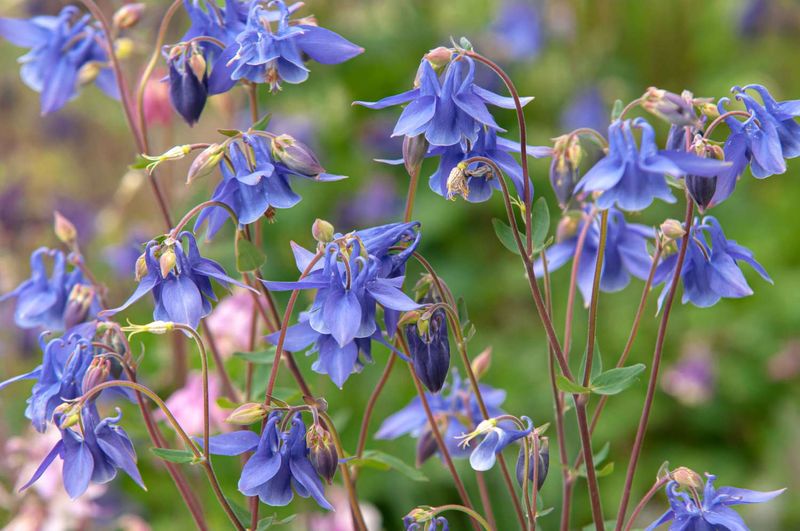
Columbine ‘Blue Star’ enchants with its distinct blue and white petals, offering a self-seeding beauty perfect for dappled shade. These perennials add a whimsical touch to gardens, with their unique flower structure capturing attention.
Thriving in well-drained soil, they require minimal care, making them a favorite for low-maintenance landscapes. As self-seeders, they establish charming colonies over time, enhancing the garden’s natural feel.
Gardeners value their adaptability and ability to coexist with diverse plantings, creating harmonious garden compositions. ‘Blue Star’ stands out for its playful elegance, enriching the garden experience.