 Complete Gardening
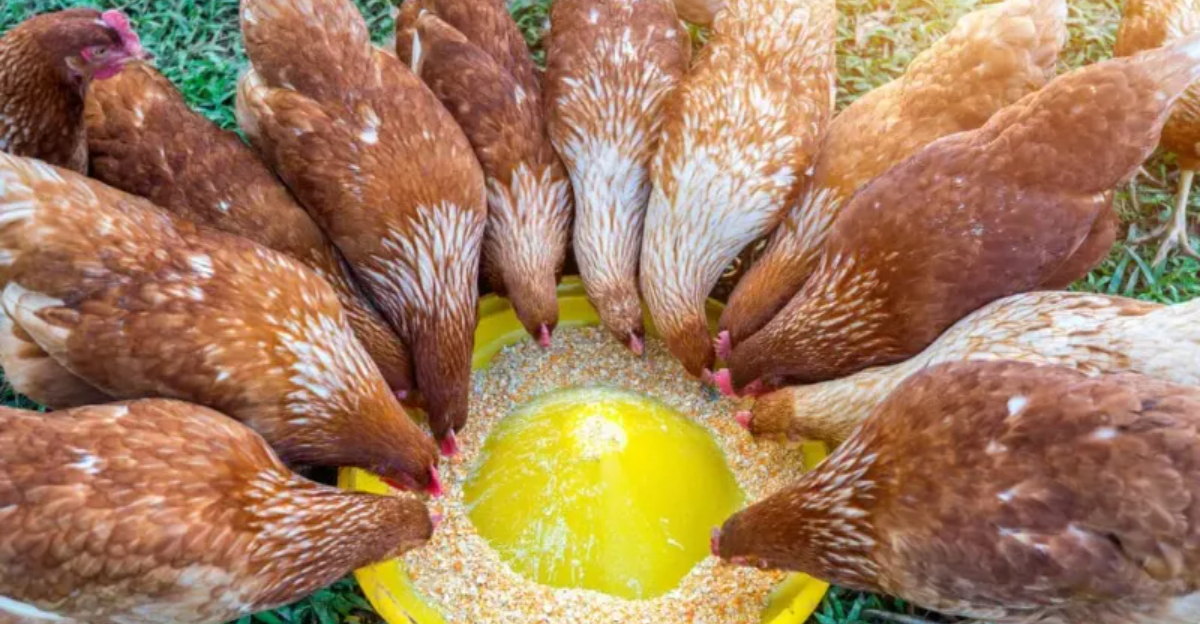
Raising chickens can be a rewarding experience, but it requires careful planning and knowledge to avoid common pitfalls. New chicken owners often make mistakes that can lead to unnecessary stress, illness, or even loss of their flock.
This blog post aims to guide you through the essential steps to ensure your chicken-keeping venture is successful and enjoyable. Below, we explore seven common mistakes to avoid and eleven smart strategies to embrace as a first-time chicken owner.
1. Underestimating Predators
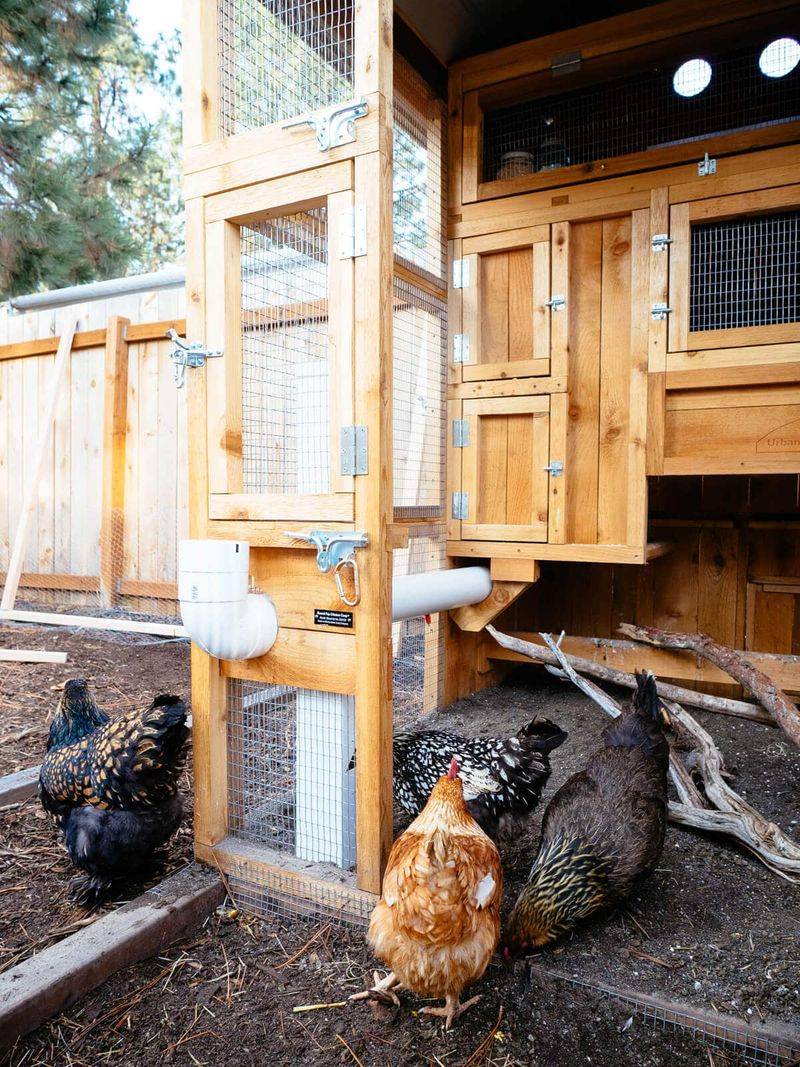
Leaving chickens unprotected at night or building flimsy coops can quickly lead to disaster. Raccoons, foxes, hawks, and even neighborhood dogs can pose a threat, wiping out an entire flock in a single night. To protect your chickens, ensure your coop is securely built using sturdy materials and lock it up every evening. Natural predators are cunning, and taking precautionary measures is essential to keep your birds safe. Consider installing motion-activated lights or cameras as additional deterrents to unwanted visitors.
2. Skipping the Biosecurity Basics
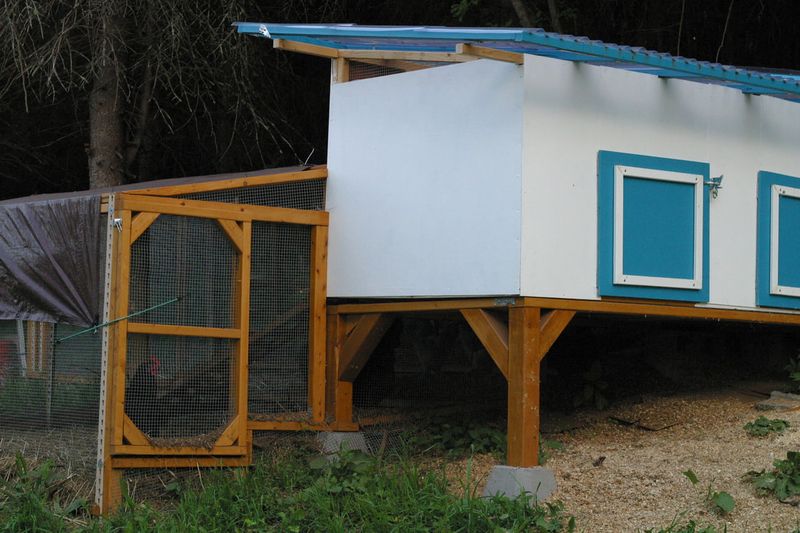
Neglecting biosecurity can be detrimental to your flock’s health. Allowing visitors into the coop or failing to clean shoes and tools between flocks can introduce diseases like Marek’s or avian flu. It’s crucial to establish strict biosecurity protocols, including designated coop footwear and regular disinfection of equipment. By implementing these practices, you minimize the risk of spreading infections. Educate your family and visitors on the importance of these measures to maintain a healthy flock environment.
3. Not Providing Enough Space
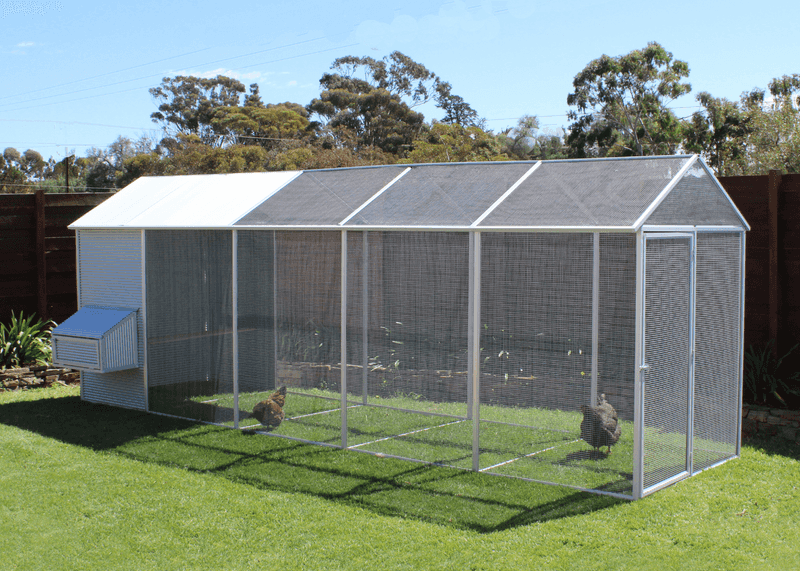
Cramped living conditions can lead to stress, feather pecking, and illness in chickens. Ensuring each bird has ample space is vital for their well-being. Inside the coop, allocate 3–4 square feet per bird, while the run should offer 8–10 square feet each. This spacious environment allows chickens to roam freely, reducing tension and promoting healthier interactions. By prioritizing ample space, you foster a happier and more productive flock. Always plan for future growth when designing your coop and run.
4. Using the Wrong Feed
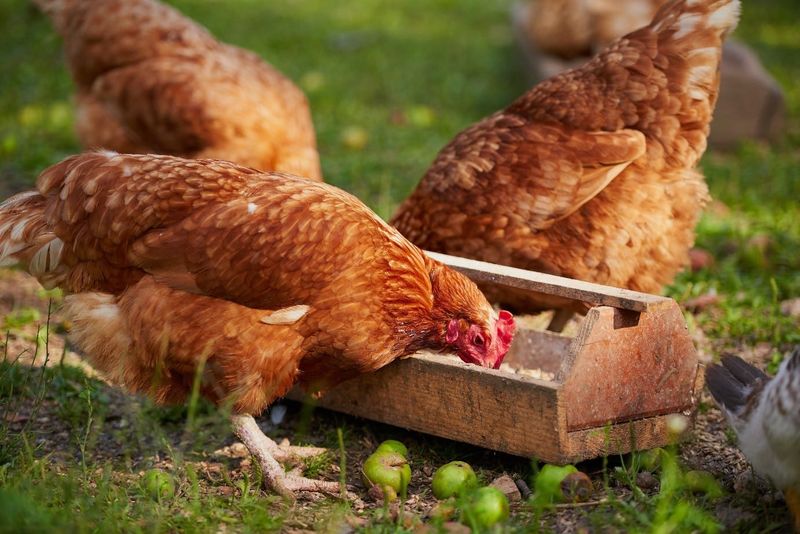
Nutrition plays a pivotal role in your chickens’ growth and egg production. Feeding layer feed to chicks or failing to provide adequate calcium to layers can result in poor growth and weak eggshells. Choose the right feed for each life stage: starter, grower, or layer feed. Supplement layers’ diet with oyster shell to ensure they receive enough calcium. A balanced diet supports strong, healthy chickens and optimal egg production. Staying informed on nutritional needs prevents these common feeding mistakes.
5. Neglecting Ventilation
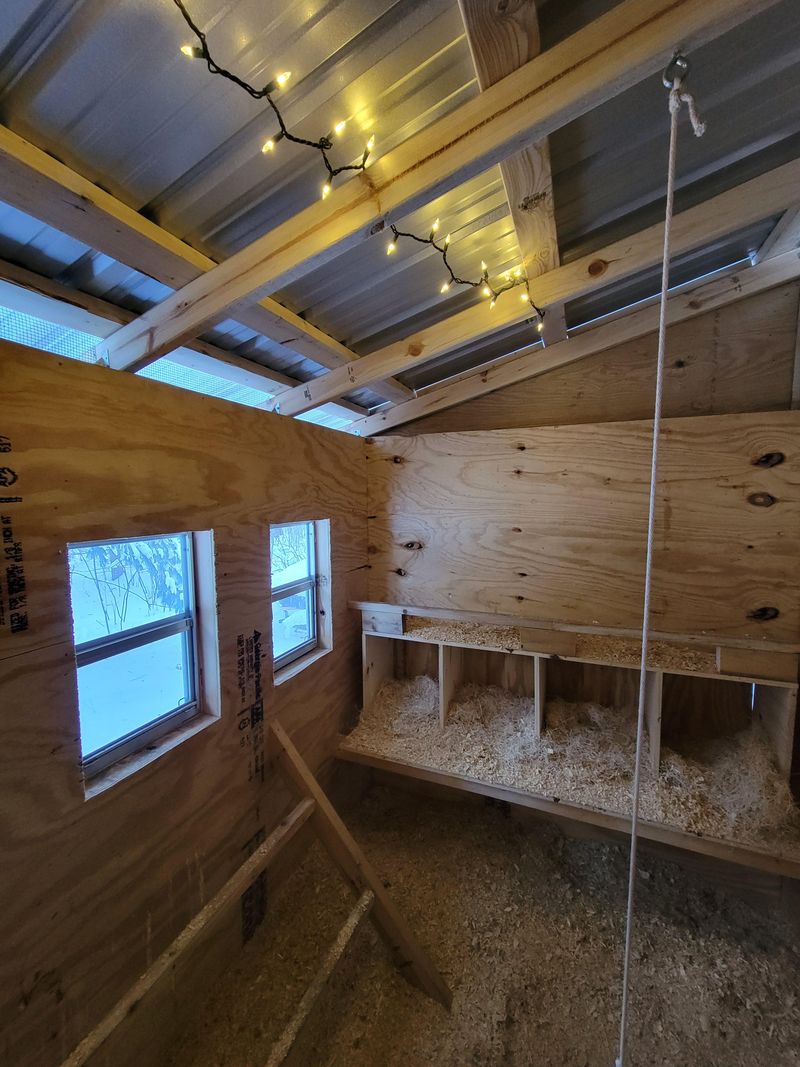
A well-ventilated coop is essential, especially during winter. Sealing the coop too tightly to retain warmth can lead to ammonia buildup, mold, and respiratory problems. Proper ventilation ensures fresh air circulates, removing harmful gases and moisture. Design your coop with adjustable vents to regulate airflow according to weather conditions. This simple yet effective measure contributes to a healthier environment for your chickens. Regularly check and maintain ventilation systems to prevent issues from arising.
6. Buying Too Many Chickens Too Soon
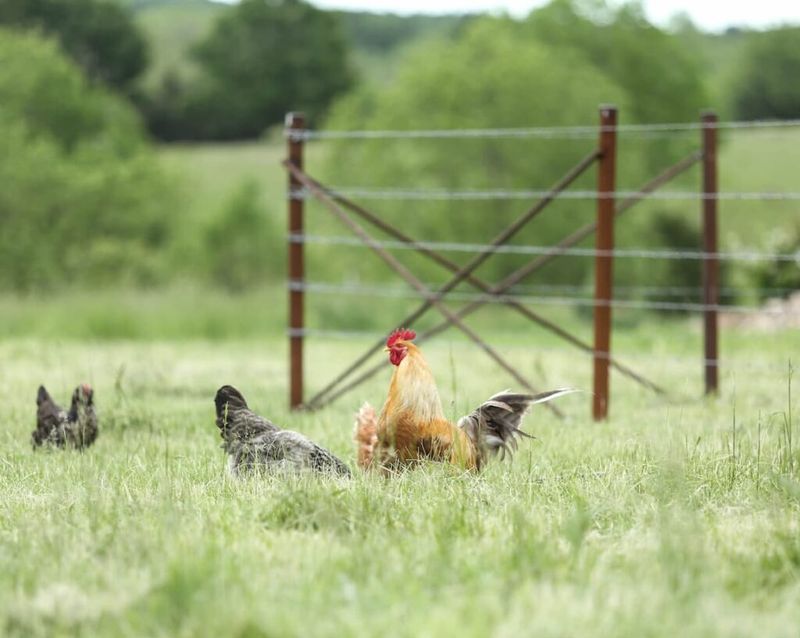
Starting with a large flock may seem appealing, but it can be overwhelming for new owners. Chickens require daily care, and managing too many birds without prior experience can be challenging. Begin with a small number and gradually expand as you become more comfortable with their needs and behaviors. This approach allows you to learn and adapt, ensuring you can provide proper care. Remember, a well-managed small flock is more rewarding than a neglected large one.
7. Over-treating and Over-supplementing
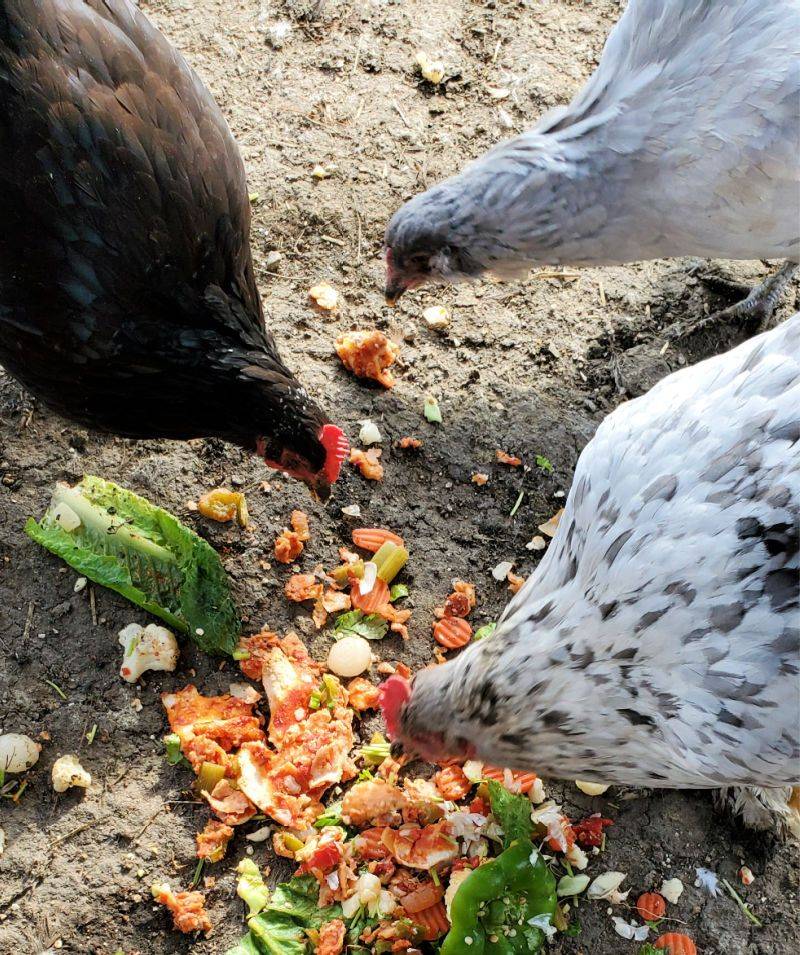
While treats and supplements can be beneficial, overusing them disrupts a chicken’s balanced diet. Excessive snacks, garlic, vinegar, or essential oils can lead to health issues. Chickens require a balanced feed tailored to their age and purpose. Moderation is key, and treats should only complement their primary diet. By focusing on nutritional balance, you promote healthier and more productive chickens. Educate yourself on appropriate treats to avoid these common missteps and ensure a thriving flock.
1. Build a Predator-Proof Coop
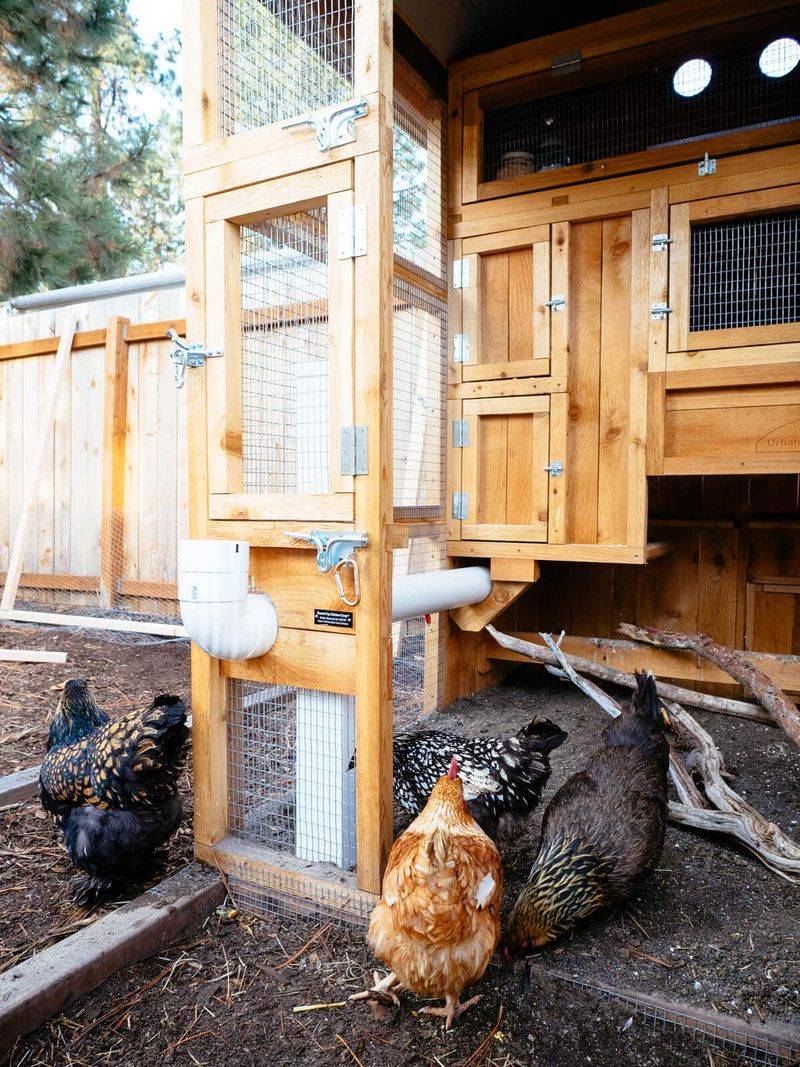
Crafting a sturdy coop is the first line of defense against predators. Use hardware cloth instead of chicken wire, as it’s more durable and secure. Ensure all openings are tightly sealed, and consider burying mesh 12 inches under the coop to deter diggers. These measures enhance security, giving you peace of mind. A well-built coop not only protects your chickens but also extends the structure’s longevity. Regularly inspect and maintain the coop to prevent vulnerabilities.
2. Plan for All Seasons
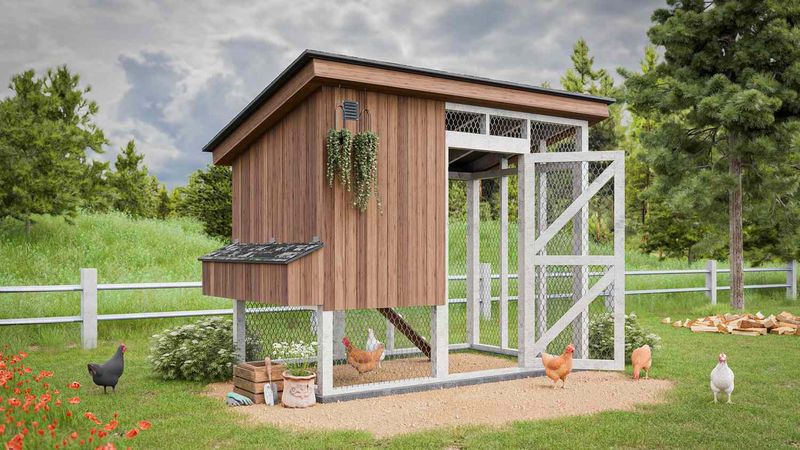
A well-designed coop adapts to seasonal changes, keeping chickens comfortable year-round. Provide summer shade and ensure dry, draft-free corners in winter. Chickens handle cold better than heat, so ventilation and shade are vital for summer. In colder months, focus on insulation and wind protection. A thoughtfully planned coop fosters a healthy environment, promoting well-being and productivity. Anticipating seasonal needs ensures your chickens thrive in any weather condition. Regularly adjust coop features as needed.
3. Choose the Right Breed
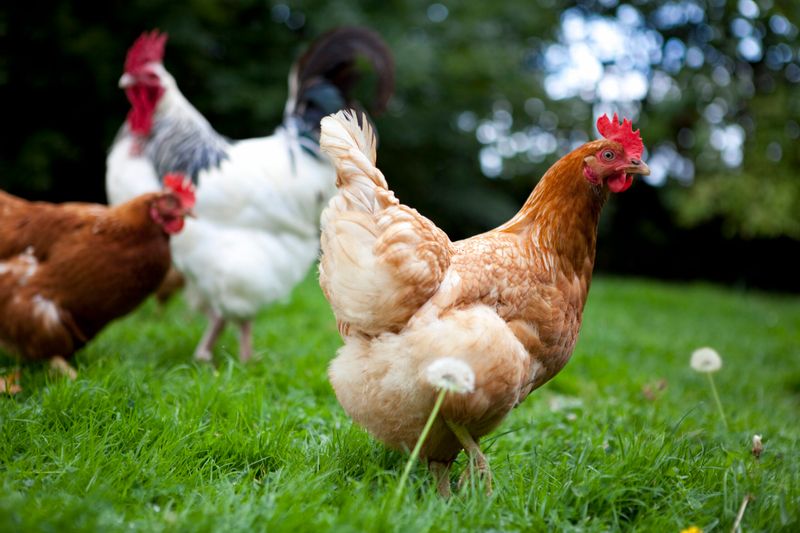
Selecting the right chicken breed is crucial for new owners. Breeds like Buff Orpingtons, Barred Rocks, or Australorps are known for their calm disposition and productivity, making them ideal for beginners. Consider the climate, egg production, and temperament when choosing a breed. These factors influence the flock’s success and your enjoyment as an owner. Researching different breeds ensures you find the perfect match for your needs and environment, setting the stage for a harmonious chicken-keeping experience.
4. Add a Dust Bath Area
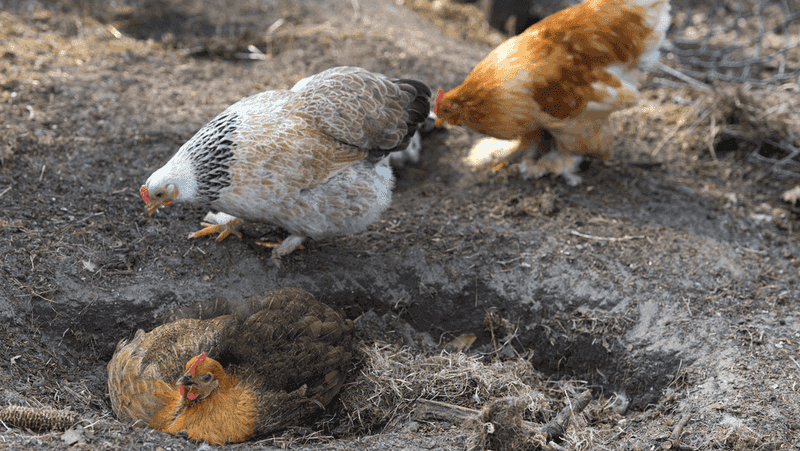
Dust baths are essential for chicken hygiene and parasite control. Providing a designated area with dry dirt, wood ash, and sand allows chickens to naturally clean themselves. This practice helps control mites and lice while promoting healthy skin and feathers. A simple bin or designated ground space suffices, encouraging natural behavior. Dust baths are a cost-effective and important aspect of chicken care. Regularly refresh the materials to maintain cleanliness and effectiveness, ensuring your chickens stay healthy.
5. Practice Quarantine with New Birds
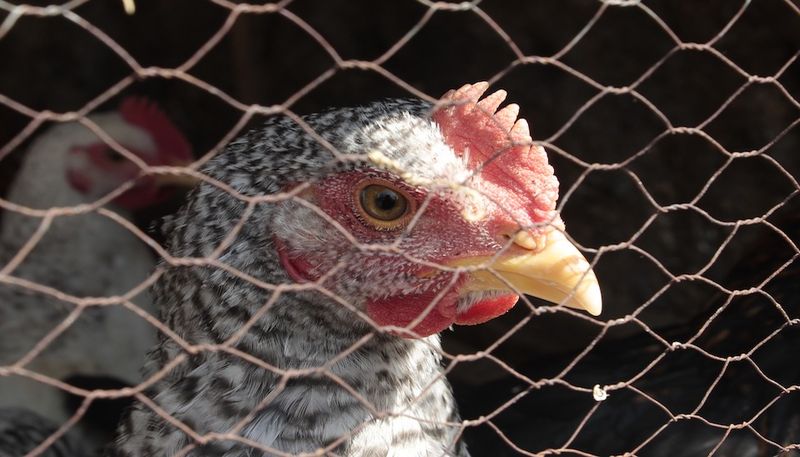
Introducing new birds to your flock requires careful planning. Practicing quarantine helps prevent disease spread, giving you time to monitor newcomers for illness. Keep new additions separate for at least two weeks, observing for signs of health issues. This precautionary measure protects your existing flock from potential infections. Quarantine is an essential practice for maintaining overall flock health and minimizing risks. Educate yourself on signs of illness to act promptly if concerns arise during this period.
6. Install a Secure Automatic Door
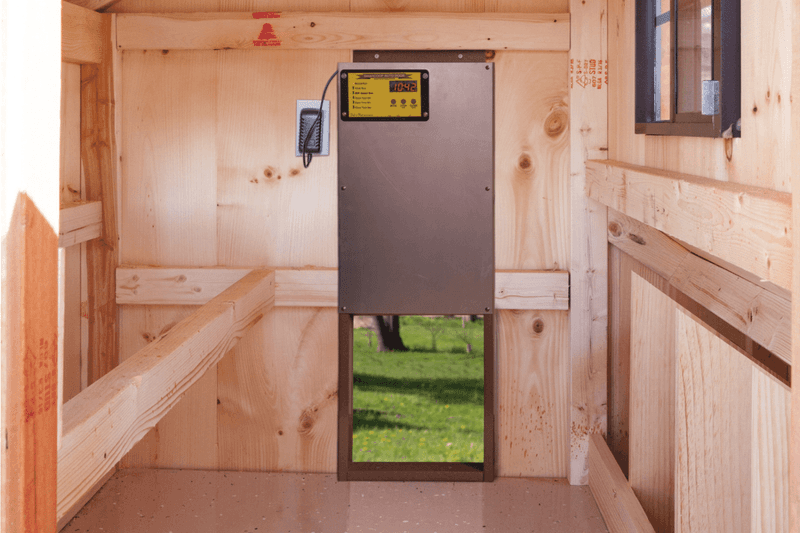
An automatic door offers convenience and safety, especially for busy schedules. Programmed to open and close at specific times, it reduces the risk of forgetting to lock up at night. This feature can be particularly useful for those with varying daily routines. A secure automatic door provides peace of mind, knowing your flock is safe even when you’re not home. Regularly check the door’s operation and maintenance to ensure its reliability and effectiveness.
7. Feed a Balanced Starter, Grower, or Layer Feed
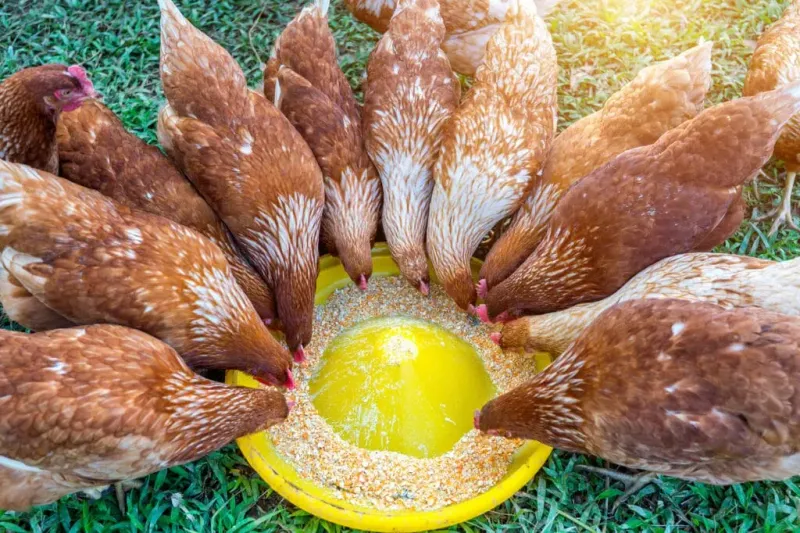
Providing the right feed for each life stage is essential for your chickens’ health and productivity. Starter, grower, or layer feeds cater to specific nutritional needs, ensuring optimal growth and egg production. Supplement layers with oyster shell separately to meet their calcium requirements. A well-balanced diet supports strong, healthy chickens and prevents common nutritional deficiencies. Stay informed on feeding guidelines to avoid pitfalls. Consistent and accurate feeding practices contribute to a thriving flock.
8. Offer Clean Water Daily
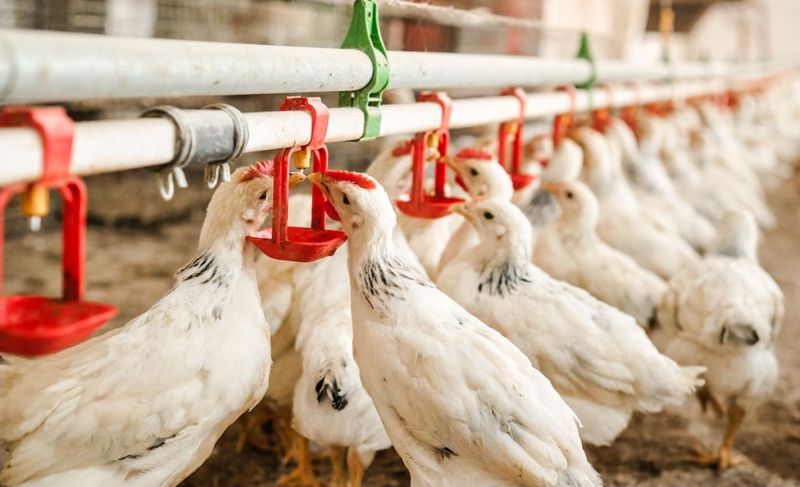
Access to clean water is crucial for maintaining your chickens’ health. Use poultry-safe waterers and ensure they are cleaned regularly to prevent mold and bacteria growth. Fresh water supports hydration and aids digestion, playing a key role in overall well-being. Regularly inspect waterers for signs of wear or contamination, replacing them as needed. By prioritizing water quality, you promote a healthy environment and improve your chickens’ quality of life. Make clean water a daily priority for optimal results.
9. Observe Your Flock Daily
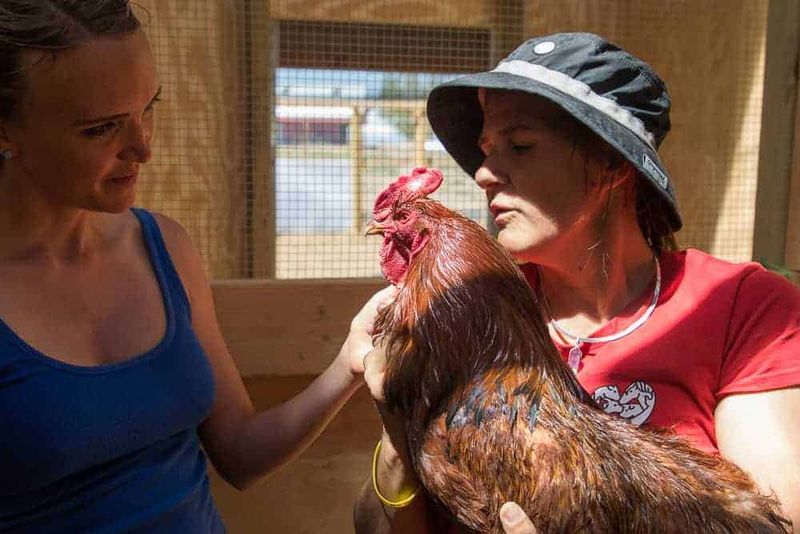
Daily observation is key to catching early signs of illness in your flock. Look for changes in behavior, such as isolation, droopy wings, or irregular poop. Early detection allows for swift intervention, preventing issues from escalating. Regular monitoring fosters a deeper understanding of your chickens’ normal behavior, making it easier to spot anomalies. This practice supports proactive care and contributes to overall flock health. Stay vigilant and informed to maintain a thriving and happy flock.
10. Use Deep Litter Method
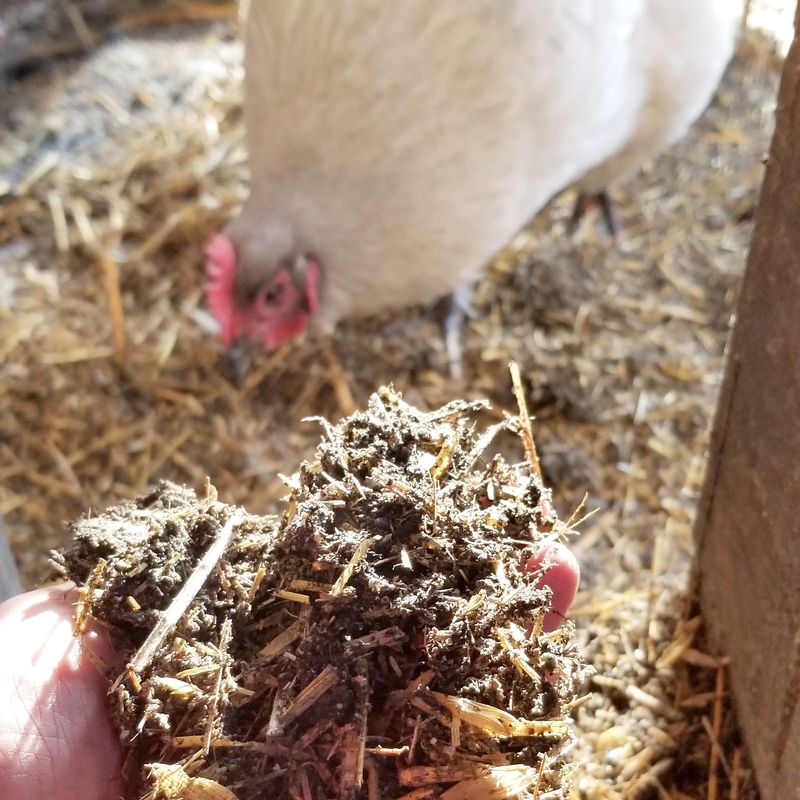
The deep litter method is an efficient way to manage coop bedding while providing natural heat and compost. By allowing bedding to decompose gradually, you reduce odor and workload. This method is particularly beneficial in cold climates, offering warmth during winter. Regularly add fresh bedding and turn over the material to promote decomposition. The deep litter method not only simplifies coop maintenance but also enhances sustainability. Consider this approach for a practical and eco-friendly coop management strategy.
11. Join a Local or Online Chicken Community
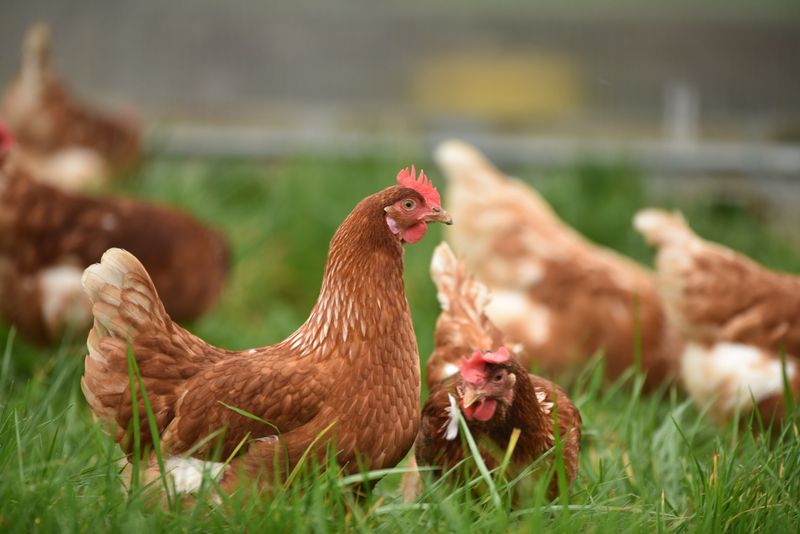
Connecting with a local or online chicken community offers invaluable support and knowledge. Engaging with experienced keepers provides real-time advice and helps you avoid common pitfalls. These communities are platforms for sharing stories, asking questions, and learning from others’ experiences. The camaraderie and shared passion enhance your chicken-keeping journey. Whether in person or online, these connections enrich your understanding and enjoyment of raising chickens. Embrace the community spirit for a fulfilling experience.