 Complete Gardening
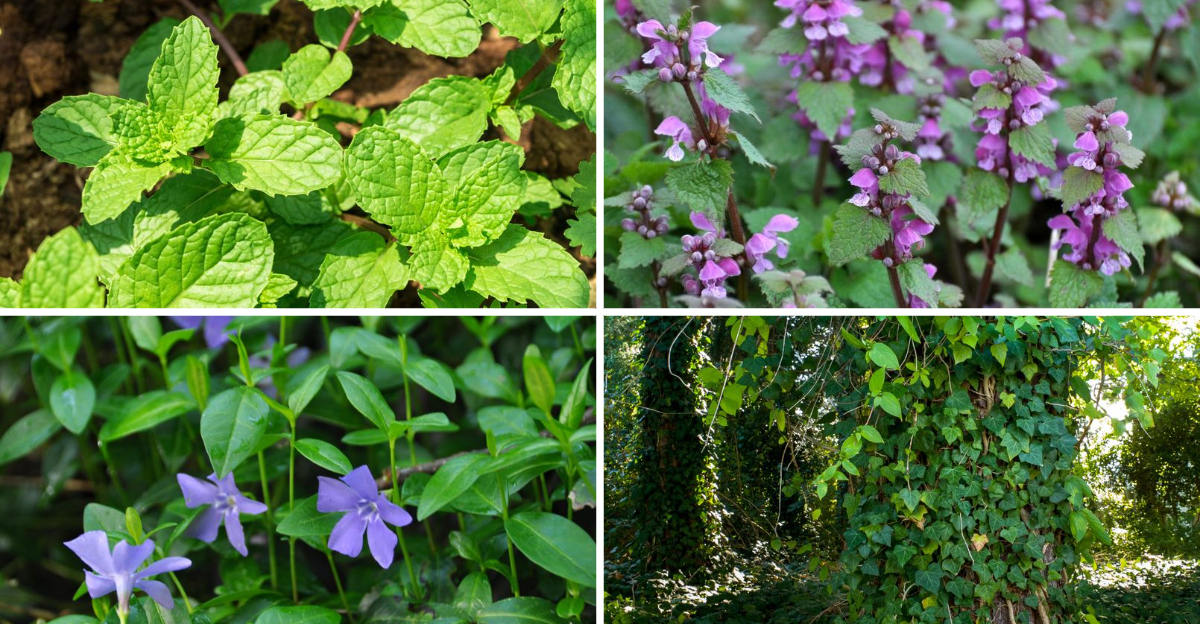
Choosing the right ground cover can make or break your garden’s success. While some options might seem appealing at first, they may not offer the weed-fighting benefits you desire. In this blog post, we explore seven ground covers to avoid and introduce you to seventeen stunning alternatives that excel at keeping weeds at bay. With varied textures, colors, and growth habits, these choices not only suppress weeds but also enhance your garden’s beauty.
1. English Ivy
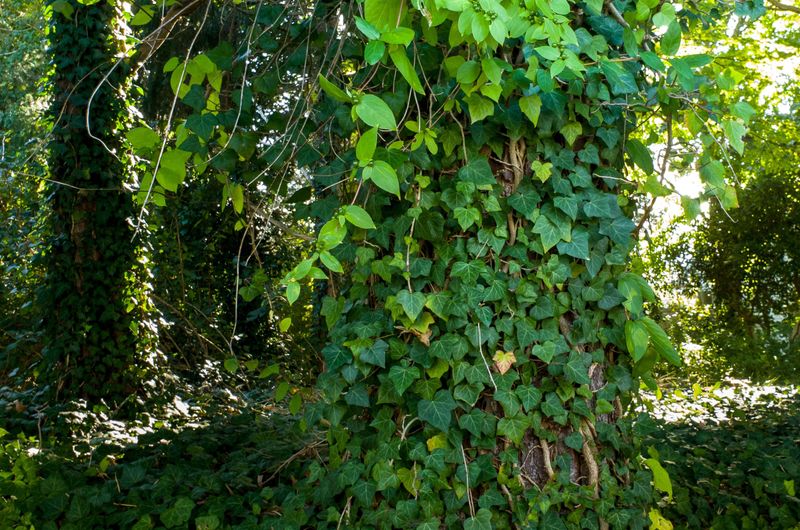
English Ivy might look appealing due to its lush, evergreen foliage, but it’s a notorious invader. Its aggressive nature can cause harm to trees and structures, leading to costly damage. Moreover, it provides little competition to weeds, allowing them to thrive underneath. Instead of beautifying your garden, it may create unexpected challenges for maintenance. Consider alternatives that offer the same lush greenery but with added benefits, enhancing both aesthetic and functional aspects. English Ivy’s charm is undeniable, yet its potential to overrun your intended landscape makes it a less favorable choice for conscientious gardeners.
2. Pachysandra
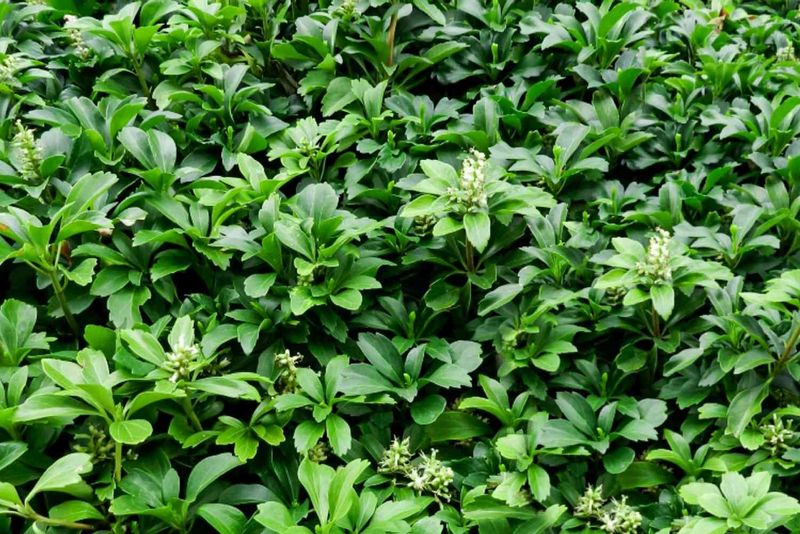
Pachysandra is often chosen for its dense, evergreen mat that provides a consistent green hue year-round. However, its slow growth rate can leave areas exposed, welcoming weeds to establish themselves. This cover may not perform well in sunnier spots, limiting its versatility. Also, Pachysandra’s homogenous appearance might not appeal to those seeking a diverse garden layout. While it has merits in specific conditions, its limitations can pose challenges when designing a comprehensive, weed-resistant landscape. Exploring more resilient and visually dynamic ground covers can yield better results for your garden’s long-term health.
3. Creeping Jenny
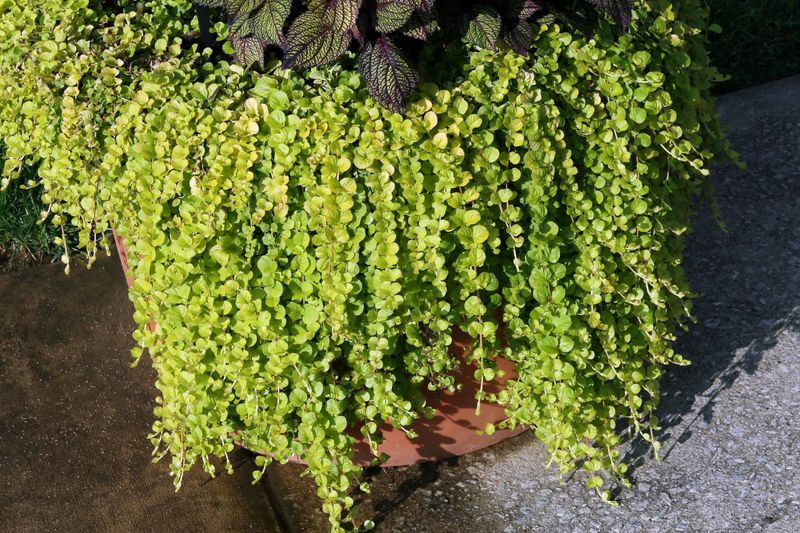
Creeping Jenny is beloved for its vibrant chartreuse foliage, yet its invasive tendencies can overshadow its beauty. Given optimal conditions, it can spread unchecked, overpowering neighboring plants. While it’s attractive initially, its rapid growth requires constant monitoring to prevent dominance. Gardeners seeking a more balanced ecosystem may find Creeping Jenny’s upkeep demanding. Reconsider this option if low-maintenance solutions are your goal. Its habit of sprawling across gardens can suffocate other plantings, making it a challenging choice for those looking to cultivate a harmonious and weed-resistant environment.
4. Vinca Minor
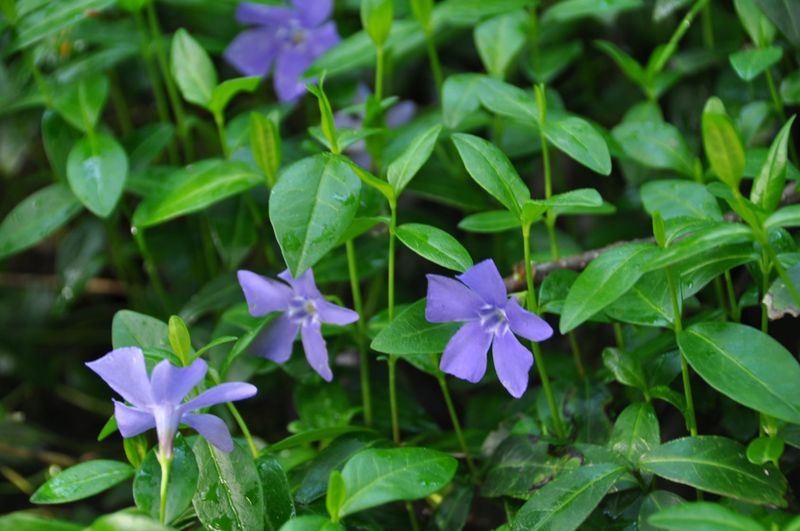
Vinca Minor offers charming periwinkle blooms, but it can quickly outgrow its welcome. Its vigorous nature allows it to blanket areas, overshadowing other plants. Although effective in controlling erosion, it doesn’t necessarily deter weeds in the long term. This cover’s robust growth can necessitate frequent pruning to maintain balance within the garden. Its tendency to dominate can lead to a monotonous landscape, lacking the diversity many gardeners seek. While Vinca Minor has its place, especially in erosion control, its invasive potential may deter those prioritizing weed-resistant and diverse plantings.
5. Bugleweed
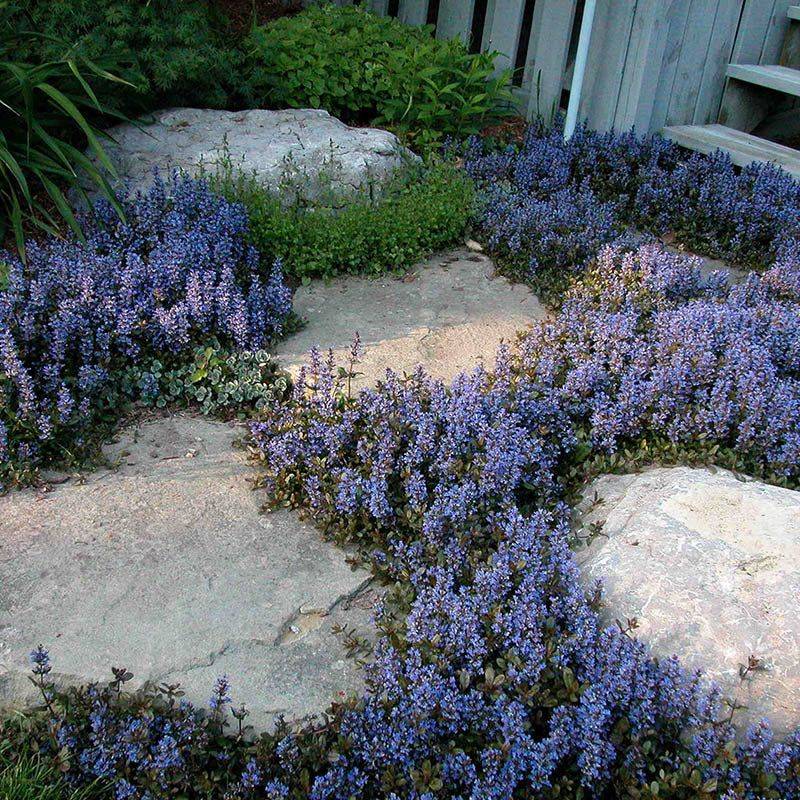
Bugleweed, or Ajuga, is known for its striking blue flower spikes and rapid spread. However, its competitive nature can become problematic, overshadowing other plants. While initially attractive, it can quickly dominate garden beds, requiring significant effort to keep in check. For those seeking a low-maintenance garden, Bugleweed’s aggressive growth may prove counterproductive. Its ability to spread through underground runners means constant vigilance is needed to prevent unwanted expansion. Though visually appealing, its tendency to overrun makes it a less ideal choice for creating a balanced and weed-suppressant landscape.
6. Lamium
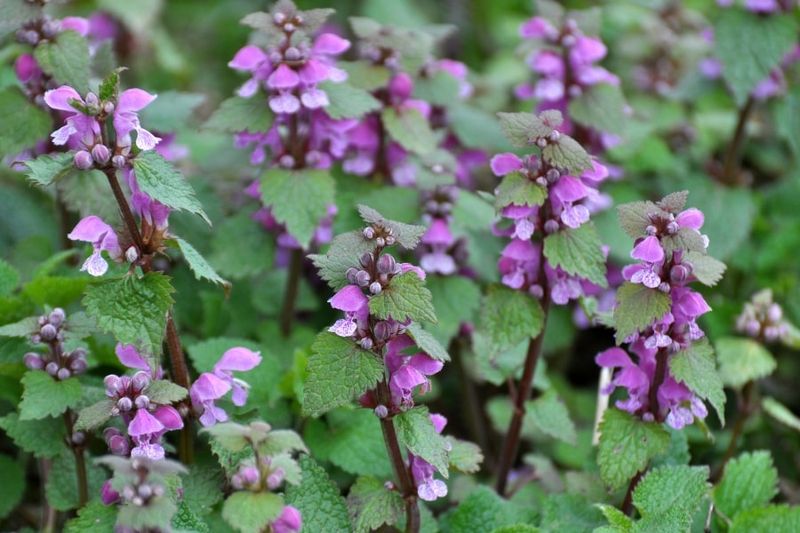
Lamium, with its variegated leaves and delicate blooms, often tempts gardeners looking for shade-tolerant covers. Yet, its invasive potential can quickly transform it from a garden favorite to a hassle. While initially a striking addition, its rapid spread requires diligent maintenance. This cover’s tendency to encroach upon neighboring plantings may disrupt your garden’s balance. Those looking for a more harmonious and weed-suppressant ground cover might consider alternatives. Despite its visual charm, Lamium’s invasive nature could overshadow its benefits, making it a challenging choice for sustainable garden design.
7. Mint
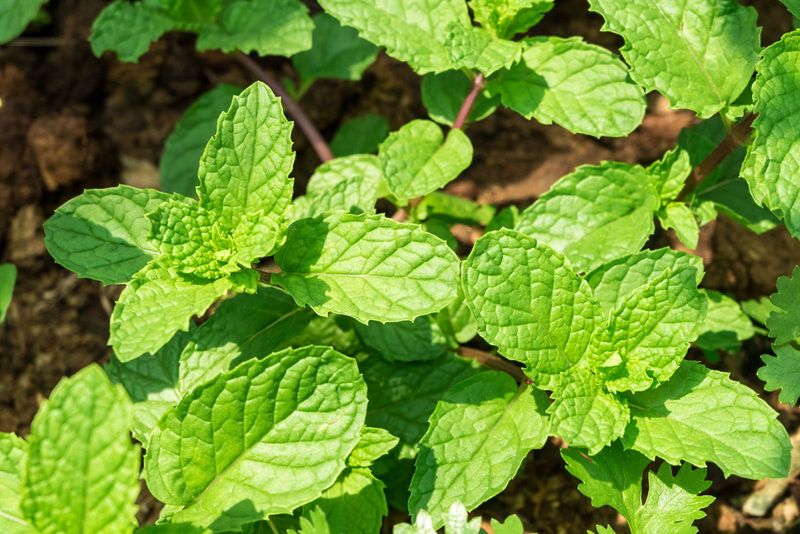
Mint, while aromatic and useful in the kitchen, is infamous for its vigorous growth. When planted in gardens, it can spread uncontrollably, outpacing other plants and making it difficult to manage. Its aggressive nature often requires containment strategies, such as pots, to prevent overrunning garden beds. Although an asset for culinary purposes, mint’s rapid expansion can hinder efforts to maintain a balanced landscape. For those seeking weed-resistant ground covers, mint’s tendency to dominate might prove problematic. Consider opting for more manageable options that align better with sustainable gardening goals.
8. Creeping Thyme
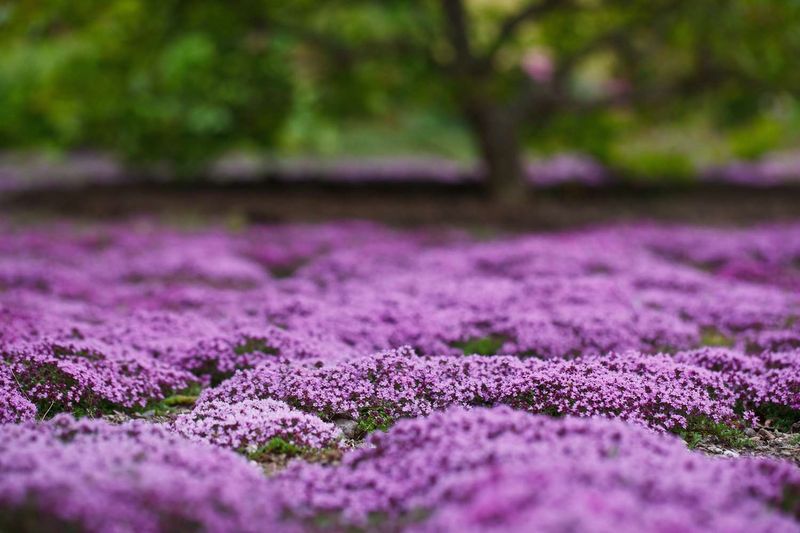
Creeping Thyme is a delightful alternative with its aromatic foliage and delicate blossoms. Unlike more aggressive covers, it spreads gently, offering a fragrant and weed-suppressant solution. Ideal for sunny locations, its low-growing habit provides a soft carpet that thrives in various soil types. This herb not only beautifies with seasonal color but also attracts pollinators, enhancing garden biodiversity. Its resilience to foot traffic makes it an excellent choice for pathways and rock gardens. Creeping Thyme’s balanced growth ensures a harmonious landscape, free from the invasiveness seen in less desirable ground covers.
9. Sweet Woodruff
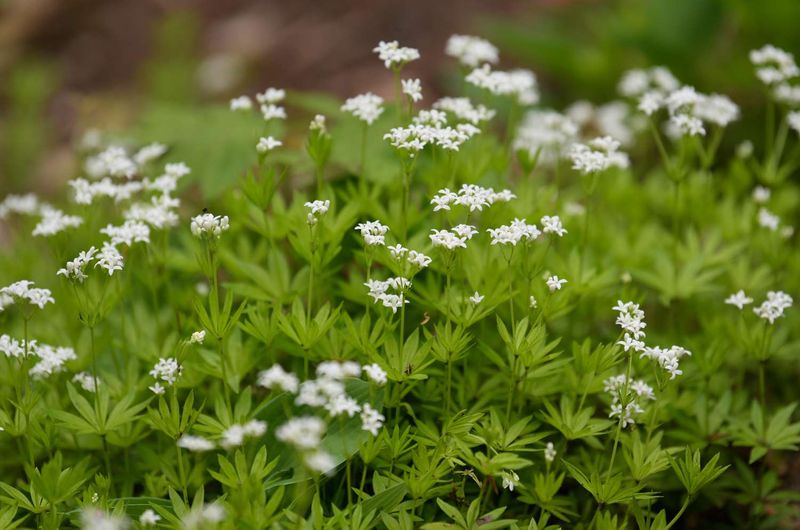
Sweet Woodruff offers a charming display with its starry white flowers and whorled leaves. This shade-loving plant spreads moderately, making it an effective weed suppressant without overpowering its companions. Its sweet scent adds a delightful sensory experience to any garden. Historically used in herbal remedies, Sweet Woodruff provides both aesthetic and practical benefits. Its preference for shaded, moist areas makes it a perfect choice for woodland gardens. As it fills in gaps, it creates a lush, green tapestry, enhancing your garden’s beauty while keeping weeds at bay.
10. Ajuga Reptans
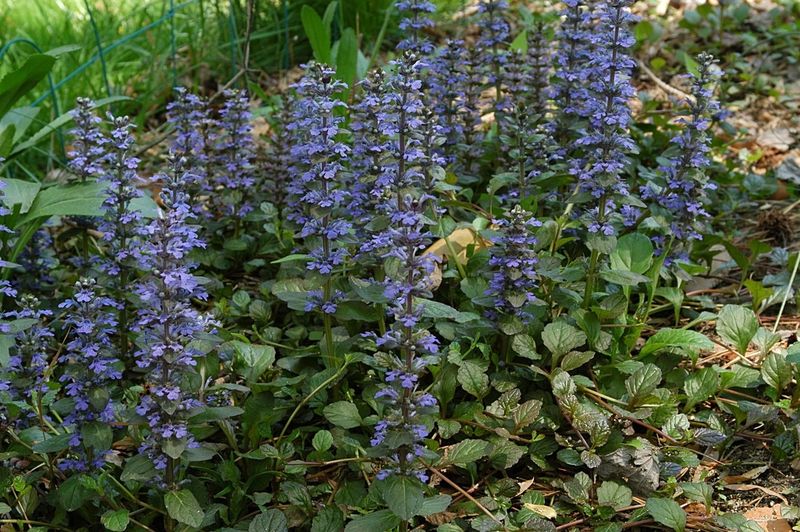
Ajuga Reptans, also known as Bugleweed, is celebrated for its vivid purple-blue flowers and ability to cover ground swiftly. Unlike its invasive relatives, this species is more restrained, making it a suitable choice for those seeking vibrant, low-maintenance covers. Its ability to thrive in sun or partial shade adds to its versatility. This plant not only suppresses weeds but also provides seasonal interest with its colorful blooms. Ajuga Reptans’ balanced growth and adaptability make it a valuable addition to any garden, offering beauty and functionality without the aggressive spread of its counterparts.
11. Blue Star Creeper
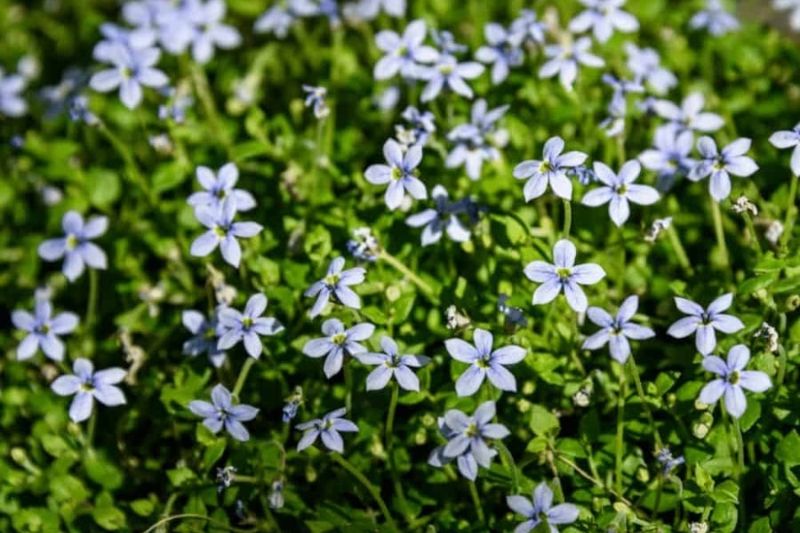
Blue Star Creeper creates an enchanting carpet of tiny blue flowers, perfect for sunny areas. Its low-growing habit is ideal for filling in gaps and suppressing weed growth. Unlike more aggressive covers, it spreads steadily, allowing for manageable control and integration with other plantings. This cover thrives in well-drained soils, offering a soft, lush appearance throughout the growing season. Its delicate flowers attract pollinators, enhancing garden biodiversity. Blue Star Creeper’s steady growth and charming appearance make it an excellent choice for creating a vibrant, weed-resistant landscape.
12. Clover
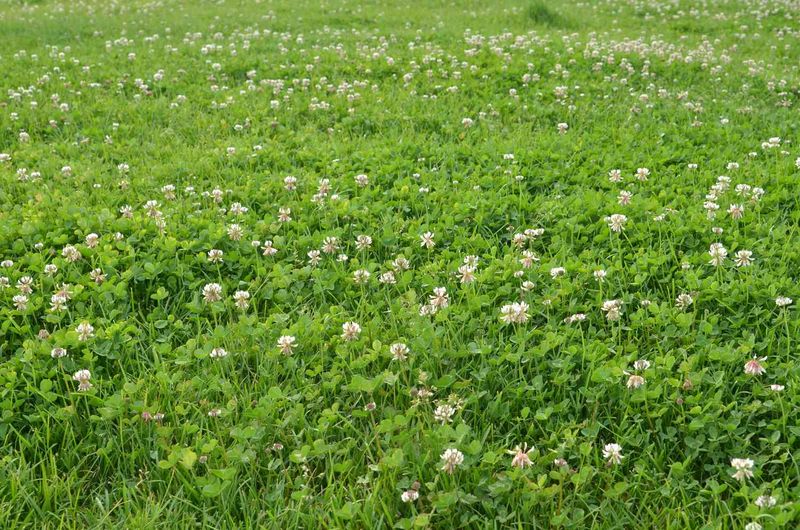
Clover, with its cheerful white blossoms and lush foliage, offers an excellent ground cover option. Known for fixing nitrogen in the soil, it enriches garden beds while suppressing weeds. Its ability to thrive in various conditions makes it a versatile choice for different garden settings. Clover’s dense growth provides a soft, green carpet that requires minimal maintenance. Additionally, its flowers attract pollinators, supporting local ecosystems. This ground cover’s natural resilience and ecological benefits make it an attractive alternative for creating sustainable, weed-resistant garden beds.
13. Sedum
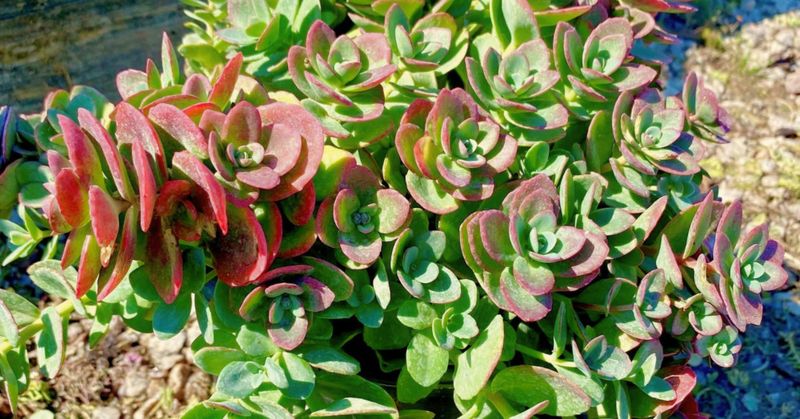
Sedum, or stonecrop, offers a diverse range of textures and colors, making it an appealing ground cover for sunny areas. Its succulent leaves retain moisture, allowing it to thrive in dry conditions, while its seasonal blooms add vibrant color. This hardy plant suppresses weeds effectively, requiring minimal care once established. Sedum’s adaptability to various soil types and its low-growing nature make it an excellent choice for rock gardens and borders. Its unique appearance and resilience to challenging environments provide both beauty and practicality in creating a sustainable landscape.
14. Helleborus
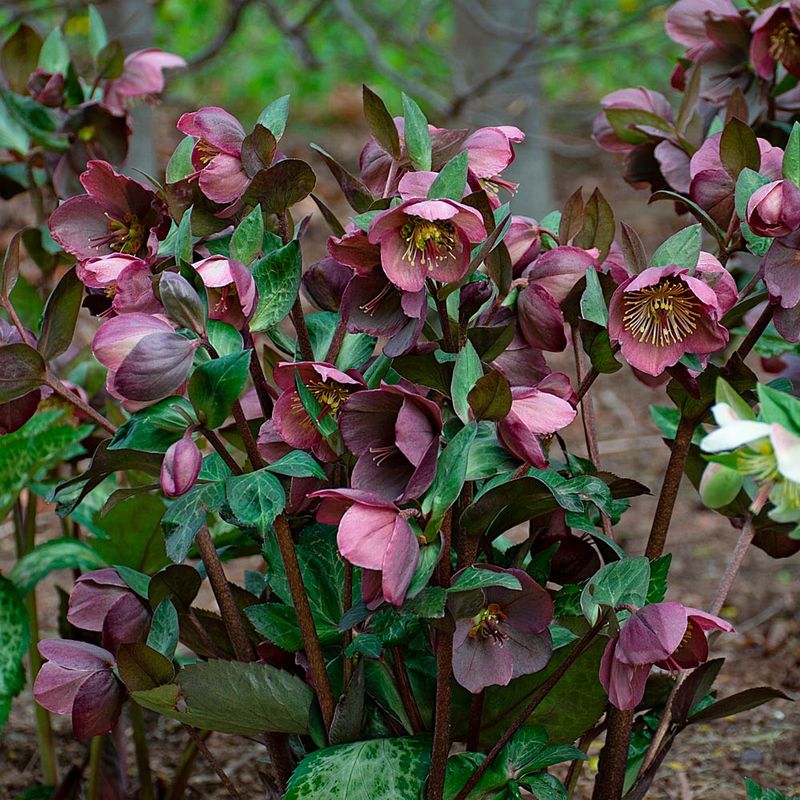
Helleborus, or Lenten Rose, is a striking ground cover known for its evergreen leaves and early spring blooms. Ideal for shaded areas, it provides year-round interest and suppresses weeds with its dense foliage. Its elegant flowers appear in late winter, offering a welcome splash of color when few other plants bloom. Helleborus requires little maintenance and thrives in a variety of soil conditions, making it a versatile choice for shade gardens. Its combination of beauty and hardiness ensures a lush, weed-resistant landscape, enhancing garden aesthetics throughout the year.
15. Mazus
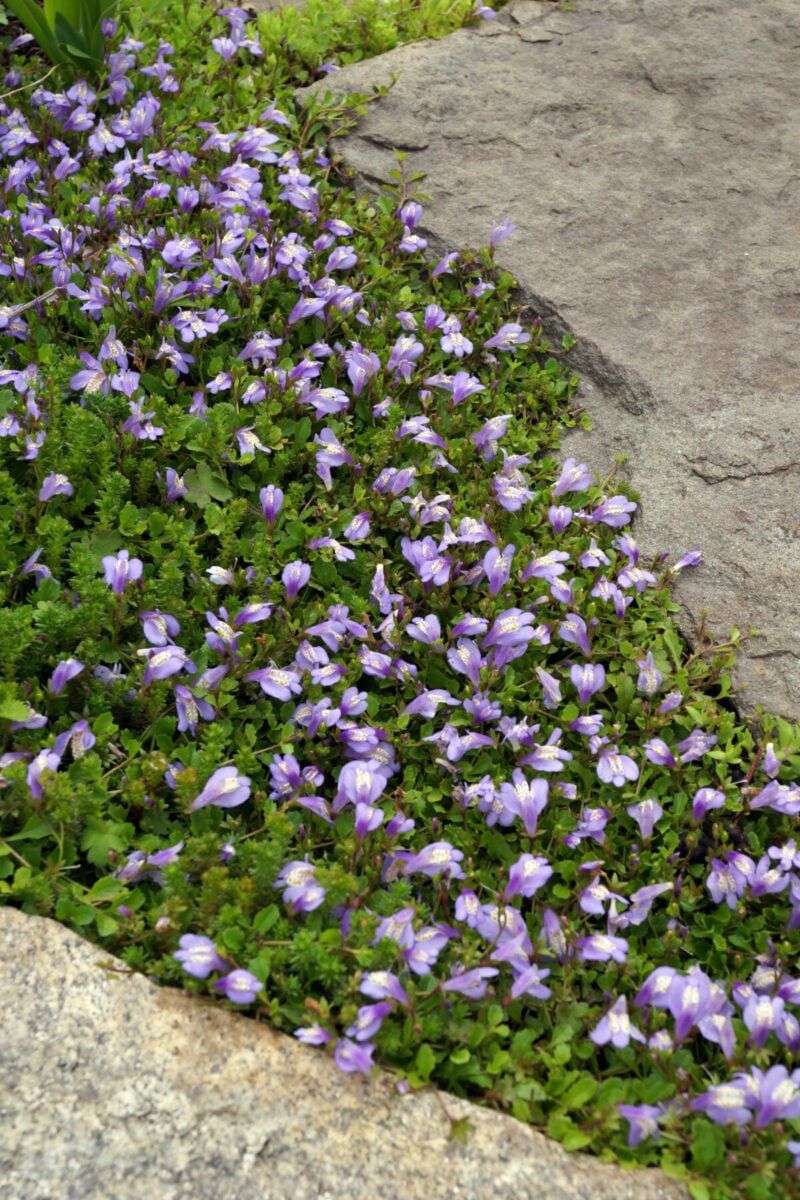
Mazus is a delightful ground cover for sunny gardens, known for its small, cheerful purple flowers. Its low-growing habit creates a lush carpet that fills in gaps effectively, suppressing weed growth. This plant thrives in well-drained soils and adds a vibrant touch to garden paths and borders. Its ability to withstand foot traffic makes it a practical choice for high-use areas. Mazus’ vigorous yet manageable growth pattern ensures a balanced and attractive landscape, free from the invasiveness seen in less suitable ground covers, making it a smart choice for sustainable gardening.
16. Heuchera
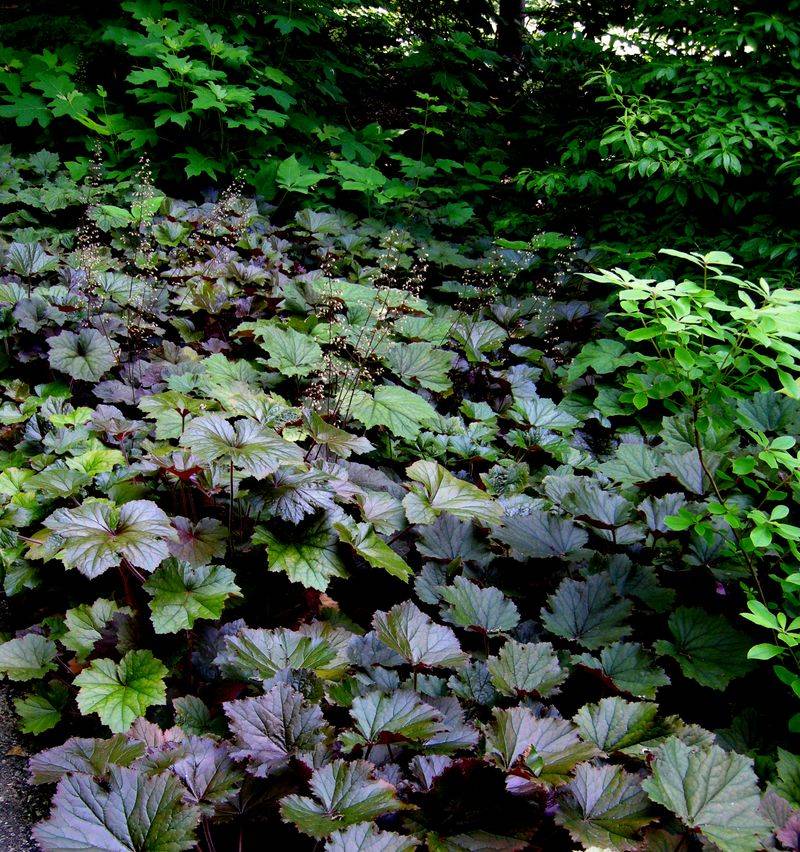
Heuchera, or Coral Bells, offers a stunning variety of leaf colors and textures, making it a popular ground cover option. Its ruffled foliage adds visual interest, while its delicate flowers attract pollinators. Suitable for part-shade, Heuchera thrives in well-drained soils, providing a lush carpet that suppresses weeds. Its ability to adapt to different garden conditions adds to its appeal. This plant’s unique appearance and resilience make it a versatile choice for creating visually dynamic, weed-resistant landscapes. Heuchera’s combination of beauty and functionality enhances any garden setting.
17. Liriope
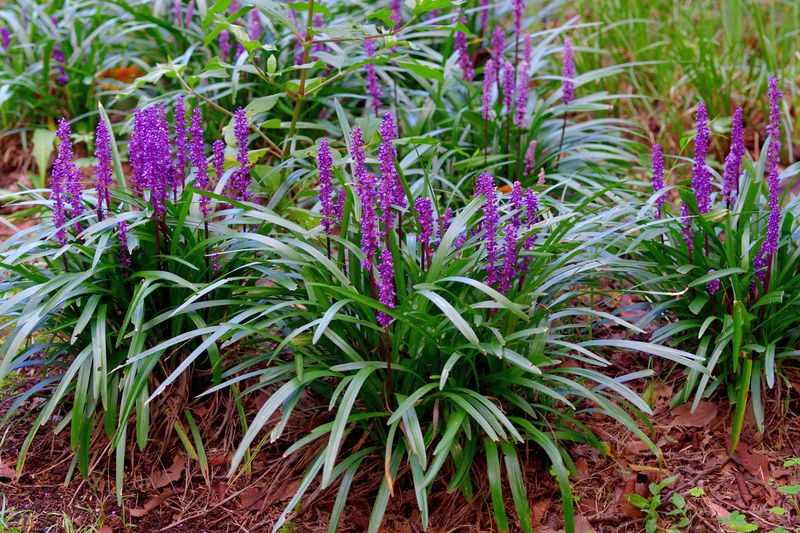
Liriope, or Lilyturf, is a robust ground cover known for its grass-like foliage and striking purple flowers. Ideally suited for borders and pathways, it provides a tidy, evergreen edge that suppresses weeds effectively. Its adaptability to various light conditions makes it versatile for different garden settings. Liriope’s dense growth creates a cohesive, lush appearance year-round, with seasonal flowers adding visual interest. This low-maintenance plant thrives in well-drained soils and requires minimal care, making it an excellent choice for sustainable, weed-resistant landscaping solutions.
18. Wild Ginger
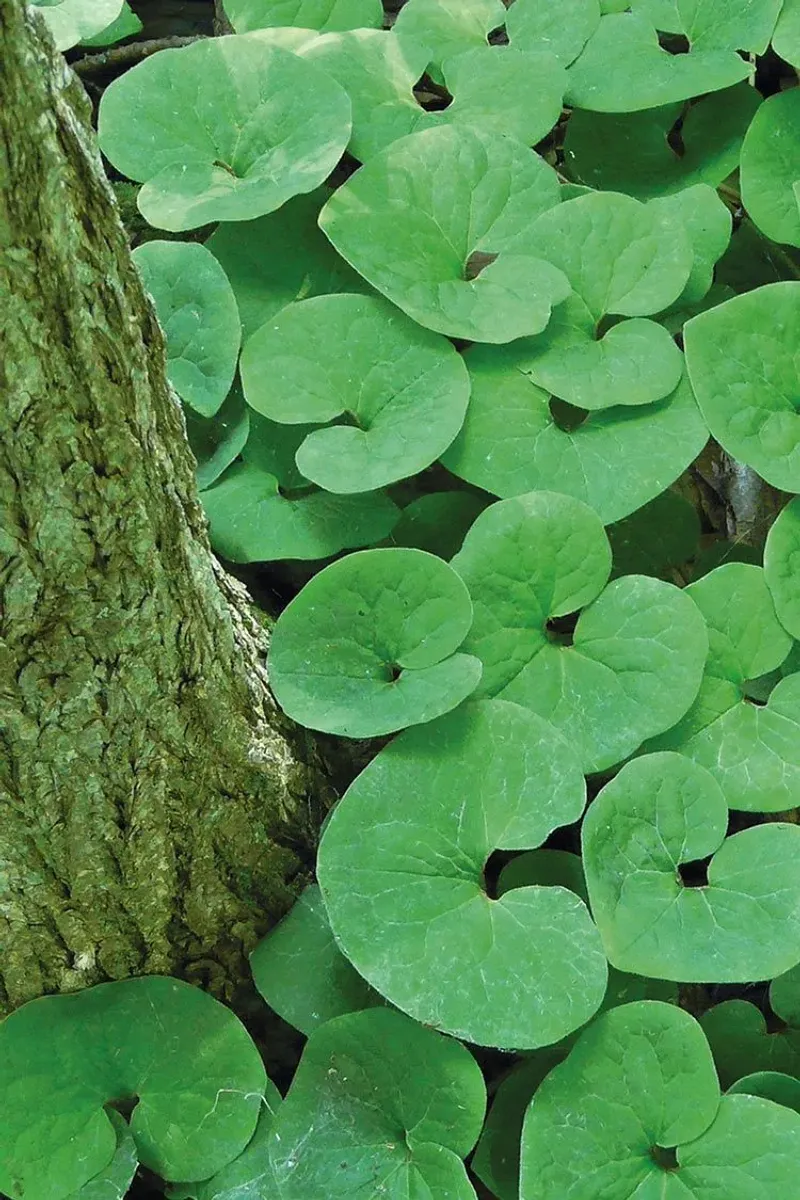
Wild Ginger is an attractive ground cover for shaded areas, known for its heart-shaped leaves and unique flowers. Its dense growth pattern helps suppress weeds, while its preference for moist, well-drained soils makes it suitable for woodland gardens. Wild Ginger’s foliage creates a lush, green carpet, providing visual interest and habitat for garden wildlife. Its adaptability and low maintenance requirements make it a practical choice for sustainable landscaping. This plant’s natural elegance and weed-suppressant capabilities enhance shaded garden areas, offering both beauty and functionality.
19. Periwinkle
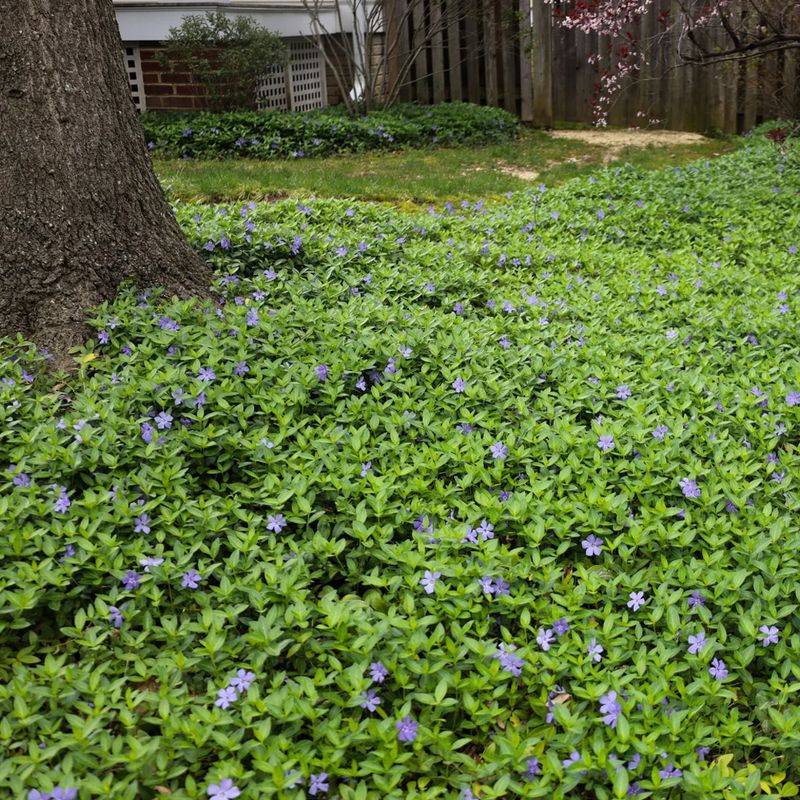
Periwinkle, or Vinca Minor, is a popular ground cover known for its glossy leaves and vivid blue flowers. Ideal for shaded areas, it spreads moderately, creating a lush, green carpet that suppresses weeds effectively. Its early blooms add a burst of color when many other plants are dormant. Periwinkle thrives in various soil types, making it a versatile choice for different garden settings. This plant’s low maintenance needs and resilience make it a reliable option for creating sustainable, weed-resistant landscapes that remain attractive throughout the year.
20. Lamb’s Ear

Lamb’s Ear is cherished for its soft, silver-gray foliage, resembling the texture of a lamb’s ear. This ground cover thrives in sunny areas, providing a striking contrast to other plantings. Its dense growth helps suppress weeds, while its drought tolerance ensures low maintenance. Lamb’s Ear’s unique appearance adds visual interest to gardens, particularly in rock gardens and borders. Its subtle beauty and functionality make it an excellent choice for those seeking sustainable, weed-resistant landscaping solutions. The plant’s soft appearance and hardiness create a balanced, appealing garden environment.
21. Epimedium
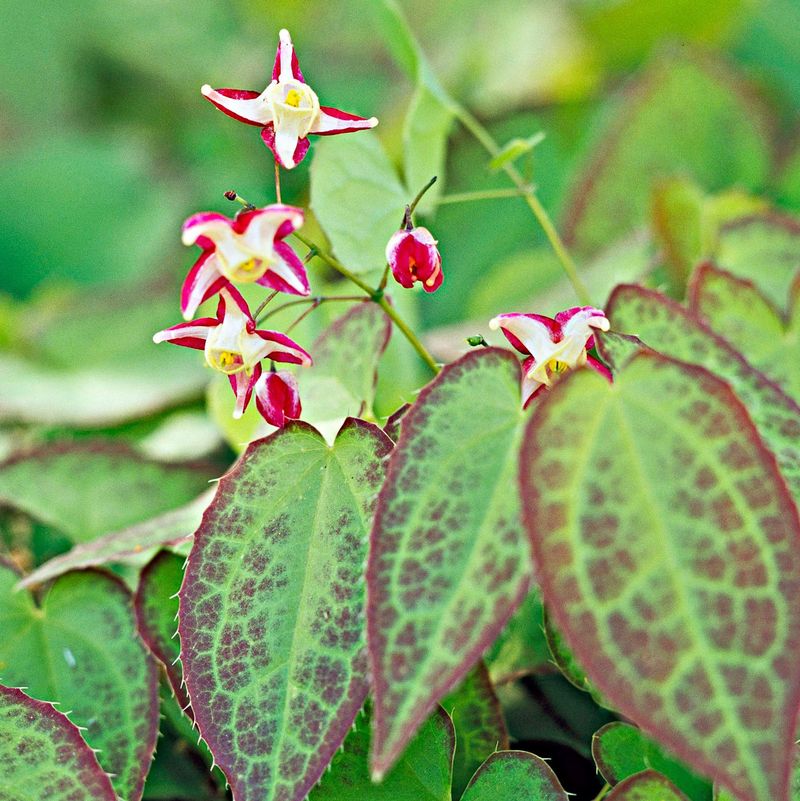
Epimedium, or Barrenwort, offers heart-shaped leaves and delicate spring blooms, adding charm to shaded gardens. Its ability to suppress weeds with dense foliage makes it a valuable ground cover. This plant thrives in dry, shaded areas, providing a lush carpet that enhances garden beauty. Epimedium’s resilience to challenging conditions adds to its appeal, making it a practical choice for sustainable landscaping. Its unique combination of aesthetics and functionality ensures a harmonious garden environment, where beauty and practicality coexist seamlessly, offering both visual interest and weed control.
22. Candytuft
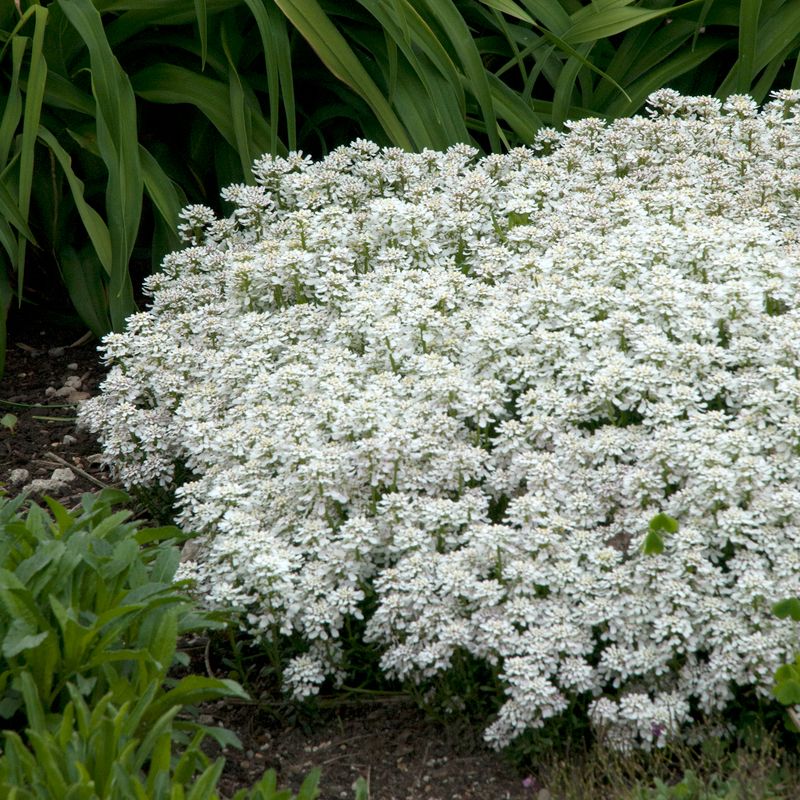
Candytuft is a delightful ground cover known for its bright white flowers and evergreen foliage. Ideal for sunny slopes and borders, it offers a vibrant visual display that suppresses weeds effectively. Its ability to thrive in well-drained soils and rocky areas makes it a versatile addition to various garden settings. Candytuft’s low-growing habit provides a neat, tidy appearance, requiring minimal maintenance once established. This plant’s cheerful blooms and robust growth pattern make it an excellent choice for creating sustainable, weed-resistant landscapes that remain attractive throughout the growing season.
23. Woolly Thyme
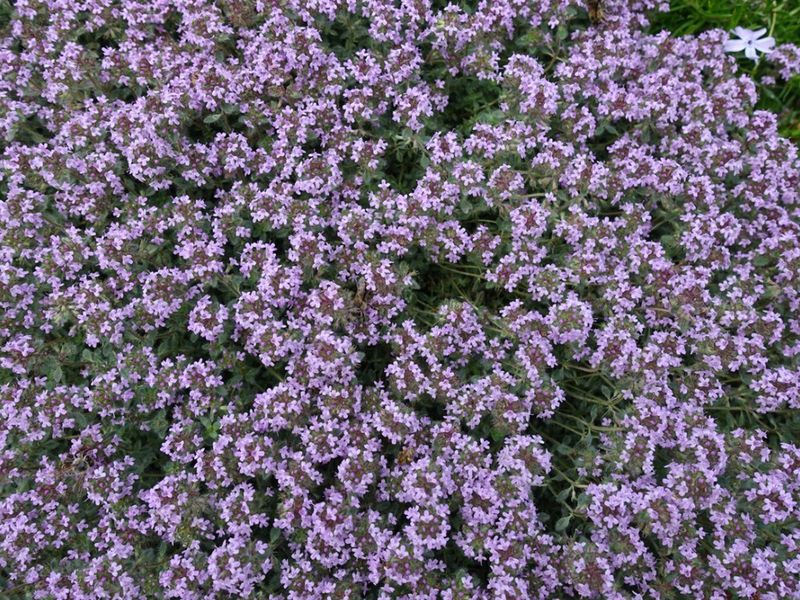
Woolly Thyme, with its fuzzy, greyish leaves, invites you to reach out and touch its soft texture. This low-growing marvel spreads gently across garden spaces, creating a dense mat that deters weed growth.
Imagine a carpet of tiny pink flowers, each one a testament to the thyme’s endurance and charm. Its ability to thrive in poor, rocky soil makes it a resilient choice for your garden.
Did you know? Woolly Thyme is not only a visual delight but also a culinary herb, perfect for seasoning dishes.
Enjoy this versatile plant, and let it work its magic in your garden, one leaf at a time.
24. Barren Strawberry
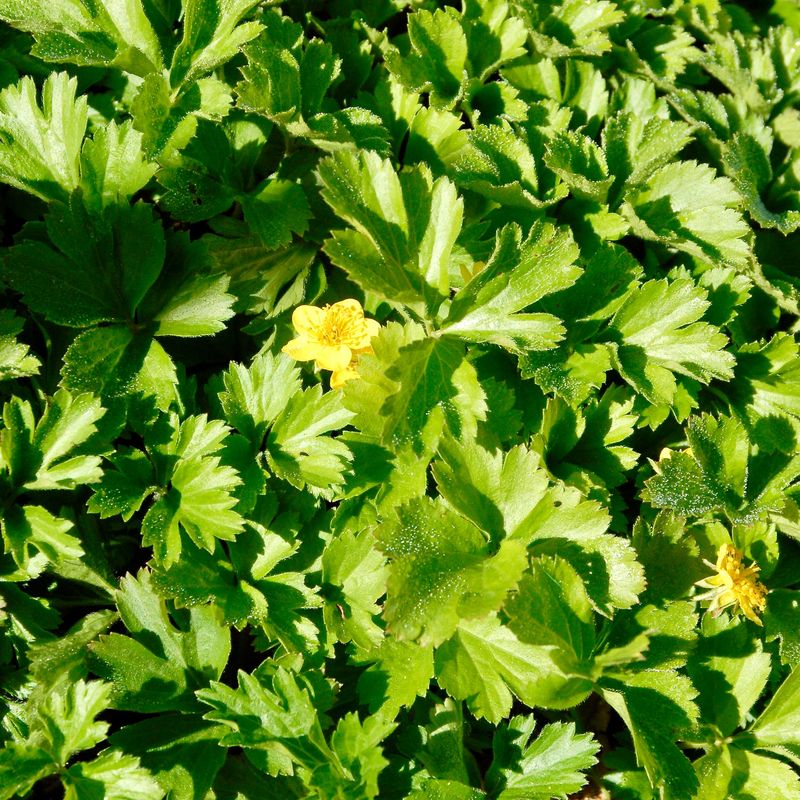
Barren Strawberry enchants with golden blooms that disguise its weed-fighting prowess. Its lush foliage forms a thick barrier, thwarting weeds effortlessly.
Ideal for borders and woodland edges, it creates a seamless tapestry with its interwoven leaves.
While its fruits are ornamental, they add a touch of intrigue to any garden. A lesser-known gem, Barren Strawberry remains evergreen, offering year-round appeal.
Embrace this plant’s ability to transform ordinary spaces into vibrant landscapes, bringing both beauty and purpose to your garden.