 Complete Gardening
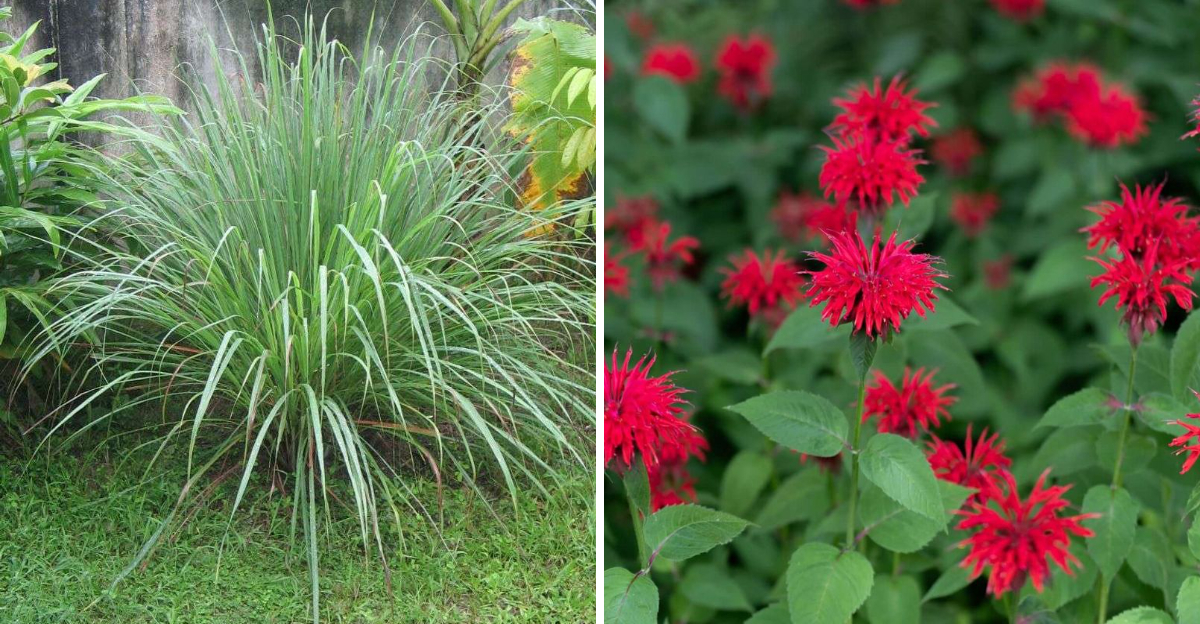
Are you tired of battling pesky mosquitoes every time you step outside? While some plants may attract these unwanted guests, others have the power to keep them at bay.
Here, we identify seven plants to avoid if you’re looking to reduce mosquitoes and introduce fifteen natural mosquito repellents instead.
From aromatic herbs to vibrant flowers, these plants not only enhance your garden but also create a more comfortable outdoor environment. Embrace these natural solutions and enjoy a mosquito-free atmosphere without the need for harsh chemicals.
1. Water Lilies

Water lilies, with their delicate blooms floating gracefully on ponds, might seem idyllic. However, they create stagnant water, a perfect breeding ground for mosquitoes. These lovely aquatic plants are not your allies in the fight against these insects. Their aesthetic appeal can mask the hidden issue of attracting mosquitoes. Consider the maintenance required to prevent mosquito larvae from thriving beneath their leaves. While water lilies add beauty to gardens, they inadvertently support mosquito populations, undermining your comfort. Choose alternatives that deter mosquitoes while maintaining a serene garden ambiance.
2. Bamboo
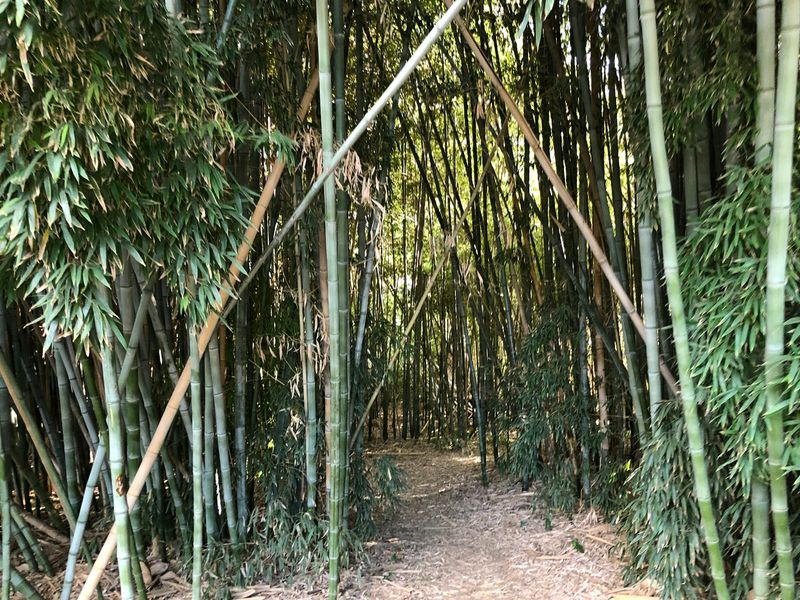
Bamboo, with its rapid growth and towering presence, is often a symbol of strength. However, its dense foliage provides an ideal habitat for mosquitoes. The thick clusters create shaded, moist areas where these pests can thrive. In addition, bamboo’s water-retaining capabilities can lead to stagnant water, further encouraging mosquito breeding. Instead of bamboo, consider plants that offer similar aesthetic qualities without inviting mosquitoes. The vibrant green stalks may look beautiful, but their contribution to mosquito problems makes them less desirable for your backyard sanctuary.
3. Hostas

Hostas are cherished for their lush foliage and shade tolerance. However, their broad leaves can trap moisture, creating a damp habitat that mosquitoes adore. These plants, while visually appealing, contribute to an environment conducive to mosquito breeding. The dense shade they provide only adds to the problem, making it difficult for the ground to dry out. Opt for alternatives that discourage these pests and maintain beauty in your garden. Though hostas enchant with their greenery, they might not be the best choice for a mosquito-free zone.
4. Taro

Taro plants, with their giant, heart-shaped leaves, evoke a tropical vibe. However, their capacity to retain water around their roots makes them a mosquito magnet. The large leaves create shade and hold moisture, providing a perfect breeding habitat. While taro adds an exotic touch to gardens, it also attracts unwanted mosquito guests. Consider replacing taro with plants that repel mosquitoes while maintaining tropical aesthetics. The allure of taro’s lush greenery is undeniable, but its tendency to invite mosquitoes can challenge your garden’s comfort.
5. Papyrus
Papyrus, with its striking stalks and feathery tops, conjures images of ancient times. Yet, this water-loving plant can harbor mosquito larvae in its preferred moist environments. The plant’s requirement for wet conditions often leads to standing water, making it an attractive breeding ground. While papyrus can add a dramatic flair to gardens, it may contribute to mosquito issues if not carefully managed. Opt for alternatives that offer visual interest without encouraging mosquitoes. The historical charm of papyrus is undeniable, but it comes with a mosquito-laden price.
6. Impatiens

Impatiens, known for their bright blooms, thrive in the shade, which can contribute to mosquito problems. The moisture and limited sunlight in shaded areas make these flower beds potential mosquito havens. While impatiens bring color and cheer to gardens, they may inadvertently support mosquito populations. Consider integrating plants that naturally repel mosquitoes instead. The vibrant hues of impatiens are delightful, yet their preference for shady, damp conditions aligns them with mosquito-friendly environments. Choose wisely to maintain both garden beauty and comfort.
7. Ornamental Grasses
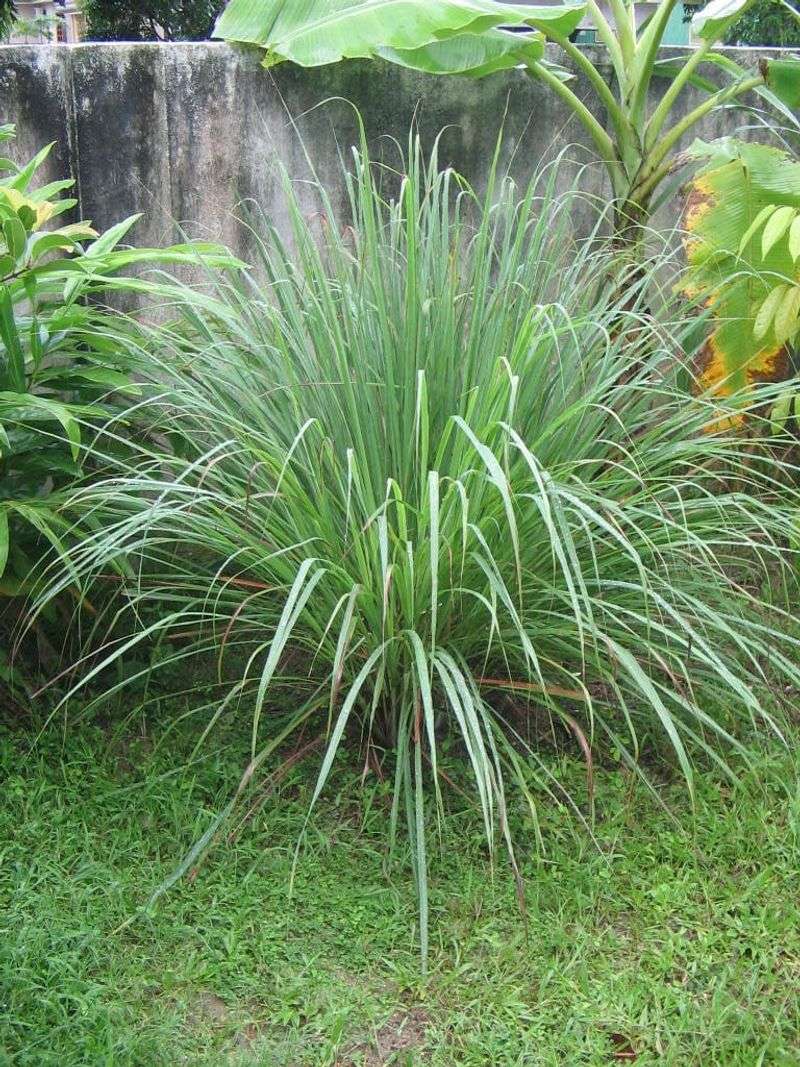
Ornamental grasses, with their graceful plumes and swaying movements, bring a dynamic element to landscapes. However, their dense growth can harbor mosquitoes by trapping moisture and providing shelter. These grasses, while aesthetically pleasing, can create conditions favorable to mosquito habitation. Instead of ornamental grasses, consider mosquito-repelling plants that offer both beauty and functionality. The elegant appearance of these grasses may enhance your garden, but their potential to host mosquitoes might outweigh their visual charm. Explore other options to ensure a welcoming, mosquito-free space.
1. Citronella
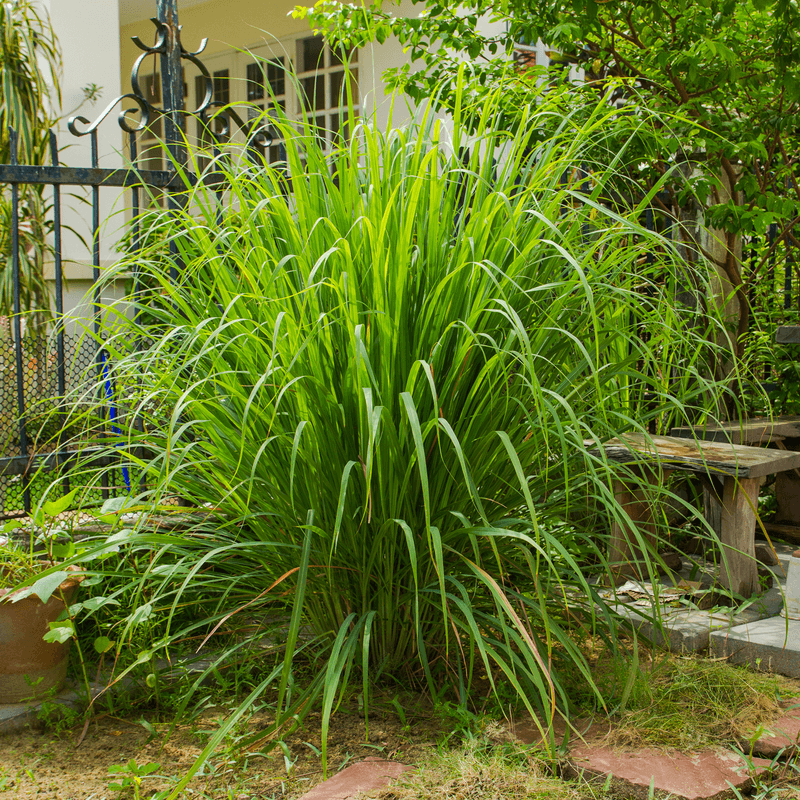
Citronella tops the list for natural mosquito repellents. With a fresh, lemony scent, it masks odors mosquitoes find attractive. It’s a popular choice for outdoor spaces, providing a pleasant aroma while deterring pests. Plant it in pots around patios or in garden borders for maximum effect. Citronella’s effectiveness extends beyond its fragrance, as it can be used in oils and candles. This versatile plant is a charming addition, offering both beauty and functionality. Embrace citronella for a peaceful, mosquito-free outdoor experience, enjoying its refreshing presence.
2. Lemon Balm
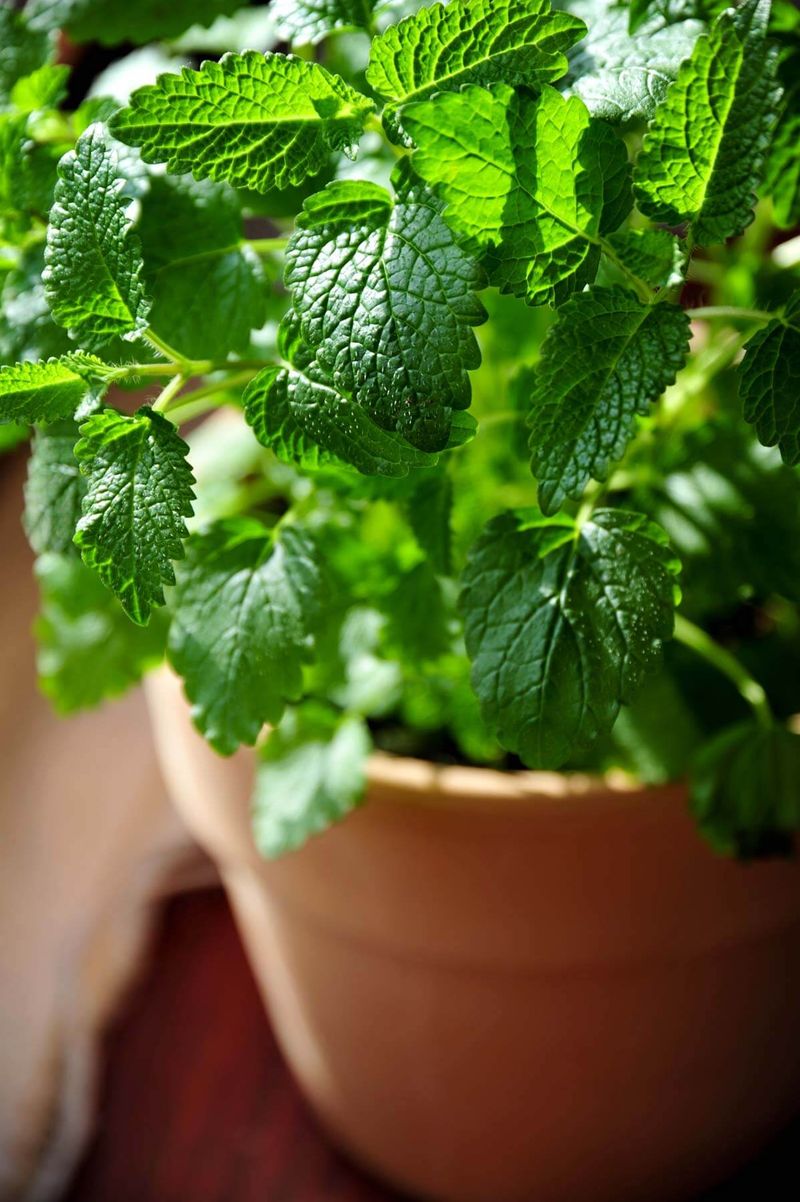
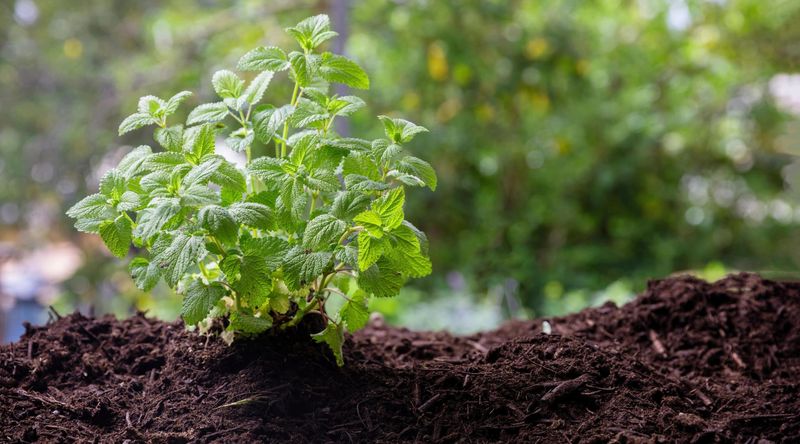
Lemon balm, with its invigorating lemon scent, doubles as a culinary herb and mosquito repellent. This versatile plant thrives in sunlit areas, adding both beauty and utility to your garden. Its aroma confuses mosquitoes, keeping them at bay while you enjoy the outdoors. Lemon balm’s ease of growth and maintenance makes it an excellent choice for gardeners seeking a natural mosquito solution. Use it fresh in teas or dried in sachets for extended benefits. This multifaceted plant is a delightful addition, offering fragrance and protection against mosquitoes.
3. Lavender
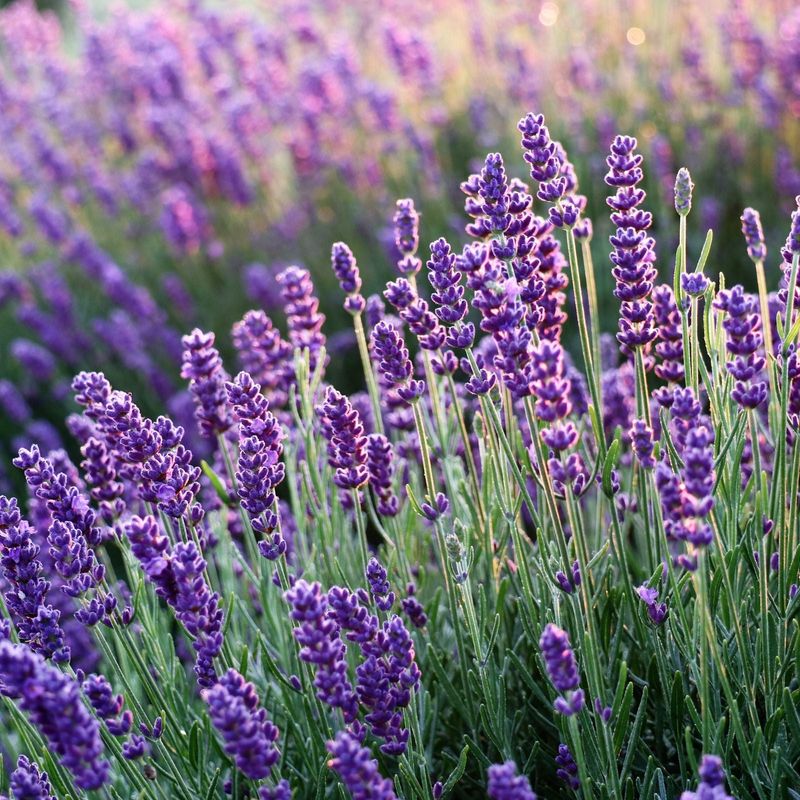
Lavender, renowned for its calming properties, is also a powerful mosquito deterrent. Its soothing fragrance is pleasant to humans but confounds mosquitoes, making it a perfect addition to gardens and patios. Lavender’s beauty and utility come together, offering a peaceful ambiance while keeping pests at bay. Plant it in sunny spots and enjoy its dual benefits. Besides repelling mosquitoes, lavender attracts pollinators like bees and butterflies, enhancing your garden’s vitality. Its timeless appeal and functionality make lavender a must-have for a serene, mosquito-free environment.
4. Basil
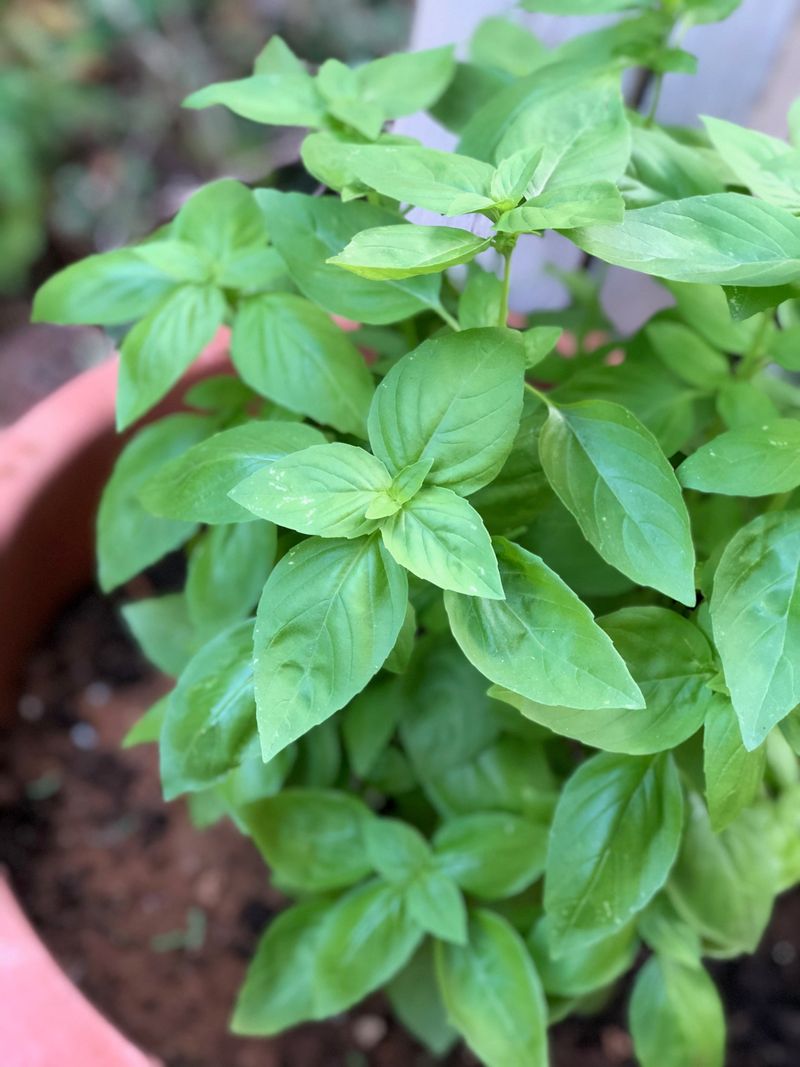
Basil, loved for its culinary uses, also serves as a natural mosquito repellent. Its aromatic oils, released into the air, deter mosquitoes effectively. Plant basil in garden beds or pots near doorways to maximize its protective benefits. Its lush foliage and spicy scent make it a garden favorite, adding both flavor and function. Basil’s versatility extends beyond the kitchen, providing an aesthetic appeal while ensuring a mosquito-free zone. Cultivate basil for an aromatic, pest-repelling garden that delights both the senses and the palate.
5. Marigolds
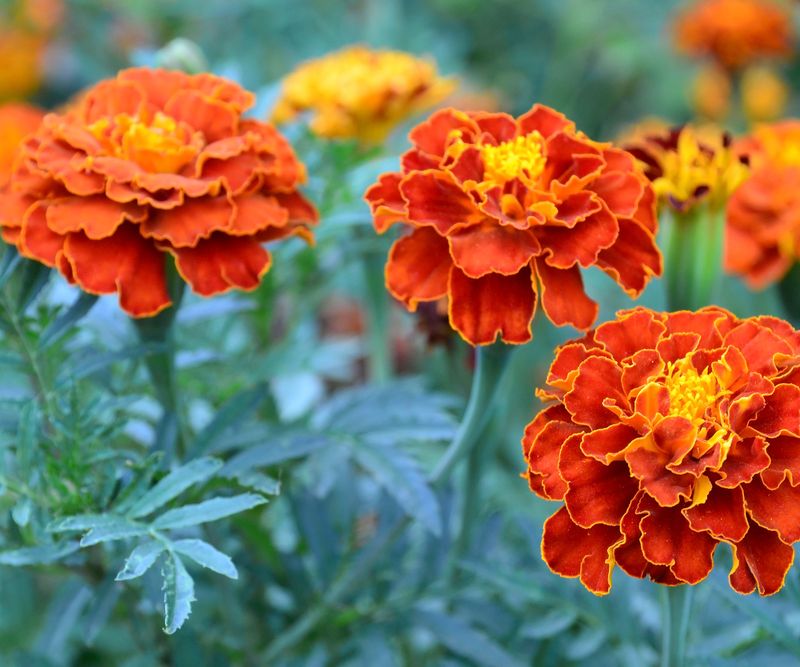
Marigolds, with their cheerful blooms, are more than just garden beauties; they repel mosquitoes effectively. The strong scent of marigold flowers is unpleasant to mosquitoes, making them an excellent addition to garden borders and containers. Besides their pest-repelling properties, marigolds attract beneficial insects like ladybugs, enhancing garden health. Their bright colors and easy maintenance make them a gardener’s delight, combining aesthetics with practicality. Plant marigolds to create a vibrant, mosquito-free garden space that bursts with color and life, ensuring a pleasant outdoor atmosphere.
6. Catnip
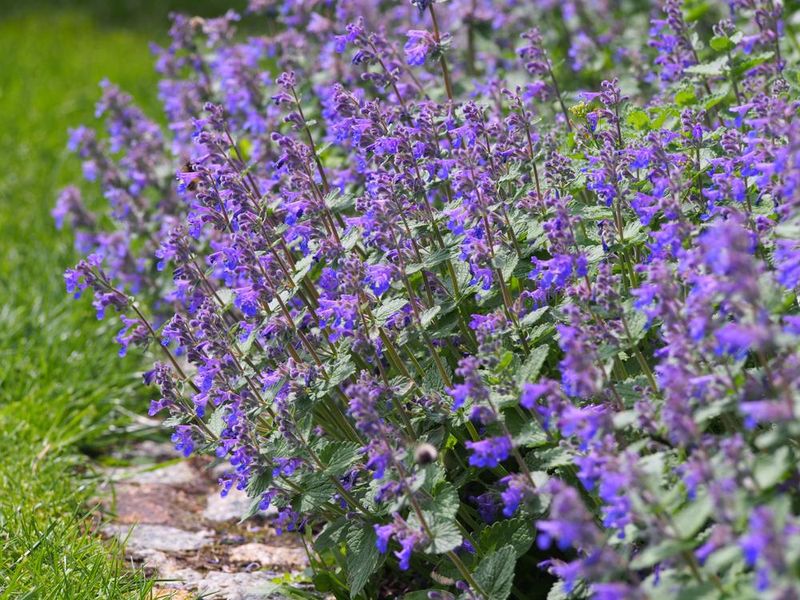
Catnip, beloved by felines, is also a potent mosquito repellent. Its essential oils, particularly nepetalactone, deter mosquitoes more effectively than some chemical repellents. Plant catnip in sunny spots around your garden to enjoy its mosquito-fighting benefits. While cats may adore its presence, mosquitoes will steer clear, making it a dual-purpose plant. Beyond repelling pests, catnip can be harvested for teas and herbal remedies, adding versatility to its uses. Incorporate catnip into your garden for a charming, multi-functional addition that keeps mosquitoes at bay.
7. Rosemary
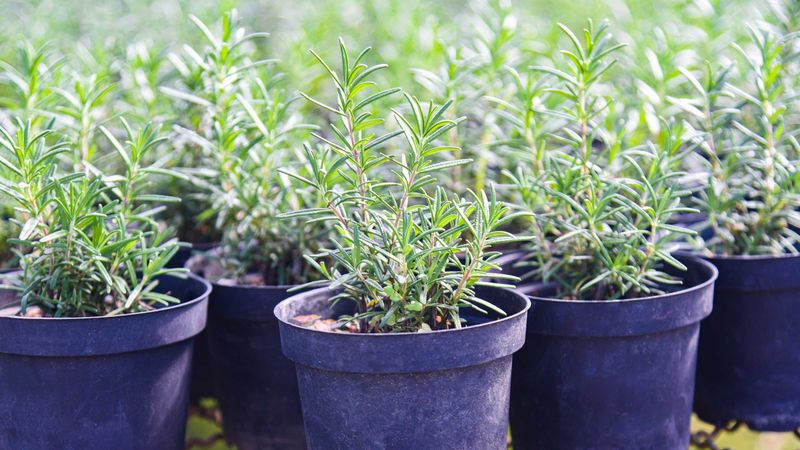
Rosemary, known for its culinary appeal, doubles as an effective mosquito deterrent. Its woody fragrance confuses mosquitoes, making it a perfect plant for outdoor spaces. Place potted rosemary on patios or plant it in garden borders to benefit from its aromatic shield. The plant’s hardiness and low maintenance make it ideal for various climates, offering both utility and beauty. Beyond repelling mosquitoes, rosemary’s fragrant leaves enhance culinary dishes, providing a multi-sensory garden experience. Embrace rosemary for a mosquito-free, aromatic garden that delights in every way.
8. Mint
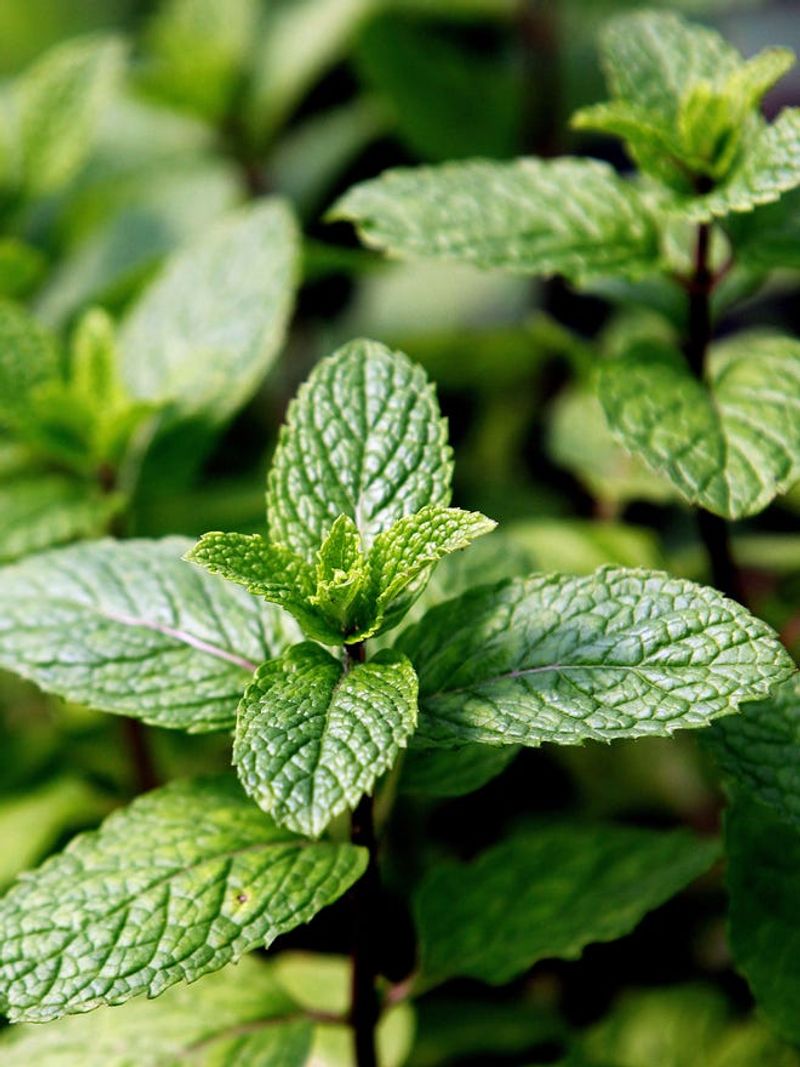
Mint, with its cool, invigorating scent, is a natural mosquito repellent that adds both freshness and function. This hardy plant thrives in various conditions, making it a versatile garden addition. Plant mint in pots to control its spread and enjoy its mosquito-deterring benefits. Its aromatic oils create a barrier that mosquitoes find unappealing, ensuring a more pleasant outdoor experience. Besides repelling pests, mint can be used in teas, culinary dishes, and homemade remedies. Incorporate mint into your garden for a refreshing, mosquito-free environment that invigorates the senses.
9. Sage
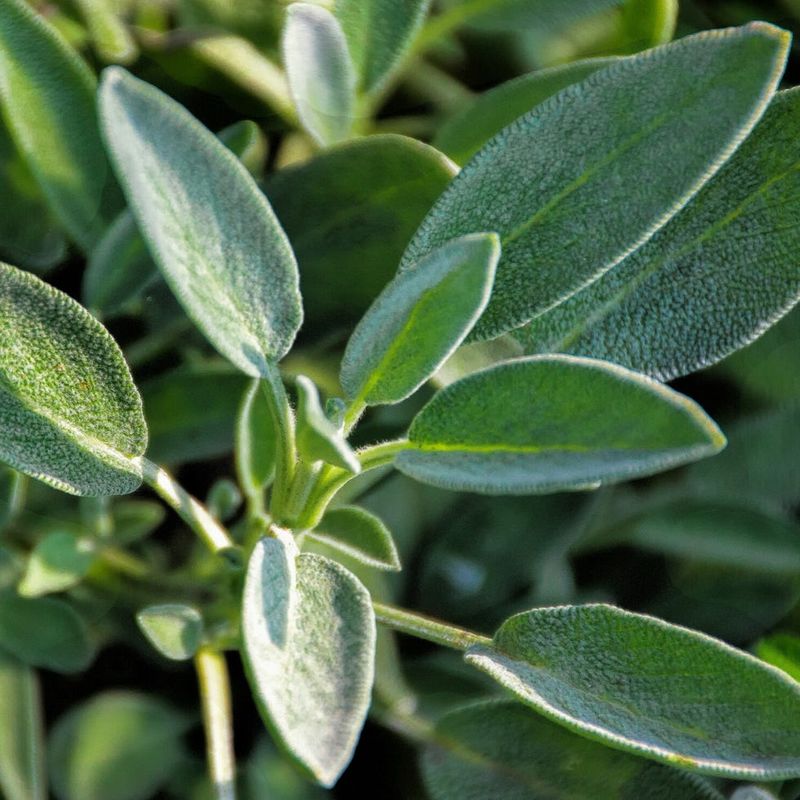
Sage, with its earthy aroma, serves as an effective mosquito repellent. Its scent confuses and deters mosquitoes, making it a valuable addition to gardens and patios. Plant sage in sunny spots to maximize its mosquito-fighting potential. Beyond repelling pests, sage’s leaves can be used in cooking, offering a depth of flavor to culinary creations. Its hardy nature and ease of growth make it an excellent choice for gardeners seeking a practical, multi-functional plant. Add sage to your garden for a delightful, aromatic experience that keeps mosquitoes at bay.
10. Bee Balm
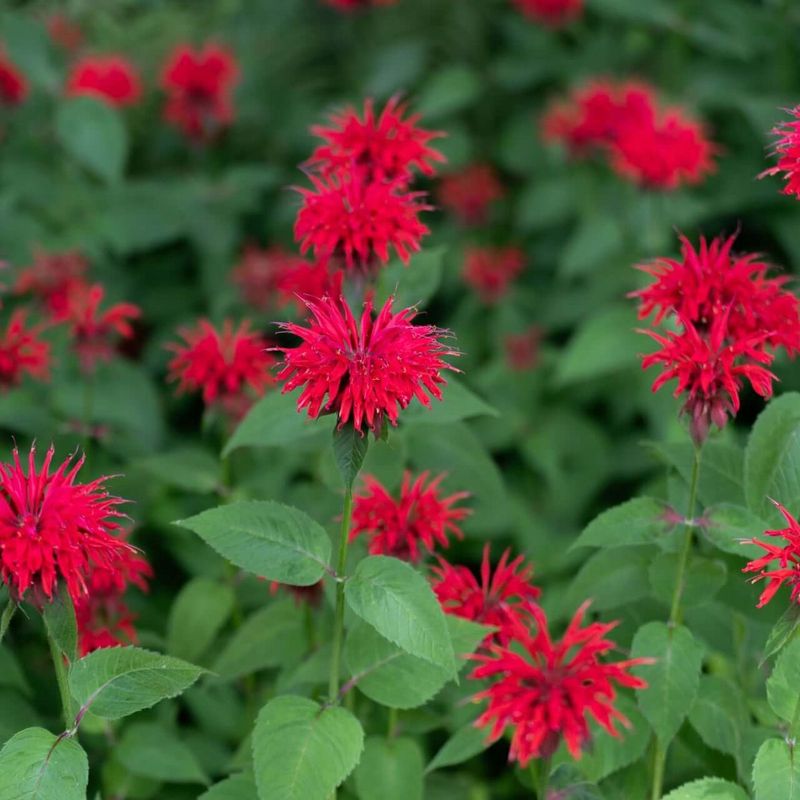
Bee balm, with its striking blossoms, attracts pollinators while repelling mosquitoes. Its fragrant oils confuse and deter pests, making it an excellent choice for garden beds. Plant bee balm in sunny areas to enjoy its vibrant blooms and mosquito-fighting benefits. Besides repelling mosquitoes, bee balm supports pollinators like bees and butterflies, enhancing your garden’s ecosystem. Its dual-purpose nature and visual appeal make bee balm a favorite among gardeners seeking beauty and utility. Incorporate bee balm into your garden for a lively, mosquito-free environment that teems with life.
11. Garlic
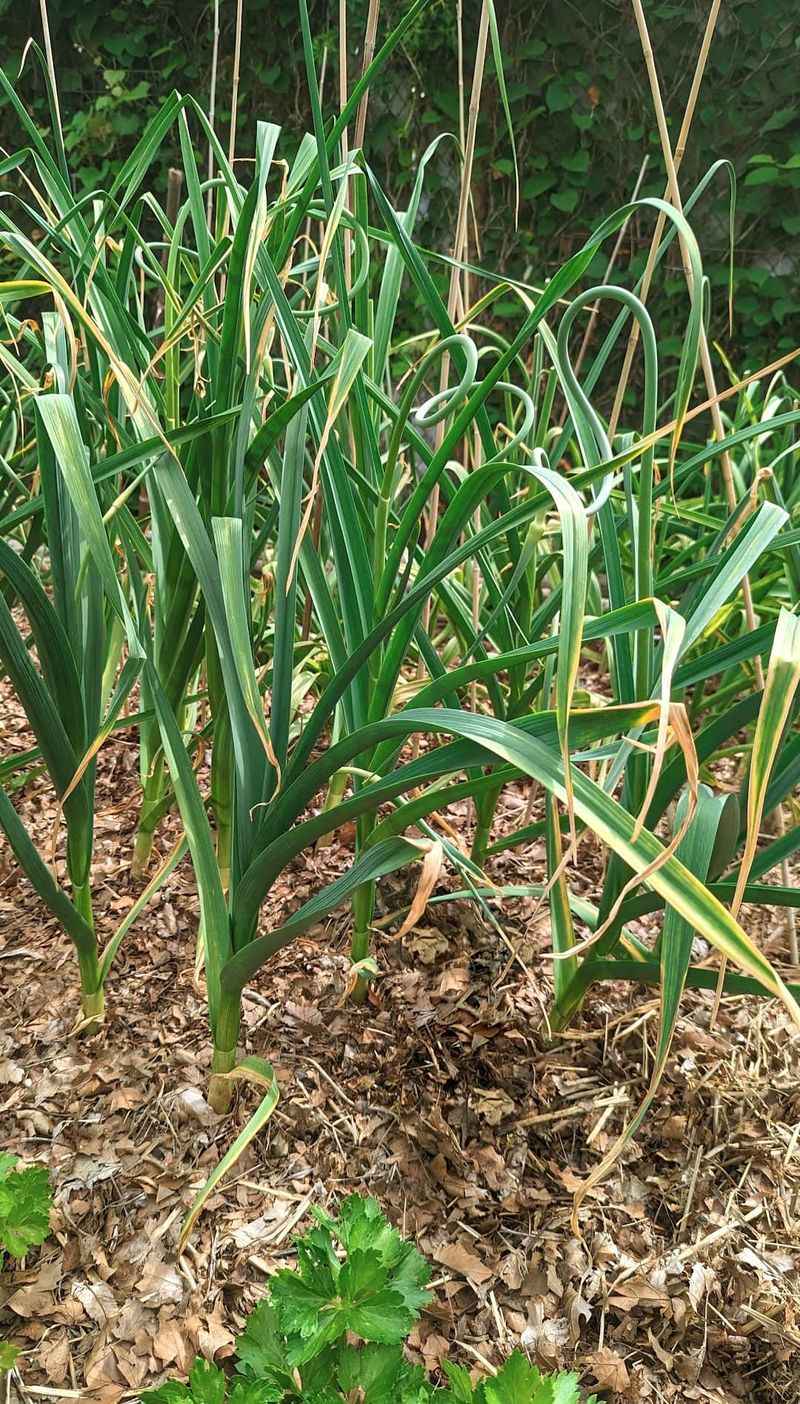
Garlic, with its potent aroma, is a powerful mosquito repellent that doubles as a culinary staple. Plant garlic bulbs in garden beds to benefit from its pest-repelling properties. Its strong scent confuses mosquitoes, creating a protective barrier around outdoor spaces. Beyond its mosquito-fighting abilities, garlic enhances the flavor of numerous dishes, offering a practical and flavorful garden addition. Cultivate garlic for a multi-functional garden that deters mosquitoes and enriches culinary creations. Its robust presence and versatility make garlic an essential part of any mosquito-fighting strategy.
12. Lemongrass
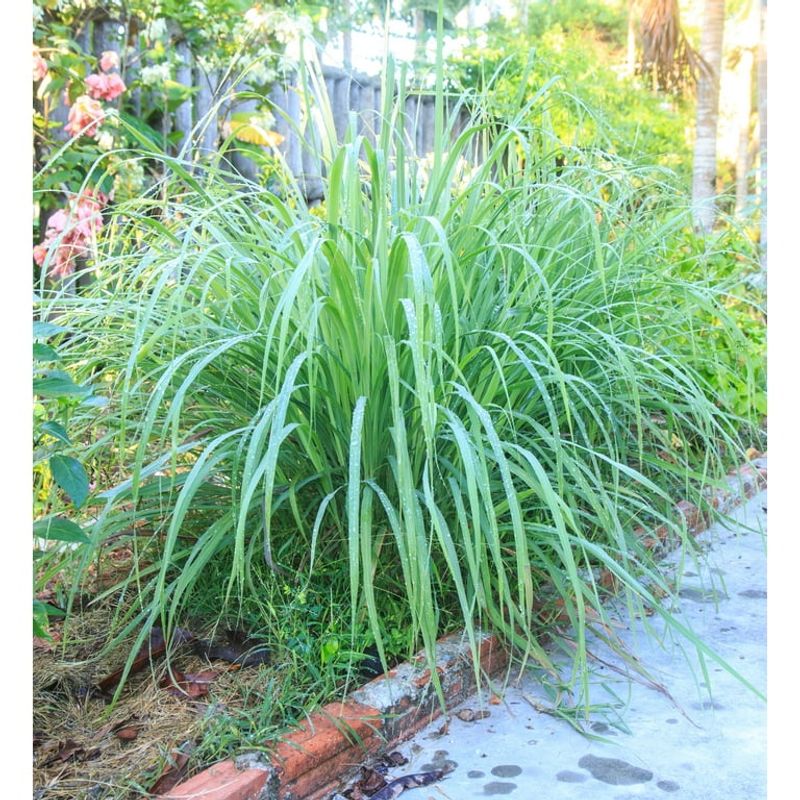
Lemongrass, with its citrusy scent, is a natural mosquito repellent favored for its effectiveness and ease of growth. Plant lemongrass in sunny garden spots to enjoy its mosquito-fighting benefits and aromatic presence. Beyond repelling pests, lemongrass can be used in teas, culinary dishes, and aromatic oils, adding versatility to its appeal. Its tall, graceful blades add a tropical touch to gardens, enhancing both aesthetics and functionality. Incorporate lemongrass into your garden for a refreshing, mosquito-free environment that delights the senses and offers practical uses.
13. Peppermint
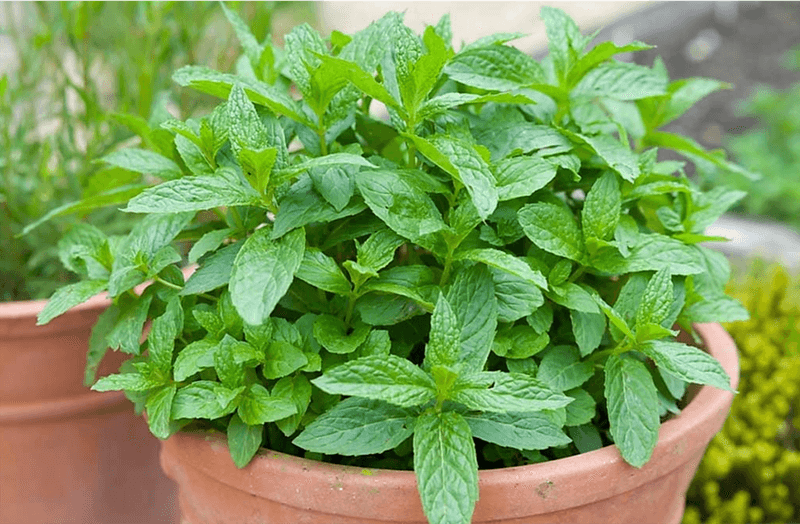
Peppermint, with its invigorating scent, serves as a natural mosquito repellent that adds both freshness and function. Its aromatic oils create a barrier mosquitoes find unappealing, ensuring a more enjoyable outdoor experience. Plant peppermint in pots or garden beds to harness its mosquito-fighting benefits. Beyond repelling pests, peppermint can be used in teas, culinary creations, and homemade remedies, offering versatility in its uses. Incorporate peppermint into your garden for a refreshing, mosquito-free environment that invigorates the senses and enhances your outdoor space.
14. Eucalyptus

Eucalyptus, with its distinctive aroma, is a powerful mosquito deterrent known for its effectiveness. Plant eucalyptus trees in large gardens to benefit from its pest-repelling properties and aromatic presence. The leaves release oils that confuse mosquitoes, creating a protective barrier. Beyond its mosquito-fighting abilities, eucalyptus offers a striking visual appeal with its smooth bark and towering height. Its aromatic leaves can be used in oils and remedies, adding versatility to its uses. Embrace eucalyptus for a mosquito-free garden that combines beauty with practicality.
15. Geranium
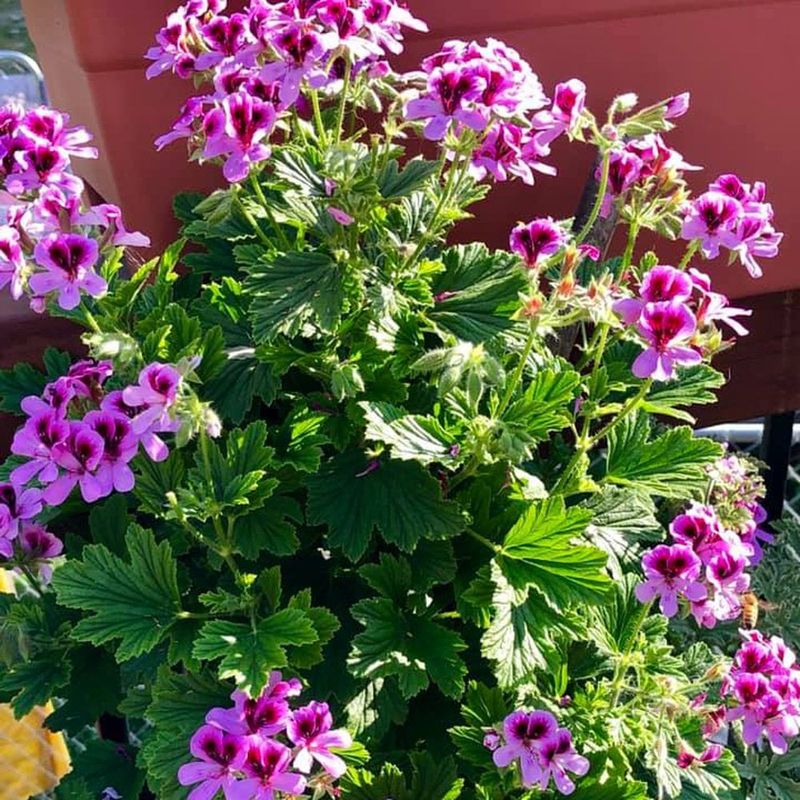
Geraniums, particularly lemon-scented varieties, are effective mosquito repellents with their refreshing aroma. Plant these vibrant flowers in garden beds or pots to enjoy their pest-repelling benefits. Besides deterring mosquitoes, geraniums add a splash of color to gardens, creating a lively atmosphere. Their ease of growth and maintenance makes them a popular choice for gardeners seeking both beauty and utility. Embrace geraniums for a mosquito-free garden that bursts with life and color, ensuring a pleasant outdoor experience. Their delightful scent and vibrant blooms enhance any garden setting.