 Complete Gardening
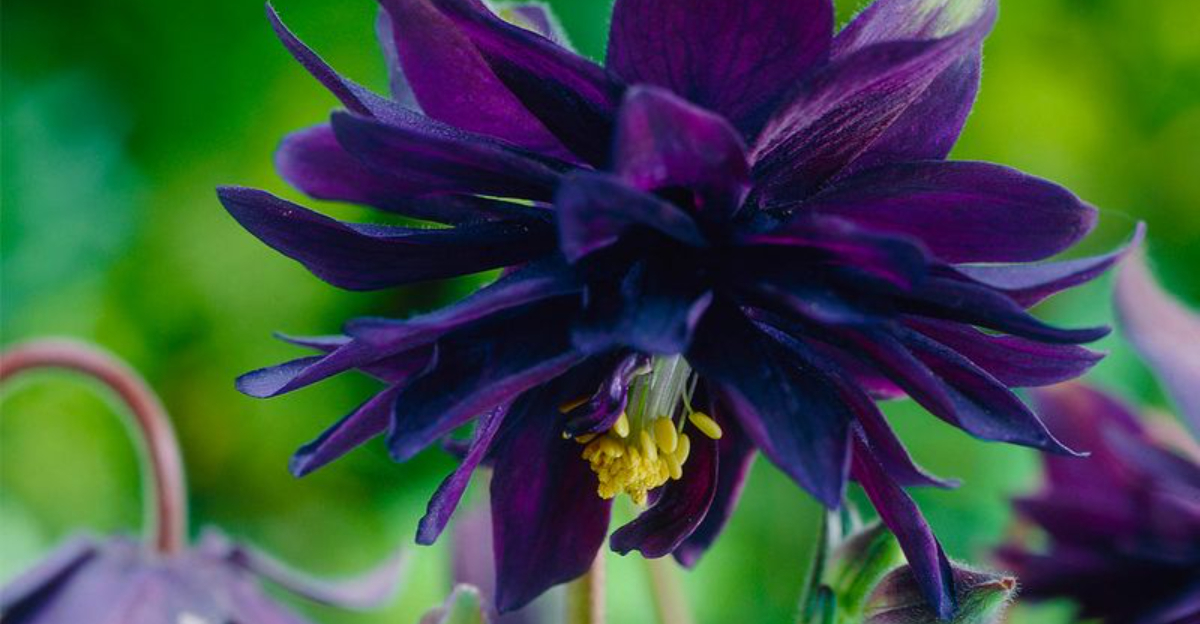
In this blog post, we explore purple perennials, highlighting seven that are best avoided due to their invasive nature or unsuitability for most gardens, and introducing thirteen stunning alternatives that promise to enhance any landscape with their charm and resilience.
1. Purple Loosestrife (Lythrum salicaria)
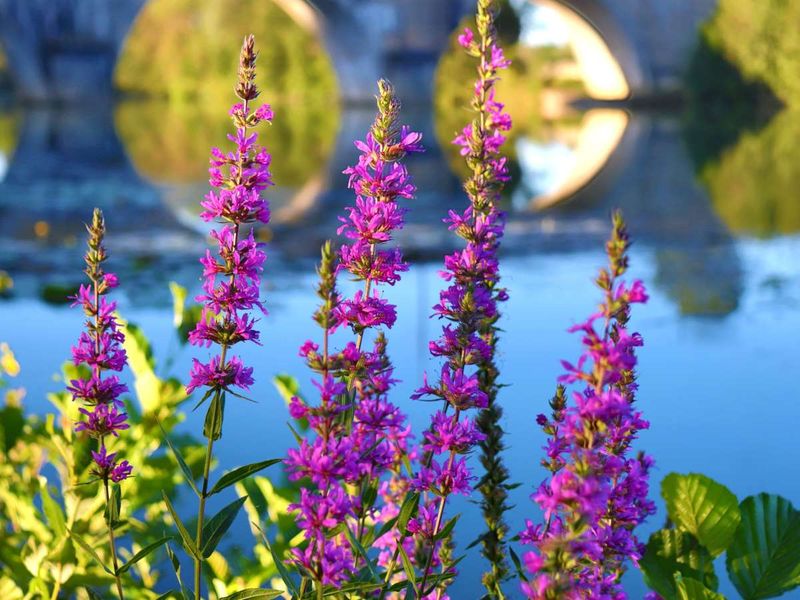
Beware of the Purple Loosestrife, a notorious invader. Known for its striking purple spikes, this perennial often finds itself unwelcome. Not only does it spread rapidly, but it also outcompetes native vegetation, causing severe ecological imbalances.
Many regions have banned its cultivation due to its aggressive nature. Once it takes root, controlling it requires significant effort. Its ability to dominate wetlands makes it a threat to biodiversity.
Gardeners should seek alternative purple perennials to avoid these issues. Choose plants that are both beautiful and environmentally friendly.
2. Common Periwinkle (Vinca minor)
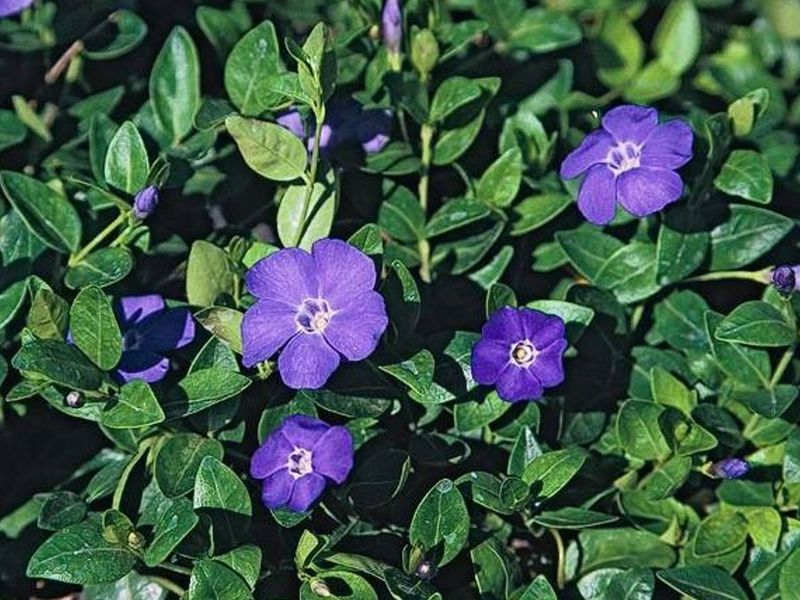
The Common Periwinkle, with its glossy leaves and delicate flowers, might seem appealing. However, its allure quickly fades as it aggressively overruns landscapes. This vigorous spreader can choke native plants, impacting biodiversity.
Often found in shady areas, it forms thick mats, making it difficult for other plants to thrive. While its resilience is admirable, it requires constant management to control its invasiveness.
Gardeners desiring low-maintenance plants should look elsewhere. Consider more manageable purple flowering plants that harmonize with their surroundings.
3. Butterfly Bush (Buddleia davidii ‘Purple Emperor’)
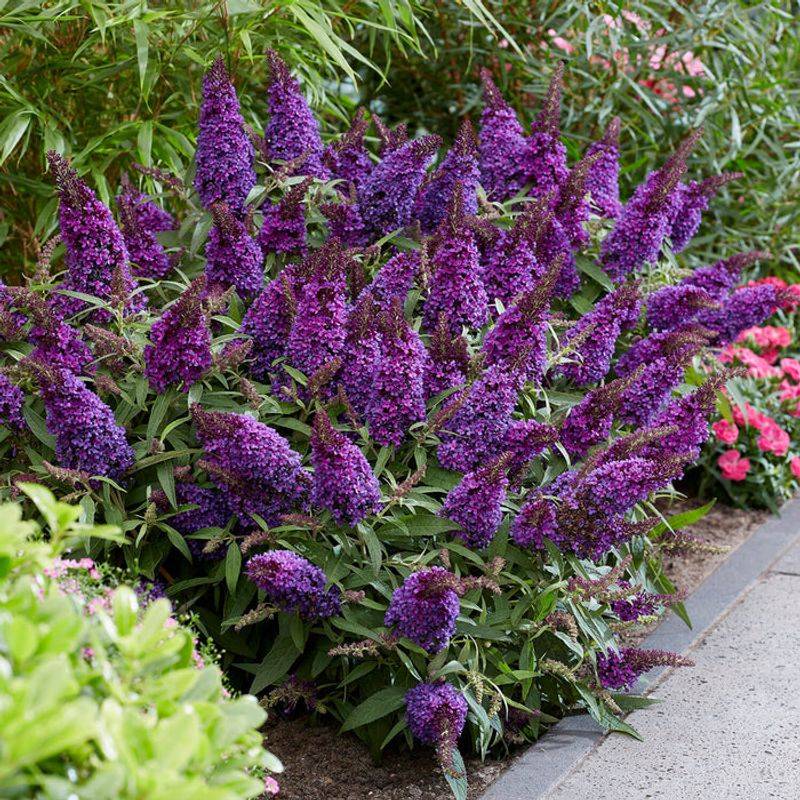
While the Butterfly Bush, especially the ‘Purple Emperor’ variety, is a magnet for butterflies, its charm is deceptive. This perennial can become invasive in certain regions, spreading rapidly.
Its ability to self-seed results in colonies that outcompete native flora. Though there are sterile cultivars available, gardeners must choose wisely.
This plant’s invasive nature can lead to unintended consequences for local ecosystems. Consider opting for native plants that support pollinators without dominating the landscape.
4. Lamium (Lamium maculatum ‘Purple Dragon’)
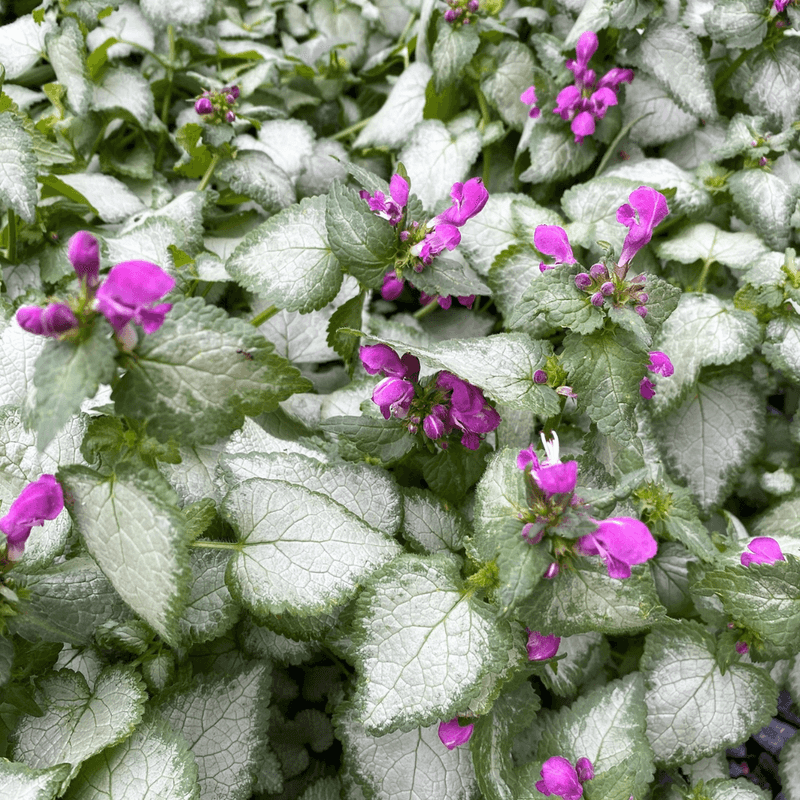
Lamium, with its striking ‘Purple Dragon’ variety, offers unique foliage and vibrant blooms. However, its tendency to spread in moist environments can become problematic.
Though appealing as a ground cover, it becomes weedy, requiring frequent pruning and management. Its aggressive growth can lead to unintended garden takeovers.
Those seeking a controlled garden aesthetic should be cautious. Alternatives that provide similar visual appeal without the invasiveness should be considered for a balanced garden.
5. Creeping Bellflower (Campanula rapunculoides)
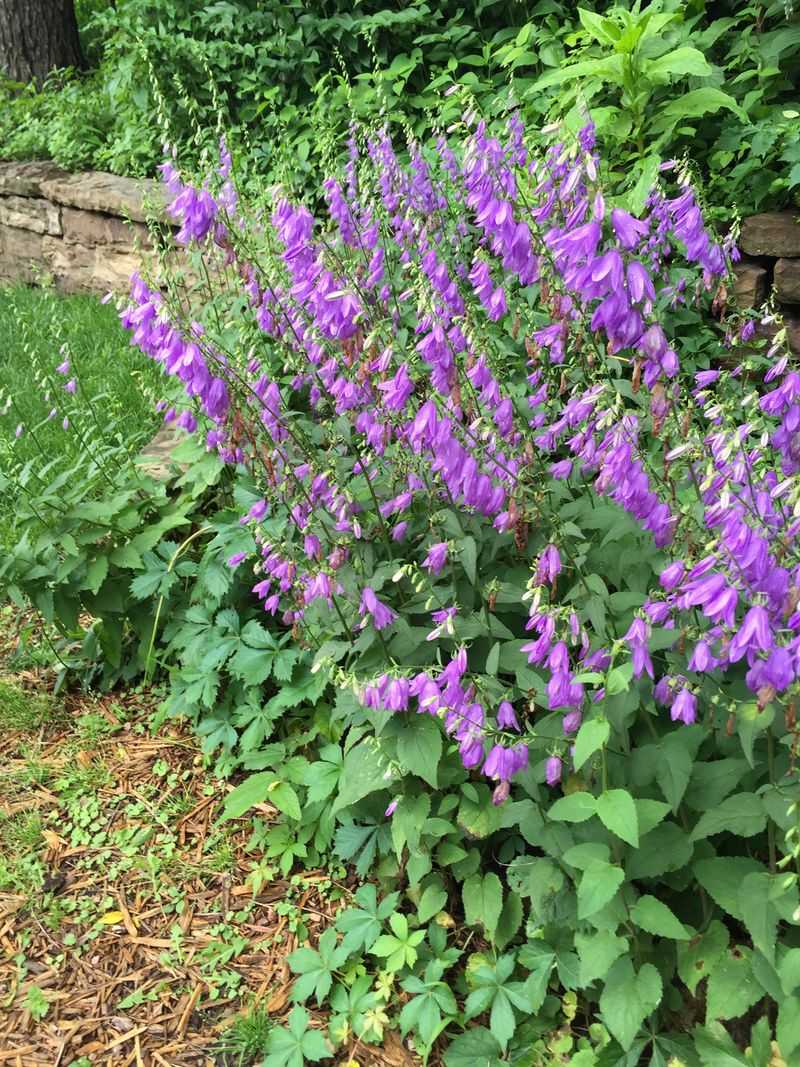
Creeping Bellflower, with its charming bell-shaped flowers, hides a more sinister side. This perennial spreads through rhizomes, making it incredibly invasive.
Once established, it’s challenging to eradicate, often requiring persistent effort. Its aggressive nature allows it to dominate flower beds, often at the expense of other plants.
For those passionate about maintaining a balanced garden, avoiding Creeping Bellflower is wise. Instead, consider alternatives that bring beauty without the maintenance headaches.
6. Tradescantia (Tradescantia × andersoniana)
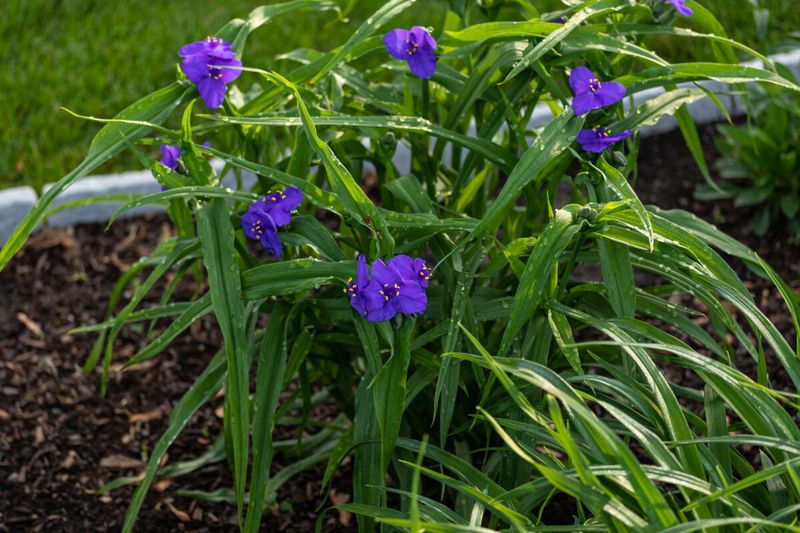
Tradescantia, often appreciated for its lovely blooms, can turn unruly. Post-bloom, the plant often flops, creating a messy garden appearance.
While initially attractive with its soft purple flowers, the maintenance required to keep it tidy can be off-putting. Its sprawling nature may not suit those looking for neat, orderly gardens.
Gardeners looking for low-maintenance beauty should consider alternatives. Selecting perennials that maintain their form with minimal care will enhance garden aesthetics.
7. Russian Sage (Perovskia atriplicifolia)
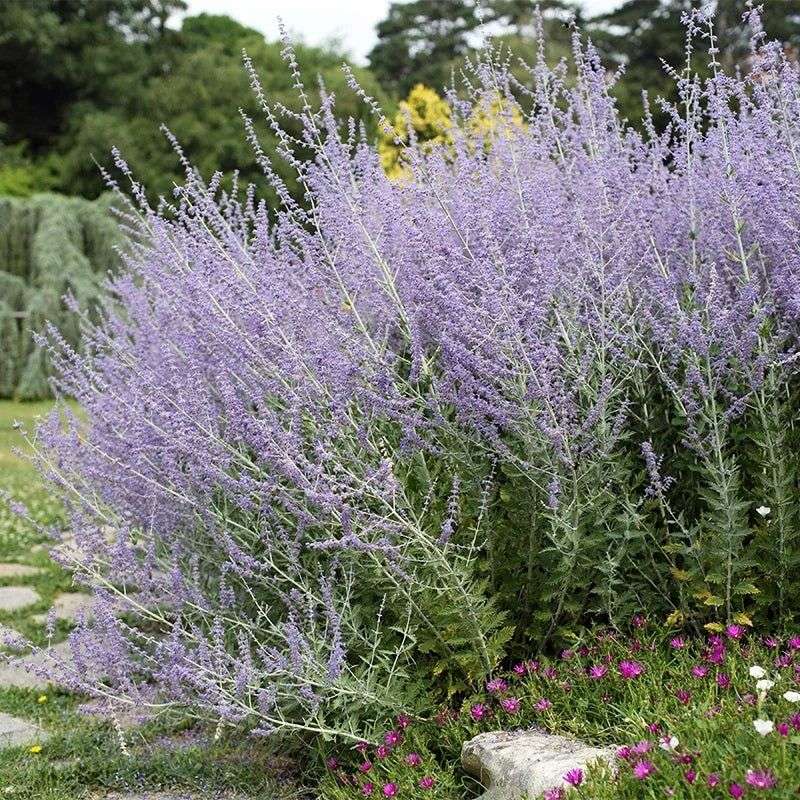
Russian Sage, known for its airy lavender-blue spikes, can be too large for small spaces. Its sprawling nature often leads to a floppy appearance, which can detract from garden aesthetics.
Despite its drought tolerance, its size becomes a challenge for compact gardens. Frequent pruning is needed to maintain control.
For gardeners with limited space, opting for more compact alternatives is advisable. Choose plants that offer beauty with less maintenance and better suit smaller gardens.
1. Salvia (Salvia nemorosa ‘Caradonna’)
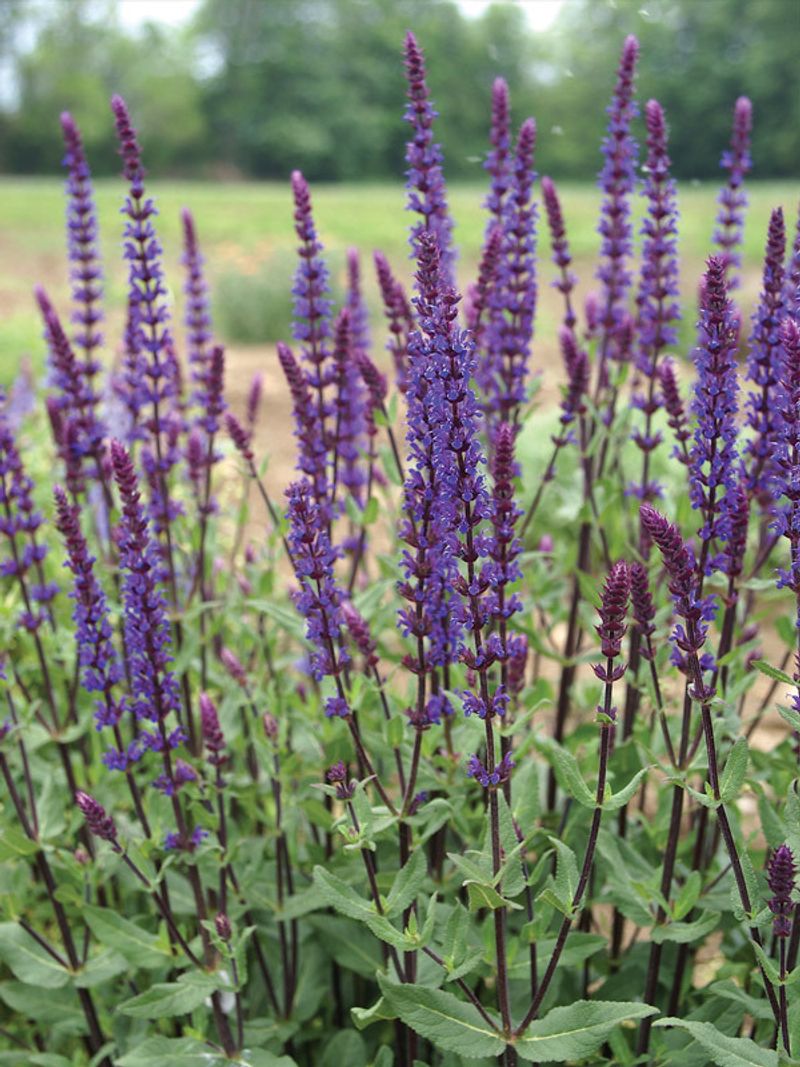
Salvia ‘Caradonna’ captivates with its stunning purple spikes, attracting bees and butterflies. Its vibrant blooms stand out, making it a garden favorite.
Beyond its beauty, it offers practical benefits. Drought-tolerant and low-maintenance, Salvia thrives in sunny spots. Its upright form adds structure to borders, creating visual interest.
Gardeners seeking a reliable and attractive perennial will find Salvia an ideal choice. Its ability to attract pollinators while requiring little care makes it a valuable addition to diverse landscapes.
2. Catmint (Nepeta ‘Walker’s Low’)
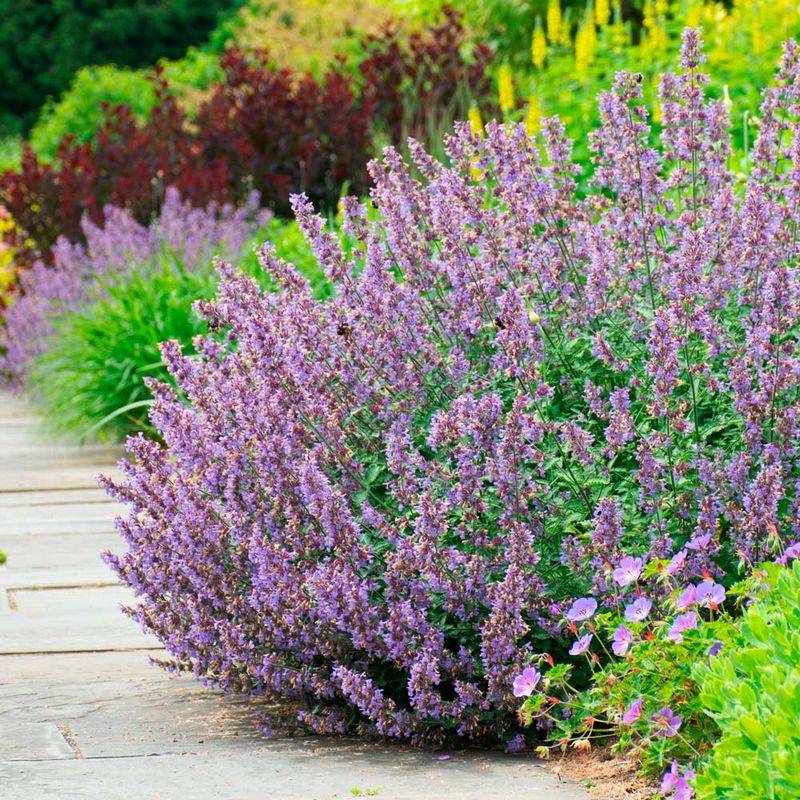
Catmint ‘Walker’s Low’ enchants with its abundant purple-blue flowers, creating a soft, flowing effect. Its long bloom time and aromatic foliage make it a delightful garden feature.
Deer-resistant and easy to grow, it’s perfect for borders and pathways. Catmint’s sprawling habit creates a lush, informal look that suits a variety of garden styles.
For gardeners seeking a beautiful, low-maintenance perennial, Catmint is an excellent choice. Its resilience and visual appeal make it a favorite among both novice and experienced gardeners.
3. Lavender (Lavandula angustifolia ‘Hidcote’)
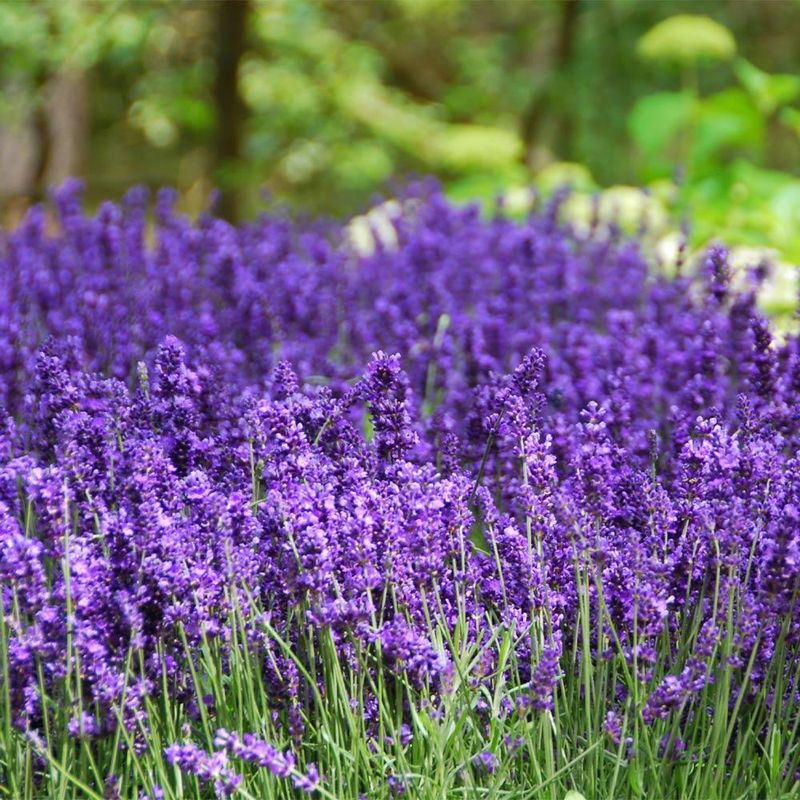
Lavender ‘Hidcote’ stands out with its deep purple blooms and intoxicating fragrance. Known for its soothing aroma, it’s a staple in sunny garden areas.
Highly drought-tolerant, Lavender requires minimal care, thriving in well-drained soils. Its compact form and silver foliage add charm to any landscape.
Ideal for those seeking a fragrant and attractive perennial, Lavender ‘Hidcote’ is both beautiful and practical. Its versatility in gardens and containers makes it a beloved choice among gardeners.
4. Aster (Symphyotrichum novae-angliae ‘Purple Dome’)
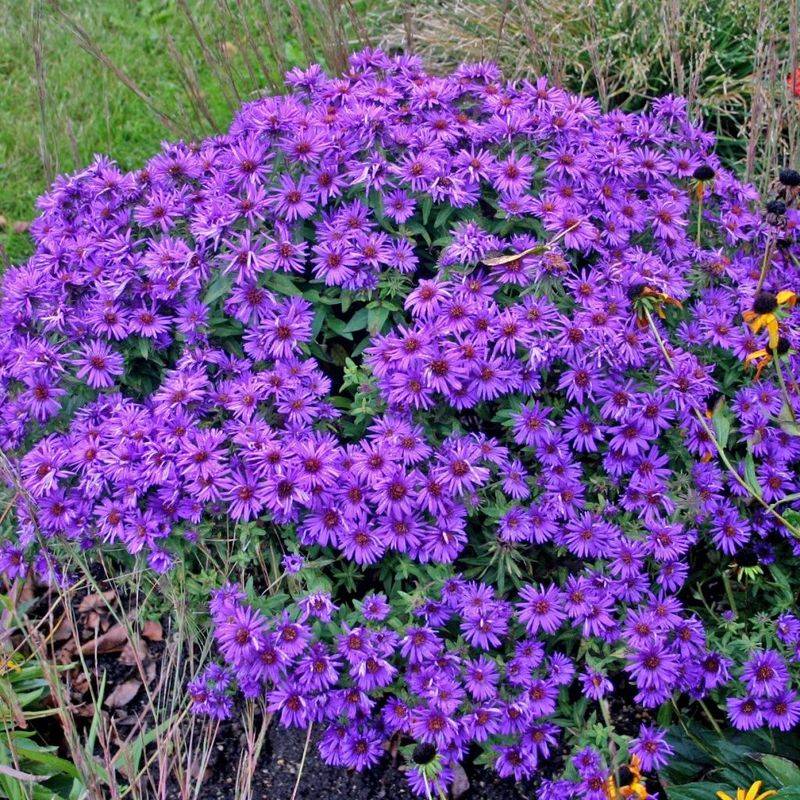
Aster ‘Purple Dome’ delights with its vibrant blooms, offering a burst of color in fall gardens. Its compact form makes it ideal for small spaces.
These flowers attract butterflies, adding life and movement to landscapes. Known for its hardiness, Aster is easy to grow and requires little maintenance.
For those seeking late-season color, Aster is an excellent choice. Its ability to draw pollinators while brightening gardens makes it a valuable perennial.
5. Allium (Allium ‘Globemaster’)
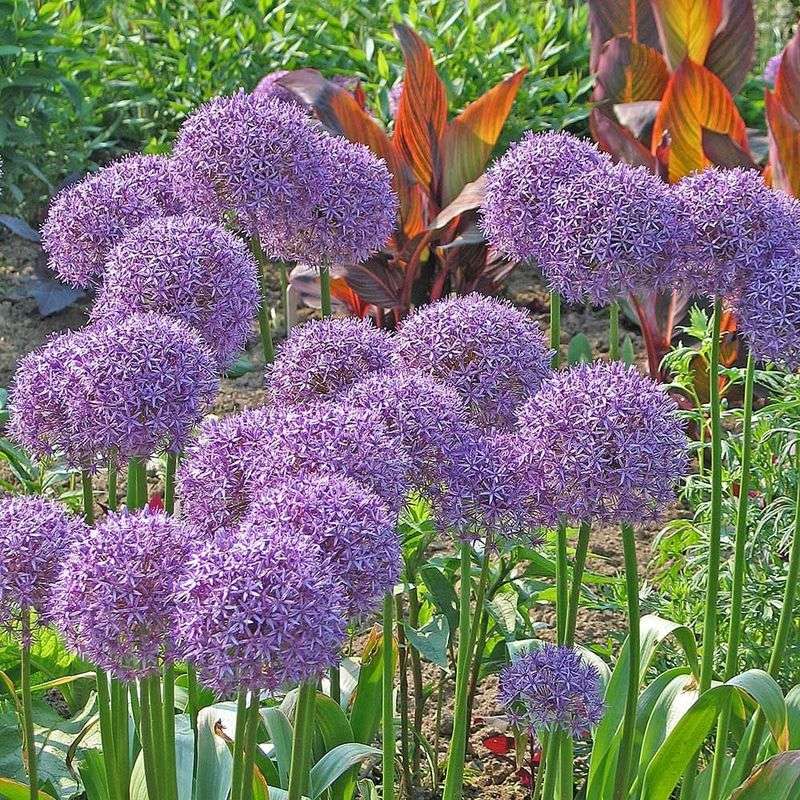
Allium ‘Globemaster’ captivates with its dramatic globe-shaped blooms. These towering flowers make a bold statement in any garden setting.
Deer-resistant and long-lasting, Allium adds architectural interest with minimal effort. Its striking presence complements various garden designs.
For gardeners seeking unique and impactful blooms, Allium ‘Globemaster’ is an ideal choice. Its ability to attract attention while requiring little care makes it a standout perennial.
6. Iris (Iris germanica ‘Superstition’)
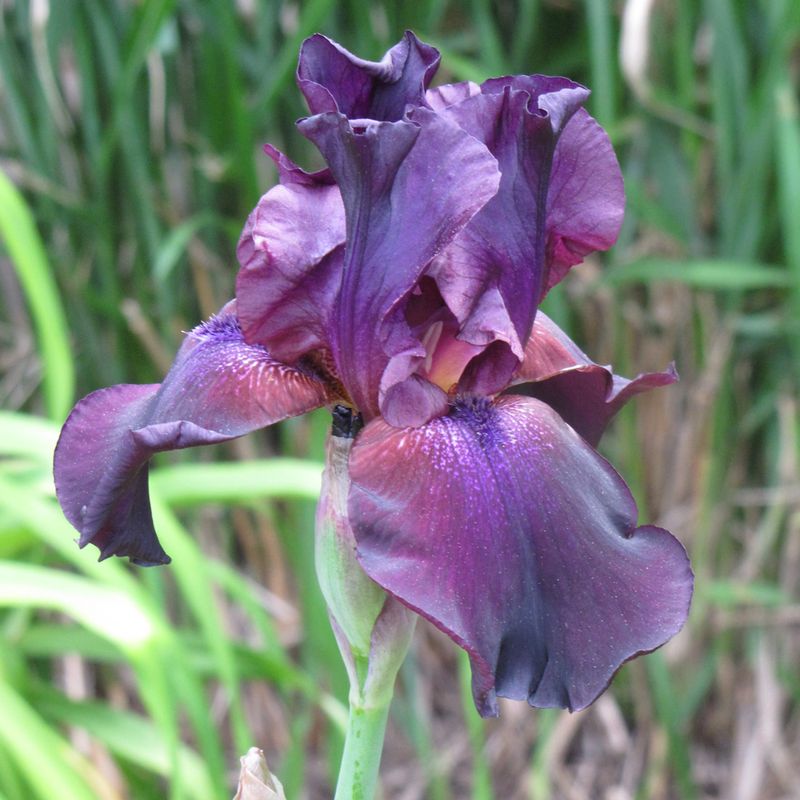
Iris ‘Superstition’ enchants with its velvety deep purple flowers. Known for its striking beauty, this perennial is a low-maintenance favorite.
Its dramatic blooms add elegance to gardens, making it a cherished choice for iris enthusiasts. Thriving in well-drained soil, Iris offers reliable performance year after year.
Gardeners seeking a show-stopping floral display will appreciate Iris ‘Superstition’. Its timeless appeal and ease of care make it a valuable addition to any landscape.
7. Pasque Flower
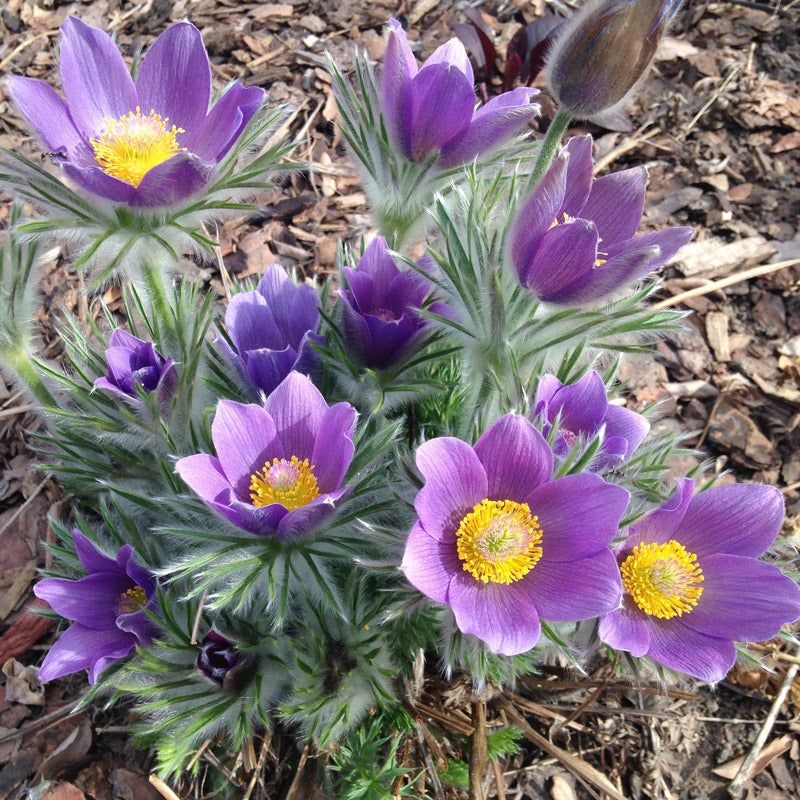
With the Pasque Flower, spring arrives in a symphony of color. Its purple, bell-shaped flowers emerge early, signaling the season’s arrival with vibrant enthusiasm.
This perennial is not only visually stunning but also quite resilient, adapting to a variety of soil conditions. Its wispy seed heads continue to add interest even after blooming.
Historically, the Pasque Flower symbolizes rebirth and new beginnings, making it a perfect addition to any spring garden.
8. Veronica (Veronica spicata ‘Royal Candles’)
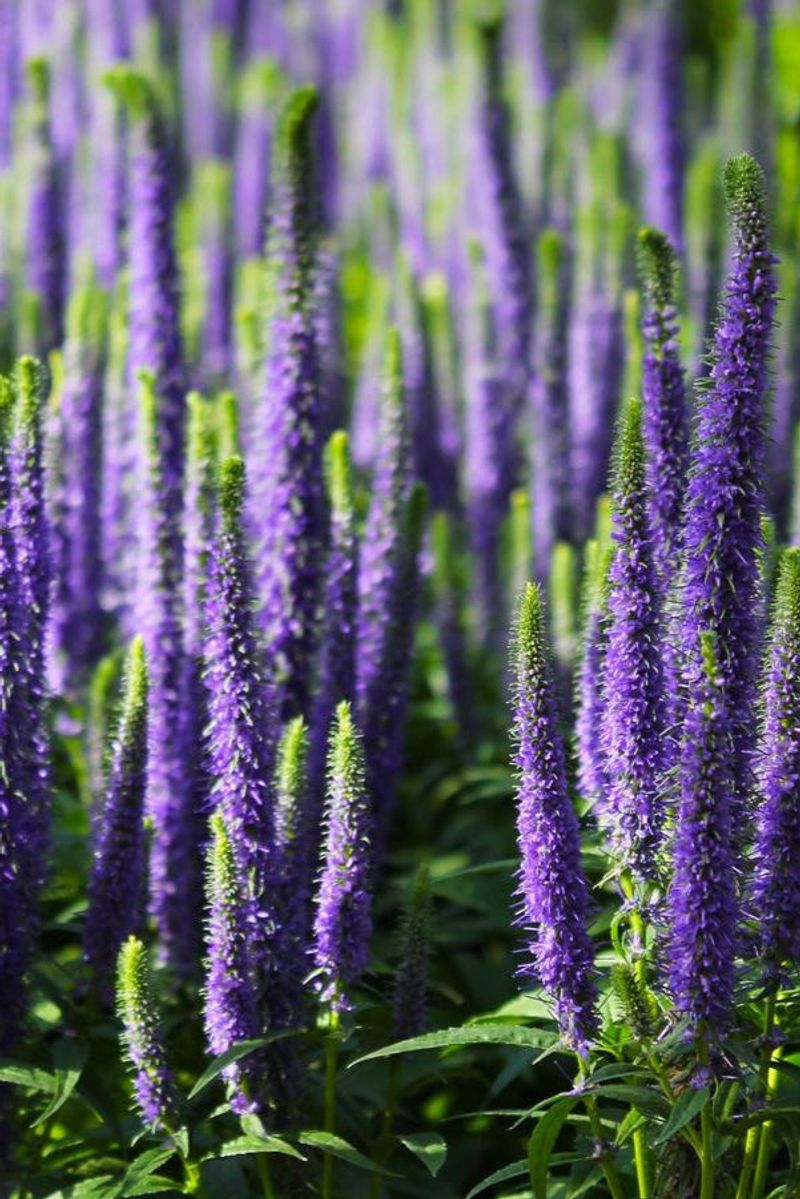
Veronica ‘Royal Candles’ impresses with its compact spikes of vibrant purple flowers. This perennial adds structure and color to garden borders.
Easy to maintain, its tidy form makes it a favorite for those seeking order in their landscape. Its blooms attract butterflies, enhancing garden life.
Gardeners desiring a dependable and attractive border plant will find Veronica ‘Royal Candles’ an ideal choice. Its beauty and functionality make it a standout addition to diverse gardens.
9. Hellebore (Helleborus ‘Midnight Ruffles’)
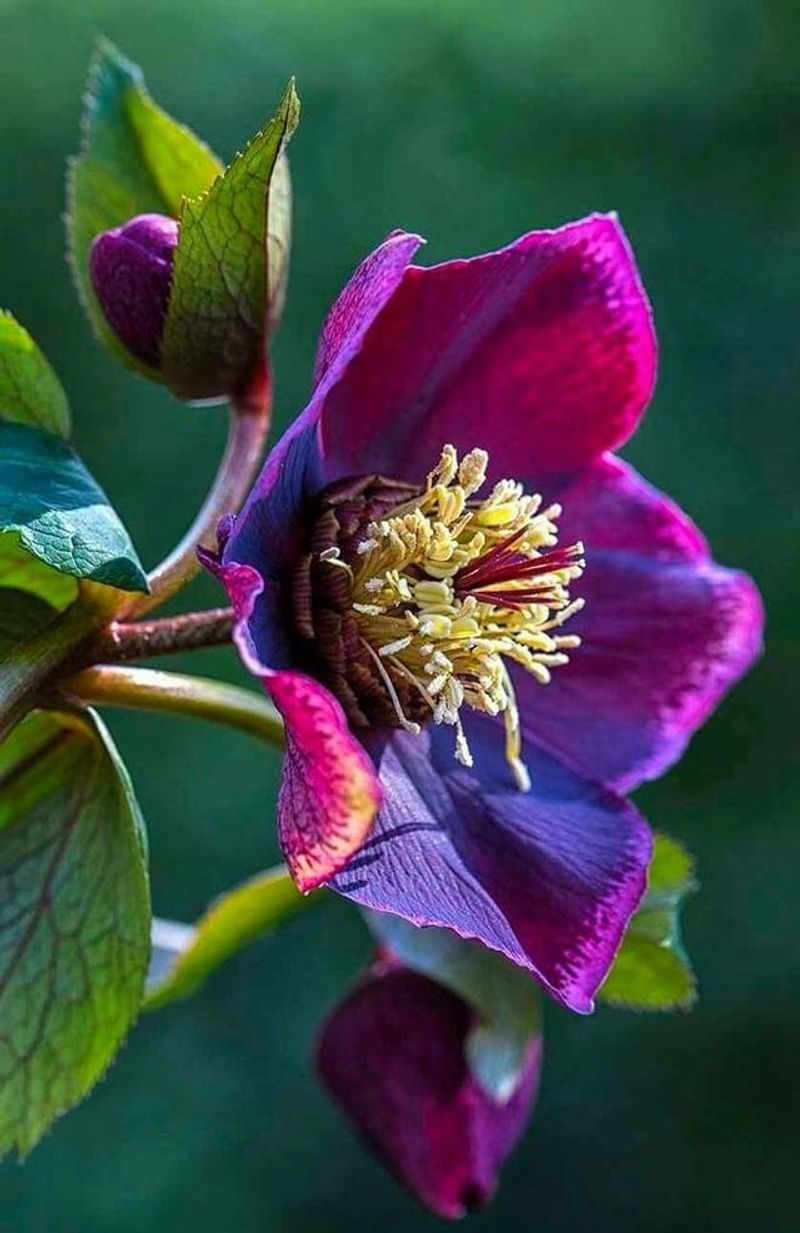
Hellebore ‘Midnight Ruffles’ captivates with its unique, dark blooms. Blooming in early spring, it brings life to shaded garden areas.
Its ruffled flowers add an element of drama, making it a striking feature in woodland settings. Shade-tolerant and hardy, Hellebore requires minimal care.
For gardeners seeking a dramatic and low-maintenance perennial, Hellebore ‘Midnight Ruffles’ is an excellent choice. Its ability to thrive in challenging conditions makes it a valuable garden addition.
10. Anise Hyssop (Agastache ‘Blue Fortune’)
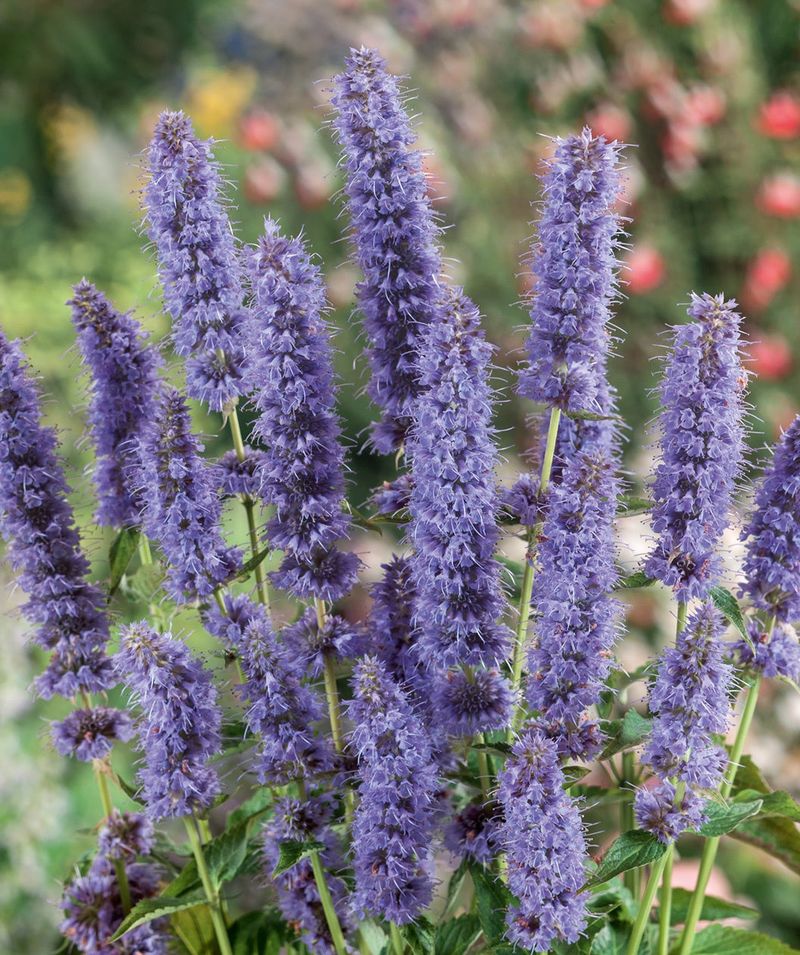
Anise Hyssop ‘Blue Fortune’ enchants with its tall, fragrant spikes. This perennial is a magnet for hummingbirds, adding dynamic life to gardens.
Long-blooming and aromatic, it provides continuous interest throughout the growing season. Its versatility suits a variety of garden styles, from cottage to formal.
Gardeners seeking a fragrant and pollinator-friendly perennial will find Anise Hyssop ‘Blue Fortune’ an ideal choice. Its ability to attract wildlife while adding beauty makes it a garden staple.
11. Columbine (Aquilegia ‘Black Barlow’)
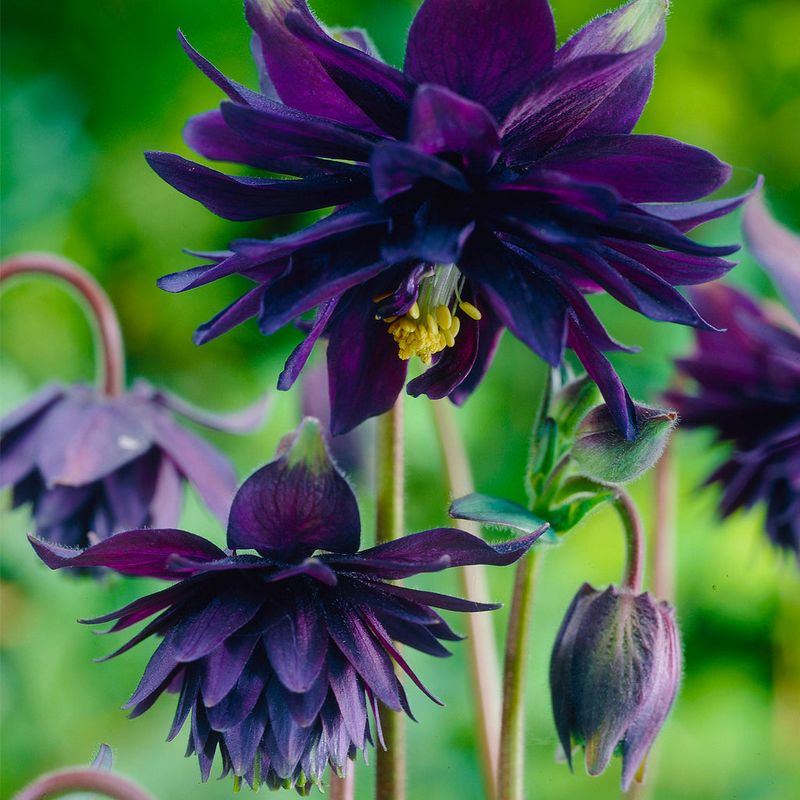
Columbine ‘Black Barlow’ intrigues with its unique, dark double flowers. Known for its delicate beauty, it thrives in partial shade.
These perennials add whimsy and charm to gardens, offering visual interest with their intricate blooms. Low-maintenance and versatile, Columbine enhances various landscape designs.
For gardeners seeking a distinctive and enchanting perennial, Columbine ‘Black Barlow’ is an excellent choice. Its ability to thrive in diverse conditions and add beauty makes it a garden favorite.
12. Geranium (Geranium ‘Rozanne’)
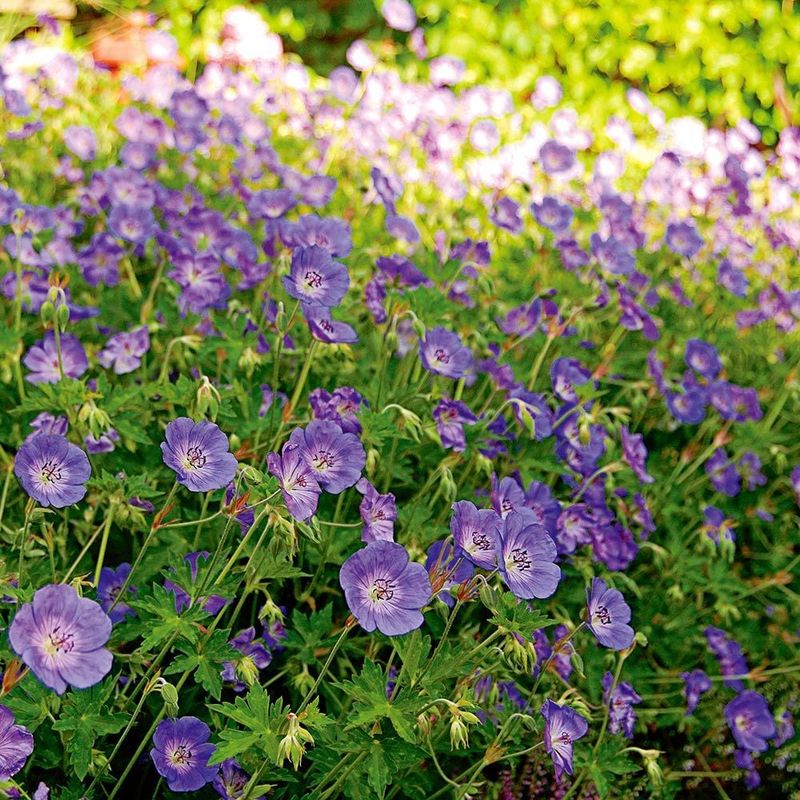
Geranium ‘Rozanne’ offers a profusion of vibrant purple flowers, creating a splash of color in gardens. Known for its long bloom season, it spreads nicely without being invasive.
This resilient perennial is easy to grow, requiring minimal care. Its sprawling habit adds a relaxed, informal touch to landscapes.
Gardeners seeking a reliable and colorful perennial will find Geranium ‘Rozanne’ an ideal choice. Its enduring beauty and ease of maintenance make it a staple in diverse gardens.
13. Speedwell (Veronica longifolia ‘Eveline’)
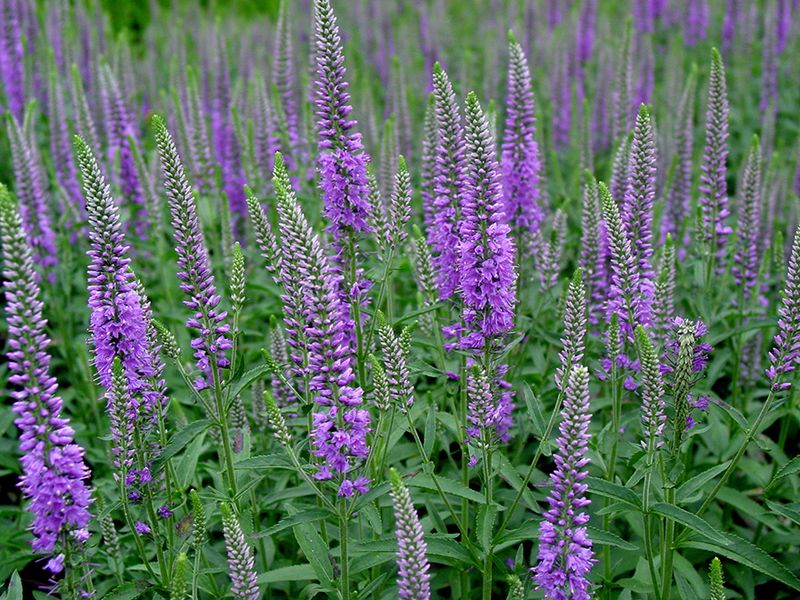
Speedwell ‘Eveline’ stands out with its vibrant purple spikes. This perennial adds vertical interest and color to any garden design.
Its upright form and cheerful blooms make it ideal for cut flowers, offering beauty indoors and out. Easy to grow, Speedwell thrives in sunny, well-drained soils.
For gardeners seeking a striking and versatile perennial, Speedwell ‘Eveline’ is an excellent choice. Its ability to enhance garden aesthetics while providing floral enjoyment makes it a treasured addition.