 Complete Gardening
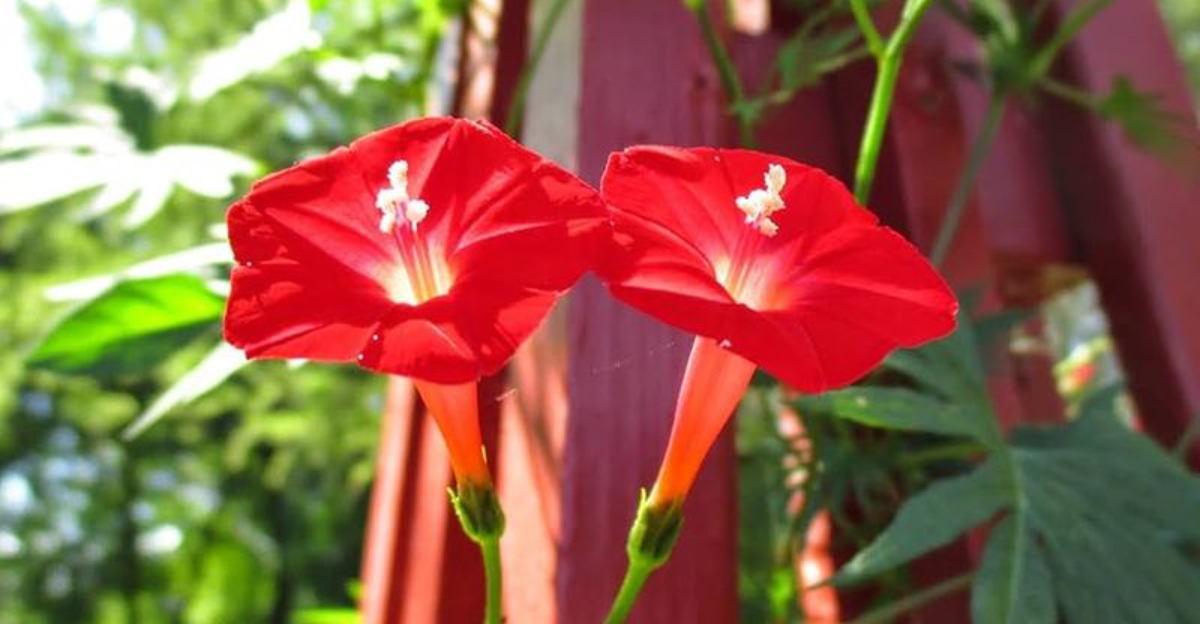
Looking to add vertical beauty to your garden without waiting years for results? Many gardeners make the mistake of planting notoriously slow-growing climbing flowers, only to face seasons of disappointment. The good news is you don’t need endless patience to enjoy stunning vertical blooms. By choosing the right fast-growing climbing flowers, you can transform bare trellises, fences, and arbors into flowering masterpieces in just one growing season.
1. Skip: Wisteria
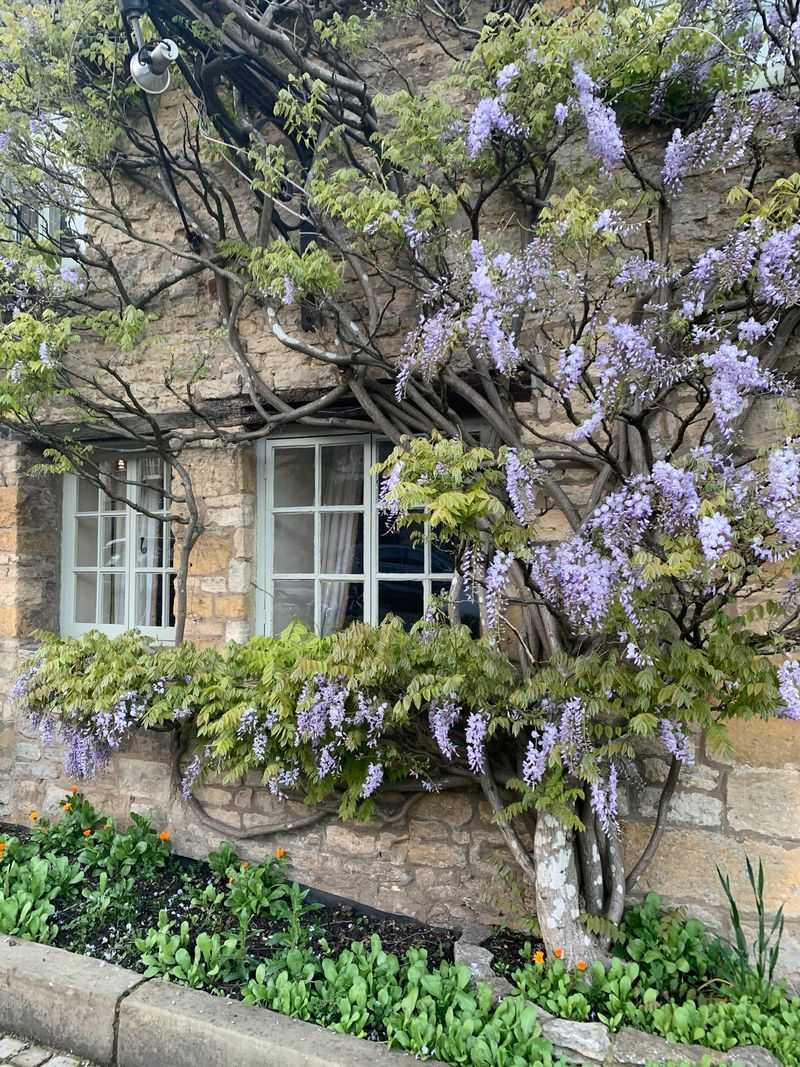
Notorious for its stubborn growth habits, wisteria can take up to 7 years before producing its first blooms! Gardeners often purchase these plants dreaming of cascading purple flowers, only to face years of nothing but foliage.
While undeniably gorgeous when mature, the waiting game proves too frustrating for most. Beyond its slow blooming timeline, wisteria develops woody stems that become extremely difficult to control or remove if you change your mind.
Many varieties grow so vigorously once established that they can damage structures and require constant pruning. Save yourself the heartache and lengthy wait by avoiding this tempting but time-consuming beauty.
2. Skip: Climbing Hydrangea
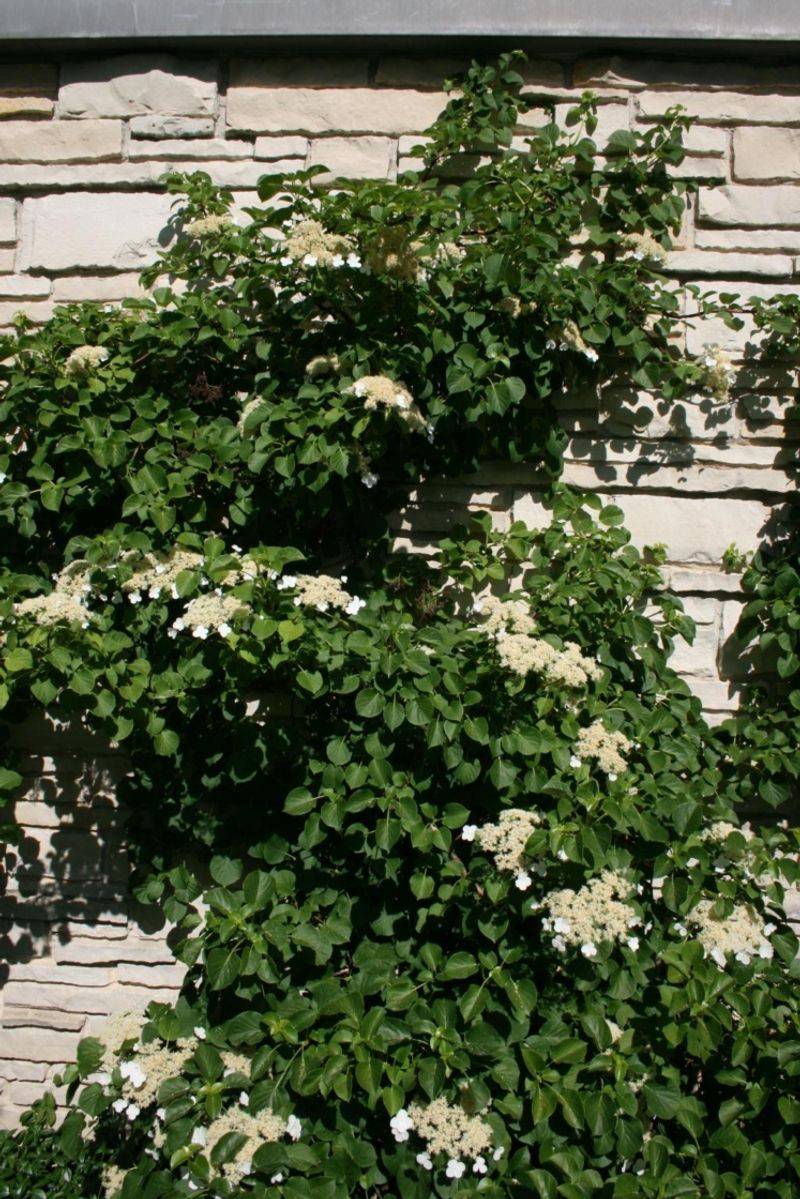
Patience becomes a requirement when growing climbing hydrangea. These woody vines often spend their first 2-3 years simply establishing roots rather than climbing or flowering. Gardeners frequently abandon hope before seeing results.
The plant’s famous white lacecap flowers might not appear until year four or five. While climbing hydrangeas eventually create a stunning display on walls and trees, their initial growth moves at a snail’s pace – often less than 3 feet per year.
Cold climates further slow their progress, making them impractical choices for gardeners wanting quick vertical interest. Their self-clinging roots also make removal challenging if you grow tired of waiting.
3. Skip: Chocolate Vine (Akebia)
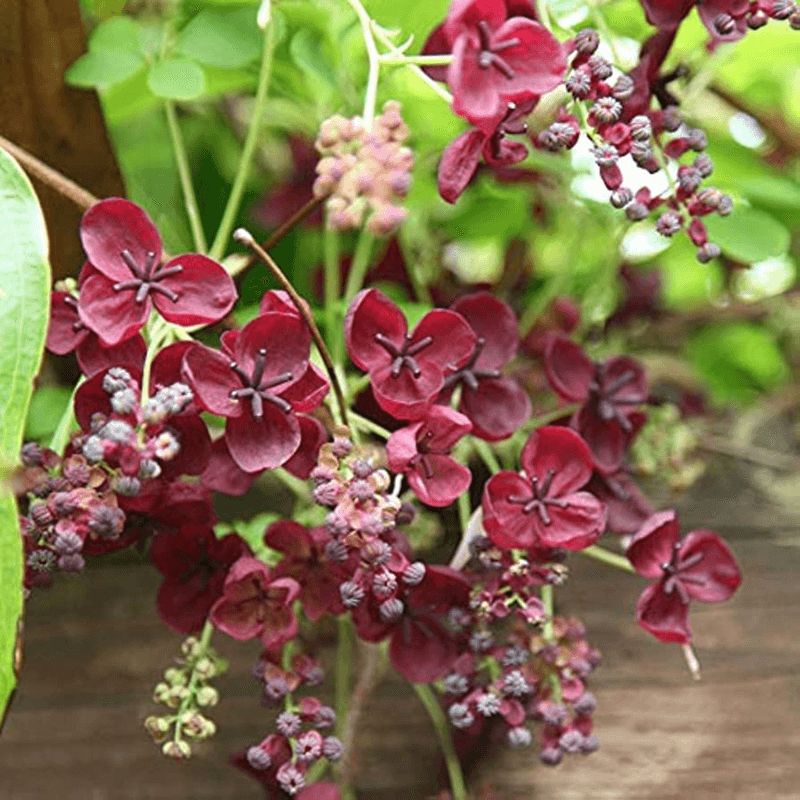
Chocolate vine entices gardeners with promises of unusual purple-brown flowers and a vanilla-chocolate scent. Reality often disappoints as this vine requires 3+ years to mature before reliable flowering. Growth in northern regions proves particularly sluggish.
Many gardeners report minimal blooming even on established plants. The vine’s semi-evergreen nature means it looks untidy during winter months, neither fully leafed nor attractively dormant.
Beware its invasive tendencies in certain regions – after years of slow establishment, it may suddenly take off in warmer climates, creating a maintenance nightmare. The peculiar flowers, while interesting, often hide beneath foliage, making the long wait even less rewarding.
4. Skip: Trumpet Creeper
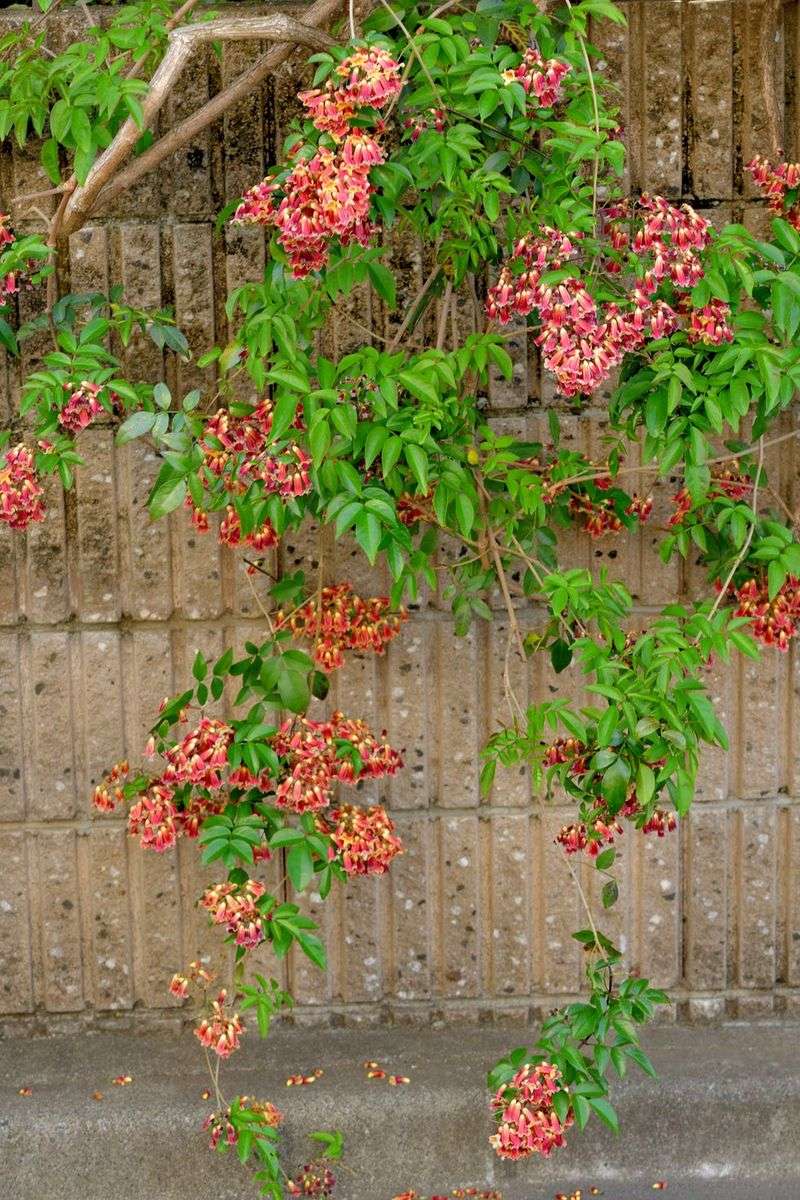
Trumpet creeper presents a paradox – painfully slow to establish yet potentially invasive once settled in. First-year growth often disappoints gardeners expecting rapid coverage, with minimal climbing and no flowers to show for their efforts.
The vine typically requires 2-3 seasons before producing its signature orange-red trumpet blooms. Heavy pruning needs create additional maintenance headaches, as untrimmed plants quickly become unmanageable.
Root suckers emerge unpredictably throughout the garden, creating unwanted plants yards away from the original. The vine’s aggressive aerial rootlets can damage mortar between bricks and siding on homes, making this slow-starter potentially destructive when it finally decides to grow.
5. Skip: Bougainvillea
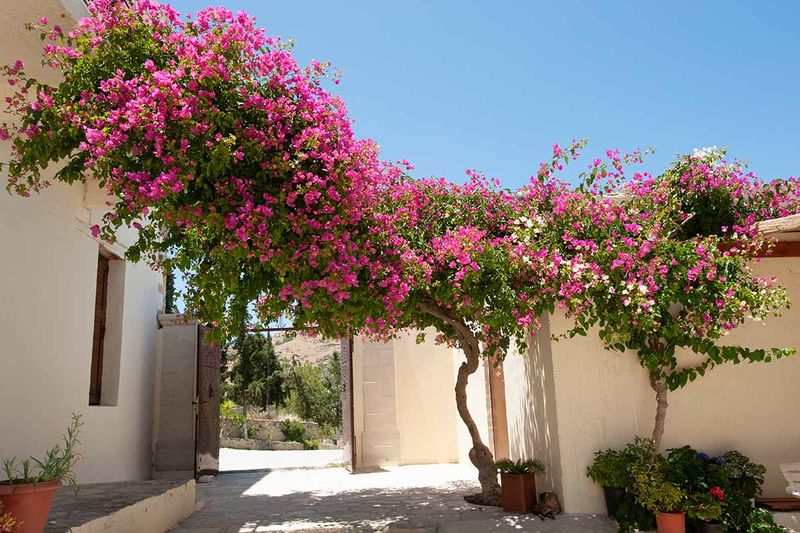
Bougainvillea’s paper-like brilliant blooms seduce gardeners into overlooking its painfully slow climbing habit. When grown outdoors in less-than-tropical climates, these plants often sulk for years with minimal growth and flowering.
Cold sensitivity means even a brief frost can kill back months of progress. Most varieties grow reluctantly in containers, which further slows their already leisurely pace. The sharp thorns hidden among the foliage make training this slow-grower particularly unpleasant.
Bougainvillea requires perfect conditions – bright, direct sunlight and consistent temperatures – to perform well. Even when these conditions are met, expect to wait at least 2-3 years before seeing significant vertical coverage and the abundant flowering that made you want it initially.
6. Skip: Climbing Roses
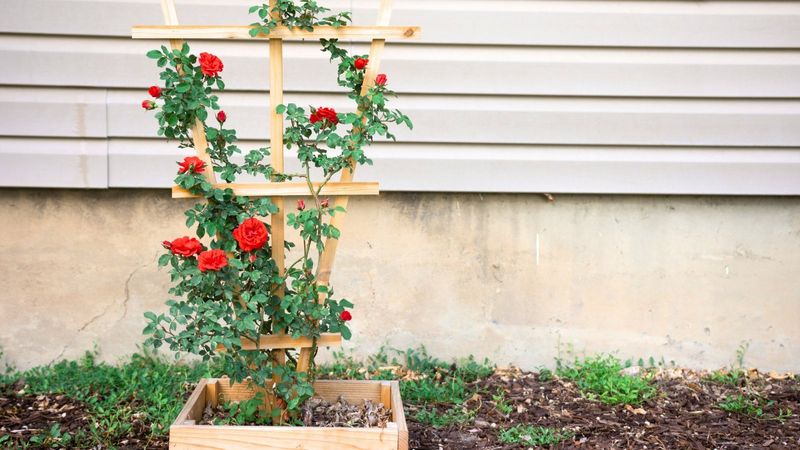
The romantic vision of roses climbing a cottage wall often crashes against the reality of their stubborn growth habit. Most climbing roses spend their first 2-3 years developing a framework rather than creating the vertical display gardeners crave.
Training requires constant attention as these plants don’t naturally cling to supports. Their thorny stems make the slow training process particularly unpleasant. Many varieties bloom only once per season despite taking years to establish.
Disease susceptibility means you might spend more time treating black spot and powdery mildew than enjoying flowers. While heritage varieties offer incredible fragrance, their particularly slow growth means waiting 3-5 years for meaningful coverage of an arbor or trellis.
7. Skip: Boston Ivy

Boston ivy creates stunning autumn color but tests gardeners’ patience with its initially reluctant climbing habit. First-year plants often grow just a few feet, disappointing those hoping for quick coverage of unsightly walls.
The vine’s famous fall colors don’t fully develop until plants mature after several seasons. While eventually vigorous, Boston ivy spends its early years developing its root system rather than creating the vertical interest gardeners desire.
Its adhesive discs can damage paint and mortar over time, making removal difficult once established. The lack of flowers provides no interim reward during the slow establishment period. For gardeners wanting quick results, the 3+ year wait for significant coverage makes Boston ivy a patience-testing choice.
1. Plant Instead: Morning Glory
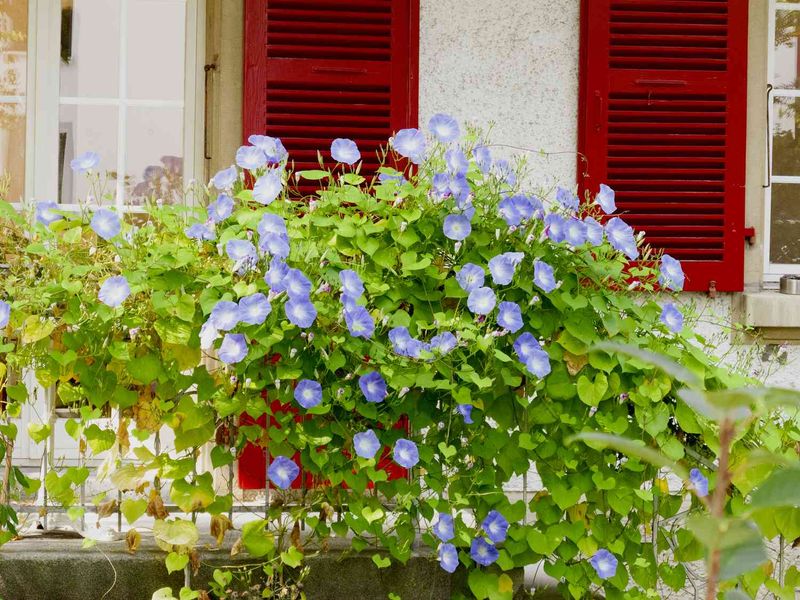
Morning glory transforms bare spaces into flower-covered showpieces in a single season! Seeds planted in spring rocket upward at nearly 2 inches daily, quickly scaling trellises, fences, and arbors with their twining stems.
Trumpet-shaped blooms in vibrant blues, purples, pinks, and whites open each morning, creating a constantly refreshing display. No special skills required – simply plant seeds directly in the garden after frost danger passes and provide a simple support structure.
Morning glories thrive in average soil and actually bloom more profusely when not overfertilized. Their self-seeding nature means you’ll likely enjoy volunteer plants in future years. For budget-conscious gardeners, few climbing plants offer more bang-for-buck than these fast-growing annuals.
2. Plant Instead: Black-Eyed Susan Vine
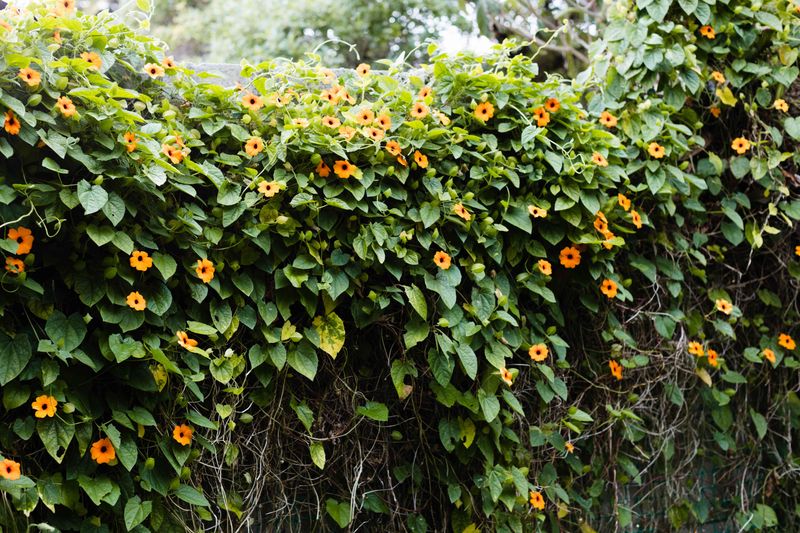
Black-eyed Susan vine races skyward with cheerful determination! This summer superstar climbs 6-8 feet in a single season, covering supports with heart-shaped leaves and charming five-petaled blooms featuring distinctive dark centers.
Unlike its perennial namesake, this vine (Thunbergia alata) offers non-stop flowering from early summer until frost. Available in sunny yellows, oranges, and creamy whites, these blooms appear abundantly without deadheading requirements.
Grow easily from seed started indoors 6-8 weeks before last frost, or purchase starter plants for instant impact. The twining stems naturally wrap around supports without training. Perfect for hanging baskets too, where their trailing habit creates living curtains of color that grow noticeably longer each week.
3. Plant Instead: Hyacinth Bean
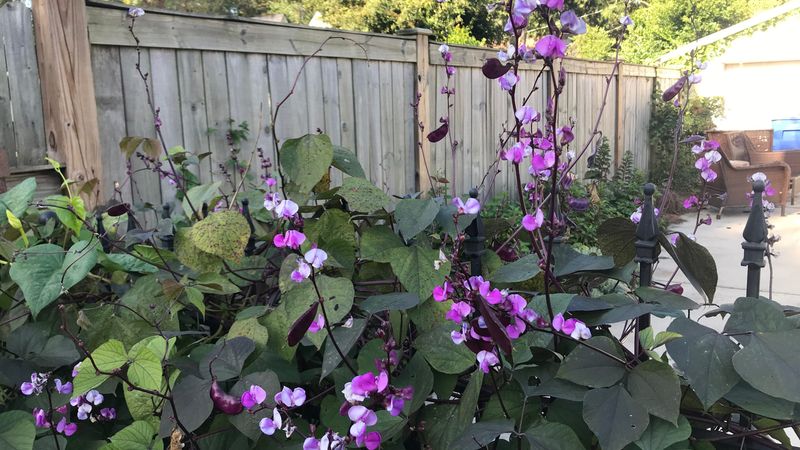
Hyacinth bean vines sprint upward with remarkable vigor, often reaching 10-15 feet in a single growing season! The purple-tinged stems and foliage provide immediate visual interest even before flowering begins. Hummingbirds and butterflies flock to the fragrant purple-pink blossoms that appear abundantly throughout summer.
After flowering, showy purple pods develop, extending the ornamental season well into fall. These edible beans (when properly prepared) connect beauty with functionality in the garden.
Direct sow seeds after frost danger passes for the fastest results. The plant’s twining habit means it easily climbs trellises, arbors, or fences with minimal assistance. For maximum impact, plant several seeds at the base of each support – their fast growth will quickly create a living purple curtain.
4. Plant Instead: Scarlet Runner Bean
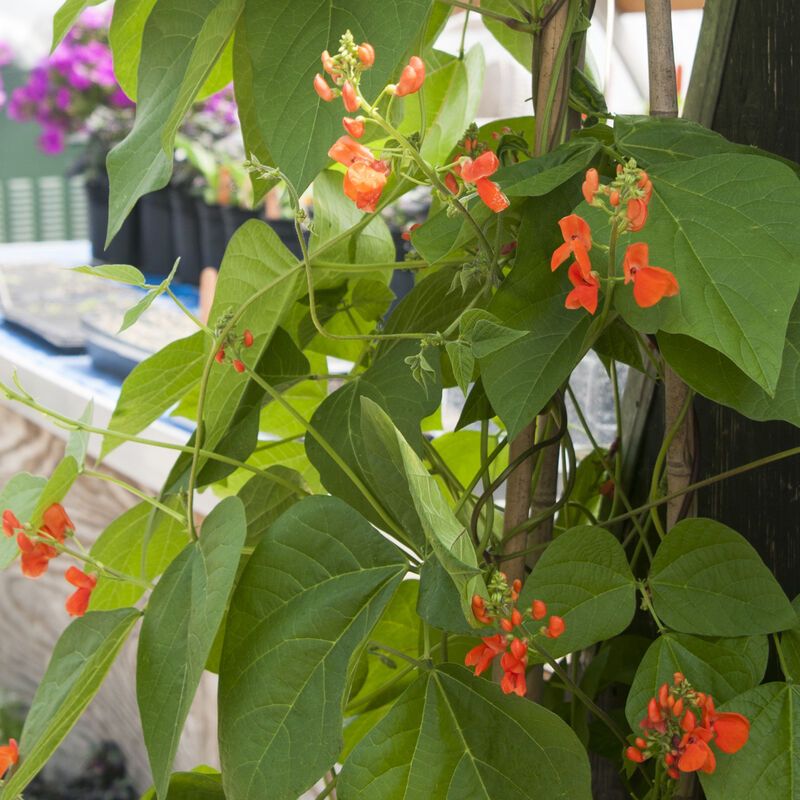
Scarlet runner beans race skyward with astonishing speed, often growing 6-8 inches weekly! The brilliant red flowers appear just weeks after planting, creating a hummingbird magnet that continues blooming until frost.
Unlike purely ornamental vines, these vigorous climbers offer a triple reward – stunning flowers, attractive pods, and delicious harvests. The beans remain tender when picked young or can be allowed to mature for shell beans.
Simply push seeds directly into warm soil near a support structure and stand back. Their twining stems naturally spiral upward without training. These nitrogen-fixing plants actually improve soil fertility while beautifying vertical spaces. For gardeners seeking maximum vertical impact with minimal effort, few plants outperform these vigorous, multi-purpose climbers.
5. Plant Instead: Cypress Vine
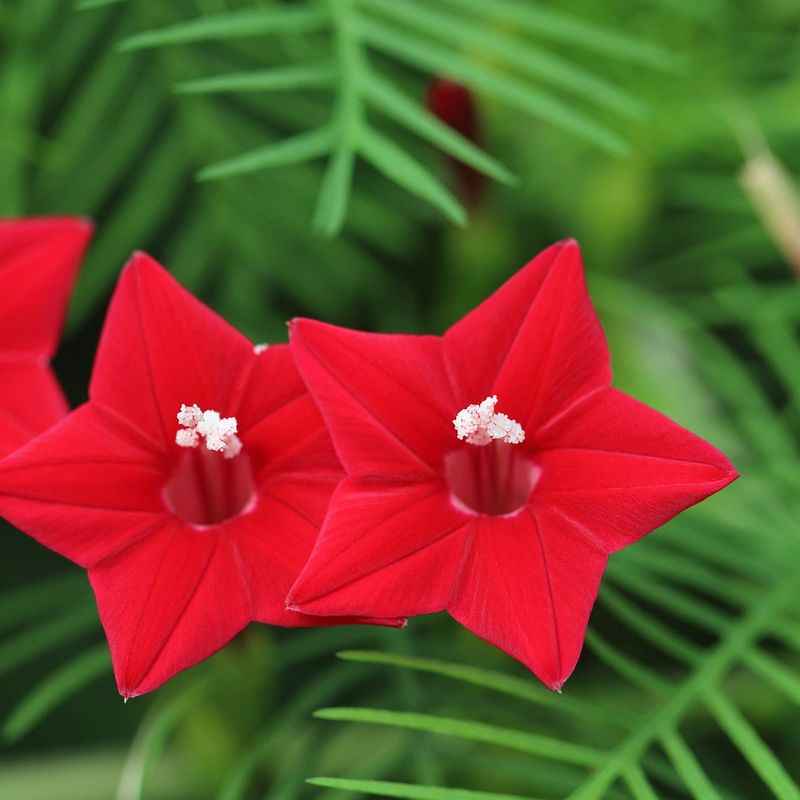
Cypress vine creates delicate beauty at lightning speed! This feathery-leaved climber rockets upward at nearly 2 feet weekly, quickly transforming bare supports into living sculptures. The star-shaped scarlet, white, or pink flowers appear in abundance by mid-summer.
Hummingbirds become obsessed with the nectar-rich tubular blooms that continue opening until frost. The thread-like foliage provides a lacy texture unique among fast-growing vines. Despite its delicate appearance, cypress vine tolerates heat and humidity with remarkable resilience.
For fastest results, nick seeds and soak overnight before planting directly in warm soil. Provide string, netting, or wire supports for the twining stems to climb. Self-seeding tendencies in warmer zones mean this annual often returns voluntarily year after year.
6. Plant Instead: Cardinal Climber
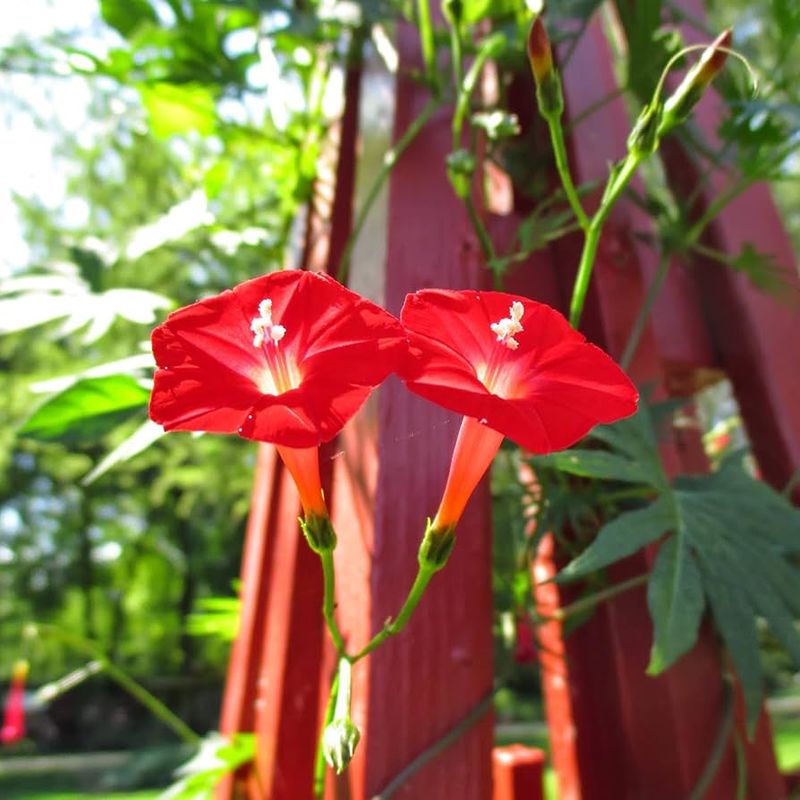
Cardinal climber races upward with remarkable enthusiasm, often growing 10-12 feet in a single season! This vigorous annual vine combines the best features of its parents – cypress vine’s feathery foliage and morning glory’s vigorous growth.
Brilliant cardinal-red, trumpet-shaped flowers appear abundantly by mid-summer, creating a hummingbird paradise. The 1-inch blooms stand out vividly against the deeply lobed, emerald-green foliage. Unlike some fast growers, cardinal climber maintains a tidy habit without becoming invasive.
Sow seeds directly after frost danger passes, or start indoors 4-6 weeks earlier for a head start. The vine’s twining nature means it readily climbs trellises, netting, or strings with minimal assistance. For maximum impact, plant several seeds at each support base.
7. Plant Instead: Moonflower
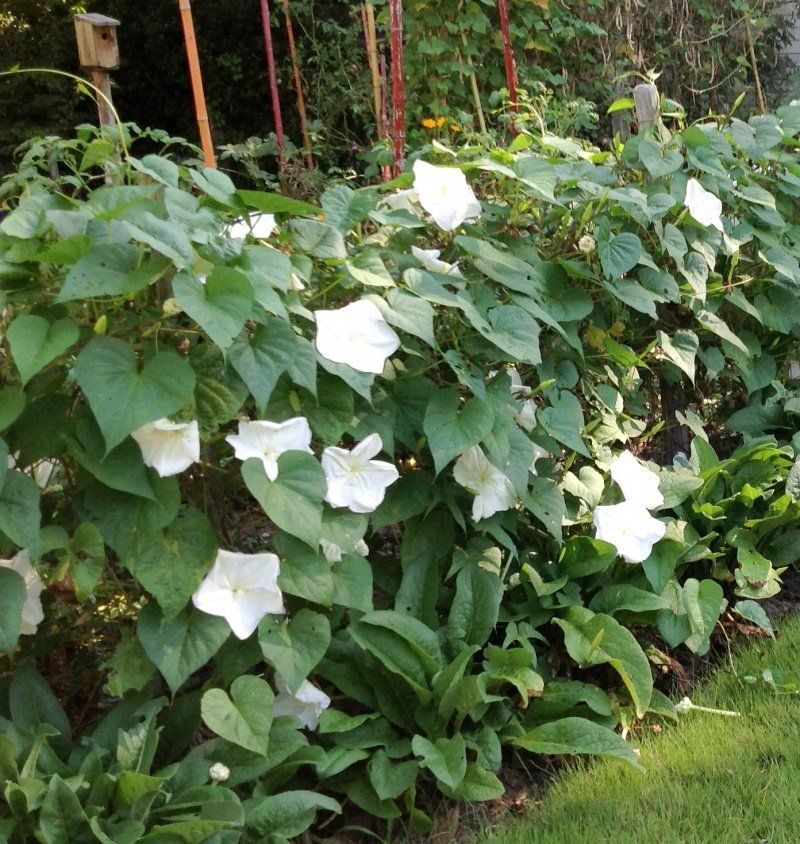
Moonflower vines create evening magic at remarkable speed! These nocturnal beauties can grow 15 feet in a single season, with stems elongating visibly each day. As twilight approaches, the tightly furled buds unfurl in a mesmerizing display, releasing a sweet vanilla-like fragrance that perfumes the entire garden.
The dinner-plate-sized white blooms glow ethereally in moonlight, remaining open until morning sun touches them. Moths and sphinx moths perform essential pollination while providing additional nighttime garden interest.
Start seeds indoors 4-6 weeks before last frost, nicking the hard seed coat and soaking overnight for best germination. Provide sturdy support as these vigorous growers can reach impressive heights by mid-summer. Pair with morning glories for 24-hour flower coverage on the same structure.
8. Plant Instead: Passion Flower
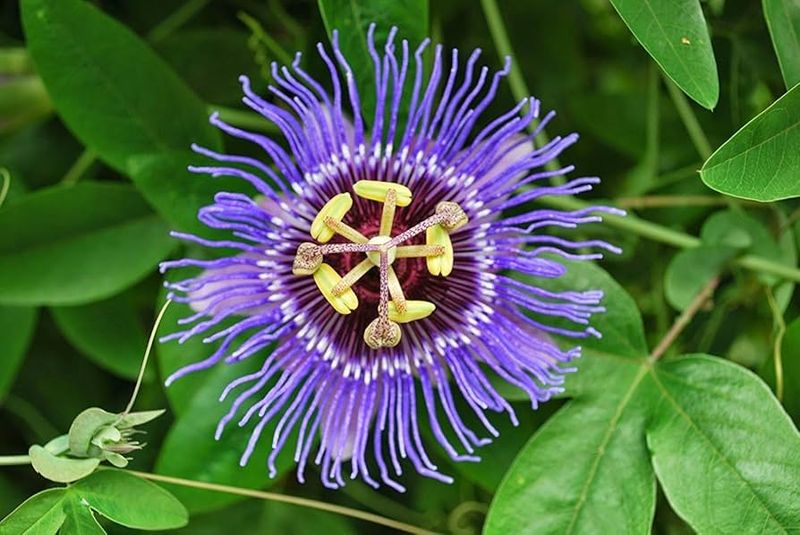
Passion flower vines create exotic drama at surprising speed! While some tropical varieties grow slowly, select native species like Passiflora incarnata race upward 8-12 feet in their first season. The otherworldly blooms feature intricate structures resembling something from a science fiction landscape.
Purple, white, or pink filaments create a crown-like structure around prominent stamens. These architectural flowers appear abundantly throughout summer, followed by edible egg-shaped fruits in many varieties. Butterflies, particularly fritillaries, depend on passion vines for reproduction.
Purchase established plants for fastest results, planting after frost danger passes. Provide sturdy support as vines climb via tendrils that grasp onto available structures. In colder zones, these perennials may die back in winter but typically resprout vigorously from the roots each spring.
9. Plant Instead: Climbing Nasturtium
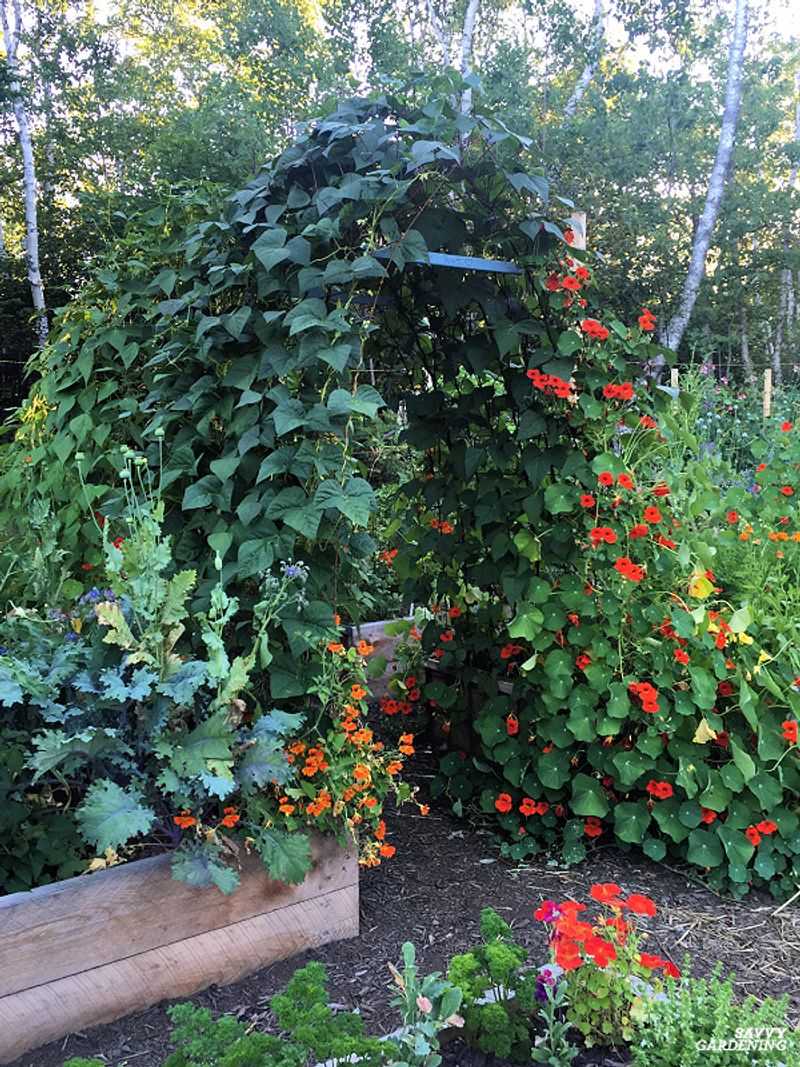
Climbing nasturtiums cascade with cheerful abandon, growing up to 8 feet in a single season! Unlike their bushy cousins, these vigorous varieties eagerly scale trellises and spill from hanging baskets with minimal encouragement.
The circular leaves resemble lily pads, creating attractive foliage even before the jewel-toned blooms appear. Flowers in fiery oranges, yellows, and reds continue non-stop from early summer until frost. Both flowers and leaves offer a peppery flavor addition to salads.
Direct sow large seeds after frost danger passes – they germinate within days and grow visibly each week. No fertilizer needed; in fact, rich soil produces fewer flowers. Their sprawling habit makes them perfect for softening walls, fences, or cascading from containers, with new growth constantly extending their reach.
10. Plant Instead: Annual Sweet Pea
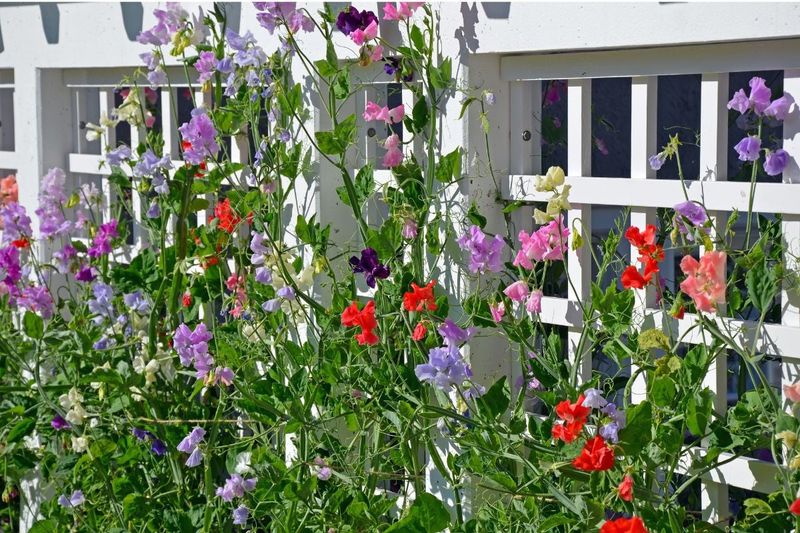
Annual sweet peas transform vertical spaces with remarkable speed and intoxicating fragrance! These cottage garden classics climb 6-8 feet in a single season when provided with proper support. The butterfly-like flowers appear in a painter’s palette of colors – from soft pastels to vibrant magentas and purples.
Unlike perennial peas, these annual varieties offer intense perfume that sweetens the air from spring through early summer. Cut flowers regularly to encourage continuous blooming and enjoy their long vase life indoors.
For earliest blooms, start seeds indoors 6-8 weeks before last frost or direct sow in fall for spring germination. Provide netting, string, or chicken wire for their specialized leaf tendrils to grasp. Cool weather brings best performance, making sweet peas perfect for impatient northern gardeners seeking quick vertical color.