 Complete Gardening
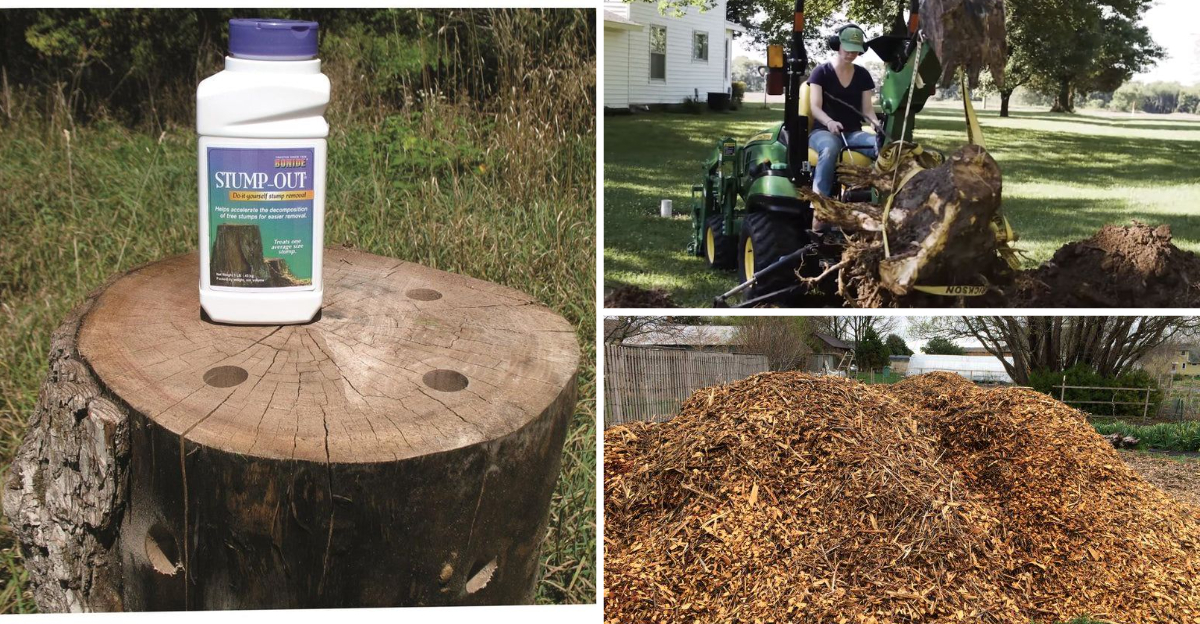
Removing a tree stump can be a daunting task, often requiring the right technique to ensure proper removal. While some methods can be ineffective or even damaging, others provide practical solutions to make the job easier. Here, we explore seven stump removal techniques to avoid and thirteen that actually get the job done efficiently and effectively.
1. Burning the Stump
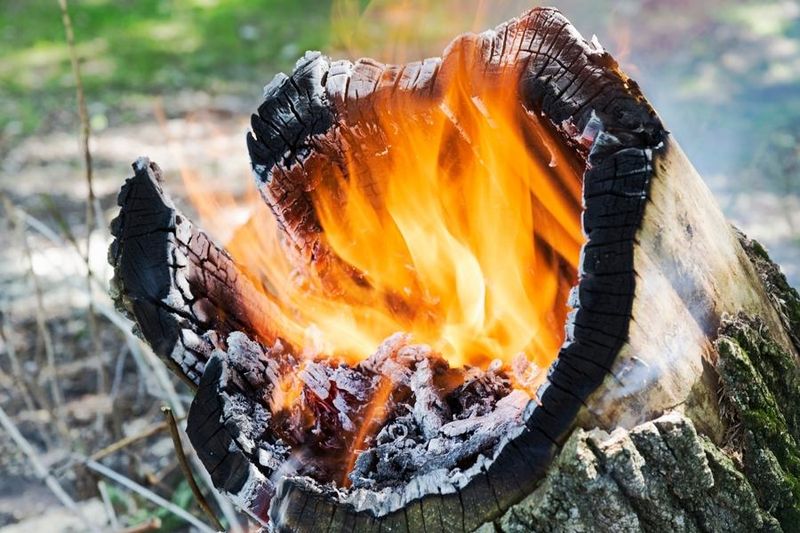
Burning a tree stump may seem like a straightforward solution, but it requires time and precautions. Start by drilling holes into the stump and filling them with a combustible liquid. Over time, the stump can be set on fire, but the process is slow and often incomplete. Furthermore, it poses serious fire hazards and should be done with extreme caution to prevent unintended fires.
2. Chemical Stump Removers
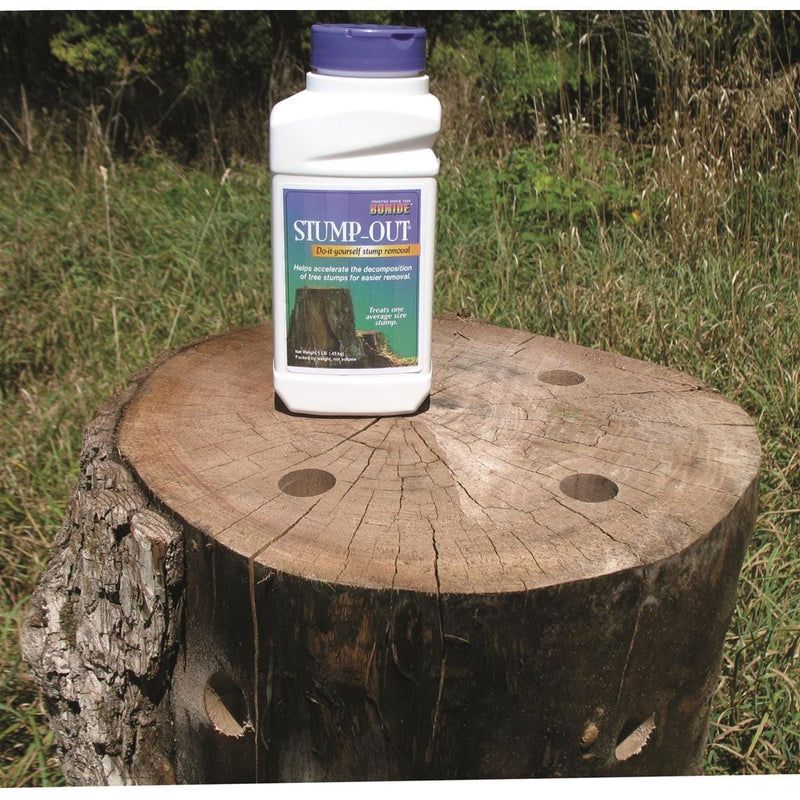
Chemical stump removers promise an easy fix, but they can take months to work. These products decompose the wood, requiring multiple applications and patience. The chemicals may also seep into the surrounding soil, impacting other plants. Critics argue that this method is inefficient and environmentally unfriendly, making it a less desirable choice for eco-conscious gardeners.
3. Using an Axe
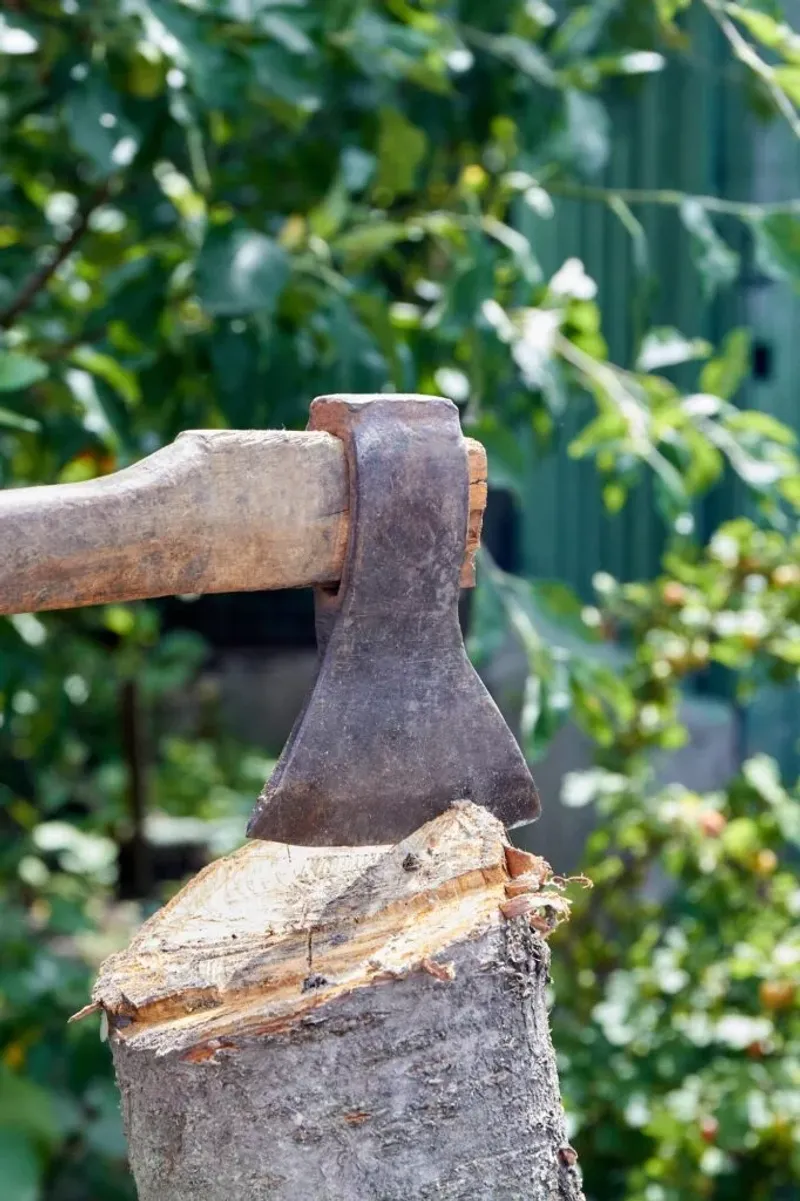
Chopping away at a stump with an axe is labor-intensive and often proves futile. The stump’s robust roots make it nearly impossible to remove by mere chopping. While it offers exercise, the method demands unwavering stamina and precision. Many find their axes become dull quickly, and the risk of injury is significant. It’s a classic approach that’s best reserved for the most persistent and skilled.
4. Roping and Pulling
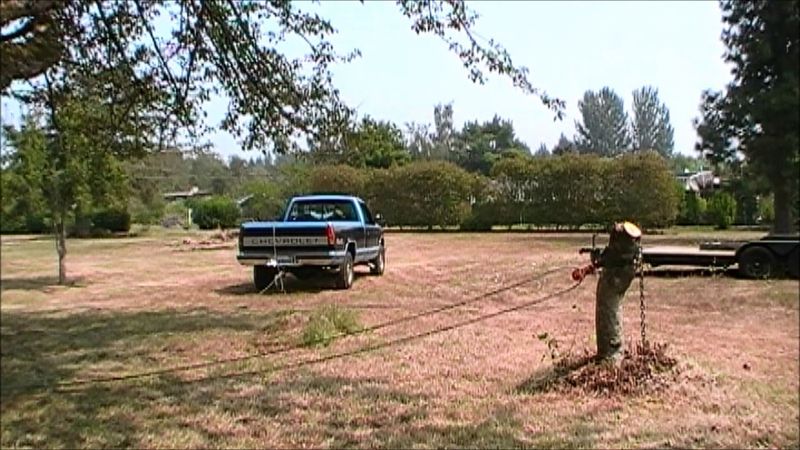
Tying a rope around a stump and pulling it out with a vehicle sounds efficient but often fails. The method can damage your vehicle or snap the rope if not executed correctly. It requires considerable force, and the stump may only loosen slightly. Many abandon this method due to the potential for equipment damage and personal injury, making it an unreliable choice for most.
5. Digging Manually
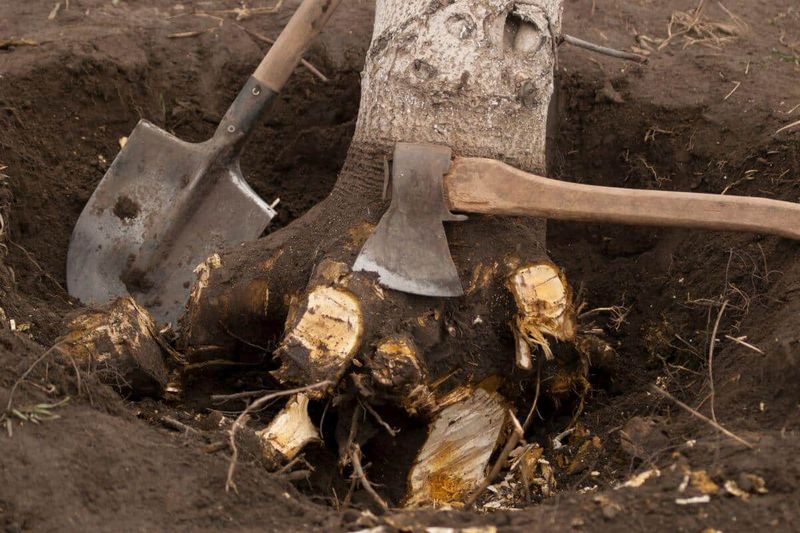
Manual digging is a backbreaking and time-consuming task. It involves using shovels and spades to excavate soil around the stump, aiming to expose the roots. This method demands significant physical effort and patience, often taking several days to complete. The roots intertwine deeply with the earth, making it laborious and tedious. It’s a method tried and tested but not recommended for the faint-hearted.
6. Epsom Salt
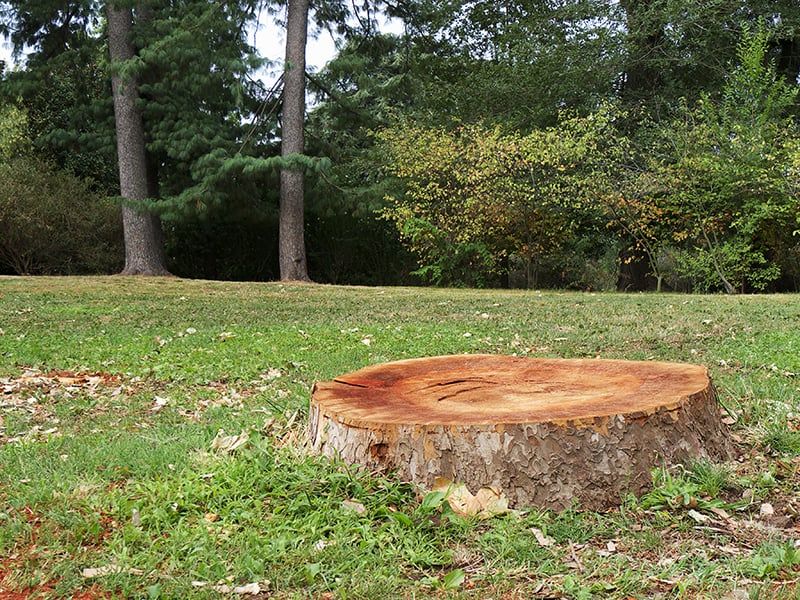
Epsom salt is often touted as a natural solution for stump removal. The salt dehydrates the wood, making it brittle and easier to break down. While it’s an eco-friendly option, the results are slow and require repeated applications. It’s an appealing option for those with time on their hands who prefer less aggressive methods, though the process can span several months.
7. Covering with Mulch
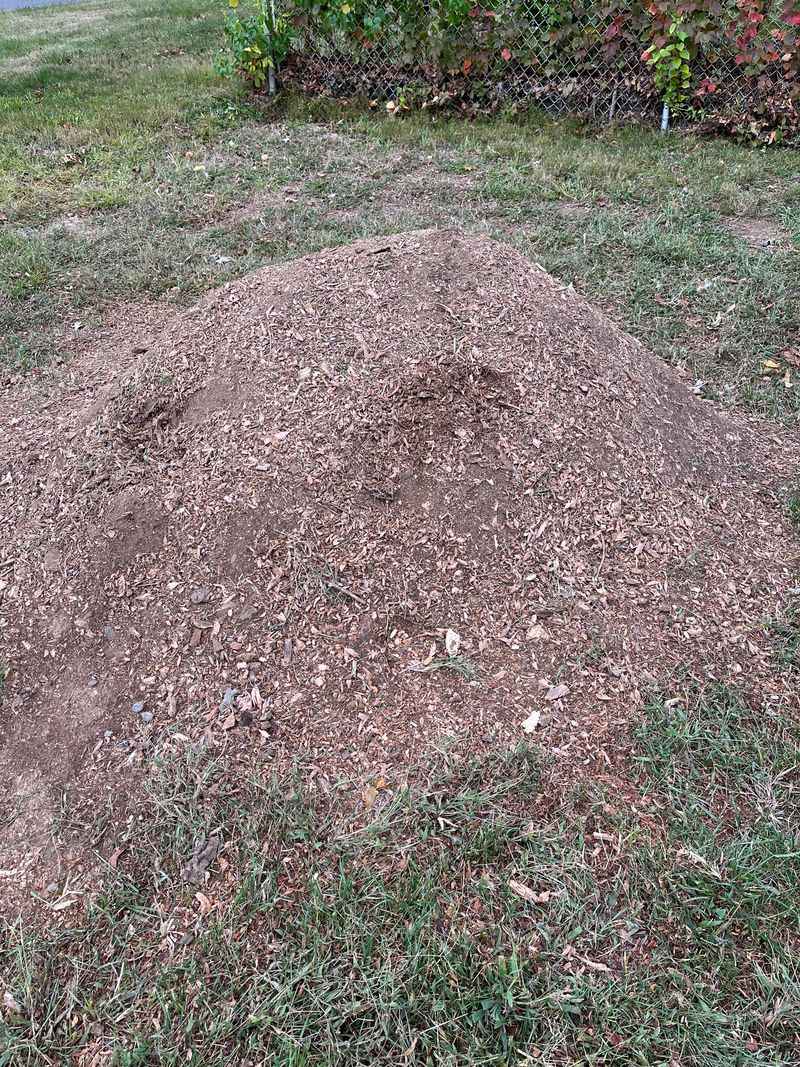
Covering a stump with mulch encourages natural decay by promoting a moist environment conducive to decomposition. This passive method is eco-friendly but exceedingly slow, often taking years to achieve results. The appeal lies in its simplicity, but it’s not ideal for those seeking immediate solutions. This approach works best for stumps that are not in the way or aesthetically bothersome.
8. Using a Stump Grinder
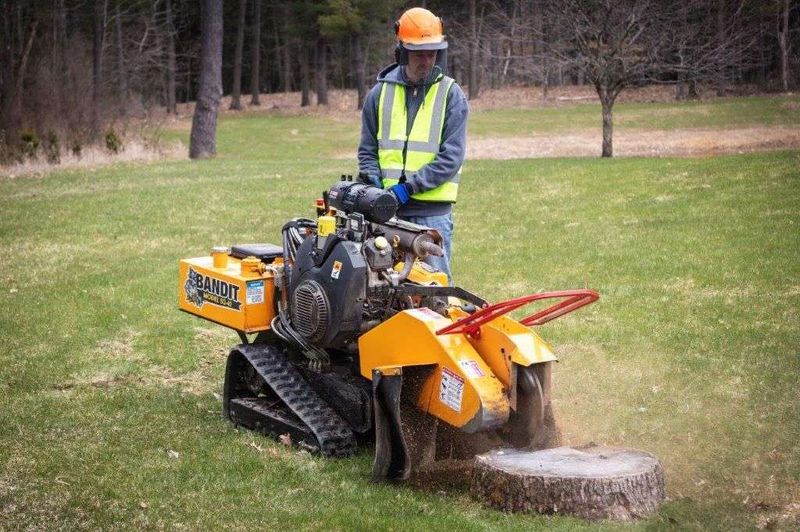
Stump grinders offer a powerful solution for removing stumps quickly and effectively. These machines chip away at the wood, turning it into mulch. While hiring a professional may be costly, the results are immediate and thorough. Some choose to rent a grinder for DIY projects, finding it a practical investment. This method is favored for its efficiency and ability to tackle large stumps.
9. Renting a Backhoe
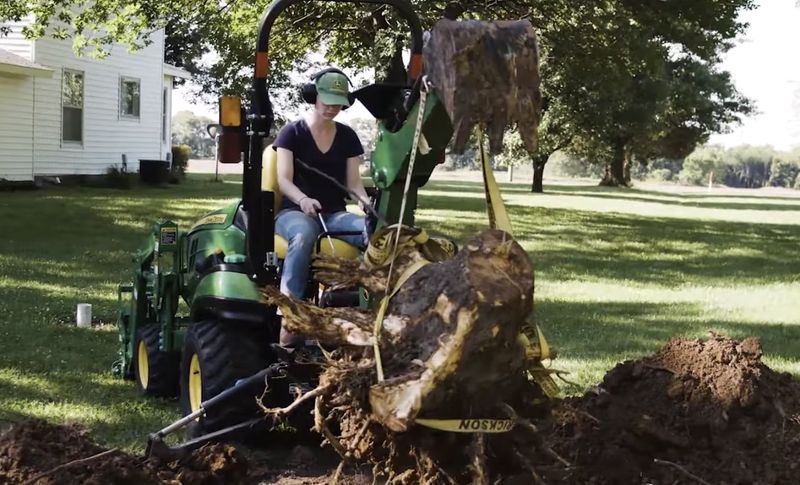
Backhoes provide a robust and efficient way to remove stumps. They can dig deep into the ground, pulling out the entire stump along with its roots. Renting a backhoe demands expertise in operation and can be expensive, but the results justify the cost. This method suits those with multiple stumps to remove, offering speed and thoroughness that manual methods lack.
10. Professional Tree Services
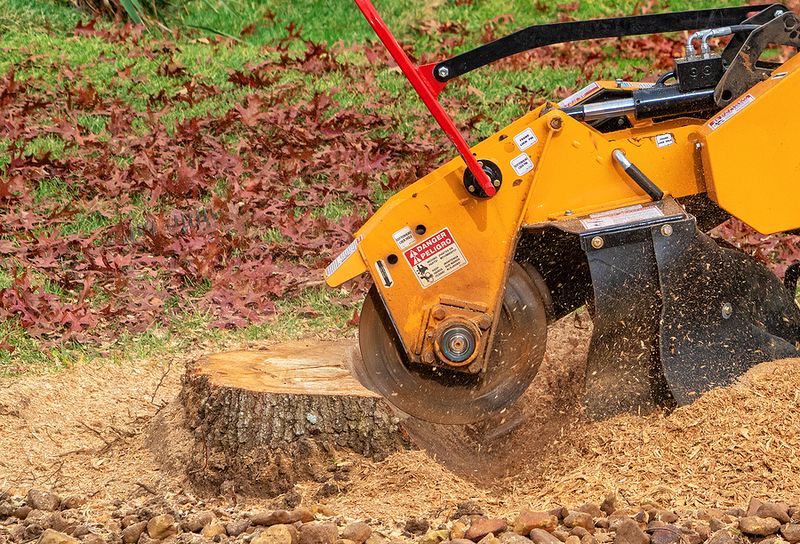
Hiring professional tree services ensures the stump is removed safely and efficiently. These experts have the tools and experience to handle stumps of all sizes, providing peace of mind. Though more costly, the professional touch guarantees precision and prevents damage to the surrounding area. This route is ideal for those who prefer to leave the hard work to seasoned specialists.
11. Stump Removal Using Winches
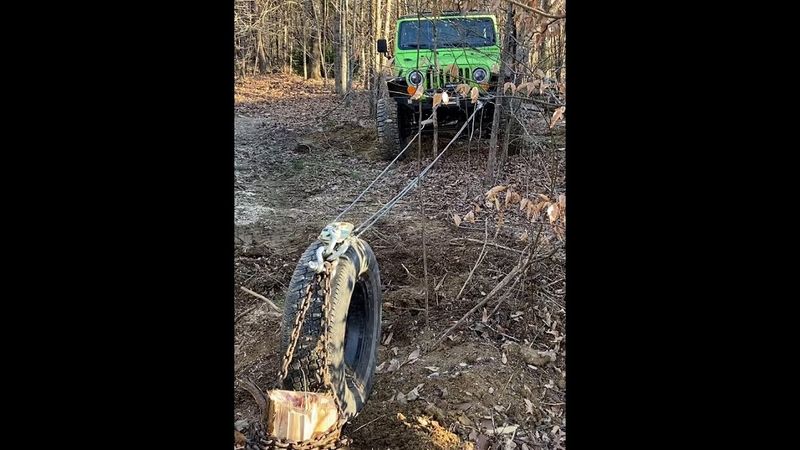
Winches offer a controlled method for stump removal, utilizing mechanical advantage to extract stumps from the ground. This technique requires sturdy equipment and an understanding of mechanical principles. Although effective for medium-sized stumps, it demands planning and coordination. This method is popular among those who have access to the right tools and are comfortable with technical tasks.
12. Natural Decomposition
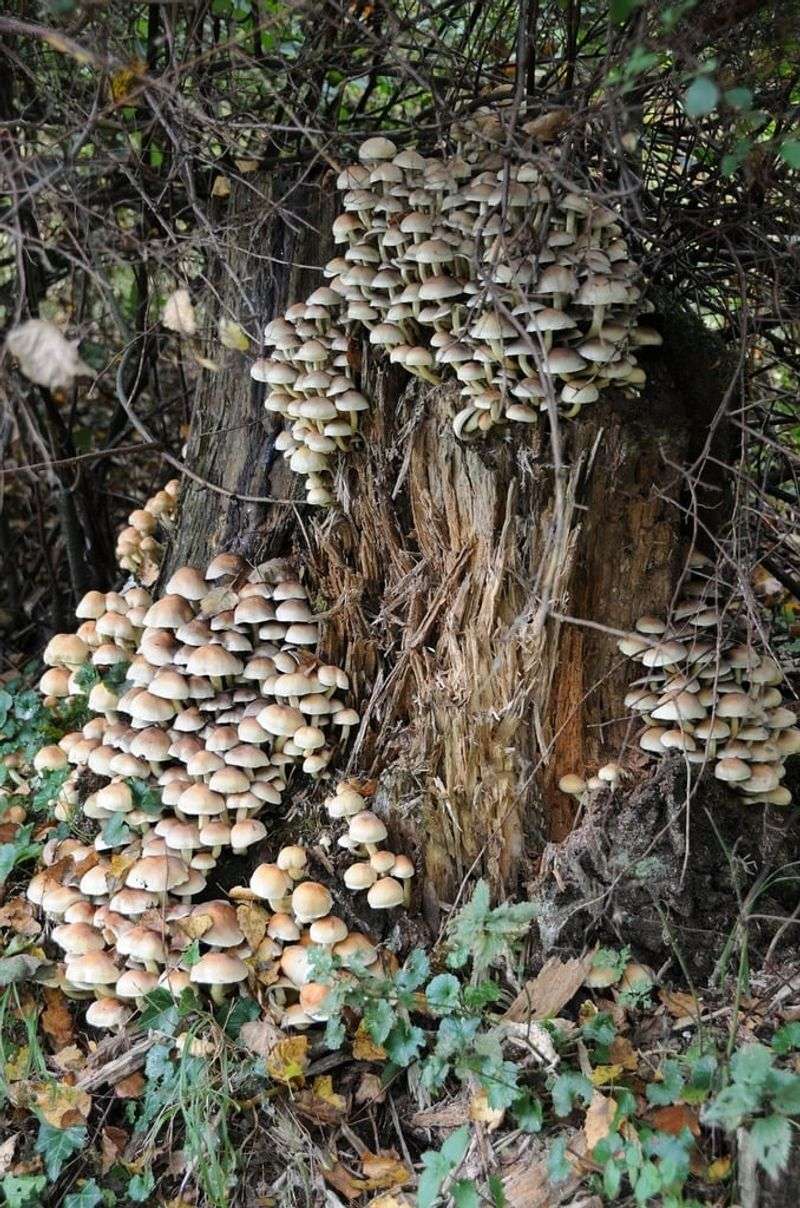
Allowing a stump to decompose naturally is the simplest method, though it requires considerable patience. Nature gradually breaks down the wood, aided by moisture and microorganisms. This approach is eco-friendly but takes several years, making it suited for stumps that don’t interfere with landscaping. It’s a zero-effort solution for the environmentally conscious, though not for the hurried.
13. Using Explosives

Though unconventional, explosives can swiftly remove stumps, especially in rural or uninhabited areas. This method requires strict adherence to safety protocols and legal regulations. It’s typically reserved for large-scale land clearing projects where other methods are impractical. Due to the complexity and risk involved, professionals with expertise in demolition are essential to execute this method safely.
14. Boiling Water Technique
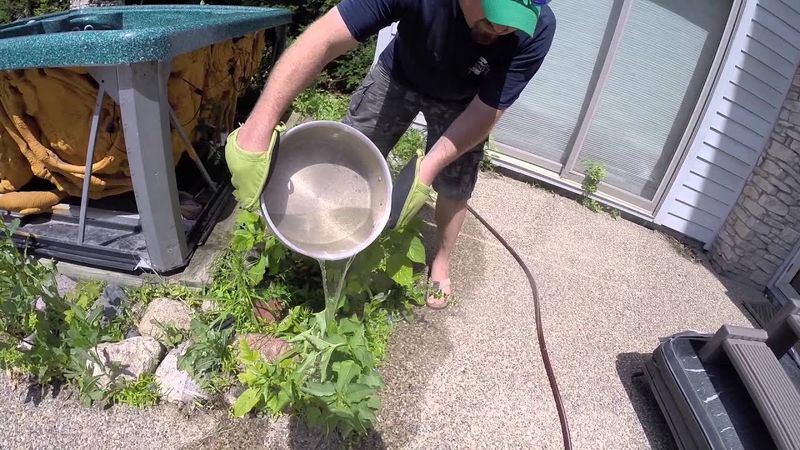
Pouring boiling water over a stump can expedite the rotting process. This unconventional method involves repeatedly dousing the stump with boiling water to weaken its structure. While it’s a cost-effective approach, the results are not immediate and require persistent effort. It suits those looking for a chemical-free method, though it demands patience and regular application.
15. Saltpeter Method
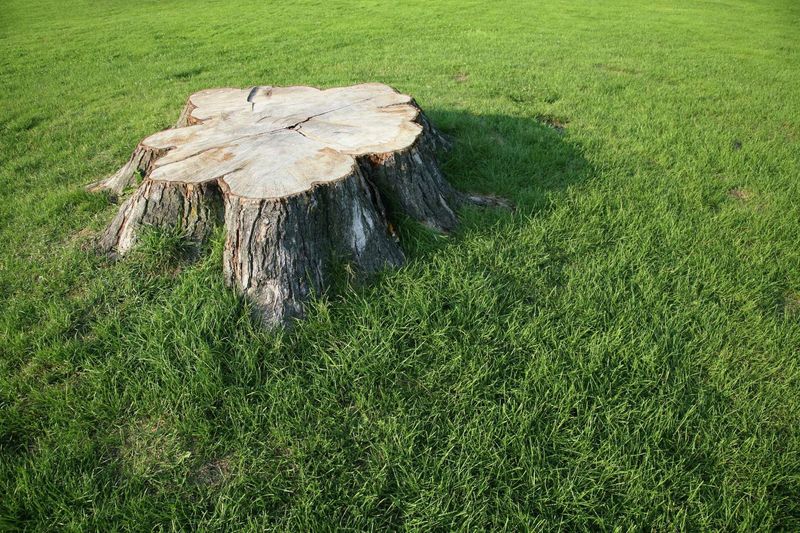
Saltpeter, or potassium nitrate, accelerates the decomposition of stumps. By drilling holes into the wood and filling them with saltpeter, the stump becomes easier to burn or break down. This method appeals to those who prefer a chemical approach without resorting to harsher solutions. While effective, it requires understanding and handling of the chemical with care to achieve desired results.
16. High-Pressure Water Jet

Utilizing a high-pressure water jet to erode a stump is an innovative technique. This method effectively chips away at the stump, requiring minimal manual labor. It’s an appealing choice for those seeking a non-invasive method, though it demands access to specialized equipment. The technique is gaining popularity for its environmentally friendly nature and effectiveness on smaller stumps.
17. Wood Chip Mulching
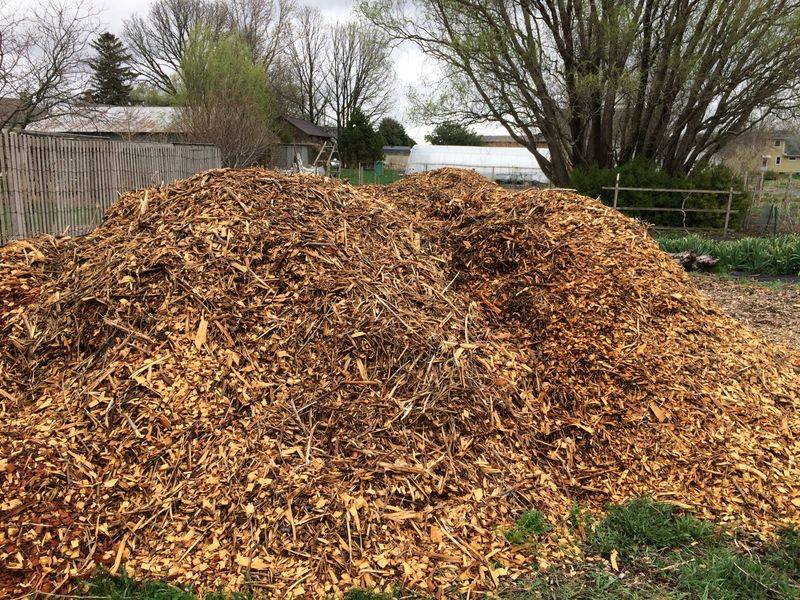
Converting a stump into wood chips via mulching is both practical and beneficial for garden landscaping. The wood chips decompose over time, nourishing the soil. This method suits those who prefer resourceful, eco-friendly solutions. While not the quickest method, it offers long-term benefits to garden health. It’s a strategic choice for those willing to integrate stump removal with gardening.
18. Firewood Conversion
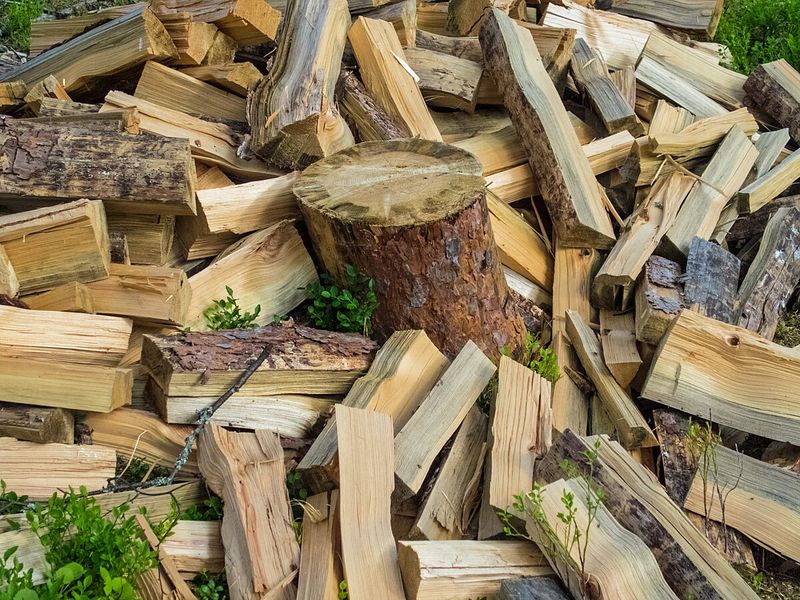
Transforming a stump into firewood combines utility with removal. By cutting the stump into manageable logs, it provides a practical heat source for colder months. This method is ideal for those with fireplaces or wood-burning stoves. It’s a sustainable approach that repurposes the stump, offering immediate and tangible benefits. Enthusiasts of DIY projects often favor this method for its practicality.
19. Vinegar Soaking
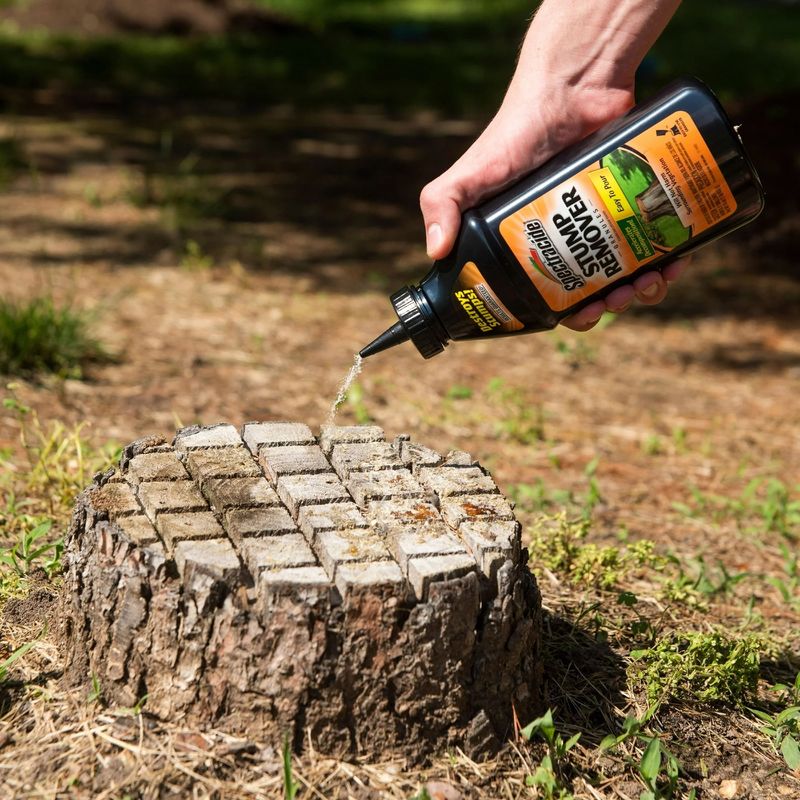
Vinegar acts as a natural herbicide and can kill a stump over time. By soaking the stump with vinegar, the acetic acid accelerates decay. It’s a gentle, chemical-free method that appeals to those wary of synthetic chemicals. Although slow, it’s a straightforward process that requires regular applications. This technique is favored for its simplicity and environmental friendliness.
20. Innovative Bio-Enzyme Solution
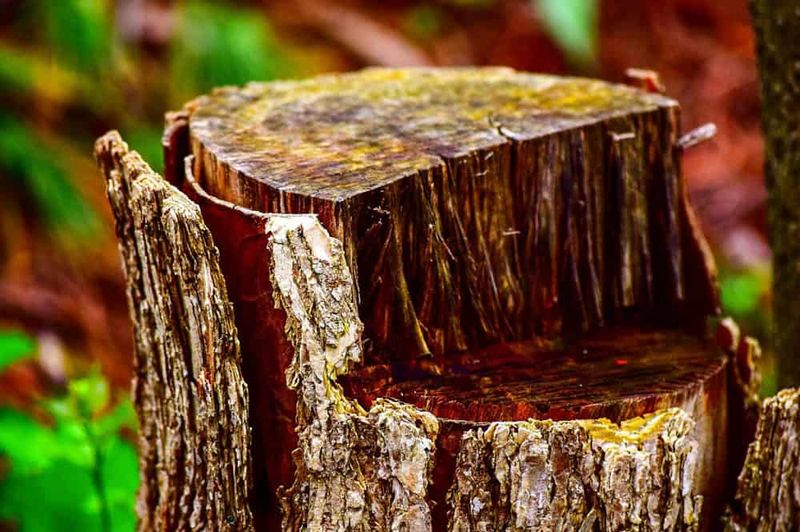
Bio-enzyme solutions offer an innovative, eco-friendly approach to stump removal. These enzymes break down the wood fibers, accelerating decomposition without harming the environment. While relatively new, this method is gaining traction among those seeking sustainable options. It’s an exciting development for environmentally conscious gardeners, offering an effective, low-impact solution.