 Complete Gardening
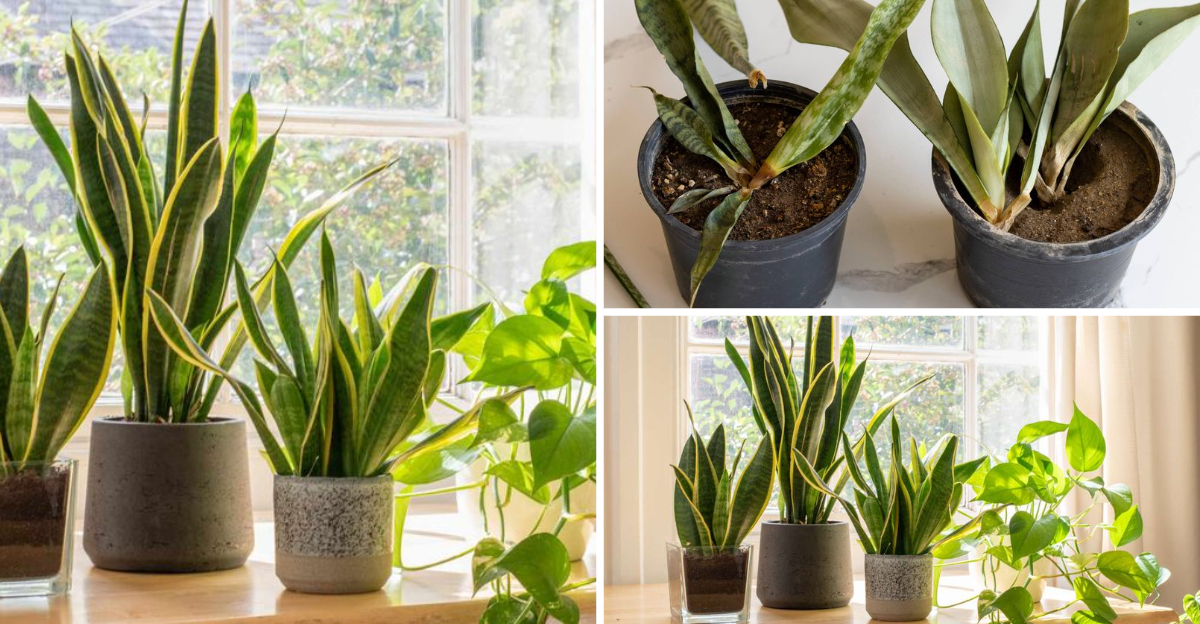
The beloved snake plant, also known as Sansevieria, is a favorite among indoor plant enthusiasts due to its striking appearance and low maintenance needs. However, even the most well-intentioned owners can make mistakes that harm these resilient plants. In this blog post, we’ll explore seven common errors snake plant owners often make and provide thirteen effective solutions to ensure your plant thrives. Read on to discover what might be going wrong in your plant care routine and how to fix it, ensuring your snake plant remains a stunning and healthy part of your home.
1. Overwatering
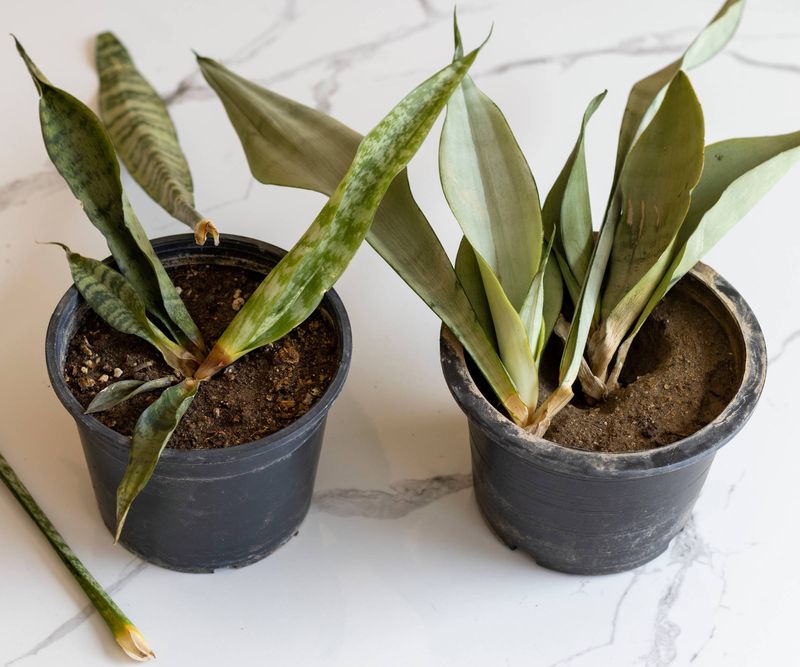
Overwatering is a common mistake among snake plant owners. These plants thrive in dry conditions, and excessive moisture can lead to root rot. To prevent this, ensure the soil is completely dry before watering again. Use a pot with drainage holes to allow excess water to escape, and consider using a moisture meter to monitor the soil’s moisture levels. Remember, less is often more when it comes to watering your snake plant. A quick tip: water less frequently during the colder months when the plant’s growth slows down. The key is to strike a balance that mimics its natural environment.
2. Inappropriate Light Conditions
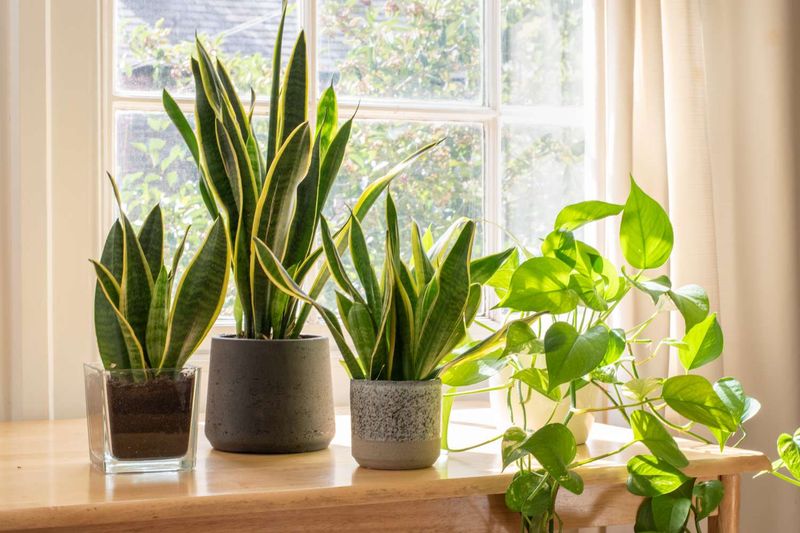
Snake plants are remarkably adaptable, but incorrect lighting can stunt their growth. While they can survive in low light, they flourish best in indirect sunlight. Avoid placing your snake plant in direct sunlight, as this can scorch their leaves. If your home lacks sufficient natural light, consider using a grow light to supplement their exposure. A strategic placement near a north or east-facing window is ideal. Observing your plant’s reaction to light changes can guide you in making necessary adjustments. Providing the right light conditions helps maintain their vibrant green color and distinctive leaf patterns.
3. Improper Soil Use
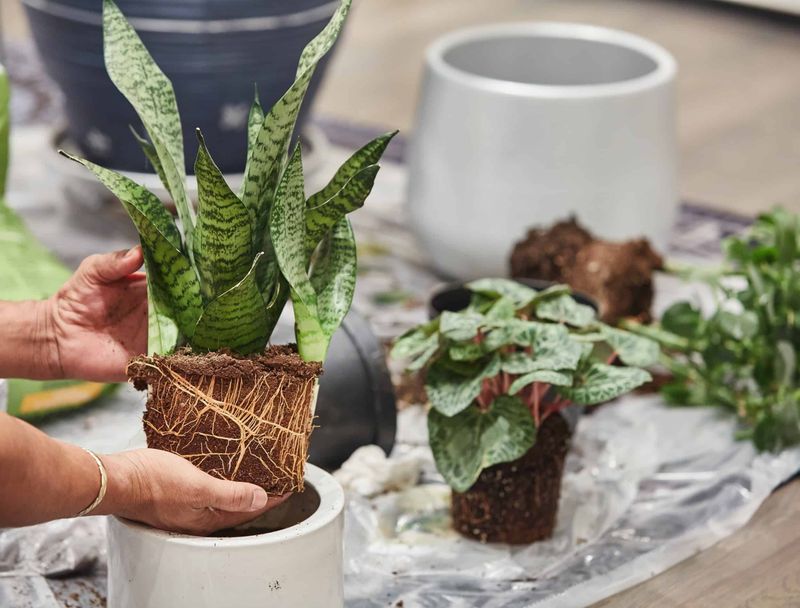
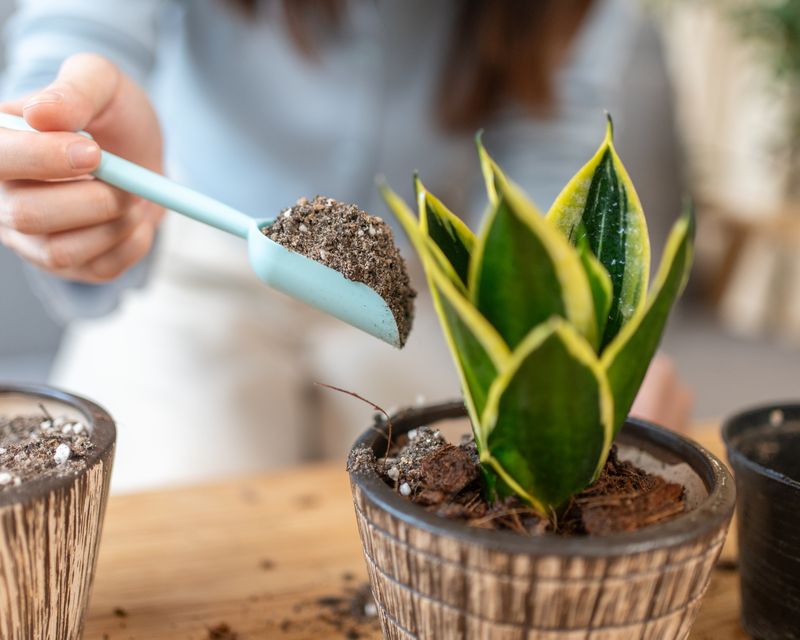
Using the wrong soil type is a frequent error that can hinder your snake plant’s health. These plants prefer well-draining soil, similar to a cactus mix. Heavy, clay-based soils retain moisture, which can suffocate the roots and cause rot. To create an optimal growing medium, mix equal parts of potting soil, sand, and perlite. This blend ensures proper drainage and aeration, allowing roots to breathe. Repot your snake plant every couple of years to refresh the soil and check for root health. Ensuring the right soil composition is foundational for a thriving snake plant.
4. Neglecting Humidity Needs

While snake plants are drought-tolerant, extreme humidity can be harmful. They prefer average indoor humidity levels and thrive in dry conditions. Avoid placing your plant in overly humid areas, such as bathrooms. Instead, choose a location with moderate air circulation. If your home is naturally humid, consider using a dehumidifier to create a more suitable environment. Monitoring air moisture with a hygrometer can help maintain ideal conditions. Providing a balanced environment ensures your snake plant’s leaves remain firm and healthy, showcasing their beautiful, architectural form without the risk of mold or mildew.
5. Ignoring Pest Issues
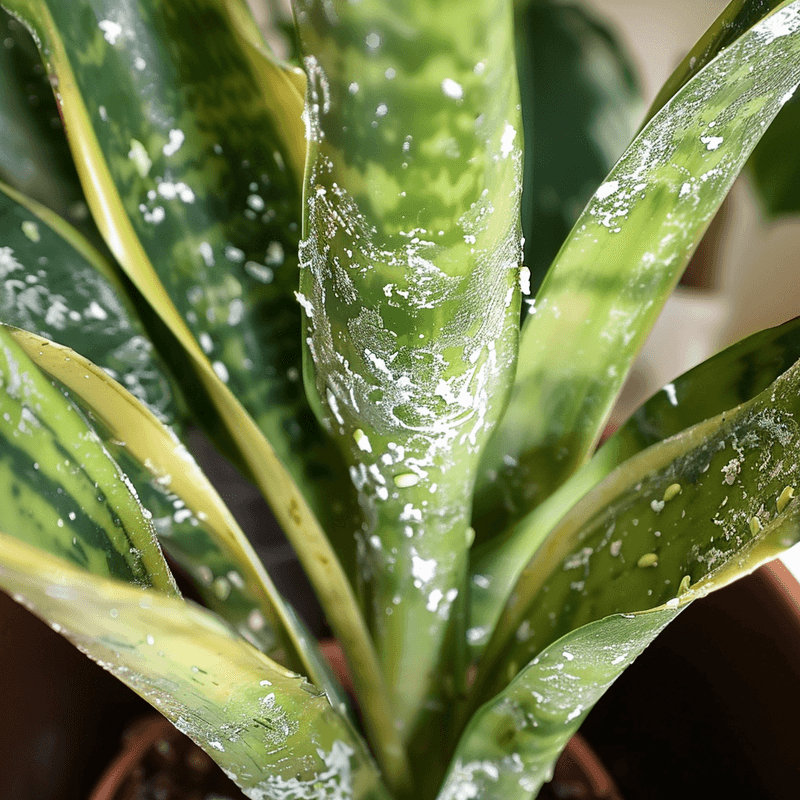
Pests like spider mites and mealybugs can wreak havoc on snake plants if left unchecked. Regularly inspect your plant for signs of infestation, such as webbing or sticky residue. To combat pests, gently wipe the leaves with a damp cloth and use insecticidal soap if necessary. Introducing beneficial insects like ladybugs can also help control pest populations. Prompt action prevents damage and promotes a healthy plant. Remember to quarantine new plants before introducing them to your existing collection to prevent spreading pests. Keeping a vigilant eye on pest activity is crucial for maintaining plant health.
6. Fertilizing Errors
Over-fertilizing snake plants can lead to nutrient burn, causing yellowing and wilting leaves. These plants have minimal feeding requirements and thrive with a light application of balanced, diluted liquid fertilizer during the growing season. Avoid fertilizing during the dormant winter months when the plant’s growth naturally slows. To prevent buildup, flush the soil with water annually to remove excess salts. Monitoring leaf color and growth can guide your fertilization schedule. Providing nutrients in moderation supports strong, healthy leaves and vibrant growth without overwhelming the plant’s natural resilience.
7. Improper Pot Size
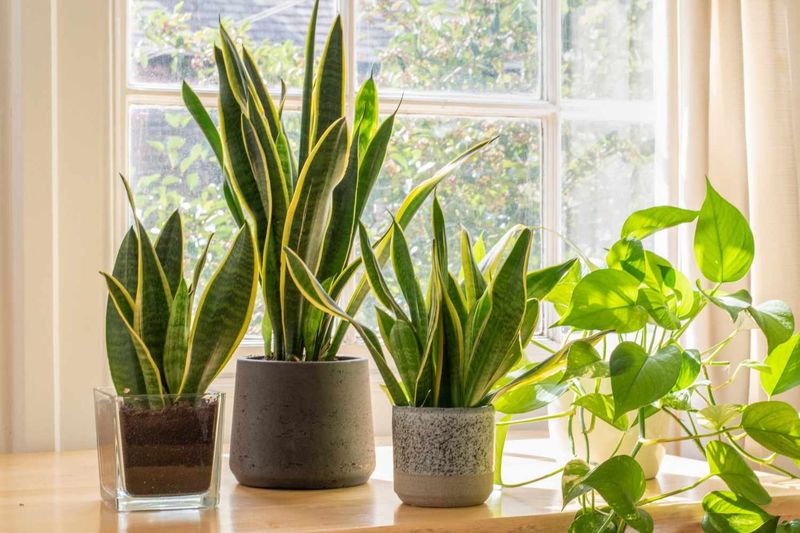
Using an incorrect pot size can hinder a snake plant’s growth. A pot that is too small restricts root expansion, while an oversized pot retains excess moisture. Ideally, select a pot slightly larger than the root ball, with drainage holes to prevent waterlogging. Repot your plant every two to three years, or sooner if roots start circling the pot interior. This encourages healthy growth and prevents root-bound stress. Observing your plant’s growth habits informs when a pot size change is needed. The right pot size supports stability and allows your snake plant to flourish.
8. Avoiding Propagation
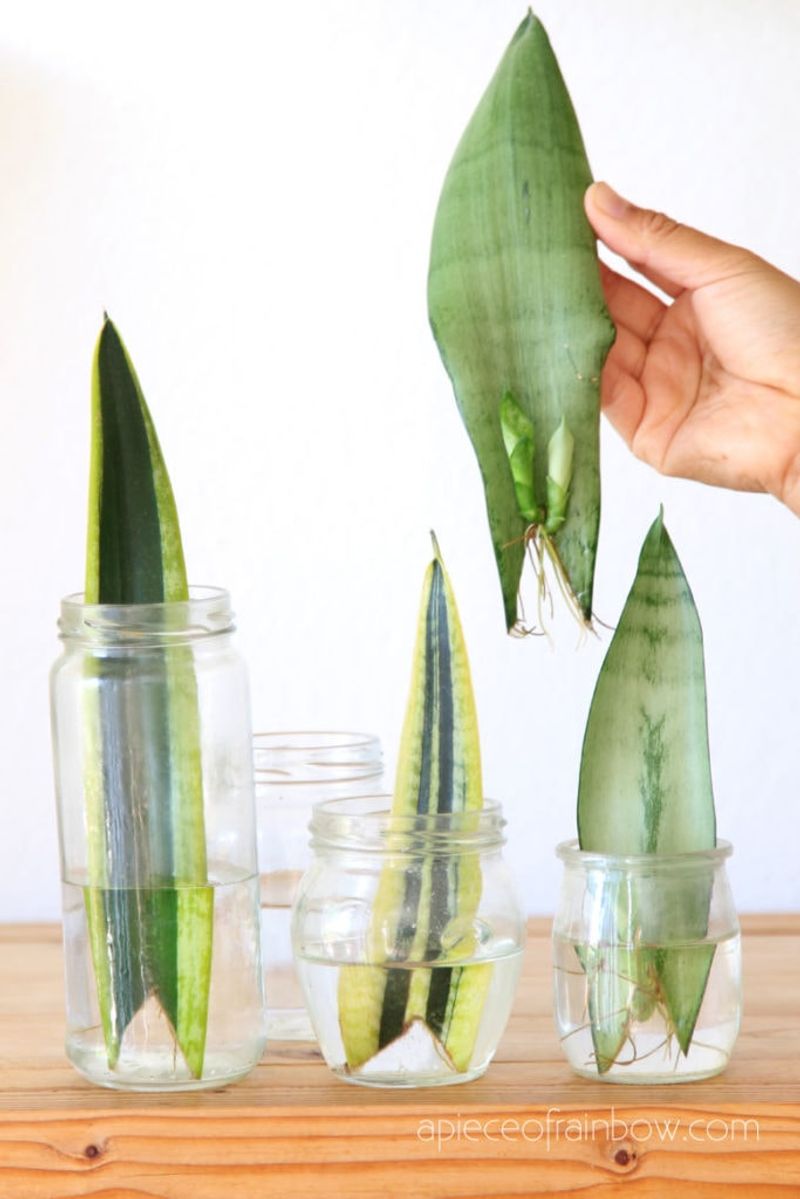
Neglecting to propagate is a missed opportunity for snake plant owners. Propagation not only helps manage plant size but also creates new plants to share or expand your collection. The simplest method is dividing the rhizomes during repotting. Alternatively, cut a healthy leaf and place it in water or soil until roots develop. Regular propagation rejuvenates the plant and promotes vigorous growth. It’s a rewarding process that enhances your gardening skills and connects you with fellow plant enthusiasts. Sharing propagated plants fosters a sense of community and appreciation for these resilient beauties.
9. Lack of Seasonal Care
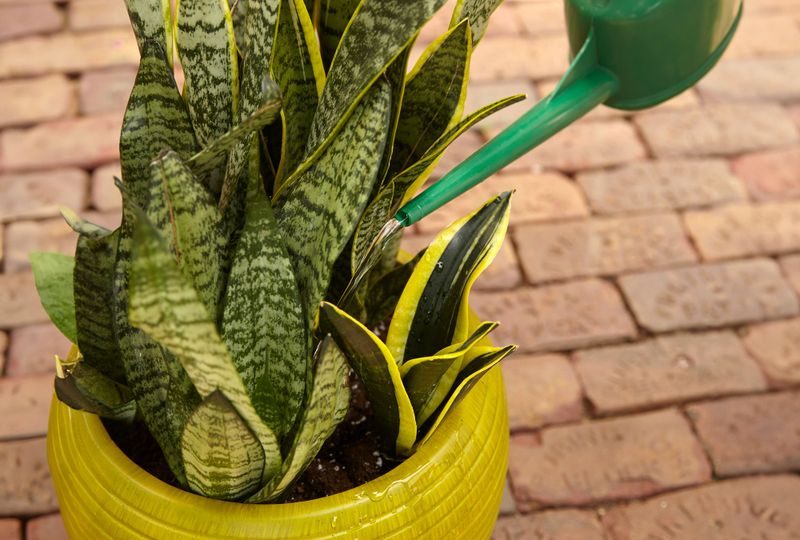
Failing to adjust care routines with the seasons can affect a snake plant’s vitality. During summer, increase watering frequency and light exposure to match the plant’s active growth phase. In winter, reduce watering and withhold fertilizer as the plant enters dormancy. Understanding these seasonal shifts ensures optimal health throughout the year. Observing your plant’s response to changing conditions allows you to fine-tune care practices. Adapting to seasonal needs keeps the plant robust and vibrant, aligning with its natural growth cycle. Each season offers a chance to reassess and refine your plant care strategy.
10. Ignoring Leaf Care
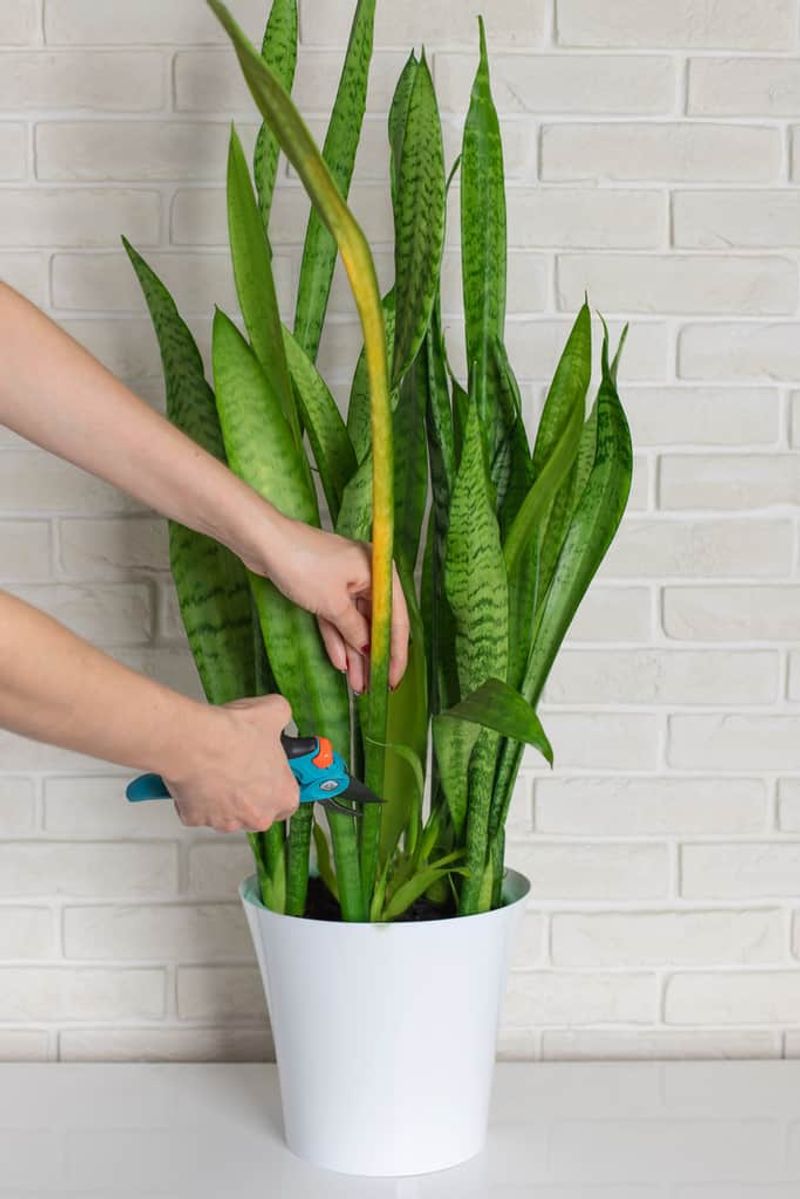
Neglecting leaf care can dull a snake plant’s vibrant appearance. Regularly clean the leaves with a damp cloth to remove dust and enhance photosynthesis. This simple task boosts the plant’s efficiency in capturing light and improves its overall aesthetic. Pay attention to leaf damage or discoloration, trimming away any affected areas to encourage new growth. Consistent leaf care prevents pest invasions and promotes a healthy, lush look. It’s a small effort that yields significant rewards, ensuring your snake plant remains a striking feature in your space. Healthy leaves are a sign of a thriving plant.
11. Using the Wrong Water Type
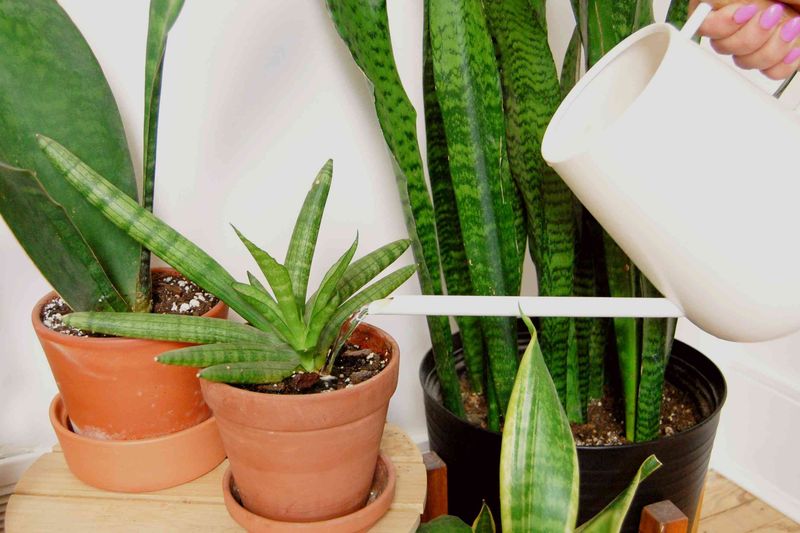
Using unsuitable water, like hard or chlorinated tap water, can harm snake plants. Opt for rainwater, distilled, or filtered water to prevent mineral buildup and leaf discoloration. Allow tap water to sit for 24 hours before use, letting chlorine dissipate. This ensures the roots absorb clean, healthy moisture. Pay attention to signs of water-related stress, such as browning tips, and adjust your watering habits accordingly. Providing the right water type supports the plant’s natural resilience and enhances its growth. A small adjustment in watering can make a significant difference in plant health.
12. Incorrect Temperature Exposure
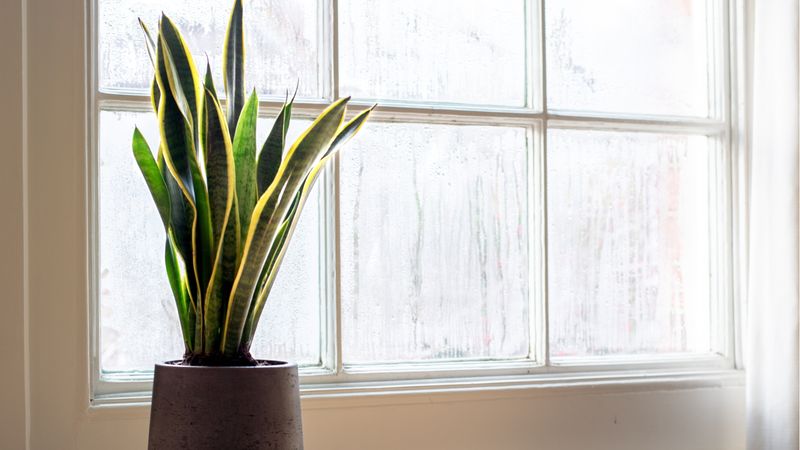
Exposure to extreme temperatures can affect a snake plant’s well-being. Avoid placing your plant near cold drafts or heating devices. Ideal temperatures range from 60°F to 80°F (15°C to 27°C). Sudden temperature fluctuations can stress the plant, leading to leaf damage. Maintain a consistent environment to promote steady growth and vibrant foliage. Monitor room temperature with a reliable thermometer and adjust placement as needed. Providing a stable climate helps the plant’s natural defense mechanisms function optimally, ensuring robust health. Consistent temperature management is key to a thriving snake plant.
13. Neglecting Air Quality
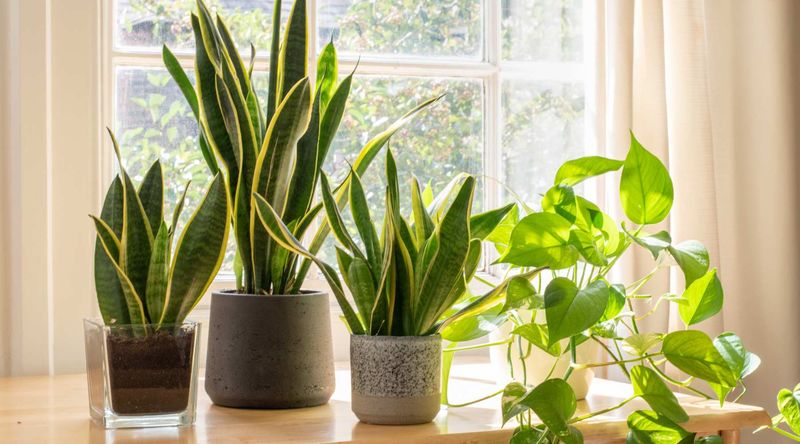
Snake plants are known for improving indoor air quality, but they also need good air circulation to thrive. Stagnant air can lead to mold growth and pest issues. Ensure your plant is in a well-ventilated area, away from cramped spaces. Regularly aerate the room and consider using a fan for continuous airflow. This helps maintain a fresh environment and supports the plant’s respiration process. Observing your plant’s growth can indicate if air quality adjustments are needed. Providing a breath of fresh air keeps your snake plant healthy and enhances its ability to purify your living space.
14. Ignoring Plant Signals
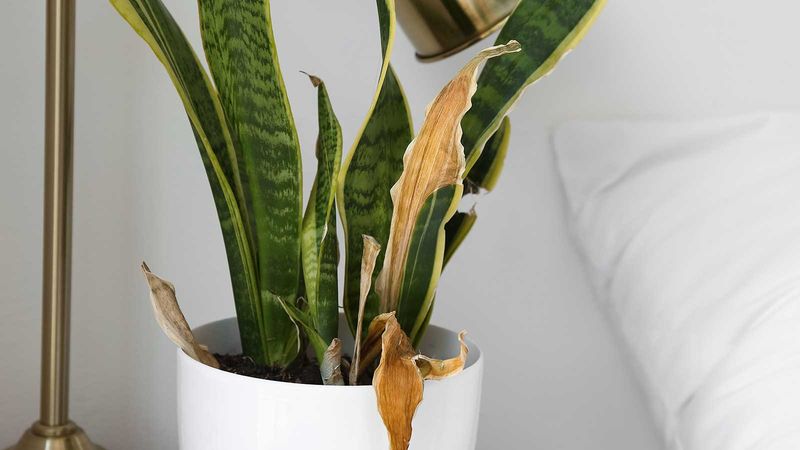
Failure to observe plant signals can lead to neglected care needs. Snake plants communicate through leaf color, texture, and growth patterns. Wilting, yellowing, or browning leaves indicate issues such as overwatering, pests, or insufficient light. Regularly check your plant for these signs and adjust care routines promptly. This attentiveness prevents minor issues from becoming major problems and supports overall health. Documenting changes in a plant journal can enhance your ability to respond effectively. By tuning into your snake plant’s signals, you nurture a resilient and flourishing companion in your home.
15. Lack of Rotation
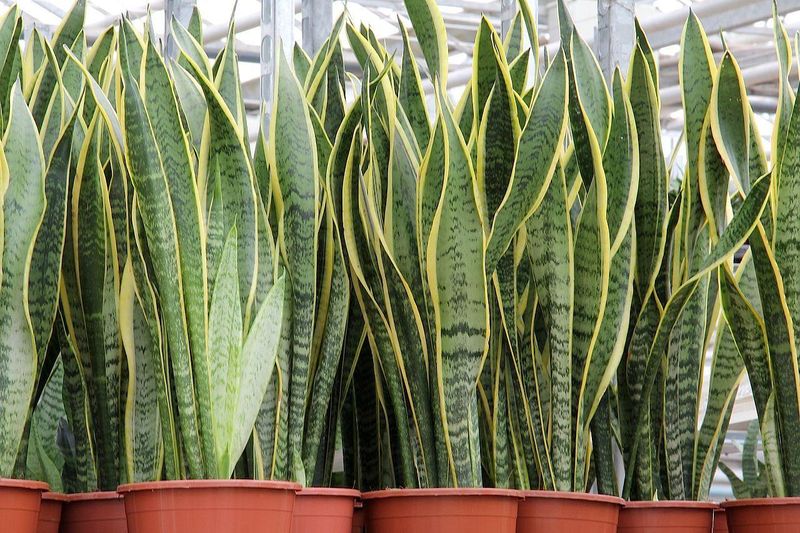
Not rotating your snake plant can lead to uneven growth. These plants tend to grow towards the light source, causing one side to develop more than the other. To maintain symmetry, rotate the plant every few weeks, ensuring even light exposure. This simple practice encourages balanced growth and a healthier appearance. Monitoring how the plant responds to rotation helps you decide the best frequency for your space. Consistently rotating your snake plant enhances its beauty and ensures it remains a striking centerpiece, no matter where it’s placed in your home.
16. Ignoring Root Health
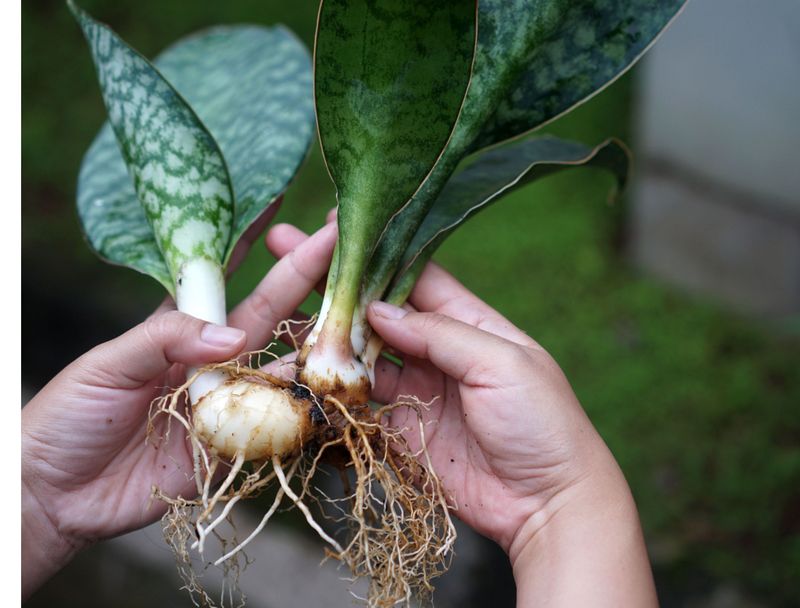
Overlooking root health can compromise a snake plant’s vitality. Regularly inspect the roots during repotting for signs of rot or overcrowding. Healthy roots appear white and firm, while mushy or brown roots signal distress. Address root issues by trimming damaged areas and ensuring proper soil drainage. Using a root stimulant can promote recovery and vigorous growth. Prioritizing root health provides a strong foundation for the plant, supporting its resilience against stress. Attention to the hidden aspects of plant care ensures your snake plant remains robust and flourishing, ready to grace your home with its elegance.
17. Avoiding Pruning
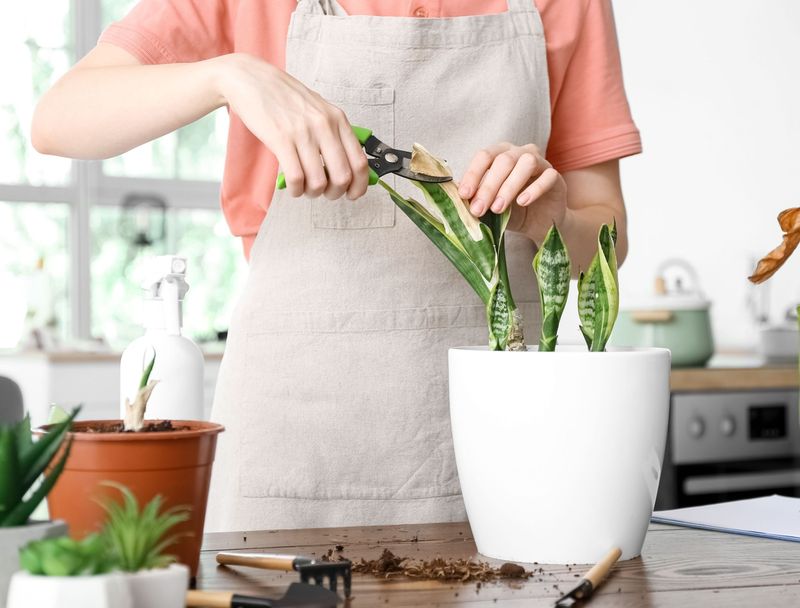
Neglecting to prune your snake plant can lead to an unkempt appearance. Regular pruning helps remove old or unhealthy leaves, promoting new growth and aesthetic appeal. Use clean, sharp scissors to trim leaves at the base, avoiding damage to healthy tissue. Pruning not only revitalizes the plant but also allows for better air circulation among leaves. Observing how your plant responds to pruning will guide future practices, ensuring continued vitality. This attention to detail keeps your snake plant looking its best, showcasing its architectural beauty and enhancing its role as a decorative element in your home.
18. Not Using Mulch
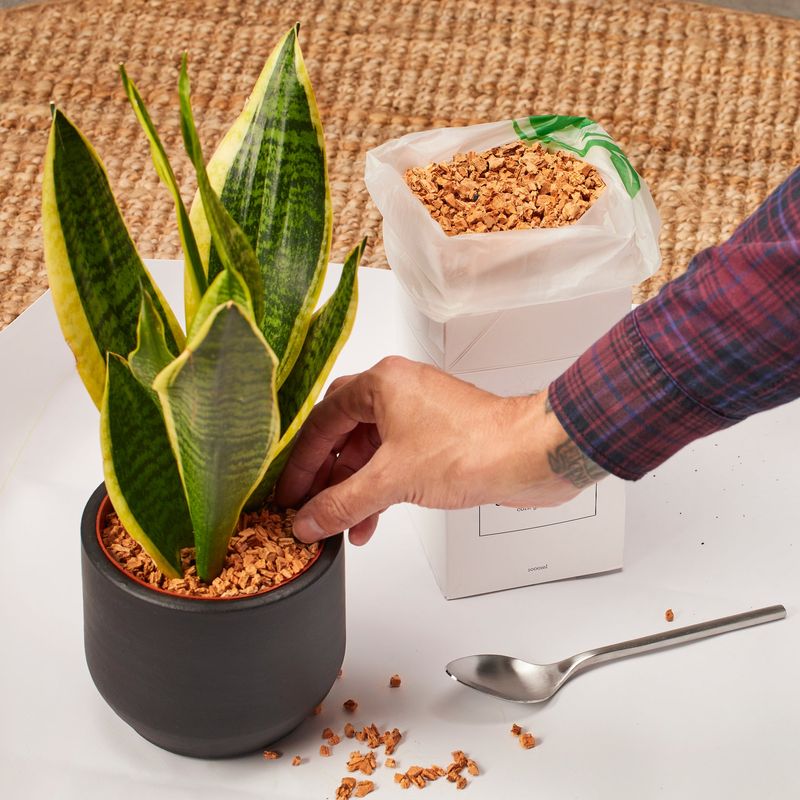
Forgetting to mulch your snake plant can lead to moisture imbalance. Mulch helps retain soil moisture, regulates temperature, and provides a barrier against pests. Choose organic mulch like bark or pebbles to complement the plant’s aesthetic. Apply a thin layer over the soil, avoiding direct contact with the plant base. This practice enhances the plant’s environment and supports its natural growth cycle. Monitoring the mulch’s condition will inform when to refresh it for continued benefits. Incorporating mulch into your plant care routine adds a layer of protection and visual interest to your snake plant setup.
19. Failure to Identify Plant Type
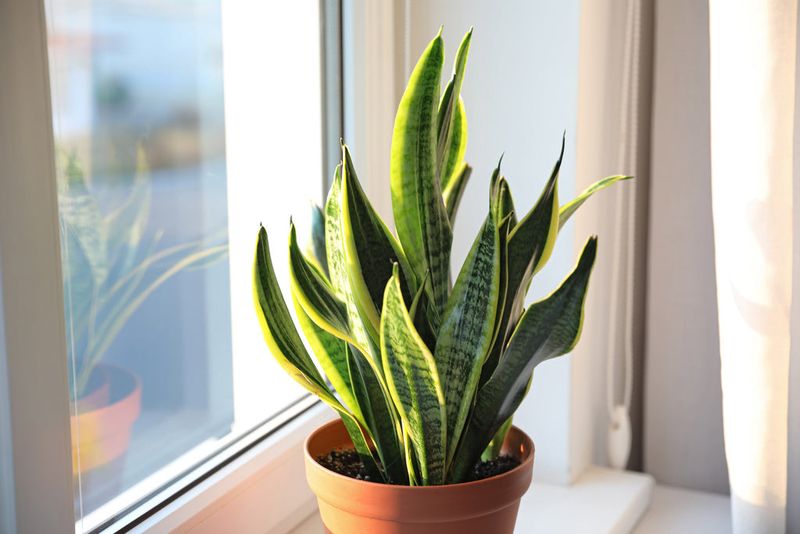
Not recognizing the specific type of snake plant can lead to care errors. Variations like Sansevieria trifasciata, cylindrica, and laurentii have different growth habits and requirements. Identifying your plant type guides appropriate care adjustments, such as light preference and spacing needs. Researching your specific variety allows you to tailor care practices for optimal growth. Engaging with online plant communities can provide insights and support. Knowing your plant fosters a deeper connection and appreciation, enhancing your plant care experience. Embracing this knowledge nurtures not only your plant but also your role as a dedicated plant caretaker.
20. Improper Cleaning Practices
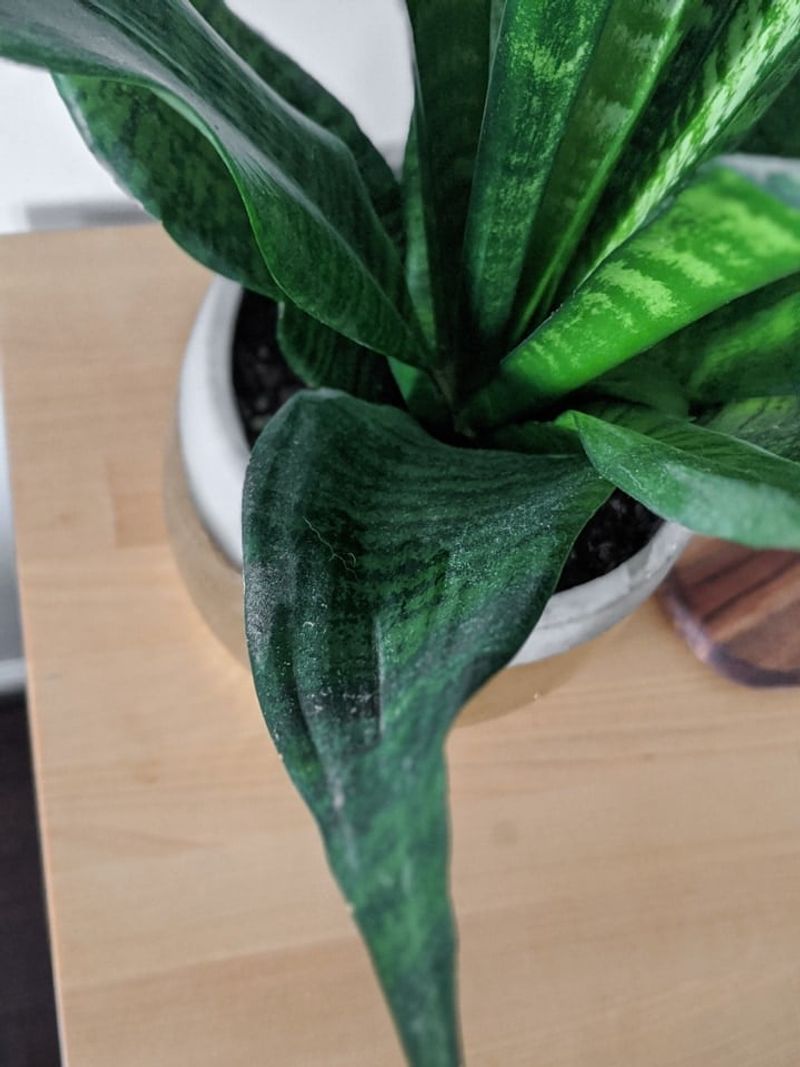
Overlooking proper cleaning practices can dull a snake plant’s allure. Regularly dusting the leaves with a soft cloth maintains their vibrant shine and supports photosynthesis. Avoid using harsh cleaning solutions that can damage leaf surfaces. Instead, opt for plain water or a gentle soap mixture. Pay attention to the undersides of leaves where dust and pests may accumulate. This routine care enhances the plant’s health and contributes to its striking visual presence. Keeping your snake plant clean not only benefits its growth but also enriches your living space with its beauty and air-purifying qualities.