 Complete Gardening
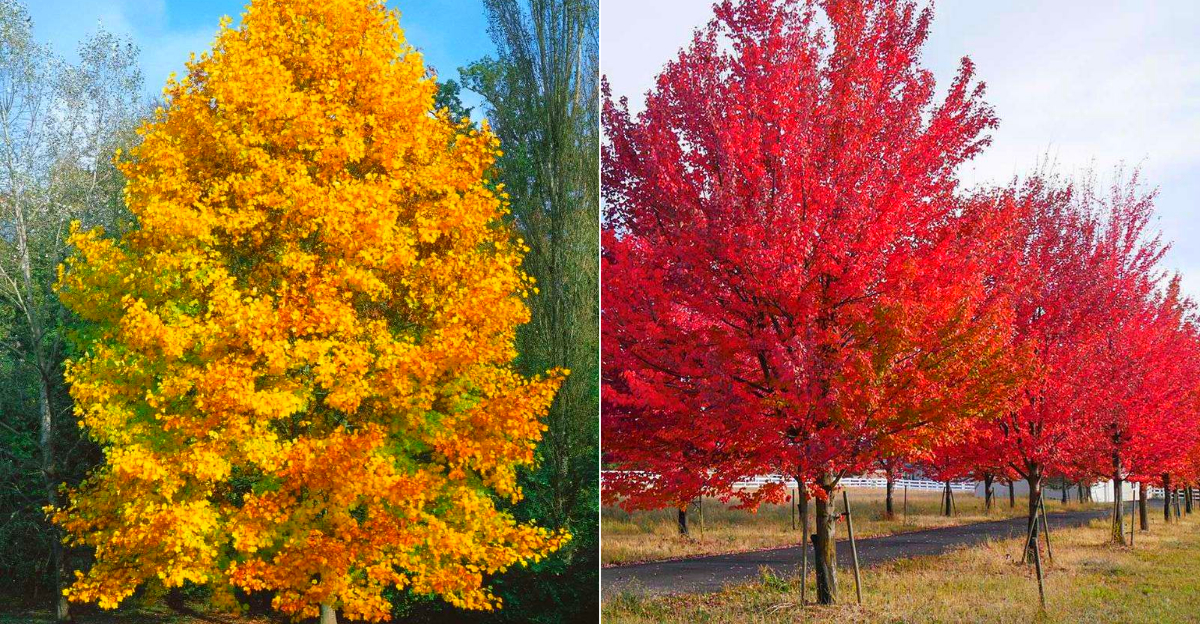
South Carolina’s climate, characterized by warm summers and mild winters, presents the perfect backdrop for a variety of shade trees. Whether you’re seeking respite from the sun in your backyard or beautifying a local park, selecting the right tree is essential. This guide explores ten shade trees that thrive in South Carolina’s unique environment, offering both aesthetic appeal and practical benefits.
1. Live Oak
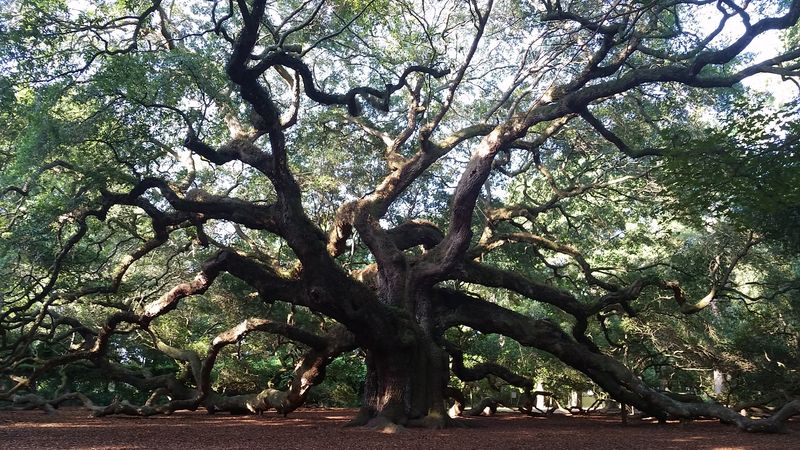
The live oak is an icon of Southern landscapes, with its massive, sprawling branches offering ample shade. Known for its resilience, this tree withstands the coastal winds of the Carolinas, making it a staple in many gardens. Its evergreen foliage ensures year-round beauty, providing a sanctuary for birds.
Planting a live oak can enhance the charm of any space. The tree’s broad canopy creates a natural haven, ideal for picnics or leisurely afternoons. Its sturdy branches have long been a favorite for hanging swings, offering endless fun for families.
The live oak’s longevity and strength are matched by its historical significance. Frequently, these trees have witnessed centuries of history, standing as silent sentinels through time. Famous examples often line the streets of historic Southern towns.
2. Southern Magnolia
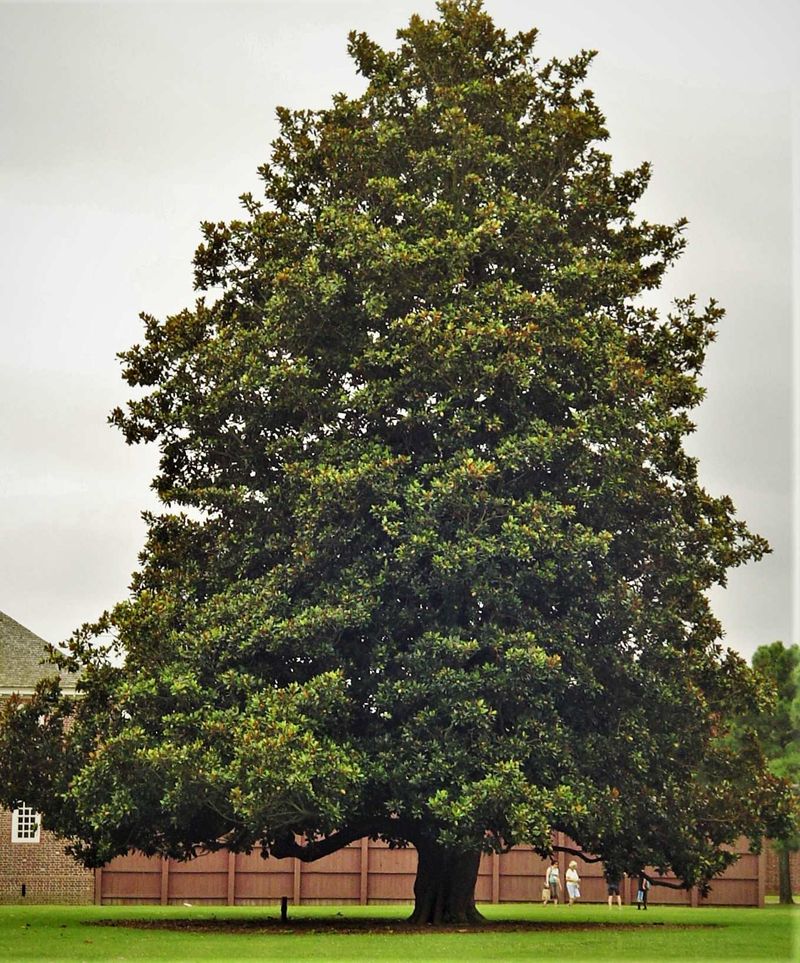
The Southern Magnolia captivates with its glossy, dark green leaves and fragrant, white flowers. In bloom, this tree becomes a centerpiece, drawing attention and admiration. Its large, waxy flowers exude a subtle yet inviting fragrance that fills the surrounding air.
This evergreen giant is not only visually striking but also offers significant shade, perfect for creating cool, inviting outdoor spaces. Its dense foliage provides privacy and a habitat for birds, adding a layer of tranquility to any garden.
A symbol of the South, the Southern Magnolia’s grandeur is unmatched. It has inspired countless artists and writers, its beauty a muse for Southern creativity.
3. Sweetgum
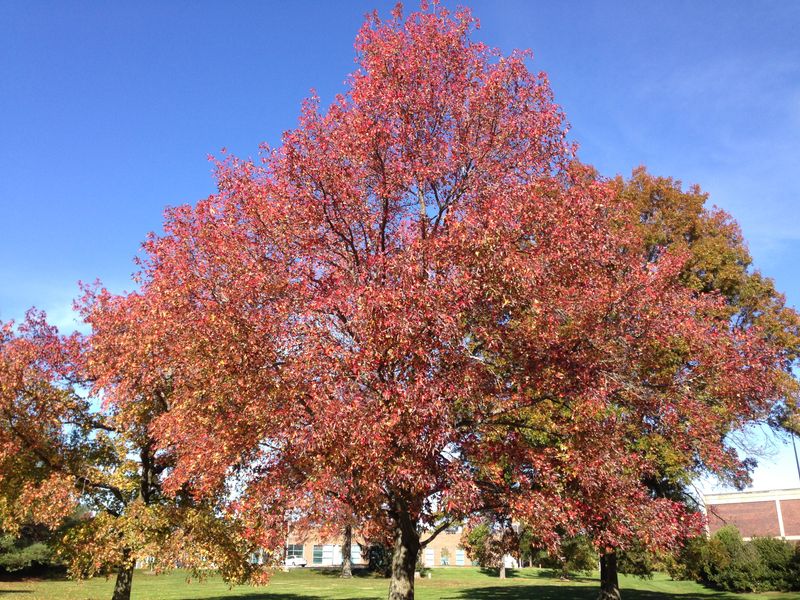
Sweetgum trees are celebrated for their star-shaped leaves and vibrant fall colors. In autumn, these trees transform into a tapestry of oranges, reds, and purples. Their unique seed pods add an interesting texture to the landscape, making them a conversation starter.
Beyond aesthetics, sweetgum trees are robust and adaptable, thriving in various soil types. They provide ample shade, making them ideal for parks and large gardens. The tree’s height and spread offer excellent coverage, ensuring cool retreats during hot summer days.
While often associated with the fall, sweetgum trees maintain their allure year-round. Their ability to adapt and thrive makes them a favorite among gardeners seeking both beauty and resilience.
4. Tulip Poplar
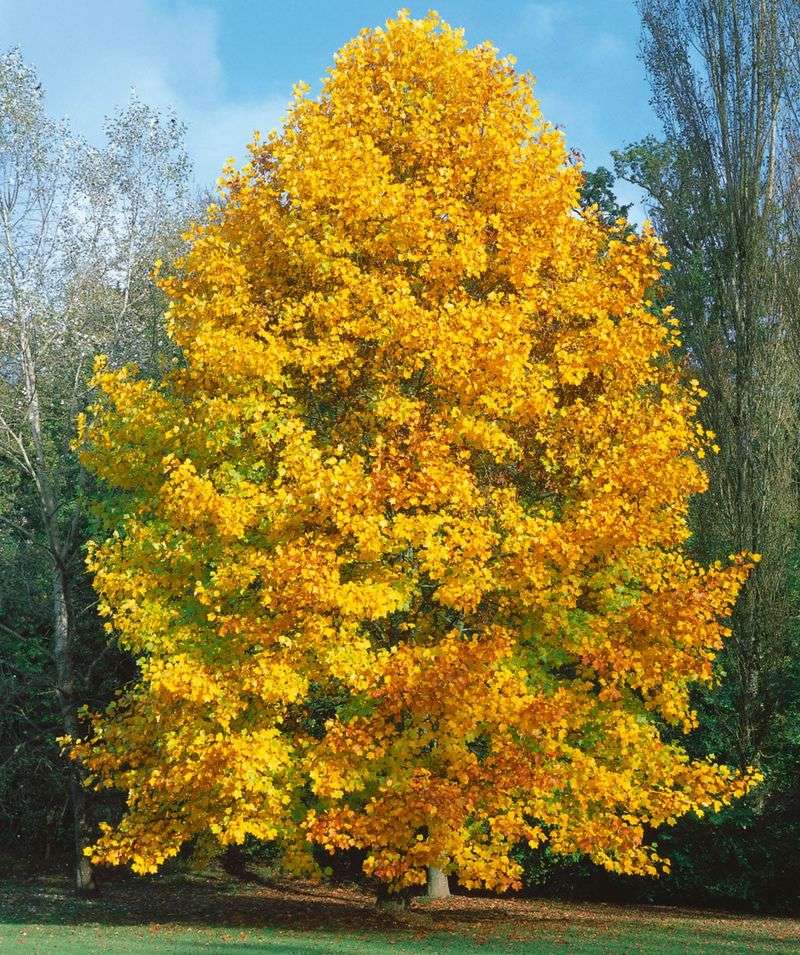
The Tulip Poplar stands tall as one of the most majestic trees native to South Carolina. Its straight trunk and towering height make it a standout, while its tulip-shaped flowers bring a touch of elegance. During spring, these flowers dot the tree, adding bursts of color and charm.
This deciduous tree is not only beautiful but also offers generous shade. Its large leaves create a canopy that cools the ground below, making it a perfect addition to gardens aiming for natural, shaded areas.
Tulip Poplars are fast-growing, quickly reaching impressive heights. This rapid growth, combined with their aesthetic appeal, makes them popular among those looking to quickly enhance their landscapes.
5. Bald Cypress
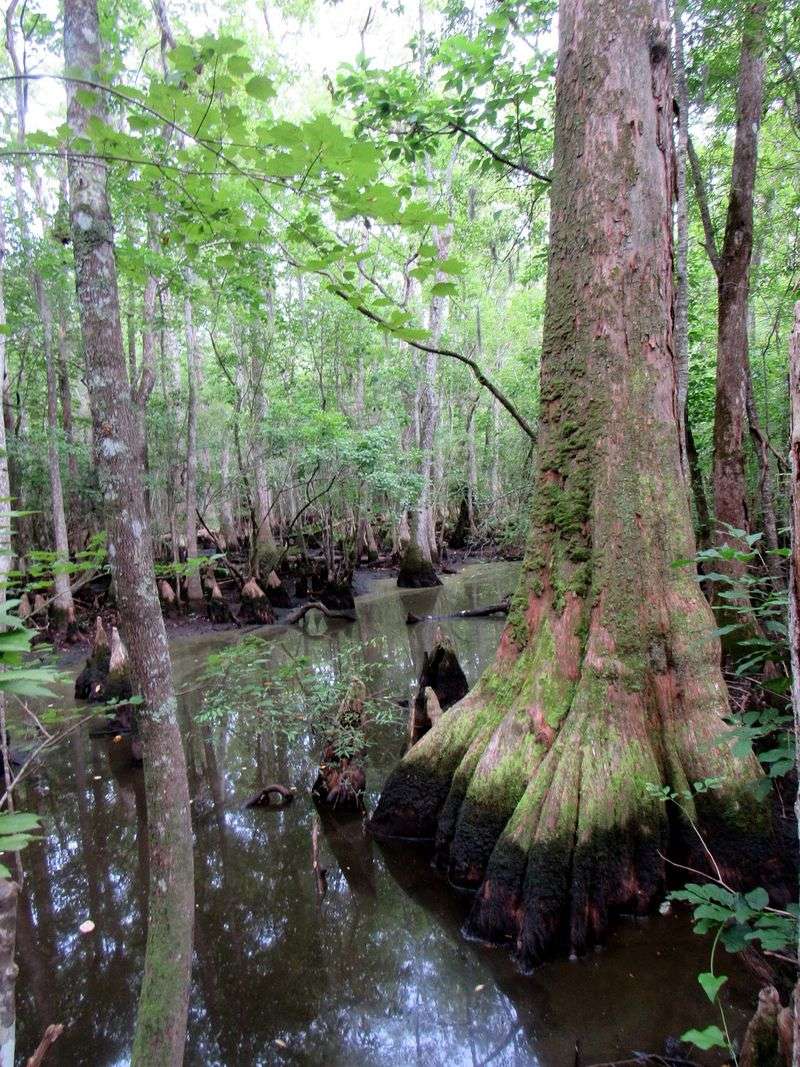
The Bald Cypress, often found in South Carolina’s swamps, presents a unique charm. Its flared trunk and feathery foliage set it apart, while its ability to thrive in waterlogged soils makes it ideal for wetland areas. This tree becomes a striking focal point in any landscape.
Despite its association with swampy terrains, the Bald Cypress also thrives in well-drained soils. Its adaptability extends to its foliage, which transitions from green to a rich russet in the fall, offering seasonal interest.
Known for its strength and longevity, the Bald Cypress is a testament to nature’s resilience. It’s a favorite among those looking to introduce a touch of the wild into their gardens.
6. Red Maple
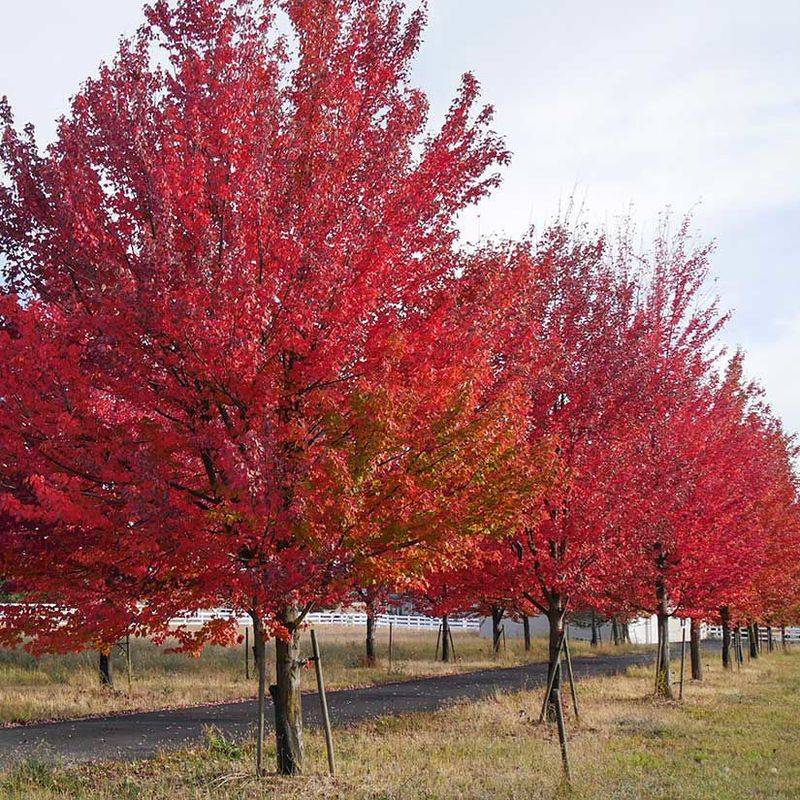
The Red Maple is a spectacle, especially during autumn when its leaves turn a brilliant red. This tree’s vibrant display is a highlight of the fall season, attracting nature lovers and photographers alike. Its versatility and beauty make it a popular choice for urban and rural settings.
Aside from its seasonal beauty, the Red Maple provides ample shade throughout the year. Its rounded form and lush foliage create inviting spaces, perfect for relaxation or play. This adaptability extends to various soil conditions, where the Red Maple thrives.
As a native tree, the Red Maple plays an integral role in local ecosystems, supporting wildlife and enhancing biodiversity. Its presence in a garden is both practical and ecologically beneficial.
7. River Birch
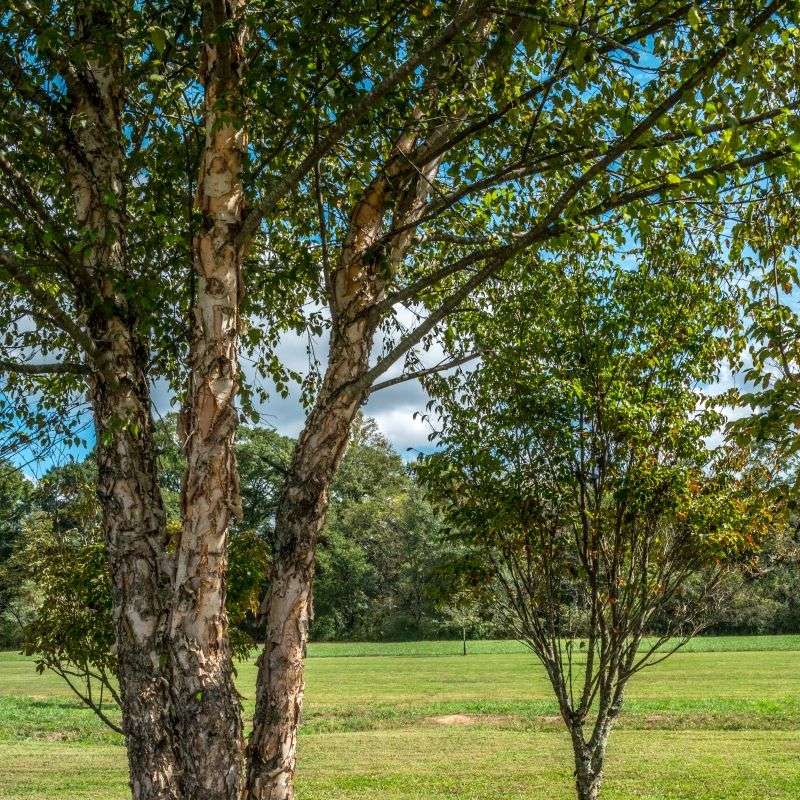
The River Birch is known for its distinctive, peeling bark which adds an element of texture to any landscape. Its multi-stemmed trunk and graceful branches make it an attractive choice for those seeking something different. Often found along riverbanks, this tree is synonymous with resilience and beauty.
With its affinity for moist soils, the River Birch thrives in areas that might challenge other trees. Its tolerance for various conditions makes it a reliable choice for difficult spots. Besides its visual appeal, the River Birch offers valuable shade, ideal for cooling nearby waters and surrounding areas.
Its unique characteristics and hardy nature have made it a favorite among landscape designers and homeowners alike. The River Birch’s adaptability and charm ensure it remains a standout choice for South Carolina gardens.
8. Willow Oak
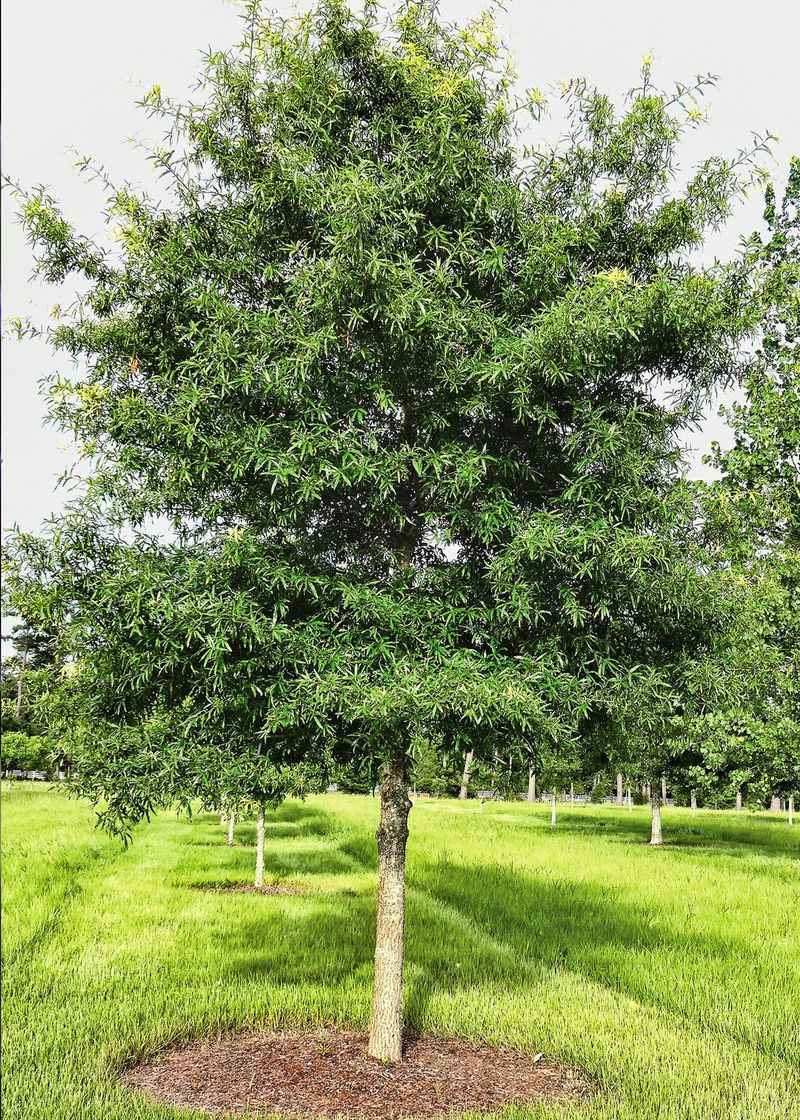
The Willow Oak, with its slender leaves and wide canopy, provides ample shade and a touch of grace to any environment. This tree’s adaptability to urban areas makes it a common sight in parks and along streets, where its presence softens hardscapes.
Its fast growth and robust nature ensure that it quickly becomes a centerpiece in any landscape. The Willow Oak’s dense foliage is perfect for creating shaded retreats, offering both beauty and function. Its leaves, resembling those of a willow, add a touch of whimsy to its strong form.
The Willow Oak’s popularity stems from its reliability and aesthetic appeal. It’s a go-to choice for those looking to introduce a sense of elegance and tranquility to their surroundings.
9. Ginkgo
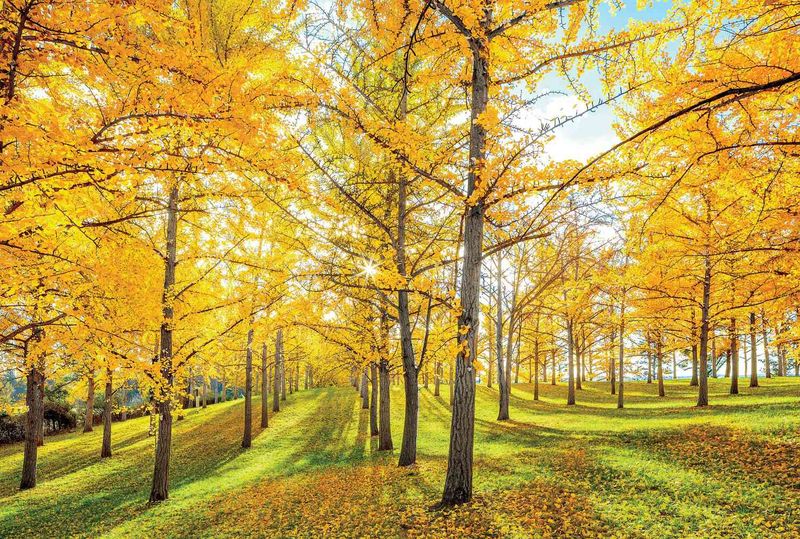
The Ginkgo tree, with its fan-shaped leaves, is a living fossil, having existed for millions of years. Its unique foliage turns a stunning golden yellow in the fall, creating a visual feast for the eyes. This tree’s ancient lineage adds a touch of mystique to any garden.
Ginkgos are known for their resilience, thriving in urban environments and resisting pollution. Their height and spread make them ideal for providing shade in city parks and gardens. This adaptability ensures they can flourish in various conditions, offering year-round interest.
Often planted for its ornamental value, the Ginkgo’s history and beauty make it a cherished addition to South Carolina landscapes. Its presence is both captivating and soothing, drawing admiration from all who encounter it.
10. American Beech
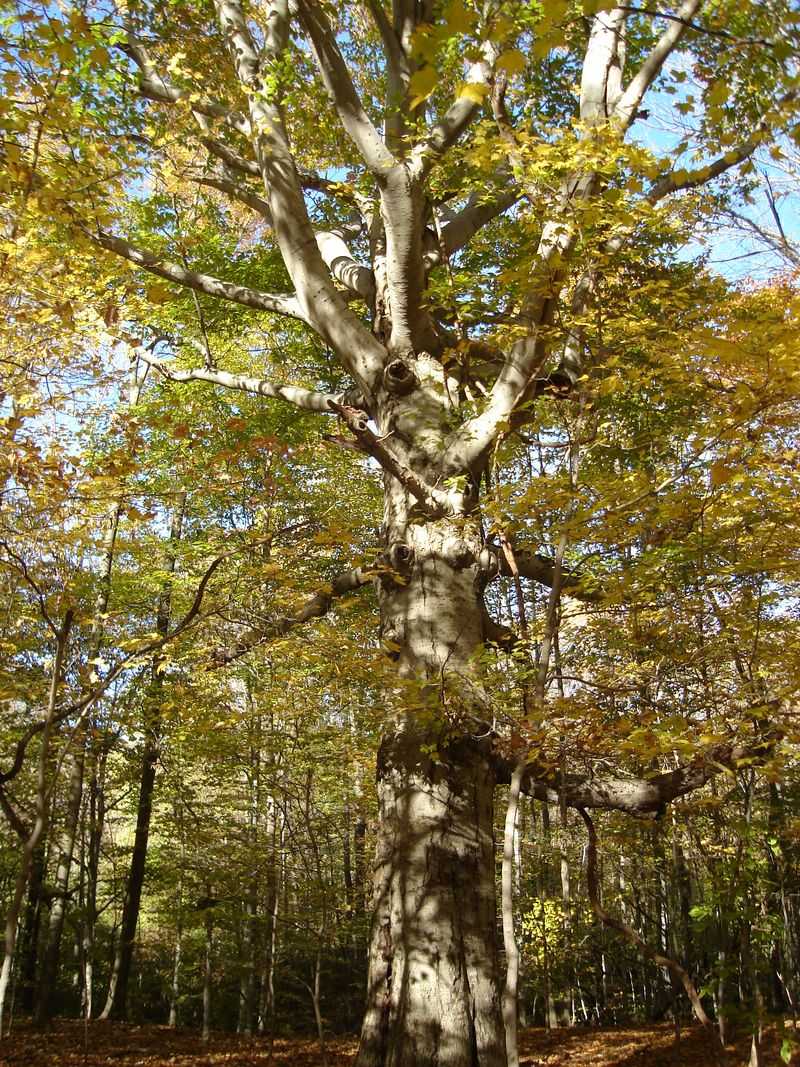
The American Beech is a symbol of grace and longevity, with its smooth gray bark and dense canopy offering delicious shade. Its leaves, which turn a brilliant bronze in fall, add seasonal beauty to its already picturesque form. Often found in forests, this tree is a favorite among those seeking tranquility.
This tree’s ability to thrive in both shaded and sunny areas makes it versatile. Its deep roots stabilize soils, providing ecological benefits to local environments. The American Beech is not only beautiful but also plays a crucial role in supporting wildlife.
With a reputation for elegance and strength, the American Beech is a timeless choice for those looking to enhance their outdoor spaces. Its presence adds a sense of history and continuity to any landscape, making it a cherished feature.