 Complete Gardening
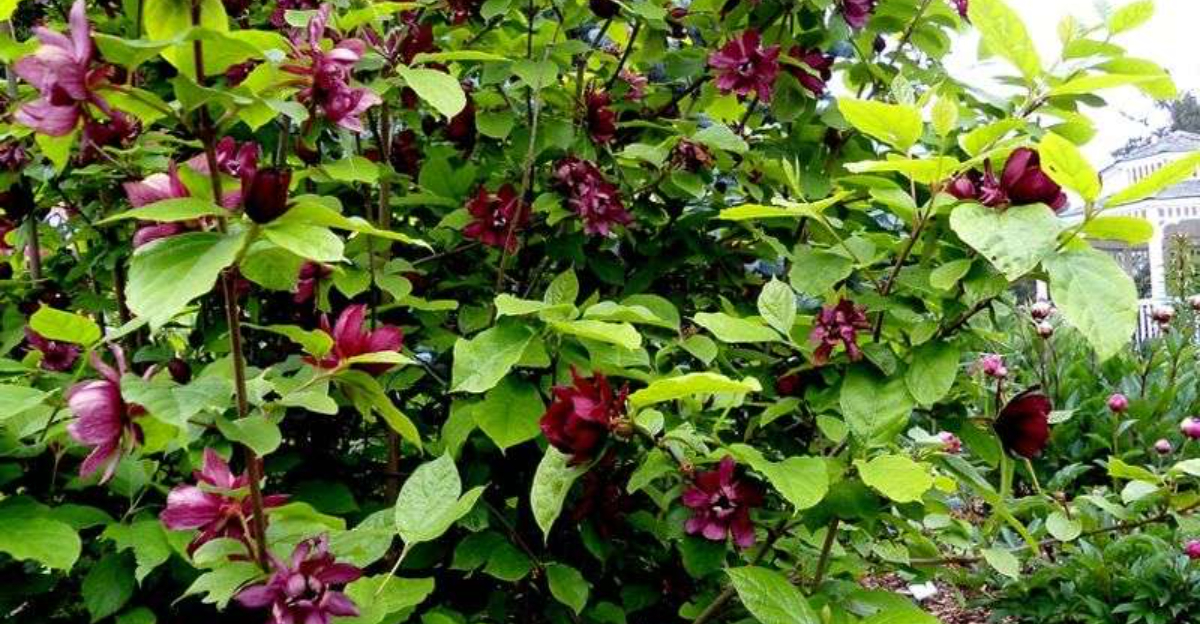
Discover the allure of the Spice Bush, a remarkable shrub celebrated for its aromatic charm and ecological significance. Known scientifically as Calycanthus floridus, this plant offers more than just visual appeal.
From its historical uses to its role in attracting pollinators, the Spice Bush is a versatile addition to any garden. Join us as we explore seven fascinating facts about this enchanting plant, each showcasing its unique characteristics and benefits.
1. Sweet, Spicy Fragrance
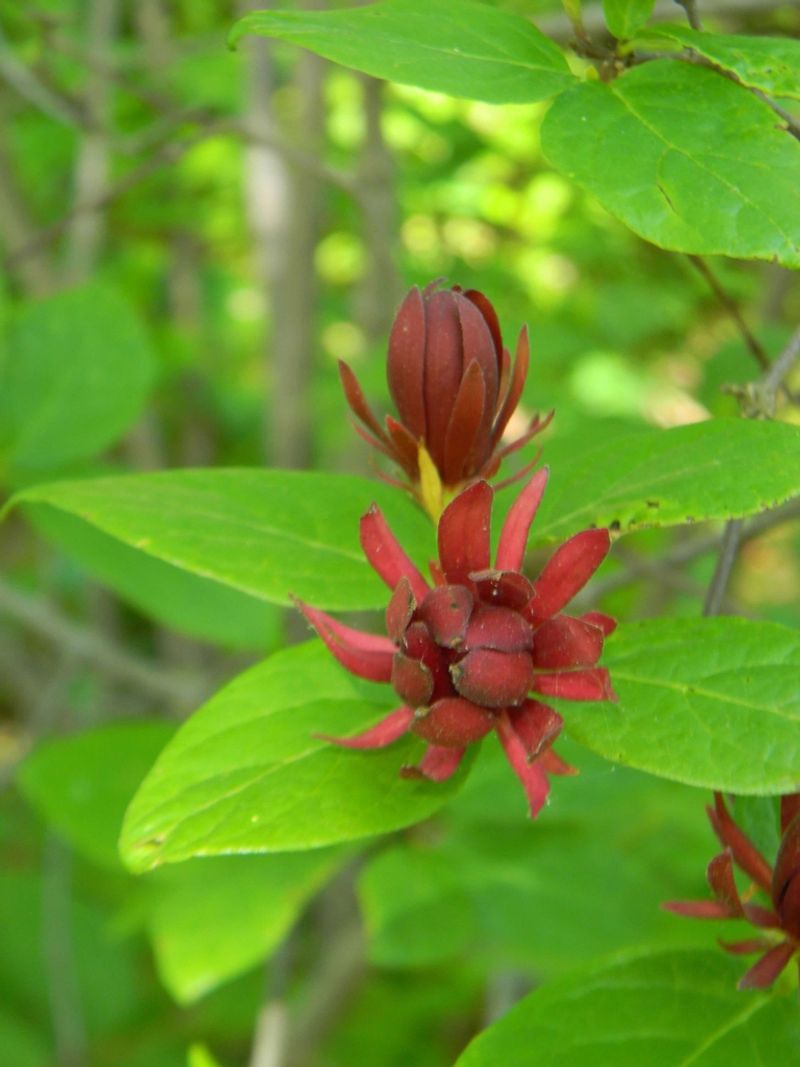
The Spice Bush, affectionately referred to as Carolina Allspice or Sweetshrub, captivates with its warm, spicy fragrance. This scent, reminiscent of cinnamon, cloves, and strawberries, emanates from its bark, leaves, and flowers.
Imagine strolling through your garden, enveloped in this delightful aroma. The scent not only pleases the senses but also enhances the garden’s atmosphere.
Whether you’re hosting a garden party or enjoying solitude, the Spice Bush’s fragrance offers a comforting embrace. Its aromatic qualities make it a natural choice for spaces where relaxation and rejuvenation are desired.
2. Unique, Long-Lasting Flowers
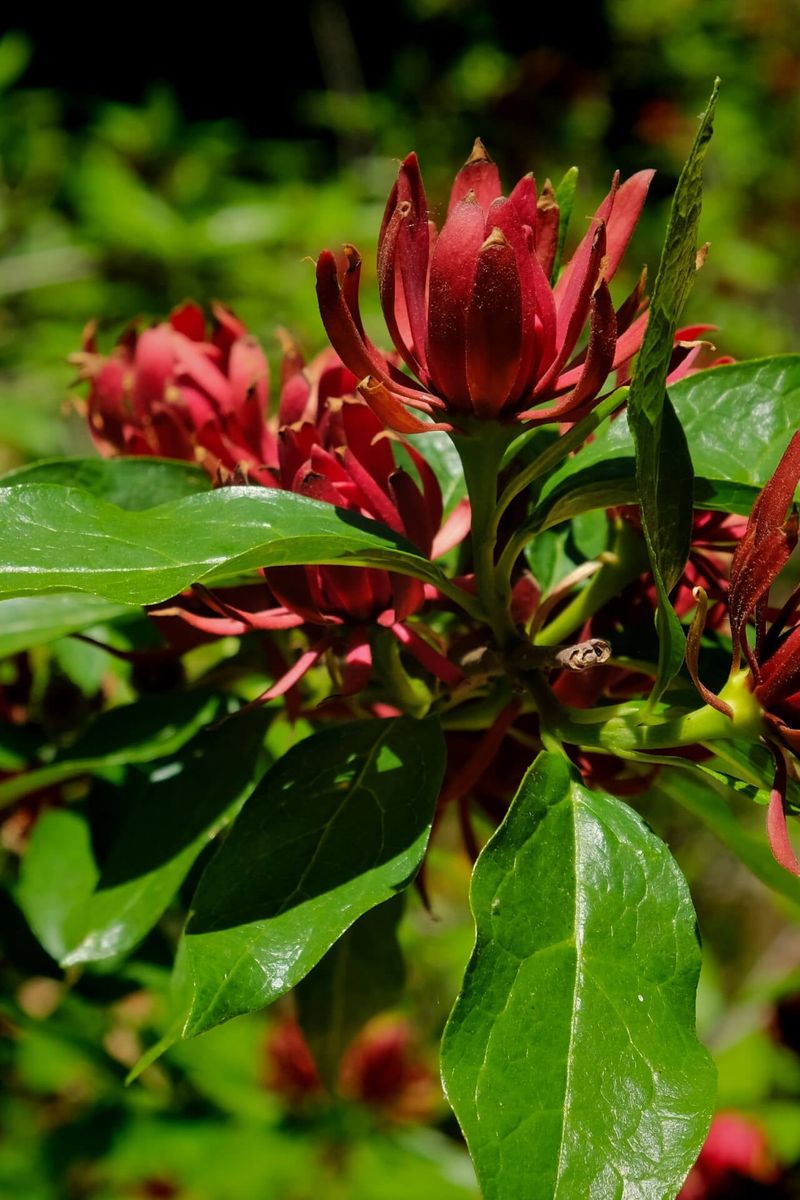
Spice Bush boasts stunning flowers that range from deep red to burgundy, adding a splash of color to any garden. These blooms, resembling small magnolias, emerge in late spring and early summer, offering visual delight for several weeks.
The long-lasting nature of these flowers means consistent beauty throughout the growing season. Their vibrant hues not only attract human admiration but also serve as beacons for pollinators.
Incorporating Spice Bush into your garden ensures a lively display of nature’s artistry, making it a focal point for garden enthusiasts.
3. Native to the Southeastern U.S.
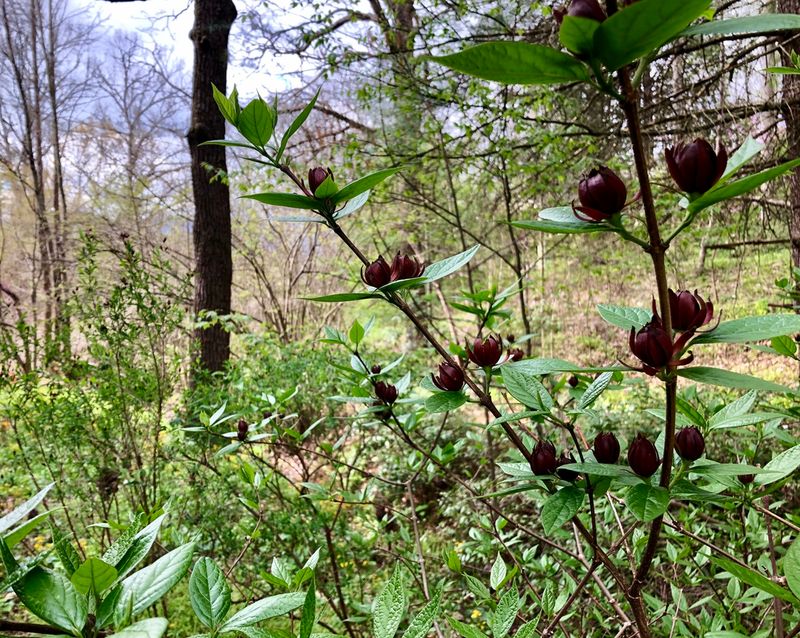
Calycanthus floridus, commonly known as Spice Bush, is indigenous to the woodlands and stream banks of the southeastern United States. This hardy shrub thrives in moist, well-drained soils, seamlessly integrating into the region’s natural landscape.
Its adaptability to local conditions makes it an excellent choice for native plant gardens. By planting Spice Bush, gardeners support local ecosystems and promote biodiversity.
This connection to the southeastern U.S. not only enhances its allure but also underscores the importance of choosing native plants for sustainable gardening practices.
4. Drought-Tolerant and Low-Maintenance
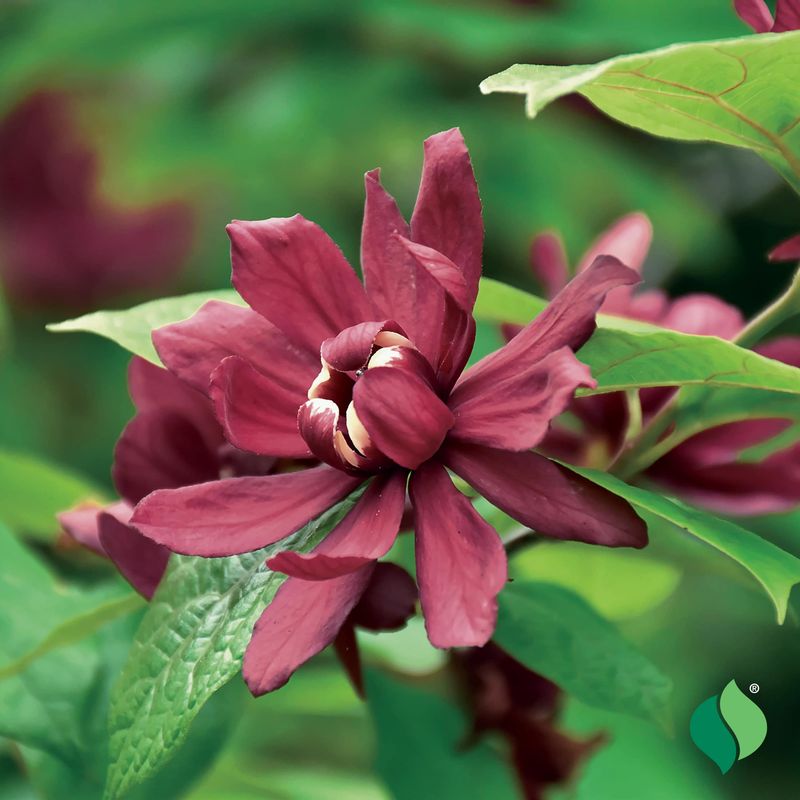
Once established, Spice Bush proves to be a robust and resilient addition to gardens. Its drought tolerance allows it to thrive even in challenging conditions, reducing the need for constant watering.
This adaptability extends to a variety of soil types, making it suitable for diverse garden environments. Despite its hardiness, Spice Bush requires minimal maintenance, making it ideal for gardeners seeking low-effort solutions.
Its ability to flourish with little intervention makes it a practical choice for busy lifestyles, allowing more time to enjoy its beauty and less time on upkeep.
5. Attracts Pollinators
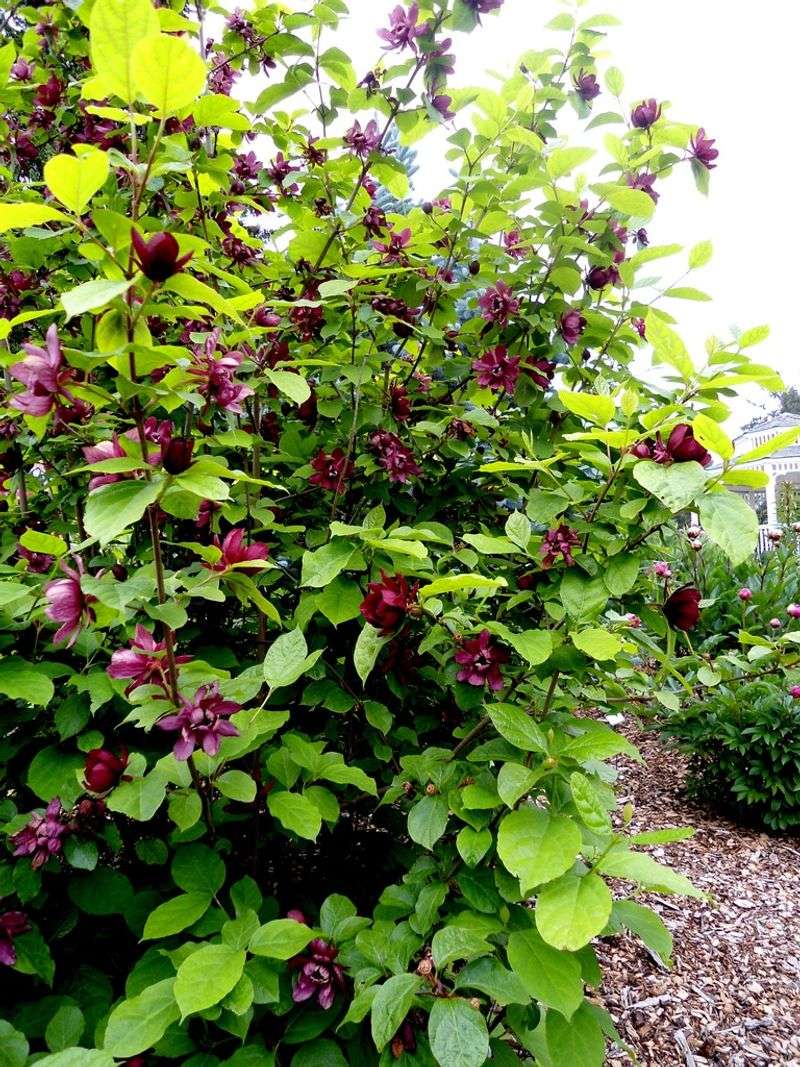
The mild, fruity scent of Spice Bush flowers is a magnet for pollinators, drawing in bees, butterflies, and beetles. This feature makes it a valuable addition to pollinator-friendly gardens, supporting biodiversity and ecological health.
By choosing Spice Bush, gardeners contribute to the preservation of essential pollinator populations. The presence of these insects not only enhances the garden’s vibrancy but also supports the reproduction of other plants.
Engaging with nature through the cultivation of Spice Bush strengthens the bond between gardeners and their environment, fostering a thriving, balanced ecosystem.
6. Historical and Medicinal Uses
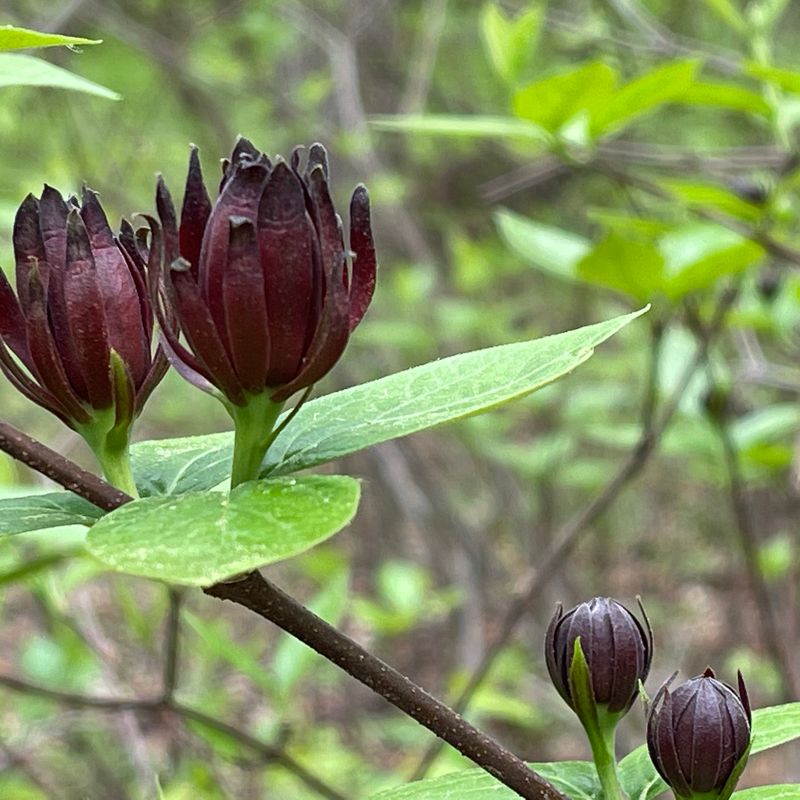
Spice Bush holds a rich history of use by Indigenous peoples and early settlers. Its fragrant bark and leaves were traditionally crafted into medicinal teas, perfumes, and even insect repellents.
These uses highlight the plant’s versatile nature and its role in historical daily life. Modern gardeners can appreciate this heritage by incorporating Spice Bush into their landscapes, honoring age-old traditions.
While its historical uses add a layer of cultural significance, gardeners today might explore its aromatic properties to create natural remedies or simply enjoy its scent.
7. Deer-Resistant and Pest-Free
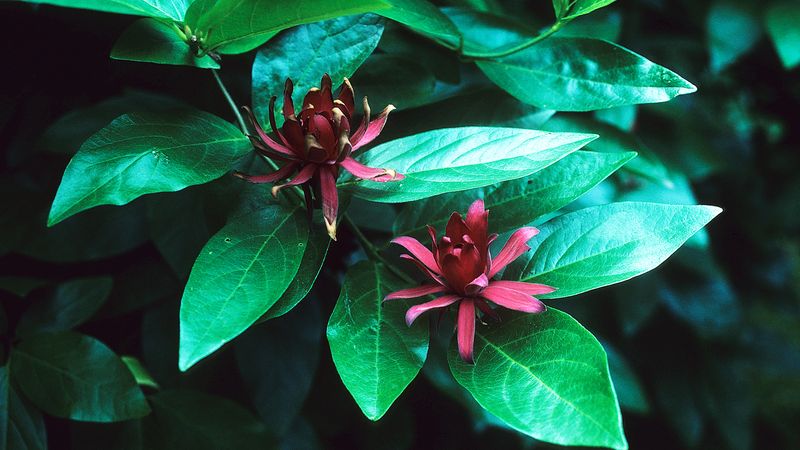
Thanks to its aromatic leaves and bark, Spice Bush naturally deters deer and most common garden pests. This resistance makes it an excellent choice for gardens prone to wildlife interference.
Gardeners seeking to protect their landscapes from damage will find this shrub a valuable ally. Its pest-free nature means fewer worries about infestations, allowing the plant to thrive without chemical interventions.
This natural defense mechanism not only preserves the plant’s health but also aligns with eco-friendly gardening practices, promoting a harmonious coexistence with nature.