Complete Gardening
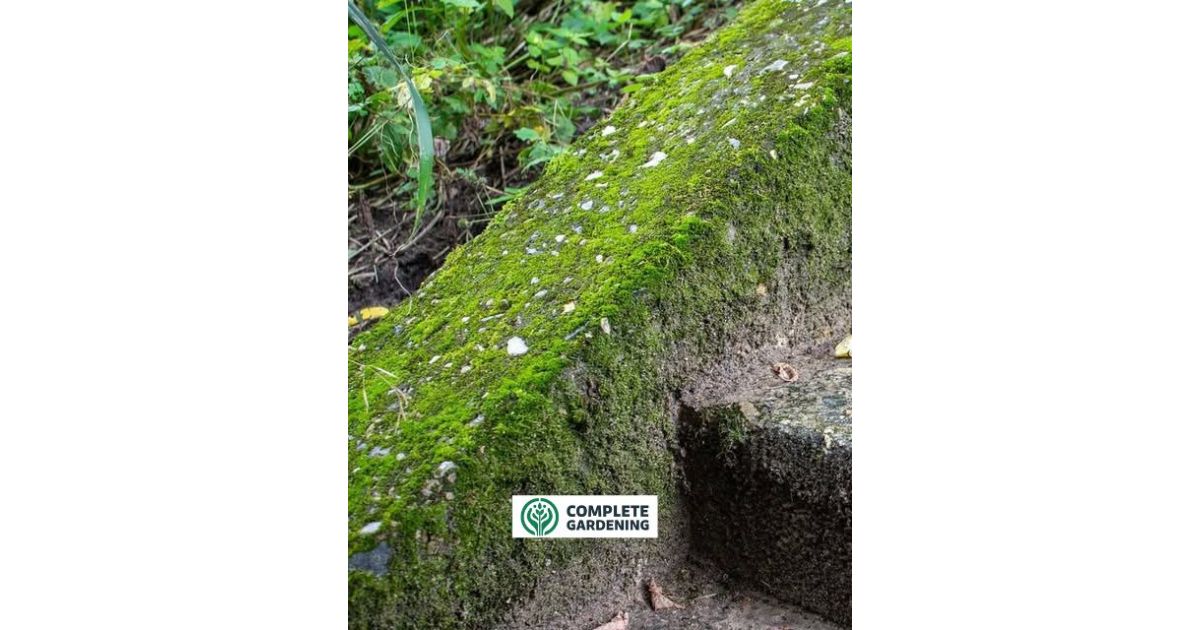
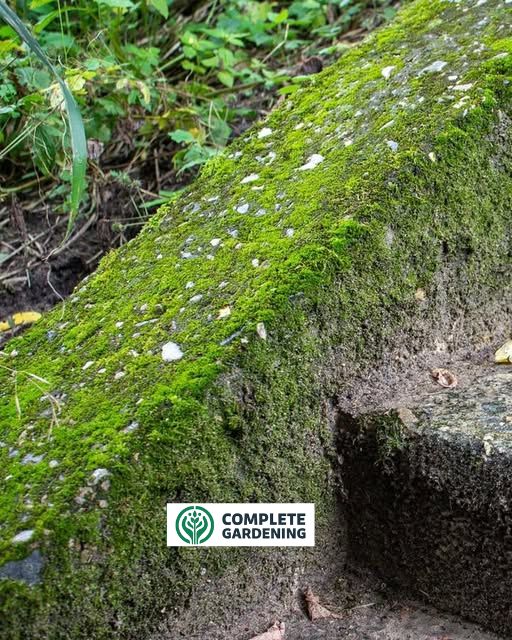
If you’ve noticed mysterious green patches forming near your garden, you’re not alone. Many gardeners are puzzled when they spot this fuzzy, moss-like growth that looks like a sign of decay or neglect. But before you grab your rake to clear it away, you might be surprised to learn that this “green stuff” can actually be beneficial to your garden.
This guide will help you identify what the growth really is, understand its role in your garden, and decide whether to remove it or let it thrive.
1. Moss or Mold? Here’s How to Tell the Difference
The first step is to figure out what you’re dealing with. That green coating could be moss or mold, and while they look similar, they behave very differently. Moss is a small, non-vascular plant that grows in soft, cushiony mats on soil, rocks, or tree bark. Mold, on the other hand, is a fungus that appears slimy or powdery and usually grows on decaying material.
To check, touch it gently — moss will feel soft and velvety, while mold often feels wet or slippery. If it’s moss, there’s good news: it’s not harmful and may actually be helping your garden in surprising ways.
2. Moss: The Unsung Hero of Your Garden Ecosystem
Moss often appears where other plants struggle to grow — in shady, damp areas. It’s one of nature’s pioneers, stabilizing soil, preventing erosion, and preparing the ground for other plants to flourish later. Far from being a nuisance, moss helps build a healthier, more balanced garden ecosystem.
It also acts like a natural sponge, holding onto moisture and nutrients that benefit nearby plants. So rather than removing it, consider how it can support your garden’s overall health.
3. Why You Might Want to Keep It
Moss is more than just a soft green carpet — it offers several benefits:
- Moisture retention: It keeps the soil consistently hydrated, reducing how often you need to water.
- Weed suppression: Dense moss growth limits space for unwanted weeds.
- Air purification: Moss absorbs pollutants and releases oxygen, improving air quality.
Plus, it’s virtually maintenance-free, making it a great choice for low-effort gardening.
4. A Natural Water Saver
Because moss absorbs and holds water so efficiently, it acts like a built-in moisture regulator. This makes it especially helpful in gardens with sandy or quick-draining soil. It can also protect roots during hot spells by keeping the soil cool and damp.
If you live in an area with dry summers, encouraging moss growth could help your plants handle drought conditions better.
5. Adding Beauty and Texture to Your Garden
Moss has long been prized for its soothing, natural beauty. Its velvety green texture brings a calming, woodland-like feel to any garden space. You can use it around stepping stones, along shaded pathways, or between rocks to create a peaceful, balanced look.
In areas where grass won’t grow — such as under trees or in full shade — moss provides a lush, green alternative that requires no mowing or fertilizer.
6. A Hidden Habitat for Garden Helpers
Moss isn’t just pretty; it’s also a home for beneficial insects. Tiny creatures like springtails, spiders, and beetles use moss as a safe habitat. These insects help control pests and support pollination, creating a more self-sustaining garden ecosystem.
Encouraging moss growth can indirectly reduce the need for pesticides, making your garden safer for both plants and wildlife.
7. A Boost for Biodiversity and the Planet
Moss contributes to biodiversity by supporting countless microorganisms, insects, and even small animals. It also plays a role in carbon absorption, helping offset greenhouse gases on a small scale.
Its presence often indicates clean air and good environmental conditions — so if moss is thriving in your garden, it’s usually a sign that your ecosystem is in great shape.
8. Common Myths About Moss
Many gardeners assume moss is a sign of poor soil or neglect — but that’s a myth. Moss thrives in moist, shaded, and nutrient-rich environments, not in unhealthy ones.
Another misconception is that moss competes with other plants for nutrients. In reality, moss has shallow roots and doesn’t rob other plants of food or water. It peacefully coexists and often improves soil health.
9. Trending Now: Creative Ways to Use Moss
Moss has become a design favorite in modern landscaping. From living moss art on garden walls to lush terrariums and moss paths, there are endless ways to incorporate it. It’s also used in moss graffiti, an eco-friendly trend where gardeners create living designs using moss paste instead of paint.
For a touch of Zen, you can even add moss to rock gardens or around fountains for a tranquil, natural look.
10. When It’s Best to Remove Moss
While moss is mostly harmless, there are times when removal makes sense. If it’s growing on walkways, patios, or roofs where it becomes slippery, you should remove it to prevent accidents.
If moss starts crowding out plants you want to keep, try adjusting sunlight exposure or improving drainage to discourage its spread naturally, without chemicals.
11. Eco-Friendly Ways to Manage Moss Growth
If you prefer to control moss without removing it completely, rake it lightly or use hand-pulling to thin it out. Avoid harsh chemical treatments — they harm beneficial organisms and disrupt soil health.
By maintaining balanced light, moisture, and air circulation, you can control moss naturally while still keeping your garden’s ecosystem healthy.
Final Thoughts: Keep It or Remove It?
In most cases, moss is a friend, not a foe. It stabilizes soil, retains moisture, supports biodiversity, and adds beauty to shaded areas. Unless it’s creating a hazard or crowding other plants, keeping it will actually make your garden healthier and more sustainable.
So next time you spot that mysterious green patch, don’t rush to scrape it away — it might just be your garden’s quiet little ally.