 Complete Gardening
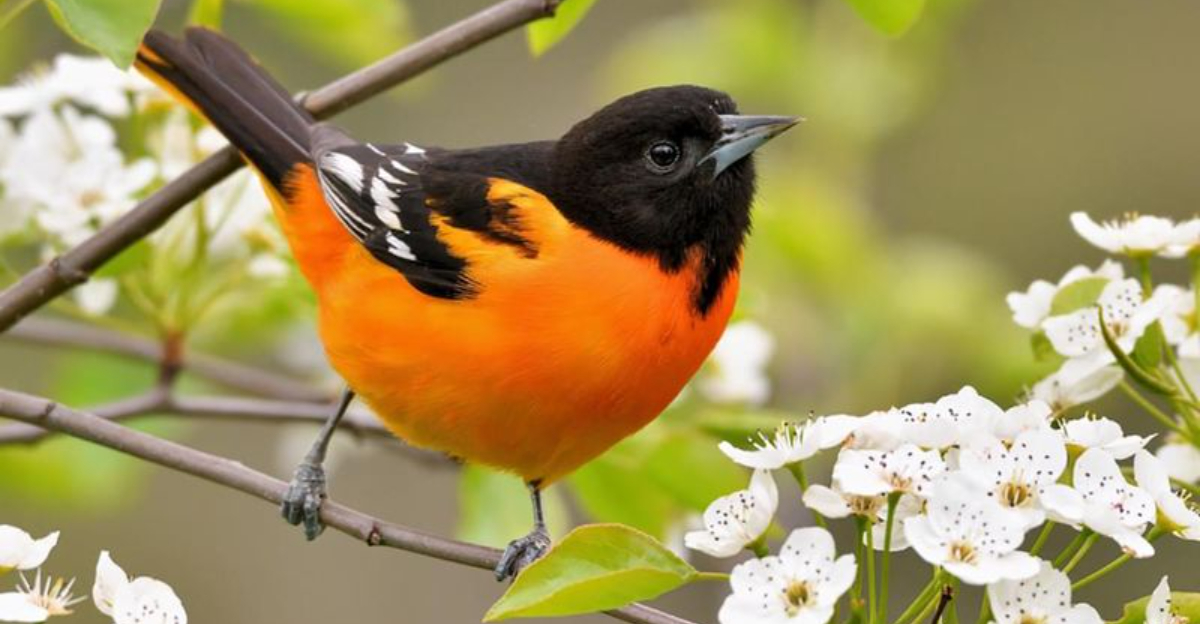
Discover the joy and wonder of birdwatching in your own backyard with these 15 miraculous avian visitors. Each bird is a testament to nature’s beauty, with unique colors, behaviors, and songs that make them a treasure to behold.
Keep your eyes peeled, as spotting even one of these remarkable creatures can transform an ordinary day into an extraordinary experience.
Whether you’re an avid birder or a curious novice, this guide will introduce you to some of the most stunning and elusive birds you might be lucky enough to see close to home.
1. Painted Bunting
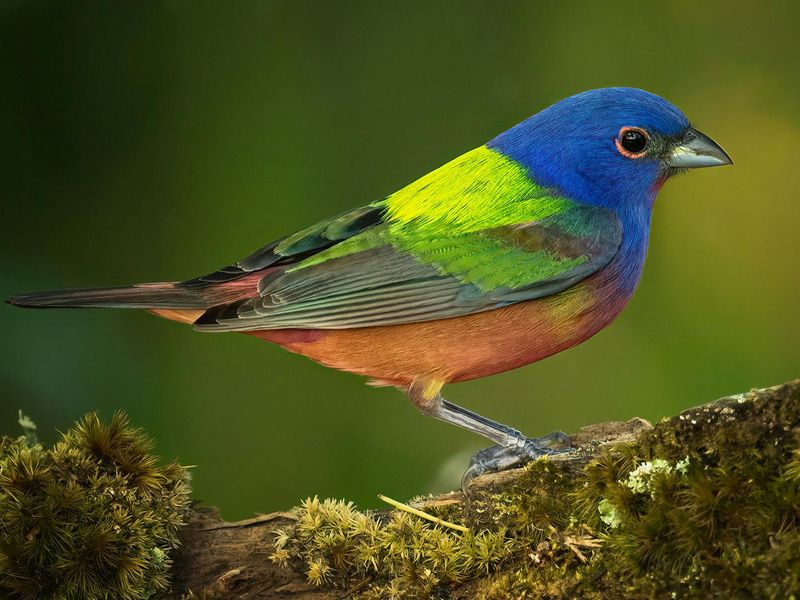
The Painted Bunting, with its kaleidoscope of colors, is truly a spectacle. Often described as a “flying rainbow,” this bird boasts brilliant hues of blue, green, red, and yellow. Males are particularly striking, resembling a vibrant canvas of nature’s finest palette.
These birds are shy and prefer dense cover, making them a rare but rewarding sight in your yard. Their song, a sweet and melodic warble, adds to their charm. Spotting one is a reminder of nature’s artistry, a vivid burst of color flitting through the foliage.
Fun fact: Despite their vivid colors, Painted Buntings are surprisingly hard to spot due to their preference for thick brush.
2. Indigo Bunting
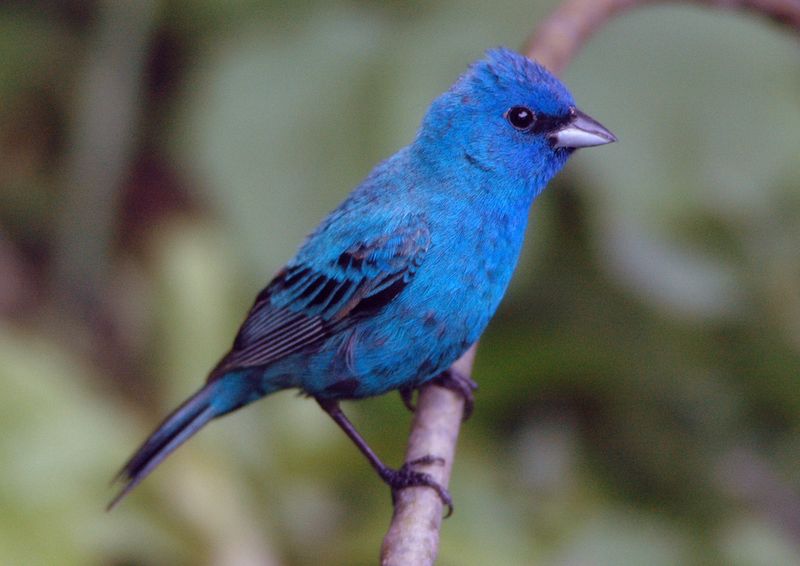
Indigo Buntings are known for their dazzling blue feathers that shimmer fantastically under the sunlight. During the breeding season, males are entirely blue, a captivating sight against lush greenery.
These birds navigate by the stars during migration, a remarkable feat of natural navigation. Their cheerful song often heralds the arrival of spring, with sweet, high-pitched notes.
Incredibly, these birds transition to a brownish color in the fall, showing nature’s adaptability. Their presence in your yard is like a dash of the sky brought down to earth.
3. Scarlet Tanager
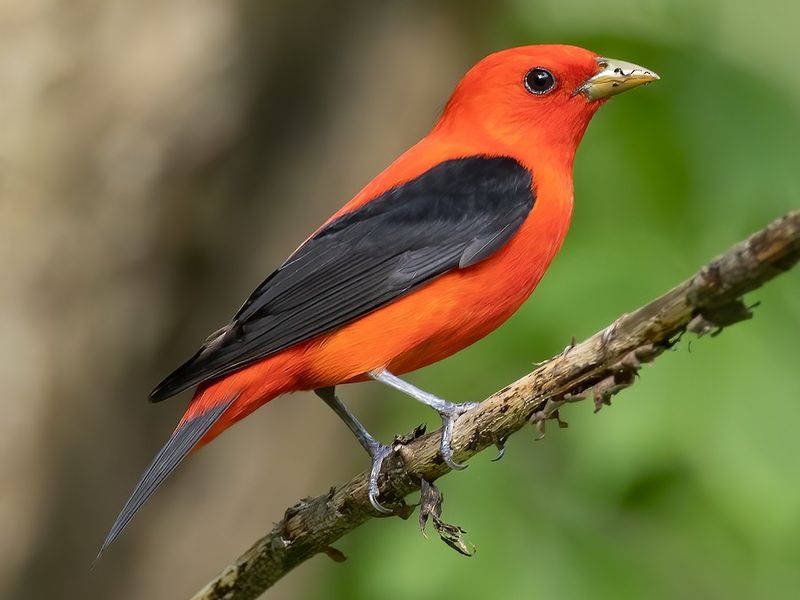
With its blazing red body contrasted by jet-black wings, the Scarlet Tanager is an unforgettable sight. This vibrant bird often stays hidden high in the forest canopy, making a visit to your yard a rare delight.
The male’s song is a raspy, cheerful warble that can cut through the leafy treetops. During non-breeding seasons, they turn olive-yellow, showcasing a surprising transformation.
The Scarlet Tanager reminds us of tropical birds, yet it’s a resident of North America, underscoring the continent’s diverse avian life. Seeing one is like uncovering a hidden gem of the forest.
4. Eastern Bluebird
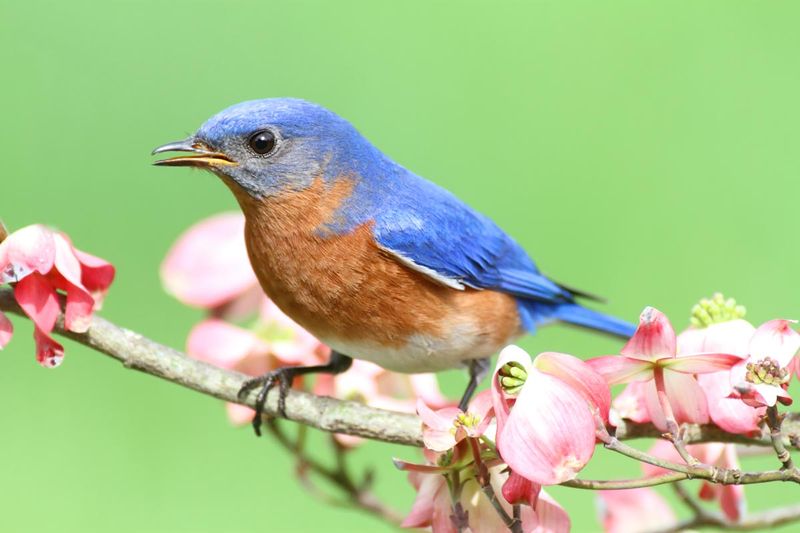
The Eastern Bluebird, often seen as a symbol of happiness, brings joy with its vivid blue and warm orange plumage. Their gentle, warbling song is an early sign of spring.
These birds are cavity nesters and readily take to birdhouses, making them a favorite among backyard bird enthusiasts. Their presence is said to bring good fortune, their serene demeanor enhancing any garden.
Did you know? Eastern Bluebirds were once in decline but have made a remarkable comeback thanks to conservation efforts and birdhouse enthusiasts.
5. Northern Cardinal (Albino or Leucistic)
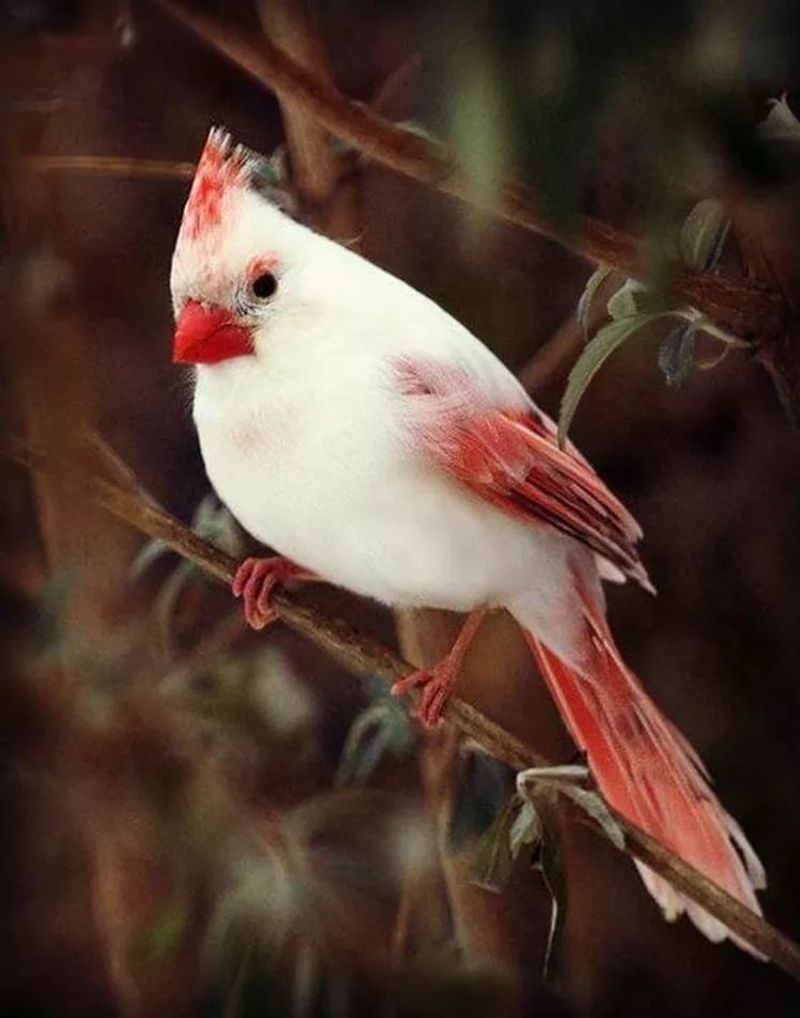
Spotting an albino or leucistic Northern Cardinal is akin to witnessing a rare apparition. These ghostly white birds, sometimes touched with hints of pink, present a striking contrast to their usual red counterparts.
Their presence in a yard is rare and often considered a symbol of purity and uniqueness. Their song, familiar yet otherworldly in such a form, echoes the familiar cardinal calls.
These unique variations occur due to genetic mutations, making each sighting an extraordinary event and a reminder of nature’s endless possibilities.
6. Baltimore Oriole
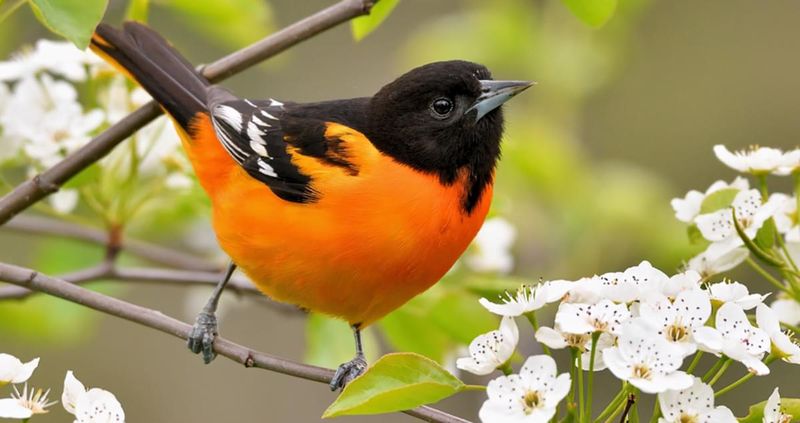
The Baltimore Oriole, with its vivid orange and black plumage, is a showstopper. These birds are often found flitting among treetops, searching for nectar among flowers and fruits.
Their flute-like song is a melodic addition to any spring day. They are known for their pendulous nests, often hanging from tree branches like small sacks.
Orioles are attracted to sweet offerings, so placing orange halves or grape jelly in your yard might just lure these beauties closer for a spectacular view.
7. Rose-Breasted Grosbeak
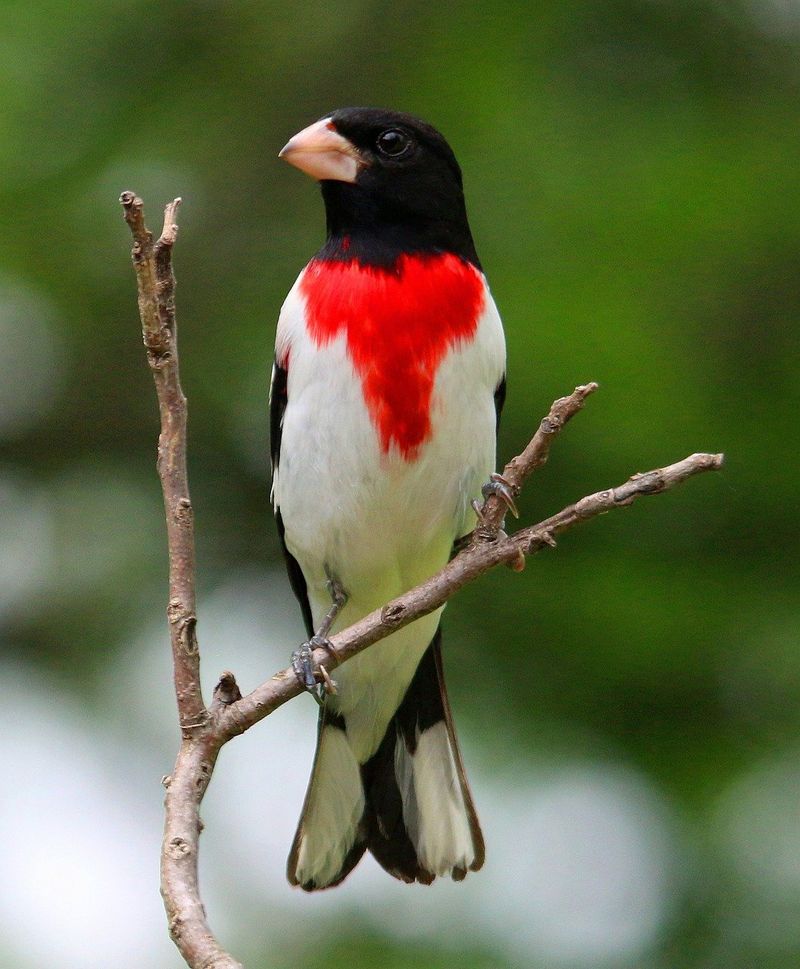
The Rose-Breasted Grosbeak is a dapper bird with striking black and white plumage and a vivid pink chest. Known for its melodic song, reminiscent of a robin playing the piano, it adds a touch of elegance to any garden.
These birds are often spotted during migration, stopping in backyards to rest and refuel. Their large beaks are perfect for cracking seeds and berries.
A sighting is a reminder of the wonders of avian fashion and song, a harmony of sight and sound that captivates birdwatchers.
8. Cedar Waxwing
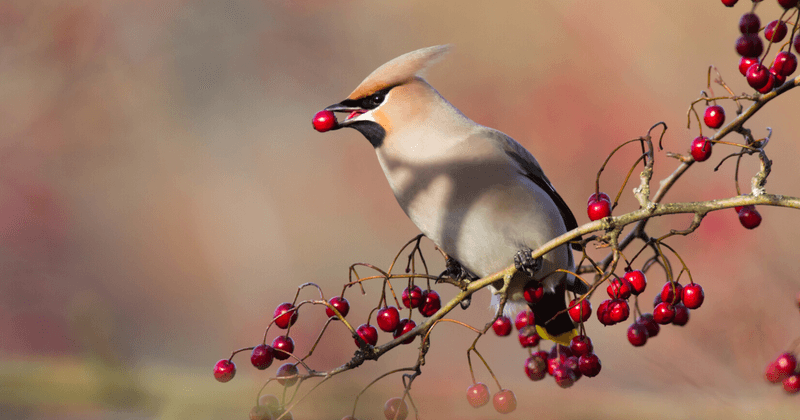
The Cedar Waxwing is a sleek, elegant bird, marked by its silky plumage and distinctive black mask. Its waxy red wing tips give it a unique, polished appearance.
These birds are highly social, often seen in flocks, and their high-pitched calls are a constant in their gatherings. They indulge in berries and fruits, sometimes seen in gardens, bringing a touch of the wild to suburban settings.
Cedar Waxwings are named for their fondness for cedar berries, a testament to their culinary preferences.
9. American Kestrel
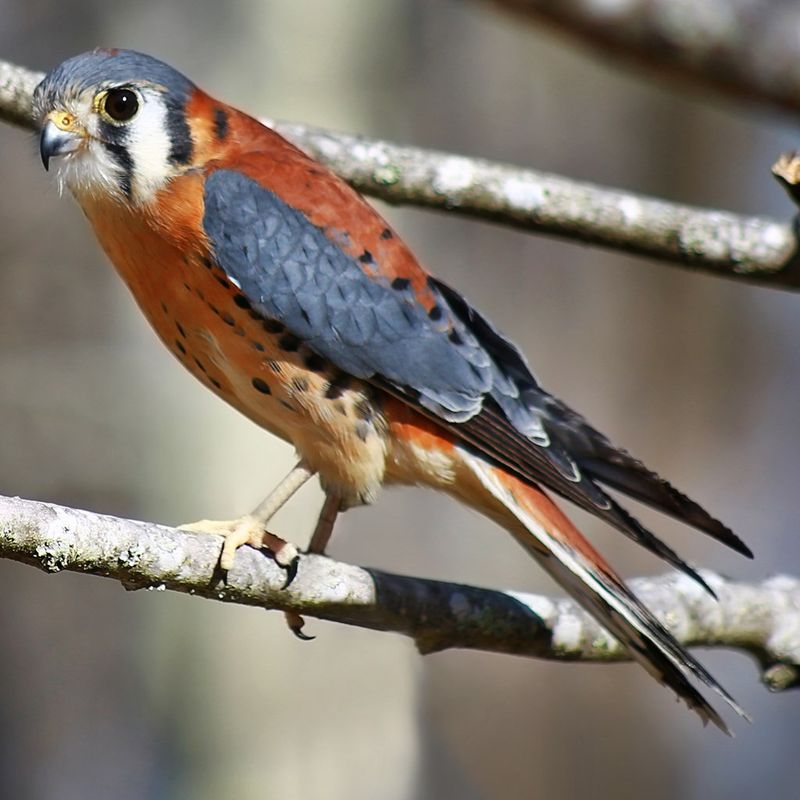
The American Kestrel, the smallest falcon in North America, packs a punch in both appearance and demeanor. Its colorful plumage, with vibrant blues and oranges, is a striking contrast to its fierce predatory nature.
Often seen perched on wires or poles, these birds survey the landscape for insects and small mammals. Their rapid, agile flight is a marvel to behold.
Despite their small size, kestrels are formidable hunters, embodying the spirit of the falcon in a compact form.
10. Wood Thrush
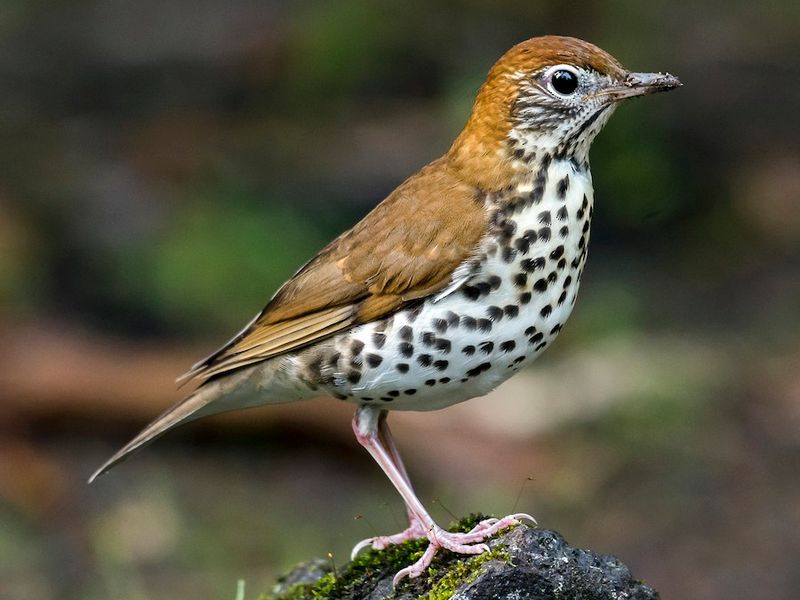
The Wood Thrush is renowned for its ethereal, flute-like song that echoes through the forest, a sound that haunts the soul. Its spotted breast and warm brown back allow it to blend seamlessly into the forest floor.
These birds prefer dense woodland habitats, making a yard sighting a rare privilege. Their song is often considered one of the most beautiful in North America, a testament to nature’s acoustic artistry.
Conservation efforts have been pivotal in protecting their habitats, ensuring future generations can enjoy their musical performances.
11. Bohemian Waxwing
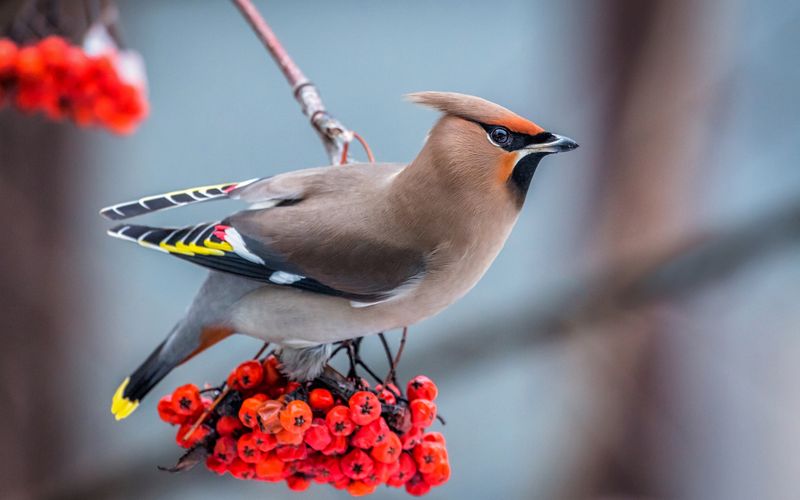
The Bohemian Waxwing, with its regal crest and sleek plumage, carries an air of mystery and elegance. Found primarily in northern forests, their presence in a yard is a rare and captivating event.
These social birds are often seen in large flocks during the winter, searching for berries to sustain them through the cold months. Their unique call is a soft, trilling sound that adds a touch of the exotic to any location.
Bohemian Waxwings are a reminder of the interconnectedness of ecosystems, as they travel great distances for food.
12. Varied Thrush
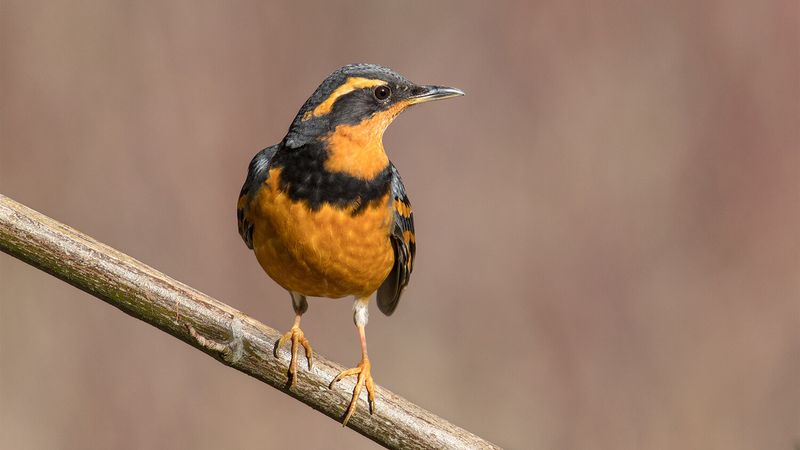
The Varied Thrush, with its bold orange and black stripes, is a striking visitor from the Pacific Northwest. Its song, a series of ethereal, echoing notes, resonates with the mystery of its forest home.
These birds prefer dense, moist forests but may wander into yards during migration. Their vibrant plumage makes them a standout against the green backdrop of the northwest.
They are often seen foraging on the ground, their presence a fleeting glimpse of the wild, brought momentarily to your doorstep.
13. Blue Grosbeak
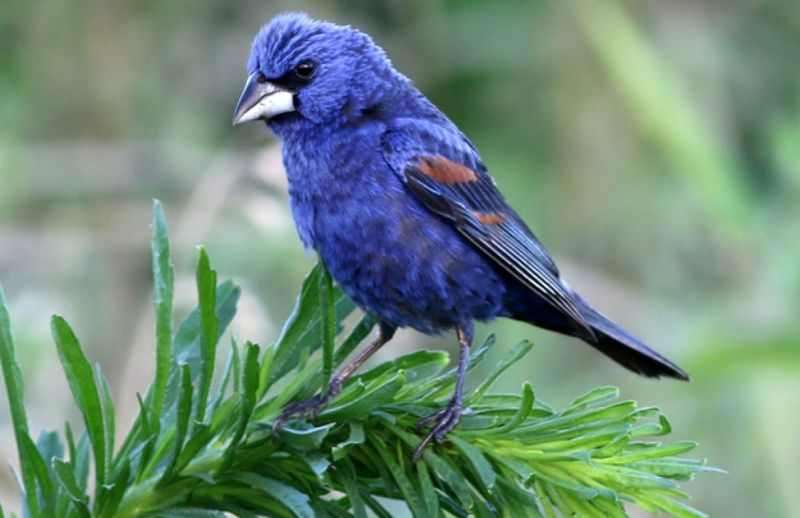
The Blue Grosbeak is a rare treasure, with its deep blue body and chestnut wing bars. Its song, a rich, musical warble, is a delightful sound in any garden.
These birds are often seen during spring and fall migrations, stopping briefly to rest. Their powerful beaks are designed for cracking seeds and are a testament to their adaptability.
Spotting one in your yard is a reminder of nature’s diversity, a brief encounter with a traveler passing through on its long journey.
14. Yellow-Throated Warbler
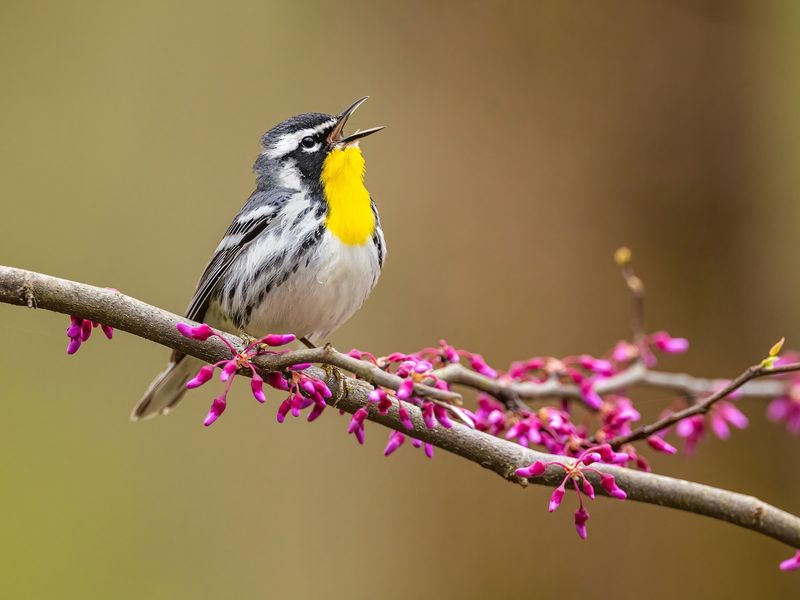
The Yellow-Throated Warbler, with its striking black and white wings and golden throat, is a vivid splash of color. Often found high in tree canopies, its song is a series of quick, sharp notes.
These birds are migratory, often seen in yards during spring and fall as they travel to and from their breeding grounds. Their bright colors and lively song make them a favorite among birdwatchers.
A sighting is a fleeting moment of joy, a glimpse into the vibrant life that passes overhead, often unnoticed.
15. Pileated Woodpecker
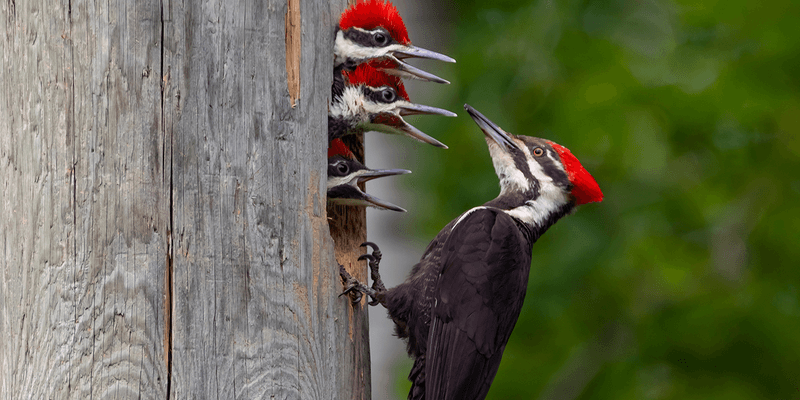
The Pileated Woodpecker, with its dramatic red crest, is a nod to prehistoric times. This large bird, often compared to a flying dinosaur, is a master carpenter, drilling deep into tree trunks in search of insects.
Its loud drumming and distinctive call are unmistakable, echoing through the forest. These woodpeckers prefer mature forests but can sometimes be seen in larger suburban yards.
A sighting of this magnificent bird is a reminder of the ancient roots of modern birds, a connection to the distant past that fascinates bird lovers.