 Complete Gardening
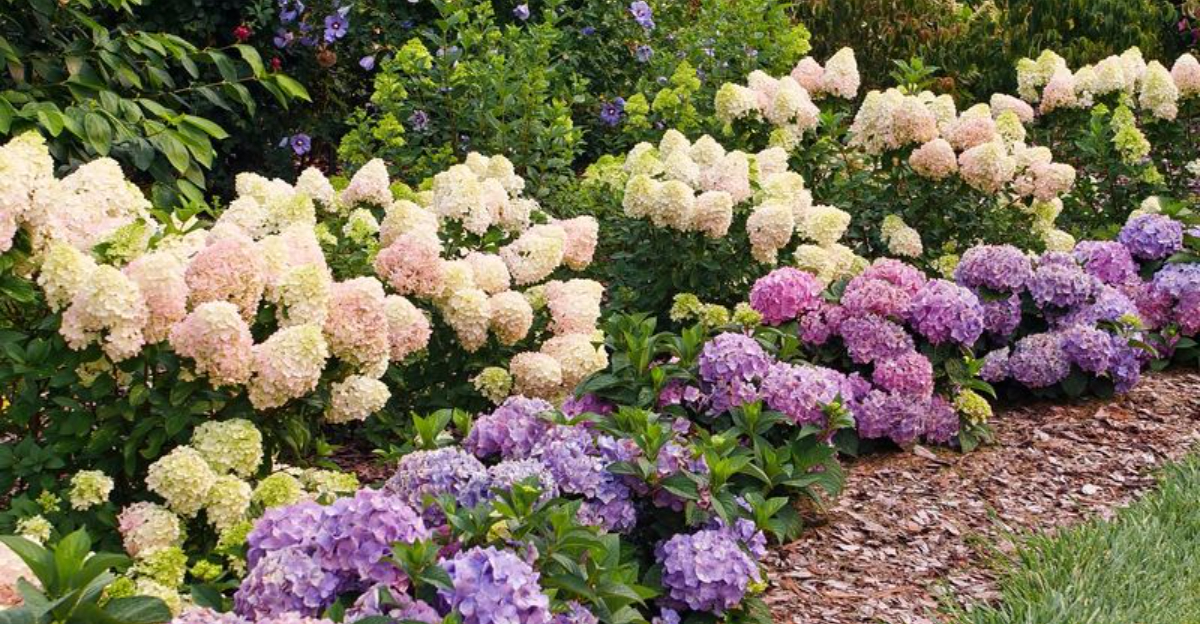
Spring is the perfect time to nurture your hydrangeas for vibrant blooms. With the right care, these stunning plants can reward you with a dazzling display.
Let’s explore the essential steps to ensure your hydrangeas flourish this season.
1. Prune – But Know Your Type First!
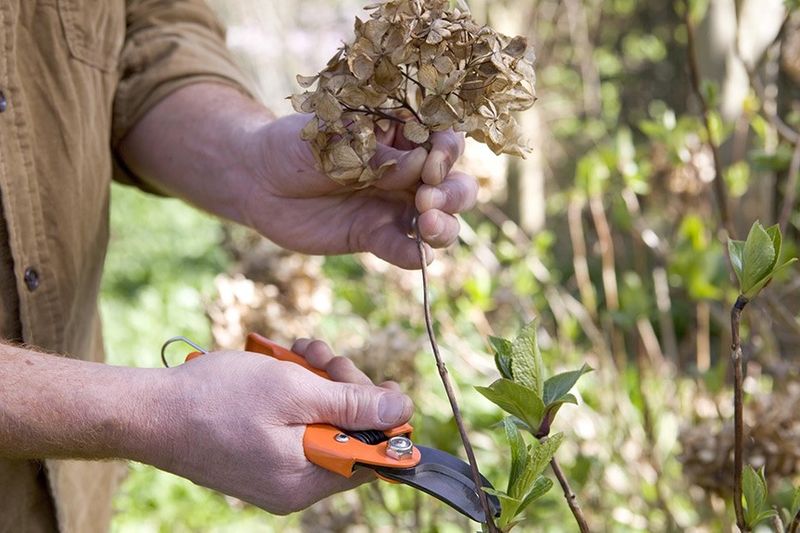
Understanding your hydrangea type is crucial for proper pruning. Bigleaf and Oakleaf varieties bloom on old wood, so limit spring pruning to removing dead branches. Panicle and Smooth hydrangeas bloom on new wood, allowing more severe cuts to shape them. Incorrect pruning may result in a lack of blooms. Always identify your hydrangea type before beginning. Maintaining proper pruning techniques ensures healthy growth and abundant flowering.
2. Clean Up Winter Debris

As spring arrives, it’s time to clear away winter’s leftovers. Removing dead leaves, mulch clumps, and fallen branches from around your hydrangeas’ base is essential. This cleanup improves air circulation, preventing disease and pests from taking hold. A tidy garden not only looks appealing but promotes better plant health. By maintaining a clean environment, you’re setting the stage for a thriving, vibrant garden.
3. Feed Them With the Right Fertilizer
Proper nourishment is key for lush hydrangea blooms. Use a balanced, slow-release fertilizer, such as a 10-10-10 mix, to provide essential nutrients. For blue blooms on macrophylla varieties, opt for a low-phosphorus, acid-loving plant food. Be cautious not to overfeed, as excessive nitrogen leads to leafy growth with fewer flowers. Feeding your hydrangeas wisely will enhance their beauty and vitality.
4. Check and Adjust Soil pH for Color Control
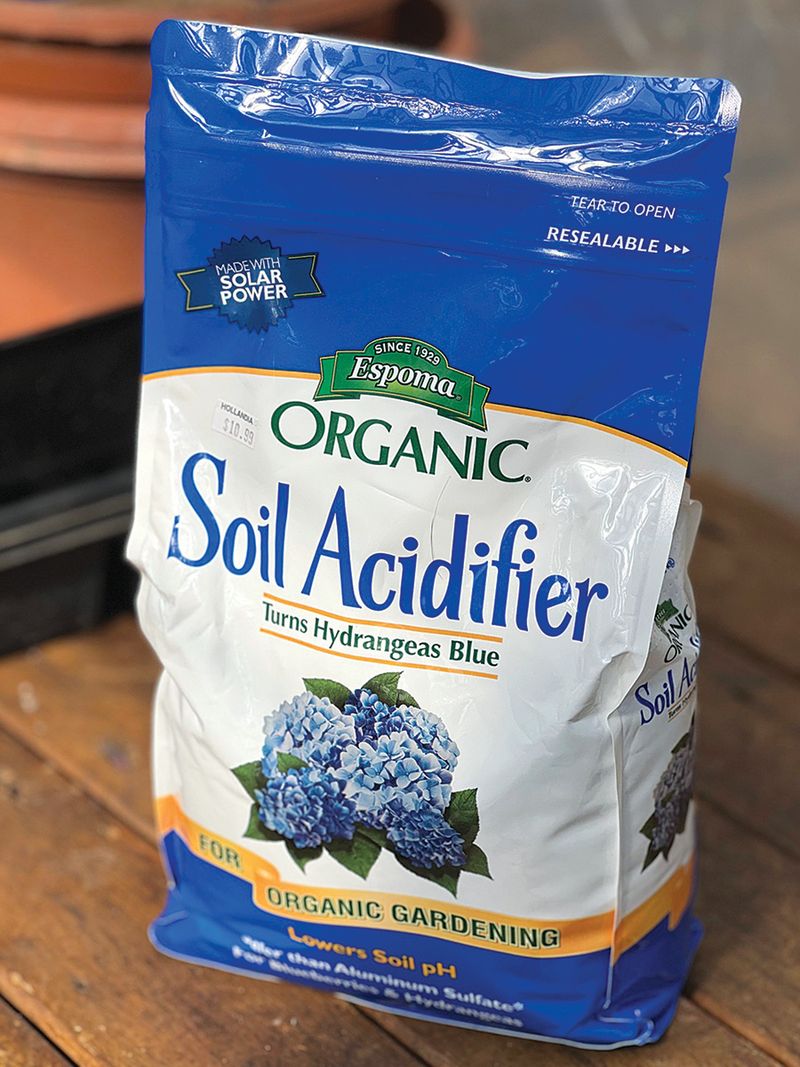
Hydrangea color can be influenced by soil pH. For blue flowers, maintain an acidic environment using aluminum sulfate or coffee grounds. Pink blooms require a higher pH, which garden lime can achieve. Testing your soil early allows for timely adjustments, ensuring your desired flower color. By controlling soil pH, you can create a garden full of your preferred hydrangea hues.
5. Water Deeply and Consistently
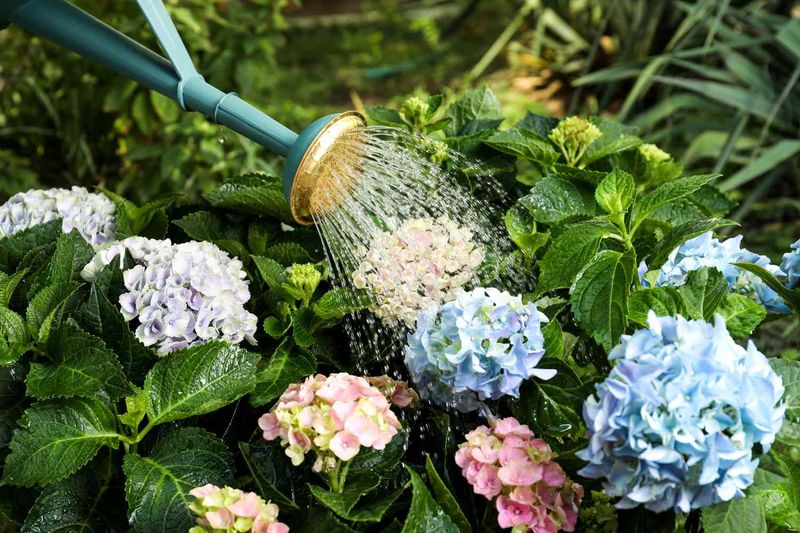
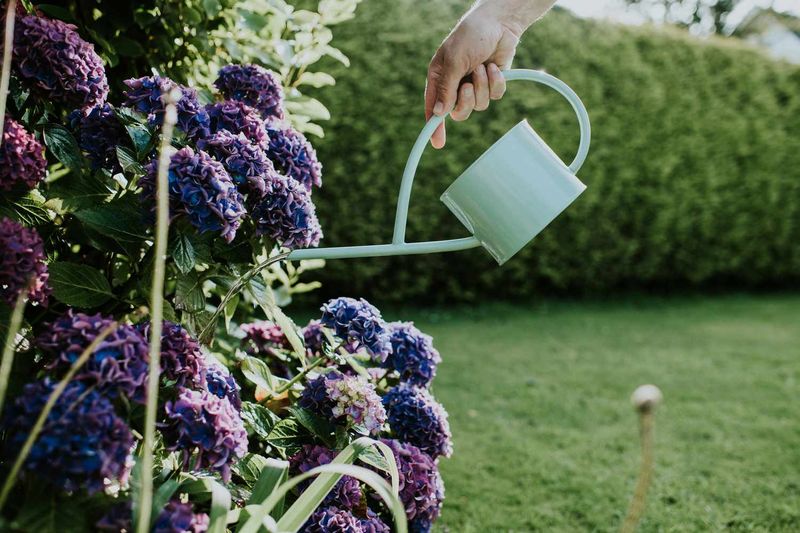
Hydrangeas thrive with consistent moisture but dislike soggy roots. Water deeply once or twice a week, depending on rainfall, to keep the soil adequately moist. Adding mulch helps retain moisture and stabilize temperature, just avoid piling it against the stems. Proper watering techniques ensure robust, healthy blooms throughout the season. Your hydrangeas will thank you for the attention.
6. Divide or Transplant If Needed
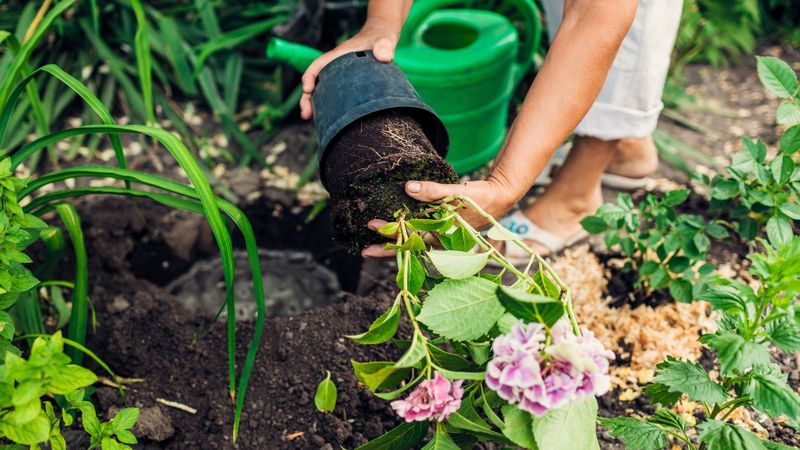
Spring offers the perfect opportunity to relocate or divide hydrangeas before they fully leaf out. Handle roots gently and water thoroughly after replanting to encourage establishment. Moving or dividing plants can rejuvenate them, stimulating new growth and blooms. With careful handling, your hydrangeas can flourish in their new location, bringing life and color to different parts of your garden.
7. Check for Pests and Diseases Early
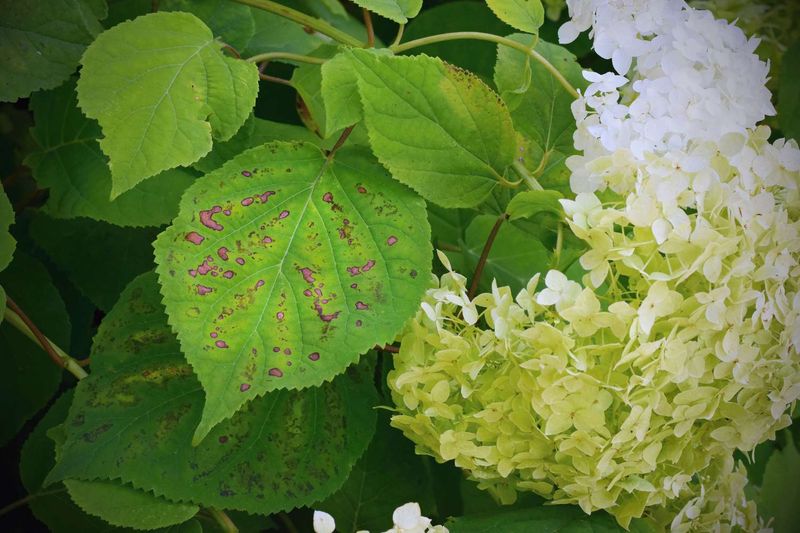
Vigilance is key to keeping your hydrangeas healthy. Regularly inspect for pests like aphids and spider mites, and watch for signs of leaf spots. Catching these issues early helps avoid significant damage during the blooming period. A healthy plant is more resilient and will produce more vibrant, bountiful flowers. By staying observant, you ensure your hydrangeas remain a garden highlight.
8. Mulch Smart
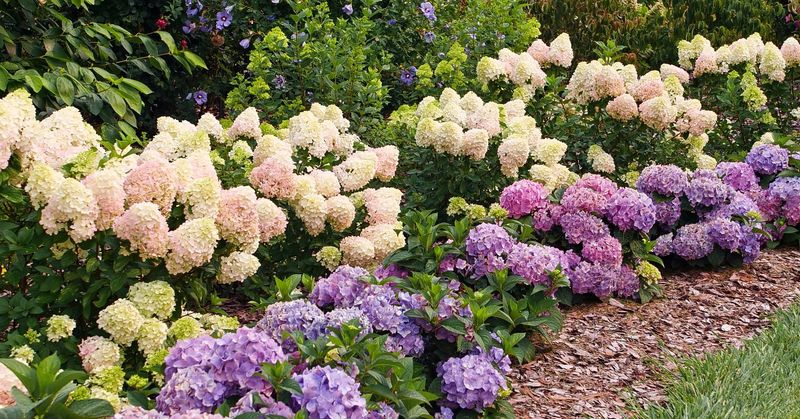
Smart mulching is an essential part of hydrangea care. Apply a fresh layer of 2–3 inches of organic mulch, such as bark or compost, to conserve moisture and suppress weeds. Avoid synthetic mulches that don’t break down into the soil. Proper mulching creates a healthy growing environment, allowing your hydrangeas to flourish and display their natural beauty.
9. Pinch Off Old Blooms (If You Didn’t in Fall)
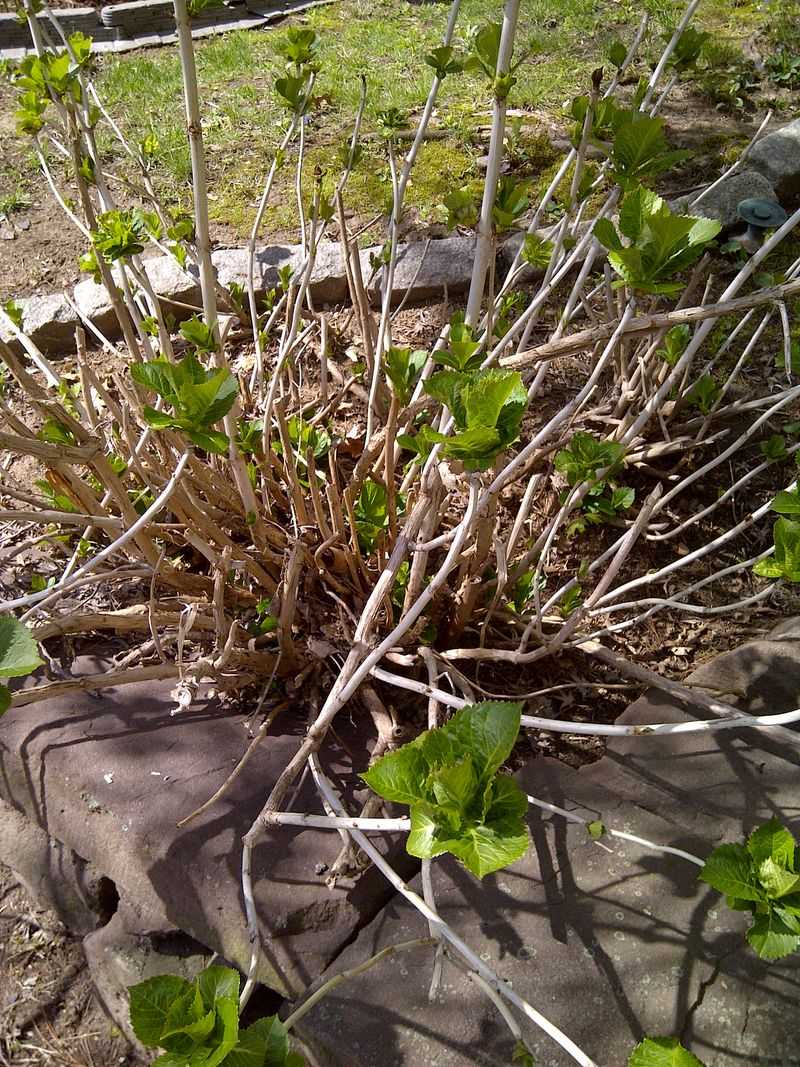
Removing old flower heads redirects energy towards new growth. If you didn’t prune in the fall, now’s the time to tidy up. Use clean, sharp pruners to avoid damaging stems. This simple step encourages robust new blooms, ensuring your hydrangeas remain the star of your garden. Proper maintenance keeps your plants healthy and beautiful throughout the blooming season.
10. Be Patient—And Let Nature Work
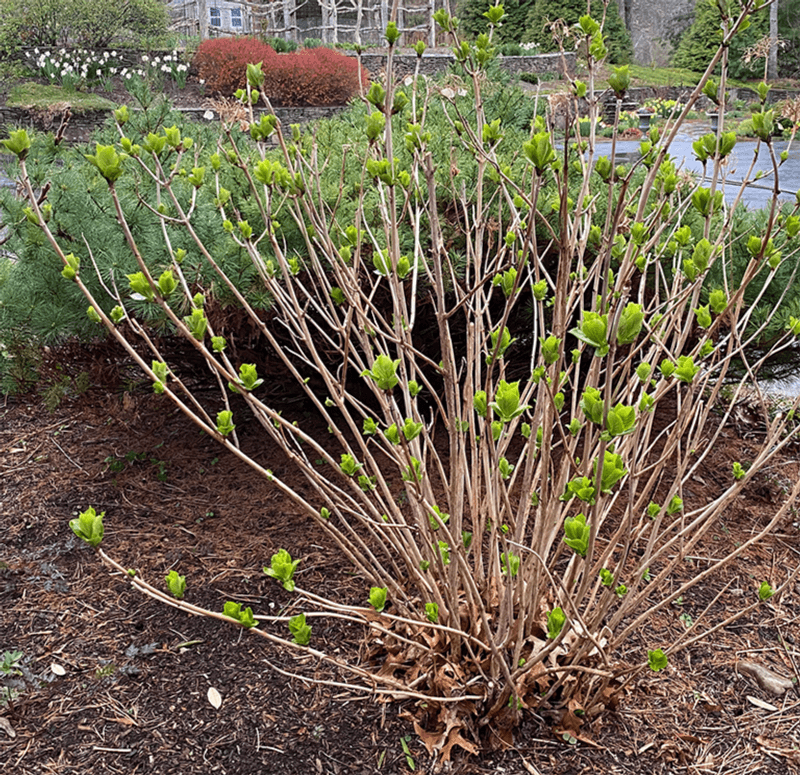
Patience is a virtue in gardening. Hydrangeas may start slow in early spring, especially after a cold winter. As long as stems are green and the base shows sprouts, your plants are on track. Give them time, and they’ll reward you with lush growth and stunning blooms. Nature works at its own pace, and observing its beauty is part of the joy of gardening.