 Complete Gardening
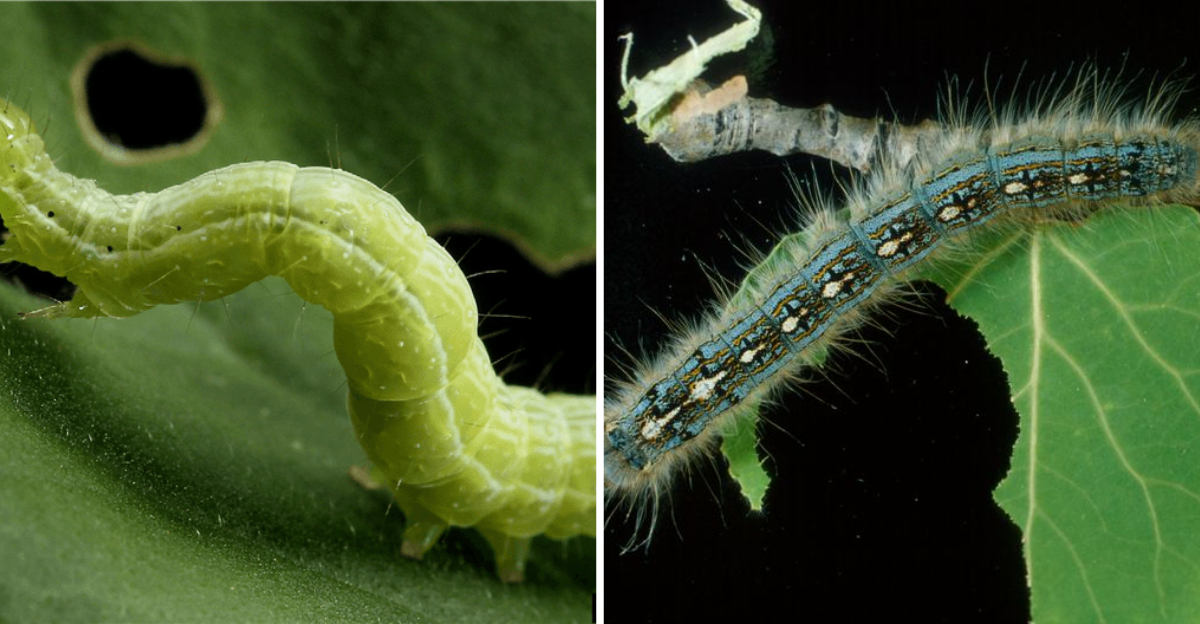
While slugs often get blamed for garden destruction, the real culprits might just be these voracious caterpillars. With their insatiable appetites, these 18 caterpillars are known for causing serious damage to leaves in gardens and forests alike. From common pests to exotic invaders, each has its unique way of munching through foliage, leaving a trail of destruction in its wake. Discover the hidden world of these leaf-eating caterpillars and learn why they should be on every gardener’s watchlist.
1. Tomato Hornworm
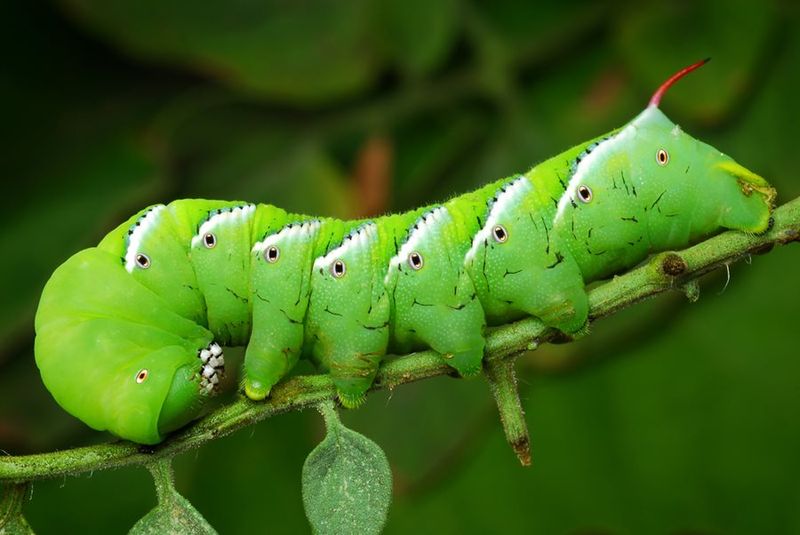
The tomato hornworm is notorious for its appetite, rapidly devouring tomato plants. Its vibrant green body, adorned with white stripes and a horn-like tail, blends seamlessly among the foliage. Often, gardeners spot the damage before the culprit, as these caterpillars can strip a plant overnight. Despite their destructive nature, they transform into the beautiful five-spotted hawk moth. Gardeners face a choice: control them or admire their metamorphosis. Curiously, they can sometimes be seen hanging upside down, munching away. Their love for solanaceous plants makes them a persistent garden pest.
2. Gypsy Moth Caterpillar
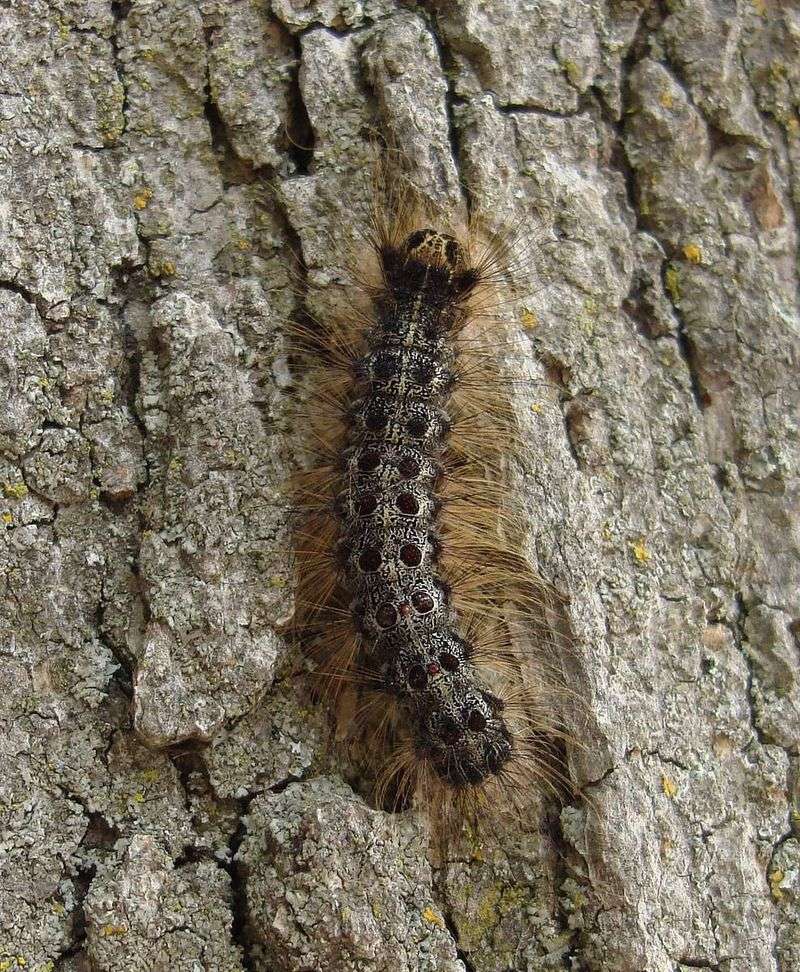
With a striking appearance, the gypsy moth caterpillar sports blue and red spots along its hairy body. Known for defoliating entire forests, these caterpillars consume vast amounts of leaves. They favor oak trees but aren’t picky, often moving onto various hardwoods. Originally from Europe, their introduction has led to significant ecological impacts in North America. During outbreaks, their sheer numbers can be overwhelming. The caterpillars molt several times, growing larger and more voracious with each stage. Their legacy continues to impact forests today.
3. Cabbage Looper
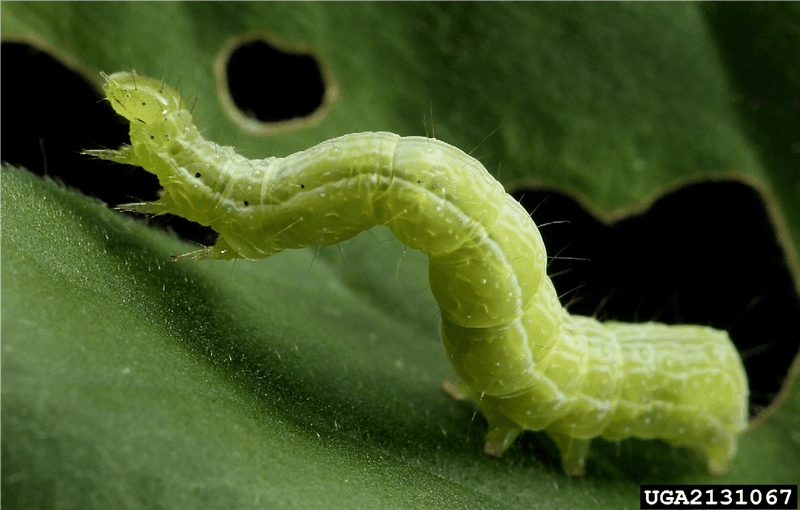
Named for its looping movement, the cabbage looper is a common pest in vegetable gardens. Its pale green body arches gracefully, reminiscent of an inchworm. Preferring cruciferous vegetables like cabbage, they can devastate crops if left unchecked. Their soft bodies are vulnerable to natural predators, yet their numbers often prevail. As they munch through leaves, they leave behind ragged holes, a telltale sign of their presence. Interestingly, these caterpillars can detect the chemical defenses of plants, choosing the tastiest leaves.
4. Fall Armyworm
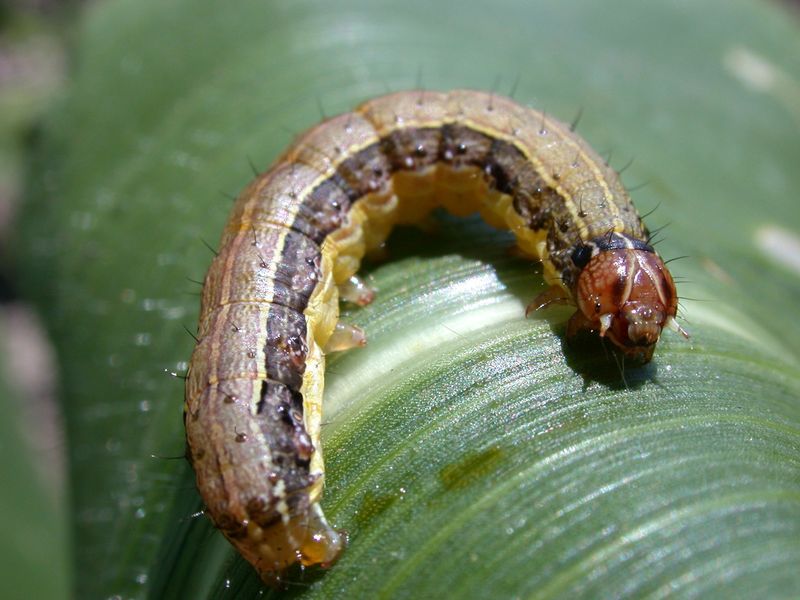
The fall armyworm marches through fields, leaving a path of destruction. Recognizable by the inverted Y on its head, this caterpillar affects crops like corn, sorghum, and wheat. Its voracity is unmatched, often requiring swift action to prevent widespread damage. Native to the Americas, it has spread globally, impacting agriculture in multiple regions. The caterpillars travel in groups, resembling an army on the move. They feed both day and night, making them a formidable foe for farmers. Despite their name, they appear year-round in warmer climates.
5. Eastern Tent Caterpillar
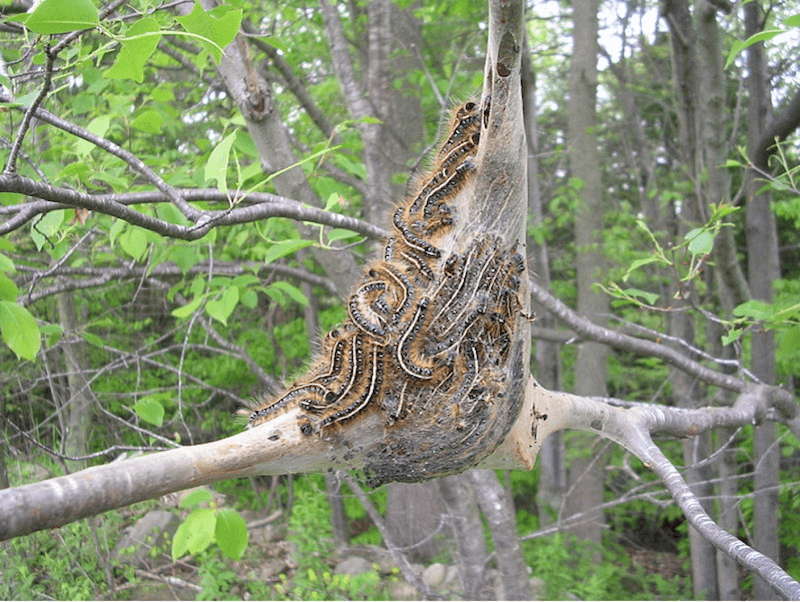
Eastern tent caterpillars create silky tents in the branches of trees, often preferring cherry and apple trees. Their black and white striped bodies are a common sight in spring. Emerging from egg masses, they work collectively, expanding their tents as they grow. The tents offer protection from predators and environmental elements. Despite their social behavior, they can defoliate trees when populations are high. Their communal living and synchronized movements are fascinating to observe. After completing their cycle, they transform into the less conspicuous eastern tent moth.
6. Forest Tent Caterpillar
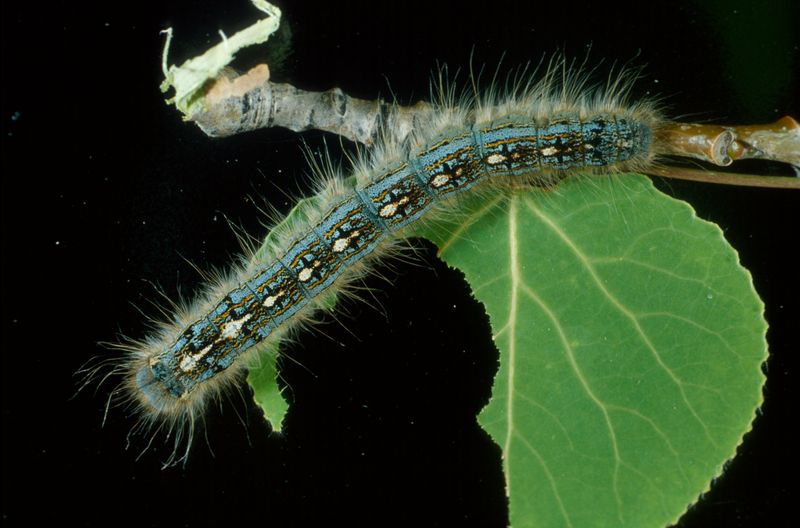
Unlike their relatives, forest tent caterpillars don’t build tents but form silken mats on tree trunks. Their blue and white markings are distinct, making them easily identifiable. Known for defoliating hardwoods like oak and maple, their outbreaks can be devastating. These caterpillars are true wanderers, often seen marching in single file. They communicate using pheromones, guiding each other to feeding sites. Though their damage appears severe, trees usually recover. Their synchronized patterns of behavior make them both a curiosity and a concern in forested areas.
7. Peach Twig Borer
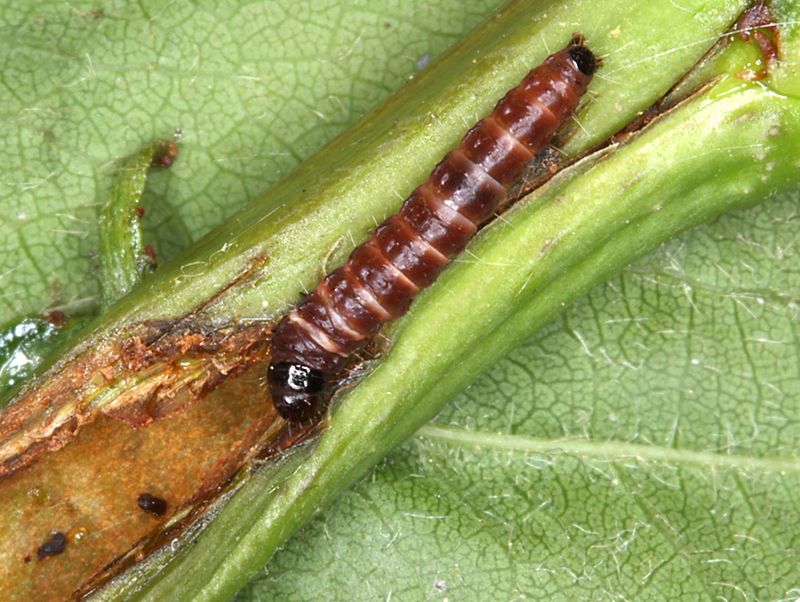
The peach twig borer is a small caterpillar with a reddish-brown body, affecting stone fruits like peaches and apricots. It tunnels into twigs and shoots, causing dieback and reduced fruit yield. Their lifecycle is synchronized with the growing season, leading to multiple generations per year. Farmers often monitor their populations closely to minimize damage. With each passing year, strategies evolve to combat this persistent pest. Their presence is often unnoticed until significant damage occurs. Their impact on orchards is both economic and aesthetic.
8. European Pine Sawfly
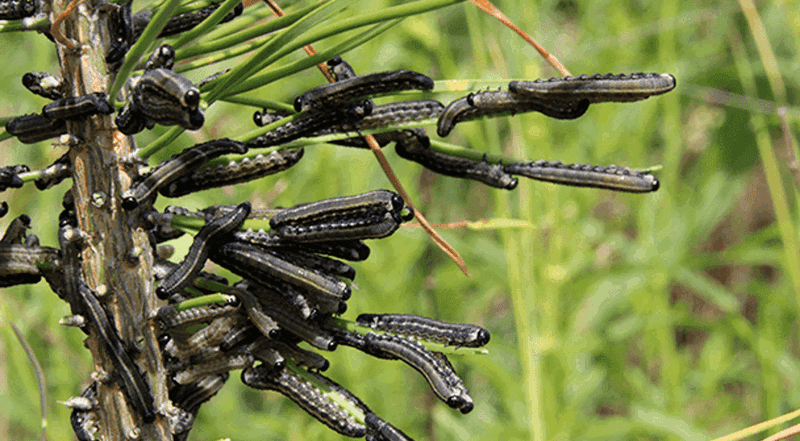
European pine sawfly caterpillars are communal feeders, often seen in groups on pine trees. Their green bodies with black heads contrast sharply against the needles they consume. While defoliation is alarming, conifers usually survive if infestations are controlled. Originating from Europe, they have adapted well in North America. Their feeding season is short, but the impact can be long-lasting. Control measures often involve natural predators and timely intervention. Their synchronized feeding habits make them a spectacle in affected forests. A balance of control and observation is key.
9. Variegated Cutworm
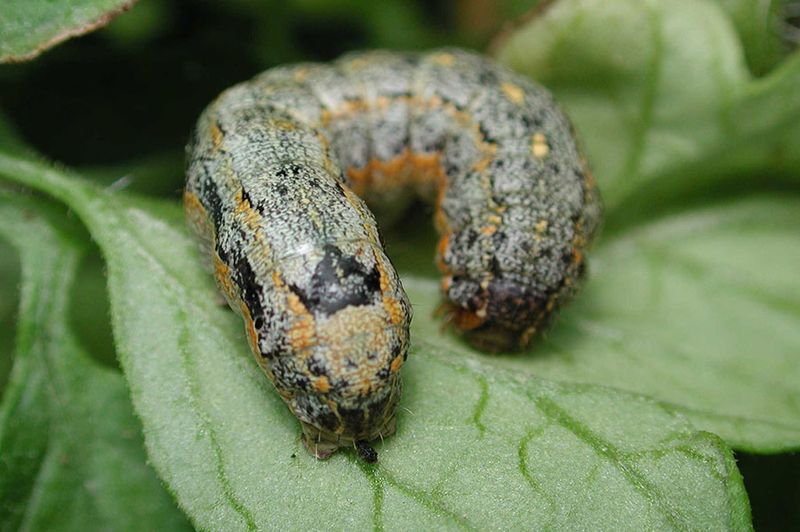
Variegated cutworms are nocturnal feeders, known for cutting down young plants at the base. Their mottled brown and beige patterns provide camouflage against the soil. They affect a wide range of plants, from vegetables to ornamentals. During the day, they hide in the soil, emerging at night to feed. Their behavior is stealthy, often going unnoticed until the damage is evident. Control measures include hand-picking and encouraging natural predators. Their lifecycle is closely tied to the seasons, with multiple generations occurring annually.
10. Redhumped Caterpillar
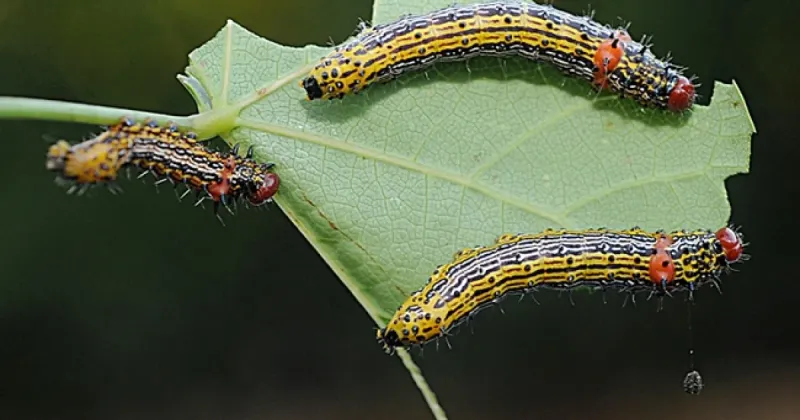
The redhumped caterpillar is easily recognized by its bright red hump and yellow stripes. Preferring fruit trees like apple and pear, they can defoliate young trees rapidly. Their vibrant colors serve as a warning to predators, hinting at their potential toxicity. They feed in groups, often skeletonizing leaves. Their presence in a garden can be both a visual delight and a horticultural challenge. As they mature, they disperse to pupate in the soil. Despite their daunting appearance, they play a role in the ecosystem, balancing plant and insect populations.
11. Zebra Caterpillar
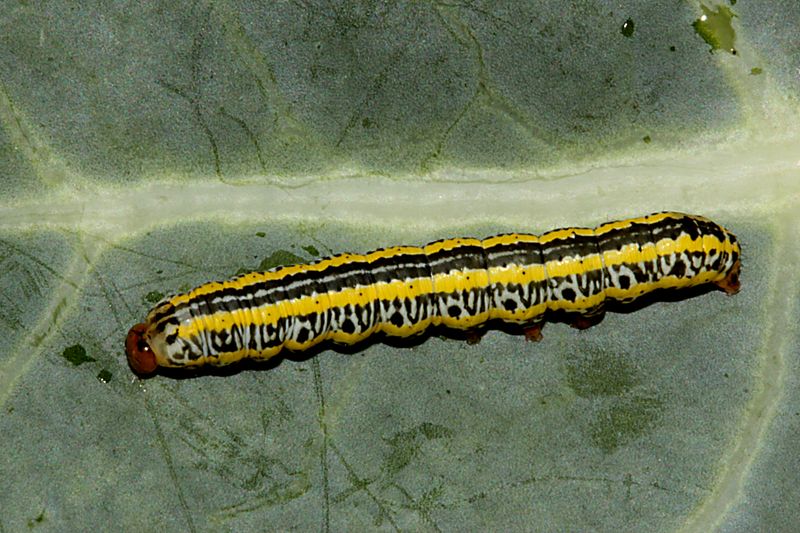
True to its name, the zebra caterpillar sports striking black and white stripes. Found on a variety of plants, including vegetables and flowers, they can be a gardener’s nemesis. Their patterns provide camouflage among the foliage, making them difficult to spot. During their lifecycle, they undergo several molts, growing larger and more conspicuous. Despite their appetite, they rarely cause significant damage unless in large numbers. They are a testament to nature’s artistry, showcasing bold patterns and colors. Managing their populations involves vigilance and timely intervention.
12. Yellownecked Caterpillar
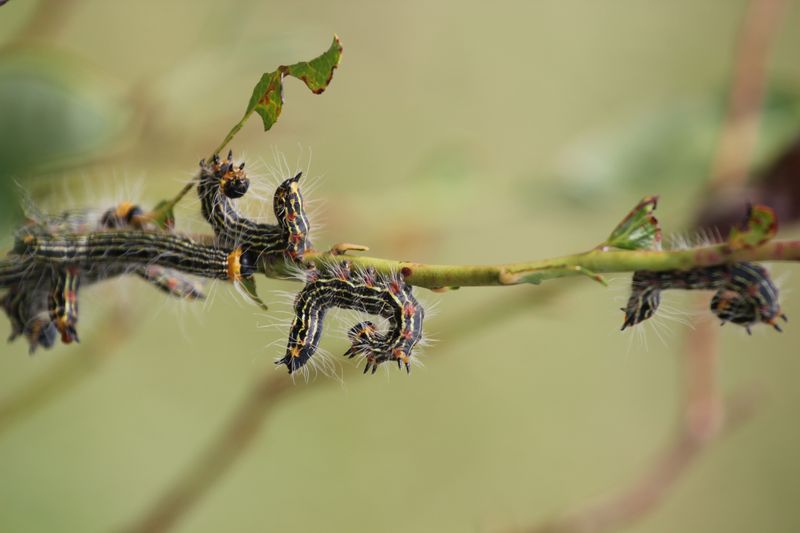
The yellownecked caterpillar is identified by its bold yellow collar, contrasting with its black and white body. These caterpillars feed in groups, often defoliating entire branches. They prefer hardwoods like oak and hickory, making them a forest pest. Their synchronized movements are mesmerizing, a dance of nature’s design. As they mature, they become solitary, seeking out quiet places to pupate. Their impact on the ecosystem is a reminder of nature’s balance. Controlling their populations requires observation and understanding of their lifecycle.
13. Io Moth Caterpillar
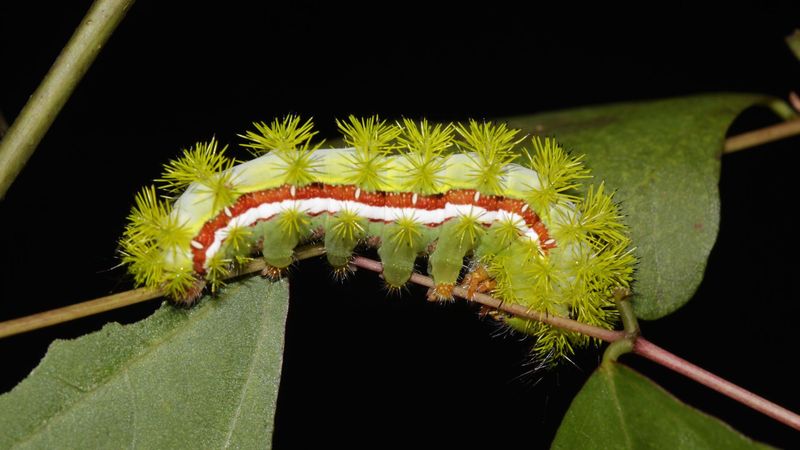
The Io moth caterpillar is a spectacle of nature, with vibrant green spines and bold red and white stripes. Its appearance warns of its venomous spines, which can cause irritation upon contact. Found on various plants, it can defoliate small trees and shrubs. Despite their intimidating look, they transform into the stunning Io moth, known for its eye-like wing patterns. This caterpillar is a marvel of adaptation, using appearance and defense in harmony. Their presence in a garden is both a caution and a wonder, showcasing nature’s complexity.
14. Spicebush Swallowtail Caterpillar
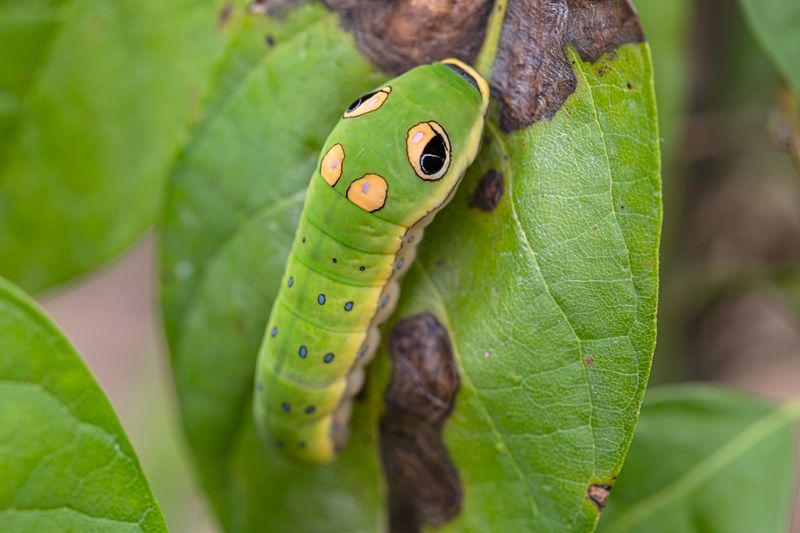
With large, fake eyespots, the spicebush swallowtail caterpillar is a master of disguise. These eyespots deter predators, mimicking a snake’s gaze. Preferring spicebush and sassafras, these caterpillars are harmless to humans but a spectacle to see. Their early stages mimic bird droppings, an ingenious camouflage. As they grow, their appearance changes dramatically, a testament to nature’s creativity. Their journey from caterpillar to butterfly is a story of transformation and survival. Observing them is a reminder of the intricate balance in nature.
15. Luna Moth Caterpillar
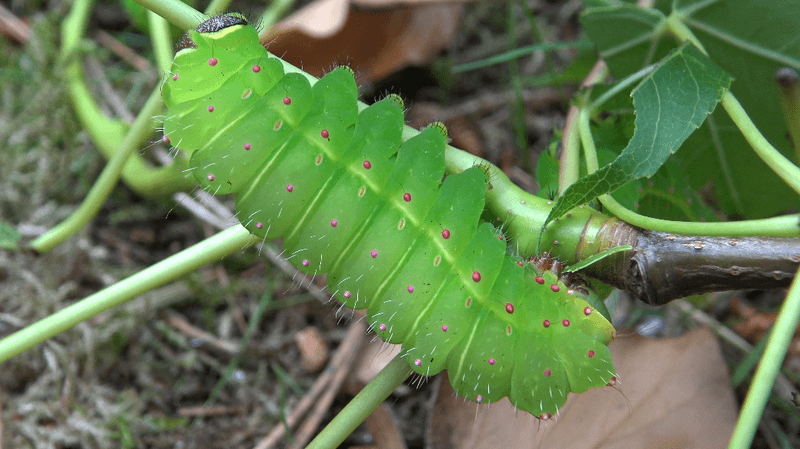
The Luna moth caterpillar is a harbinger of beauty, destined to become the ethereal Luna moth. Its plump, green body feeds on a variety of trees. Despite their size, they are gentle feeders, rarely causing noticeable damage. Their lifecycle is synchronized with the seasons, aligning with moonlit nights. As they grow, they develop distinctive spots along their sides. Their transformation into the nocturnal Luna moth is a spectacle of nature’s wonders. Their presence in a forest is both a promise of beauty and a testament to life’s cycles.
16. Polyphemus Moth Caterpillar
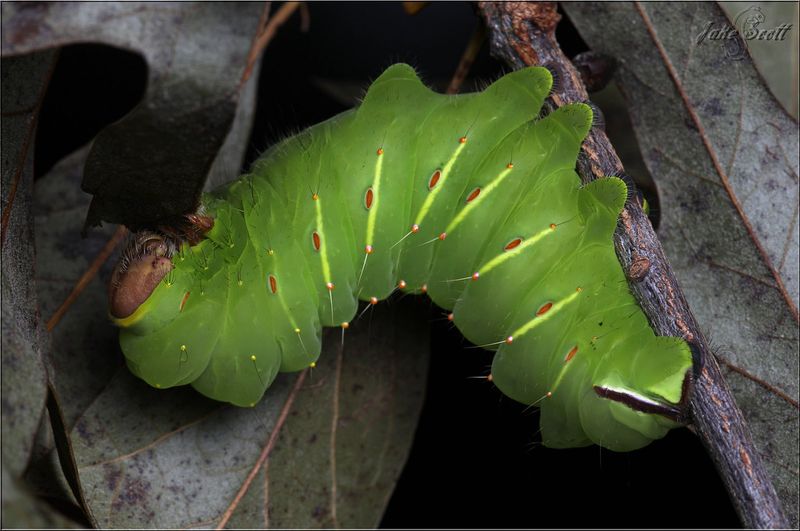
The polyphemus moth caterpillar is a behemoth among its kind, with a bright green body and distinctive yellow spots. Its size and appetite are matched by few, devouring leaves at an astonishing rate. Found on hardwoods like oak and maple, they contribute to the cycle of life in forests. Their sheer presence is awe-inspiring, a reminder of nature’s diversity. The transformation into the polyphemus moth, named for its eye-like patterns, is a journey of growth and change. Observing them is witnessing nature in action, unfolding the mysteries of life.
17. Monarch Caterpillar
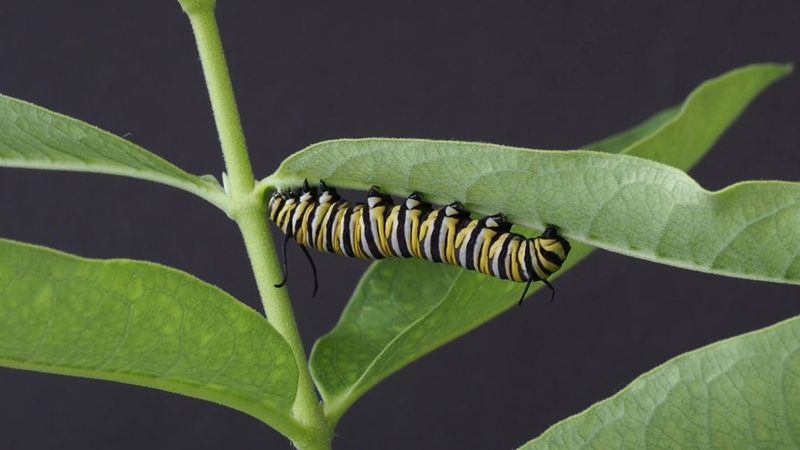
The monarch caterpillar is renowned for its migration journey, transforming into the iconic monarch butterfly. Its striking black, white, and yellow stripes are a warning to predators of its toxicity. Milkweed is both home and sustenance, its chemical compounds essential for the caterpillar’s survival. The transformation into a butterfly is one of nature’s most celebrated metamorphoses. As they munch through milkweed, they grow rapidly, preparing for their incredible journey. Their presence signals the health of ecosystems, a barometer of environmental change and resilience.
18. White-lined Sphinx Caterpillar
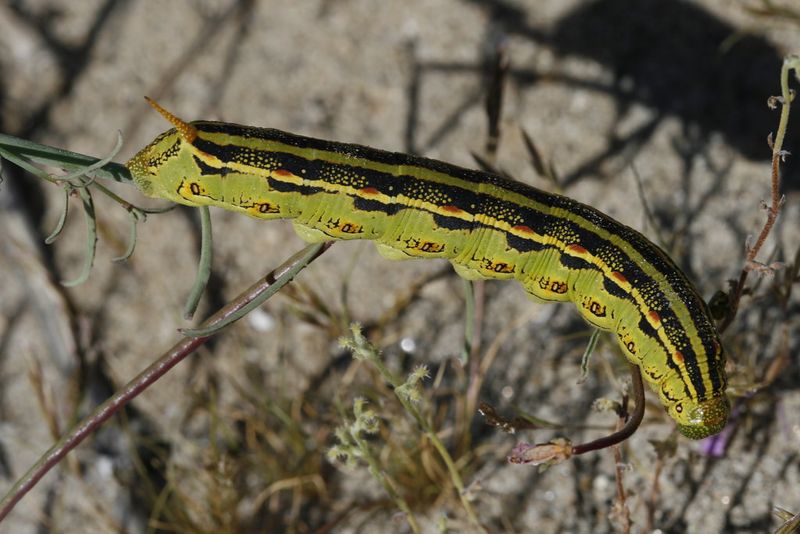
The white-lined sphinx caterpillar is a vibrant desert dweller, with bold yellow and black patterns. Its diet includes a variety of desert plants, contributing to the ecological balance in arid regions. Known for their rapid growth, they can defoliate host plants quickly. Their transformation into the hawk moth is a testament to adaptability and survival. Observing them offers a glimpse into the harsh yet beautiful desert life. Their presence is a reminder of resilience, thriving in an environment where few can survive. They are a symbol of nature’s tenacity.