 Complete Gardening
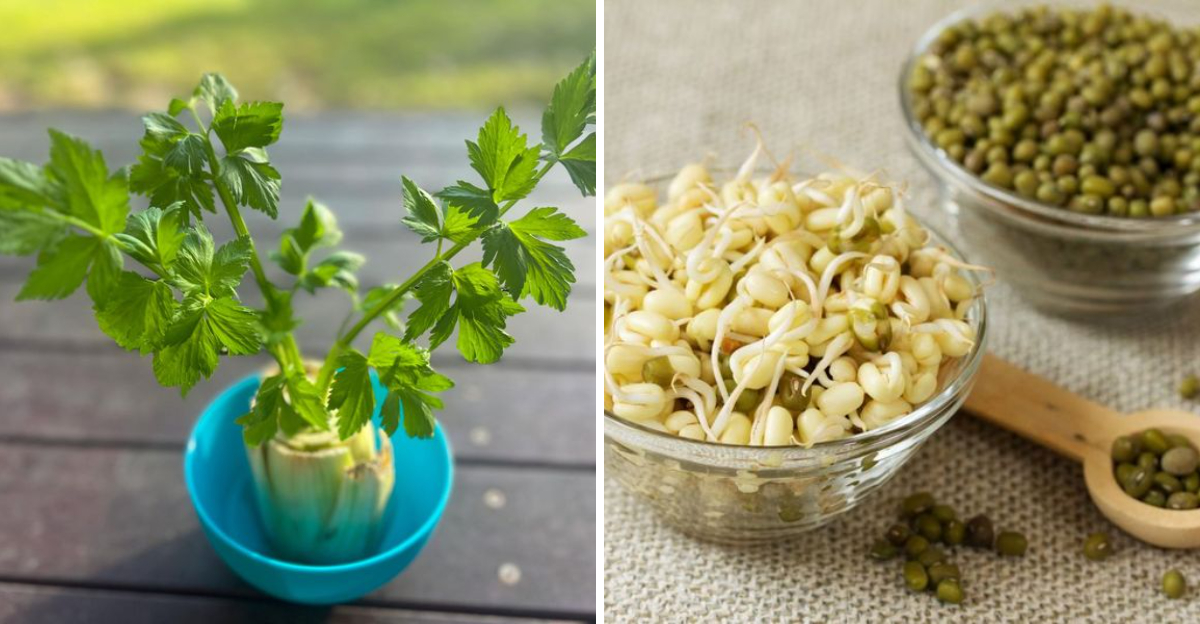
Discover the art of regrowing vegetables from kitchen scraps, transforming your kitchen waste into a sustainable garden. This guide provides you with a list of 40 commonly used vegetables that can be effortlessly regrown at home.
Not only does this practice save money, but it also contributes to reducing waste and promoting a greener lifestyle. Join us on this journey to sustainable living, and learn how to nurture your garden with these simple and effective techniques.
Embrace the joy of watching your vegetables sprout, grow, and thrive, all from the comfort of your home.
1. Green Onions

Green onions are remarkably easy to regrow, making them a favorite for kitchen gardeners. Begin with leftover roots, placing them in a glass of water. Within days, new shoots will emerge, offering fresh scallions for your dishes. Frequent harvesting encourages continuous growth. A sunny windowsill enhances their vibrancy and growth rate. Enjoy the convenience of always having fresh green onions at your fingertips. Their resilience and rapid growth make them an excellent choice for beginners in regrowing vegetables.
2. Garlic
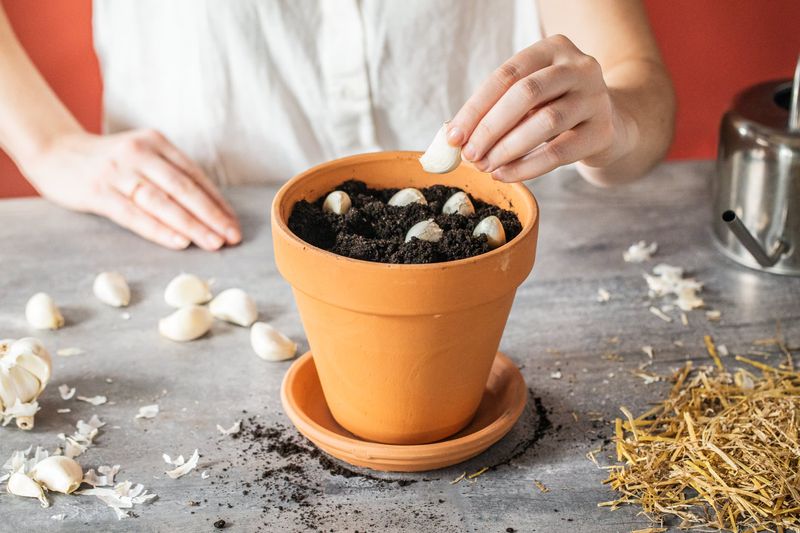
Garlic is a kitchen staple that can be easily regrown from a single clove. Plant the clove in soil with the pointed end upwards, and watch as green shoots emerge. Over time, these shoots will become garlic greens, adding flavor to your meals. Keep the soil moist and provide ample sunlight for optimal growth. Within weeks, you’ll have a fresh supply of garlic greens to harvest. This method not only saves money but also ensures a continuous supply of this aromatic herb.
3. Lettuce
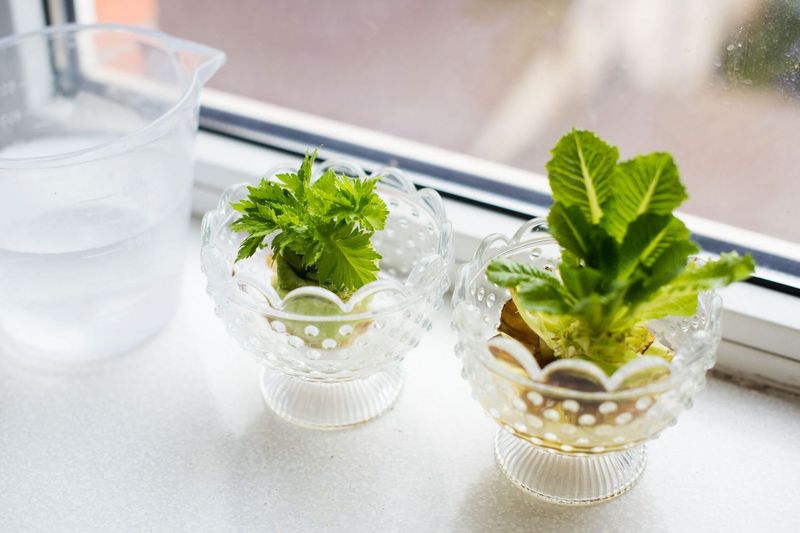
Turn leftover lettuce bases into fresh greens with minimal effort. Place the base in a shallow dish of water, and new leaves will sprout from the center. Change the water every few days to prevent rot and mold. Within weeks, you’ll have fresh lettuce ready for your salads. This method is not only economical but also a great way to reduce kitchen waste. With minimal care, your lettuce will continue to provide fresh, crisp leaves.
4. Celery
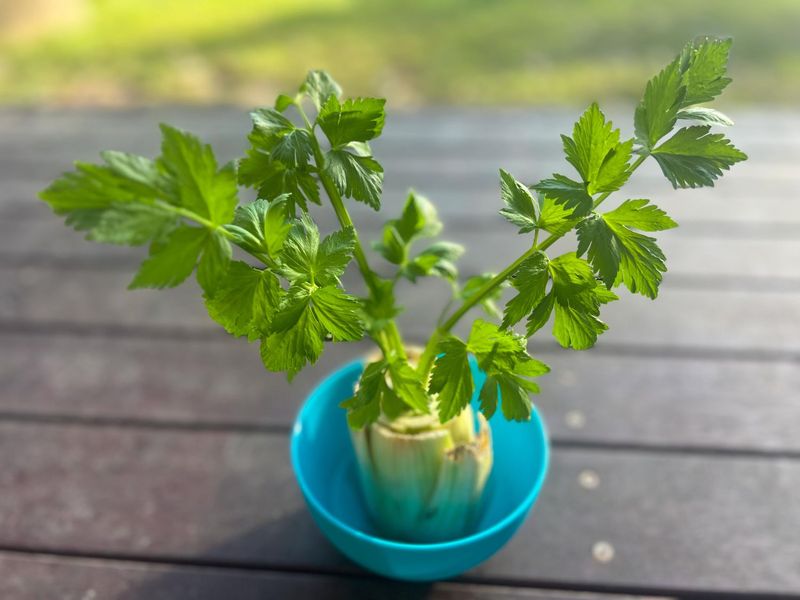
Celery is another vegetable that can be regrown from its base. Place the base in a shallow dish of water, and watch as new stalks emerge from the center. With regular water changes and sunlight, these stalks will grow tall, providing fresh celery for your meals. This simple method allows for continuous harvesting, ensuring you always have fresh celery on hand. The process is not only easy but also a fun way to engage with your food.
5. Leeks
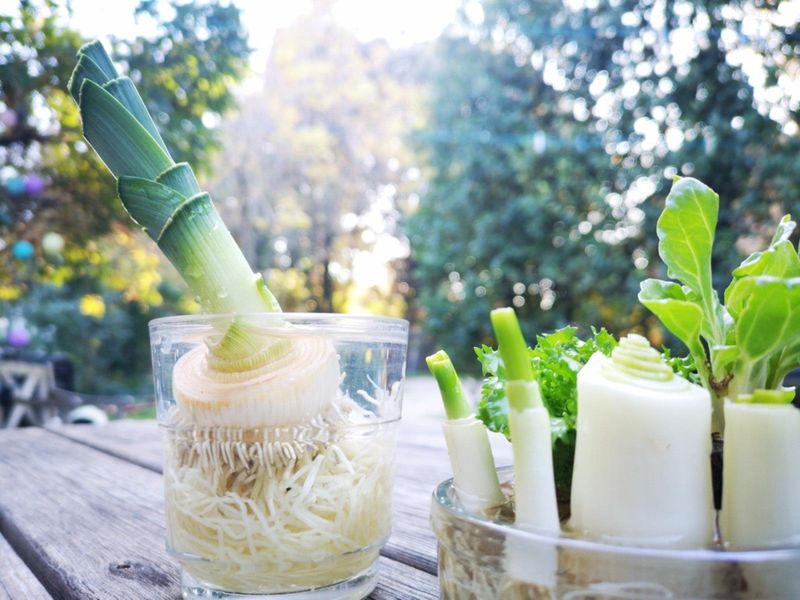
Leeks can be regrown from their roots, offering a sustainable way to enjoy this flavorful vegetable. Plant the root end in a pot with soil, ensuring it stays moist. Place in a sunny spot, and new leeks will soon sprout. This method allows you to continually harvest leeks, reducing waste and saving money. Leeks’ robust nature makes them a great addition to any kitchen garden. Their ability to regrow quickly makes them a favorite among home gardeners.
6. Carrots (Greens)
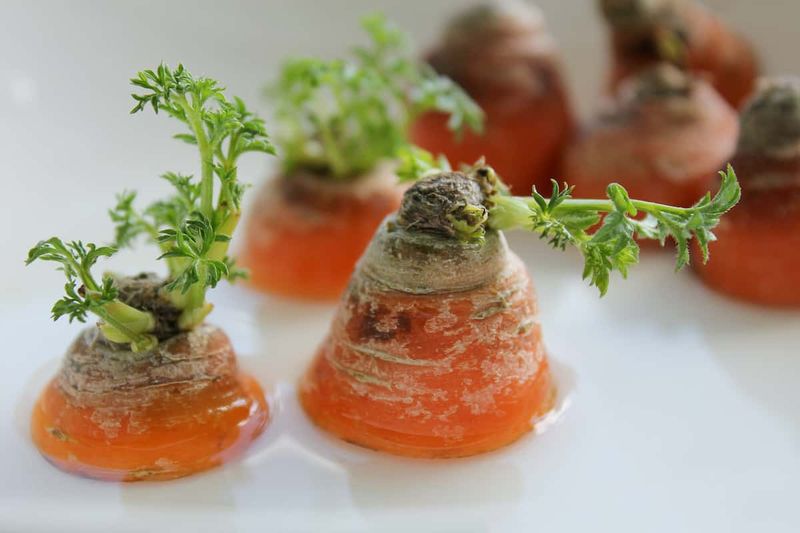
While you can’t regrow full carrots from scraps, the greens are a different story. Use the tops of carrots, placing them in a shallow dish of water. Soon, vibrant greens will sprout, perfect for garnishes or salads. Regularly change the water to maintain freshness. This method offers a way to utilize every part of the carrot, reducing waste. The carrot greens’ tangy flavor adds a unique twist to your dishes, showcasing the versatility of regrowing vegetables.
7. Basil
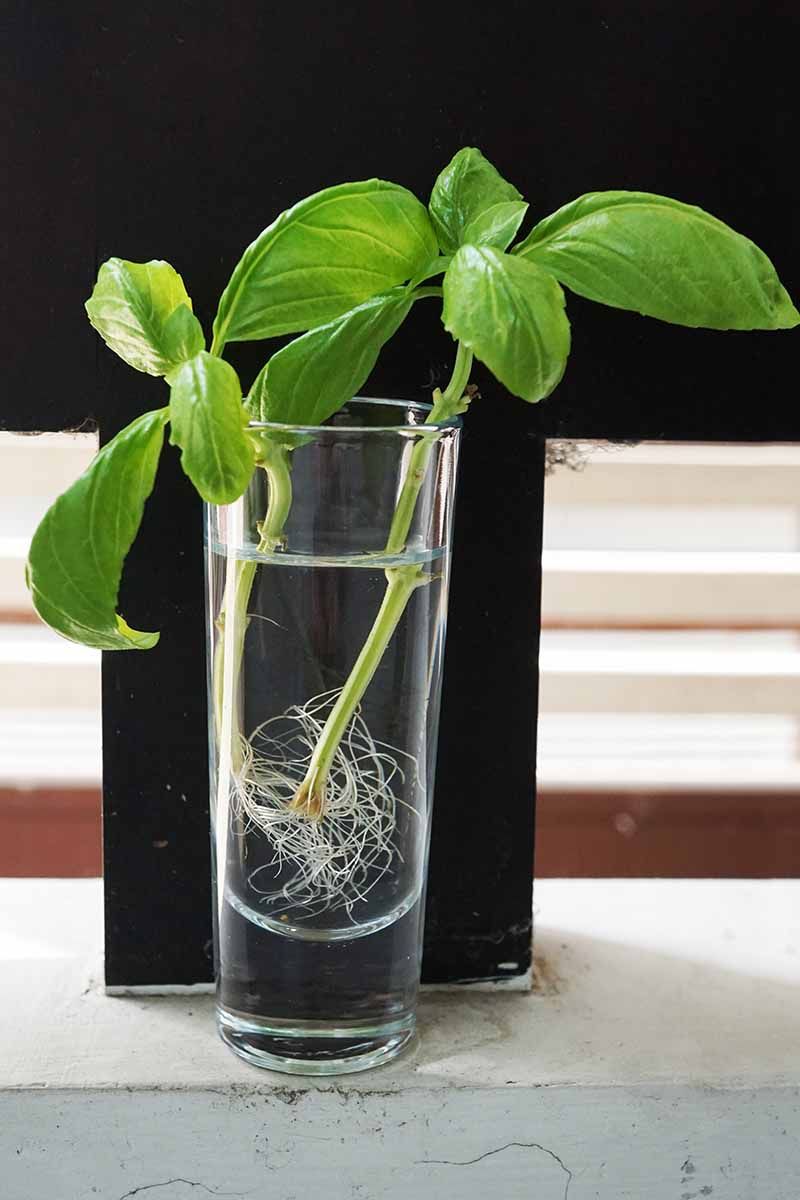
Basil is easily regrown from cuttings, offering a continuous supply of this aromatic herb. Place cuttings in water, and roots will develop within days. Once roots are established, transfer to soil and enjoy a bountiful basil harvest. Regular trimming encourages bushier growth, providing even more leaves for your culinary creations. Basil thrives in sunlight, making a windowsill an ideal spot for growth. This method ensures fresh basil is always at your disposal for cooking.
8. Cilantro
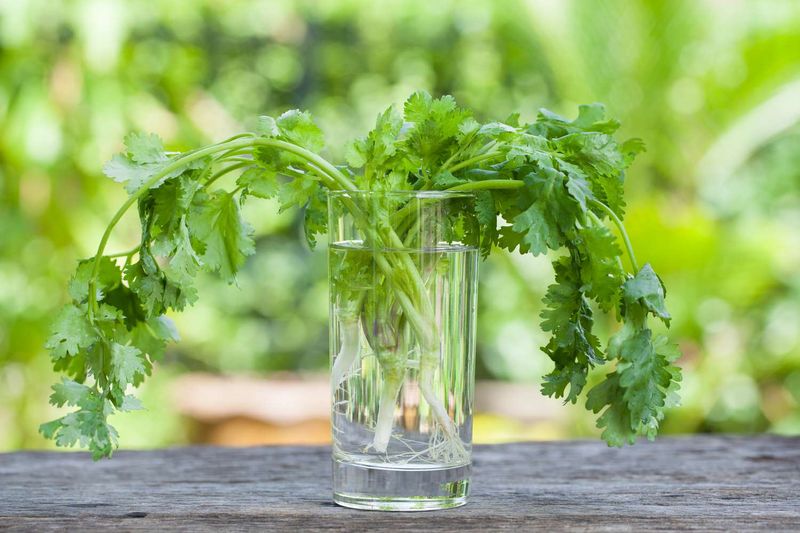
Cilantro, known for its vibrant flavor, can be regrown from cuttings. Place the cuttings in water, and within days, roots will begin to form. Once robust, transfer the rooted cuttings to soil for continued growth. Cilantro thrives with regular sunlight and watering, making a windowsill an ideal spot. This method ensures a steady supply of fresh cilantro, enhancing your dishes with its distinct taste. Regrowing cilantro not only saves money but also adds a fresh touch to your garden.
9. Mint
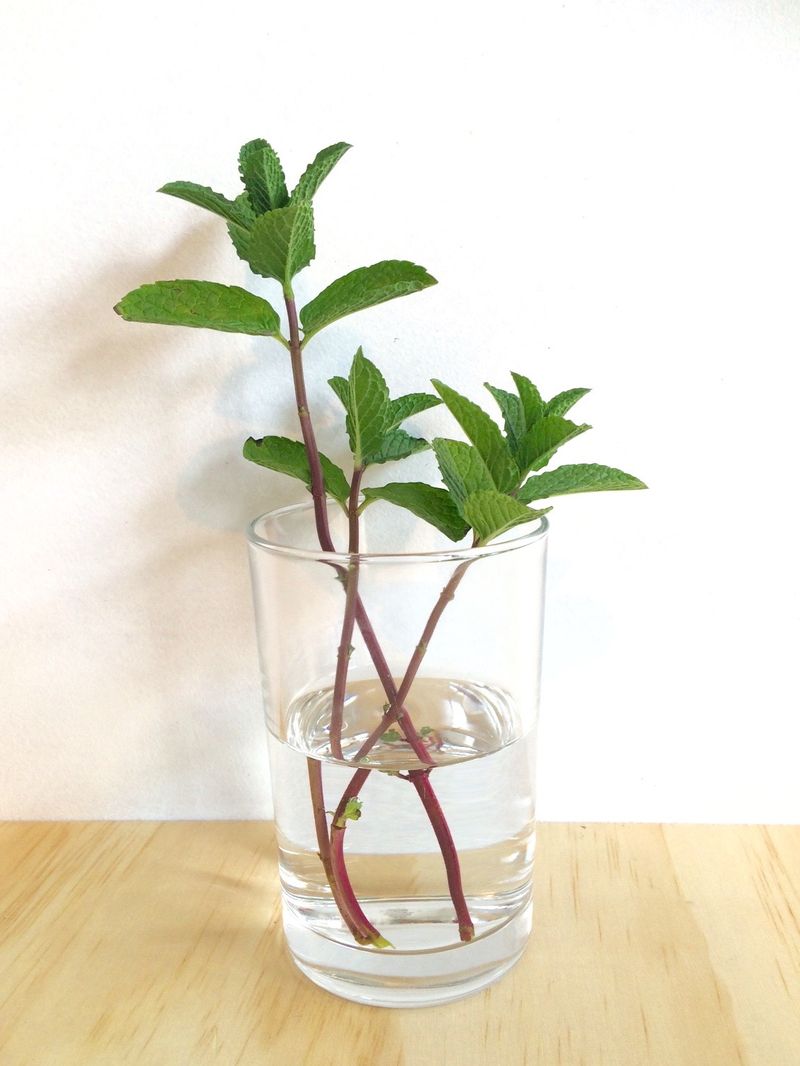
Mint, with its refreshing aroma, is a breeze to regrow from cuttings. Place the cuttings in water, and soon roots will develop. Once established, transfer them to soil for a thriving mint plant. Mint’s fast-growing nature ensures a continuous supply for teas or culinary use. Regular pruning encourages bushier growth, providing even more mint leaves. Its hardy nature makes mint a great choice for beginners, offering both ease and abundance.
10. Parsley
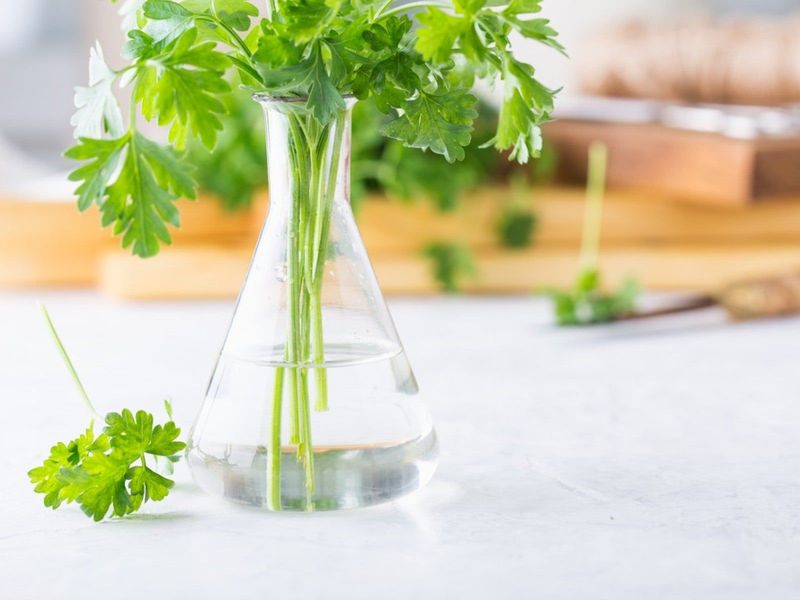
Regrowing parsley from cuttings is a simple process, providing a never-ending supply of this versatile herb. Place the cuttings in water, and roots will soon form. Transfer to soil and enjoy continuous growth with regular sunlight and watering. Parsley’s robust nature ensures a bountiful harvest, ready to enhance your culinary creations. This method not only saves money but also ensures fresh parsley is always on hand, adding flavor and aroma to any dish.
11. Romaine Lettuce
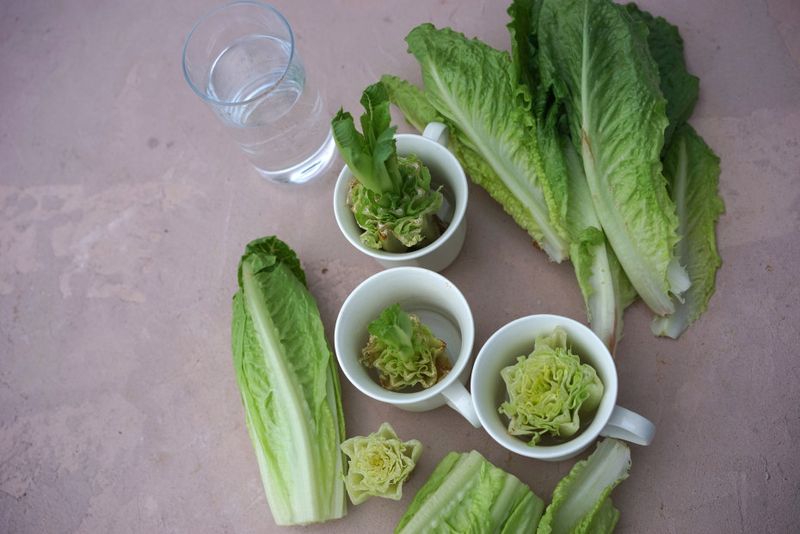
Romaine lettuce can be regrown from its base, offering fresh greens without purchasing new heads. Place the base in a dish of water, and soon, new leaves will sprout. Regular water changes and sunlight exposure enhance growth. This method provides a sustainable way to enjoy romaine lettuce, reducing kitchen waste. The crisp leaves regrown from scraps add a refreshing touch to salads, making the most of your groceries.
12. Bok Choy

Bok choy can be regrown from its base, offering a fresh supply of this nutritious vegetable. Simply place the base in a dish of water, and new shoots will emerge from the center. With regular water changes and sunlight, the bok choy will thrive. This method provides a sustainable way to enjoy bok choy without frequent trips to the store. Fresh, home-grown bok choy adds a nutritious element to your meals.
13. Cabbage
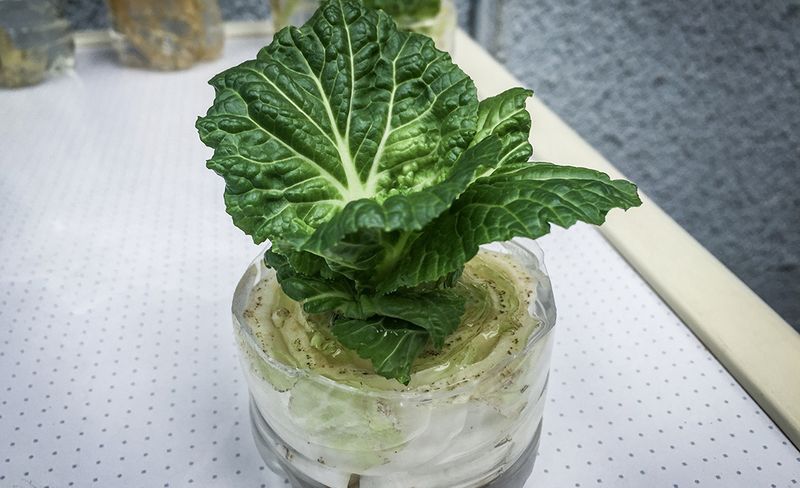
Cabbage can be regrown from its core, transforming kitchen scraps into new heads. Place the base in water, and soon, new leaves will sprout. Regular water changes and sunlight are key to successful growth. This method offers a sustainable way to enjoy cabbage, reducing waste and saving money. Fresh cabbage regrown at home adds a crisp, healthy element to your dishes. It’s a rewarding process that showcases the potential of regrowing vegetables.
14. Fennel
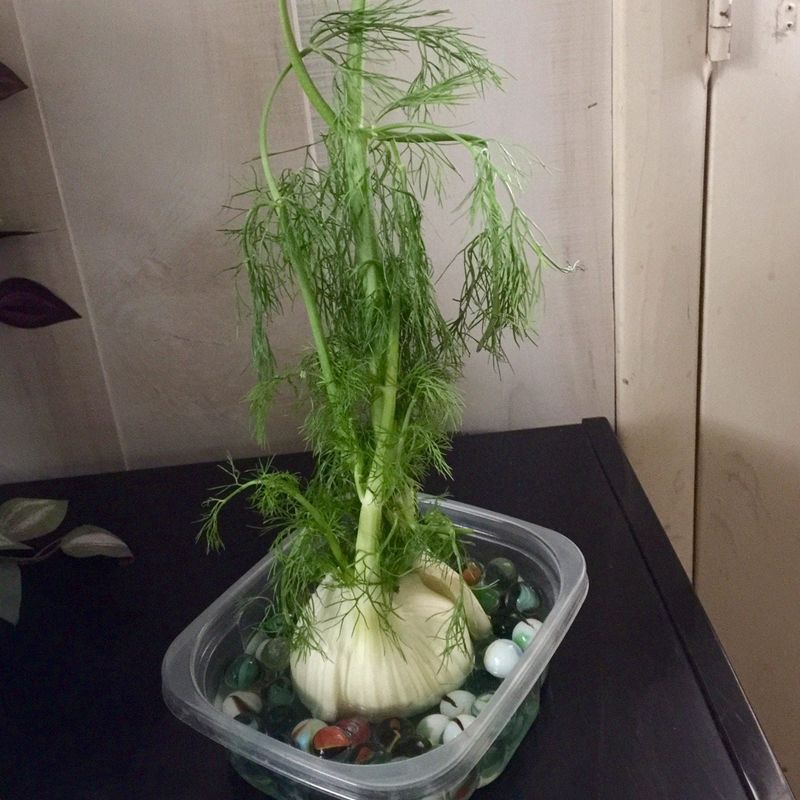
Fennel is easily regrown from its bulb, offering a continuous supply of its aromatic fronds. Place the bulb base in water, and new fronds will sprout within days. Regular water changes and sunlight aid in its growth. This method provides a sustainable way to enjoy fennel, reducing waste and enhancing your garden. Fresh fennel fronds add a licorice-like flavor to dishes, showcasing the versatility of regrowing vegetables from scraps.
15. Lemongrass
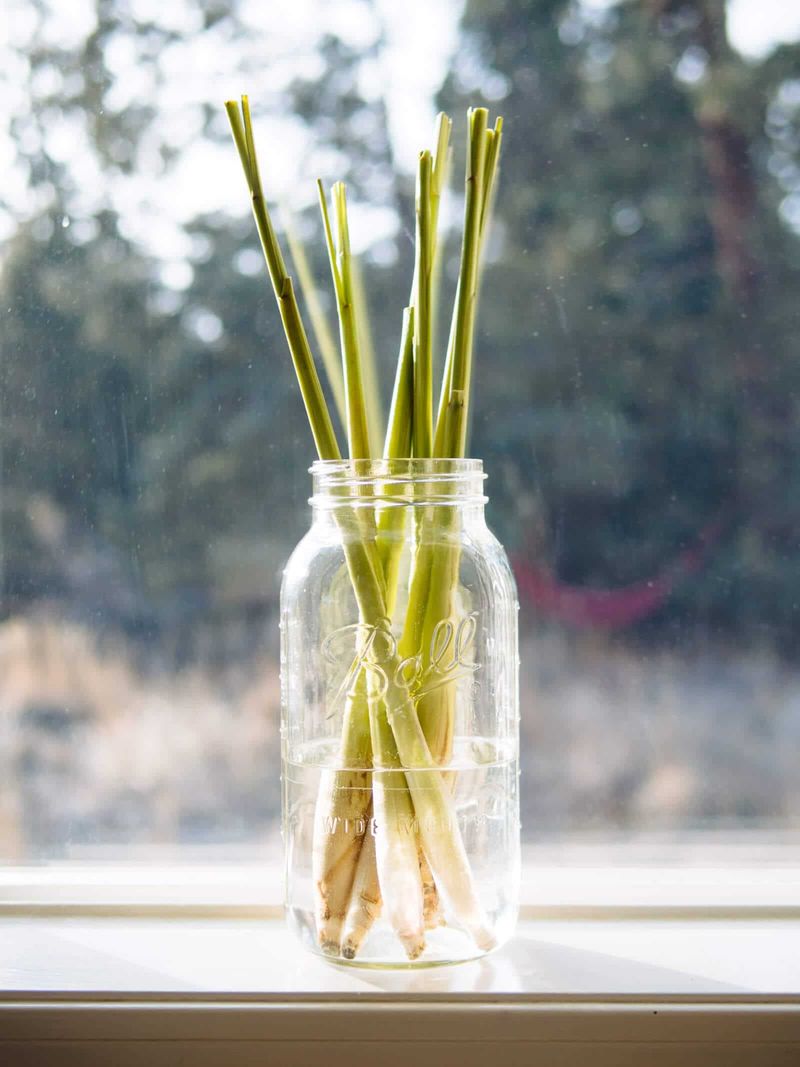
Lemongrass is easily regrown from its stalks, offering a fresh supply of this flavorful herb. Place the stalks in water, and roots will develop within days. Once established, transfer to soil for continued growth. Regular sunlight and watering ensure healthy growth, providing fresh lemongrass for your dishes. This method not only saves money but also adds a fragrant touch to your garden. Lemongrass’s citrusy flavor enhances a variety of culinary creations.
16. Sweet Potatoes
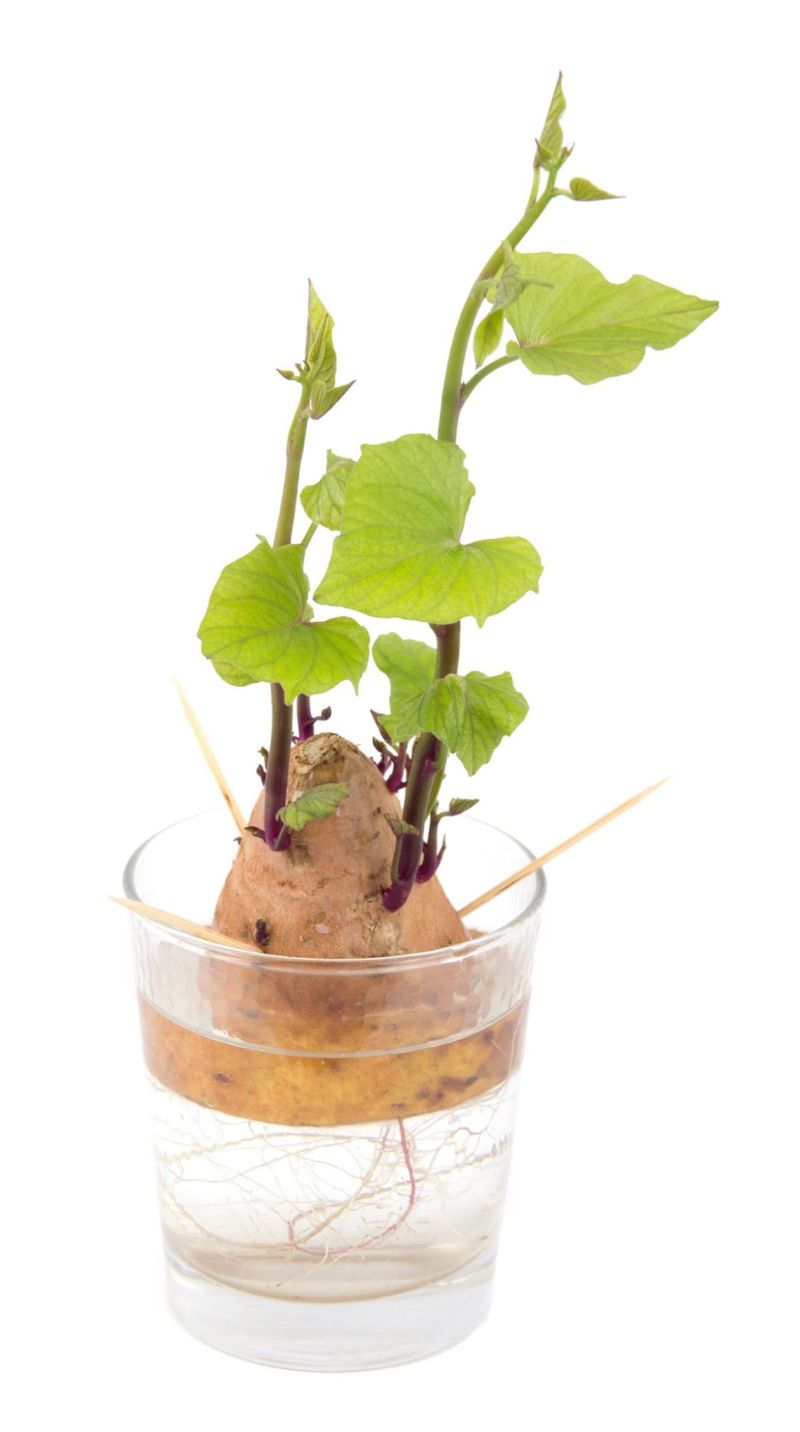
Sweet potatoes can be transformed into lush vines, offering a decorative and edible addition to your home. Start with slices, submerging them in water until shoots develop. Once established, transfer to soil for continued growth. This method provides a sustainable way to enjoy sweet potatoes, reducing waste and saving money. Sweet potato vines add a vibrant touch to your garden, showcasing the beauty of regrowing vegetables from scraps.
17. Potatoes
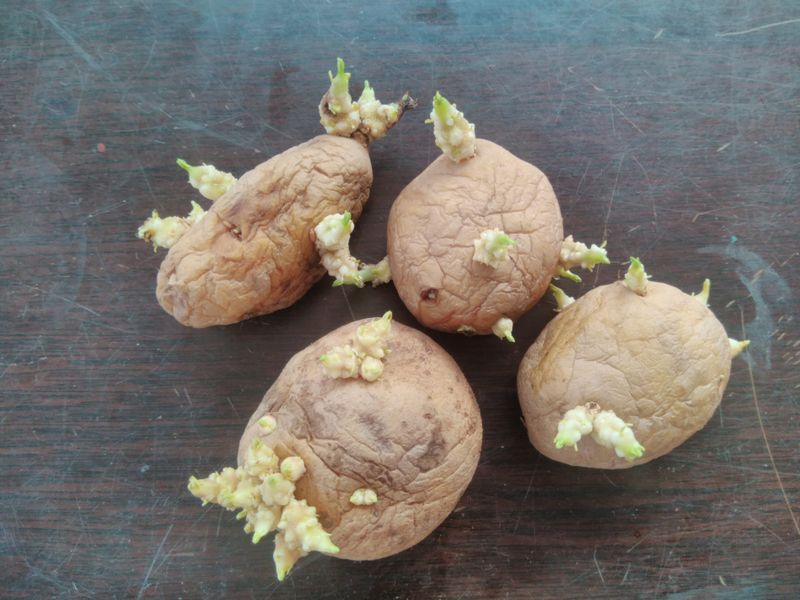
Potatoes can be regrown from their eyes, transforming scraps into new plants. Place the potato with eyes in a dish of water, and shoots will soon emerge. Regular water changes and sunlight aid in growth. This method offers a sustainable way to enjoy potatoes, reducing waste and saving money. Freshly grown potatoes add a hearty element to your meals, showcasing the potential of regrowing vegetables from scraps.
18. Ginger
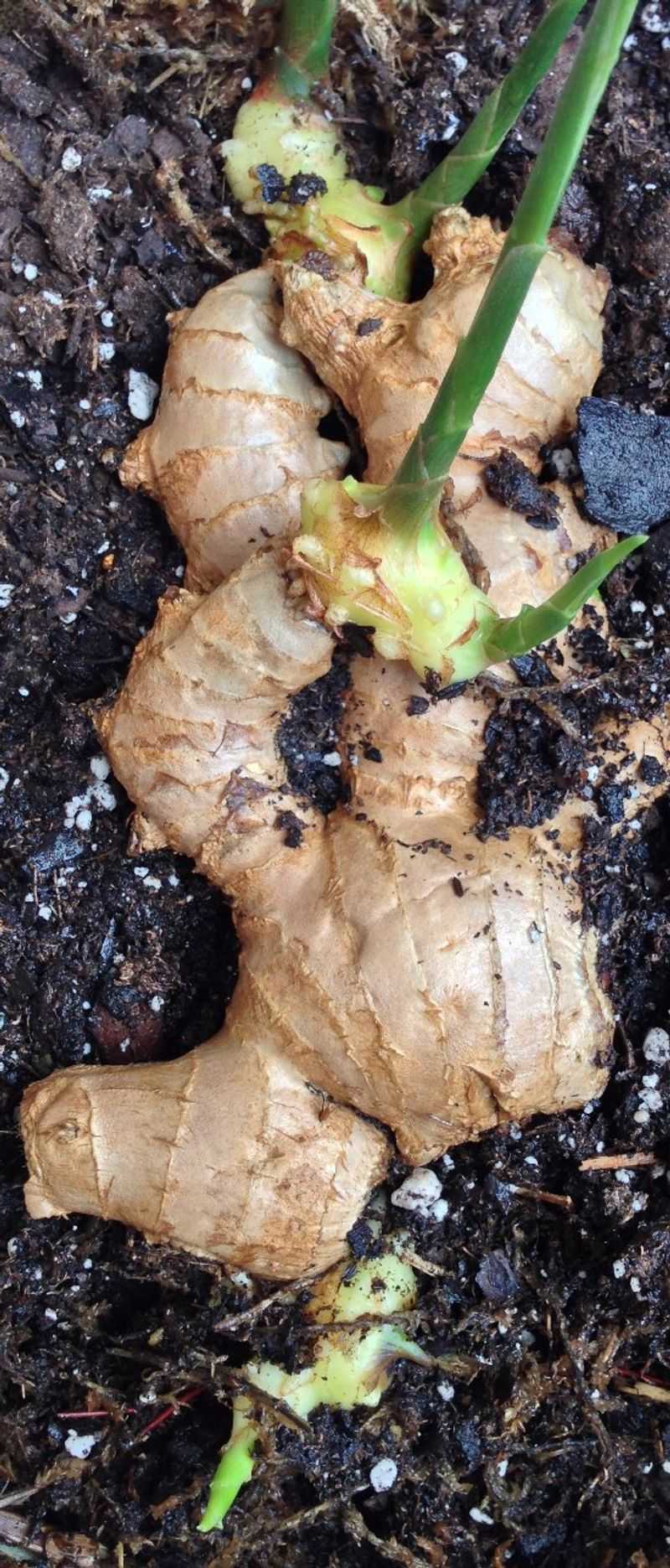
Ginger is easily regrown from its root, offering a fresh supply of this aromatic spice. Plant the root in soil, ensuring it stays moist. Place in a sunny spot, and new shoots will soon emerge. This method provides a sustainable way to enjoy ginger, reducing waste and enhancing your kitchen garden. Fresh ginger adds a zesty flavor to dishes, showcasing the versatility of regrowing vegetables from scraps.
19. Turmeric
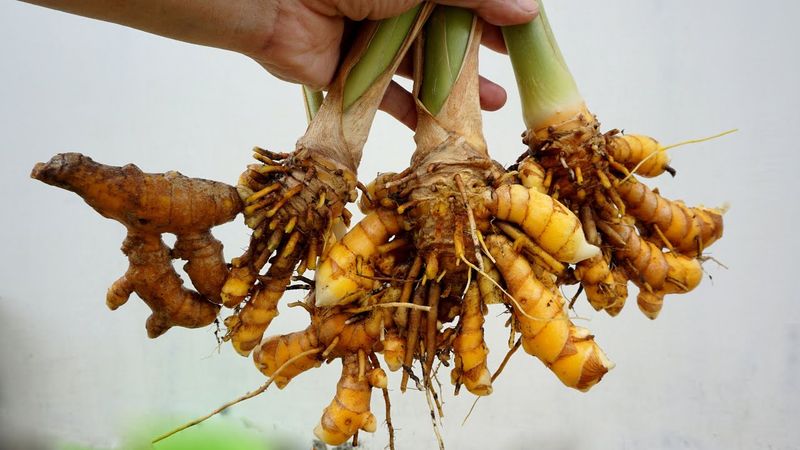
Turmeric can be regrown from its root, providing a continuous supply of this vibrant spice. Plant the root in soil, ensuring it remains moist. Place in a sunny area, and new shoots will soon sprout. This method offers a sustainable way to enjoy turmeric, reducing waste and saving money. Freshly grown turmeric adds a rich, earthy flavor to dishes, showcasing the potential of regrowing vegetables from scraps.
20. Onions
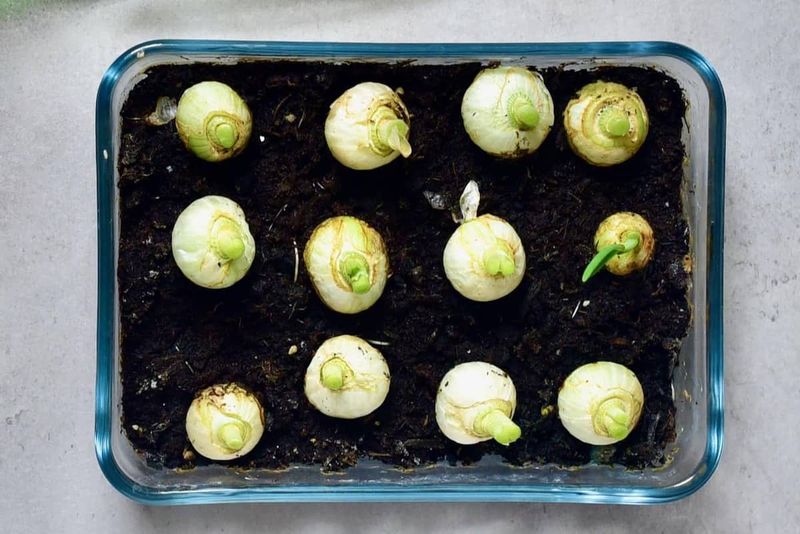
Onions can be regrown from their bulbs, offering a fresh supply without purchasing new ones. Place the bulb in water, and green shoots will soon emerge. Regular water changes and sunlight enhance growth. This method provides a sustainable way to enjoy onions, reducing waste and saving money. Freshly grown onions add a sharp, flavorful element to your meals, showcasing the versatility of regrowing vegetables from scraps.
21. Shallots
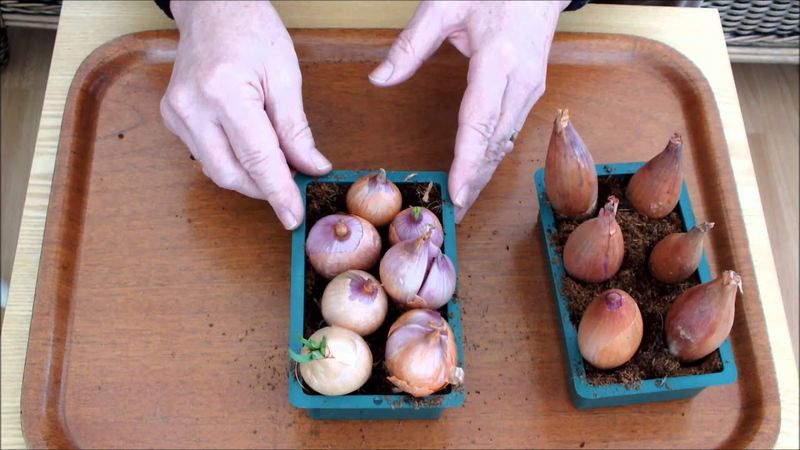
Shallots can be easily regrown from their bulbs, offering a fresh supply of this aromatic vegetable. Place the bulb in water, and shoots will soon emerge. Regular water changes and sunlight enhance the growth process. This method provides a sustainable way to enjoy shallots, reducing waste and saving money. Freshly grown shallots add a subtle, sweet flavor to your dishes, showcasing the potential of regrowing vegetables from scraps.
22. Turnips
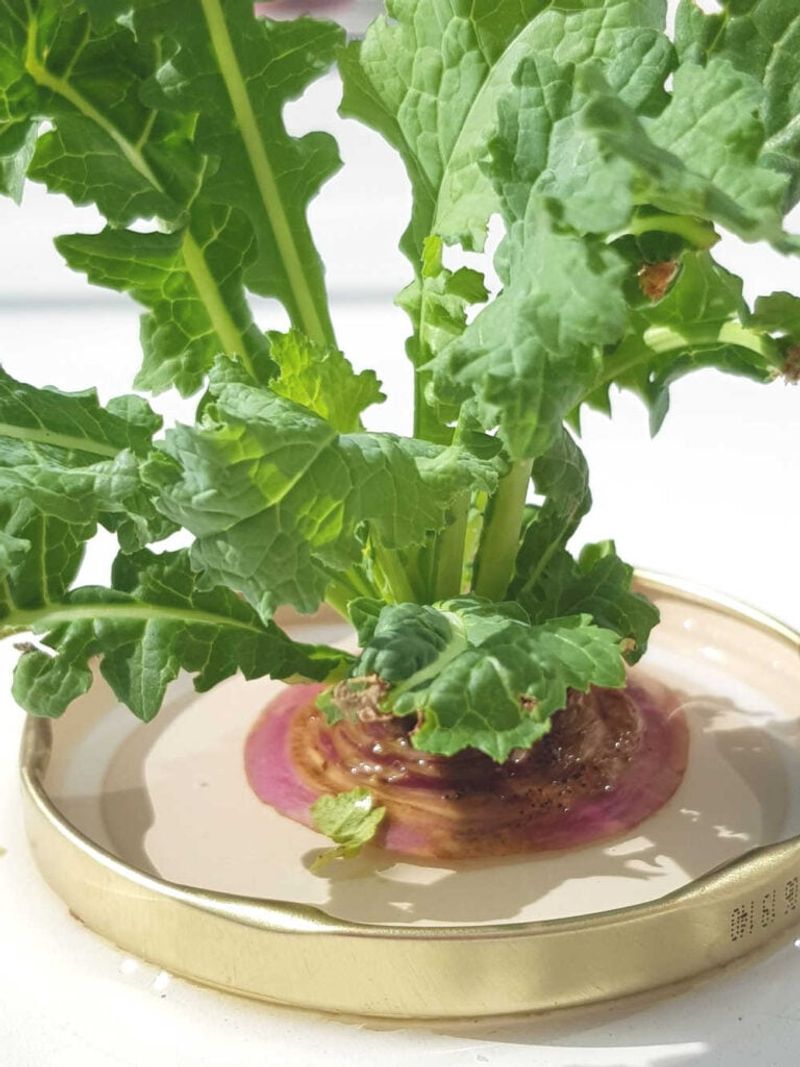
Turnips can be regrown from their tops, providing fresh greens without purchasing new ones. Place the tops in water, and green leaves will soon sprout. Regular water changes and sunlight aid in growth. This method offers a sustainable way to enjoy turnip greens, reducing waste and saving money. Freshly grown turnip greens add a nutritious, leafy element to your meals, showcasing the versatility of regrowing vegetables from scraps.
23. Beet Greens
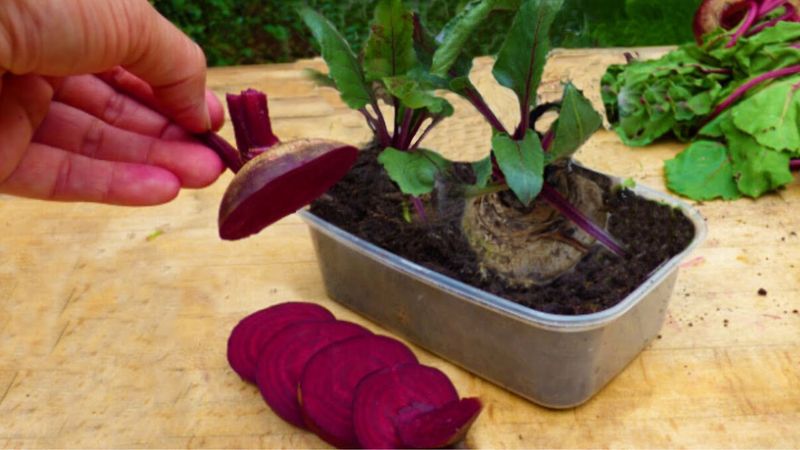
Beet greens can be regrown from beet tops, offering fresh greens without buying new ones. Place the tops in water, and new leaves will soon emerge. Regular water changes and sunlight enhance growth. This method provides a sustainable way to enjoy beet greens, reducing waste and saving money. Freshly grown beet greens add a nutritious, leafy element to your dishes, showcasing the potential of regrowing vegetables from scraps.
24. Radishes (Greens)

Radish greens can be easily regrown from their tops, offering fresh greens without purchasing new radishes. Place the tops in water, and vibrant greens will soon sprout. Regular water changes and sunlight aid in growth. This method provides a sustainable way to enjoy radish greens, reducing waste and saving money. Freshly grown radish greens add a peppery, leafy element to your dishes, showcasing the versatility of regrowing vegetables from scraps.
25. Kohlrabi

Kohlrabi can be regrown from its base, offering a fresh supply of this unique vegetable. Place the base in water, and new leaves will soon emerge. Regular water changes and sunlight enhance growth. This method provides a sustainable way to enjoy kohlrabi, reducing waste and saving money. Freshly grown kohlrabi adds a crisp, nutritious element to your meals, showcasing the potential of regrowing vegetables from scraps.
26. Spinach
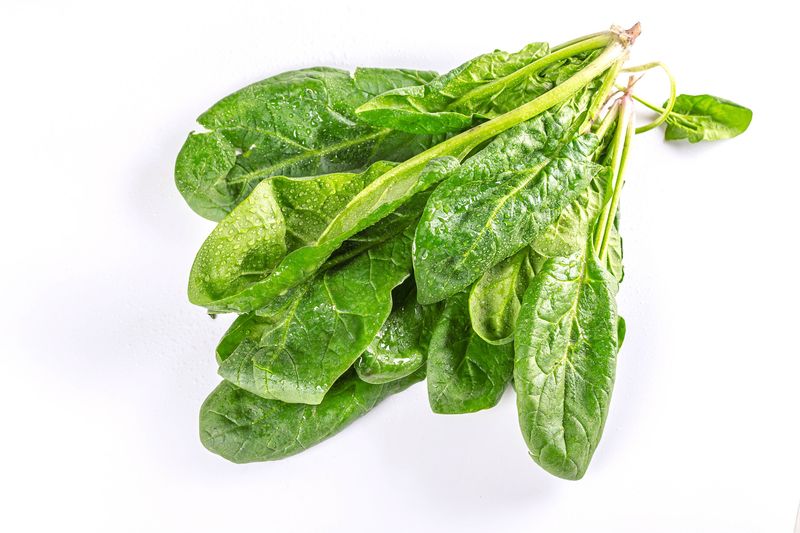
Spinach can be regrown from its roots, providing a continuous supply of fresh greens. Plant the root end in soil, ensuring it stays moist. Place in a sunny spot, and new leaves will soon sprout. This method offers a sustainable way to enjoy spinach, reducing waste and saving money. Freshly grown spinach adds a nutritious, leafy element to your dishes, showcasing the versatility of regrowing vegetables from scraps.
27. Swiss Chard
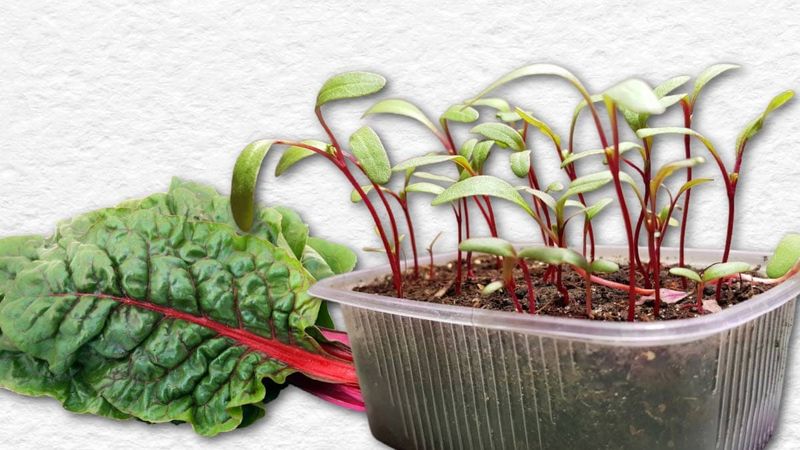
Swiss chard can be regrown from its roots, offering a fresh supply of this colorful vegetable. Plant the root end in soil, ensuring it remains moist. Place in a sunny area, and new leaves will soon sprout. This method provides a sustainable way to enjoy Swiss chard, reducing waste and saving money. Freshly grown Swiss chard adds a vibrant, leafy element to your meals, showcasing the potential of regrowing vegetables from scraps.
28. Mustard Greens
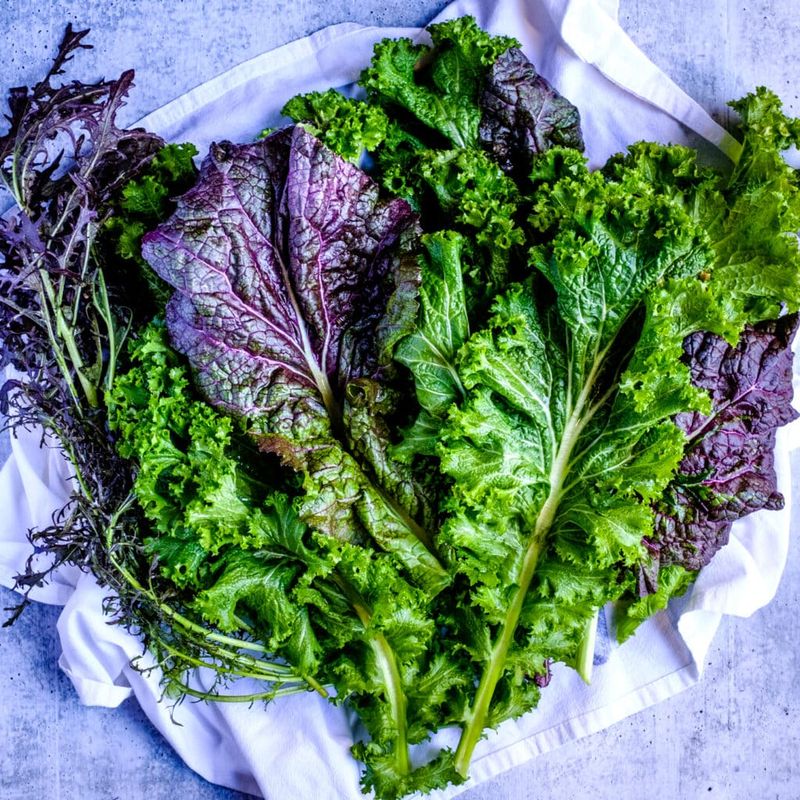
Mustard greens can be regrown from their roots, providing a continuous supply of fresh greens. Plant the root end in soil, ensuring it stays moist. Place in a sunny spot, and new leaves will soon sprout. This method offers a sustainable way to enjoy mustard greens, reducing waste and saving money. Freshly grown mustard greens add a spicy, leafy element to your dishes, showcasing the versatility of regrowing vegetables from scraps.
29. Endive

Endive can be regrown from its base, offering a fresh supply of this leafy vegetable. Place the base in water, and new leaves will soon emerge. Regular water changes and sunlight enhance growth. This method provides a sustainable way to enjoy endive, reducing waste and saving money. Freshly grown endive adds a crisp, leafy element to your meals, showcasing the potential of regrowing vegetables from scraps.
30. Napa Cabbage
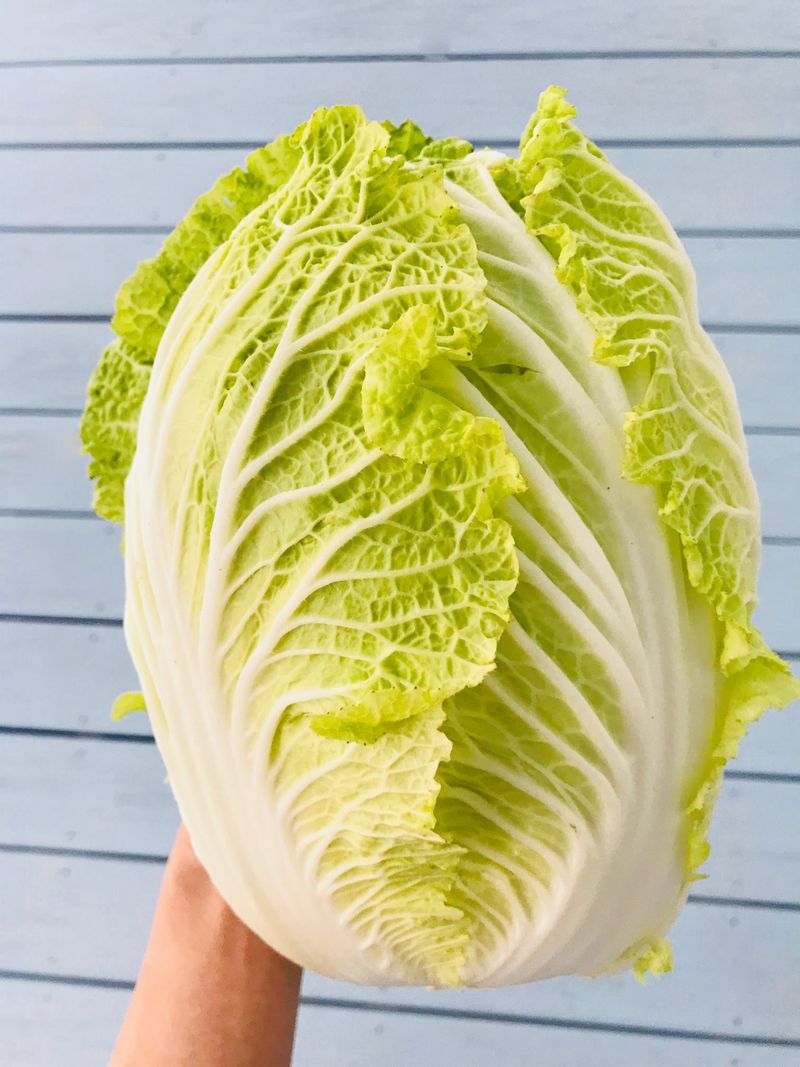
Napa cabbage can be regrown from its base, offering a fresh supply without purchasing new heads. Place the base in water, and new leaves will soon sprout. Regular water changes and sunlight enhance growth. This method provides a sustainable way to enjoy Napa cabbage, reducing waste and saving money. Freshly grown Napa cabbage adds a crisp, nutritious element to your meals, showcasing the versatility of regrowing vegetables from scraps.
31. Spring Onions
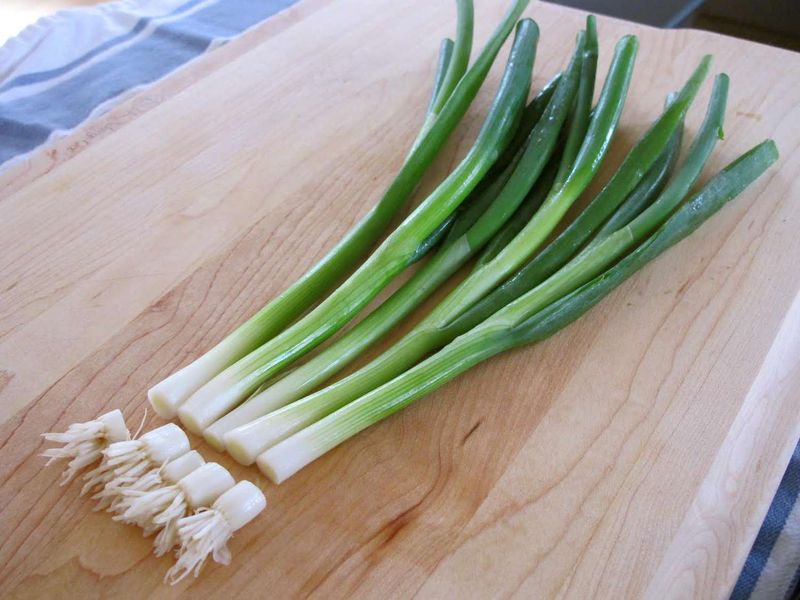
Spring onions can be regrown from their bulbs, offering a fresh supply without buying new ones. Place the bulb in water, and green shoots will soon emerge. Regular water changes and sunlight enhance growth. This method provides a sustainable way to enjoy spring onions, reducing waste and saving money. Freshly grown spring onions add a sharp, flavorful element to your meals, showcasing the potential of regrowing vegetables from scraps.
32. Peas (from Sprouted Seeds)
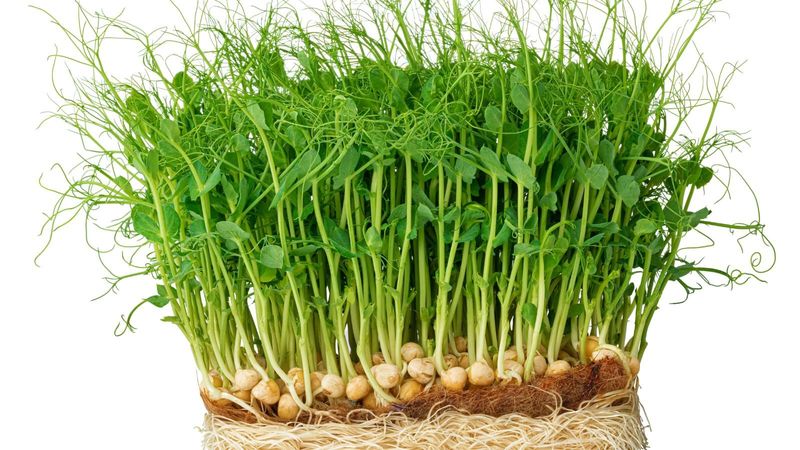
Peas can easily be regrown from sprouted seeds, offering a fresh supply of this nutritious vegetable. Plant the sprouted seeds in soil, ensuring they remain moist. Place in a sunny area, and new shoots will soon emerge. This method provides a sustainable way to enjoy peas, reducing waste and saving money. Freshly grown peas add a sweet, crisp element to your meals, showcasing the versatility of regrowing vegetables from seeds.
33. Chickpeas (from Dried Beans)
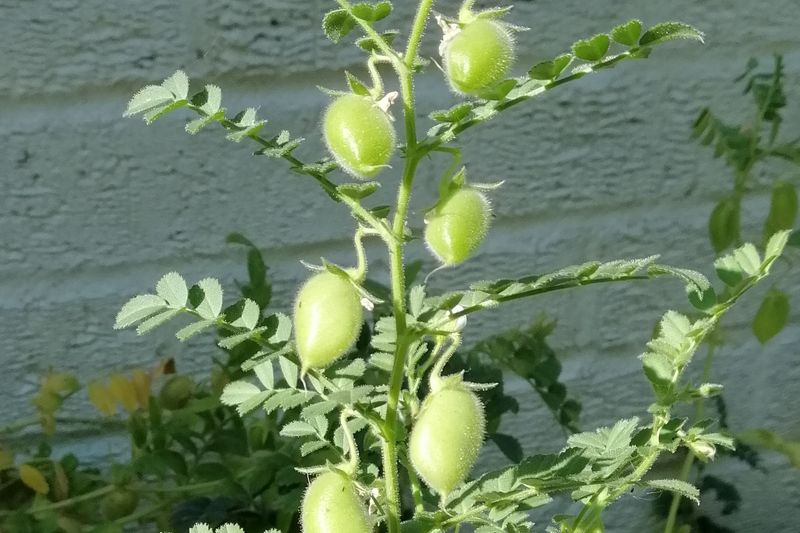
Chickpeas can be regrown from dried beans, offering a fresh supply of this protein-rich legume. Soak the beans, allowing them to sprout. Plant the sprouted seeds in soil, ensuring they stay moist. Place in a sunny spot, and new shoots will soon emerge. This method offers a sustainable way to enjoy chickpeas, reducing waste and saving money. Freshly grown chickpeas add a hearty, nutritious element to your meals, showcasing the versatility of regrowing vegetables from seeds.
34. Lentils
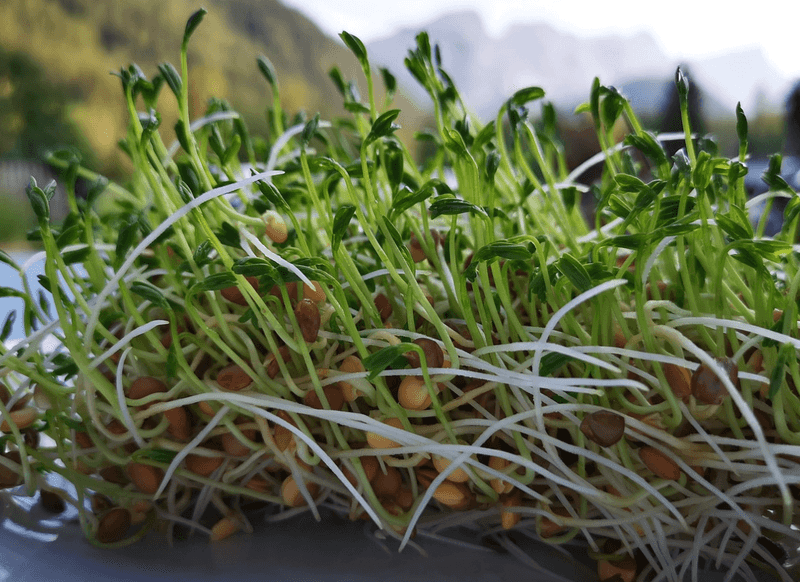
Lentils can be regrown from dried seeds, providing a fresh supply of this protein-rich legume. Soak the seeds until they sprout, then plant in moist soil. Place in a sunny area, and new shoots will soon emerge. This method provides a sustainable way to enjoy lentils, reducing waste and saving money. Freshly grown lentils add a hearty, nutritious element to your meals, showcasing the potential of regrowing vegetables from seeds.
35. Bean Sprouts
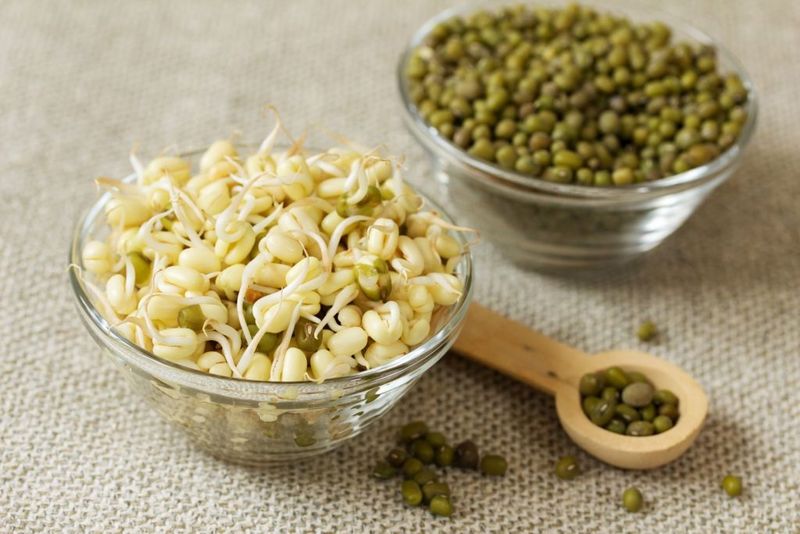
Bean sprouts can be regrown from dried beans, offering a fresh supply of these crunchy vegetables. Soak the beans until they sprout, then place in a dish with water. Regular rinsing and sunlight enhance their growth. This method provides a sustainable way to enjoy bean sprouts, reducing waste and saving money. Freshly grown bean sprouts add a crisp, nutritious element to your meals, showcasing the versatility of regrowing vegetables from seeds.
36. Tomatoes (from Seeds)
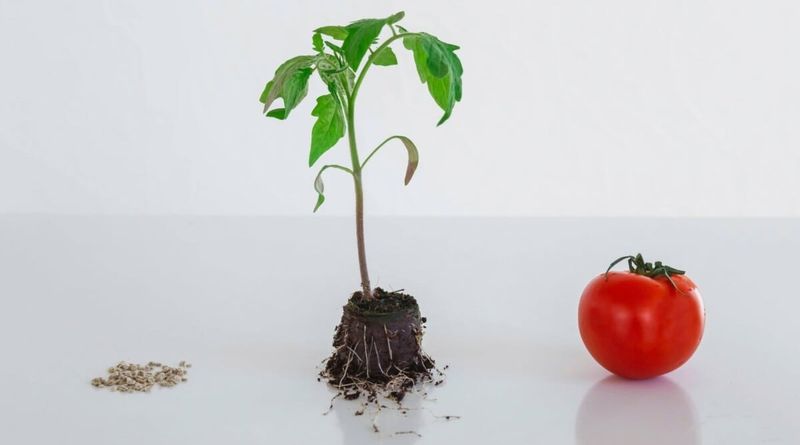
Tomatoes can be easily regrown from seeds, offering a fresh supply of this popular vegetable. Plant the seeds in soil, ensuring they remain moist. Place in a sunny area, and new shoots will soon emerge. This method provides a sustainable way to enjoy tomatoes, reducing waste and saving money. Freshly grown tomatoes add a juicy, flavorful element to your meals, showcasing the potential of regrowing vegetables from seeds.
37. Bell Peppers (from Seeds)
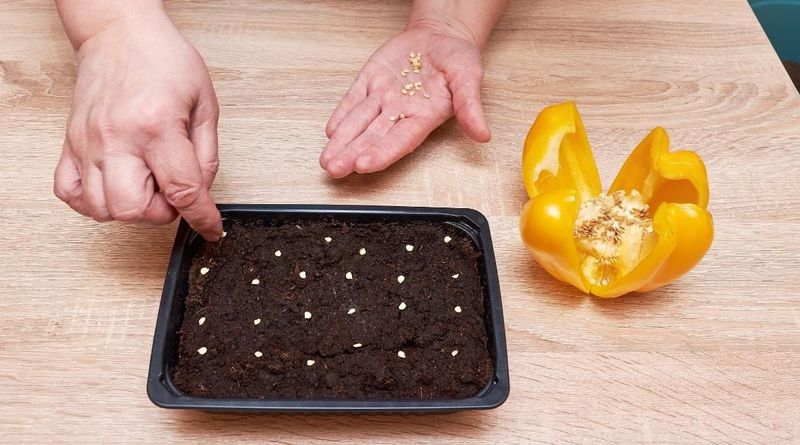
Bell peppers can be regrown from seeds, offering a fresh supply of this colorful vegetable. Plant the seeds in soil, ensuring they remain moist. Place in a sunny area, and new shoots will soon emerge. This method provides a sustainable way to enjoy bell peppers, reducing waste and saving money. Freshly grown bell peppers add a sweet, vibrant element to your meals, showcasing the potential of regrowing vegetables from seeds.
38. Chilies (from Seeds)
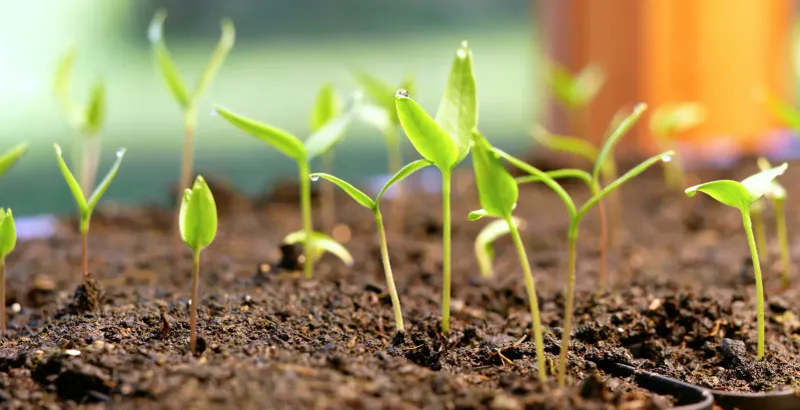
Chilies can be regrown from seeds, offering a fresh supply of this spicy vegetable. Plant the seeds in soil, ensuring they remain moist. Place in a sunny area, and new shoots will soon emerge. This method provides a sustainable way to enjoy chilies, reducing waste and saving money. Freshly grown chilies add a fiery, flavorful element to your meals, showcasing the potential of regrowing vegetables from seeds.
39. Squash (from Seeds)
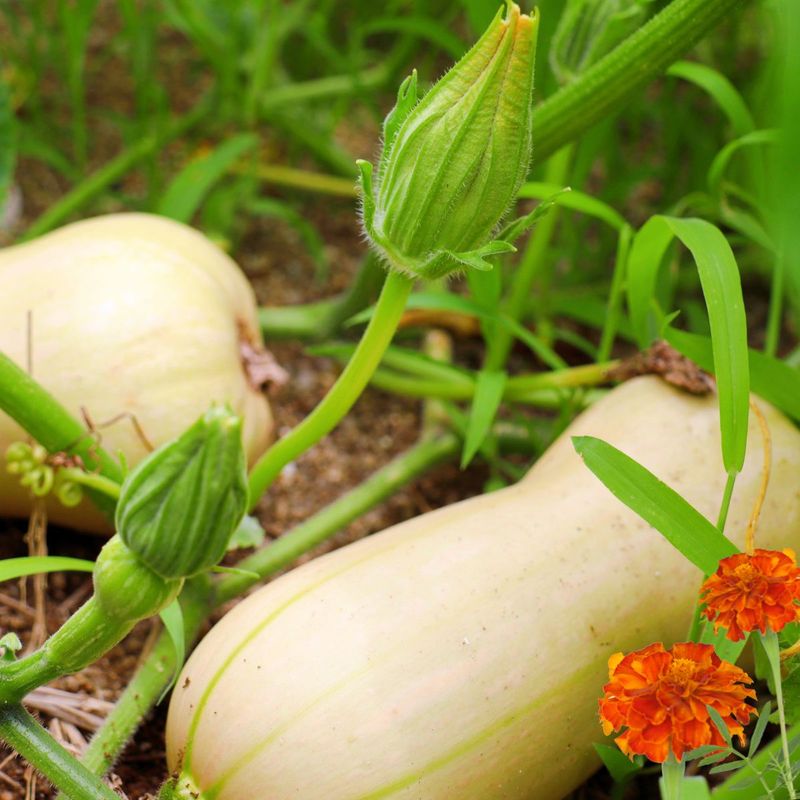
Squash can be regrown from seeds, offering a fresh supply of this versatile vegetable. Plant the seeds in soil, ensuring they remain moist. Place in a sunny area, and new shoots will soon emerge. This method provides a sustainable way to enjoy squash, reducing waste and saving money. Freshly grown squash adds a hearty, nutritious element to your meals, showcasing the potential of regrowing vegetables from seeds.
40. Pumpkin (from Seeds)
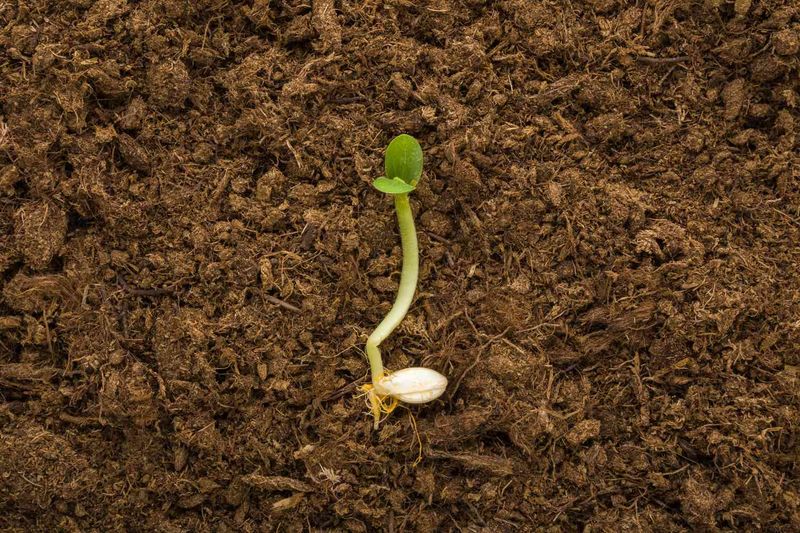
Pumpkins can be regrown from seeds, offering a fresh supply of this seasonal favorite. Plant the seeds in soil, ensuring they remain moist. Place in a sunny area, and new shoots will soon emerge. This method provides a sustainable way to enjoy pumpkins, reducing waste and saving money. Freshly grown pumpkins add a sweet, nutritious element to your meals, showcasing the potential of regrowing vegetables from seeds.