 Complete Gardening
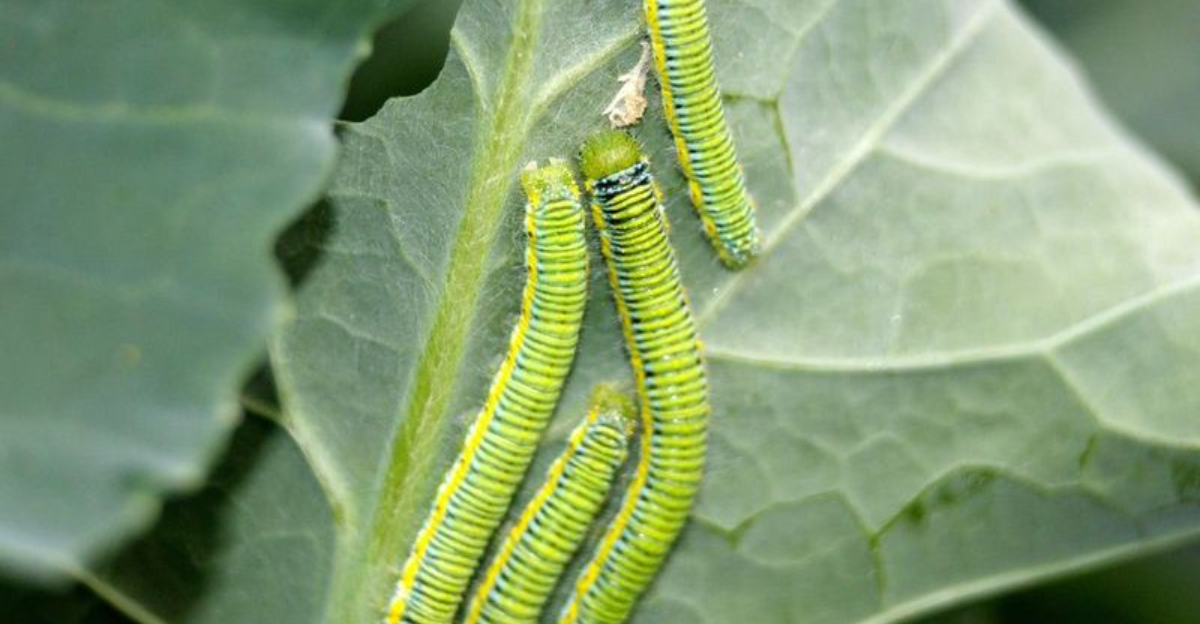
Discover effective and budget-friendly solutions to combat caterpillar infestations in your garden. These 11 organic methods provide a range of options to protect your plants without resorting to harsh chemicals. Whether you’re a seasoned gardener or a beginner, these strategies are designed to fit into any gardening routine, offering both immediate and long-term protection against these pesky leaf-eaters.
1. Hand-Picking (The Old-School Fix)
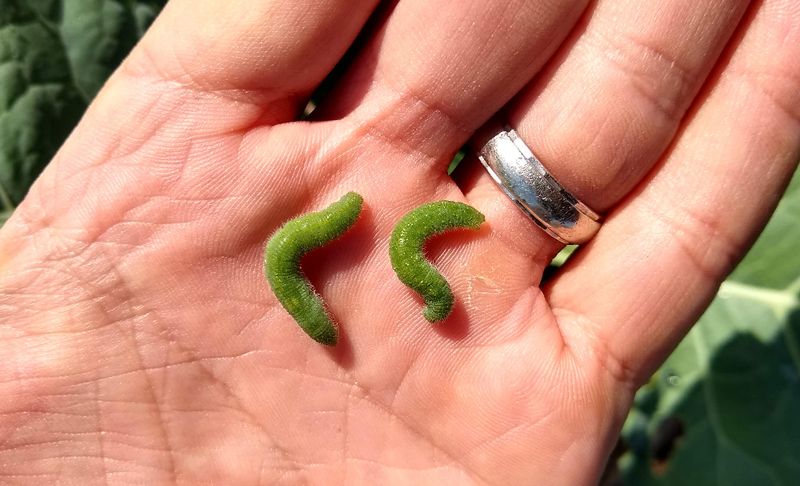
Gardeners have long relied on the time-tested method of hand-picking caterpillars. With a pair of gloves, you can carefully inspect your plants, removing caterpillars from leaves and stems. This direct approach stops damage instantly and is especially useful for small gardens. Try to make it a daily ritual to catch infestations early. Hand-picking is not just effective; it also connects you closely with your plants. By closely observing their growth, you’re more in tune with their health and needs. In the world of gardening, sometimes the simplest solutions are the most satisfying.
2. Soapy Water Spray (DIY Insecticide)
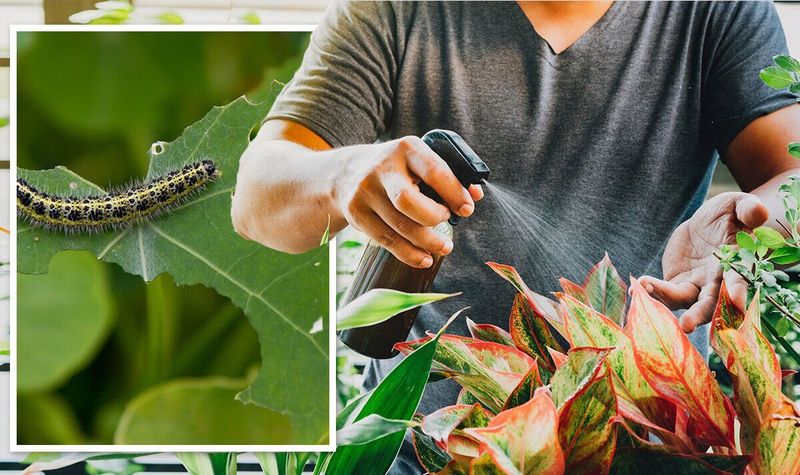
Mixing a tablespoon of dish soap with a quart of water creates a powerful spray to combat caterpillars. When sprayed directly onto these pests, the solution disrupts their cell structure, causing them to dehydrate and die. It’s a gentle method for plants while being lethal to caterpillars. This DIY insecticide is not only cheap but also easy to prepare with household items. It’s perfect for those who prefer an environmentally friendly approach. Make sure to test a small area first, as some plants might be sensitive to soap. Regular application ensures continued protection.
3. Neem Oil (Nature’s Pest Repellent)
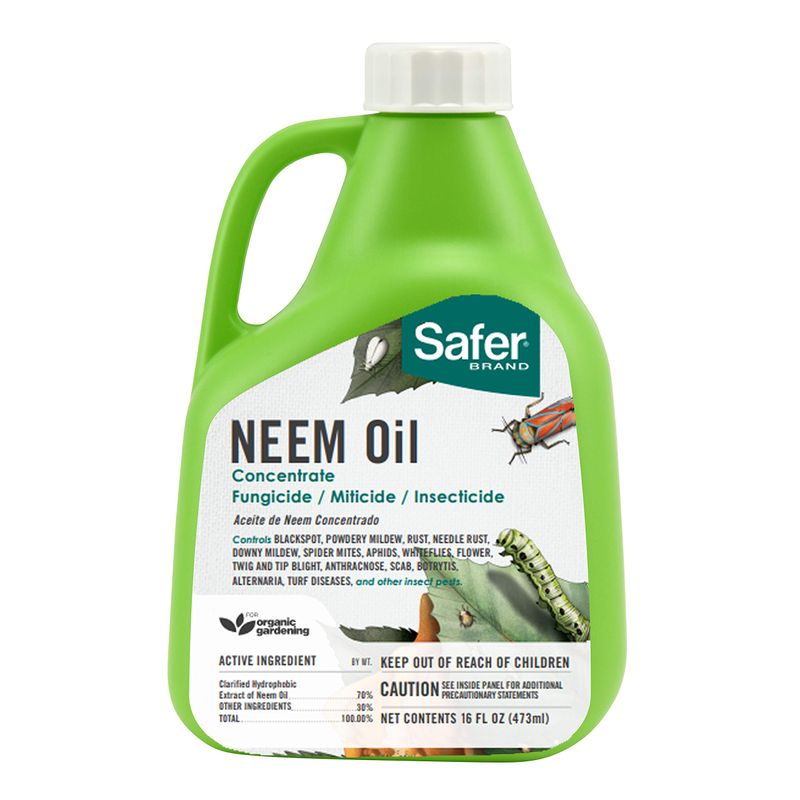
Neem oil has gained popularity for its effectiveness in repelling pests, including caterpillars. By mixing two teaspoons of neem oil with a teaspoon of dish soap and a quart of water, you create a potent repellent. Spraying this mixture on plant leaves helps smother eggs and deter hungry larvae. Neem oil is derived from the neem tree, native to India, and has been used for centuries in agriculture. Its natural properties make it a safe choice for organic gardening. Regular use not only protects plants but also promotes healthy growth by minimizing pest-related stress.
4. Garlic & Chili Spray (Spicy Deterrent)
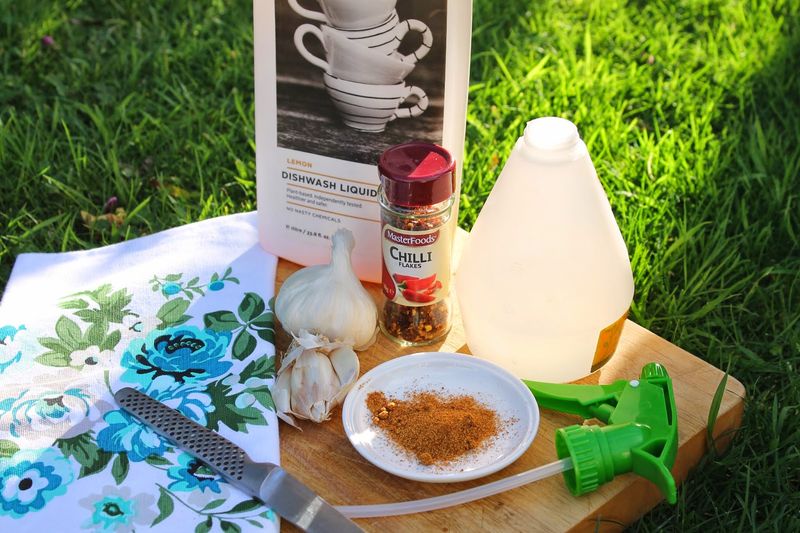
Garlic and chili, staples in many kitchens, can also double as a spicy caterpillar deterrent. Blend two garlic cloves with a tablespoon of cayenne pepper and a quart of water, then strain the mixture. The resulting spray, when applied to plants, repels caterpillars with its strong smell and taste. It’s a natural solution that works well for gardeners looking for an alternative to chemical pesticides. The combination of garlic and chili creates a potent aroma that pests find unbearable. This method is both cost-effective and easy to prepare at home with simple ingredients.
5. Diatomaceous Earth (DE) (Natural Barrier)
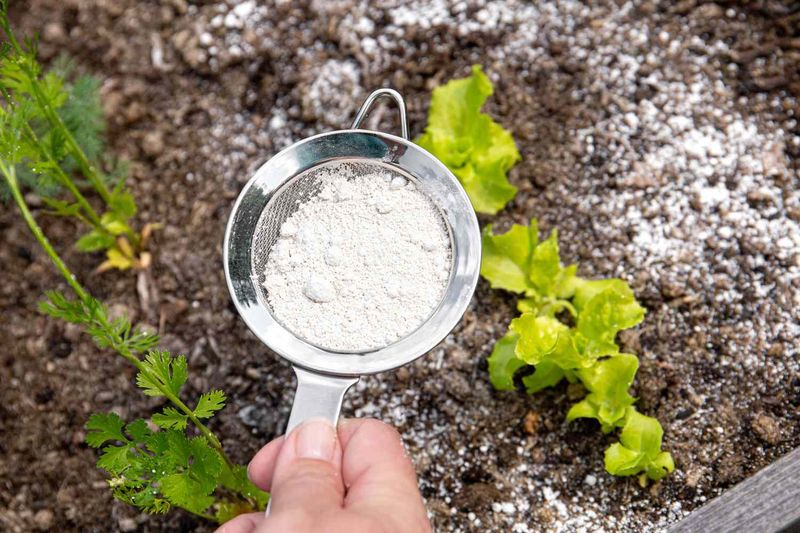
Diatomaceous Earth (DE) acts as a natural barrier against caterpillars. This powder, made from tiny fossilized aquatic organisms, is harmless to humans but lethal to many insects. By dusting food-grade DE on leaves and soil, caterpillars are deterred by the sharp particles that pierce their bodies. It’s a method favored by organic gardeners for its effectiveness and safety. Reapplication is needed after rain to maintain its protective layer. DE is not only a barrier but also improves soil quality over time. Using DE offers a sustainable way to manage pests without harming the ecosystem.
6. Bird Feeders (Recruit Natural Predators)
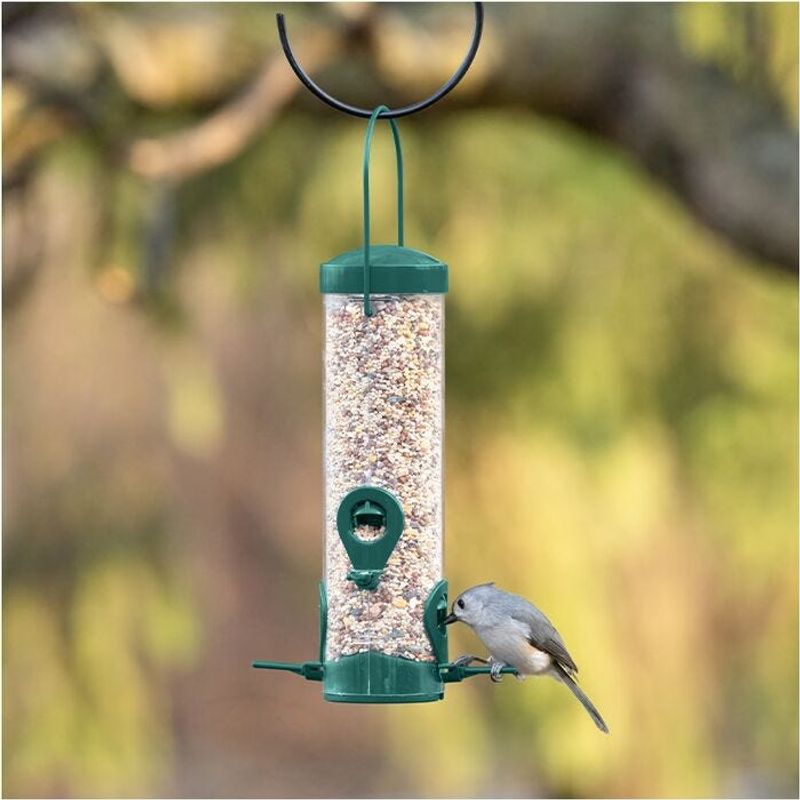
Bird feeders serve as an invitation for feathered friends to visit your garden. These natural predators enjoy snacking on caterpillars, providing free pest control. By strategically placing bird feeders near affected plants, you encourage more birds to visit. This symbiotic relationship benefits both plants and birds, creating a balanced ecosystem. Bird feeders come in various designs, appealing to different bird species. Besides controlling pests, they add a lively atmosphere to the garden, with the cheerful presence of birds. Embracing nature’s help reduces the need for chemical interventions, aligning with sustainable gardening practices.
7. Floating Row Covers (Physical Block)

Floating row covers provide a physical barrier that prevents moths from laying eggs on plants. Made of lightweight fabric, these covers allow sunlight and moisture to reach plants while blocking pests. They’re an excellent preventive measure for gardeners who want to avoid infestations before they start. Covers can be placed over individual plants or entire garden beds. This method is particularly useful during the growing season when pests are most active. Besides protection, row covers can also help maintain consistent growing conditions, enhancing plant health and yield. They offer a practical solution for preventive pest management.
8. Coffee Grounds (Double-Duty Trick)
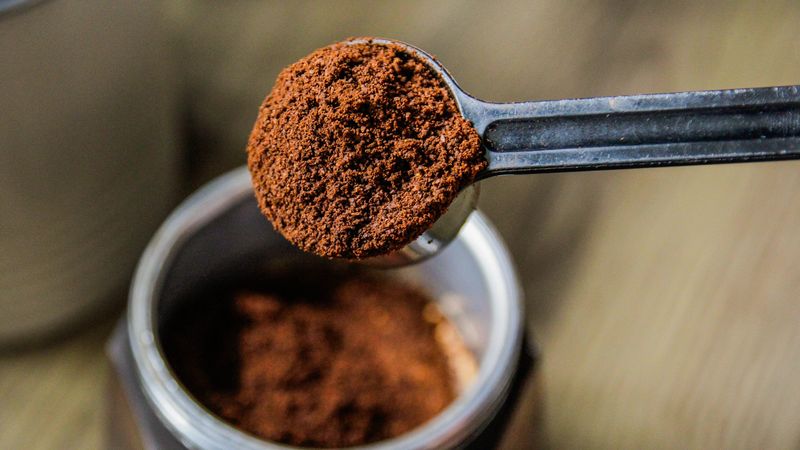
Coffee grounds serve a dual purpose in the garden, both repelling caterpillars and enriching the soil. By sprinkling used coffee grounds around plants, you create an environment that caterpillars find unappealing. The grounds’ texture deters pests while their nutrients enhance soil quality. For gardeners who enjoy a cup of coffee, this method offers a sustainable way to recycle waste. It’s an eco-friendly practice that combines pest control with soil improvement. Over time, the addition of coffee grounds contributes to healthier plant growth, making it a favorite among organic gardeners seeking natural solutions.
9. Bacillus thuringiensis (Bt) (Organic Killer)
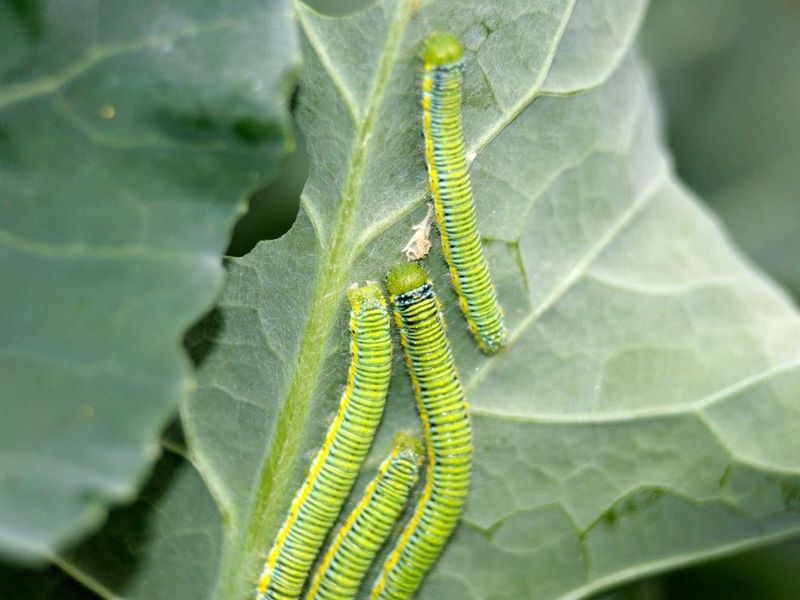
Bacillus thuringiensis (Bt) offers a targeted approach to caterpillar control. This natural bacteria, when sprayed on leaves, is safe for plants but deadly to caterpillars. Bt’s selective action means it targets only leaf-eating larvae, preserving beneficial insects. It’s a solution well-suited for organic gardens where maintaining ecological balance is crucial. Gardeners appreciate Bt for its effectiveness and low environmental impact. Regular application keeps caterpillar populations in check, allowing plants to thrive. Bt represents a scientific advancement in gardening, combining biological control with plant care. Its use supports sustainable agriculture and pest management.
10. Companion Planting (Smart Prevention)
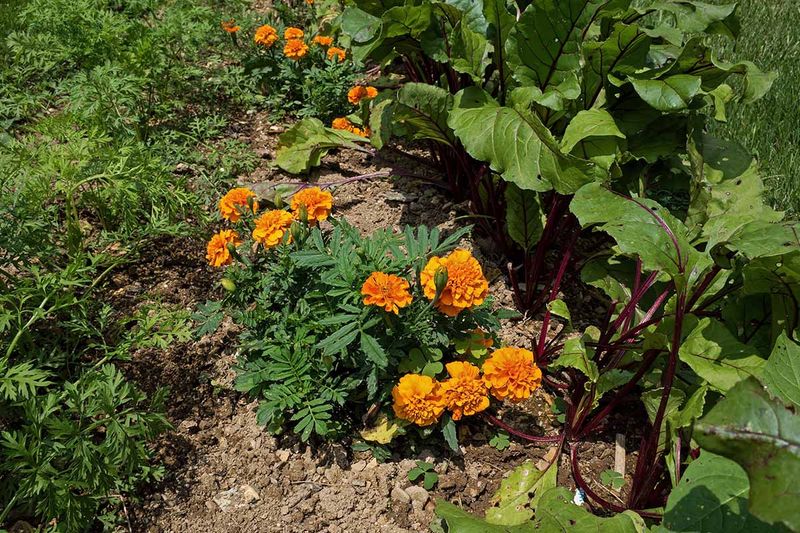
Companion planting is a smart strategy that repels caterpillars by confusing them with diverse plant scents. By growing mint, lavender, or marigolds near vegetables, you create a natural barrier against egg-laying moths. These aromatic plants not only deter pests but also attract pollinators, enhancing garden biodiversity. Companion planting fosters a harmonious environment where plants support each other’s growth. This method aligns with organic gardening principles, minimizing the need for artificial pesticides. Gardeners find it a rewarding practice that combines aesthetics with functionality, as colorful flowers add beauty while protecting crops from pests.
11. Vinegar Spray (Last Resort)
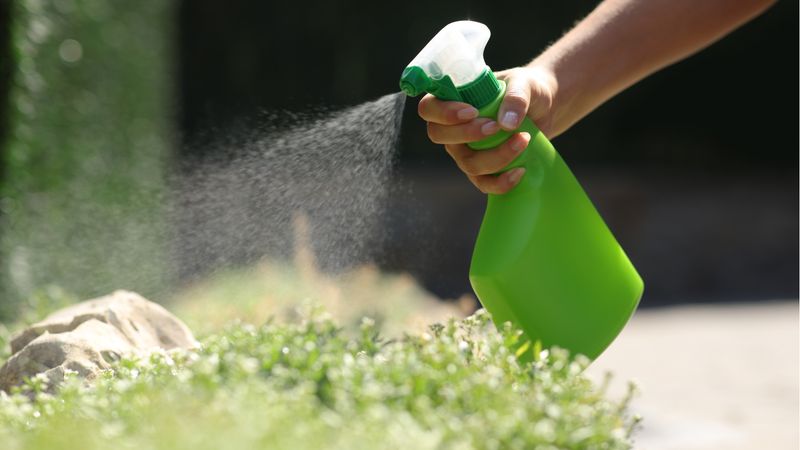
Vinegar spray acts as a last resort for stubborn caterpillar infestations. By mixing one part vinegar with three parts water, you create a potent deterrent. When applied to leaves, the strong odor repels caterpillars, but caution is advised. Test a small area first to avoid potential plant burn. This method is suitable for gardeners facing severe infestations, providing a quick fix when other solutions fail. The vinegar’s acidity disrupts caterpillar habitats, making it an effective emergency measure. While it’s powerful, it’s best used sparingly to preserve plant health. Its use highlights the balance between control and care.