 Complete Gardening
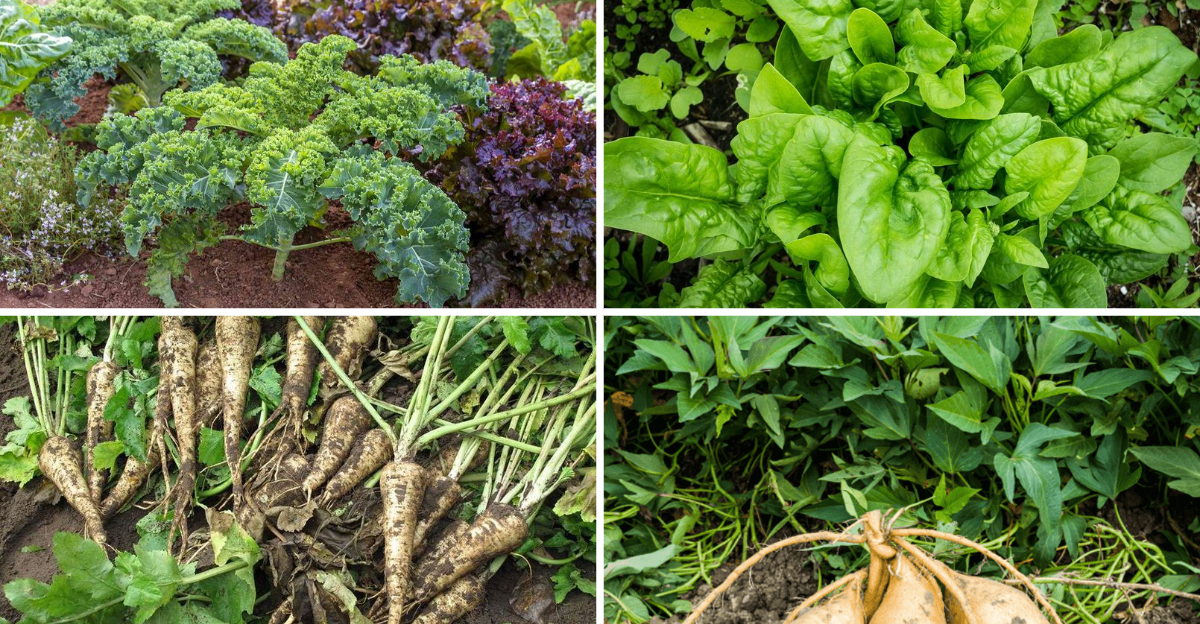
In the pursuit of health and well-being, many gardeners stick to conventional choices when growing vegetables, often without realizing that some popular options may not deliver on their promises. This guide challenges you to rethink your garden by identifying ten overrated “healthy” vegetables and offering ten powerful alternatives that can transform your diet and garden alike. Dive into a fresh perspective on what you choose to cultivate in your backyard.
1. Kale
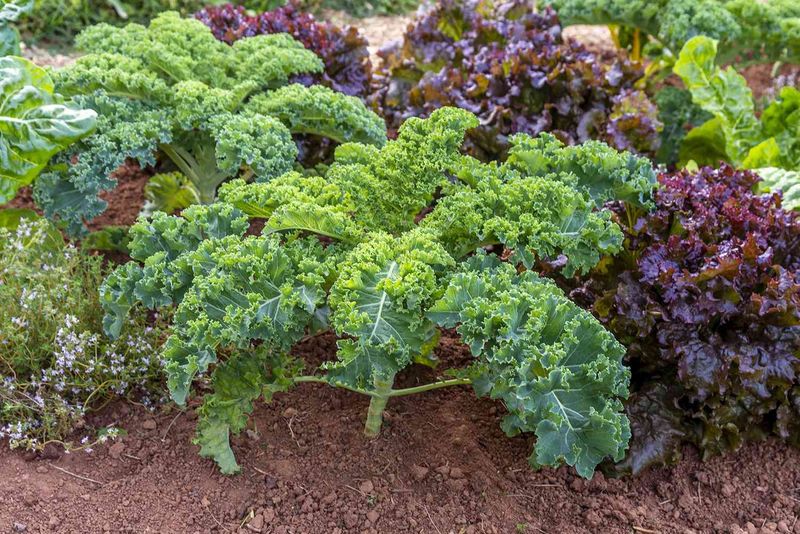
Kale, dubbed a superfood, is packed with nutrients like vitamin K, vitamin C, and calcium. Its robust leaves add a powerful punch to salads, smoothies, and stews. Not only does it support bone health, but it also boosts your immune system. Fun fact: Kale has been cultivated for over 2,000 years, originally favored by the ancient Greeks and Romans for its hardiness.
2. Spinach
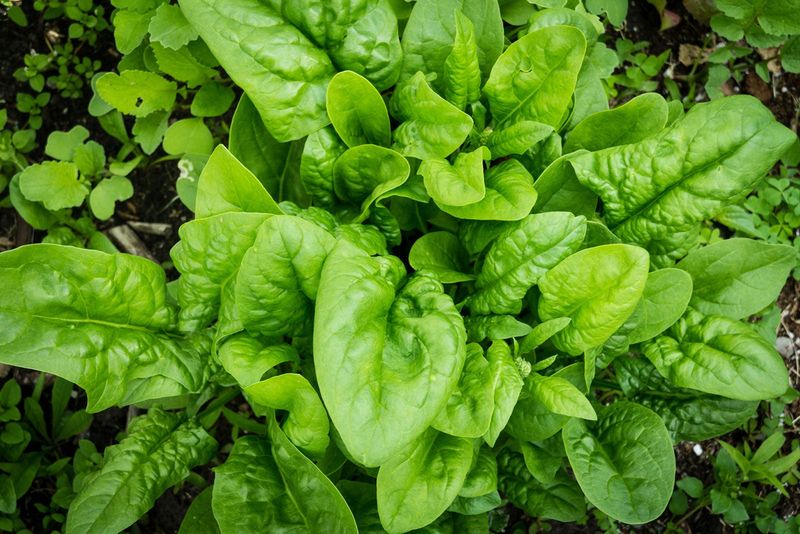
Spinach is a nutritional powerhouse, rich in iron, calcium, and antioxidants. Its tender leaves make it versatile for various dishes, from salads to pasta. Beyond its culinary uses, spinach supports eye health and reduces oxidative stress. A quirky tidbit: Spinach became famous in popular culture thanks to Popeye, the cartoon sailor who used it to boost his strength.
3. Sweet Potatoes

Sweet potatoes are a nutrient-rich alternative, offering vitamins A and C along with fiber. Their natural sweetness enhances any meal, from roasted dishes to desserts. Besides their delicious taste, they support digestive health and vision. Did you know? Sweet potatoes have been a staple in diets for centuries, dating back to prehistoric times in Peru.
4. Beetroot
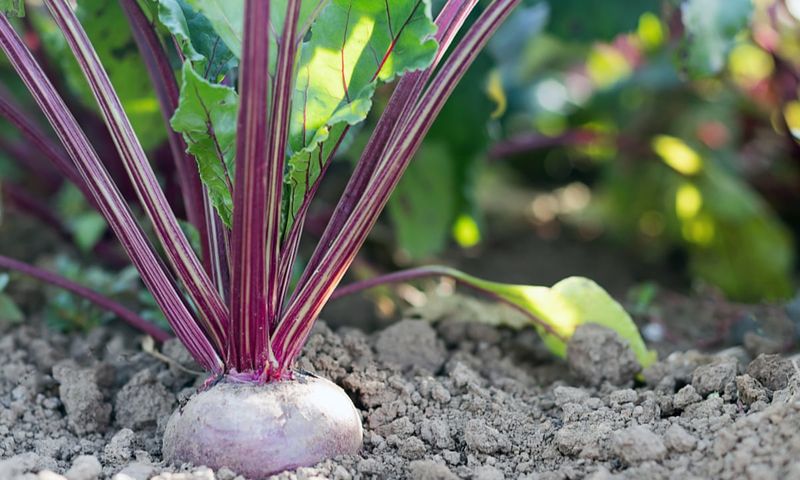
Beetroot is a vibrant vegetable full of nutrients like folate, iron, and fiber. Its earthy sweetness makes it popular in both savory and sweet dishes. Beetroots support heart health and brain function, making them a valuable addition to any diet. A fun fact: The natural pigment in beets, betalains, is used as a food coloring due to its vivid hue.
5. Red Bell Peppers
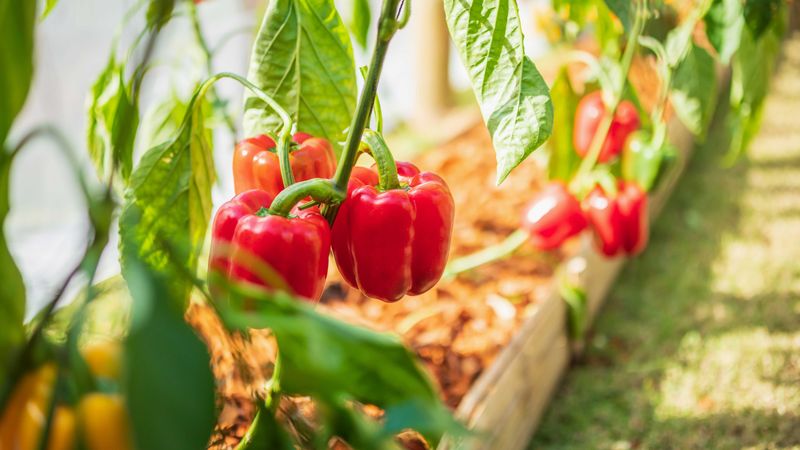
Red bell peppers are a superior choice, offering higher levels of vitamins A and C compared to their green counterparts. Their sweet and juicy flavor enhances any dish, from salads to stir-fries. Not only do they taste better, but they also contribute to better skin and eye health. Did you know? The ripening process from green to red increases the antioxidant content in bell peppers.
6. Broccoli
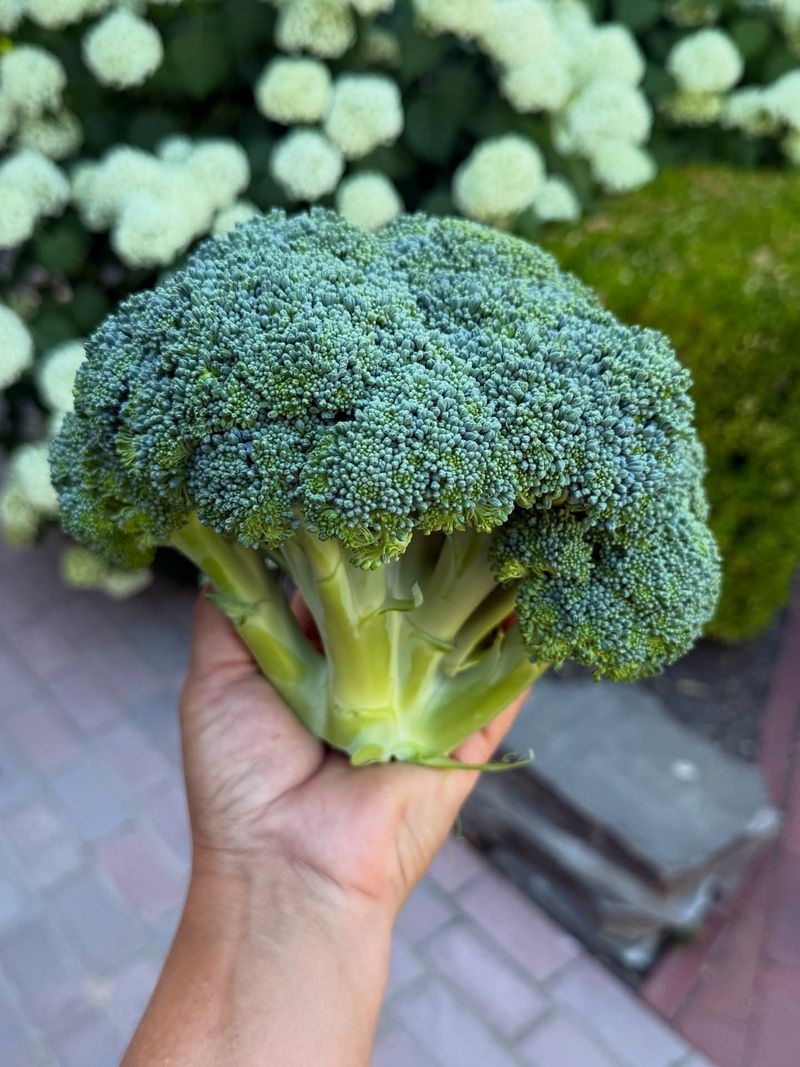
Broccoli is a fantastic alternative, offering a wealth of nutrients like vitamin K, vitamin C, and folate. Its crunchy texture and slightly bitter taste add depth to many dishes. Beyond its flavor, broccoli supports immune function and bone health. A historical note: Broccoli was first cultivated in the northern Mediterranean about 2,000 years ago and was revered for its numerous health benefits.
7. Lentils

Lentils are a powerhouse legume, rich in protein, fiber, and essential nutrients like iron and folate. Their versatility allows them to be included in soups, stews, and salads, offering a hearty and nutritious option. Lentils support heart health and provide sustained energy levels. Did you know? Lentils are one of the oldest cultivated crops, dating back over 9,000 years in the Near East.
8. Parsnips

Parsnips are an underrated root vegetable, offering more fiber and vitamins like C and K compared to carrots. Their nutty, sweet flavor makes them a delightful addition to roasts and stews. Beyond taste, parsnips support digestive health and immune function. Fun fact: In the 16th and 17th centuries, parsnips were used as a sweetener before sugar became widely available.
9. Garlic
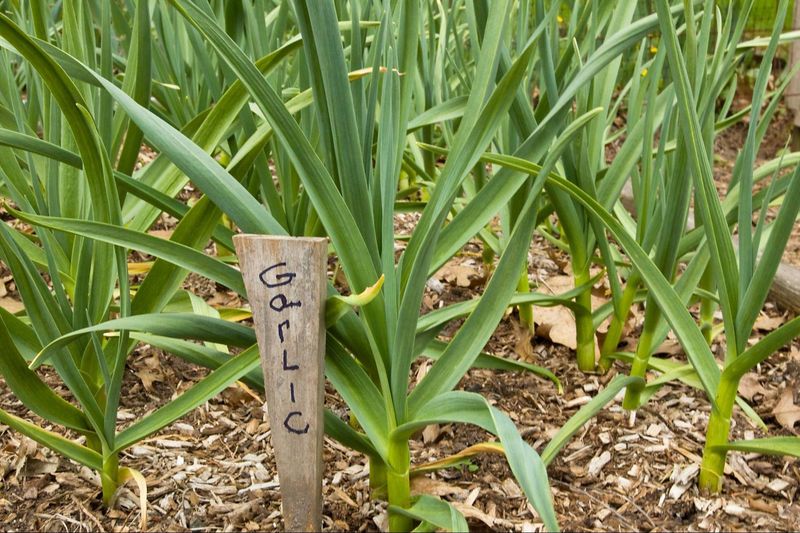
Garlic is a culinary and medicinal marvel, known for its potent flavor and health benefits. Rich in compounds like allicin, garlic supports heart health and boosts the immune system. Its pungent aroma enhances countless dishes around the globe. Did you know? In ancient Greece, Olympic athletes consumed garlic to improve their performance.
10. Butternut Squash
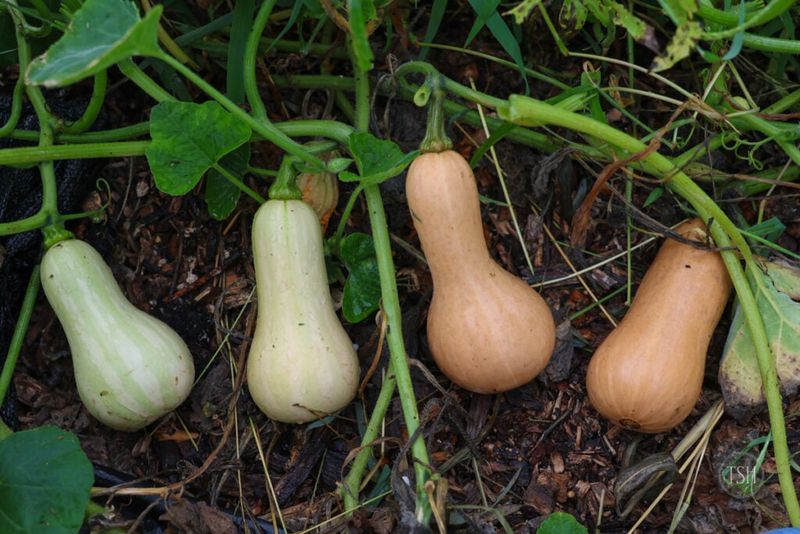
Butternut squash is a nutritional champion, loaded with vitamins A and C as well as fiber. Its creamy texture and sweet flavor enhance soups, casseroles, and salads. Beyond taste, it supports healthy vision and immune function. Historically, butternut squash was developed in the 1940s by crossing gooseneck squash with other varieties.