 Complete Gardening
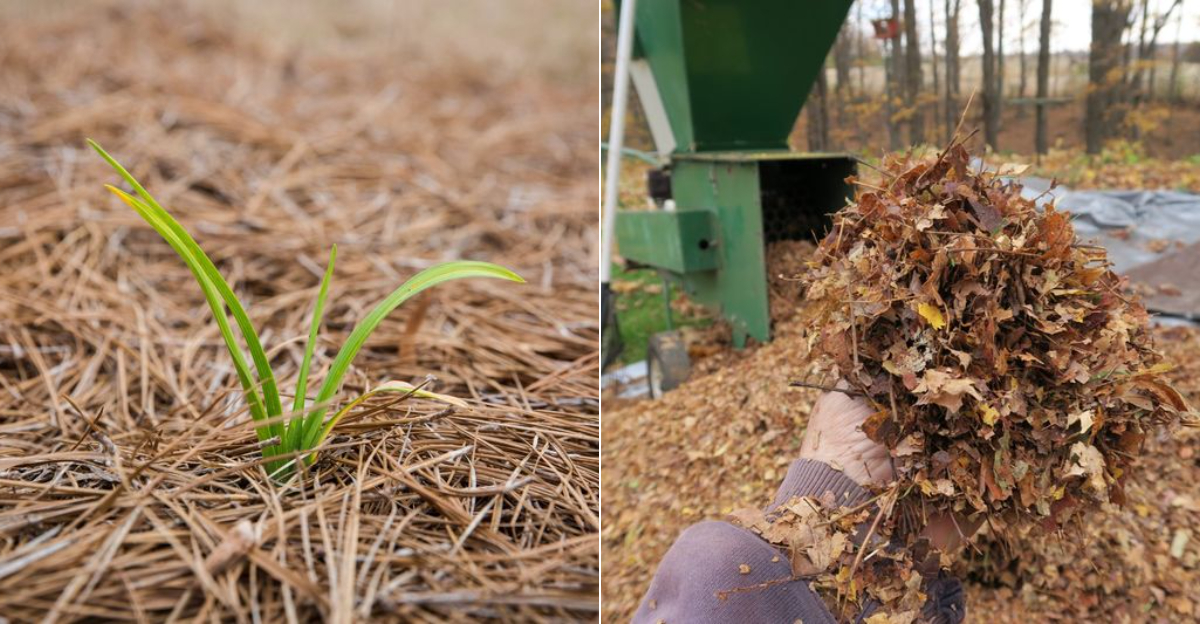
Mulching is an essential part of gardening, offering benefits like moisture retention and weed suppression. However, not all mulching materials are created equal. Some can actually harm your plants instead of helping them thrive. In this guide, we’ll explore ten mulching materials to avoid and provide safer alternatives to ensure your garden flourishes.
1. Fresh Grass Clippings
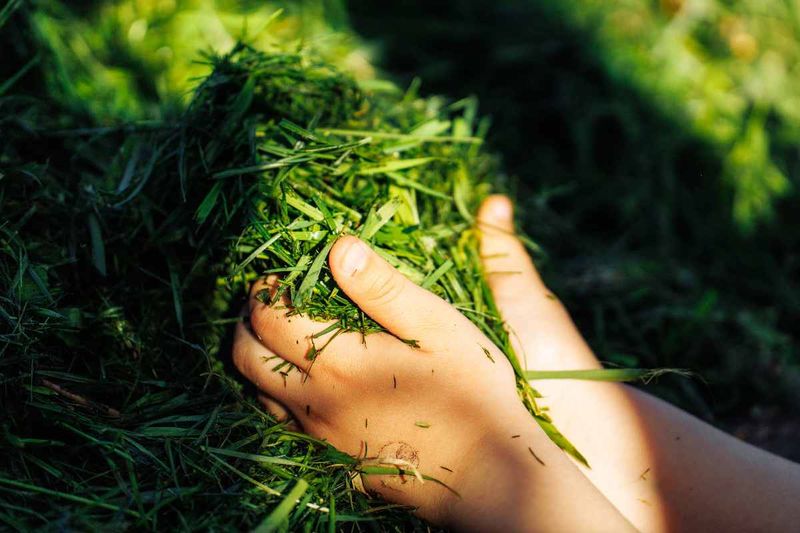
Fresh grass clippings might seem like an eco-friendly mulch choice, but beware of their hidden downside. When applied too thickly, they create a dense, water-repelling mat. This layer not only suffocates roots but also becomes a breeding ground for rot and fungi, especially in humid conditions.
Instead of fresh clippings, opt for dried or fully composted grass. These alternatives allow for better airflow and moisture penetration, supporting a healthier garden environment. A touch of patience in allowing grass to dry or compost can make the difference between thriving plants and a struggling garden.
2. Sawdust (Untreated Wood Shavings)
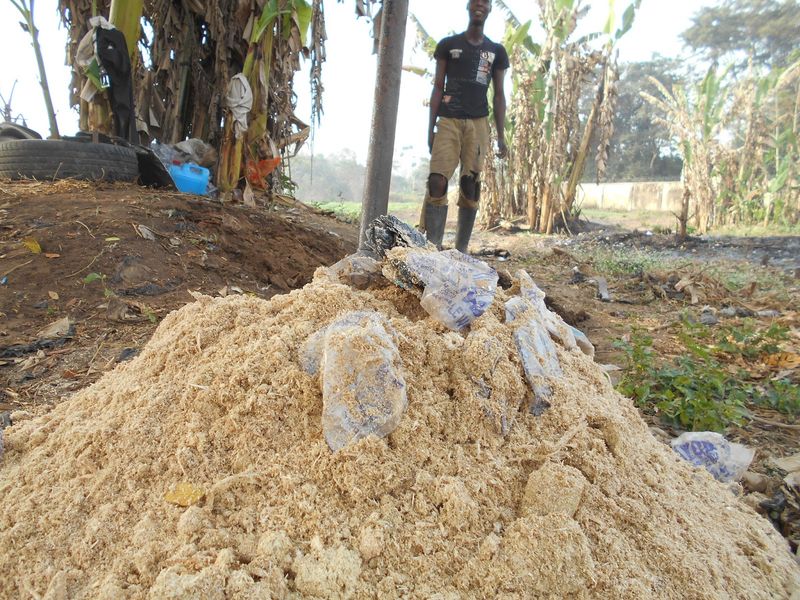
Sawdust from untreated wood can seem like a cost-effective mulch option, but it poses a significant threat to plant health. As it decomposes, sawdust depletes nitrogen levels, starving plants of this essential nutrient. Additionally, it tends to compact, creating a surface that repels water.
For a safer alternative, use aged sawdust that’s been left to decompose for at least six months, or opt for wood chips. These materials enrich the soil without the nitrogen-draining effect, ensuring your plants receive the nutrients they need to flourish.
3. Black Walnut Leaves & Hulls
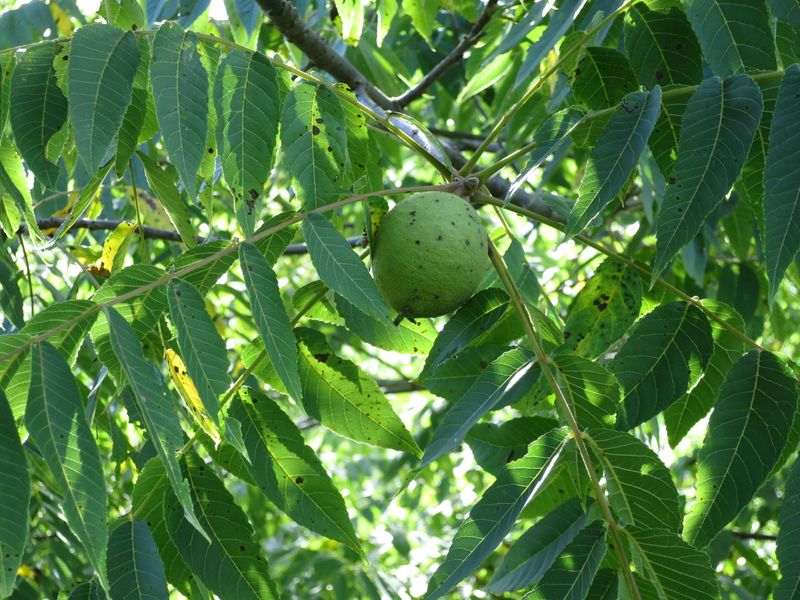
Black walnut trees produce leaves and hulls containing juglone, a natural chemical that can inhibit plant growth. This toxin is particularly harmful to sensitive plants like tomatoes, peppers, and azaleas.
If you’re in need of leaf mulch, consider shredded oak or maple leaves, which are safe for most plants. These alternatives not only avoid the toxic effects but also break down into nutrient-rich compost, benefiting your garden over time. Steering clear of black walnut debris can ensure a healthier, more vibrant garden.
4. Dyed Mulch (Red or Black)
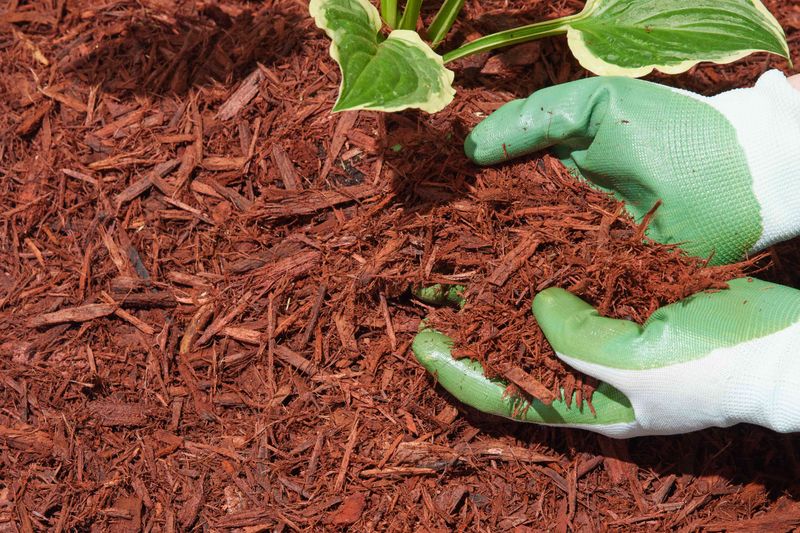
Dyed mulches, often in striking shades of red or black, might add visual appeal to your garden but carry hidden risks. The artificial dyes can leach harmful chemicals into the soil, and some dyed mulches are made from recycled materials treated with toxins.
Opt for natural alternatives like cedar mulch or pine bark nuggets. These options provide the same aesthetic benefits without the chemical hazards. Choosing natural mulch not only enhances your garden’s beauty but also protects its ecological integrity.
5. Straw (From Treated Crops)
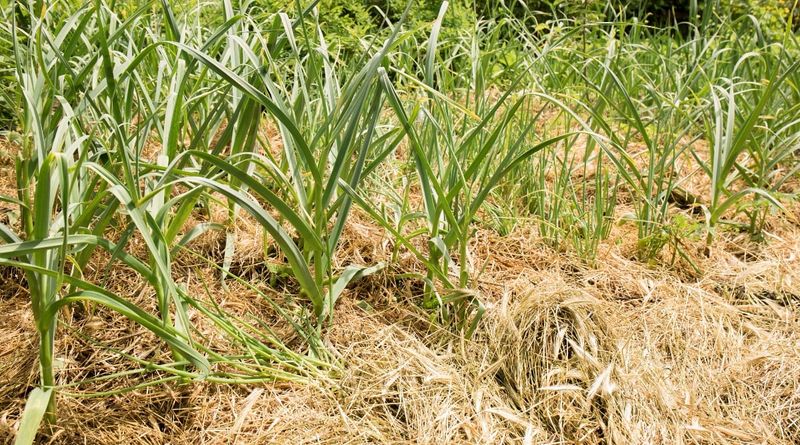
Straw is a popular mulch for vegetable gardens, but caution is needed when sourcing it. Straw from conventionally treated crops may carry residual herbicides, which can linger in the soil and affect sensitive plants.
For a safer alternative, look for organic straw labeled herbicide-free or opt for salt marsh hay. These choices ensure that the mulch you use supports plant health rather than compromising it. By selecting carefully, you can provide your garden with the protection it needs without unwanted chemical interference.
6. Pine Needles (For Alkaline-Loving Plants)
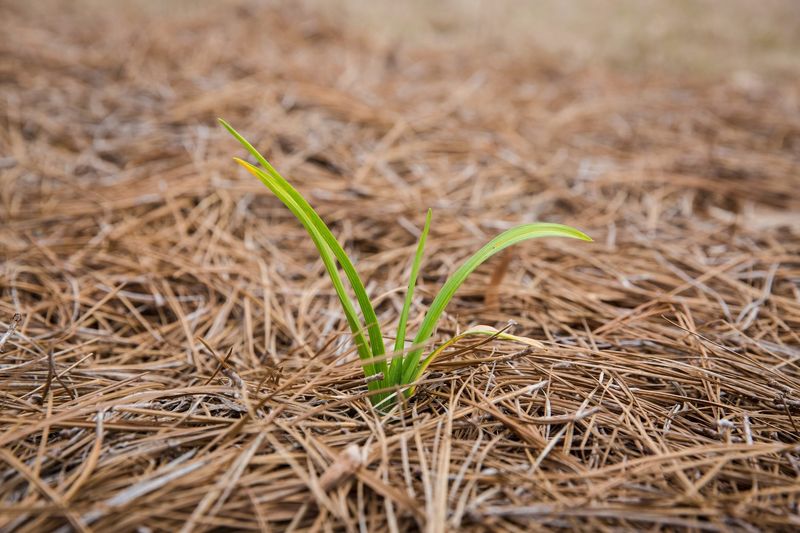
While pine needles are a popular mulch choice for acid-loving plants like blueberries, they can be detrimental to those preferring neutral pH, such as lavender. Over time, their acidity alters the soil’s pH, creating an inhospitable environment for alkaline-loving flora.
Instead, use shredded hardwood mulch for plants needing a more balanced pH. This ensures that your garden’s soil remains conducive to the growth preferences of each plant species, enabling a harmonious gardening environment.
7. Rocks & Gravel (In Wrong Climates)
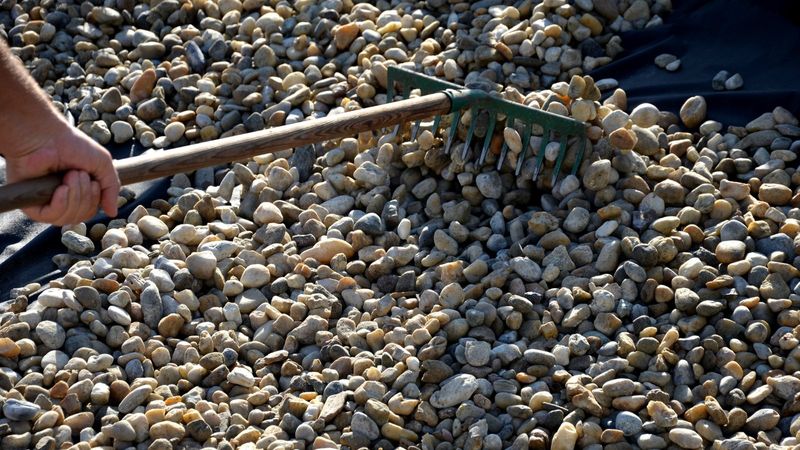
Rocks and gravel might seem like durable mulch options, but in hot climates, they can become problematic. These materials absorb and radiate heat, potentially cooking plant roots and causing undue stress. Moreover, they do little to improve soil quality.
For more appropriate choices, consider light-colored pebbles for succulents or organic mulch for general gardens. These alternatives help manage temperature and provide necessary nutrients, fostering a more plant-friendly environment.
8. Whole Leaves (Unshredded)
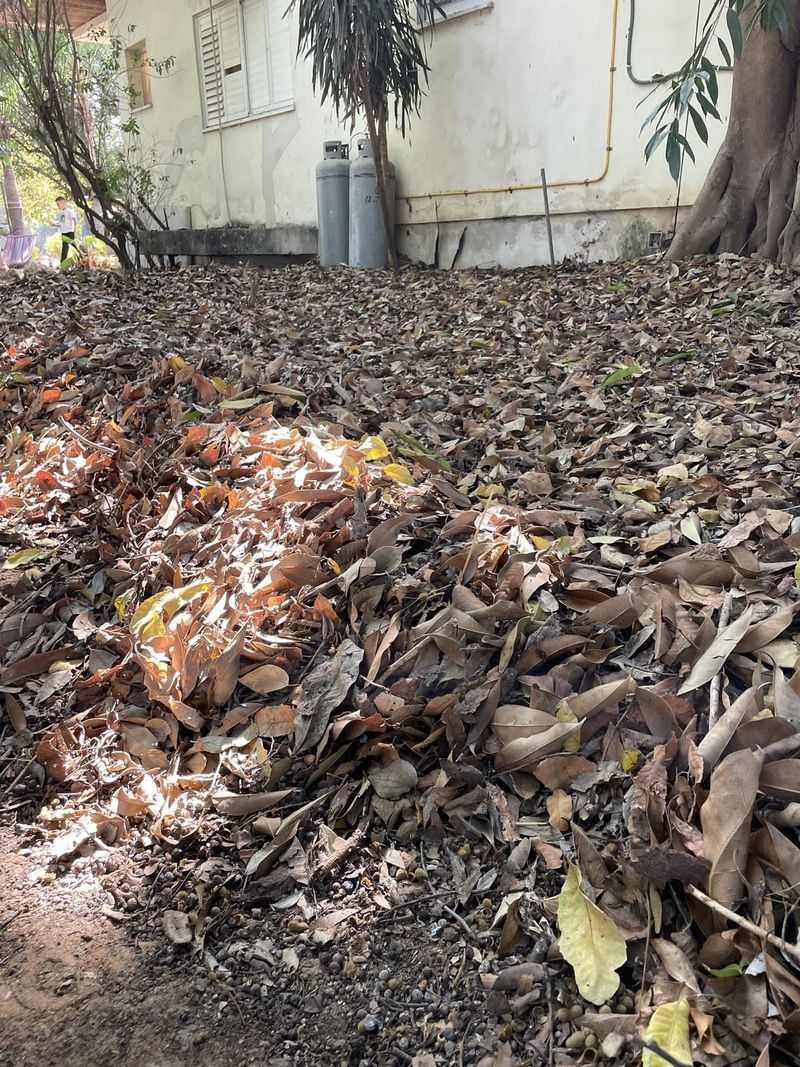
Whole leaves, left unshredded, can form a thick mat that blocks air and water, suffocating the plants beneath. This dense cover becomes a haven for pests and slows decomposition.
Instead, run leaves over with a mower to shred them before use. Shredded leaves decompose more efficiently, enhancing soil structure and nutrient content. By taking this simple step, you allow your garden to breathe and thrive, turning autumn’s bounty into a valuable resource.
9. Hay (With Weed Seeds)
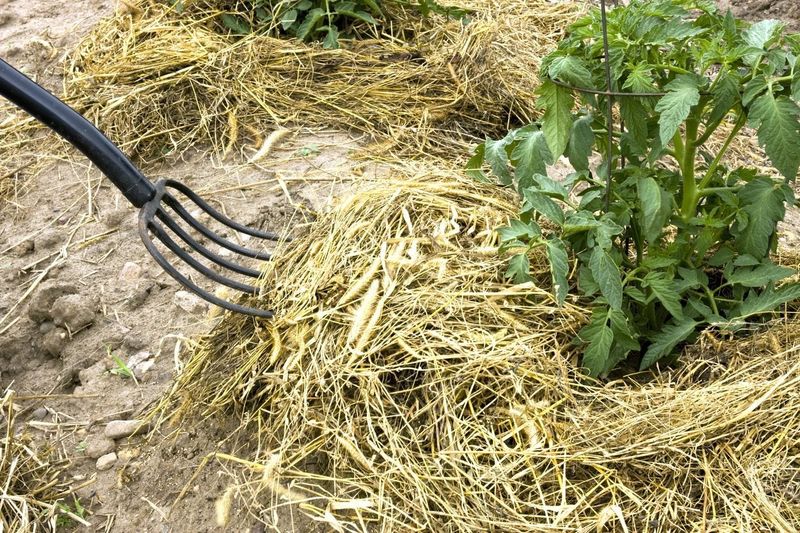
Hay can introduce unwelcome guests in the form of weed seeds, leading to an explosion of unwanted growth in your garden. This can create more maintenance work as you struggle to keep the weeds at bay.
Choose seed-free straw or compost as alternatives. These options provide the mulching benefits without the headache of additional weed control. With careful selection, you ensure your garden remains focused on the plants you want to thrive, avoiding the competition from invasive species.
10. Rubber Mulch
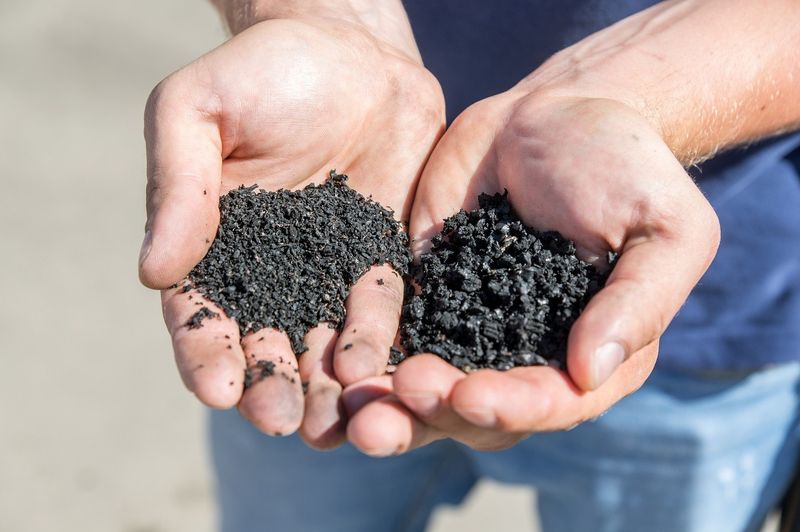
Rubber mulch, made from recycled tires, poses several risks despite its durability. It leaches heavy metals into the soil and can reach dangerously high temperatures in the summer sun. Moreover, it offers no nutritional value to plants.
Consider cocoa hulls or composted bark as alternatives. While cocoa hulls offer a delightful scent, composted bark enriches the soil. These options enhance your garden’s health without the environmental and safety concerns associated with rubber mulch.
1. Compost
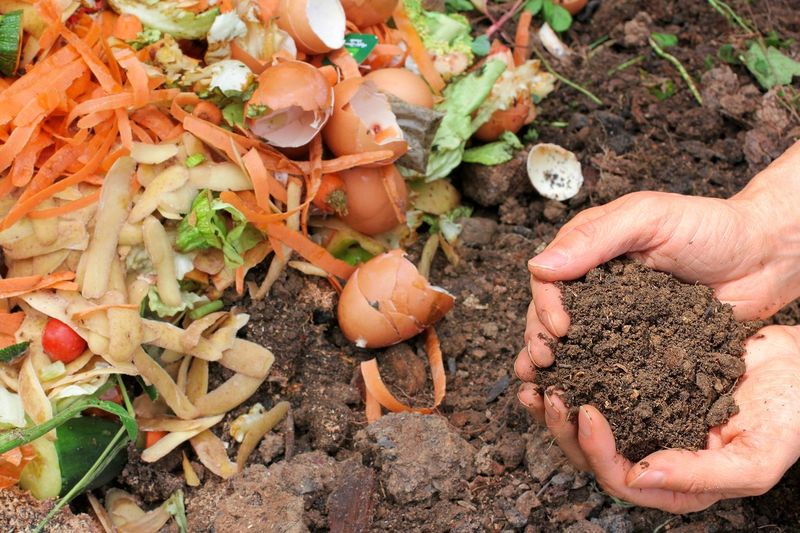
Compost is nature’s way of recycling organic matter into a nutrient-rich soil amendment. It not only boosts soil fertility but also improves structure, moisture retention, and plant health. A well-balanced compost pile includes green materials like vegetable scraps and brown materials such as dried leaves.
By using compost as mulch, you create a dynamic environment that supports microbial life, leading to robust plant growth. This sustainable practice transforms kitchen and garden waste into a valuable asset for your garden.
2. Wood Chips
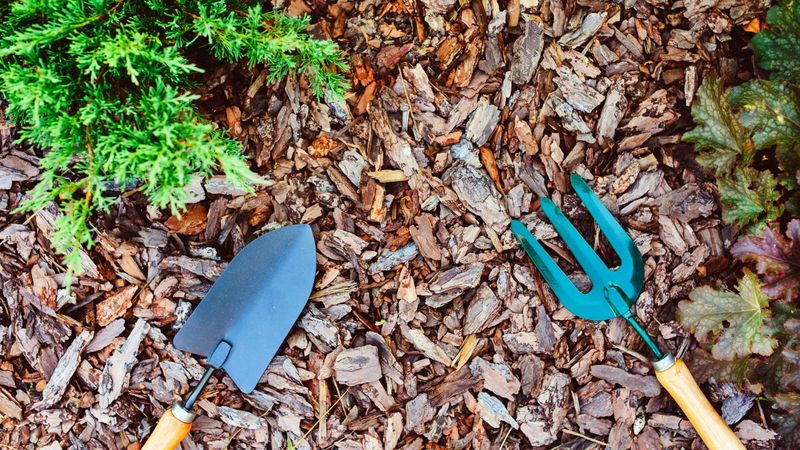
Wood chips are a versatile mulching option, particularly beneficial for trees and shrubs. They gradually decompose, enriching the soil with organic matter and improving its structure over time. Their presence helps conserve moisture, suppress weeds, and moderate soil temperature.
By choosing wood chips, you create an aesthetically pleasing and functional garden landscape that supports plant health. This organic mulch option offers both beauty and practicality, making it a favorite among gardeners seeking long-term solutions.
3. Shredded Leaves
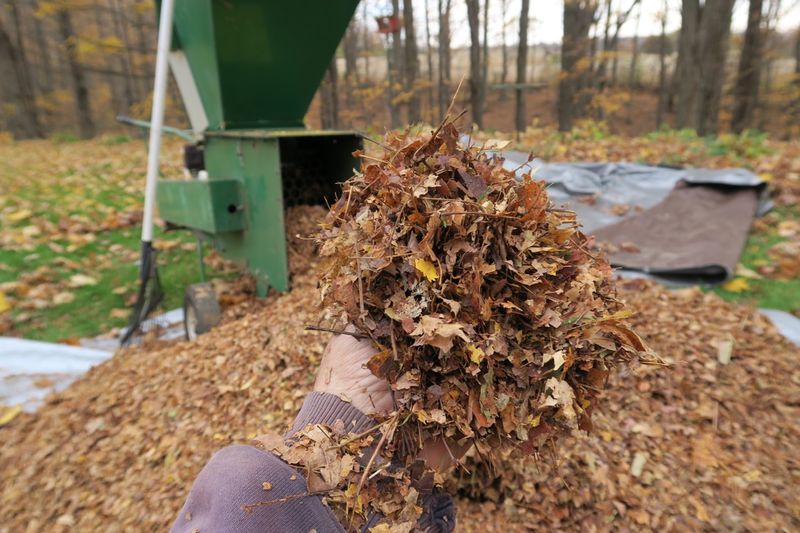
Shredded leaves are an excellent and cost-effective mulch choice, offering nutrients and improving soil structure. As they break down, they add organic matter to the soil, fostering a healthy environment for plant roots. These leaves retain moisture and reduce weed growth, making them a gardener’s ally.
Running a mower over fallen leaves transforms them into this valuable resource. By using shredded leaves, you harness nature’s cycle to benefit your garden, turning what was once considered waste into a gardener’s treasure.
4. Pine Bark Nuggets
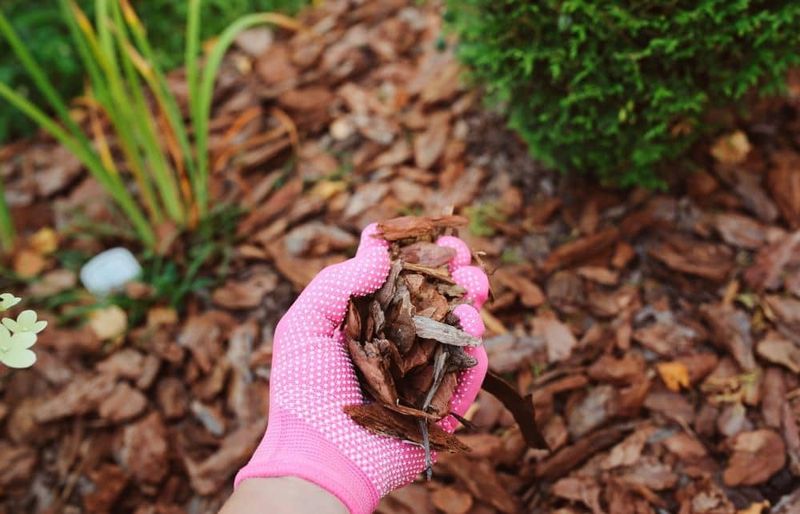
Pine bark nuggets offer a long-lasting and attractive mulching option. Their large size means they decompose slowly, providing years of service while enriching the soil gradually. This slow breakdown process reduces the frequency of mulch replacement and helps conserve moisture.
By choosing pine bark nuggets, you not only enhance the visual appeal of your garden with their natural texture but also support sustainable gardening practices. This option is particularly favored in landscape designs seeking a natural and enduring appearance.
5. Organic Straw
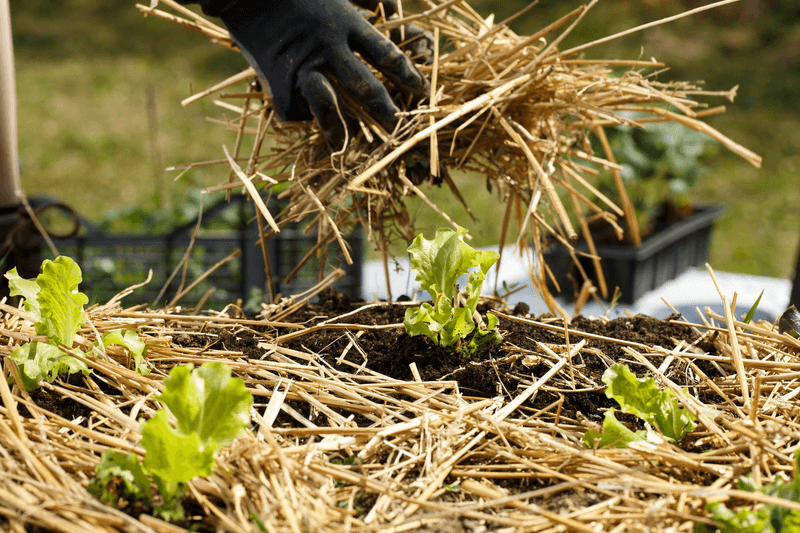
Organic straw, free of herbicides, is a fantastic mulch choice for vegetable gardens. It provides effective weed suppression while retaining soil moisture. This organic option breaks down over time, adding valuable nutrients back into the soil and improving its texture.
Selecting straw labeled as herbicide-free ensures a safe environment for your plants, guarding against unwanted chemical residues. By incorporating organic straw into your gardening routine, you support both plant health and environmental sustainability.
6. Dried Grass Clippings
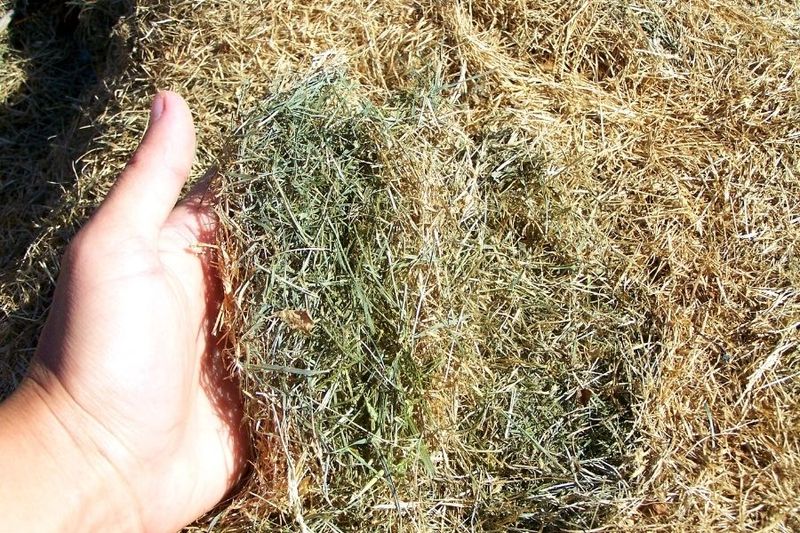
Dried grass clippings provide a nitrogen-rich mulch that enhances soil fertility without the risks associated with fresh clippings. When dried and applied in thin layers, they decompose quickly, enriching the soil and supporting plant growth.
This cost-effective option utilizes the natural cycling of garden waste to benefit your garden sustainably. By allowing grass clippings to dry thoroughly, you transform them into a valuable mulching material, avoiding the pitfalls of compaction and rot.
7. Cocoa Hulls
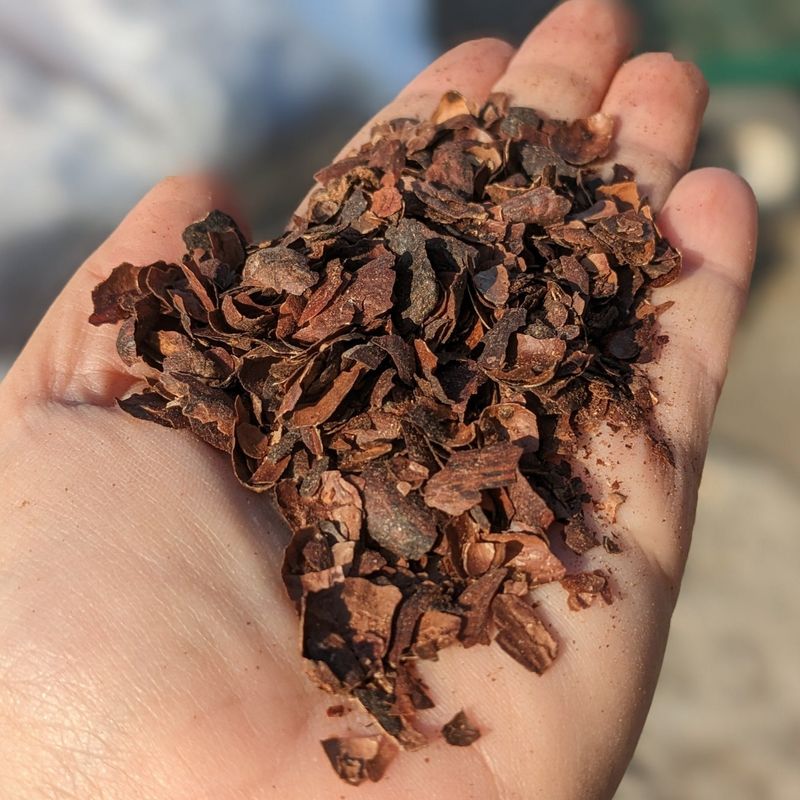
Cocoa hulls offer a delightful sensory experience with their chocolate aroma while providing an effective mulching solution. As they decompose, they add nutrients to the soil and improve its structure. However, they can be toxic to dogs, requiring careful placement.
For gardeners seeking a fragrant and attractive mulch, cocoa hulls present an appealing choice, provided there are no pets around. Their unique scent and beneficial properties make them a distinctive and luxurious addition to any garden.
8. Newspaper/Cardboard
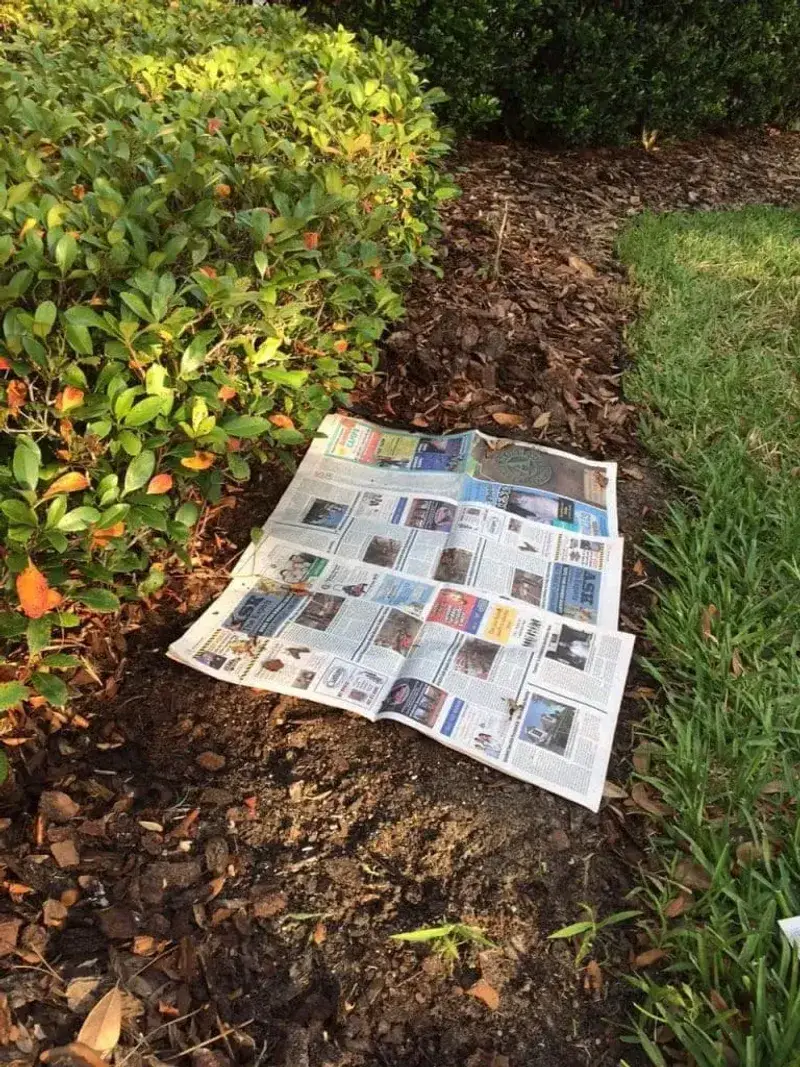
Newspaper and cardboard provide an excellent weed-blocking underlayer. When placed beneath a top layer of organic mulch, they suffocate weeds and prevent their growth. These materials gradually break down, enriching the soil with carbon as they decompose.
This recycling approach benefits both the garden and the environment, turning waste paper products into a valuable asset. By incorporating newspaper or cardboard into your mulching strategy, you create a sustainable and effective weed control solution.
9. Living Mulch (Clover, Creeping Thyme)
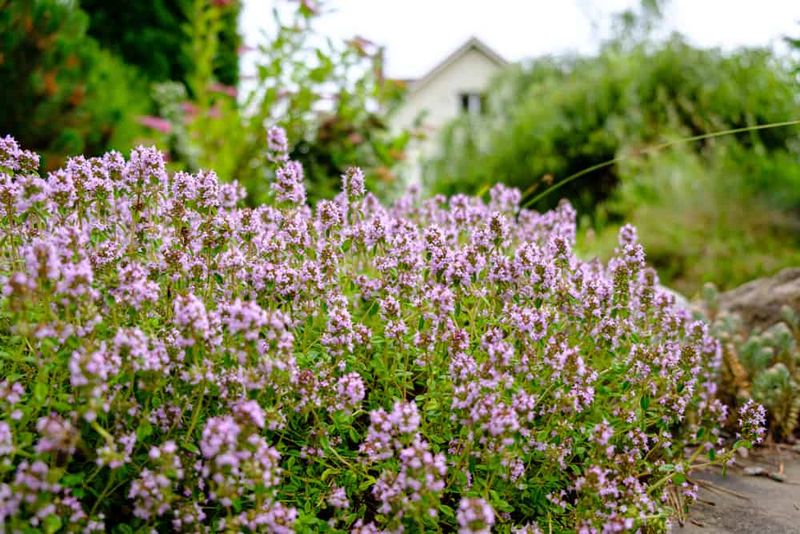
Living mulch, such as clover or creeping thyme, offers a dynamic and aesthetically pleasing addition to gardens. These low-growing plants cover the soil, preventing erosion and suppressing weeds while fixing nitrogen into the soil.
Choosing living mulch blends functionality with beauty, creating a vibrant and sustainable garden environment. This approach not only enhances soil health but also fosters biodiversity, making your garden a haven for beneficial insects and pollinators.
10. Leaf Mold
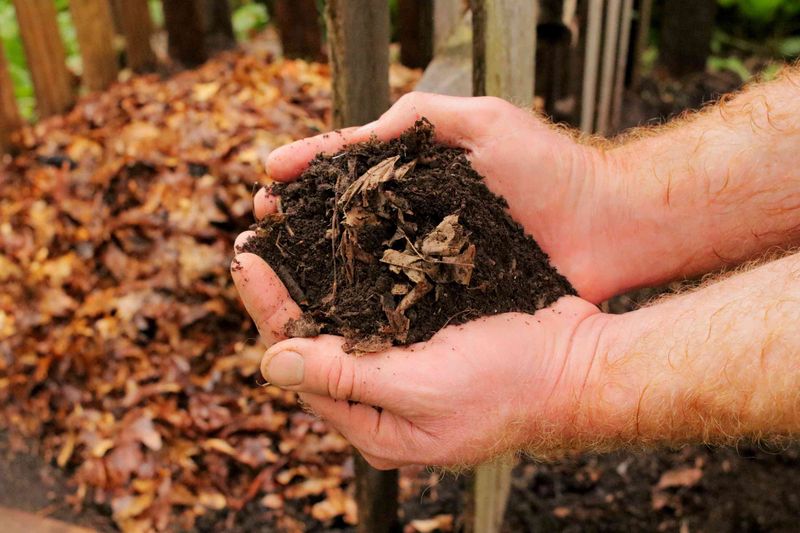
Leaf mold is a gardener’s secret weapon, transforming fallen leaves into a beneficial mulch. It retains moisture effectively and improves soil structure by adding organic matter. This rich, dark mulch supports healthy plant growth and enhances soil fertility.
Creating leaf mold requires patience, as leaves take time to break down. The payoff is a nutrient-rich mulch that rivals commercial products. By incorporating leaf mold into your garden, you leverage nature’s processes to foster a flourishing landscape.