 Complete Gardening
Pruning perennials might seem straightforward, but there’s a fine line between helpful maintenance and accidental damage.
Many gardeners unknowingly harm their beloved plants by cutting too much, too little, or at the wrong time.
Proper pruning techniques can mean the difference between a garden that thrives with vibrant blooms year after year and one that struggles to survive.
1. Lavender’s Woody Dilemma
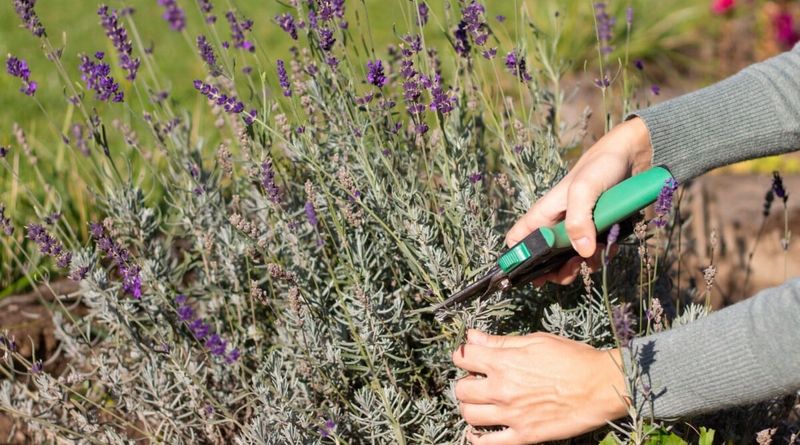
Lavender thrives with gentle hands and proper timing. Many gardeners make the fatal mistake of cutting into old, woody stems where no green shoots appear, essentially sentencing their fragrant friends to a slow death.
The correct approach? Prune lightly just after flowering ends, removing only about one-third of the current season’s growth. This encourages bushier growth while preserving the plant’s woody framework that supports future seasons.
For older, leggy plants, resist the urge to renovate severely. Instead, replace them entirely or try the gradual approach of removing a few old stems each year while the plant rejuvenates itself.
2. Peony Timing Troubles
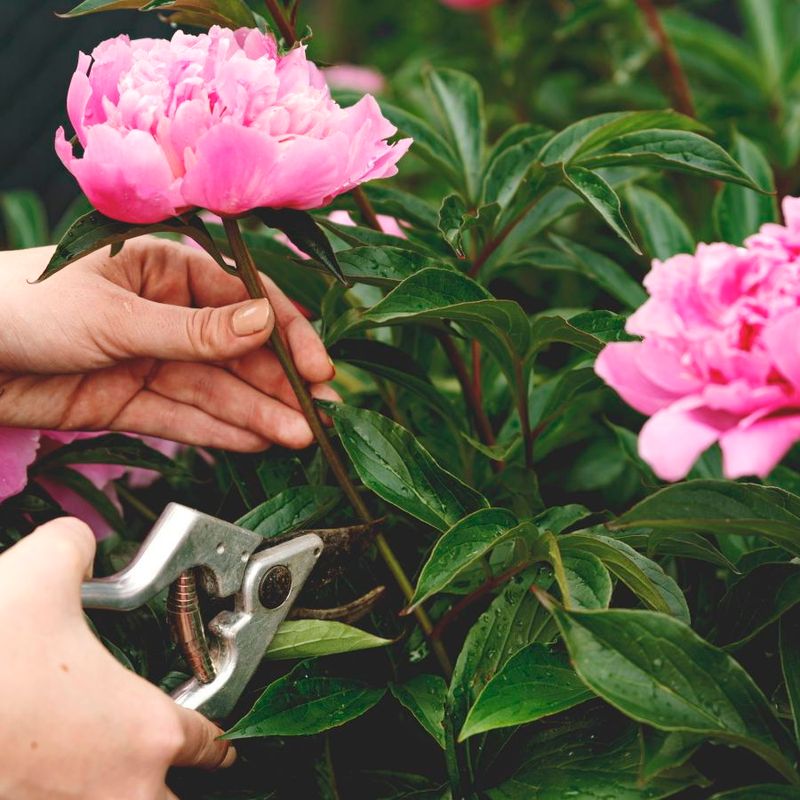
Gardeners often rush to tidy up peonies, not realizing this beauty needs its foliage until late fall. Premature cutting prevents these long-lived perennials from storing energy in their roots for next year’s spectacular show.
Wait until the leaves have completely yellowed or browned before reaching for those pruners. This typically happens after the first hard frost when the plant has finished transferring nutrients to its root system.
When cutting back, snip stems at ground level and dispose of all foliage to prevent disease spores from overwintering. Your patience will be rewarded with bigger, better blooms come spring.
3. Salvia’s Secret Schedule
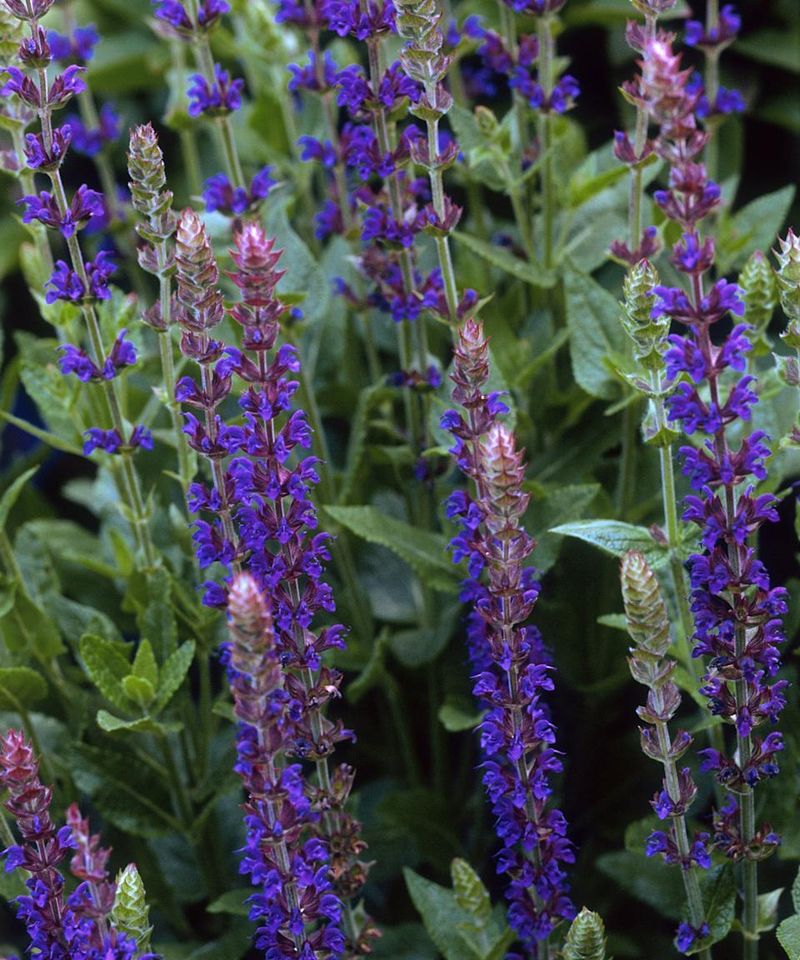
The vibrant spikes of salvia bring vertical drama to gardens, but improper pruning can leave you with leggy, sparse plants. Many gardeners miss the opportunity for a second flush of blooms by either not pruning at all or cutting too severely at the wrong time.
For peak performance, deadhead spent flower stalks and shear plants back by about one-third after the first major flowering period. This light trim stimulates new growth and encourages another round of blooming.
Save the hard pruning for early spring when you can cut back to about 6 inches from the ground, removing any winter-damaged stems and making way for fresh growth.
4. Russian Sage Renewal Rules
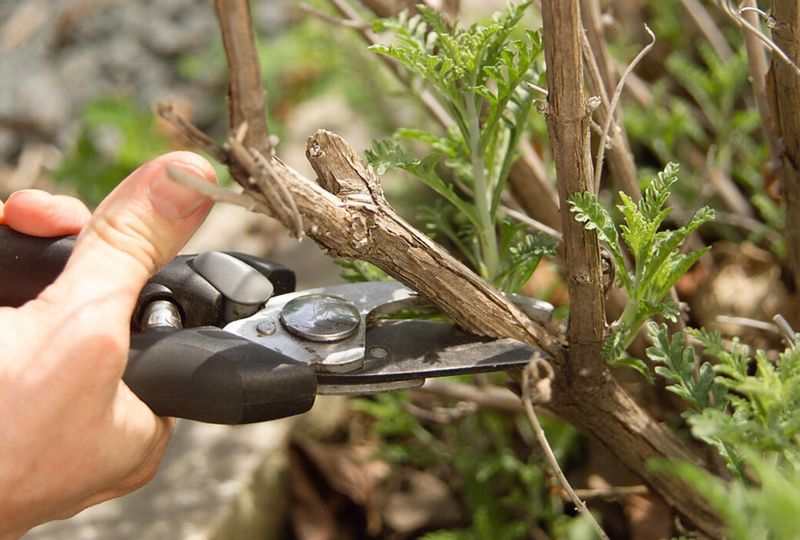
Those silvery plumes of Russian sage (Perovskia) create stunning garden backdrops, but neglecting proper pruning leads to floppy, sparse growth. The woody stems become increasingly unruly without intervention.
Early spring is your window of opportunity. Cut these aromatic perennials back to about 12-15 inches from the ground just as new growth begins to emerge at the base.
This seemingly harsh treatment actually promotes stronger stems and prevents the dreaded mid-season flop that ruins their architectural presence. Don’t fear being aggressive here—Russian sage responds beautifully to this annual reset, rewarding you with more upright, bushier growth and better flowering.
5. Hydrangea Identity Crisis
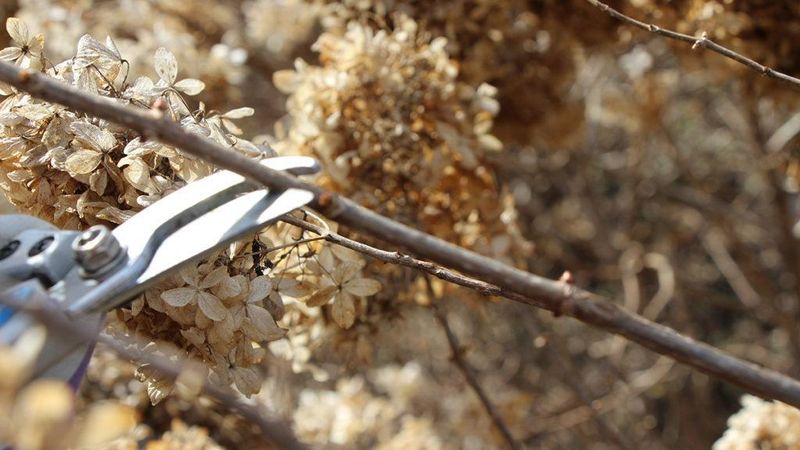
The heartbreak of a hydrangea that refuses to bloom often traces back to mistimed pruning. These showstoppers come in several types, each with different pruning needs—a fact many gardeners discover too late.
Bigleaf hydrangeas (Hydrangea macrophylla) form their flower buds in late summer for the following year. Pruning them in fall or early spring accidentally removes these buds, resulting in beautiful foliage but no flowers.
Know your variety before cutting! Bigleaf and oakleaf types need pruning immediately after flowering. Panicle and smooth hydrangeas, however, bloom on new wood and benefit from early spring pruning for bigger, better blooms.
6. Coneflower Conservation Strategy
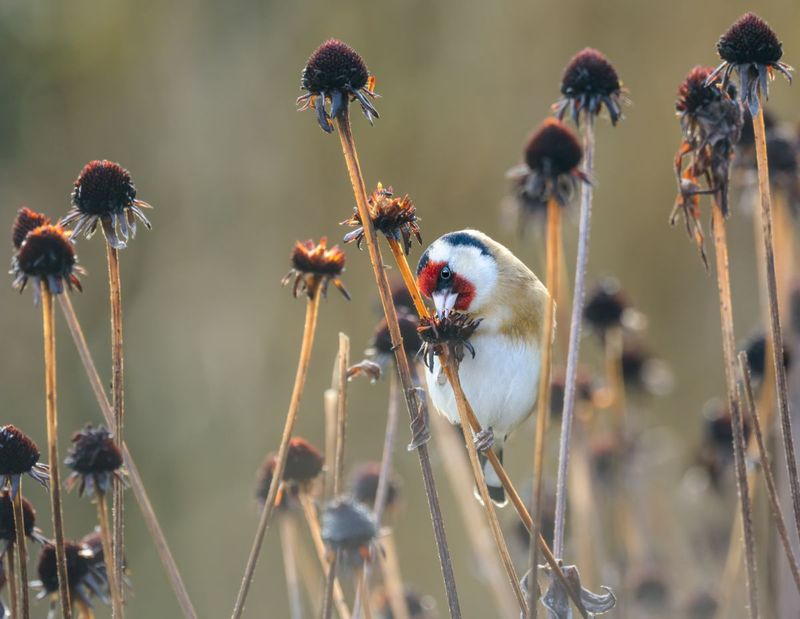
Those distinctive seed heads of coneflowers (Echinacea) aren’t just architectural winter interest—they’re bird feeders! Hasty gardeners who cut these perennials to the ground in fall miss out on both wildlife benefits and natural reseeding.
Leave the seed heads standing through winter, providing food for goldfinches and other birds during lean months. The sturdy stems also catch snow, providing extra insulation for the crown of the plant.
When spring arrives and new growth appears at the base, that’s your signal to remove the old stems. Cut them back to about 2-3 inches above the ground, making way for fresh growth while preserving the plant’s energy reserves.
7. Bee Balm Disease Defense
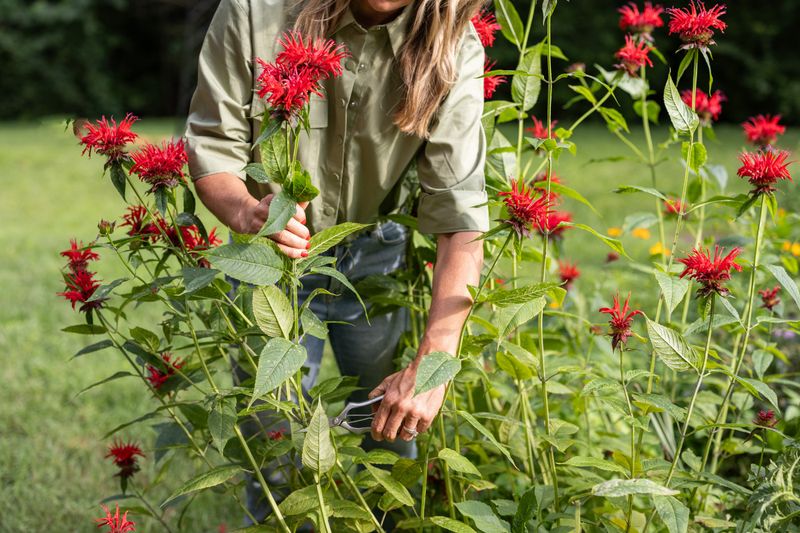
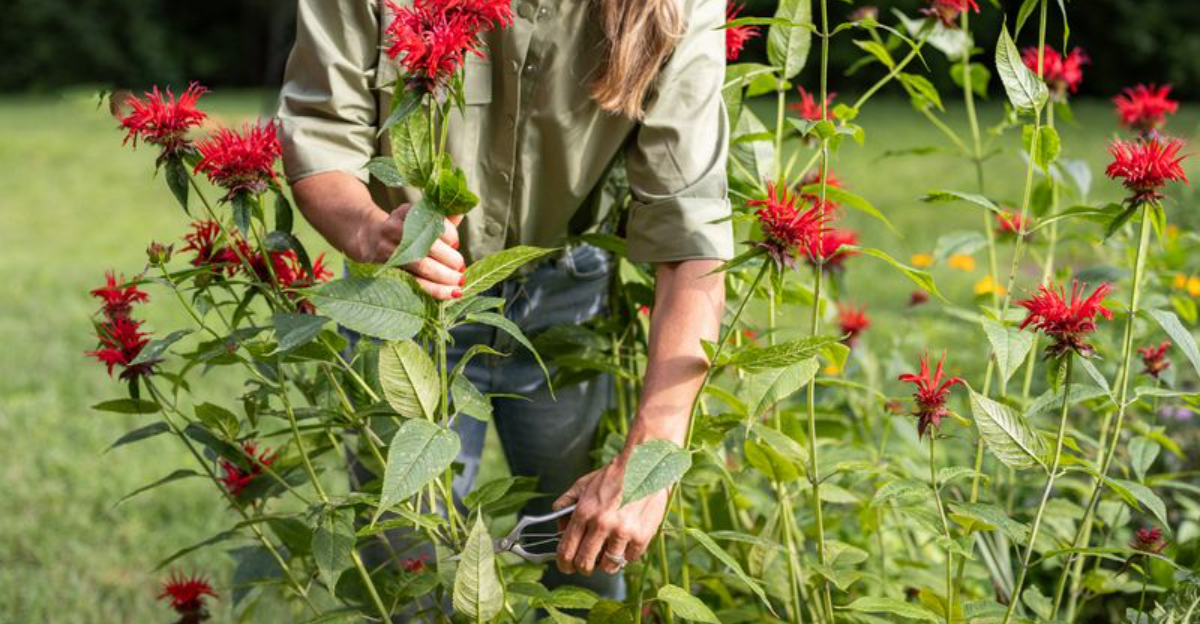
Bee balm (Monarda) attracts pollinators all summer, but its susceptibility to powdery mildew creates a pruning predicament. Leaving those mildew-covered stems standing through winter creates a disease reservoir that will reinfect your garden next year.
Once the first frost hits and the foliage begins to die back, cut bee balm stems to about 2 inches above the soil line. This removes infected material and improves air circulation around the crown of the plant.
Dispose of these cuttings in the trash rather than your compost pile to prevent disease spores from overwintering. This simple fall cleanup dramatically reduces next season’s mildew problems while keeping your bee balm vigorous.
8. Hosta’s Frost Forecast
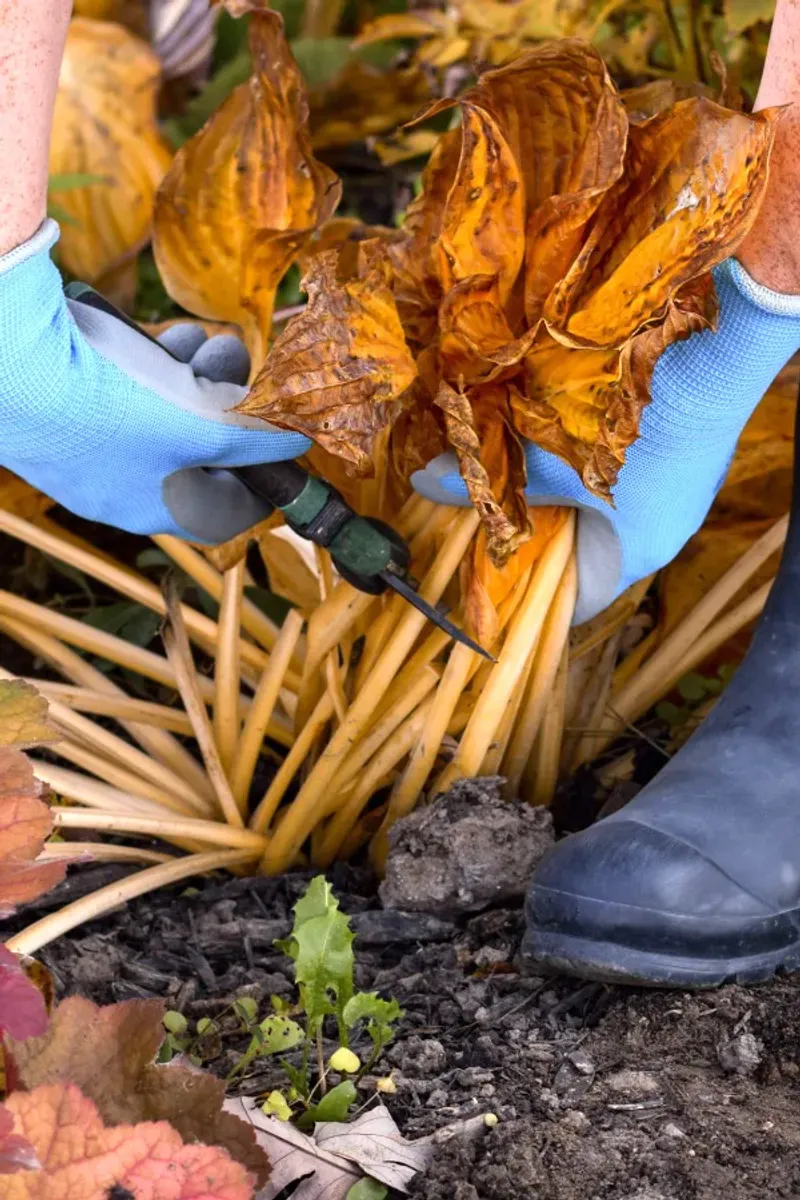
Hostas transform into sad, mushy puddles after frost hits, tempting gardeners to leave the cleanup for spring. This common mistake creates the perfect hiding place for slugs, snails, and other pests that will feast on next year’s emerging shoots.
After the first hard frost turns the foliage soft and collapsed, cut the entire plant back to ground level. This exposes slug eggs and removes their winter habitat, giving you a head start against these persistent pests.
Use clean, sharp tools and avoid tugging on the stems, which can damage the crown. A clean cut allows the plant to heal properly before winter dormancy sets in, ensuring vigorous growth when spring arrives.
9. Daylily Deadheading Discipline
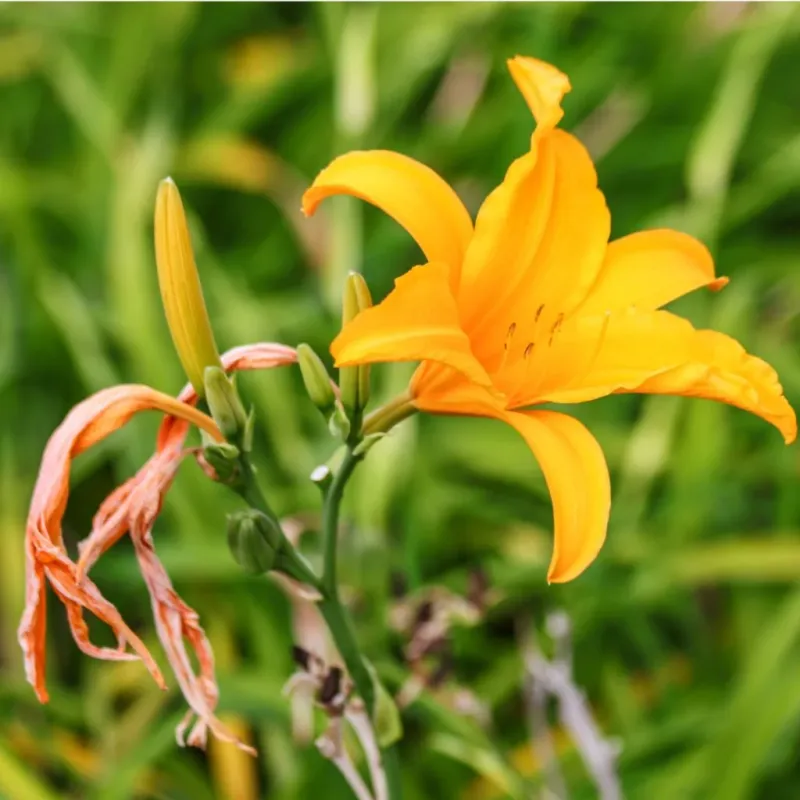
Daylilies (Hemerocallis) may seem indestructible, but neglected pruning diminishes their beauty and vigor. Those spent flower stalks aren’t just unsightly—they drain energy that could be directed toward root strength and future blooms.
Remove individual spent flowers daily during the blooming season for the tidiest appearance. Once a stalk has finished flowering completely, cut it back to the base to prevent seed formation, which diverts the plant’s resources.
In late fall, cut all foliage back to about 3-4 inches from the ground after it begins to yellow. This prevents the soggy mess of winter-killed foliage while removing potential disease harbors, setting the stage for a fresh spring start.
10. Coreopsis Cutting Calendar
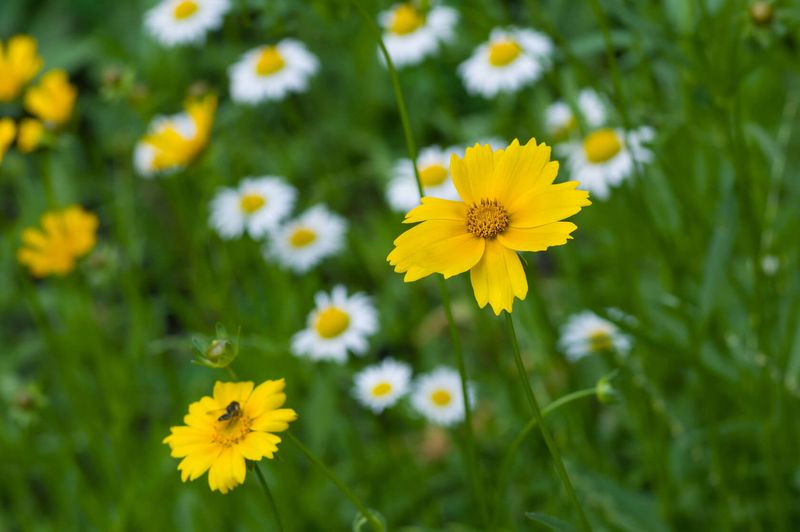
Cheerful coreopsis flowers can bloom for months—if you know the pruning secret. Gardeners who leave faded flowers in place miss out on waves of continuous color that this hardworking perennial can provide.
Deadhead individual spent blooms regularly during the growing season to keep plants looking tidy. When flowering begins to slow, perform a more dramatic haircut, shearing the entire plant back by about one-third.
This rejuvenation pruning stimulates fresh growth and a second flush of flowers. In regions with long growing seasons, you might even get a third round of blooms with another mid-season trim, turning these summer stars into fall performers as well.
11. Sedum’s Winter Showcase
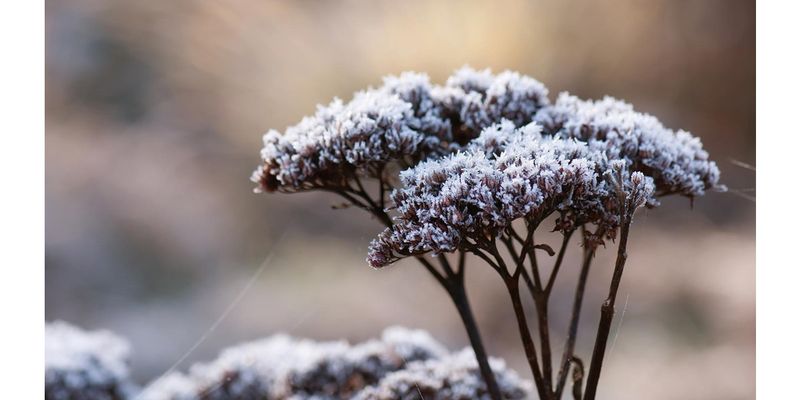
The architectural seed heads of sedum (stonecrop) provide winter interest and wildlife benefits that hasty gardeners miss. Cutting these sturdy perennials back in fall robs your garden of structure during the barren months.
Allow the dried flower heads to remain standing through winter. They catch snow in beautiful patterns, provide food for birds, and offer shelter for beneficial insects.
When early spring arrives and new growth emerges from the base, that’s your signal to cut back the old stems to make way for fresh growth. This timing maximizes both the ecological benefits and the plant’s energy reserves, resulting in stronger, more floriferous plants.
12. Yarrow’s Midsummer Makeover
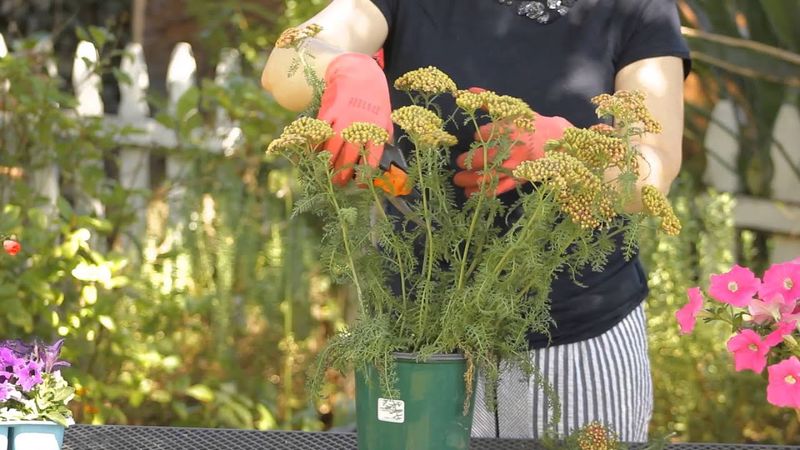
Yarrow (Achillea) can look ragged by midsummer if pruning is neglected. Those spent flower stalks drain energy and create an unkempt appearance that detracts from the garden’s beauty.
After the first flush of flowers fades, cut the spent stalks back to a set of healthy leaves or about one-third of the plant’s height. This prevents seed formation and redirects energy into producing fresh foliage and a potential second bloom.
For the final fall cleanup, wait until after frost has killed the foliage, then cut stems to about 2 inches above the ground. This timing ensures the plant has stored maximum energy in its roots while preventing disease issues from developing in winter.
13. Phlox’s Powdery Problem
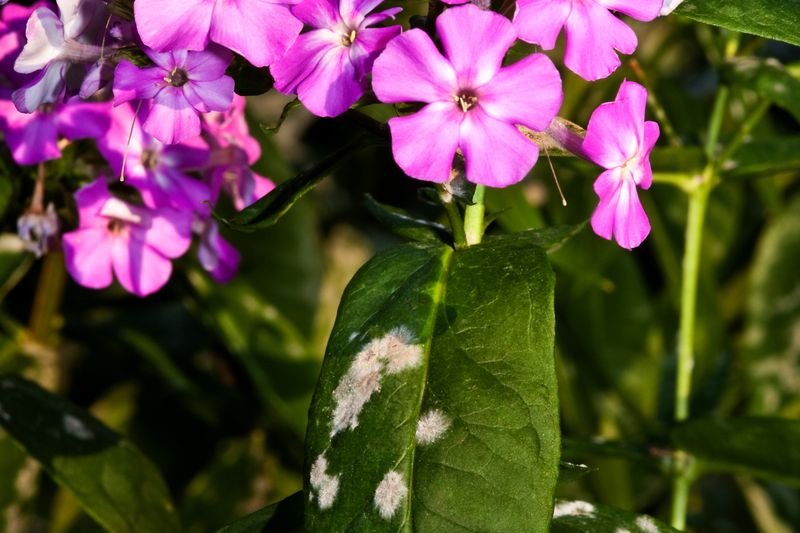
Tall garden phlox brings cottage garden charm but often succumbs to powdery mildew that spreads from season to season. Leaving those infected stems standing until spring perpetuates the disease cycle that plagues so many gardens.
Once flowering has finished and frost has killed the foliage, cut all stems back to ground level. Gather and dispose of all debris in the trash rather than the compost pile to prevent disease spores from overwintering.
This thorough fall cleanup dramatically reduces next year’s mildew issues. Combine this pruning practice with good air circulation (by dividing overcrowded clumps) and morning watering to keep your phlox looking picture-perfect throughout the growing season.
14. Japanese Anemone’s Spring Surprise
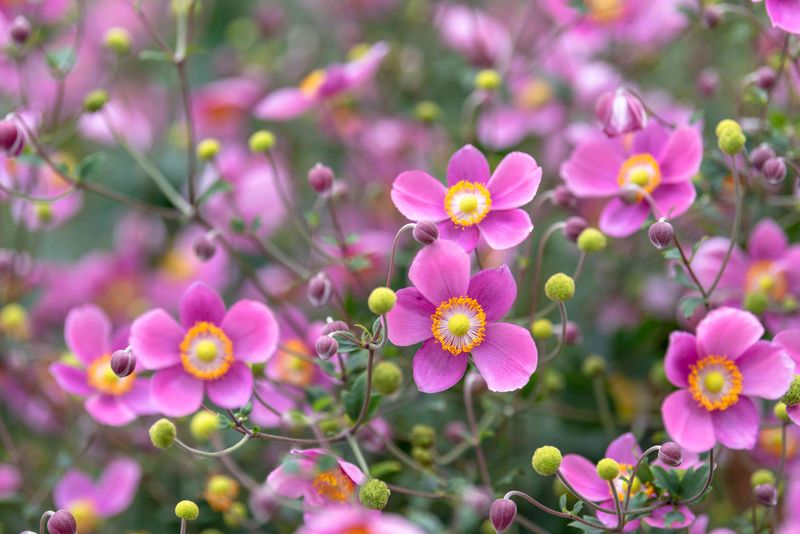
Fall-blooming Japanese anemones bring late-season magic to gardens, but aggressive autumn pruning can weaken these slow-establishing perennials. Many gardeners cut them back too severely just when they need to be storing energy.
Leave the spent flower stalks standing through winter, where they add structural interest to the garden. These stems also provide some protection to the crown of the plant during freezing and thawing cycles.
Wait until early spring when new growth begins to emerge before removing the old stalks. This timing allows the plant to complete its energy storage cycle and protects the somewhat tender crown during winter, resulting in stronger plants that will produce more abundant flowers.
15. Delphinium’s Double Life
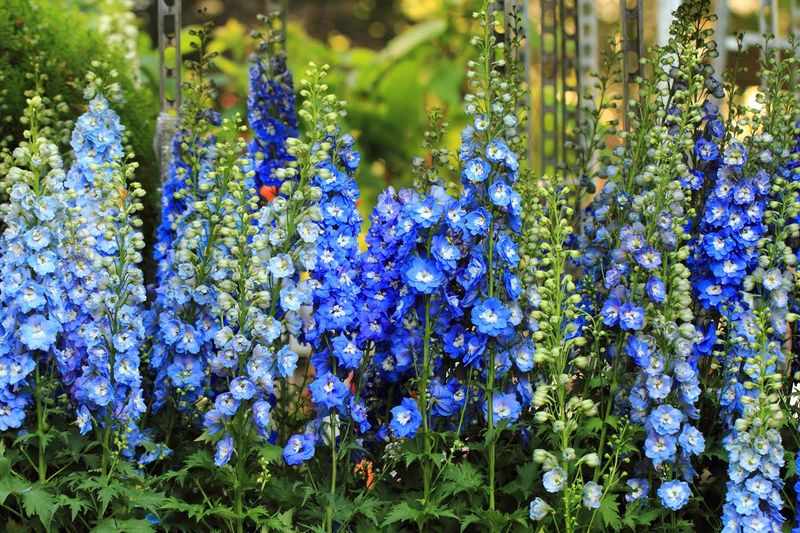
Towering delphiniums can provide a second act of beauty with proper pruning. Gardeners who cut these stately perennials to the ground after their first magnificent bloom miss the encore performance they could enjoy.
After the main flower stalks finish blooming, cut them back to just above a set of leaves or side shoots. This prevents energy-draining seed production while preserving the basal foliage that continues to feed the plant.
With this approach, many delphiniums will produce smaller secondary flower stalks later in the season. When frost finally kills the foliage in late fall, cut remaining stems to about 2 inches above soil level, leaving the crown exposed to air circulation that prevents rot during winter dormancy.