Complete Gardening
In the pursuit of a picture-perfect garden, many gardeners make a common mistake—pulling up plants that look wild or out of place. One of the most misunderstood among them is Lamb’s Quarters (Chenopodium album). Often labeled as a weed, this resilient plant is actually a hidden gem, offering incredible nutritional, medicinal, and ecological benefits. Before you reach for your gardening gloves, here’s why you should think twice before removing it.
1. What Is Lamb’s Quarters? A Misunderstood Plant
Lamb’s Quarters belongs to the same family as spinach and quinoa, which explains its impressive nutritional profile. It grows quickly in almost any soil type and can reach up to five feet tall, with leaves dusted in a silvery-white powder. Though it often appears uninvited, this plant’s presence can be more helpful than harmful to your garden’s ecosystem.
2. A Nutritional Powerhouse Growing in Your Backyard
Forget expensive superfoods—Lamb’s Quarters is packed with nutrients. Its leaves contain high levels of vitamins A, C, and K, as well as iron, calcium, and magnesium. Just 100 grams of leaves can provide double your daily vitamin A needs. It’s also rich in protein, making it an excellent addition to vegetarian and vegan diets. Essentially, it’s a wild cousin of spinach that costs nothing to grow and thrives effortlessly.
3. Culinary Uses: Delicious and Versatile
Young Lamb’s Quarters leaves are tender and mild, perfect for salads, smoothies, or sandwiches. You can sauté or steam them like spinach for a nutrient-rich side dish. Even the seeds are edible and can be cooked like quinoa or ground into flour for baking. It’s a survival plant and a gourmet ingredient all in one.
4. Natural Medicine at Your Fingertips
For centuries, Lamb’s Quarters has been used in traditional medicine. Its anti-inflammatory and soothing properties make it useful for treating skin irritations, insect bites, and digestive issues. The leaves can even be applied as a poultice to heal minor wounds. Its high fiber content also supports gut health, helping to maintain regular digestion naturally.
5. A Secret Soil Booster
This plant doesn’t just benefit your diet—it also improves your soil. Lamb’s Quarters has a deep root system that loosens compacted earth and draws nutrients like nitrogen and phosphorus from deeper layers. When the plant decomposes, these nutrients return to the surface, enriching the soil for future crops. It’s a free soil conditioner that works quietly beneath your feet.
6. A Magnet for Pollinators and Birds
While its flowers might be small and understated, they’re a magnet for bees, butterflies, and other pollinators. The seeds also attract birds, providing an important food source during colder months. By keeping Lamb’s Quarters in your garden, you’re helping sustain biodiversity and supporting local wildlife.
7. A Plant with History
Long before modern agriculture, Lamb’s Quarters was cultivated by Native Americans and Europeans as both a food and medicinal plant. It was valued for its resilience and ability to grow in challenging environments. Its history as a staple crop highlights just how essential this plant once was—and still can be—for sustainable living.
8. Easy to Grow and Maintain
Lamb’s Quarters is nearly impossible to kill—which is great news for gardeners. It thrives in poor soil, tolerates drought, and reseeds itself naturally. Once established, it requires almost no care. This makes it perfect for beginners or those who want a low-maintenance garden addition that keeps giving back year after year.
9. Environmental Protection and Soil Stability
Thanks to its dense foliage, Lamb’s Quarters acts as a natural ground cover that helps prevent soil erosion. It shields topsoil from heavy rain and wind while keeping moisture locked in. It also competes with invasive weeds, making it a natural protector of your garden’s balance.
10. How to Identify It (and Avoid Mistaking It for a Weed)
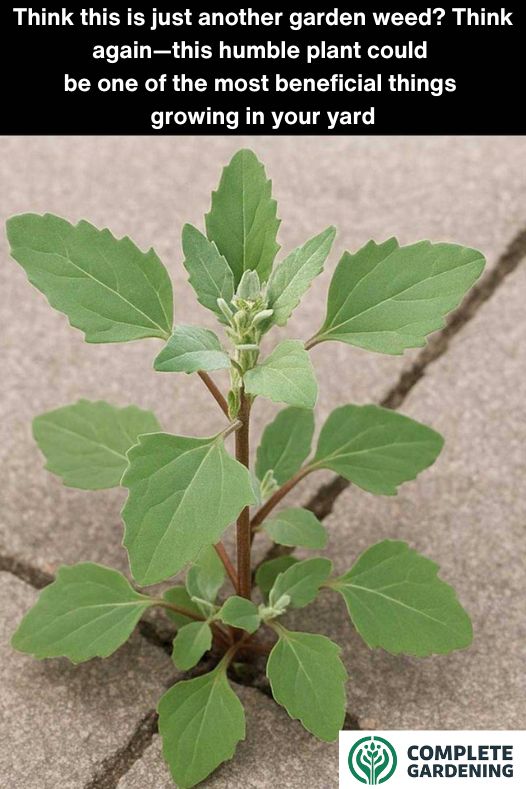
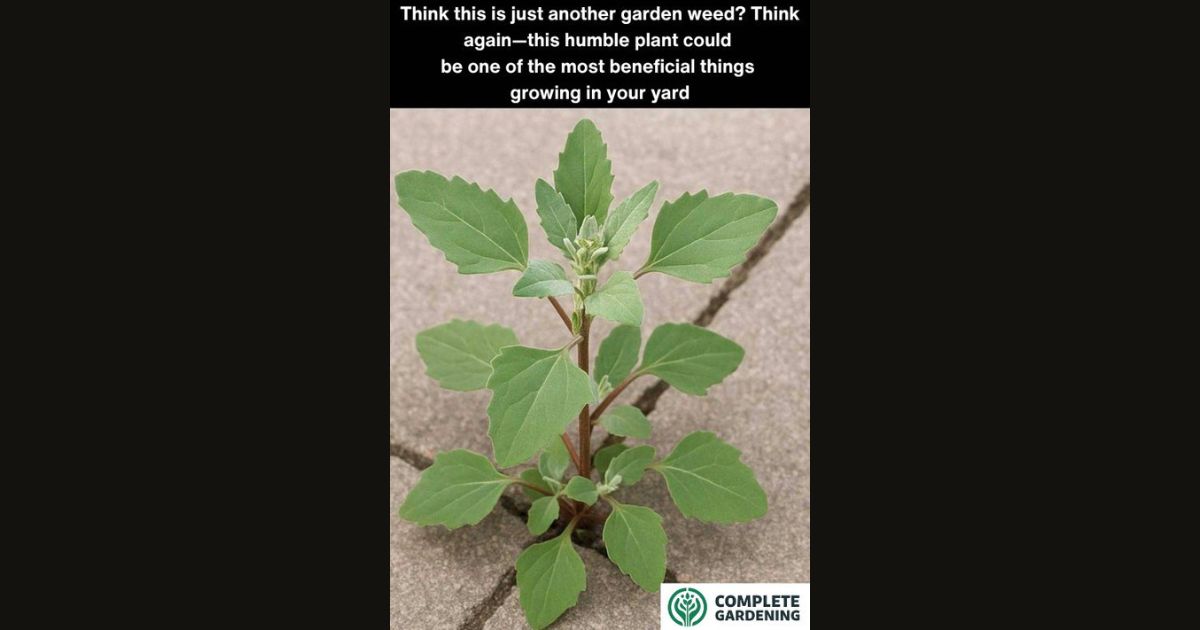
Lamb’s Quarters is easy to identify once you know what to look for. Its diamond-shaped leaves often have a powdery white coating on the underside, and its stems are green or sometimes tinged with purple. The texture is slightly velvety, and its leaves point upward toward the sun. Recognizing these traits will help you avoid pulling out one of your garden’s most useful plants.
11. Why You Should Let It Stay
By letting Lamb’s Quarters grow, you’re not inviting weeds—you’re encouraging biodiversity and sustainability. It supports wildlife, nourishes your soil, and offers a free, nutrient-rich food source. Instead of uprooting it, consider harvesting it mindfully and using it in your kitchen or compost.
Conclusion: Don’t Pull It—Protect It
What looks like a weed might actually be one of your garden’s greatest allies. Lamb’s Quarters is a superfood, natural soil restorer, and pollinator magnet all in one resilient plant. By keeping it, you’re cultivating not just a greener garden but a more balanced and sustainable ecosystem. Next time you spot it growing, don’t pull—it’s a gift from nature worth keeping.