Complete Gardening

When most gardeners spot chickweed (Stellaria media) sprouting across their beds or lawns, their first instinct is to pull it out. But here’s the truth — this so-called “weed” is one of the most nutrient-rich and beneficial plants you can grow naturally. Far from being a nuisance, chickweed deserves a place in your garden and even on your plate.
Let’s explore why you should treat chickweed like green gold, not a pest, and how it can benefit your health, soil, and garden ecosystem.
1. What Exactly Is Chickweed?
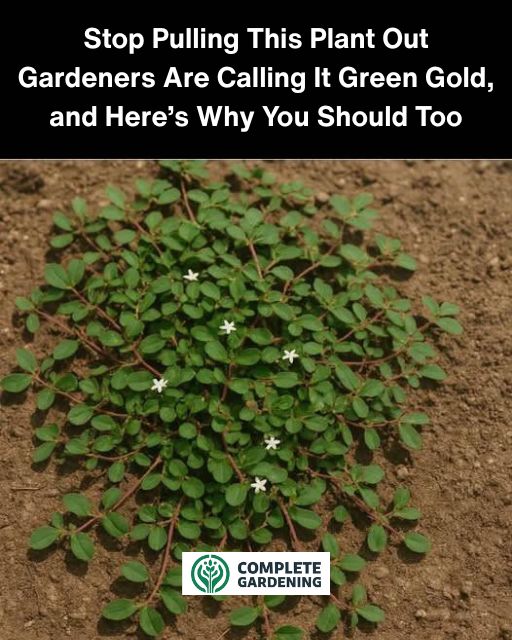
Chickweed is a small, bright green plant that grows low to the ground and produces tiny, star-shaped white flowers. It thrives in cool, moist environments and is found in gardens, lawns, and even between sidewalk cracks.
Though many consider it a weed, chickweed is actually a nutrient-dense, self-sustaining ground cover that helps protect the soil, prevent erosion, and create a natural habitat for beneficial insects.
2. A Nutritional Powerhouse Hidden in Plain Sight
Don’t underestimate this little plant — chickweed is packed with vitamins A, C, and D, along with iron, magnesium, calcium, and potassium. It also contains flavonoids and antioxidants, which help combat inflammation and support the immune system.
Its mild flavor makes it an easy way to add a healthy boost to your meals — whether fresh in salads or blended into green smoothies.
3. Ancient Herbal Medicine in Your Backyard
For centuries, chickweed has been a staple in traditional herbal medicine. Known for its anti-inflammatory and cooling properties, it’s been used to treat arthritis, gout, and even urinary tract issues.
Herbalists often use chickweed in salves, teas, and poultices to soothe irritated skin, heal wounds, and calm rashes or burns. Its moisturizing properties make it especially effective for eczema and dry skin conditions.
4. Delicious and Versatile in the Kitchen
Chickweed’s tender leaves and stems are both edible and flavorful. With a mild, slightly sweet taste, it works beautifully in salads, sandwiches, and soups.
You can also sauté it like spinach, blend it into pesto, or toss it into smoothies for a nutritious boost. Because it’s so mild, chickweed pairs well with citrus, garlic, or feta for a fresh and balanced dish.
5. A Natural Skin-Healing Secret
If you’re into natural skincare, chickweed is your new best friend. It has anti-inflammatory and emollient properties that make it perfect for calming irritation from insect bites, rashes, and minor burns.
Homemade chickweed salves and oils can hydrate dry skin, promote healing, and soothe itchiness — all without harsh chemicals.
6. Boosts Soil Health and Garden Biodiversity
In your garden, chickweed acts as a natural ground protector. It keeps the soil moist, prevents erosion, and improves fertility through its root system.
Even better, it provides a safe haven for beneficial insects like ladybugs and pollinators, helping to balance your garden’s ecosystem and reduce the need for pesticides.
7. Chickweed Tea – A Calming Herbal Brew
Chickweed tea is a light, refreshing herbal drink with numerous health benefits. Simply steep a handful of fresh or dried chickweed in hot water for 5–10 minutes.
The tea helps reduce inflammation, supports digestion, and promotes relaxation. Add lemon balm or mint for extra flavor and a soothing aroma.
8. Harvesting and Storing Chickweed Properly
To get the most from chickweed, harvest it early in the morning when it’s fresh and full of moisture. Snip the stems just above the soil line using clean scissors.
Store fresh chickweed in the fridge for up to a week, or dry it in a well-ventilated area for long-term use. Dried chickweed keeps its nutritional value and can be stored in airtight jars for several months.
9. Viral Chickweed Hacks Taking Over Social Media
Recently, chickweed has been trending online — and for good reason. DIY enthusiasts use it in hair rinses for shine, face masks for glowing skin, and even natural cleaning solutions thanks to its antibacterial properties.
These simple, eco-friendly uses prove that chickweed isn’t just a weed — it’s a sustainable ingredient for your home, garden, and beauty routine.
10. Growing Chickweed at Home
If you want a constant supply, growing chickweed is incredibly easy. Sow seeds in partial shade and moist, well-draining soil in early spring or fall.
Keep the soil slightly damp, and within a few weeks, you’ll have a lush green patch. Regular trimming encourages new growth and prevents it from spreading too far.
11. A Few Precautions to Keep in Mind
While chickweed is safe for most people, always test for allergies before using it on your skin. If you’re pregnant, nursing, or taking medication, consult your healthcare provider before consuming it regularly.
And remember — always harvest from clean, pesticide-free areas to avoid contamination.
Final Thoughts: The Weed You’ll Never Want to Pull Again
Chickweed might look ordinary, but it’s one of the most valuable plants you can grow naturally. It nourishes your body, heals your skin, improves your soil, and supports your garden’s ecosystem — all while asking for almost nothing in return.
So next time you see chickweed popping up, resist the urge to pull it out. Instead, nurture it, harvest it, and enjoy all the incredible benefits this “green gold” has to offer.