Complete Gardening
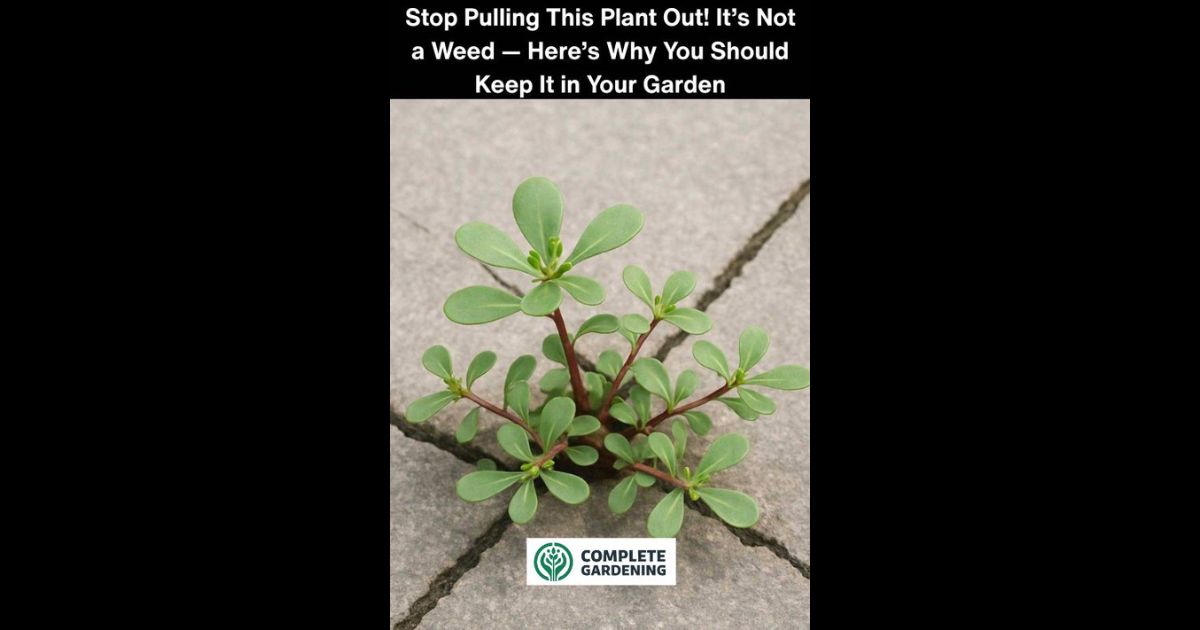
Most gardeners are quick to pull anything that looks like a weed, but not all so-called “weeds” deserve a bad reputation. One of the most misunderstood plants you may be yanking out of your garden is purslane (Portulaca oleracea). Though it’s often dismissed as a nuisance, this humble plant is actually a treasure for both your garden and your health.
Let’s explore why you should stop removing purslane — and start appreciating the many ways it helps your plants, soil, and even your diet.
1. Meet Purslane — the Resilient “Weed” That Isn’t One
Purslane is a low-growing succulent with thick, spoon-shaped leaves and small yellow flowers. It’s native to India and Persia but now grows all over the world — thriving in gardens, sidewalks, and even poor soils.
Unlike many weeds, purslane is not invasive or harmful. It actually helps stabilize soil, retains moisture, and tolerates drought better than most cultivated plants. Its ability to grow where others can’t makes it an asset in any garden.
2. A Hidden Superfood Packed with Nutrients
Purslane is one of the most nutrient-rich wild plants you can find. It contains omega-3 fatty acids — rare for plants — which help support heart and brain health.
It’s also rich in vitamin A, vitamin C, magnesium, potassium, iron, and calcium, along with antioxidants like beta-carotene and glutathione. Adding purslane to your meals can naturally boost your nutrition while reducing inflammation.
3. A Tasty Addition to Your Kitchen
Purslane has a mild, lemony flavor with a slight tang, making it a versatile ingredient. You can toss it into salads, sandwiches, and smoothies, or cook it in soups and stews as a thickener — similar to okra.
In Mexican cooking, it’s used in “verdolagas con carne de puerco,” a flavorful pork stew. It also pairs beautifully with cucumbers, tomatoes, and feta cheese in Mediterranean-style dishes.
4. A Friend to Pollinators and Soil Health
Purslane’s tiny yellow flowers attract bees, butterflies, and other pollinators, helping nearby plants reproduce and thrive. It also forms a dense mat that protects the soil from erosion and keeps moisture locked in.
Its roots stabilize loose soil, prevent nutrient loss, and improve soil texture — making it a natural soil enhancer.
5. Thrives with Little Care
If you want a low-maintenance garden, purslane is your best friend. It grows well in dry, nutrient-poor soil and needs very little water once established. Its succulent leaves store moisture, allowing it to survive even during droughts.
Because it thrives without fertilizers, purslane helps you create a more sustainable, eco-friendly garden.
6. A Natural Soil Improver
When purslane decomposes, it releases nutrients like phosphorus and nitrogen back into the soil. Its roots aerate the ground, improving drainage and water flow for other plants.
Think of it as a living green manure — enriching your garden’s ecosystem while supporting plant growth naturally.
7. Great Companion for Other Plants
Purslane acts as a living mulch, covering the soil and preventing other, more harmful weeds from taking over. It also helps the ground stay cool and moist during hot days, benefiting nearby vegetables and flowers.
By providing ground cover, it supports plants that prefer steady moisture — like tomatoes, peppers, and herbs.
8. Helps Control Pests Naturally
Purslane attracts beneficial insects such as ladybugs and lacewings — the natural enemies of aphids and spider mites. This helps maintain balance in your garden and reduces the need for chemical pesticides.
Its dense growth also acts as a soft barrier, protecting delicate plants from crawling pests.
9. Excellent for Water Conservation
Purslane’s drought-resistant nature makes it ideal for xeriscaping — landscaping designed to reduce water use. It stores water in its leaves, so it thrives where other plants wilt.
Incorporating purslane helps conserve water and lowers maintenance, making your garden both sustainable and beautiful.
10. A Plant with Deep Cultural Roots
Purslane has a long history in traditional medicine and cuisine. Ancient Greeks and Chinese used it for its anti-inflammatory and cooling properties, while it was also considered a symbol of abundance in several cultures due to its resilience and nutritional value.
11. Debunking the Myths About Purslane
The biggest myth is that purslane is a worthless weed that takes over your garden — but that couldn’t be further from the truth. Purslane is easy to control through regular harvesting and can be grown strategically as a companion crop.
Rather than pulling it out, try incorporating it into your garden layout. Its benefits to soil health, pollinators, and biodiversity far outweigh any minor management it requires.
Final Thoughts: Keep It, Don’t Kill It
Next time you spot purslane spreading across your garden, resist the urge to pull it out. It’s not an invader — it’s a natural ally. From improving soil and supporting pollinators to enriching your diet, purslane is proof that not all weeds are bad.
By embracing this misunderstood plant, you’ll make your garden more self-sustaining, resilient, and full of life — exactly what every gardener hopes for.