 Complete Gardening
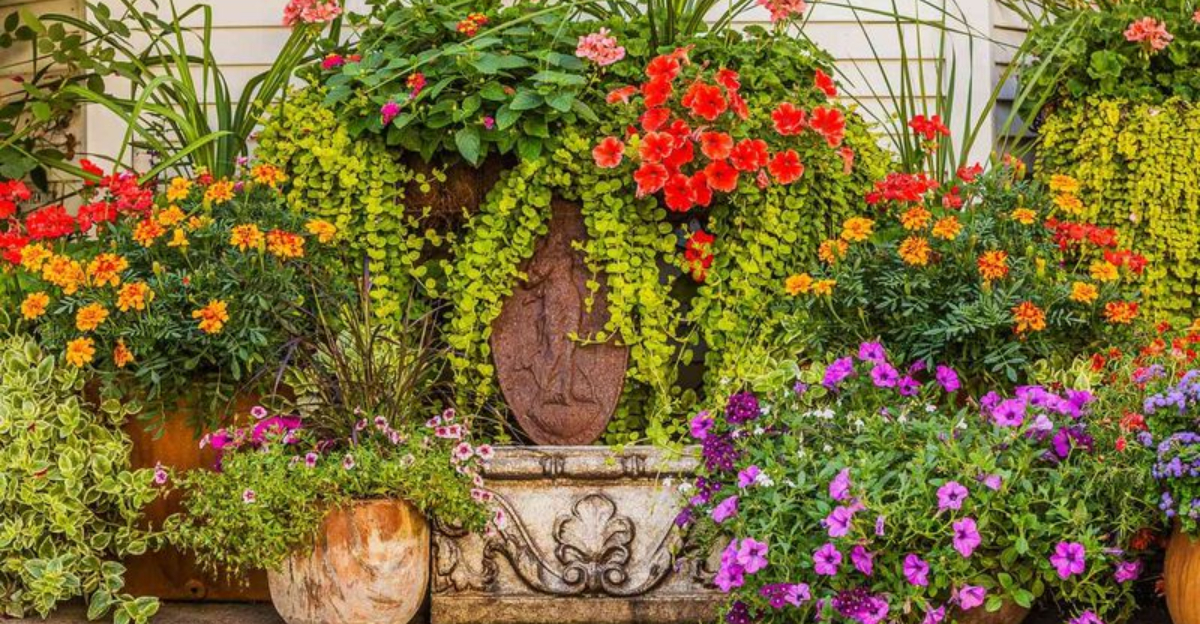
Container gardening can be a delightful way to bring color and life to your home. However, common mistakes may hinder your efforts. Here are ten expert tips to ensure your container flowers thrive beautifully.
1. Choose the Right Container
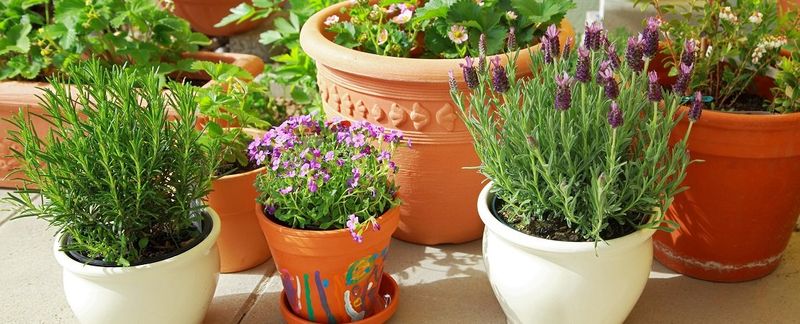
Selecting the perfect container is crucial for healthy flowers. A container too small can restrict root growth, while one too large may lead to waterlogging. Opt for containers with adequate drainage holes to prevent water accumulation. Always consider the material; terracotta pots offer great breathability, while plastic ones are lightweight and durable. Your container should complement the plant’s size and growth habits, ensuring enough space for roots to develop. A quirky fact: Some gardeners use old teapots as unique containers! Always clean and sterilize used containers to prevent any disease transfer.
2. Soil Selection Matters
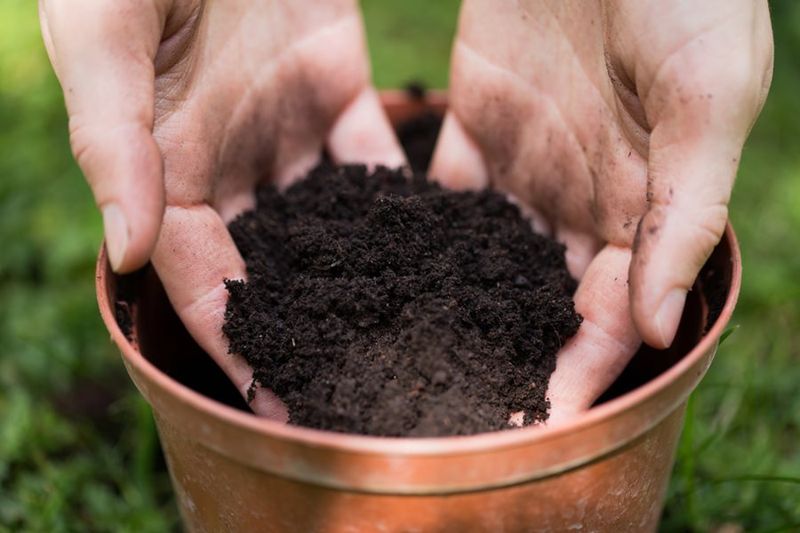
The foundation of any thriving plant is quality soil. Container plants benefit from a well-draining mix that retains moisture yet allows air flow. Avoid using garden soil, which can compact and suffocate roots. Instead, look for commercial potting mixes with added perlite or vermiculite. Some gardeners even add coconut coir for improved aeration. Consider incorporating slow-release fertilizers for ongoing nourishment. A fun tidbit: Potting soil was first used by houseplant enthusiasts in the late 19th century! This small historical touch can inspire your gardening journey.
3. Mind the Watering
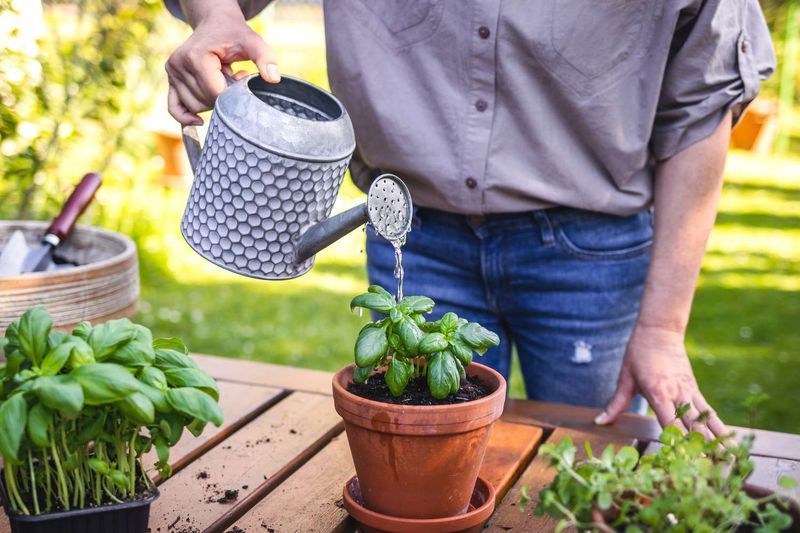
Watering container plants requires a gentle touch. Overwatering is a common pitfall, often leading to root rot. Check moisture levels by sticking a finger into the soil; water only if dry an inch down. Morning watering is ideal, reducing evaporation risk. Consider using self-watering pots for consistent hydration. Remember, each plant species may have unique needs. Did you know? Desert plants thrive with less frequent watering. Tailoring your approach will yield flourishing results. This individual attention fosters vibrant, healthy blooms.
4. Right Plant, Right Place
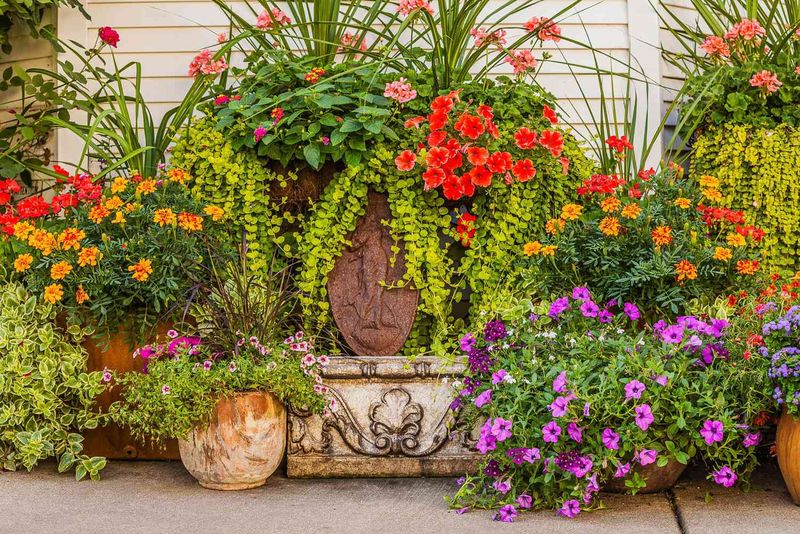
Placing the right plant in the right environment is key. Consider sun-loving species like geraniums or marigolds, which require full sunlight. Conversely, hostas thrive in shade. Assess your location’s light conditions before planting. A whimsical fact: Some flowers follow the sun’s movement, a phenomenon called heliotropism. Be mindful of wind exposure as well; some plants are sensitive to harsh breezes. Understanding these environmental factors ensures that your flowers bloom brightly. Matching plants to their preferred settings promotes vigorous growth.
5. Regular Feeding Schedule
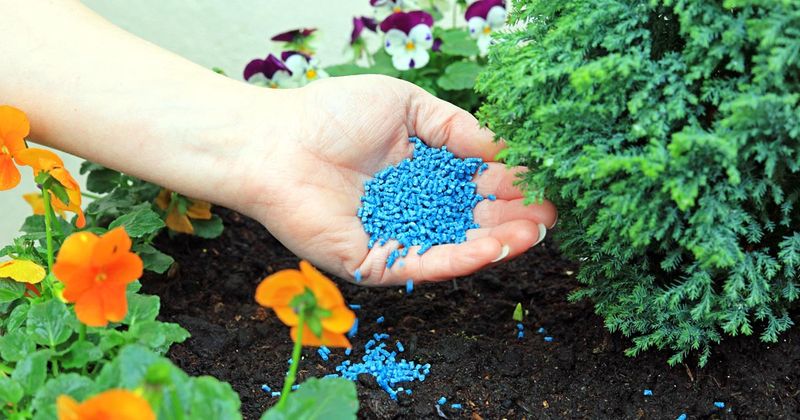
Routine feeding nourishes container plants, as nutrients deplete faster in pots. Use a balanced, water-soluble fertilizer every few weeks during the growing season. For organic gardens, consider fish emulsion or seaweed extracts. Monitor your plants for yellowing leaves, a sign of nutrient deficiency. Fun trivia: The concept of plant fertilizer dates back centuries to ancient farming practices. By keeping your plants well-fed, you encourage lush growth and vibrant blooms. Consistent care makes a visible difference in your container garden’s success.
6. Prune for Health
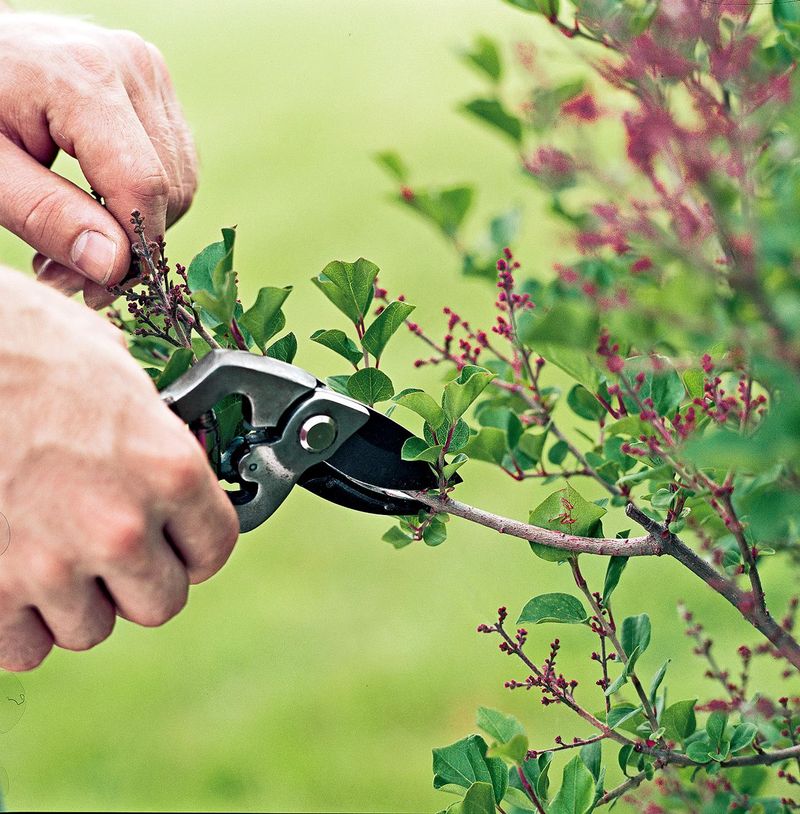
Pruning is essential for maintaining healthy container flowers. Removing dead or diseased foliage prevents the spread of pathogens. Trim back leggy growth to encourage bushier plants. A quirky fact: Some plants, like roses, respond well to specific pruning techniques, enhancing flower production. Regularly inspect your plants for damaged leaves or stems. This simple habit promotes vigorous growth and prevents overcrowding. Pruning also enhances air circulation, reducing the risk of fungal infections. Your attentive grooming ensures a thriving container garden.
7. Pest Control Strategies
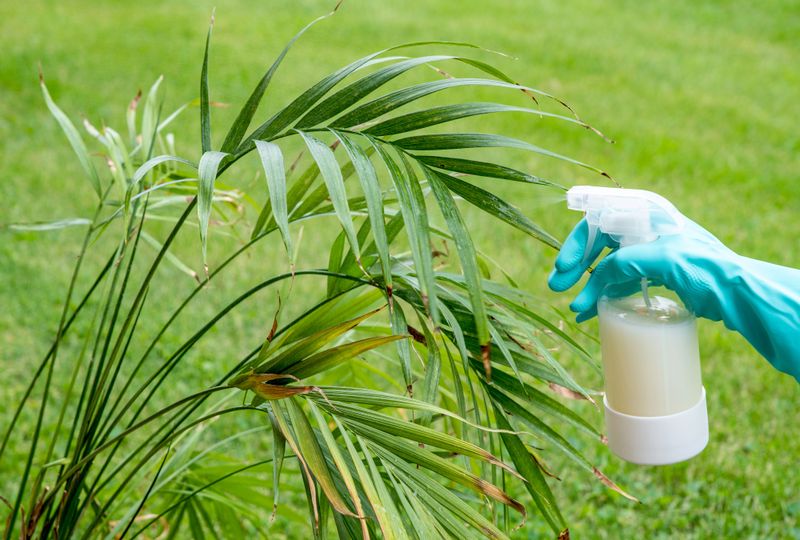
Protect your flowers from pests with proactive strategies. Regularly inspect plants for signs of intrusion, such as holes in leaves or discolored spots. Use natural insecticides like neem oil to deter unwanted visitors. Encourage beneficial insects, like ladybugs, to maintain ecological balance. A historical note: Natural pest control has roots in ancient farming wisdom. Cultivate a habitat that discourages pests by maintaining plant health and cleanliness. Your vigilant care will safeguard your blossoms, keeping them vibrant and robust.
8. Rotate Your Containers
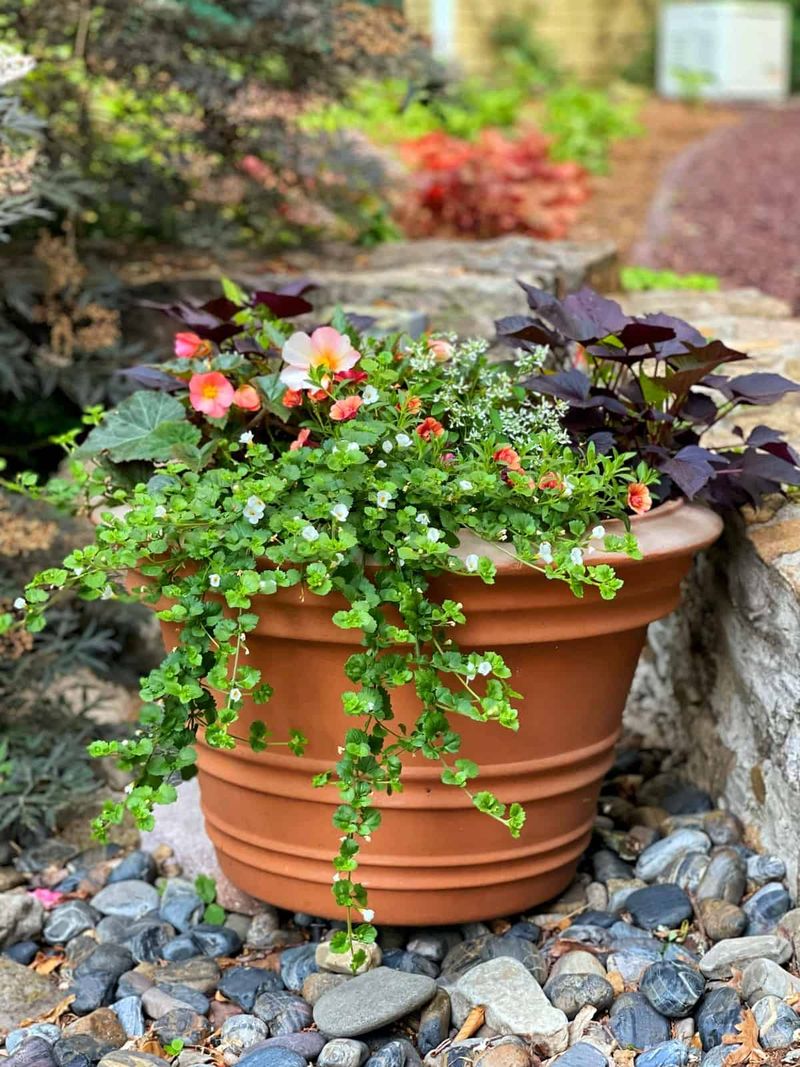
Rotating containers ensures even growth. Plants tend to lean towards light sources, causing uneven development. By regularly turning them, you promote uniform exposure to sunlight. A little-known fact: Some gardeners mark their pots’ sides to track rotations. This practice also aids in even water distribution, preventing one side from drying out faster. Rotation is a simple yet effective way to maintain balanced, healthy plants. It prevents lopsided growth and enhances your garden’s aesthetic appeal. Regular attention to this detail supports thriving blooms.
9. Seasonal Adjustments
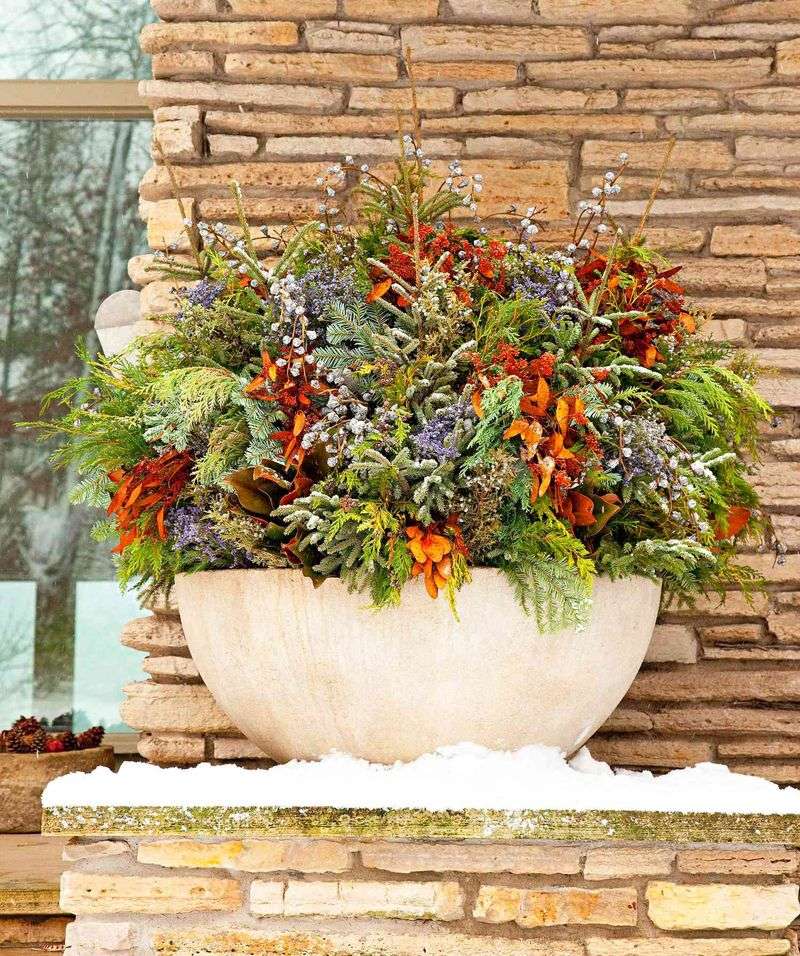
Adapting your container garden to seasonal changes is vital. Move pots indoors or to sheltered areas during frost. In summer, ensure they are not exposed to intense midday sun. Consider using mulch to regulate soil temperature. Did you know? Ancient gardeners used seasonal planting shifts to extend growing periods. Observing your plants’ responses to seasonal shifts allows you to adjust care accordingly. This proactive approach will protect and prolong your flowers’ bloom time, ensuring year-round beauty in your garden.
10. Experiment and Adapt
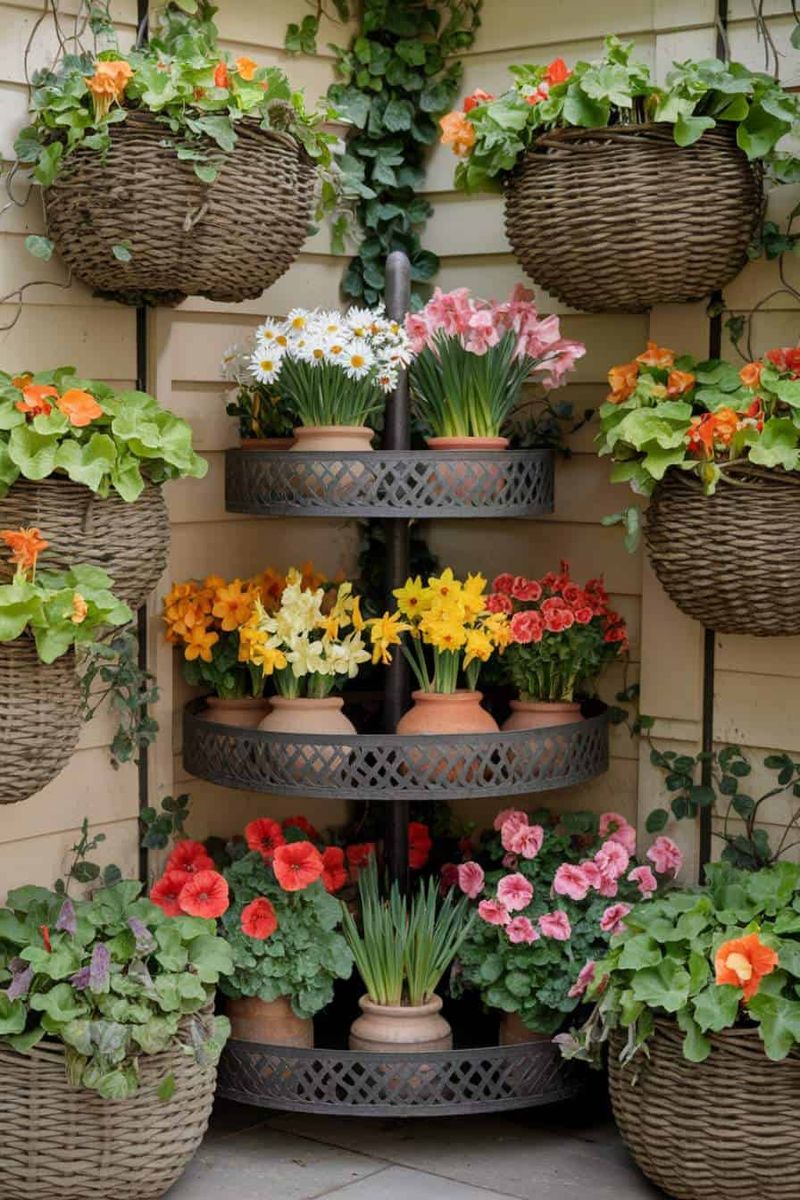
Gardening is an art of experimentation. Try different flower combinations, exploring various colors and heights. Some gardeners interchange plants each season for fresh designs. A unique fact: Container gardening has been a creative outlet since Victorian times. Don’t fear failure; learn from each planting. Embrace new techniques or unusual containers for a personalized garden. This trial and error method makes gardening exciting and rewarding. By constantly adapting, you create a garden that reflects your personality and preferences, ensuring endless enjoyment and satisfaction.
11. Overcrowding the Container
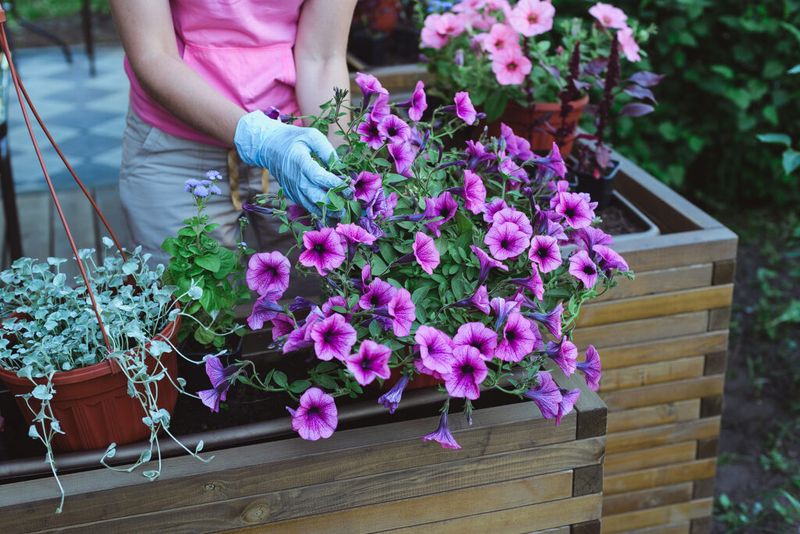
It’s common to want a lush, full look, but overcrowding your container can suffocate plants. Each plant needs space to grow and spread its roots. Without room, they compete for nutrients and water.
Consider the mature size of each plant and space them accordingly. The result will be a healthier, more vibrant display. Remember, sometimes less is more!
Did you know? Giving plants room to breathe also helps prevent diseases. Healthy airflow around plants is crucial for their overall well-being.
12. Ignoring Drainage Needs
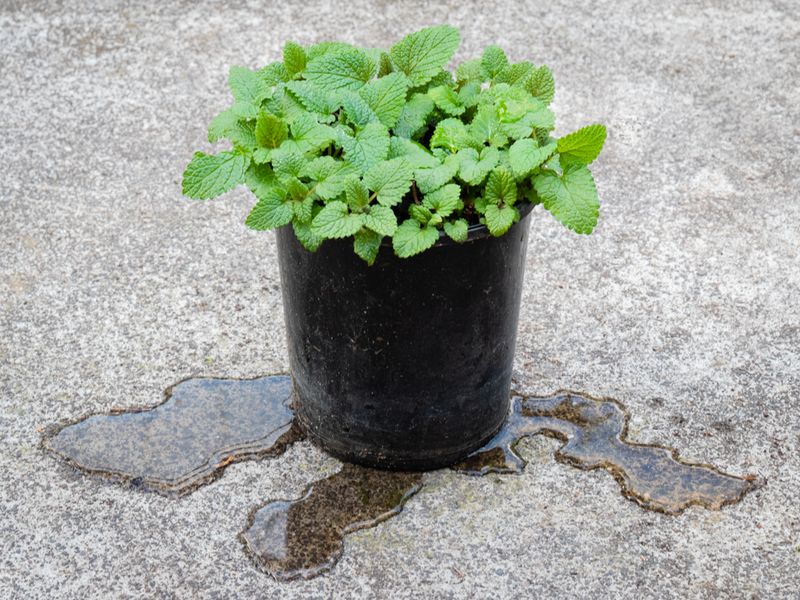
Drainage is vital for container plants. Without it, roots can become waterlogged, leading to root rot. Water must have a way to escape; otherwise, your plants will suffer.
Always ensure your pots have adequate drainage holes. If not, consider adding some. A layer of pebbles at the bottom can aid in drainage too.
Here’s a quirky fact: Ancient Romans used clay pots with built-in drainage systems! They knew the importance of keeping roots dry and healthy.
13. Choosing Incompatible Plants
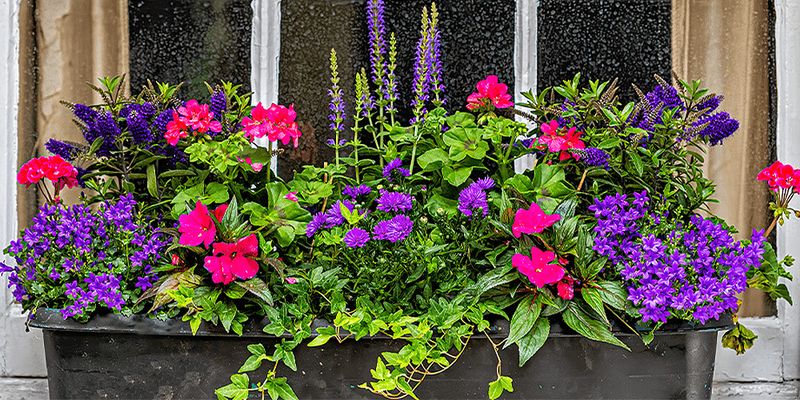
Mixing plants with different light or water needs can spell disaster. Sun-lovers and shade-dwellers won’t thrive together.
When selecting plants, consider their growing requirements. Group those with similar needs for optimal growth. Harmonious plant combinations lead to a thriving and beautiful garden.
Did you know? Companion planting isn’t just for vegetables. Flowers also benefit from good companions, helping each other thrive in the shared space.
14. Neglecting Seasonal Adjustments
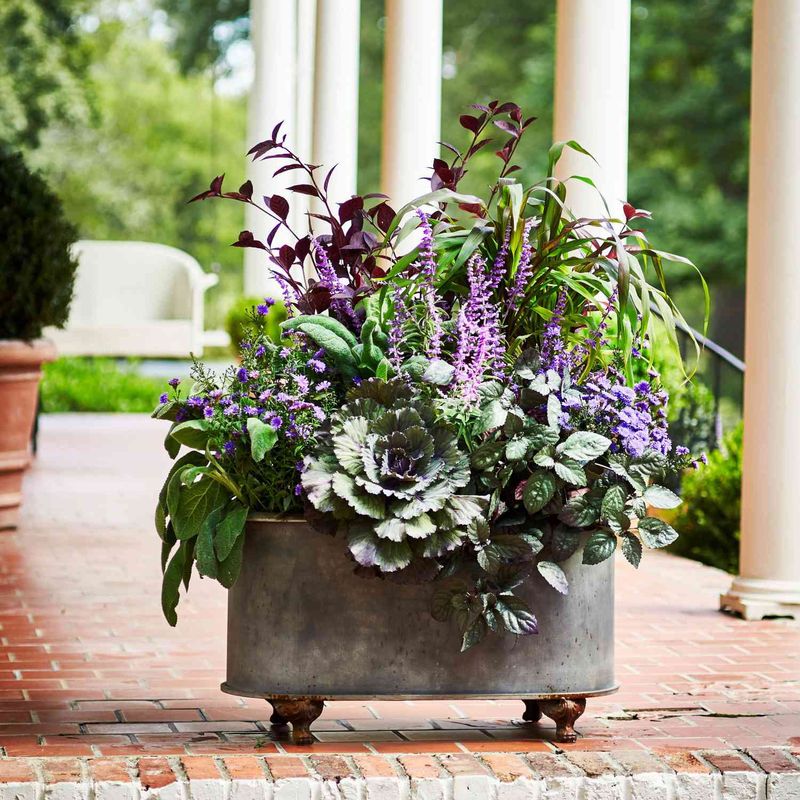
Seasons change, and so should your container gardening strategy. Many overlook the need to adjust plants as temperatures shift.
Swap out plants that can’t handle the cold as winter approaches. Embrace seasonal blooms for year-round beauty. Adapting to the seasons ensures your containers remain lush and lively.
Tip: Keep an eye on weather forecasts and prepare to adjust your plants ahead of time. It’s all about staying one step ahead!
15. Forgetting to Rotate Containers
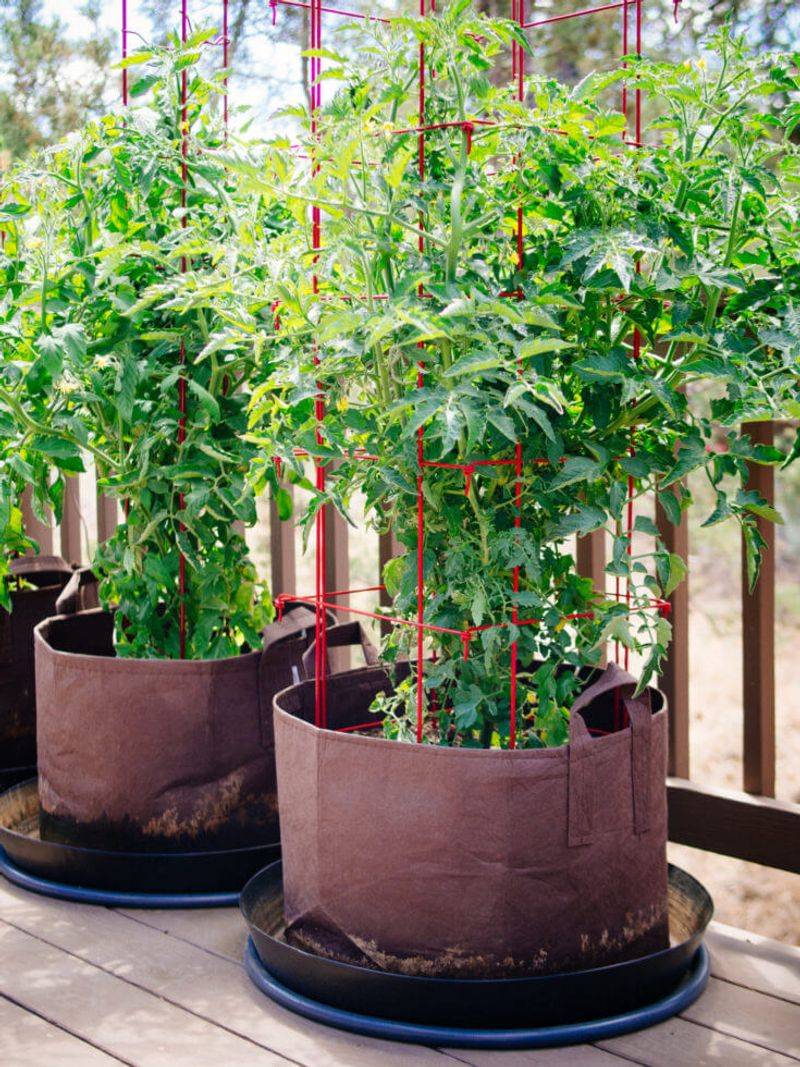
Containers often benefit from a little rotation. Forgetting to rotate them can lead to uneven growth as one side may receive more light than the other.
Turn your containers regularly to ensure even sunlight distribution. This simple act promotes symmetrical growth and prevents plants from leaning towards the light.
Fun fact: Some gardeners use the sun’s position to guide their rotation schedule, ensuring all sides get equal sun time!