 Complete Gardening
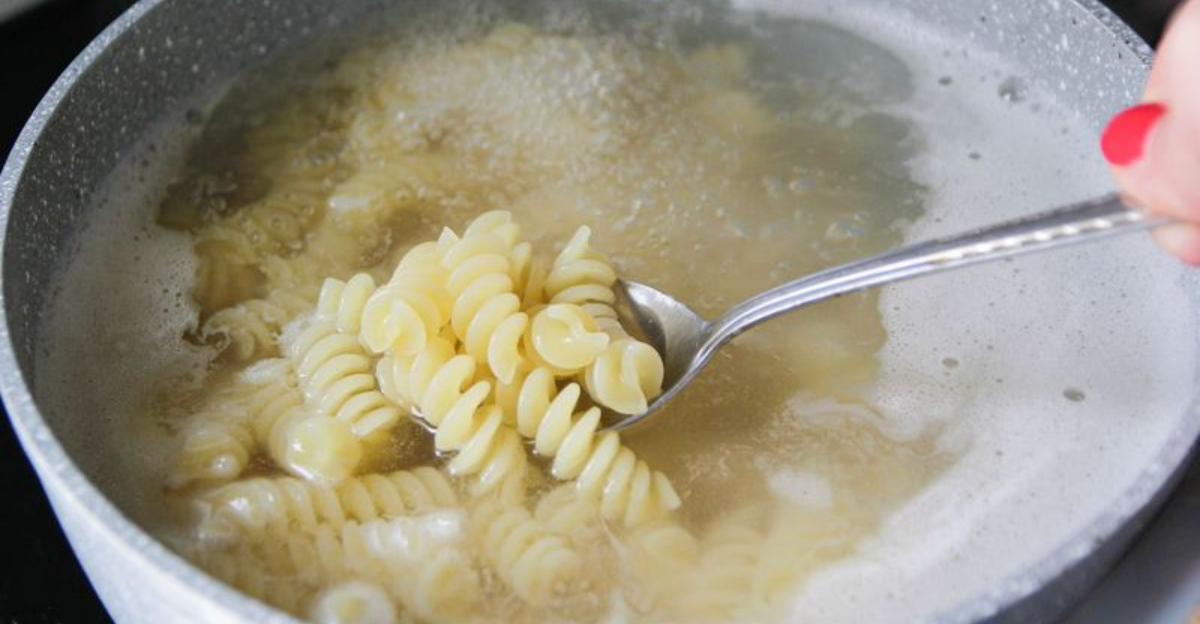
Discover how common food scraps can be transformed into powerful soil enhancers, reducing waste and enriching gardens. These 19 items, often discarded, hold hidden potentials to boost soil health and plant growth. From banana peels to fish tank water, uncover the secrets of these natural soil enhancers and learn how to utilize them in your garden effectively.
1. Banana Peels
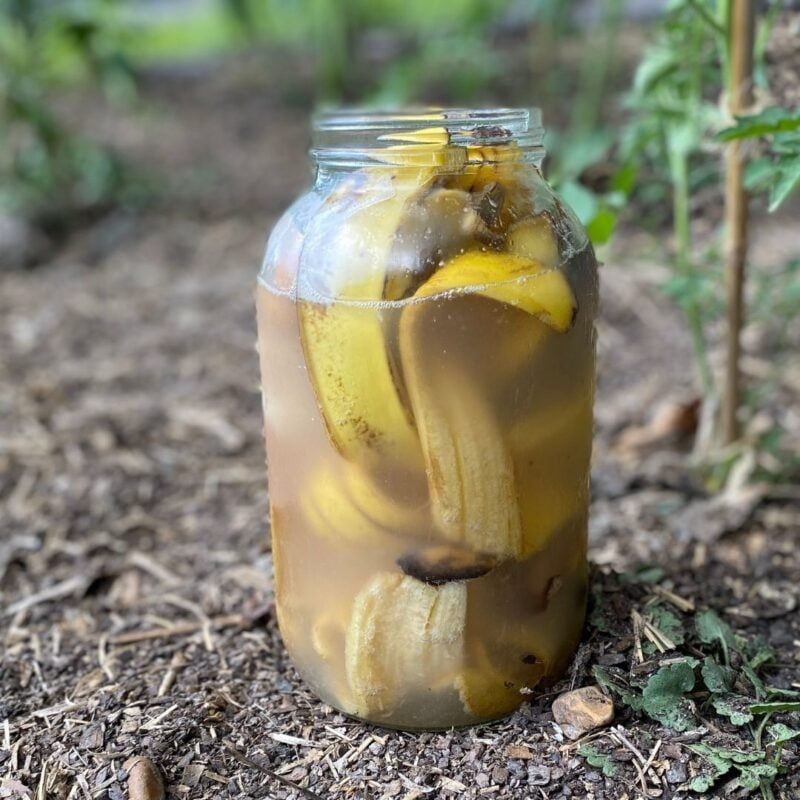
Banana peels, often discarded, are rich in potassium, which is beneficial for flowering plants. Imagine roses blooming with vibrant petals; this is the effect of potassium. By drying and grinding these peels into powder, you create a natural fertilizer. Scatter it around your roses, allowing the nutrients to seep into the soil. Moreover, burying chunks of banana peels near your rose bushes can aid in their growth. Incorporating banana peels into your gardening routine is a simple yet effective way to boost your plant’s vitality, offering a natural alternative to chemical fertilizers.
2. Citrus Peels

Citrus peels aren’t just kitchen waste; they hold magic in gardens. These peels deter pests such as cats and ants, making them a gardener’s ally. Chop them finely and add to your compost, enriching it with nitrogen. As they decompose slowly, they provide a steady release of nutrients. The aromatic oils in the peels keep unwanted critters at bay while nurturing the soil. This dual action makes citrus peels an excellent choice for any compost pile, offering both protection and enrichment for your plants.
3. Avocado Skins & Pits
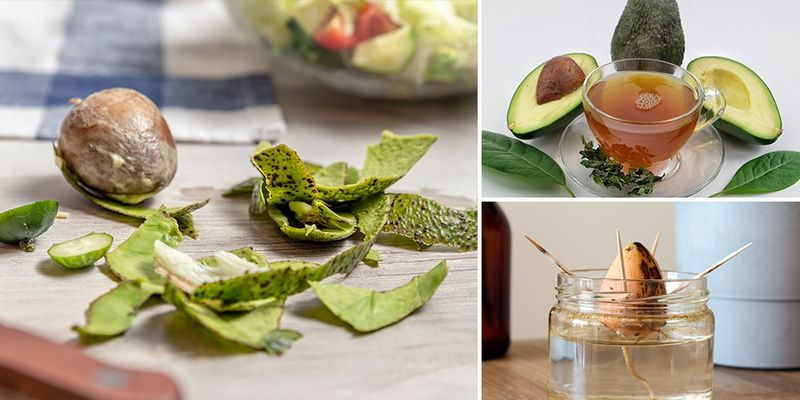
Avocado skins and pits might seem useless, but they are secret treasures for your garden. Crush avocado pits into small pieces to provide a slow-release source of calcium, perfect for strengthening plant cells. Compost the skins, which break down over time, enriching the soil. This combination of skins and pits nourishes your garden, offering a sustainable way to enhance soil quality. Utilize these common kitchen scraps to support plant growth and foster a thriving garden ecosystem.
4. Pineapple Tops
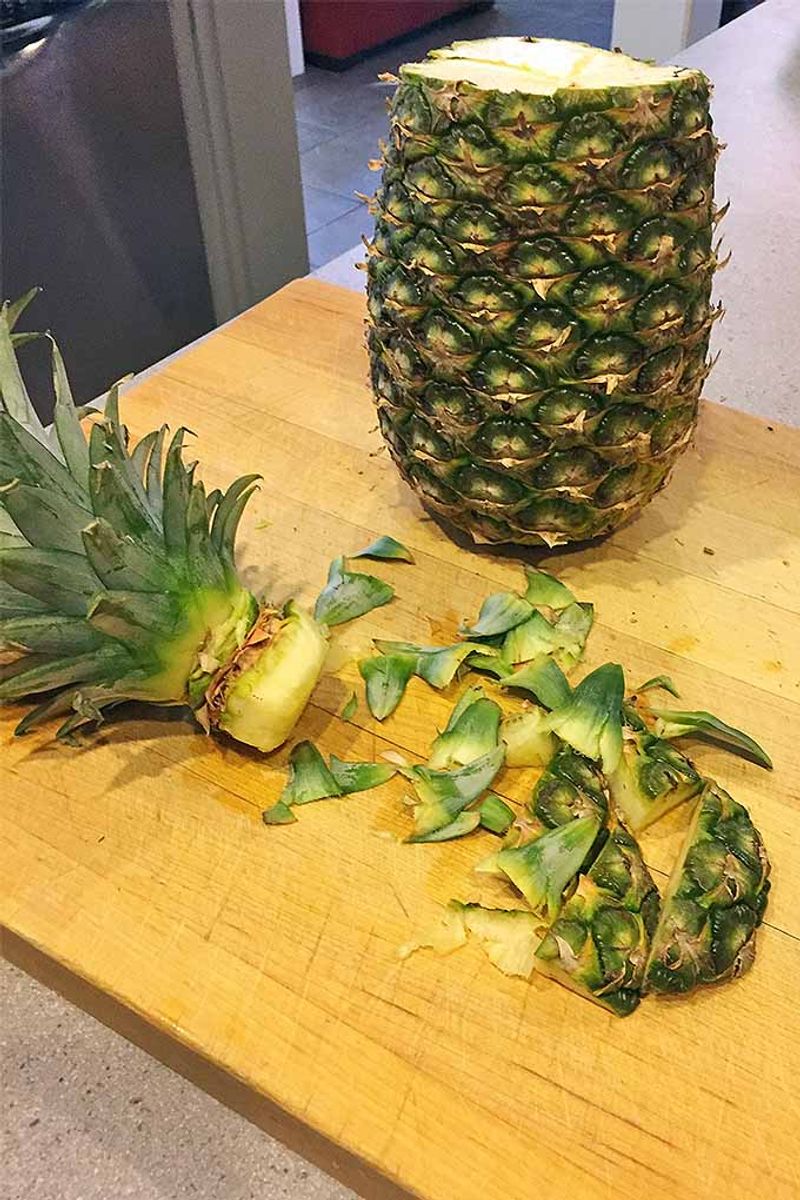
The crown of a pineapple holds the promise of a new plant. Pineapple tops can be regrown into beautiful houseplants, adding a tropical touch to your home. By placing the top in soil, with care and patience, you’ll witness a new pineapple plant emerging. Alternatively, chop and add them to your compost pile. Though they break down slowly, they contribute to the compost’s structure. Embrace the potential of pineapple tops to both beautify your space and nourish your garden.
5. Berry Mash
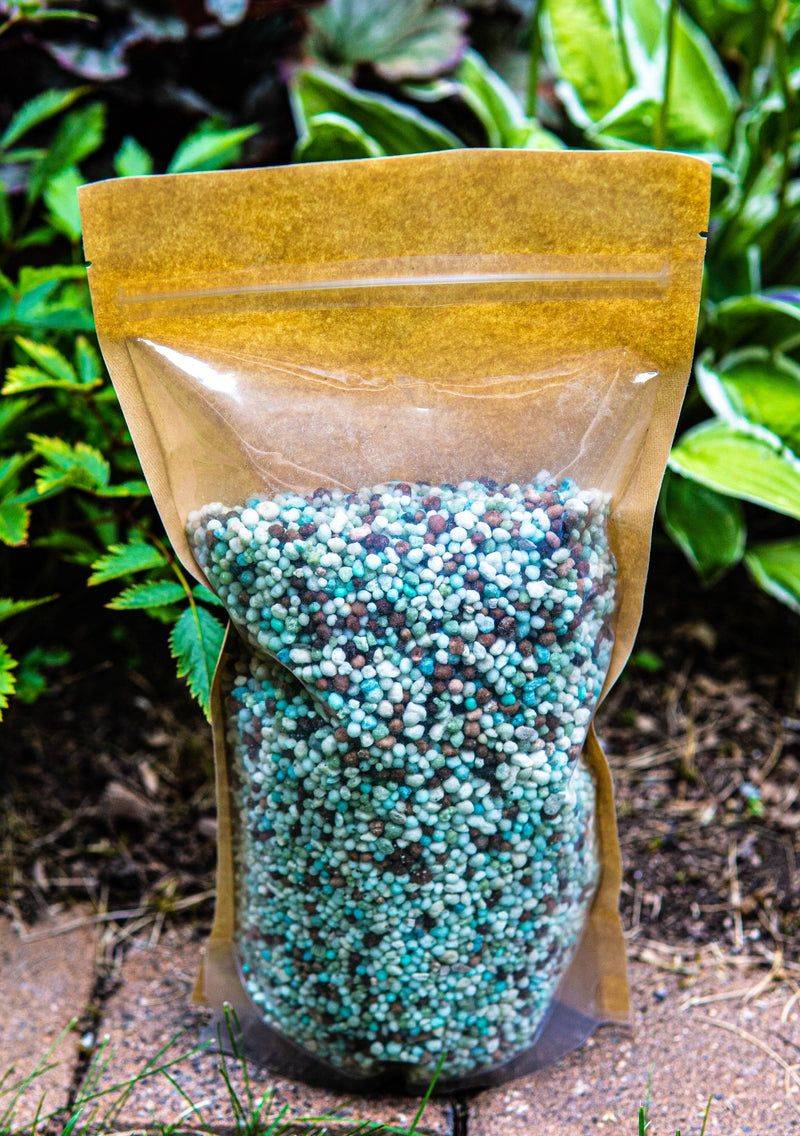
Overripe berries often end up in the trash, but they can be transformed into a powerful plant fertilizer. Create a berry mash from strawberries and blueberries, and ferment it into a nutrient-rich tea. This liquid gold can be watered onto your plants, providing them with essential nutrients. The fermentation process releases beneficial compounds, boosting plant health. Turn your kitchen waste into garden gold, and see your plants flourish with this homemade berry tea fertilizer.
6. Eggshells
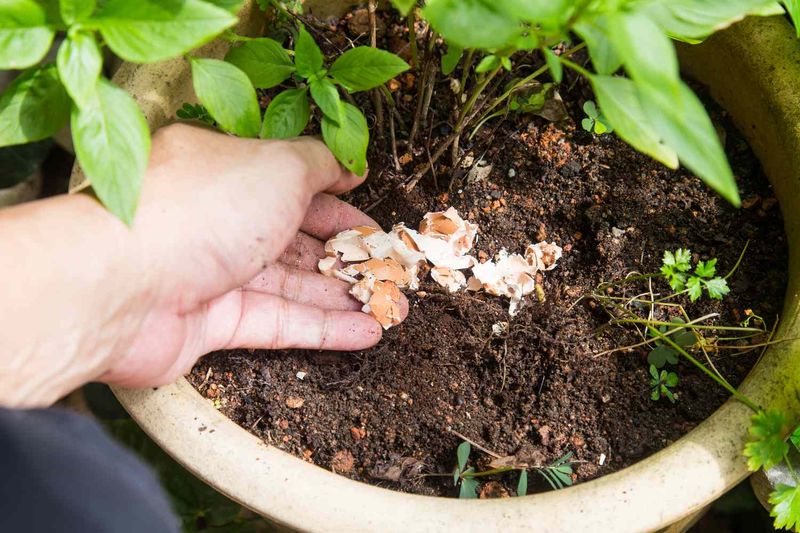
Eggshells are more than breakfast remnants; they’re a calcium powerhouse. Crushed eggshells prevent blossom end rot in tomatoes by supplying essential calcium. Scatter them around your plants, and let nature do the rest. Over time, these shells break down, enriching the soil and fortifying your plants. Additionally, using eggshells in your compost adds valuable minerals. Embrace the simplicity of eggshells and watch your garden thrive, offering a nutrient boost that’s both effective and eco-friendly.
7. Egg Cartons
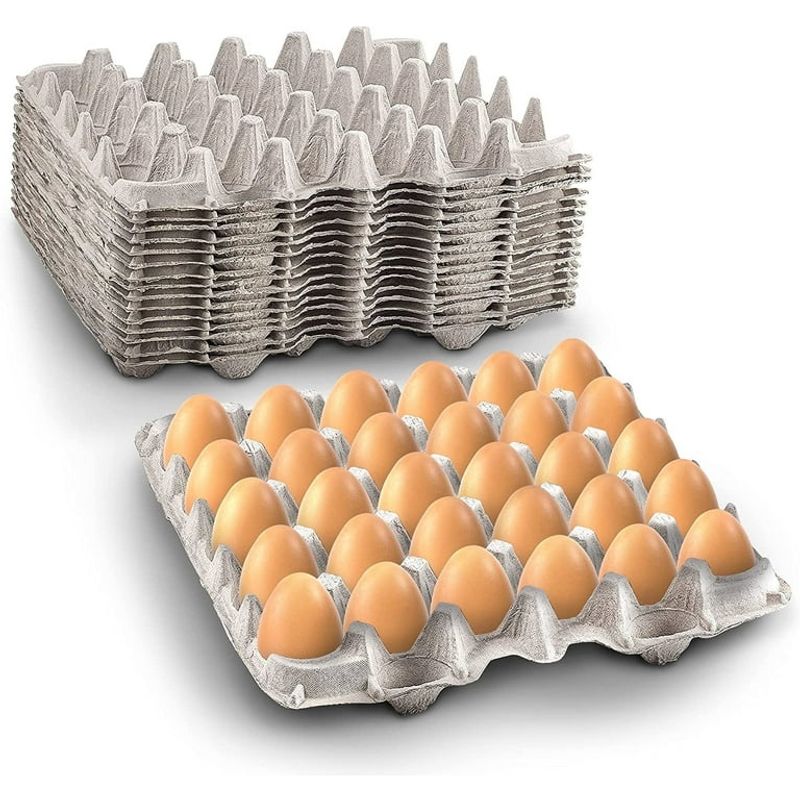
Cardboard egg cartons find new life in the garden as seedling pots. Tear them into sections and fill with soil to plant seeds. These biodegradable pots offer a gentle transition for young plants, eventually decomposing into the earth. Alternatively, add shredded cartons to your compost as brown material, balancing nitrogen-heavy greens. This dual-purpose recycling not only reduces waste but also supports sustainable gardening practices. Embrace the versatility of egg cartons in your garden ecosystem.
8. Coffee Grounds
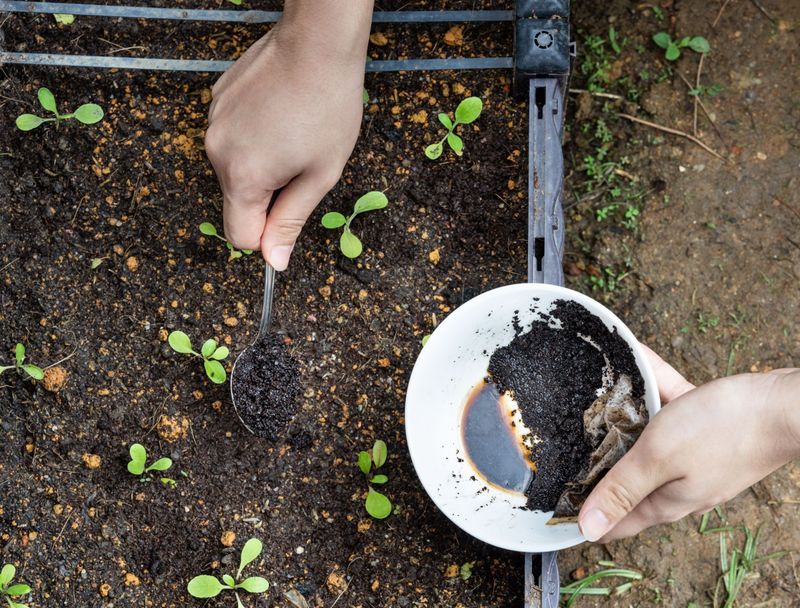
The lingering aroma of coffee is not just for humans to enjoy; your garden loves it too. Coffee grounds are acidic, making them perfect for acid-loving plants like azaleas and blueberries. Sprinkle them onto the soil or add to your compost pile. Not only do they enrich the soil with nitrogen, but they also improve soil structure and drainage. Repurpose your morning brew’s leftovers into a garden enhancer, contributing to a lush and vibrant landscape.
9. Tea Bags/Leaves
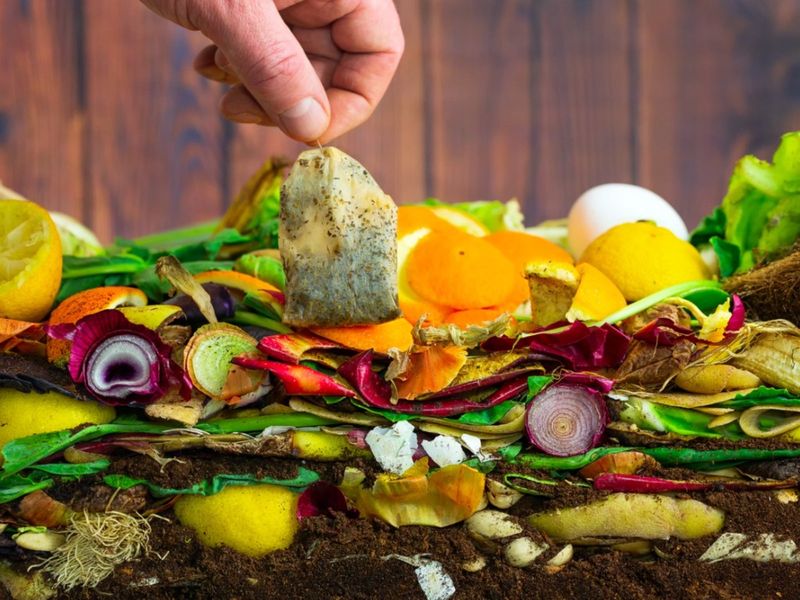
Tea bags and leaves are garden gems, boosting nitrogen levels in the soil. Before using, remove any staples from the bags and spread them around your roses. The natural compounds in tea nourish the plants, promoting vibrant blooms. As they decompose, they enhance the soil’s fertility, providing a slow-release source of nutrition. Transform your used tea bags into a valuable garden resource, and witness the flourishing beauty of your roses.
10. Potato Peels
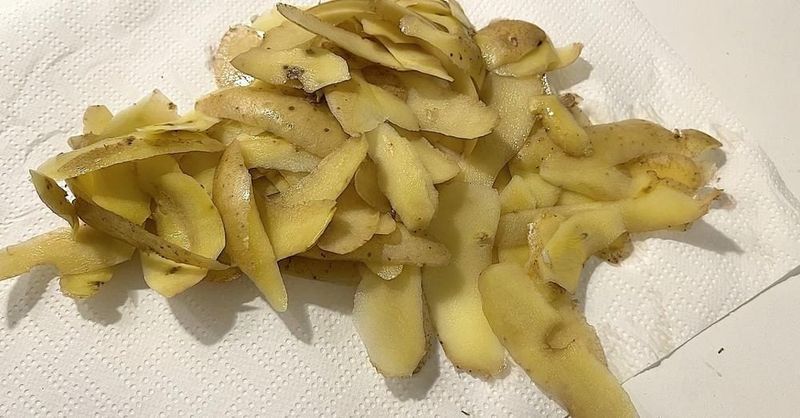
Potato peels, often discarded, are rich in phosphorus, a nutrient vital for plant energy transfer. Bury them deep in the soil to avoid sprouting and enrich your garden. As they decompose, they release phosphorus, supporting healthy root development and plant growth. Embrace the hidden potential of potato peels, turning kitchen scraps into valuable garden allies. Enhance your soil’s nutrient content naturally, fostering a flourishing garden environment.
11. Corn Cobs/Husks
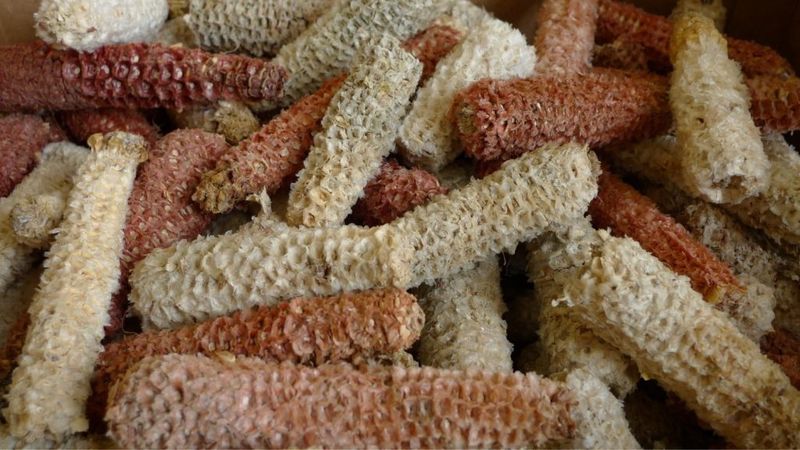
Corn cobs and husks, often overlooked, play a valuable role in composting. Their slow decomposition aids in aerating the compost, improving its structure. By adding these to your compost pile, you provide a steady release of nutrients over time. The fibrous nature helps maintain moisture balance, creating a rich, well-balanced compost. Embrace corn’s contributions to your garden, turning waste into a sustainable resource that enhances soil health.
12. Cooked Rice/Pasta
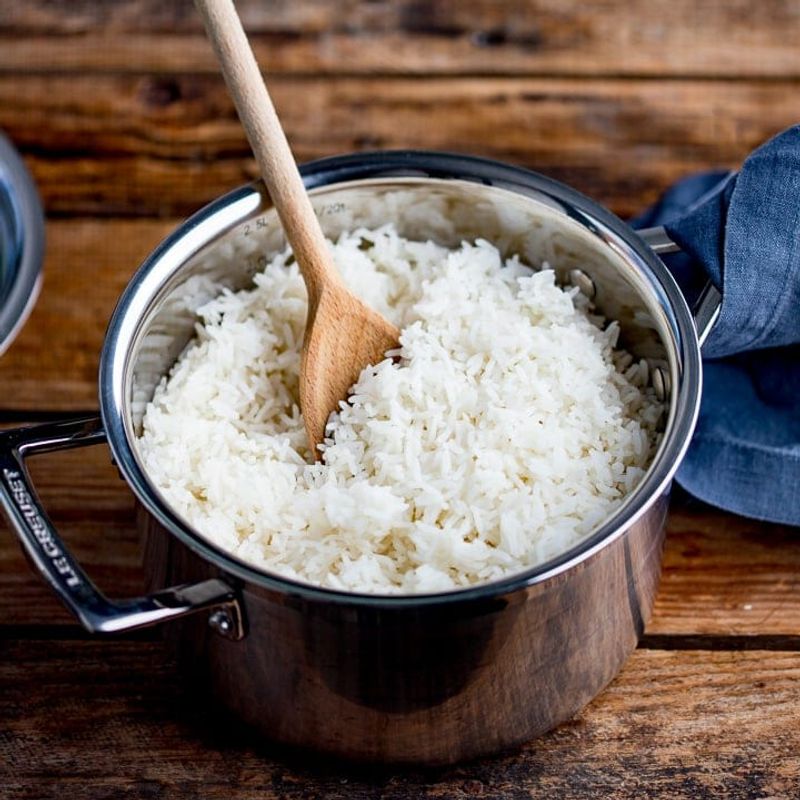
Leftover cooked rice and pasta can be repurposed to feed your soil microbes. In small amounts, they provide carbohydrates that support microbial growth in compost. Avoid oily sauces to prevent attracting pests. These kitchen scraps contribute to a thriving compost ecosystem, enhancing soil fertility. By incorporating rice and pasta, you transform waste into a valuable garden resource, supporting healthy plant growth and soil vitality.
13. Onion/Garlic Skins
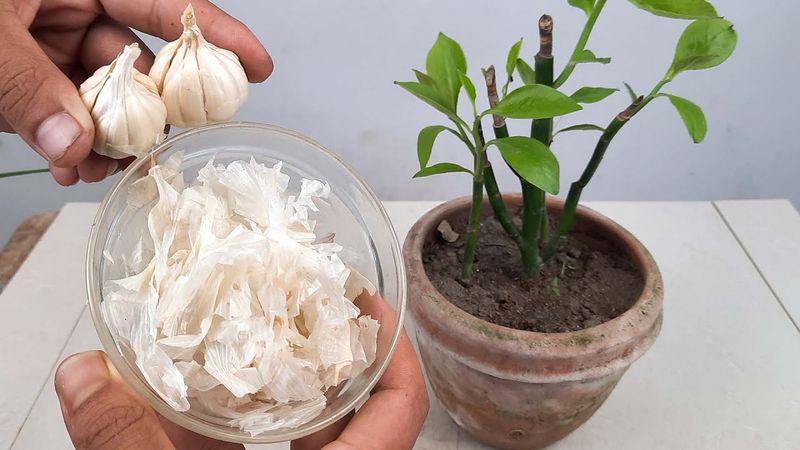
Onion and garlic skins possess antibacterial properties, making them perfect for pest control. Soak the skins in water to create a natural pest-repellent tea. Alternatively, add them to your compost to enrich the soil with their beneficial compounds. This dual-purpose use transforms kitchen waste into a garden ally, supporting plant health and deterring unwanted pests. Harness the power of these aromatic skins to bolster your garden’s resilience naturally.
14. Pepper Seeds/Stems
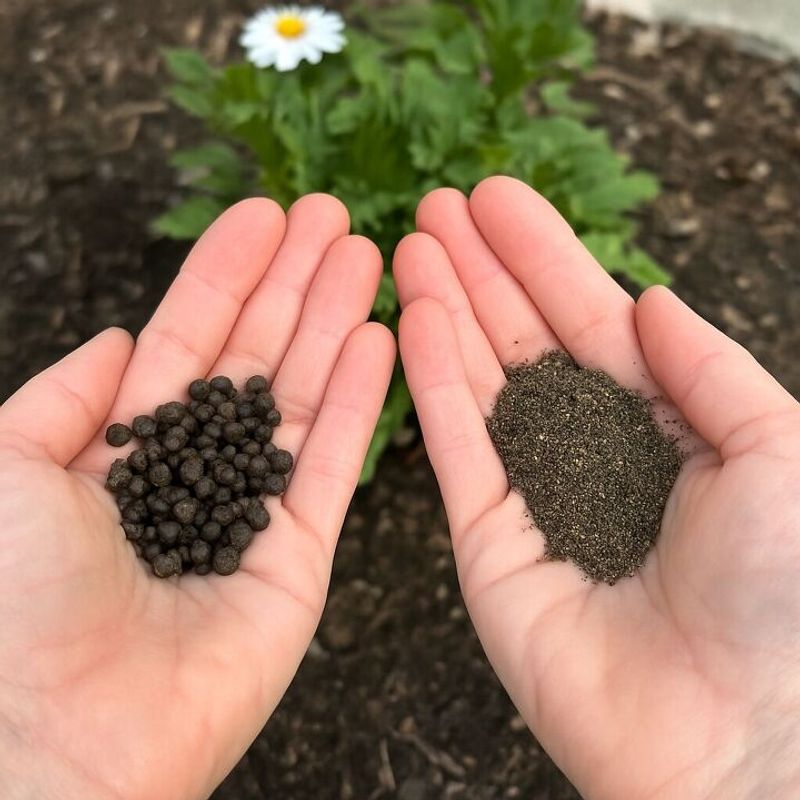
Pepper seeds and stems, though small, pack a punch against garden pests. Blend them into water to create a mild insect deterrent, keeping your plants safe. Apply with care to avoid irritation. This natural solution repurposes kitchen waste, turning it into a garden ally. By using pepper seeds and stems, you protect your garden from pests without harsh chemicals, supporting an eco-friendly approach to plant care.
15. Lettuce/Cabbage Cores
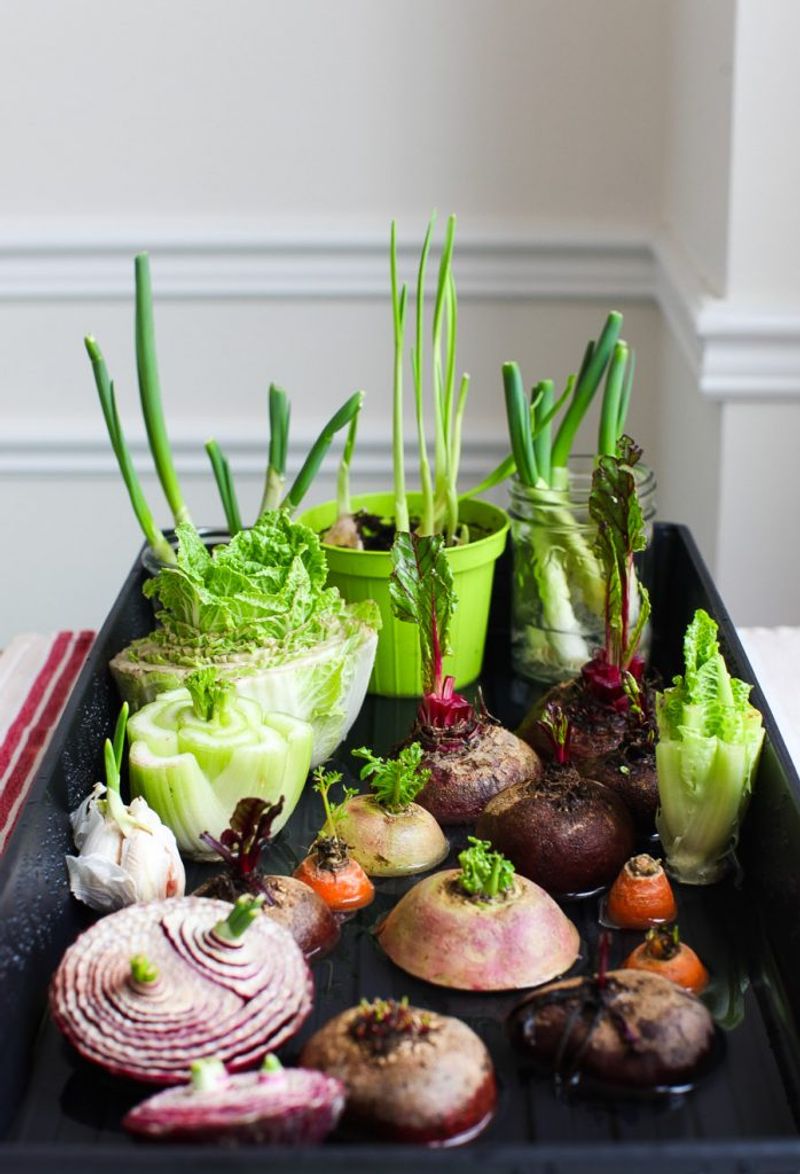
Lettuce and cabbage cores, often discarded, can be transformed into nutrient-rich compost material. Chop them and add to your compost pile, where they decompose, enriching the soil with valuable nutrients. Alternatively, blend them into a green slurry fertilizer for immediate use on plants. These cores contribute to a sustainable gardening approach, turning waste into a beneficial resource. Embrace the potential of these scraps to enhance your garden’s vitality.
16. Herb Stems
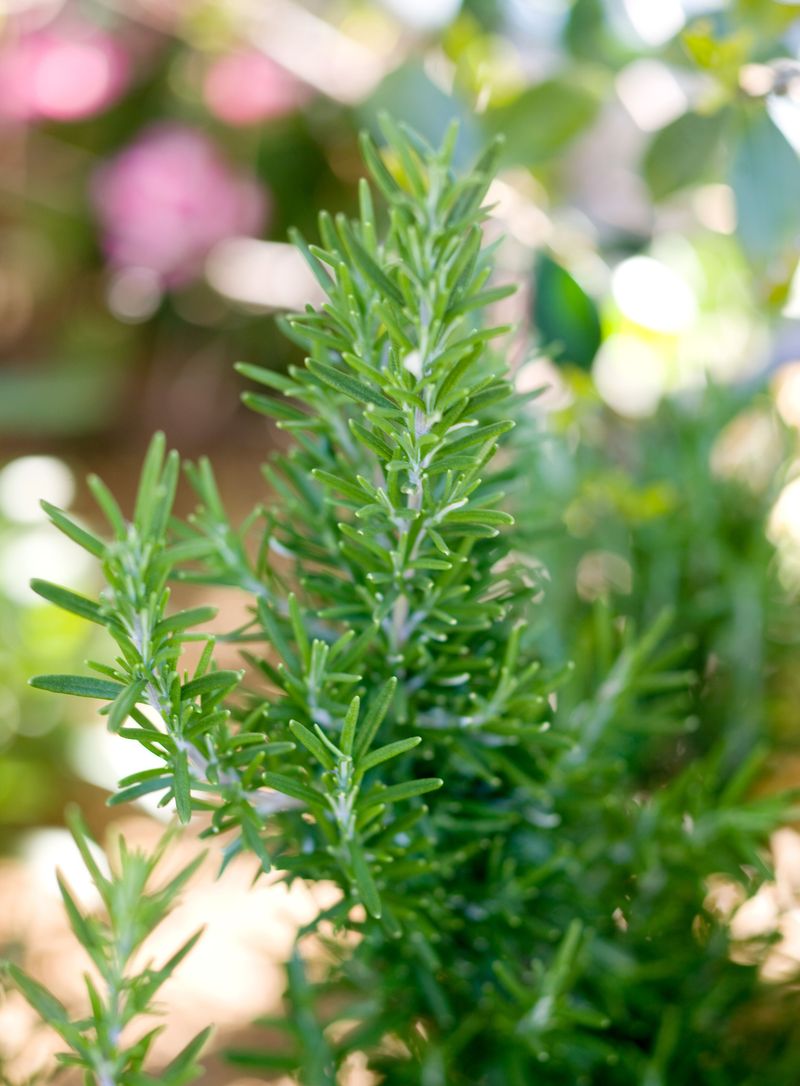
Herb stems, such as rosemary and thyme, offer more than culinary delight. Scattered in your garden, they deter slugs, protecting delicate plants. These aromatic stems act as a natural barrier, preserving plant health. By repurposing herb stems, you create a simple, eco-friendly solution to garden pests. Embrace this sustainable practice and enjoy the benefits of a thriving garden, free from slug damage.
17. Aquafaba (Bean Water)
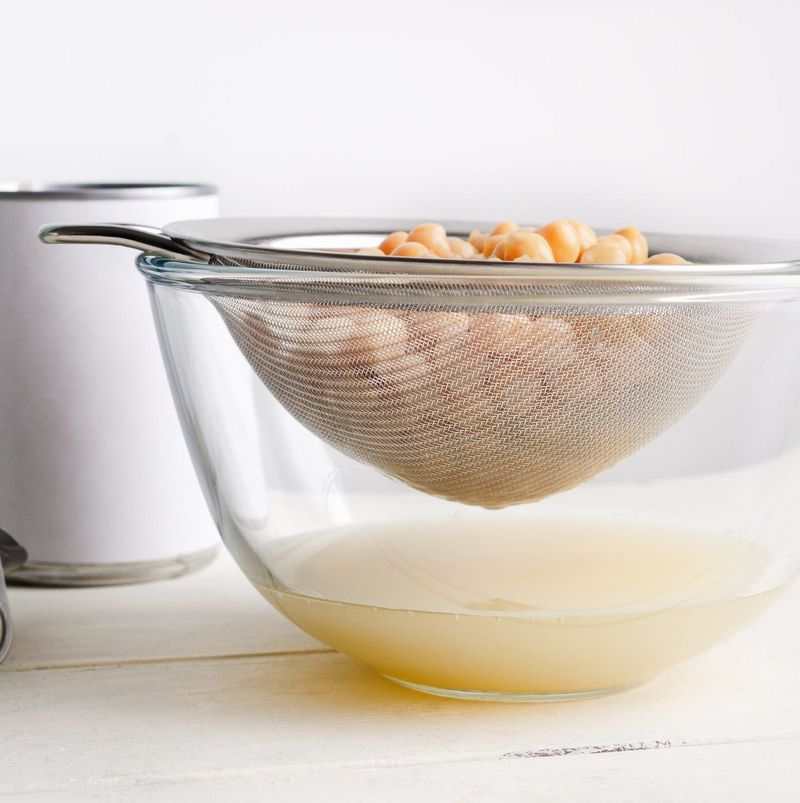
Aquafaba, the viscous liquid from canned beans, feeds soil microbes with its starchy content. Pour it into your garden soil, aiding microbial growth and enhancing soil health. This simple act transforms a common kitchen byproduct into a valuable garden resource. Support your plants with aquafaba, fostering a vibrant and productive garden ecosystem.
18. Pasta Water (Unsalted)
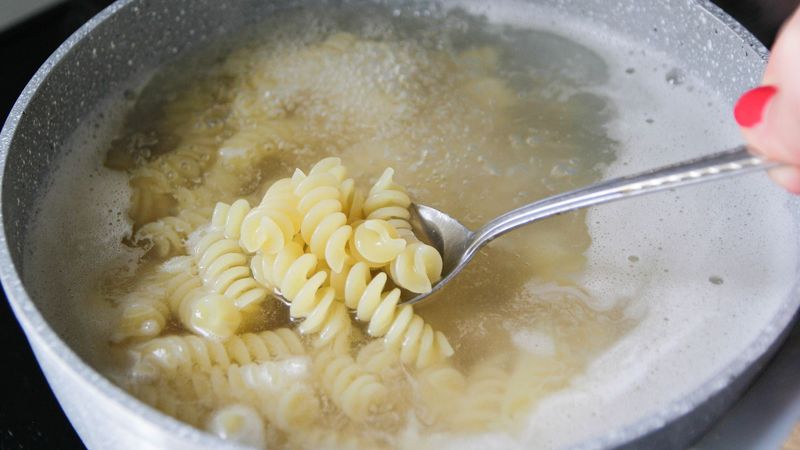
The starchy residue in unsalted pasta water serves as a gentle plant food. Once cooled, use it to water your plants, providing them with essential nutrients. This practice turns a simple leftover into a beneficial garden enhancer. Incorporate pasta water into your plant care routine, supporting healthy growth and soil vitality.
19. Fish Tank Water

Fish tank water, rich in nutrients from fish waste, offers a natural fertilizer for your garden. Use this nutrient-laden water to nourish plants, promoting robust growth. This sustainable practice repurposes aquarium waste, turning it into a beneficial garden ally. Support your plants with fish tank water, enhancing their vitality and contributing to a thriving garden ecosystem.