 Complete Gardening
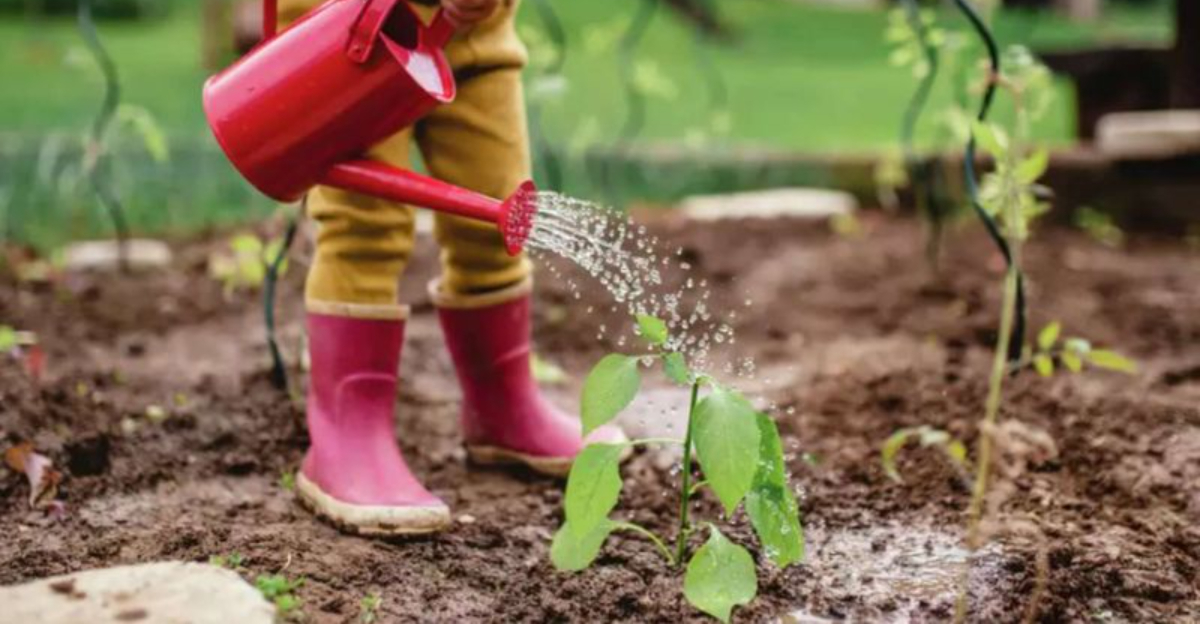
When Texas temperatures soar past 100 degrees, many gardeners watch their vegetable patches wilt and wonder if growing food in summer is even possible. Smart Lone Star State gardeners have cracked the code on beating the brutal heat. Their time-tested secrets can transform your struggling garden into a productive oasis that actually thrives when the mercury rises. Ready to turn your backyard into a summer vegetable paradise?
1. Water Before Dawn Like a Pro
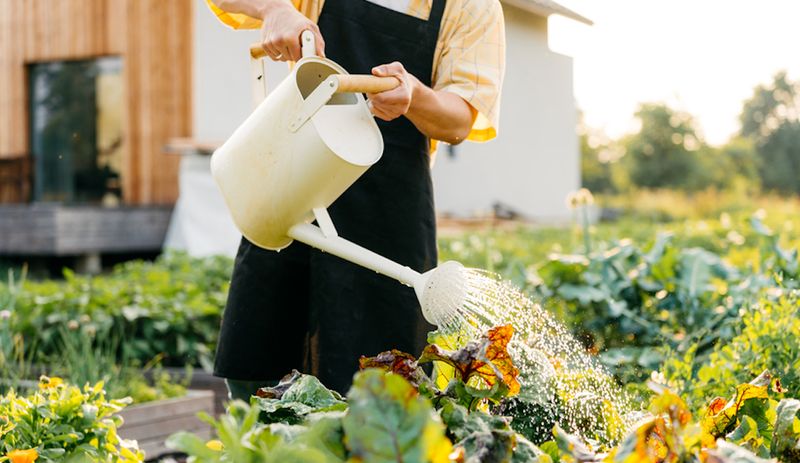
Picture this: while your neighbors sleep, you’re out with your hose at 5:30 AM, giving your plants the drink they desperately need. Early morning watering isn’t just helpful—it’s absolutely essential for Texas summer success.
When you water before sunrise, every precious drop soaks deep into the soil instead of evaporating in the scorching sun. Your plants get maximum hydration that lasts all day long.
Deep watering to six inches down encourages strong root systems that can handle drought conditions. Skip the evening watering, which invites fungal problems in humid Texas air.
2. Mulch Magic for Cool Soil
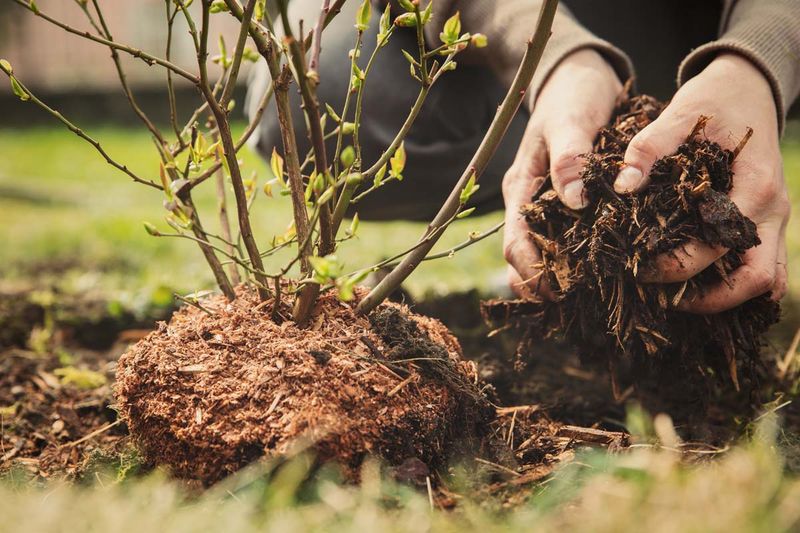
Bare soil in Texas summer is like a frying pan—it’ll cook your plant roots faster than Sunday breakfast. Experienced gardeners swear by a thick blanket of organic mulch to keep soil temperatures manageable.
Spread 2-3 inches of shredded bark, pine straw, or compost around every plant. This protective layer locks in moisture while keeping soil up to 20 degrees cooler than exposed ground.
As bonus benefits, mulch suppresses weeds that compete for water and slowly breaks down to feed your soil. Think of it as a protective shield and slow-release fertilizer rolled into one smart solution.
3. Strategic Shade Cloth Placement
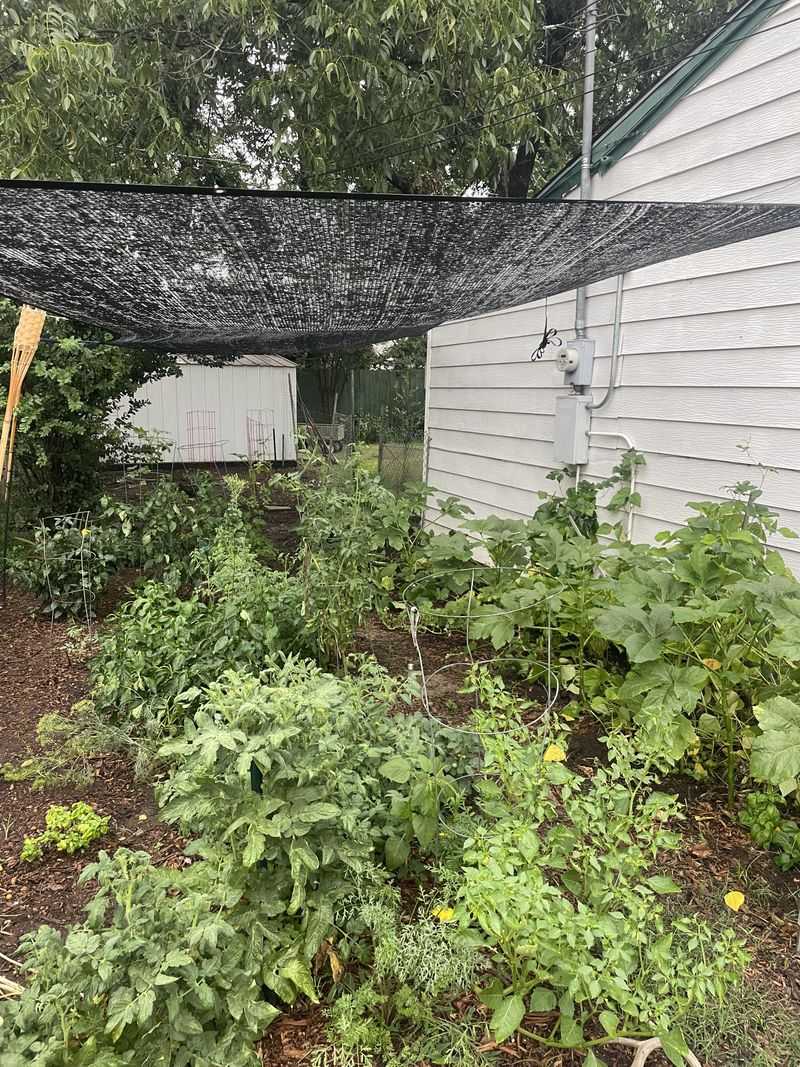
Even sun-loving vegetables need protection when Texas heat becomes unbearable. Smart gardeners deploy shade cloth like a strategic umbrella, creating microclimates that can drop temperatures by 15 degrees.
Install 40-50% shade cloth over heat-sensitive crops during the hottest afternoon hours. Your lettuce, spinach, and herbs will thank you by actually producing instead of bolting to seed.
Position shade structures on the west and south sides where afternoon sun hits hardest. Remove or adjust coverage as temperatures moderate, giving plants flexibility to catch morning and evening light while avoiding midday punishment.
4. Soil Enrichment for Heat Resilience
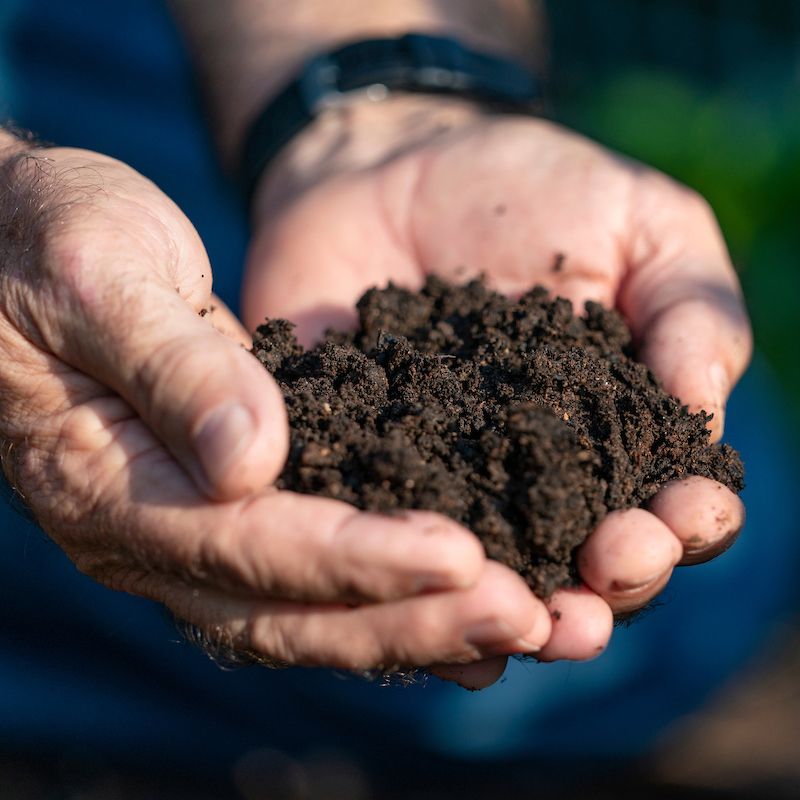
Poor soil plus extreme heat equals gardening disaster, but rich, organic soil acts like a sponge that holds moisture and nutrients when plants need them most. Successful Texas gardeners treat soil improvement as their secret weapon.
Work compost and well-rotted manure into your beds before summer planting. Healthy soil structure helps roots access water more efficiently while beneficial microorganisms support plant health under stress.
Quality soil retains moisture longer and provides steady nutrition, reducing the shock that heat waves cause to struggling plants. Investment in soil pays dividends all season long.
5. Heat-Tolerant Variety Selection
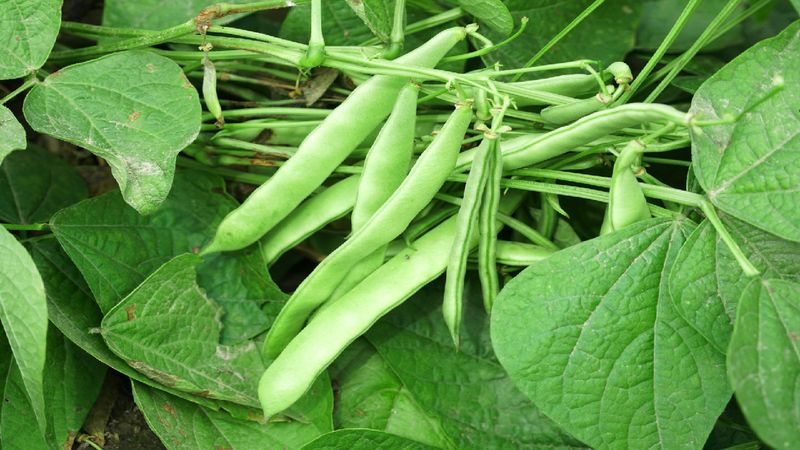
Why fight nature when you can work with it? Veteran Texas gardeners choose vegetable varieties specifically bred to handle scorching temperatures, setting themselves up for success from day one.
Cherokee Purples and Celebrity tomatoes outperform standard varieties in extreme heat. Okra, Armenian cucumber, and yard-long beans actually prefer hot weather and produce abundantly when other crops struggle.
Research heat-tolerant varieties suited to your specific Texas region. What thrives in Houston’s humidity might differ from what works in dry West Texas, so choose wisely for your microclimate and watch your harvest multiply.
6. Vigilant Pest Monitoring Systems
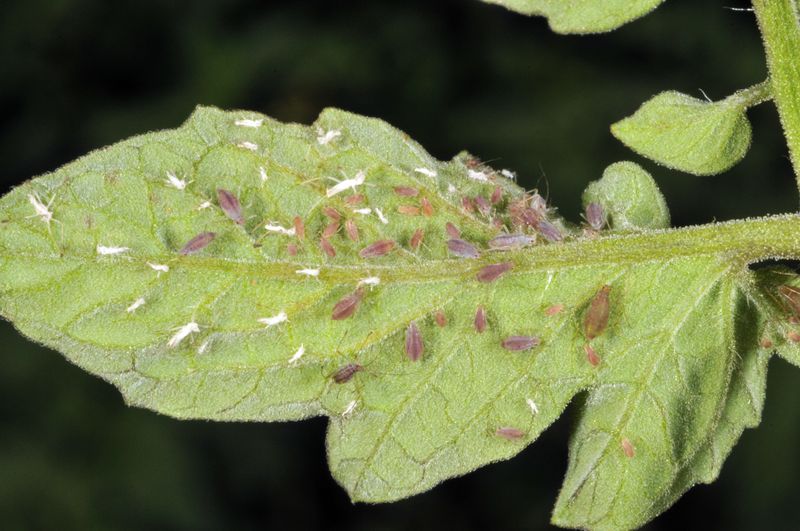
Heat-stressed plants send out distress signals that attract every pest within miles, making regular scouting absolutely critical for summer success. Experienced gardeners inspect their plants like detectives looking for clues.
Check daily for aphids, spider mites, and whiteflies that multiply rapidly in hot weather. Early detection means easier control with organic solutions like neem oil or insecticidal soap.
Focus on leaf undersides and new growth where pests typically hide. A small problem caught early prevents major infestations that could destroy your entire harvest when plants are already fighting heat stress.
7. Smart Fertilizer Reduction Strategy
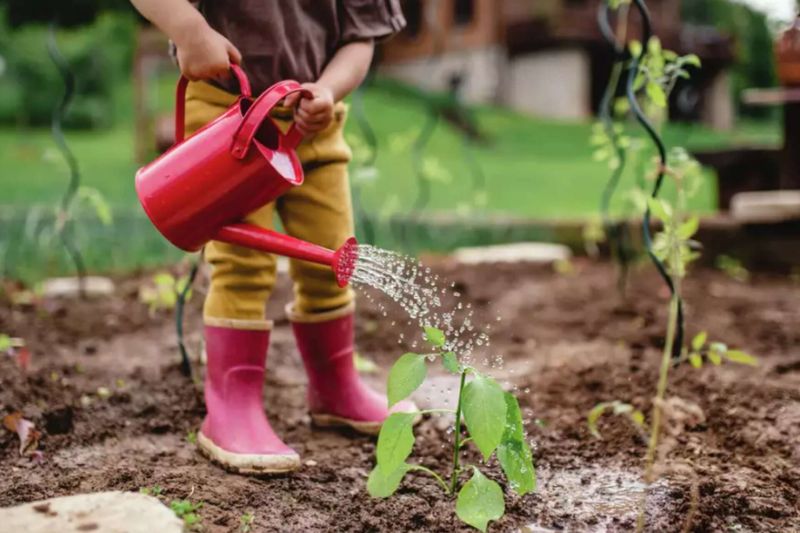
Here’s something that surprises new gardeners: feeding plants heavily during extreme heat actually hurts more than it helps. Wise Texas gardeners scale back fertilizer when temperatures soar above 95 degrees.
Over-fertilized plants waste energy producing tender new growth that wilts quickly in brutal heat. Instead, focus plant energy on survival and maintaining existing healthy foliage.
Apply light, balanced fertilizer only in early morning when temperatures are coolest. Liquid fertilizers work better than granular during hot spells because they’re absorbed quickly without stressing already-struggling root systems.
8. Microclimate Creation Techniques
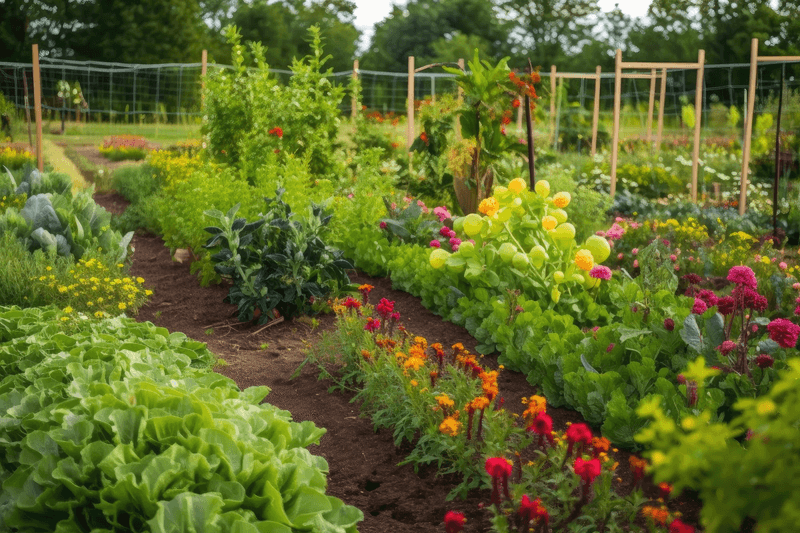
Master gardeners know that small changes create big differences in plant survival rates. Creating beneficial microclimates turns your garden into a collection of specialized zones tailored for different crops.
Plant tall crops like corn or sunflowers to provide natural afternoon shade for shorter, heat-sensitive vegetables. Position water features or light-colored mulch to reflect heat and create cooler pockets.
Group plants with similar water needs together for efficient irrigation. Use trellises and vertical growing structures to maximize airflow while providing natural cooling effects that can mean the difference between thriving plants and summer casualties.