 Complete Gardening
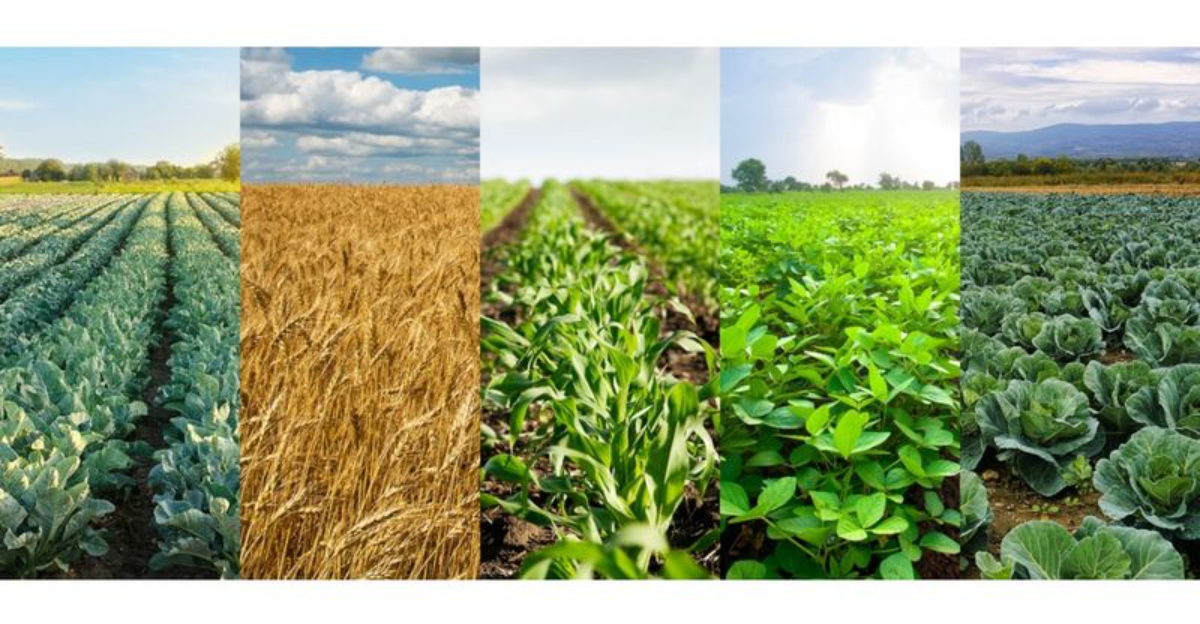
Gardening in Texas during the summer can be both rewarding and challenging. The intense heat, unique soil conditions, and unpredictable weather patterns often lead to common mistakes that can affect the health and yield of your garden. Understanding these pitfalls and learning how to avoid them, especially during the scorching month of August, can lead to a flourishing garden that thrives despite the odds. Here’s a guide to help you navigate these challenges with ease.
Overwatering
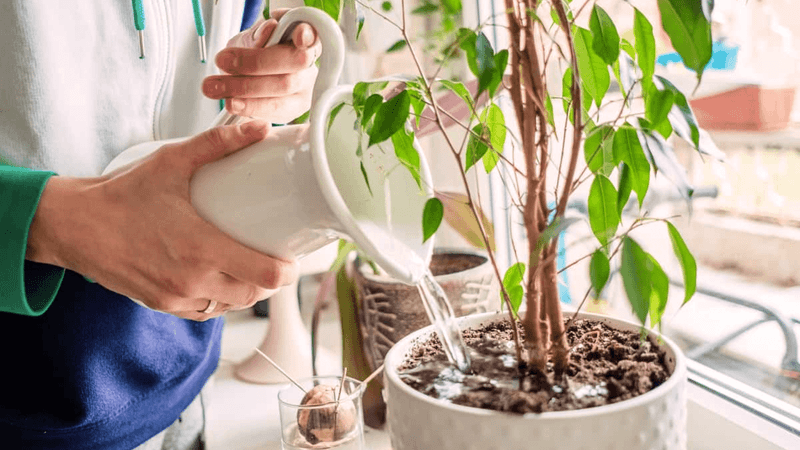
Overwatering is a common mistake among Texan gardeners. Due to the intense heat, it’s easy to assume that plants need more water. However, excessive watering can lead to root rot, especially in clay-heavy Texas soils.
Instead of frequent shallow watering, opt for deeper, less frequent watering sessions. This encourages deep root growth and better drought resistance. Consider using a moisture meter to accurately gauge soil moisture levels.
Did you know? Some native Texas plants are adapted to survive with minimal water, making them perfect choices for a low-maintenance garden.
Ignoring Soil Quality
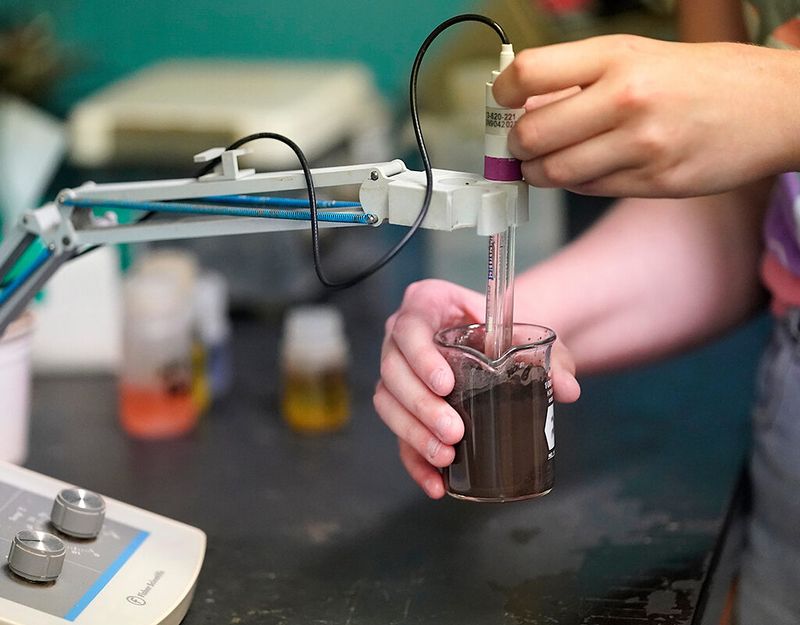
Texan soils vary widely, from sandy loam to heavy clay. Ignoring the specific needs of your soil type can lead to poor plant growth. Many gardens suffer from nutrient deficiencies due to lack of soil amendments.
Testing your soil before planting can provide insights into its pH and nutrient levels. Adding organic matter like compost can improve soil texture and fertility, helping plants thrive.
Organic compost is a gardener’s best friend. It not only enriches the soil but also improves its water retention capabilities, crucial for Texas’s hot climate.
Planting Non-Native Species
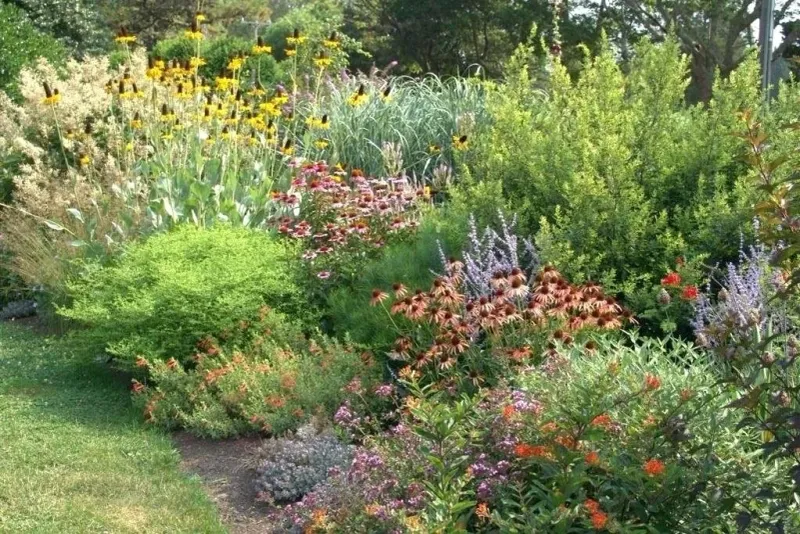
While exotic plants can be tempting, non-native species often struggle in the Texas climate. They may require more water, special soil conditions, or extra care, leading to gardener frustration.
Opt for native plants that are adapted to Texas’s unique environment. These plants are more resilient to local pests and weather conditions, ensuring a healthier garden with less effort.
Native plants are not only easier to maintain but also support local wildlife, creating a vibrant ecosystem in your backyard.
Improper Mulching
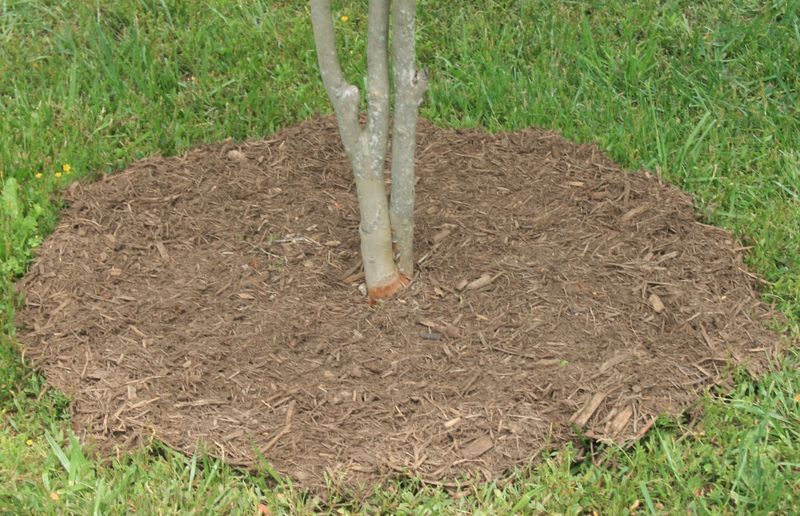
Mulching, when done right, can conserve moisture and suppress weeds. However, piling mulch too high against plant stems can invite pests and disease.
Ensure that mulch is spread evenly, with a gap around the base of plants to allow for air circulation. Use organic mulch materials that break down over time, enriching the soil.
Mulch acts as a natural insulator, protecting plant roots from extreme temperature fluctuations, which is vital for Texan gardens during summer.
Neglecting Pest Control
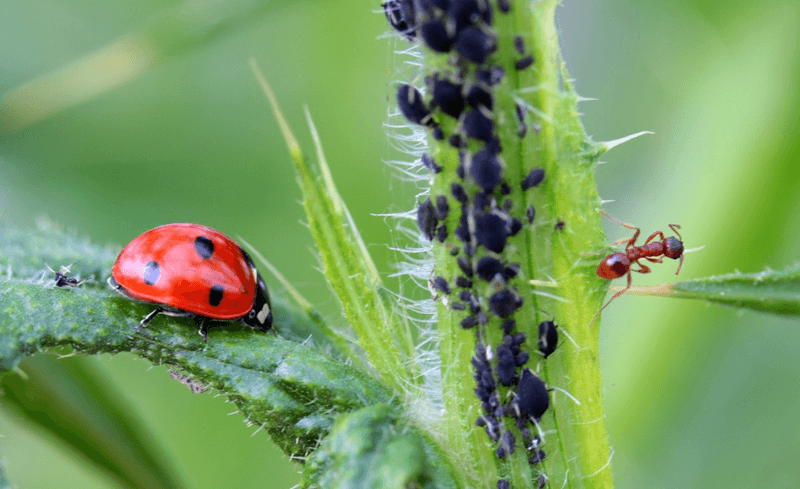
The warm Texas climate is perfect for pests to thrive. Without proper pest control measures, your garden can quickly become overrun, leading to damaged plants and reduced yields.
Implement integrated pest management strategies that include monitoring, biological controls, and targeted pesticide use. Introducing beneficial insects can also help naturally control pest populations.
Did you know that ladybugs are excellent pest controllers? They feast on aphids and other garden pests, making them a gardener’s ally.
Wrong Planting Time
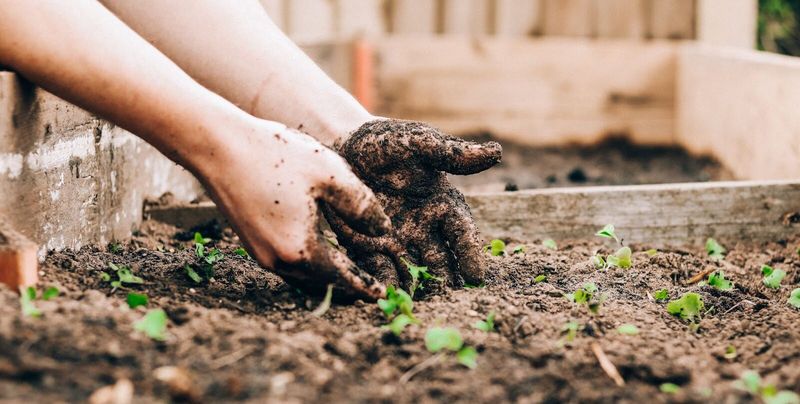
Timing is crucial in gardening. Planting too early or late in the season can subject plants to extreme temperatures, affecting their growth.
Refer to local planting calendars that take into account regional climate conditions. Plant cool-season crops in the fall and warm-season ones in the spring for optimal results.
Gardeners in Texas can often take advantage of two growing seasons, allowing for a diverse array of crops throughout the year.
Ignoring Shade Needs
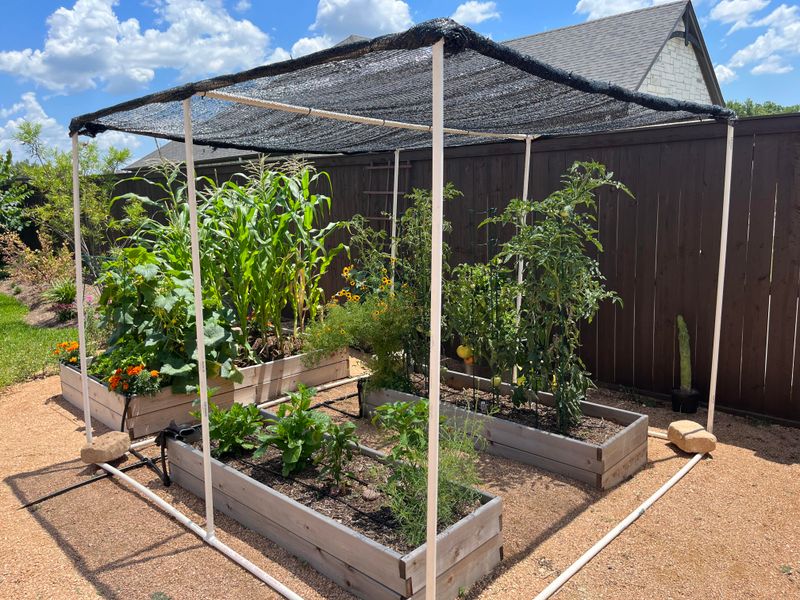
Texas’s intense sun can be brutal on sensitive plants. Ignoring the shade needs of your garden can result in scorched leaves and stunted growth.
Utilize shade cloths or plant tall plants to provide natural shade for more delicate species. Planning your garden layout to incorporate shaded areas can greatly enhance plant health.
Strategically placed trees or structures can create microclimates that protect plants from harsh sunlight, promoting a thriving garden environment.
Inadequate Fertilization
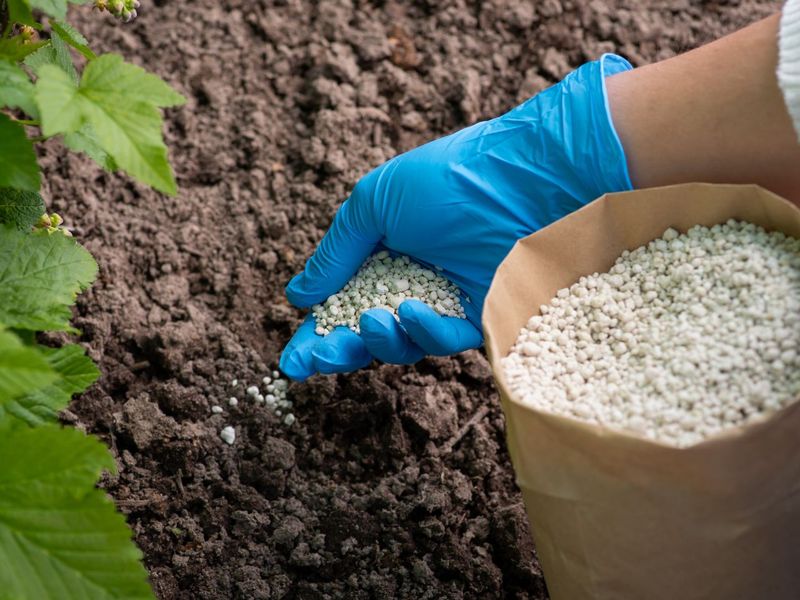
Many gardeners underestimate the importance of proper fertilization. In Texas’s nutrient-poor soils, this can lead to undernourished and weak plants.
Conduct soil tests to determine fertilizer needs and apply balanced fertilizers according to plant requirements. Organic options can enrich the soil while supporting sustainable gardening practices.
Fertilization is not a one-time task. Regular feeding, especially during the growing season, is key to maintaining vigorous plant growth.
Poor Irrigation Planning
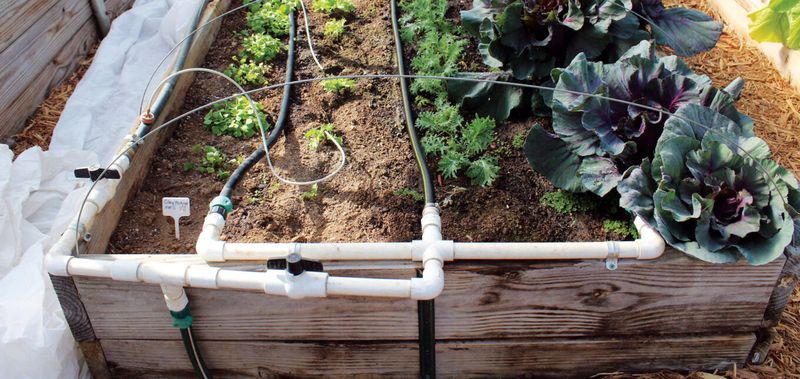
Without a proper irrigation plan, gardens can suffer from inconsistent watering, leading to stressed plants. This is particularly important in Texas, where water conservation is crucial.
Invest in drip irrigation systems that deliver water directly to the roots, minimizing evaporation. Timers can ensure consistent watering schedules, even during droughts.
Smart irrigation practices not only save water but also ensure that plants receive the right amount of hydration, crucial for surviving Texas summers.
Crowded Planting
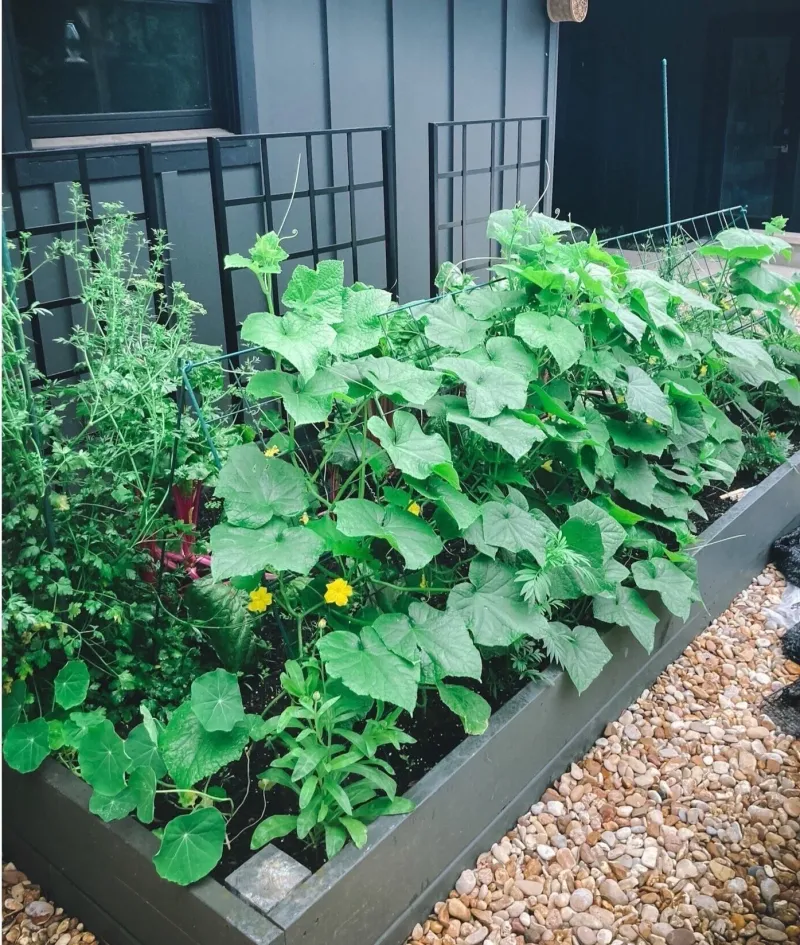
Planting too closely can lead to competition for sunlight, water, and nutrients, resulting in weakened plants. Crowded gardens are also more susceptible to disease spread.
Follow recommended spacing guidelines for each plant to ensure they have room to grow. Thinning out seedlings early can prevent future problems.
Sufficient spacing improves air circulation, reducing the risk of fungal infections and promoting a healthier garden ecosystem.
Ignoring Local Weather Patterns
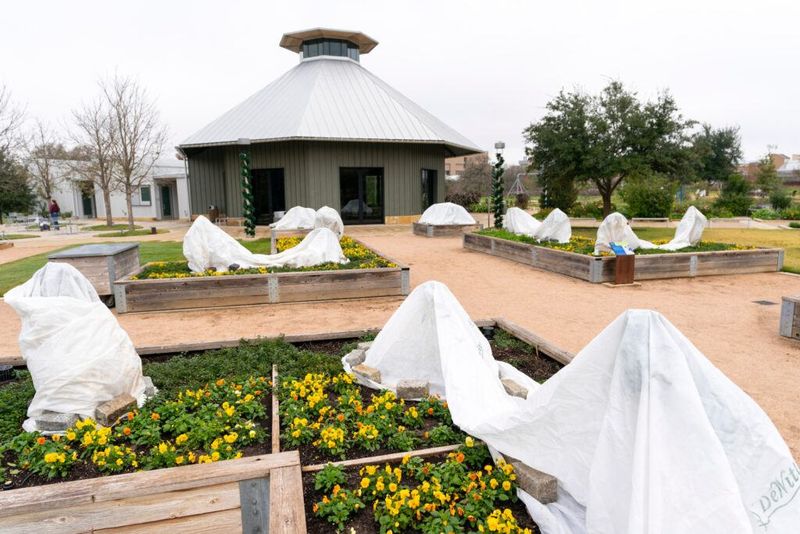
Texas weather can be unpredictable, with sudden storms or droughts impacting your garden. Ignoring these patterns can lead to unpreparedness and plant damage.
Stay informed about local weather forecasts and prepare your garden for extreme conditions. Protective coverings can shield plants from hail, and rain barrels can collect water for dry spells.
Being proactive about weather changes ensures that your garden remains resilient against Texas’s challenging climate.
Failing to Rotate Crops
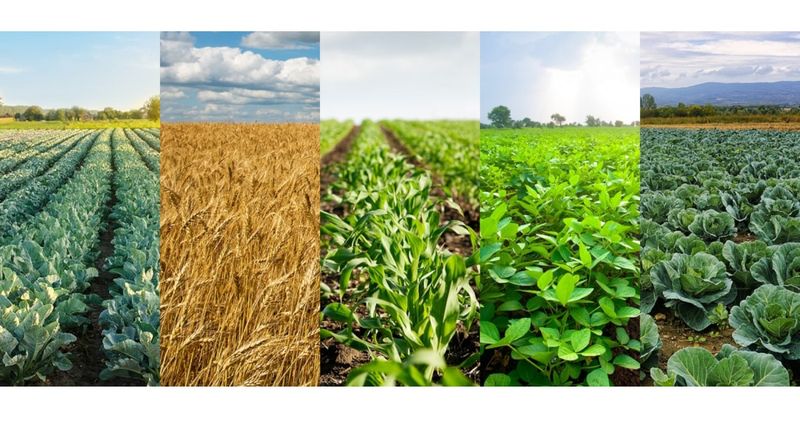
Repeatedly planting the same crops in the same spot can deplete soil nutrients and encourage pest buildup. Crop rotation is a critical practice for maintaining soil health.
Plan your garden layout to include different crop families each season. This disrupts pest life cycles and allows soil to recover, enhancing overall fertility.
Crop rotation isn’t just for large farms—home gardens benefit too, leading to bountiful harvests and vibrant soil life.
Underestimating Texas Heat
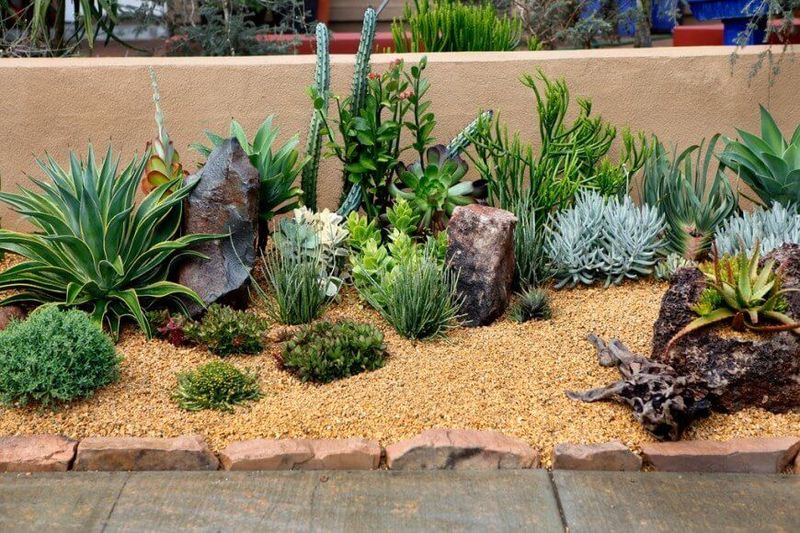
The Texas heat can be relentless, and underestimating its impact on plants can lead to wilting and death. Providing adequate water and shade is essential.
Select heat-tolerant plant varieties and implement measures like mulch and windbreaks to protect vulnerable plants. Regularly checking soil moisture levels prevents dehydration.
Did you know that some Texan gardeners time their activities to the cooler parts of the day to avoid heat stress? This strategy benefits both plants and gardeners alike.
Failing to Prune Properly
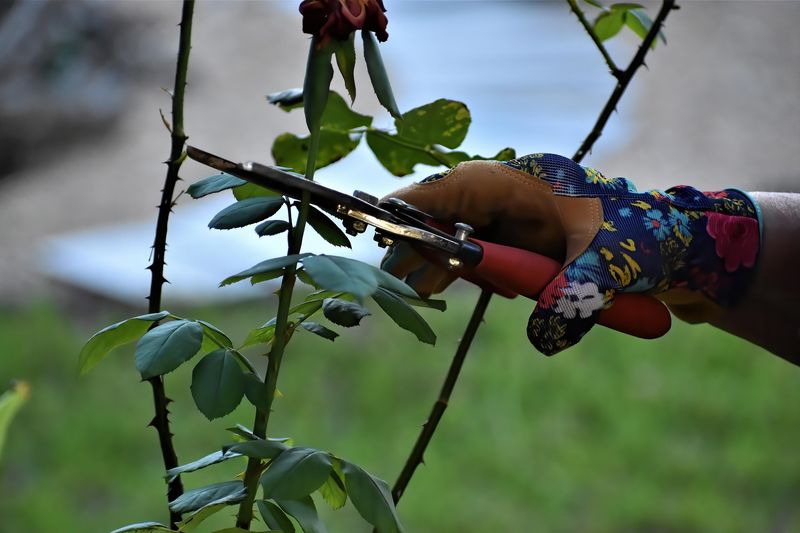
Pruning is vital for plant health but doing it incorrectly can harm your garden. Over-pruning or neglecting this task can lead to unshapely plants and reduced yield.
Learn proper pruning techniques for each plant type. Regularly remove dead or diseased branches to encourage healthy growth and improve air circulation.
Did you know that pruning in the early morning or late evening can reduce plant stress, especially in Texas’s hot climate? Timing can make all the difference.