 Complete Gardening
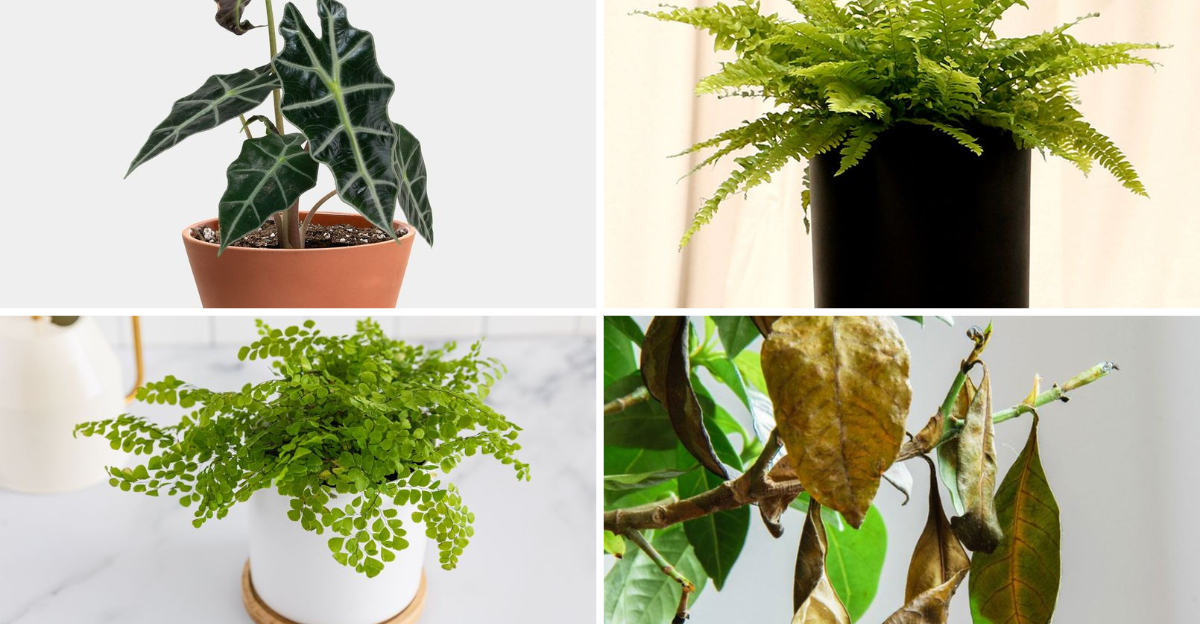
Growing houseplants can be a fulfilling hobby, but some plants are notoriously difficult to keep alive. This guide explores 16 of the hardest houseplants to grow and suggests alternatives that are easier to maintain, allowing even novice gardeners to enjoy the beauty of indoor greenery without the hassle.
1. Fiddle Leaf Fig
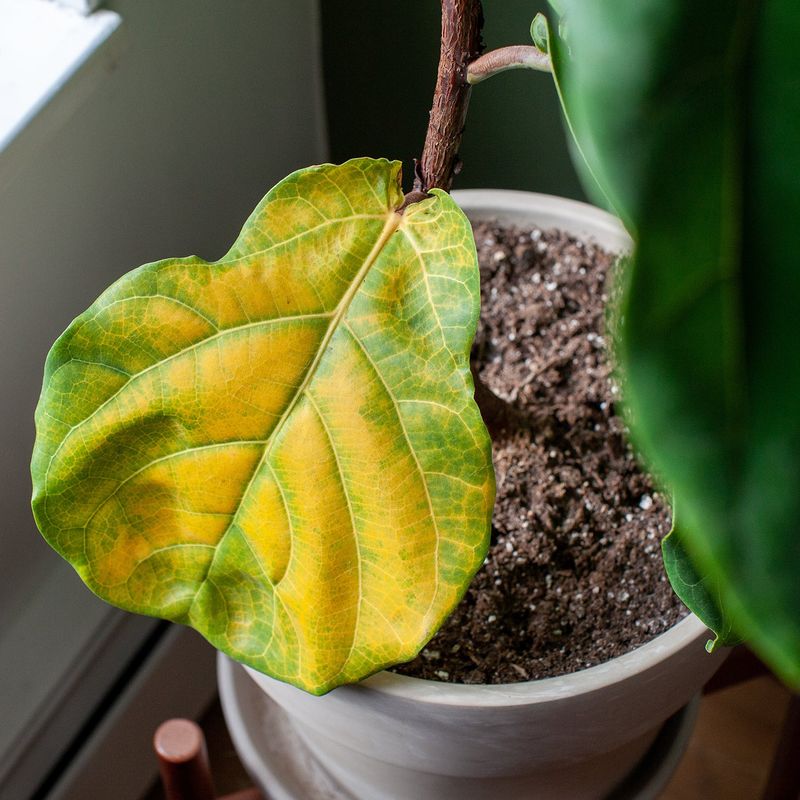
Fiddle Leaf Figs are known for their dramatic appeal but can be famously finicky. They require consistent watering, indirect light, and humidity, often suffering from browning leaves if conditions fluctuate too much.
Instead of battling with this temperamental tree, consider the Rubber Plant. With its glossy leaves and robust nature, it’s far more forgiving to those still cultivating their green thumb.
This alternative thrives in similar lighting without demanding constant attention, proving that beauty doesn’t have to be a burden. Did you know? The Rubber Plant’s sap was once a source of latex!
2. Boston Fern
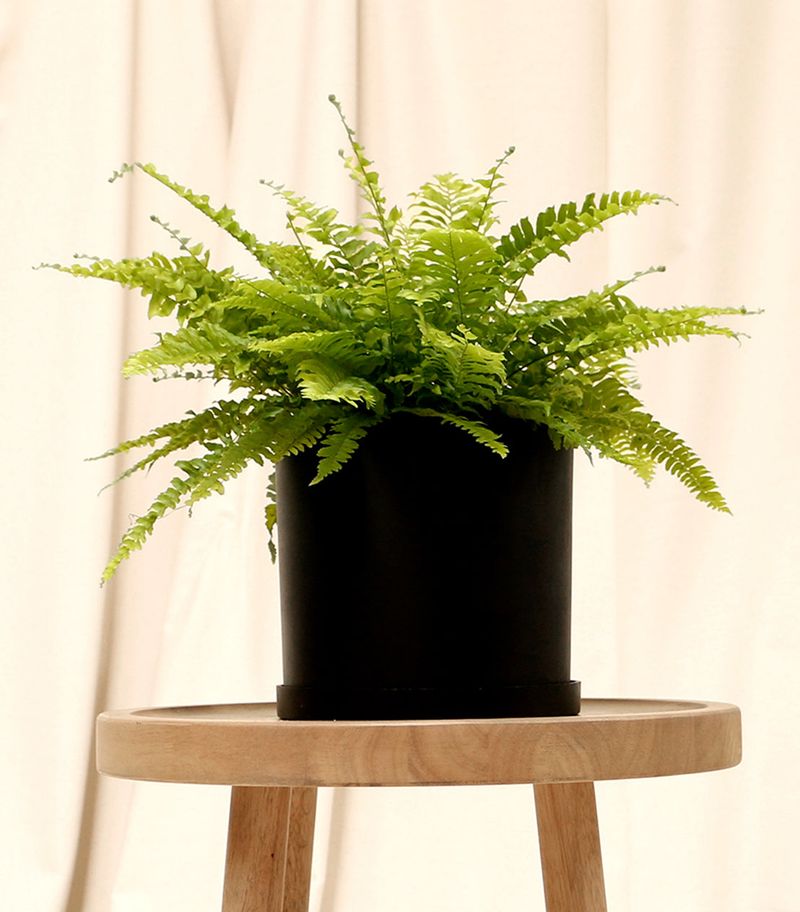
Boston Ferns are lush and elegant but demand high humidity and frequent misting. Without these, their fronds quickly turn brown and crispy, leaving you with a sad spectacle.
Why not opt for the Bird’s Nest Fern instead? This forgiving plant can handle lower humidity and less frequent watering, making it a more manageable green companion.
Its unique rosette shape adds interest and charm to any space. Fun fact: Bird’s Nest Ferns are epiphytic, growing naturally on other plants in the wild!
3. Alocasia
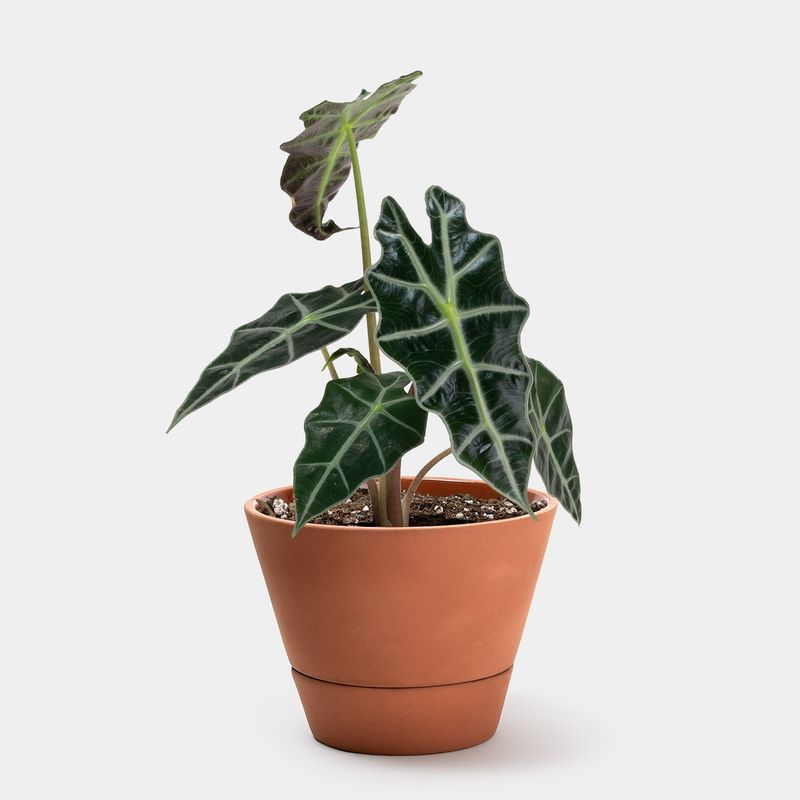
With its stunning arrow-shaped leaves, Alocasia is a visual delight but often a headache for plant parents. It needs precise watering and thrives best in high humidity and indirect sunlight.
Swap it for the adaptable Snake Plant, which can survive low light and irregular watering, perfect for busy households.
Snake Plants also improve indoor air quality by filtering toxins. Quick tip: They’re almost indestructible, so they’re ideal for beginners!
4. Maidenhair Fern
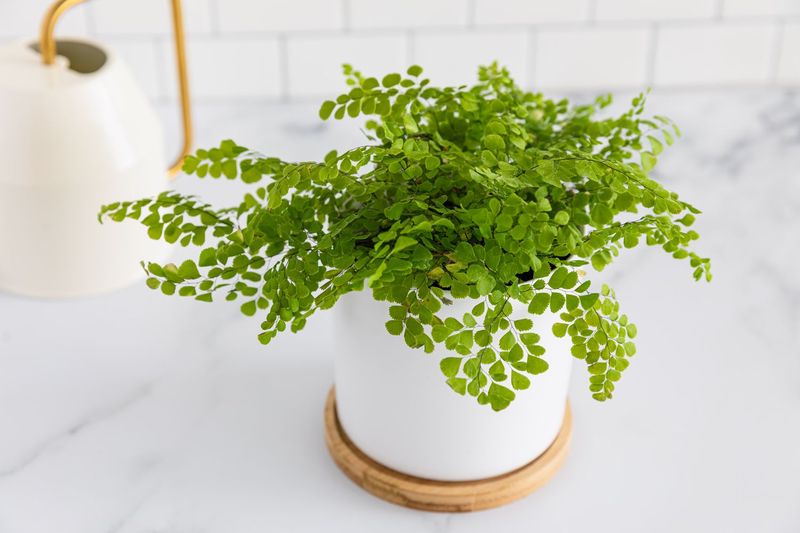
Maidenhair Ferns are ethereal and delicate, but that comes with a need for constant moisture and humidity to prevent wilting. These plants are best suited for experienced plant enthusiasts.
Instead, try the Parlor Palm. It’s perfect for those seeking a similar aesthetic without the fuss. This easy-going plant thrives in indirect light and doesn’t demand high humidity.
Fun fact: The Parlor Palm was a status symbol in the Victorian era, embodying elegance and grace!
5. Gardenia
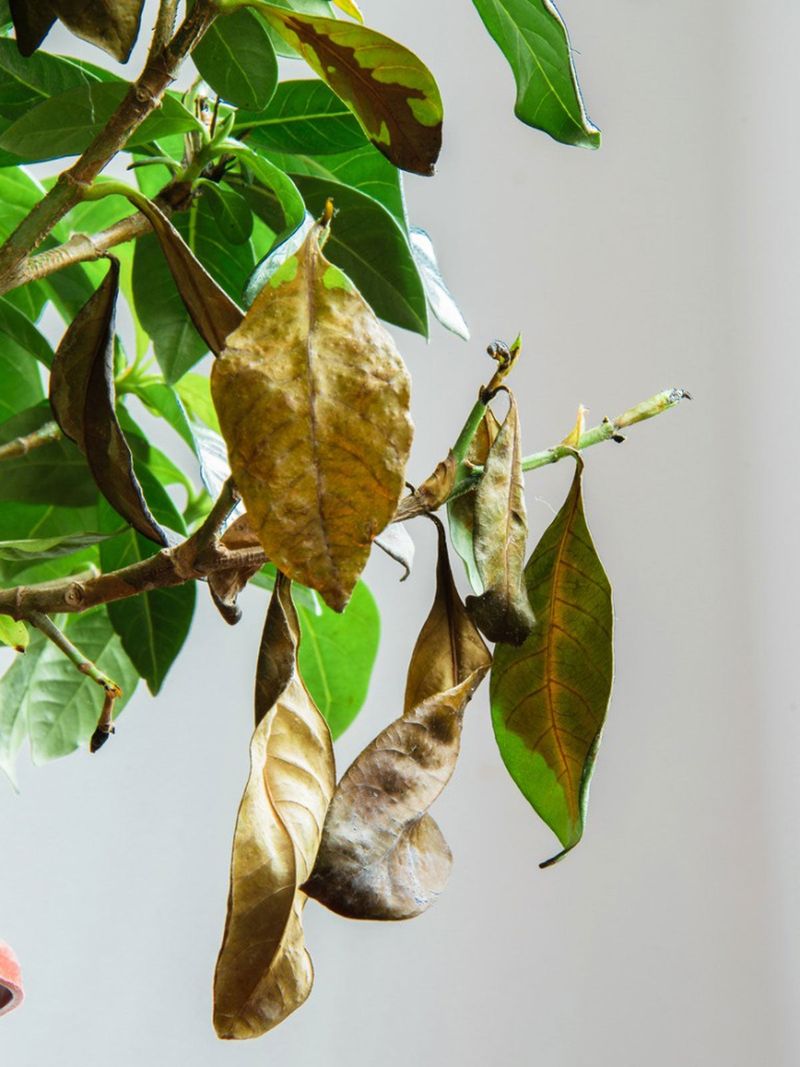
Gardenias are admired for their fragrant blooms, but they require acidic soil, consistent moisture, and just the right amount of sunlight. These demands can be daunting for even seasoned gardeners.
Instead, consider the Peace Lily. This hardy plant tolerates a variety of lighting conditions and only needs watering when the soil feels dry.
Its glossy leaves and occasional blooms will effortlessly brighten any room. Did you know? Peace Lilies can filter toxins, purifying the indoor air!
6. Jasmine
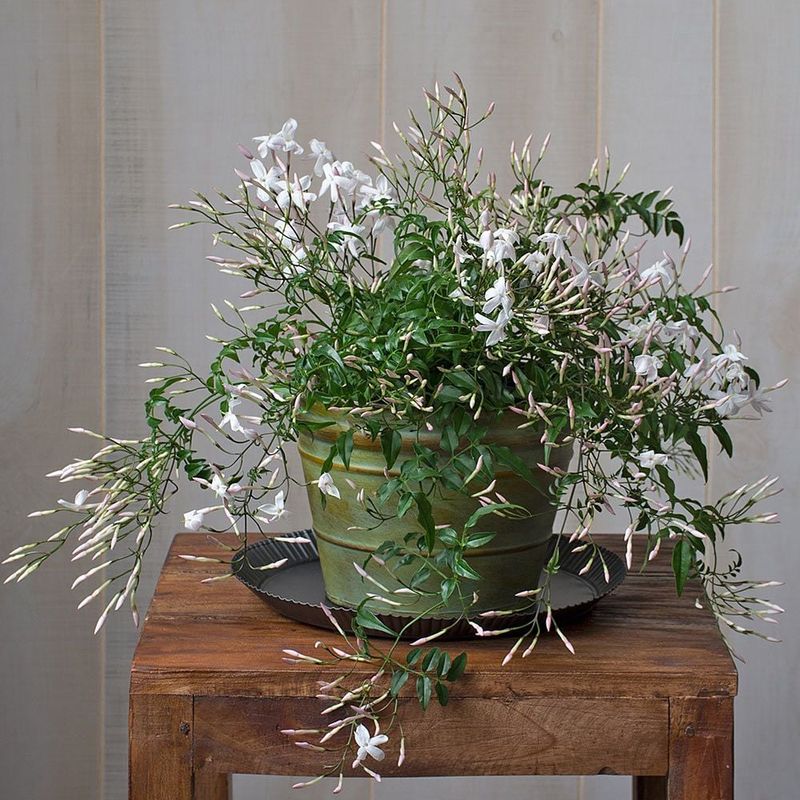
Jasmine is cherished for its intoxicating scent, yet it expects specific light and temperature conditions to thrive. It’s not uncommon to see it struggle indoors.
For a more resilient option, go for the ZZ Plant. Known for its glossy, thick leaves, this plant is low-maintenance and can thrive in low-light environments.
It’s a great choice for those who love greenery without the effort. Quick note: ZZ Plants are drought-tolerant, so occasional neglect won’t harm them!
7. Orchid
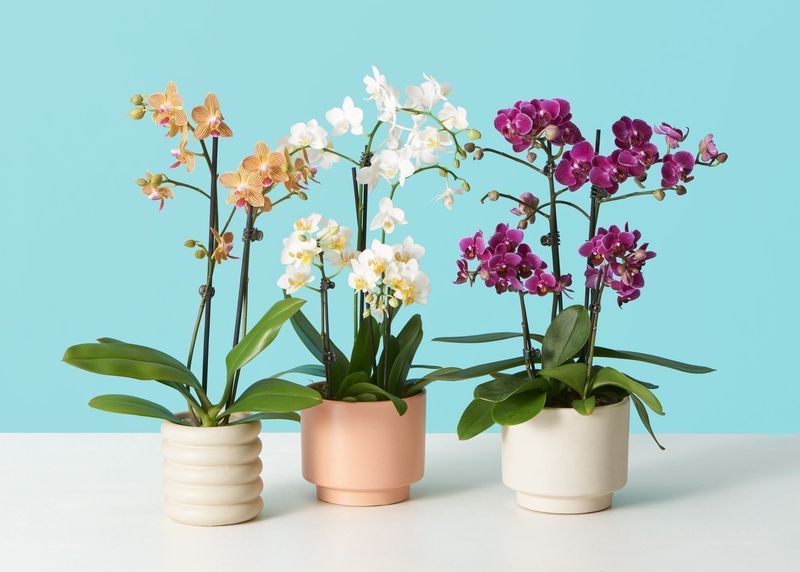
Orchids are exotic and captivating but demand precise care, including specific humidity, light, and watering conditions. Their elegant beauty often comes with a frustrating learning curve.
Instead, try the Phalaenopsis Orchid, a more forgiving variety. It’s perfect for beginners wanting to experience the allure of orchids without the complexity.
Phalaenopsis Orchids can bloom for months and are more tolerant of diverse conditions. Fun fact: These orchids are sometimes called the ‘Moth Orchid’ due to their wing-like blooms.
8. Bonsai
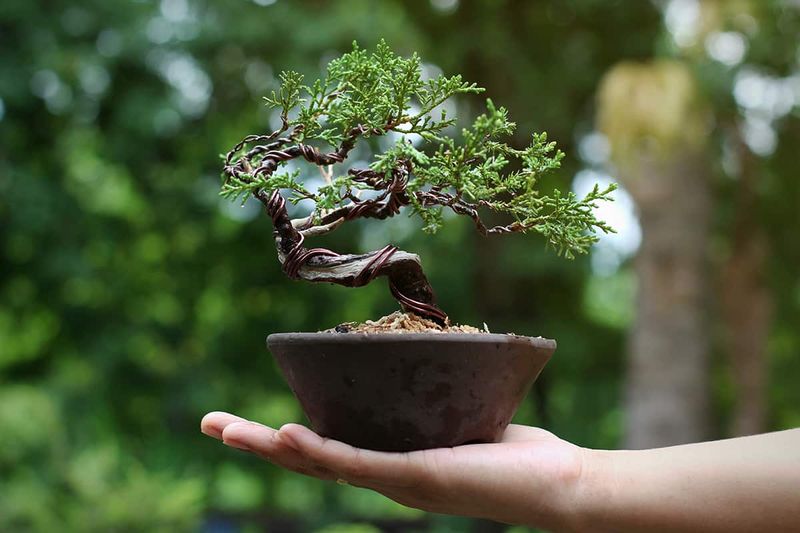
Bonsai trees are miniature works of art, requiring meticulous care and pruning to maintain their shape and health. Their demanding nature can be overwhelming for casual growers.
A more manageable alternative is the Jade Plant. Known for its thick, succulent leaves, this plant can adapt to different environments and doesn’t require constant trimming.
It’s also considered a symbol of good luck and prosperity! Quick tip: Jade Plants are excellent for beginners due to their hardy disposition.
9. Croton
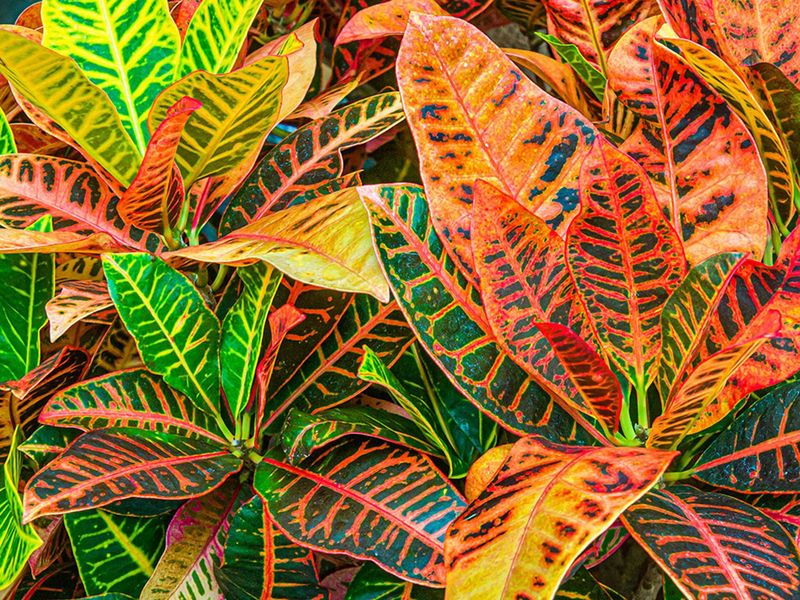
Crotons are visually striking with their bold, colorful foliage, yet they demand perfect conditions, including specific humidity and light levels. They’re prone to leaf drop if they don’t receive the care they crave.
For a similarly vibrant but easier option, consider the Pothos plant. Known for its cascading vines and adaptability, it’s perfect for those who love color without complexity.
Did you know? Pothos plants are sometimes called ‘Devil’s Ivy’ due to their tenacity and resilience.
10. String of Pearls
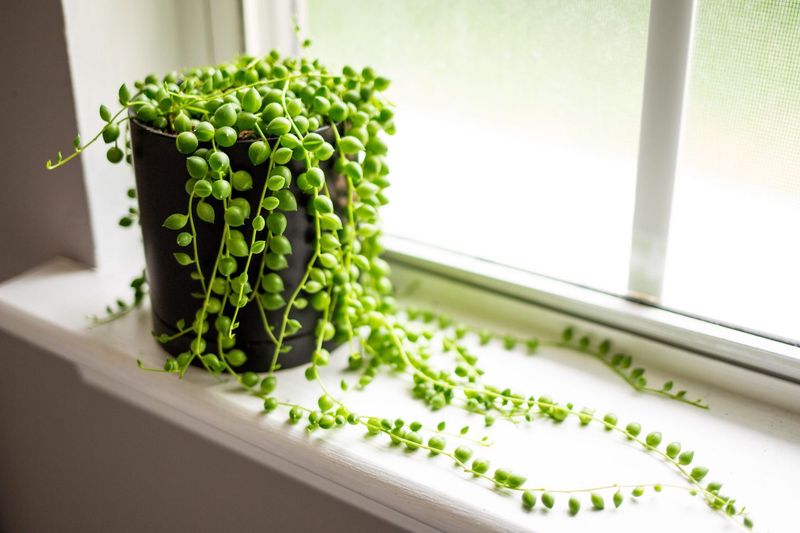
The String of Pearls is admired for its unique appearance but requires delicate care, including precise watering and light conditions. Over-watering can lead to root rot, a common issue.
Instead, try the Burro’s Tail, a succulent known for its thick, trailing stems. It’s much more forgiving when it comes to watering and can thrive in indirect light.
This quirky plant adds texture and intrigue to any collection. Fun fact: Burro’s Tail is also known as ‘Donkey Tail’ due to its resemblance to a donkey’s tail.
11. Calathea
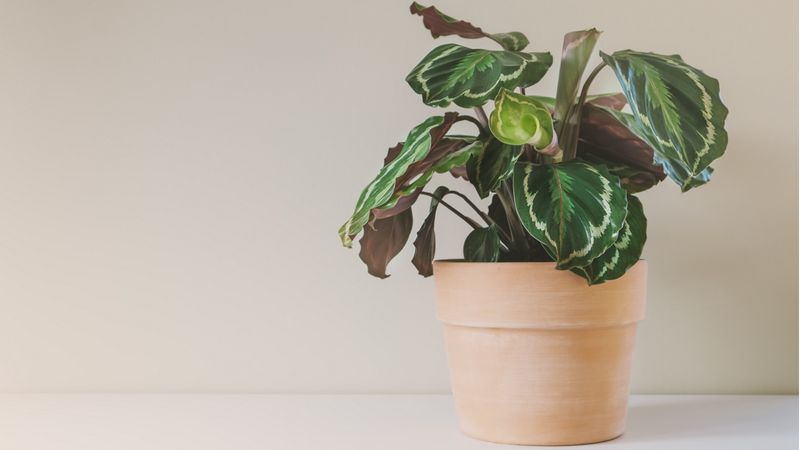
Calatheas are renowned for their intricate leaf patterns but are tricky to maintain, needing consistent humidity and indirect light. Their leaves are sensitive to changes, often curling when unhappy.
As an alternative, consider the Aglaonema. It’s a hardy plant that thrives in various conditions and offers a range of beautiful foliage patterns.
Aglaonemas are low-maintenance and ideal for those just starting their plant journey. Did you know? They’re often called ‘Chinese Evergreens’ and symbolize good fortune!
12. Hibiscus
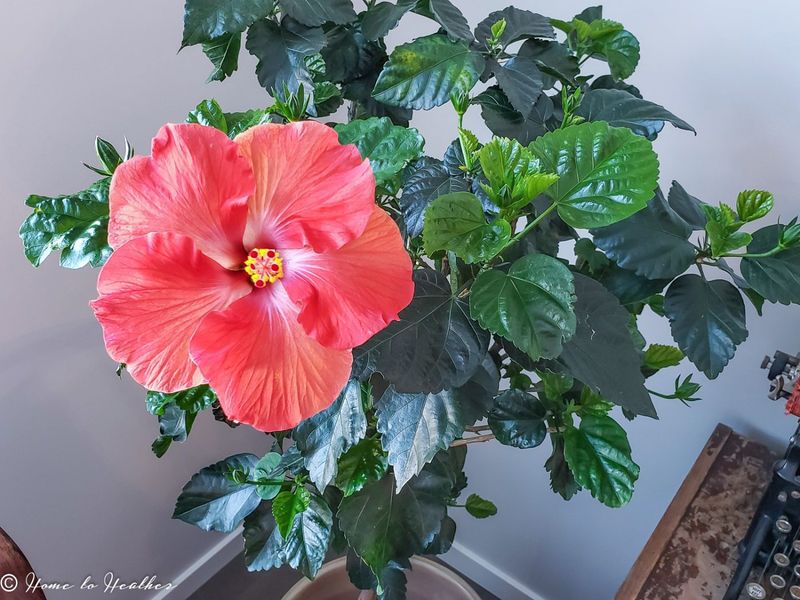
Hibiscus plants are beloved for their vibrant blooms, but they require ample sunlight and frequent watering. Without these, they quickly lose their luster.
Instead, try the Rose of Sharon. This hardy plant offers similar blooms and can handle less than perfect conditions, making it a more reliable choice.
Its resilience makes it a favorite among gardeners. Quick fact: Despite its name, the Rose of Sharon is technically a type of Hibiscus!
13. Rex Begonia
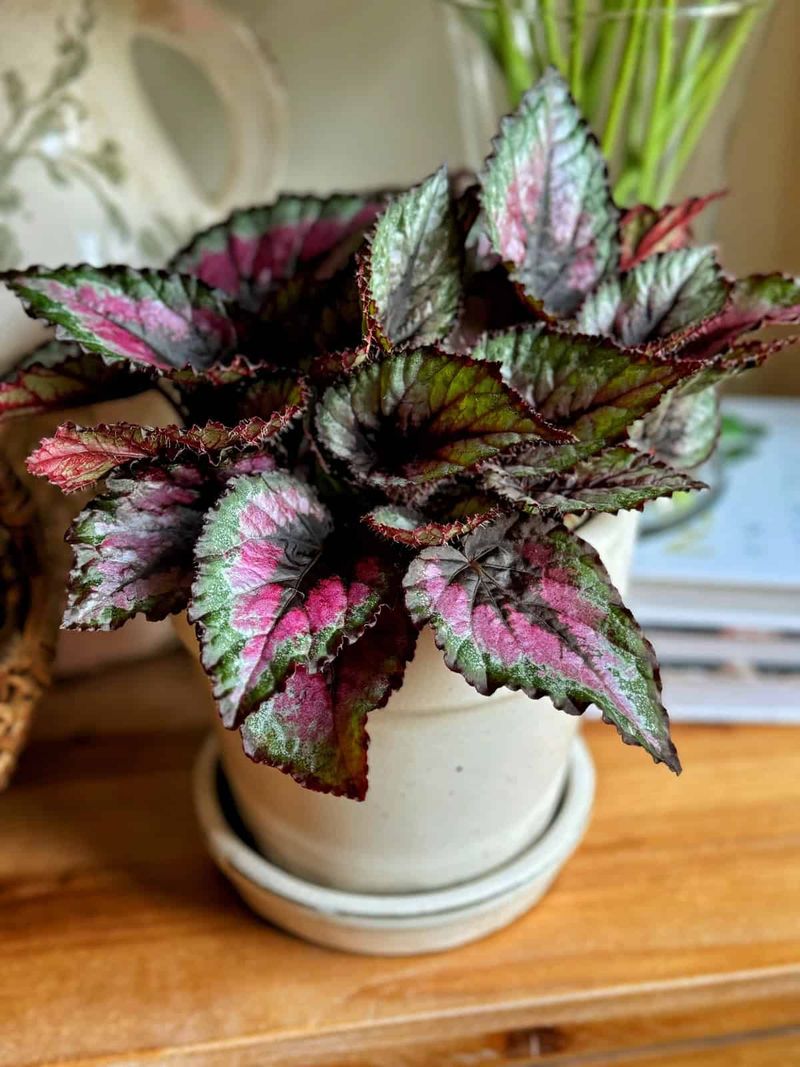
Rex Begonias are known for their colorful and textured leaves, yet they require high humidity and indirect light, often challenging to provide indoors.
For a less demanding choice, consider the Cast Iron Plant. It can withstand neglect and thrives in low light, making it perfect for dim corners.
This plant is aptly named for its tough nature. Fun fact: The Cast Iron Plant was a popular choice in Victorian-era homes due to its hardiness.
14. Azalea
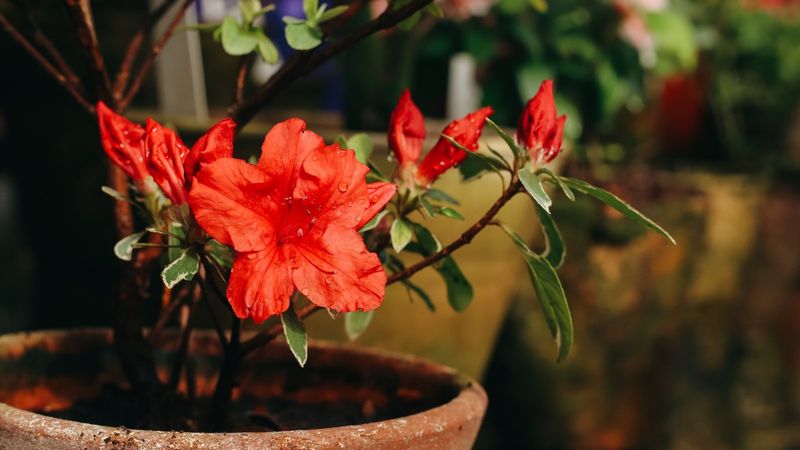
Azaleas are cherished for their vibrant flowers but require acidic soil and precise watering. Without these conditions, they struggle to bloom indoors.
Consider the African Violet as an easier alternative. This plant thrives in regular potting soil and doesn’t demand the same level of care.
Its charming blooms and compact size make it a delightful addition to any windowsill. Interesting tidbit: African Violets are named for their resemblance to true violets, though they’re not related!
15. Elephant Ear
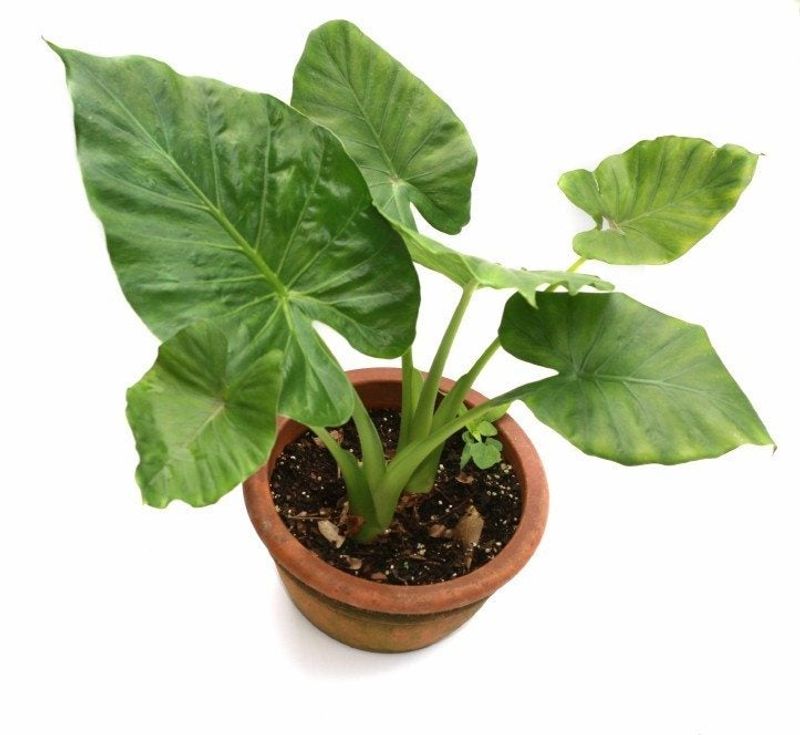
Elephant Ear plants impress with their massive leaves but require high humidity and plenty of space to thrive, often proving challenging indoors.
Instead, try the ZZ Plant, known for its glossy, wide leaves and low maintenance needs. It can tolerate low light and infrequent watering.
This hardy plant is suitable for beginners and busy lifestyles. Quick note: ZZ Plants are not only easy to care for but also help purify the air!
16. Pitcher Plant
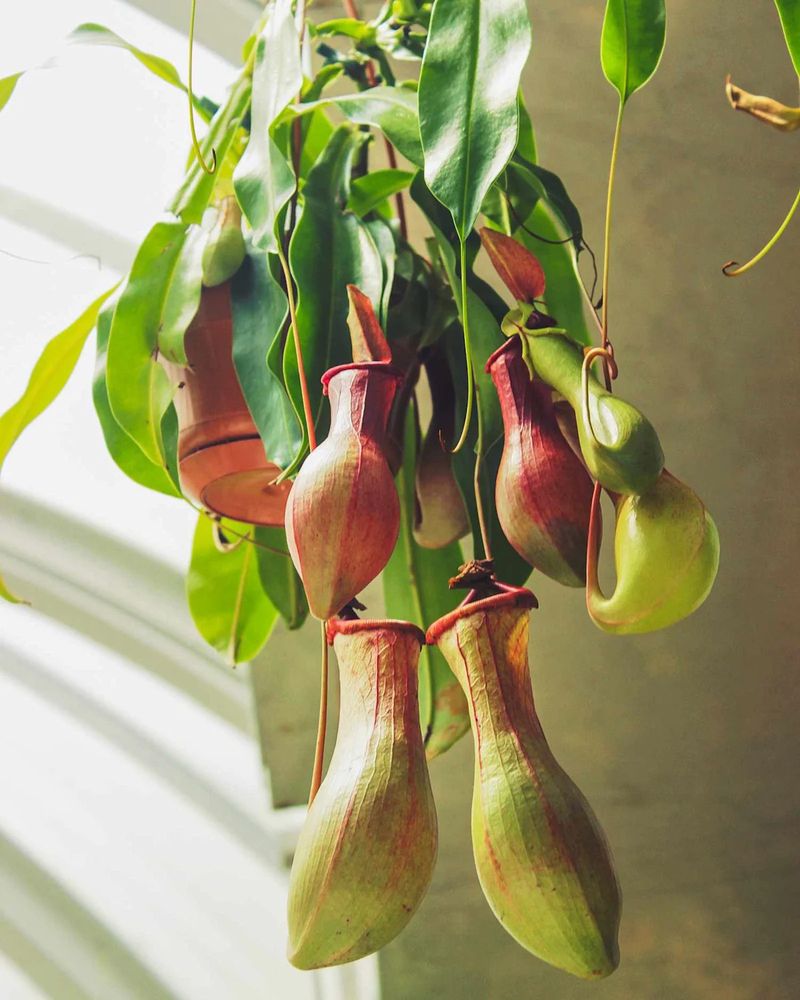
Curious about carnivorous plants? The Pitcher Plant offers a fascinating glimpse into nature’s ingenuity. Suspended in air, its tubular leaves lure unsuspecting insects, making it both a conversation starter and a challenge for indoor gardeners.
These plants require a delicate balance of high humidity and specific soil conditions, posing a significant challenge for most enthusiasts.
Instead, consider the Spider Plant, which offers visual appeal without the fuss. With its cascading leaves and resilience, it’s perfect for beginner plant parents seeking a touch of green.
Interesting tidbit: Pitcher Plants are native to nutrient-poor environments, relying on their prey for sustenance.