 Complete Gardening
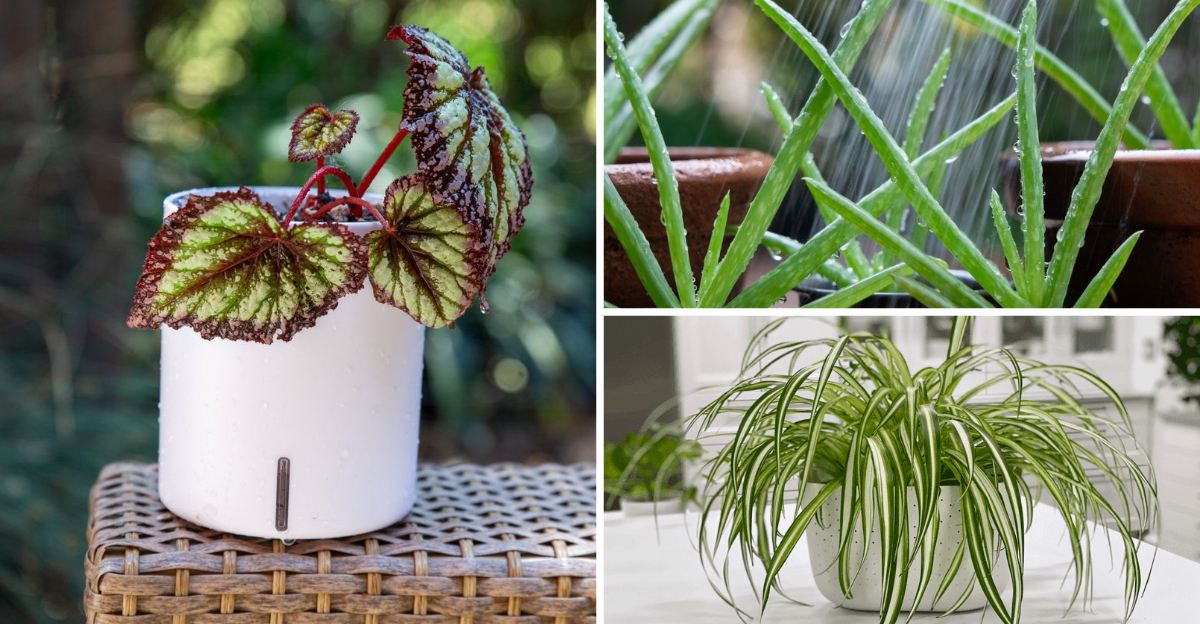
Watering is a critical aspect of houseplant care, and the method you choose can greatly affect your plants’ health. Bottom watering is a technique where water is absorbed from the bottom up, and it’s ideal for certain plants while unsuitable for others. This article provides insights into which plants thrive with bottom watering and which do not.
1. African Violet
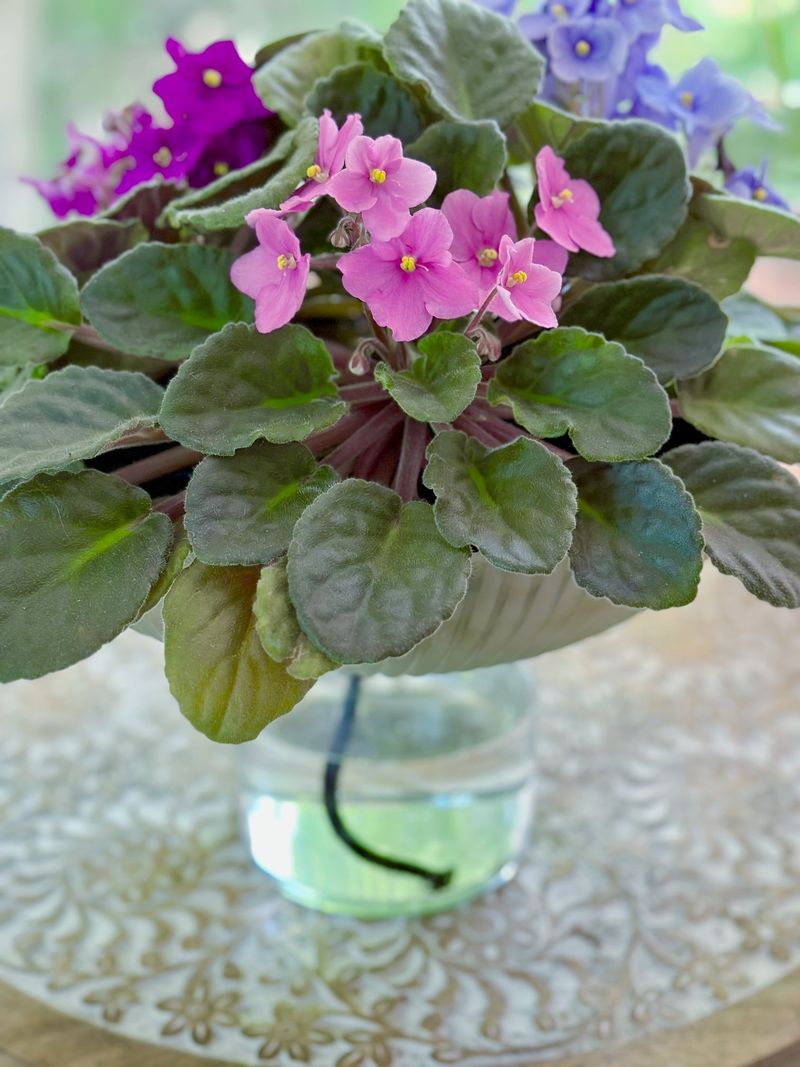
The African Violet, with its charming array of colors and velvety leaves, finds comfort in bottom watering. This method prevents water from touching the leaves, reducing the risk of rot.
Known for its delicate nature, this plant appreciates a gentle touch. Bottom watering ensures even moisture distribution, helping these beauties flourish.
2. Peace Lily
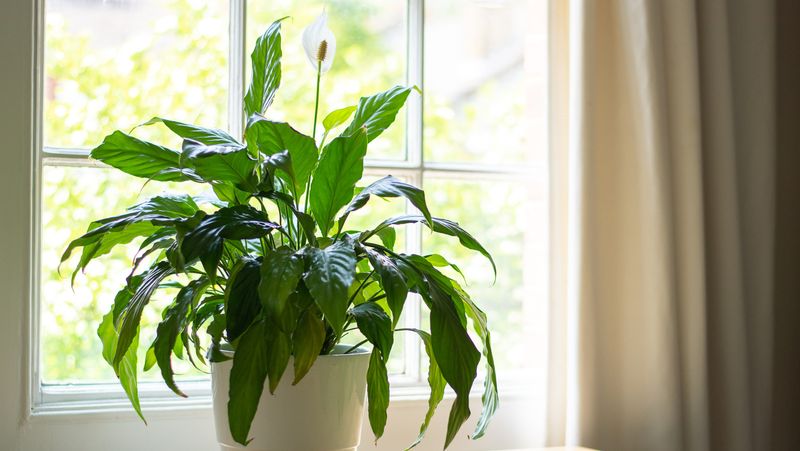
Peace Lilies are elegant plants that thrive when watered from the bottom. This approach helps maintain their glossy foliage and encourages the graceful bloom of their flowers.
These plants prefer consistent moisture, and bottom watering offers them the hydration they need without over-saturating the soil. They reward you with their striking beauty.
3. Snake Plant
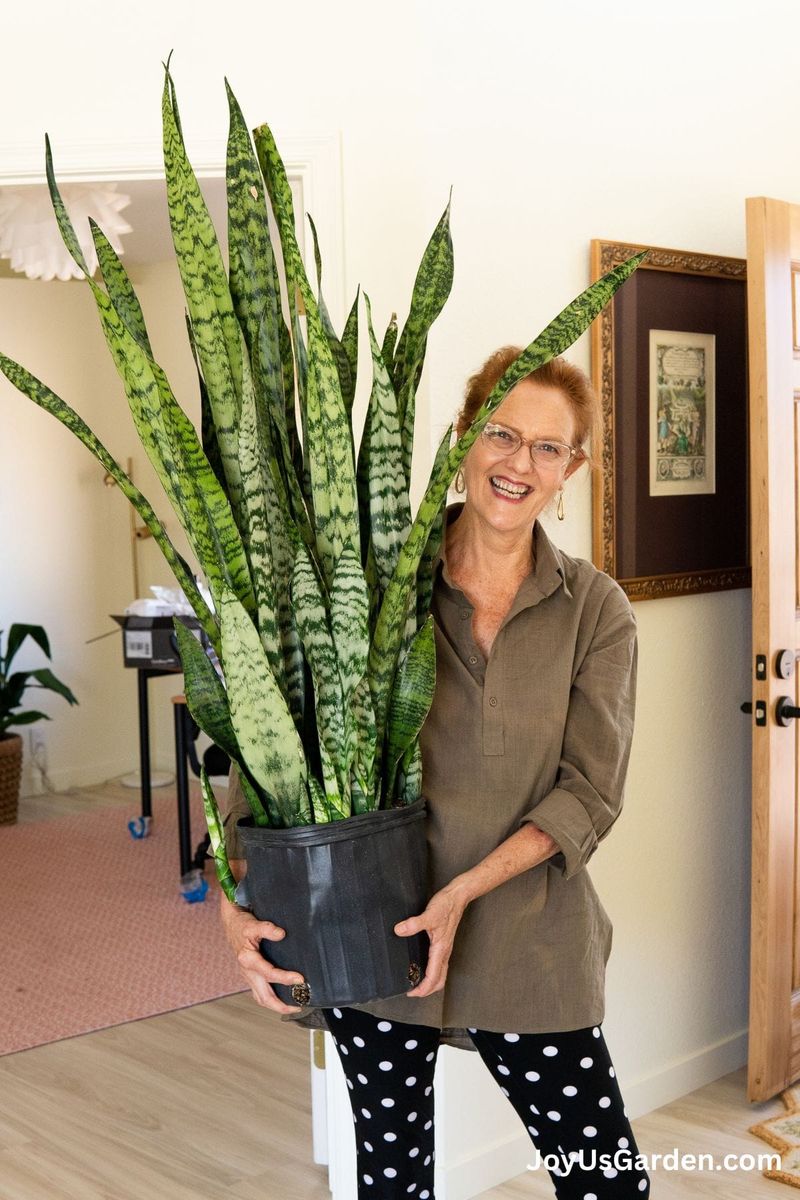
Discover the resilience of the Snake Plant, a low-maintenance wonder that prefers occasional bottom watering. This technique helps avoid overwatering, which can be its downfall.
Snake Plants are known for their air-purifying qualities. With bottom watering, they receive the right amount of moisture, supporting their growth and vitality.
4. Spider Plant
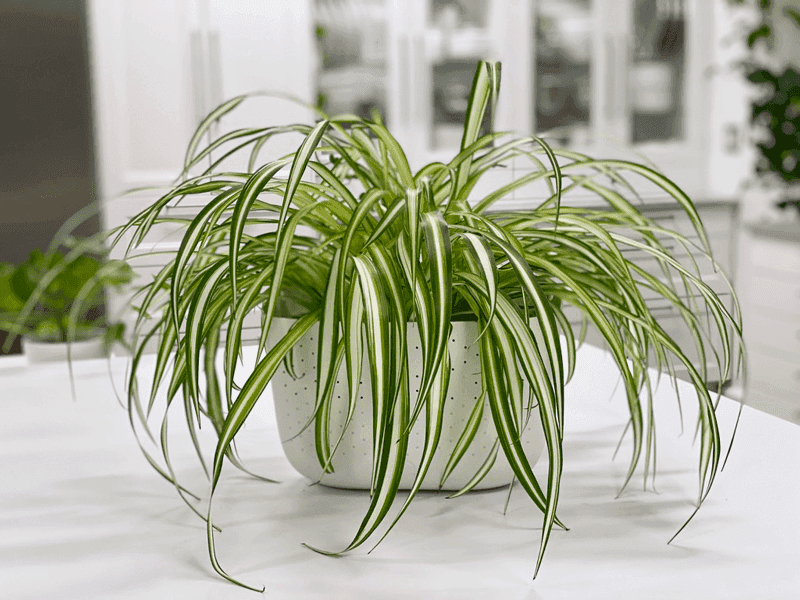
Spider Plants, with their graceful arching leaves and baby plantlets, flourish with bottom watering. It keeps their roots healthy and supports their rapid growth.
Their dynamic presence adds life to any room. This method ensures they receive adequate moisture without soggy soil, promoting lush foliage.
5. Boston Fern
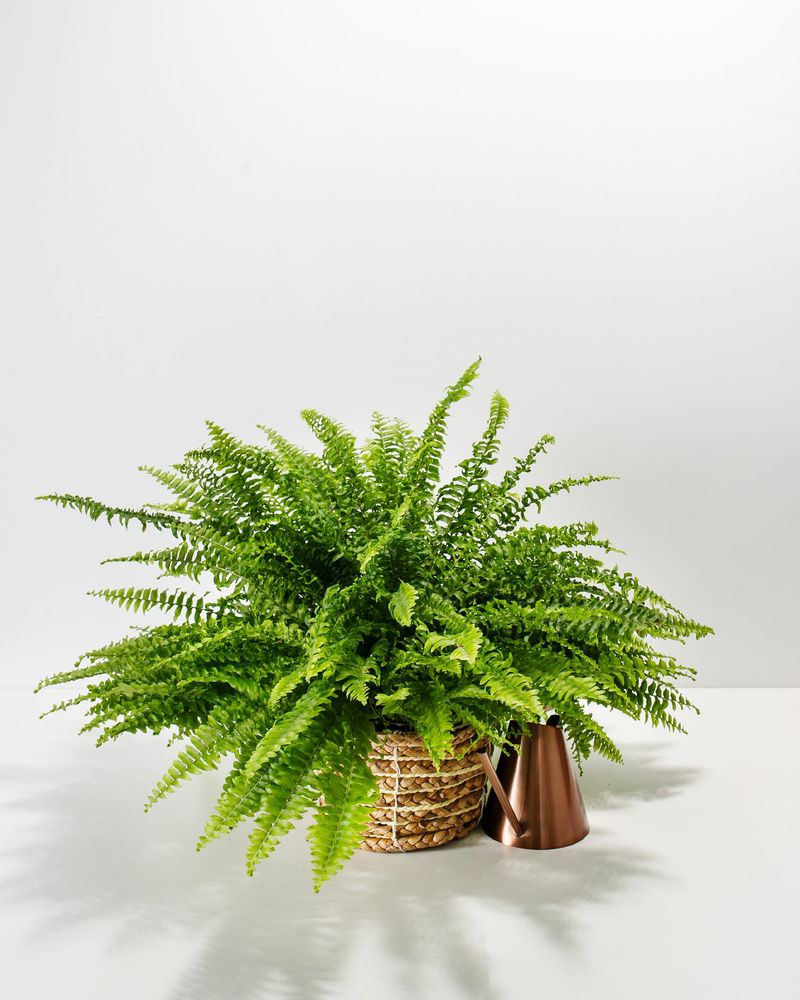
The Boston Fern’s luxuriant, feathery fronds are best maintained through bottom watering. This method ensures their root systems stay well-hydrated without wetting the fronds.
Ferns love humidity, and bottom watering complements their needs by keeping the soil evenly moist. They thrive with this careful attention.
6. Calathea
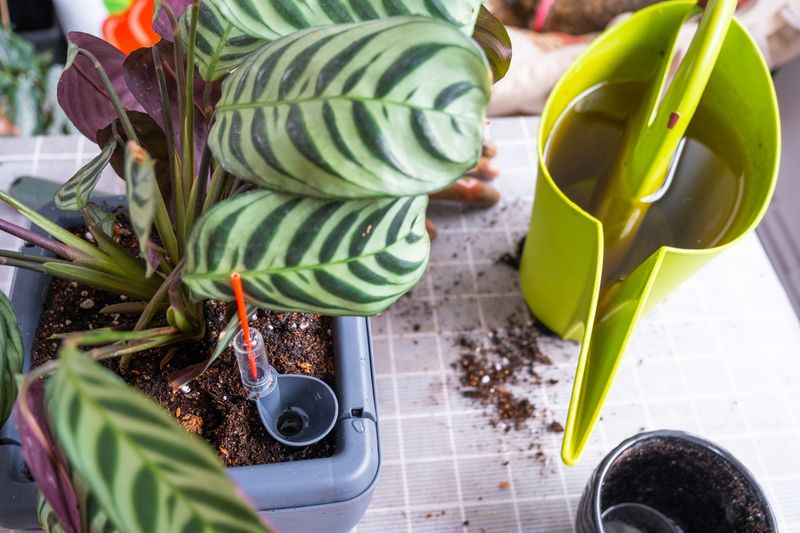
Calatheas, known for their stunning leaf patterns, benefit from bottom watering. This technique prevents leaf browning by keeping moisture levels consistent.
These plants are sensitive to water quality, and bottom watering can help minimize mineral deposits. Enjoy their intricate beauty with this method of care.
7. Begonia
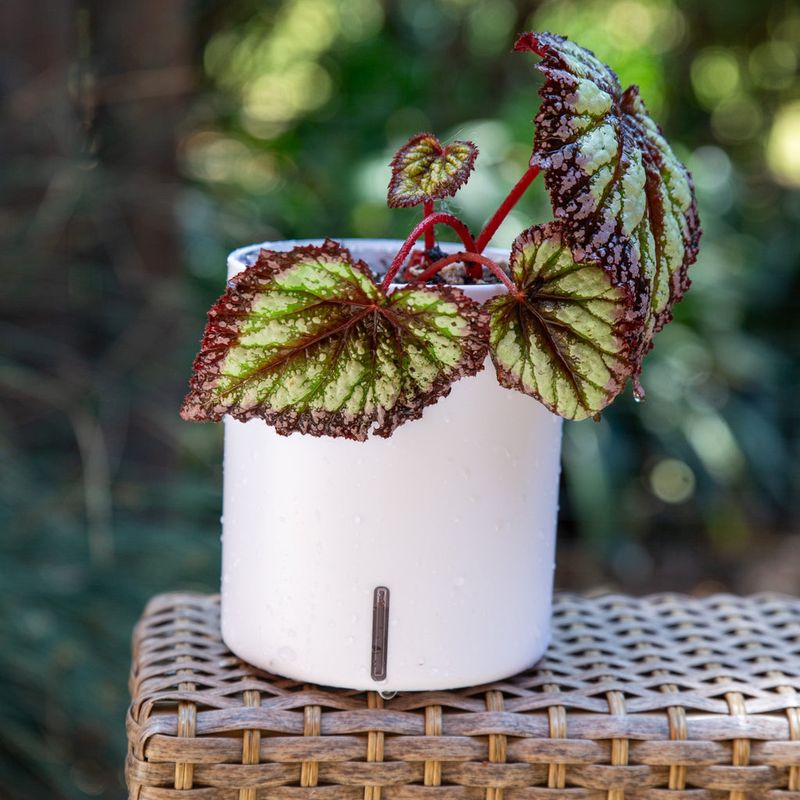
Begonias, with their colorful blooms and unique foliage, thrive when watered from below. This helps prevent leaf spots and fungal issues.
Their versatility in appearance makes them a popular choice. Bottom watering helps maintain their vibrant display by delivering moisture directly to the roots.
8. English Ivy
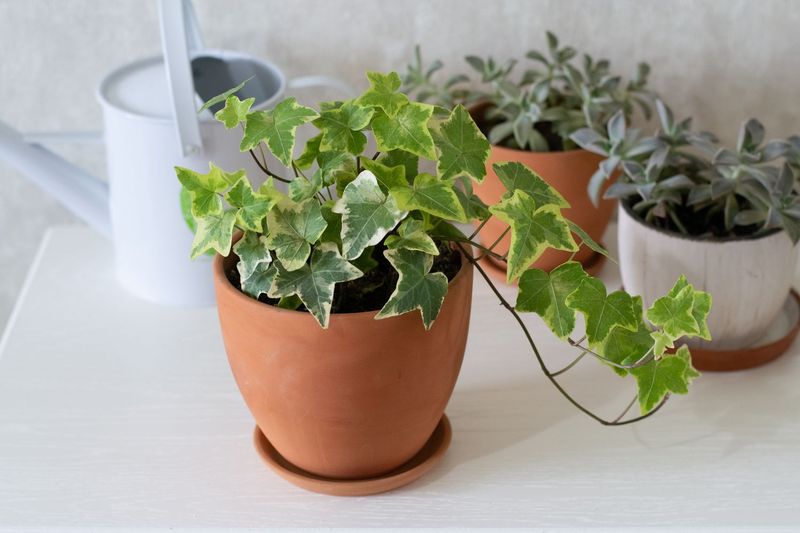
English Ivy, with its trailing vines and vibrant foliage, enjoys the benefits of bottom watering. It supports their extensive root systems and aids in healthy growth.
This method allows for controlled moisture absorption, preventing overwatering and ensuring the Ivy’s resilience and vigor.
9. Aloe Vera
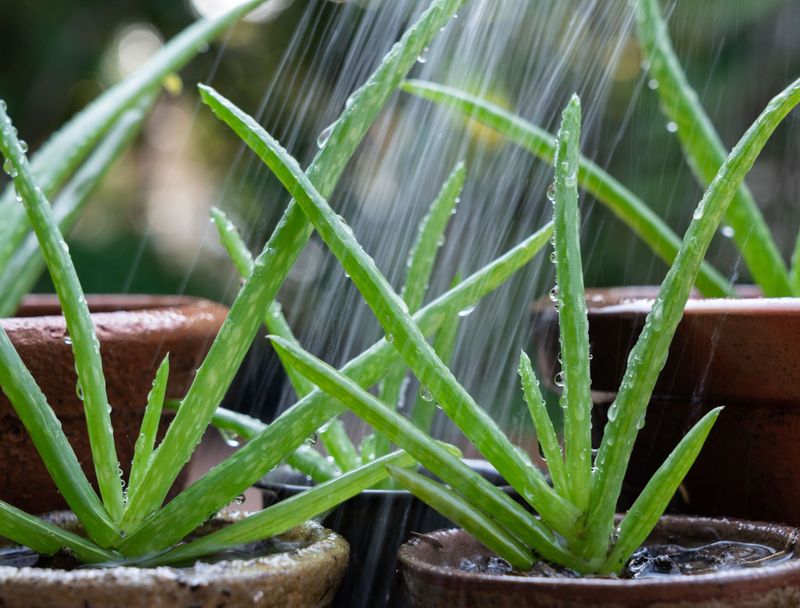
Aloe Vera, known for its medicinal properties, dislikes bottom watering. This method can cause root rot due to excessive moisture.
Instead, Aloe prefers infrequent top watering, allowing the soil to dry out completely between waterings. This ensures the plant’s health and productivity.
10. Cactus
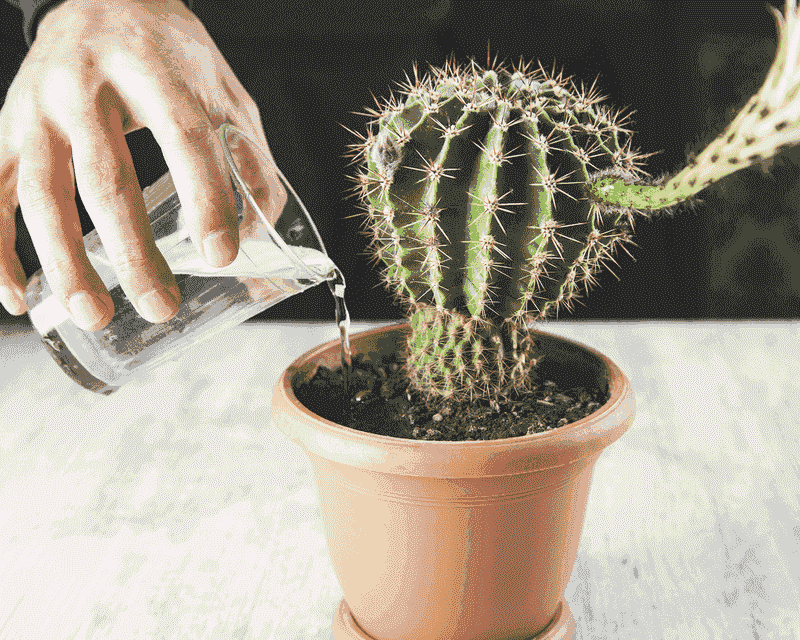
Cacti, the epitome of drought resistance, do not favor bottom watering. Their specialized root systems are adapted to absorb minimal moisture.
Overwatering can harm these desert dwellers. Top watering every few weeks suits them best, keeping their roots healthy and their stature upright.
11. Succulents
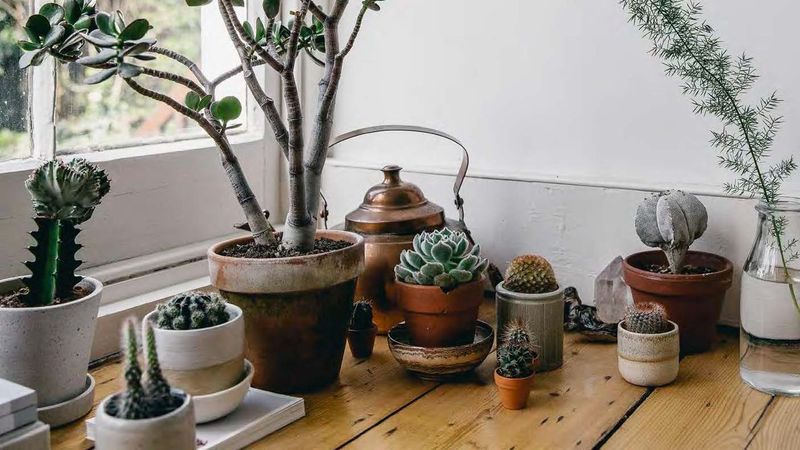
Succulents, with their water-storing leaves, are not suited for bottom watering. This can lead to waterlogged roots and plant decline.
These plants thrive on neglect and prefer a top-down approach. Allowing the soil to dry thoroughly between waterings maintains their robust beauty.
12. Orchid
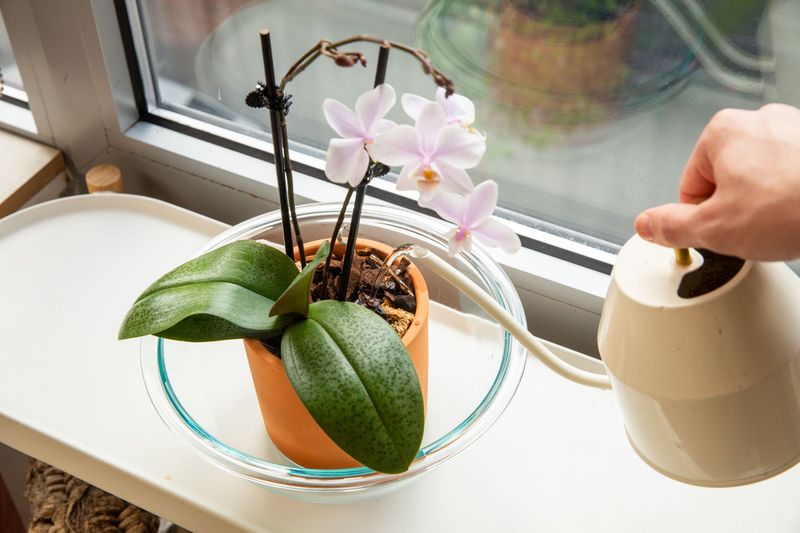
Orchids, with their exotic allure, should be watered sparingly from the top. Bottom watering can drown their aerial roots.
These blooms flourish in well-draining conditions. By watering at the root base, you ensure their delicate balance is preserved, enhancing their graceful flowers.
13. Ficus
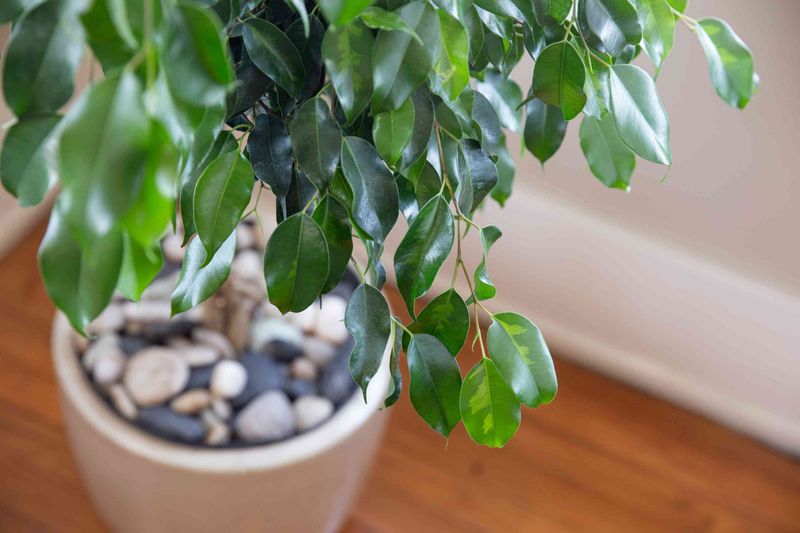
The Ficus is a versatile plant that doesn’t respond well to bottom watering. This method may impede the plant’s ability to absorb sufficient nutrients.
Regular top watering helps maintain its glossy foliage and strong trunk. Ficus plants appreciate consistent care to remain lush and vibrant.
14. Jade Plant
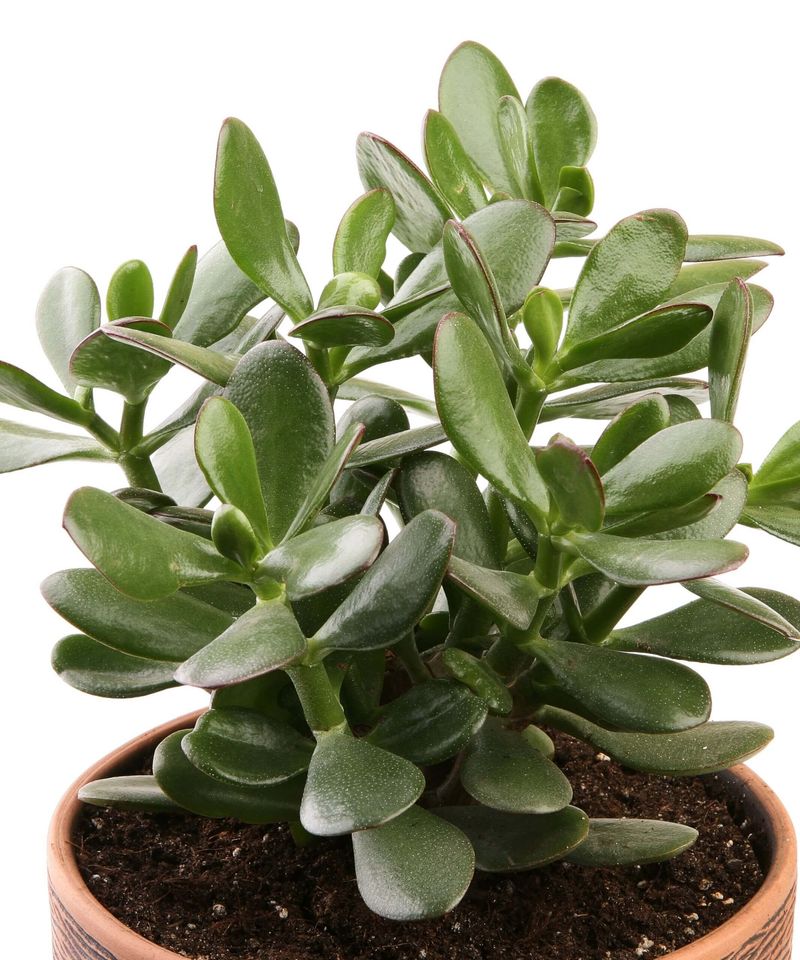
Jade Plants, with their symbolic luck, prefer top watering. Bottom watering can lead to soggy roots, which are detrimental to their growth.
These resilient plants thrive when their soil is allowed to dry out between waterings. This routine promotes their sturdy, tree-like structure and vibrant green leaves.
15. Pothos
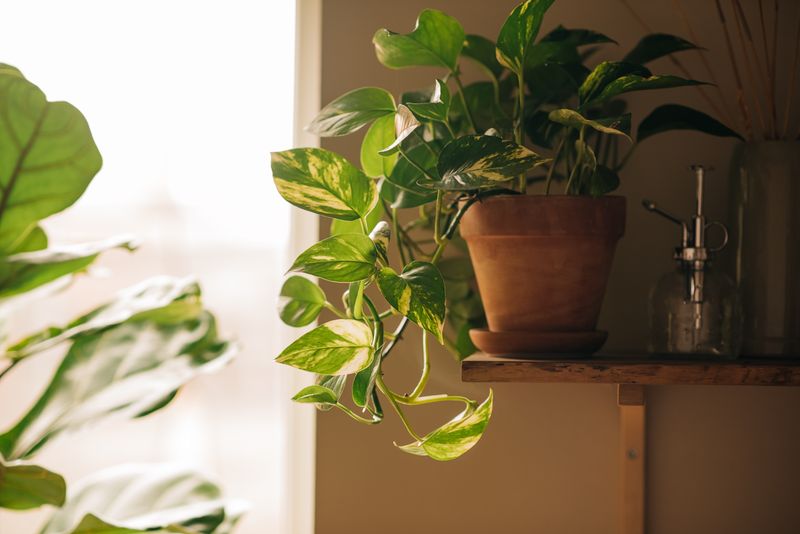
Pothos, with their lush, trailing vines, do not benefit from bottom watering. It can lead to overly soggy soil, hindering growth.
These plants adore a well-drained environment and thrive with top watering, ensuring their vibrant leaves and vigorous stems.