 Complete Gardening
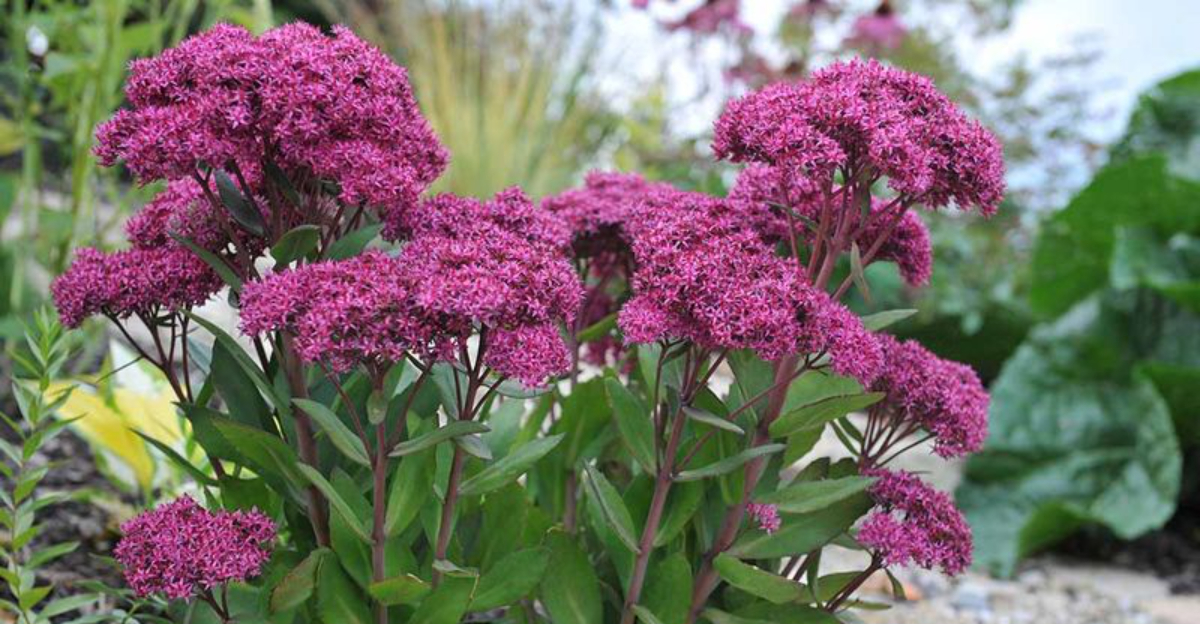
Selecting drought-resistant perennials can significantly reduce the need for frequent watering, making your garden more sustainable and low-maintenance.
Incorporating these drought-resistant perennials into your garden can create a vibrant, low-maintenance landscape that conserves water and supports local wildlife.
1. Yarrow (Achillea millefolium)
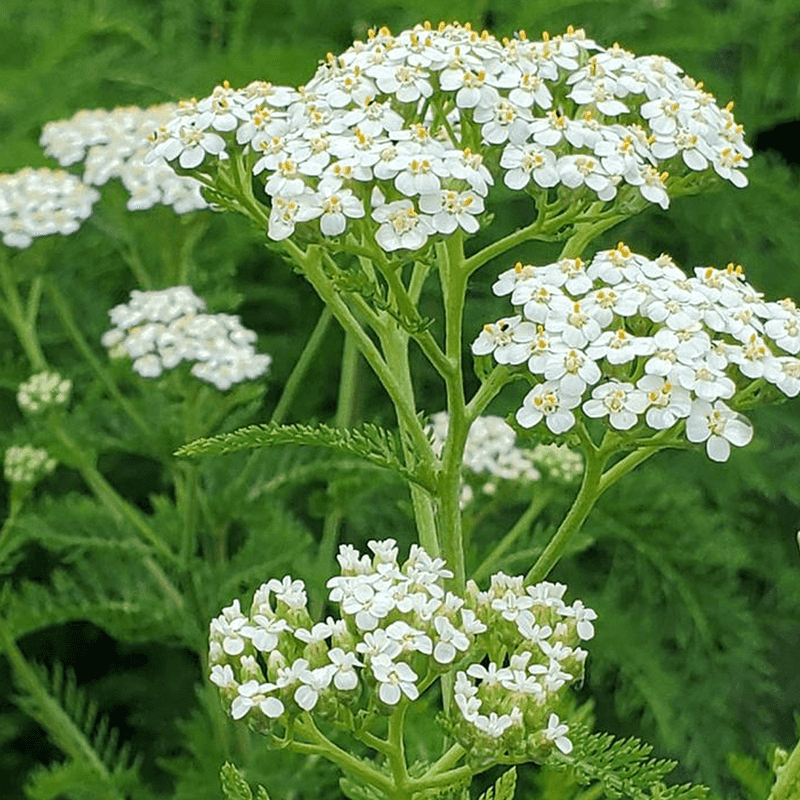
Yarrow, known for its feathery foliage and clusters of tiny flowers, thrives in full sun and well-drained soil. Its colors range from white to bright hues, making it a favorite among gardeners aiming for vibrancy. Hardy in USDA Zones 3 to 9, yarrow not only attracts pollinators but also resists deer, adding extra value for those in rural areas. Historically, yarrow was used for its medicinal properties, reportedly aiding in wound care during ancient battles. This plant’s enduring nature and captivating beauty make it a must-have for any low-maintenance, drought-resistant garden.
2. Blanket Flower (Gaillardia)
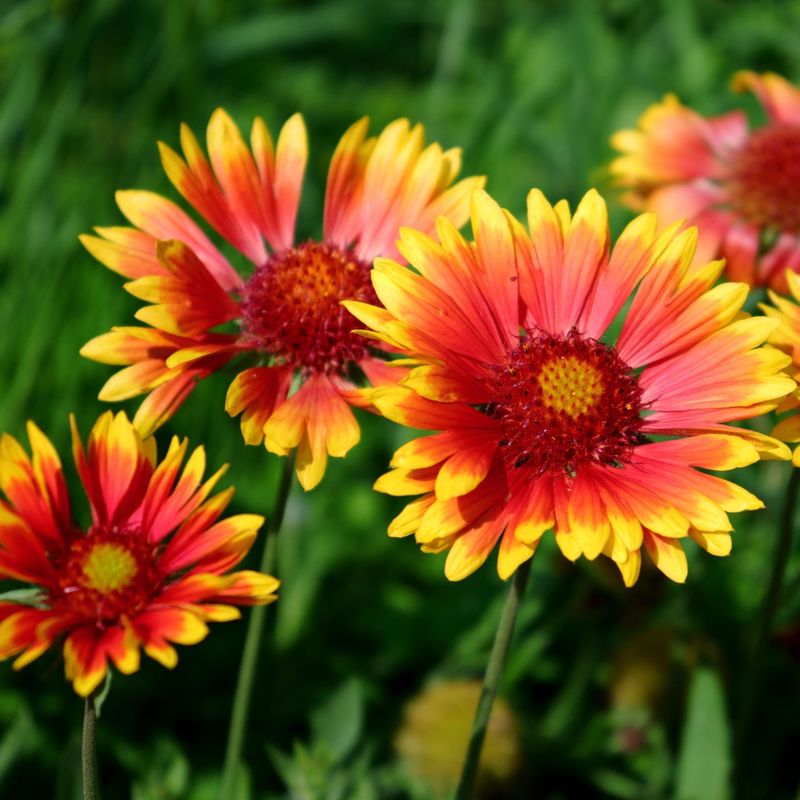
Blanket Flower offers a spectacular display with its vibrant, daisy-like blooms. Preferring full sun and well-drained soil, this perennial is perfect for adding continuous color from early summer through fall. Once established, it withstands drought with ease, requiring minimal water. Fun fact: Native to North and South America, the Blanket Flower is named for its patterns reminiscent of traditional Native American blankets. Its ability to bloom profusely with little care speaks to its robust nature, making it a favorite for eco-conscious gardeners.
3. Russian Sage (Perovskia atriplicifolia)
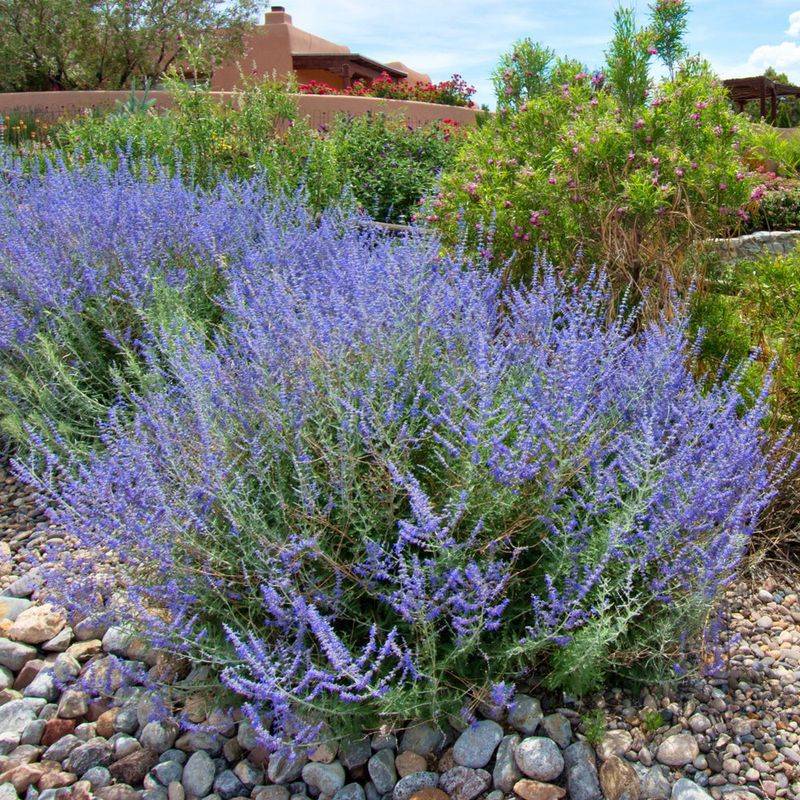
Russian Sage stands tall with its silvery-gray leaves and striking purple-blue flowers. It thrives in sunny, arid conditions, making it ideal for dry climates. From mid-summer into fall, it not only provides beautiful blooms but also attracts bees, butterflies, and hummingbirds. Did you know that Russian Sage isn’t actually from Russia? Despite the name, it hails from central Asia. Its ability to thrive where other plants struggle makes it a resilient choice for sustainable gardening.
4. Sedum (Stonecrop)
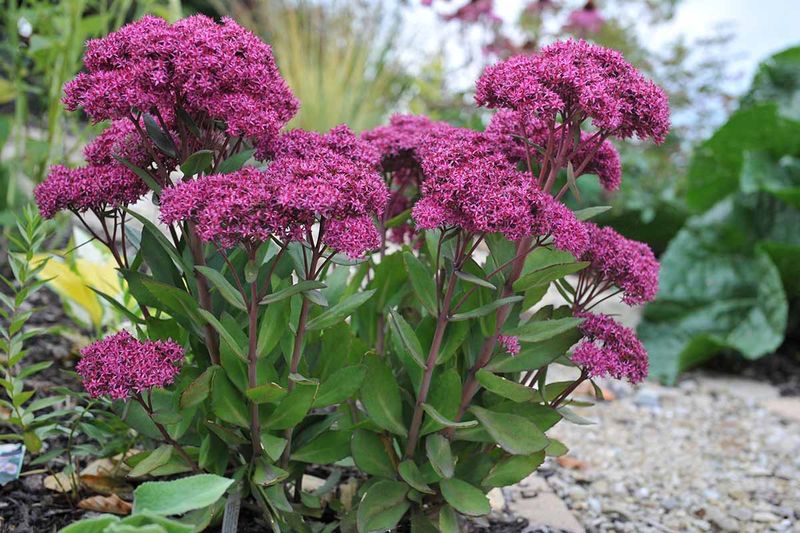
Sedum, commonly known as Stonecrop, is renowned for its succulent leaves that store water, making it perfect for dry areas. This perennial adds late-season interest with its varied foliage colors and star-shaped blooms. Sedum is adaptable, thriving in rock gardens and xeriscapes alike. Historically, its name ‘Stonecrop’ reflects its ability to grow on stony surfaces. This plant is not just a pretty face; its resilience and ease of growth make it a practical addition to any garden seeking water conservation.
5. Black-Eyed Susan (Rudbeckia hirta)
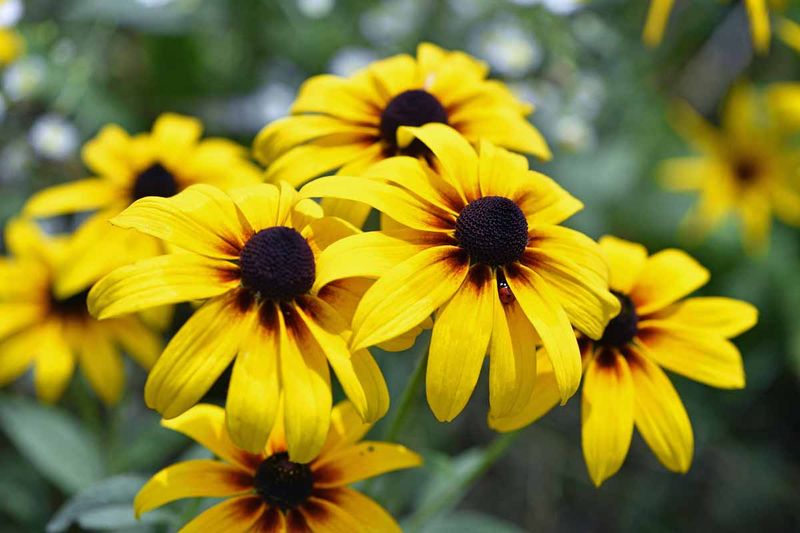
Black-Eyed Susan dazzles with large, golden blooms featuring dark centers. Thriving in full sun and adaptable to various soil types, it’s ideal for areas prone to dryness. This perennial attracts pollinators like bees and butterflies, contributing to the local ecosystem. An interesting tidbit: Black-Eyed Susans are often seen as a symbol of encouragement and motivation. Their cheerful appearance and robust growth make them a garden staple for those seeking low-maintenance beauty.
6. Lavender (Lavandula)
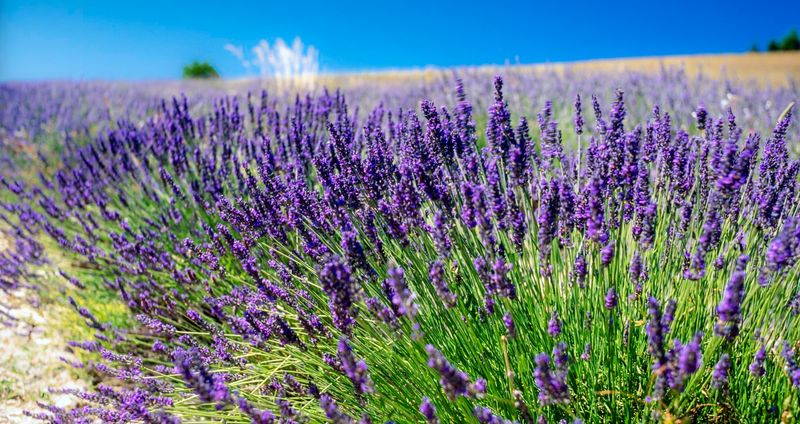
Lavender is synonymous with serenity, its fragrant purple flowers and grey-green foliage creating a calming atmosphere. Preferring sunny, well-drained locations, it’s a staple in drought-tolerant gardening. From aromatherapy to culinary uses, lavender’s versatility is unmatched. Historically, it was used in ancient rituals for purification and protection. Its resistance to pests and low water needs highlight its practicality, while its soothing aroma enhances any garden space.
7. Coneflower (Echinacea)
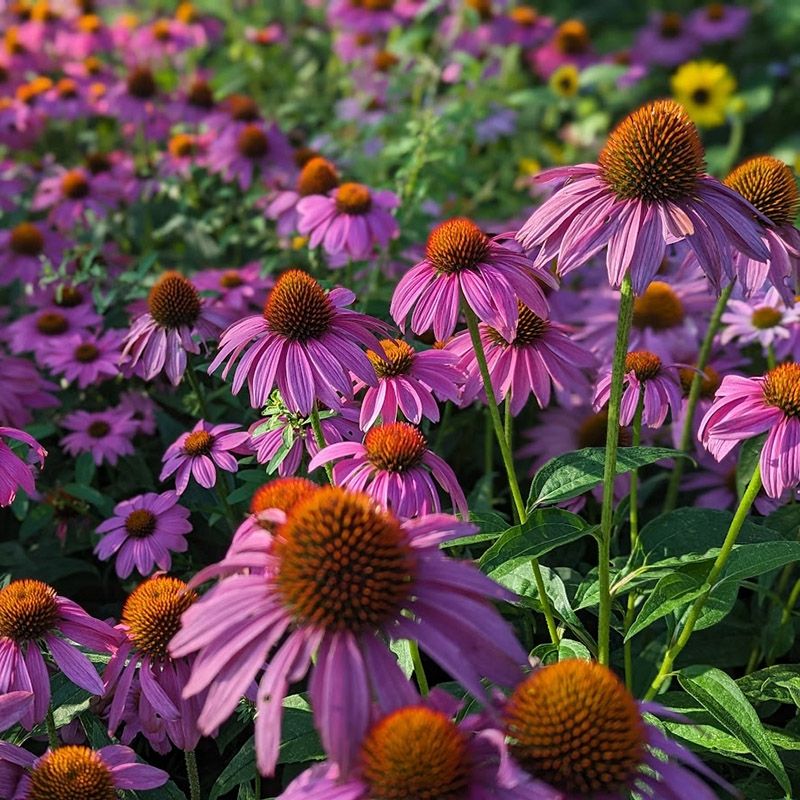
Coneflower captivates with its large, daisy-like flowers and prominent central cone, a favorite among pollinators. Thriving in full sun and well-drained soil, it blooms from early summer to fall, providing long-lasting beauty. Did you know? Native Americans used Echinacea as a traditional medicine for treating infections and wounds. Its resilience in dry conditions makes it an excellent choice for sustainable landscapes.
8. Daylily (Hemerocallis)
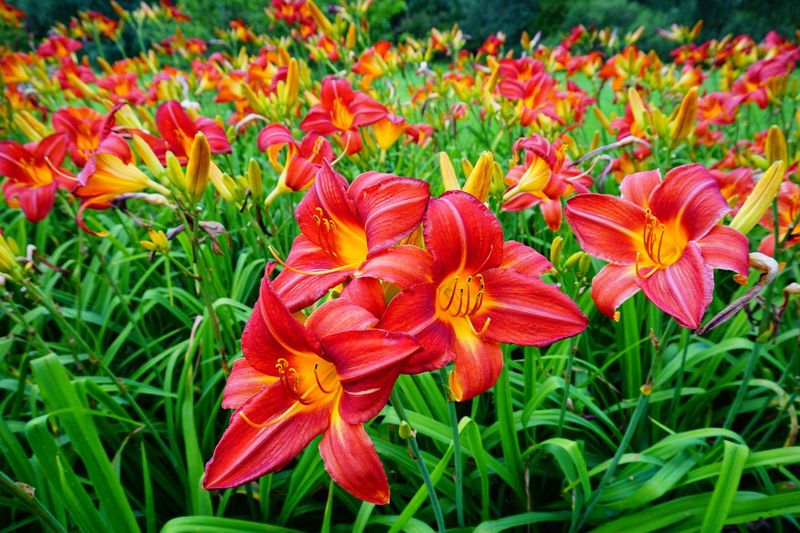
Daylilies are known for their vibrant, trumpet-shaped flowers, each bloom lasting just a single day. Despite this, their sheer abundance ensures a continuous display. These hardy perennials prefer full sun and adapt to different soil types, making them an easy-care choice. Fun fact: The daylily’s name comes from the Greek words ‘hemera’ (day) and ‘kallos’ (beauty), aptly describing its fleeting yet stunning flowers. Their minimal water needs and prolific blooming make them a garden favorite.
9. Agastache (Hyssop)
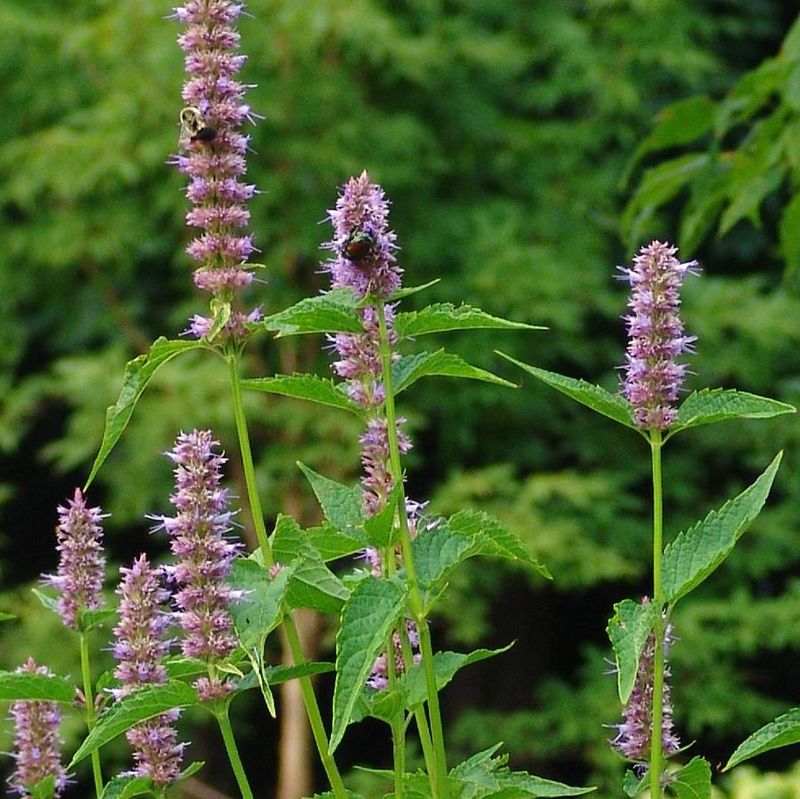
Agastache, or Hyssop, is cherished for its towering spikes of fragrant flowers. Blooming in shades of pink, purple, and blue, it attracts hummingbirds and bees alike. This perennial is well-suited to sunny, dry areas, showcasing both beauty and resilience. Historically, Agastache was used for medicinal purposes, particularly in herbal teas. Its strong fragrance and minimal water requirements make it a delightful addition to any drought-resistant garden.
10. Salvia (Sage)
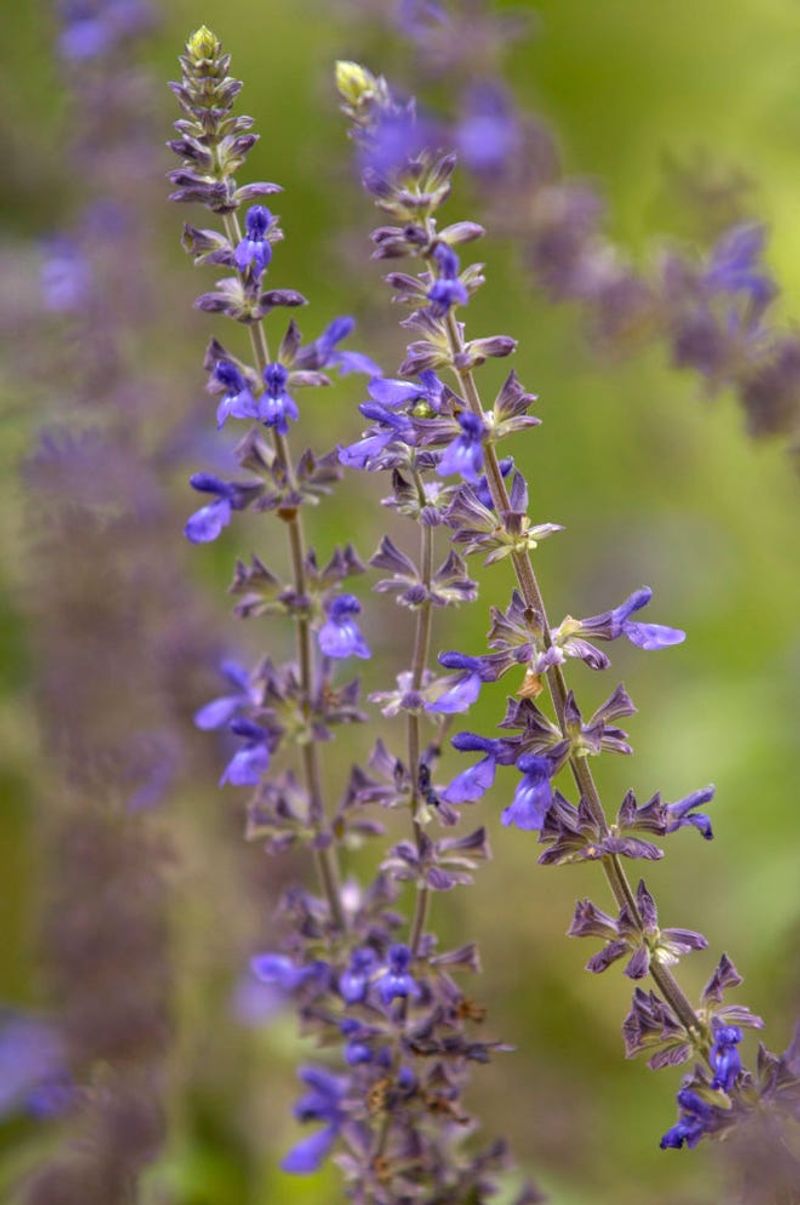
Salvia, known for its aromatic foliage and vibrant flower spikes, thrives in sunny, well-drained locations. Blooming in a variety of colors, it adds dynamic beauty to gardens while requiring minimal water. Did you know? Salvia’s name is derived from the Latin ‘salvare’, meaning to heal, reflecting its historical uses in medicine. Its robust nature and colorful blooms make it a standout choice for those seeking drought-tolerant options.