 Complete Gardening
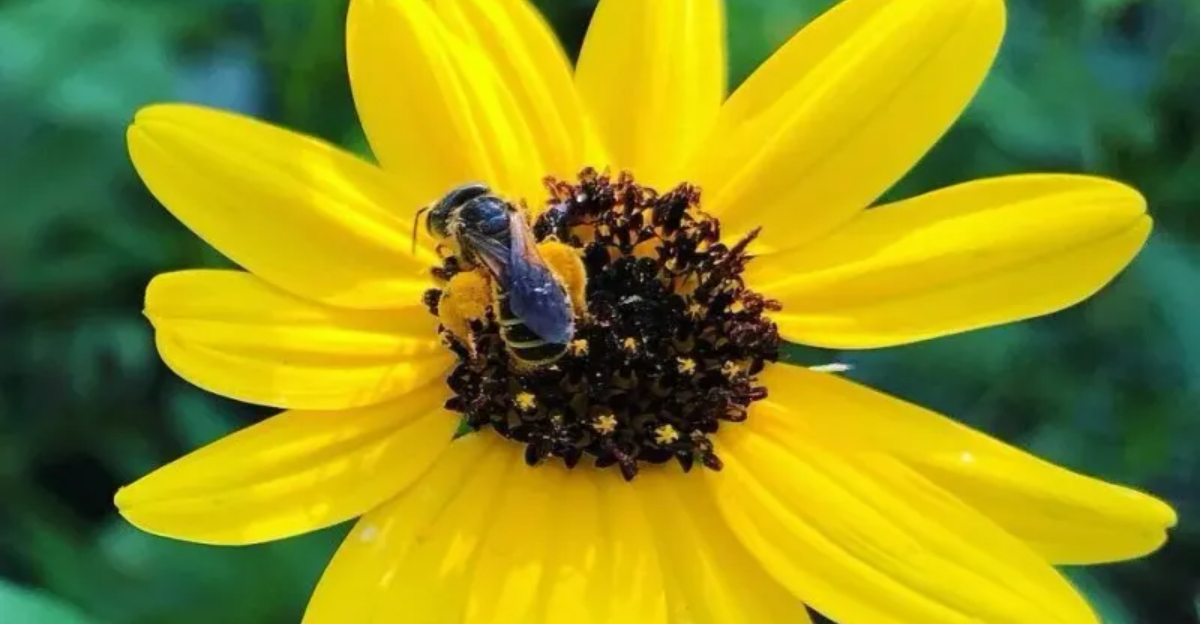
Florida’s sunny climate and unique ecosystem offer gardeners an incredible opportunity to create stunning landscapes using plants that naturally thrive in the Sunshine State. Native plants require less water, fewer chemicals, and minimal care once established, making them perfect for busy homeowners who want beautiful gardens without constant upkeep. By choosing plants that evolved in Florida’s environment, you’ll support local wildlife while enjoying a gorgeous, sustainable garden that practically takes care of itself.
1. Firebush
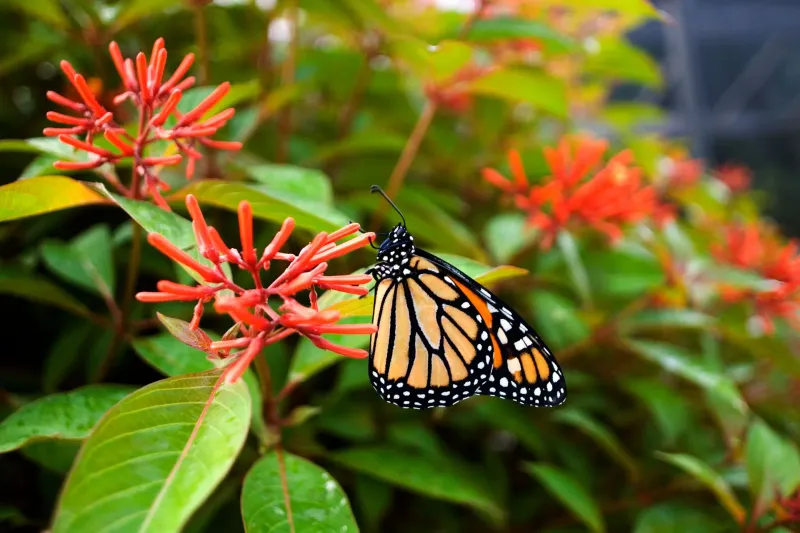
This spectacular native shrub produces clusters of bright orange-red tubular flowers almost year-round, creating a constant buzz of activity as butterflies and hummingbirds compete for its sweet nectar.
Growing anywhere from 4 to 8 feet tall, Firebush adapts beautifully to various garden settings. Whether you plant it as a colorful hedge, a standalone specimen, or mixed into a butterfly garden, it delivers consistent performance with minimal fuss. The plant thrives in full sun to partial shade and tolerates both wet and dry conditions once established.
Maintenance couldn’t be simpler – just occasional pruning to maintain shape and size. During cooler months, the stems may die back, but don’t worry – new growth emerges quickly when temperatures warm up. The plant’s natural resistance to pests and diseases means you can forget about spraying chemicals or dealing with constant problems.
Beyond its stunning flowers, Firebush produces small dark berries that native birds absolutely love. This creates a wonderful cycle where your garden becomes a mini wildlife sanctuary. The plant also serves as a host for the larvae of certain butterfly species, adding another layer of ecological benefit to your landscape while maintaining its reputation as one of Florida’s most reliable and beautiful native choices.
2. Coontie
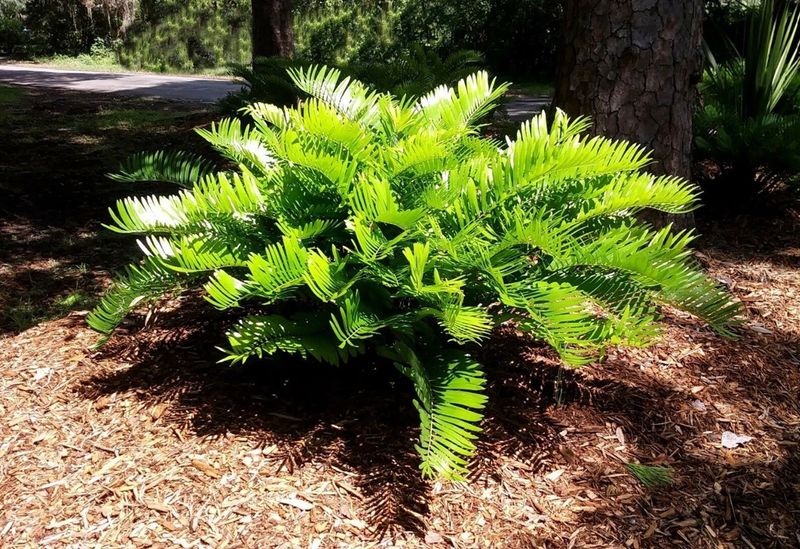
Long before dinosaurs roamed the Earth, plants like Coontie were already thriving, and this ancient survivor continues to prove its worth in modern Florida gardens. This remarkable cycad resembles a small palm but actually belongs to one of the oldest plant families on the planet, bringing prehistoric charm to contemporary landscapes.
Coontie’s feathery, dark green fronds create elegant texture in shaded areas where many other plants struggle. Growing slowly to about 3 feet tall and wide, it forms attractive clumps that work beautifully as groundcover, foundation plantings, or accent pieces in woodland gardens. The plant’s tolerance for deep shade makes it invaluable for those tricky spots under large trees.
Drought tolerance ranks among Coontie’s greatest strengths once the root system establishes. You can literally forget to water it for weeks without any negative effects. The plant also resists most pests and diseases, requiring virtually no chemical treatments or special care throughout the year.
Perhaps most importantly, Coontie serves as the only host plant for the endangered Atala butterfly. By growing this native treasure, you’re directly supporting the recovery of a beautiful butterfly species that was once thought extinct in Florida. The bright red seeds that develop on female plants add seasonal interest, though they should be handled carefully as they’re toxic to humans and pets.
3. Beautyberry
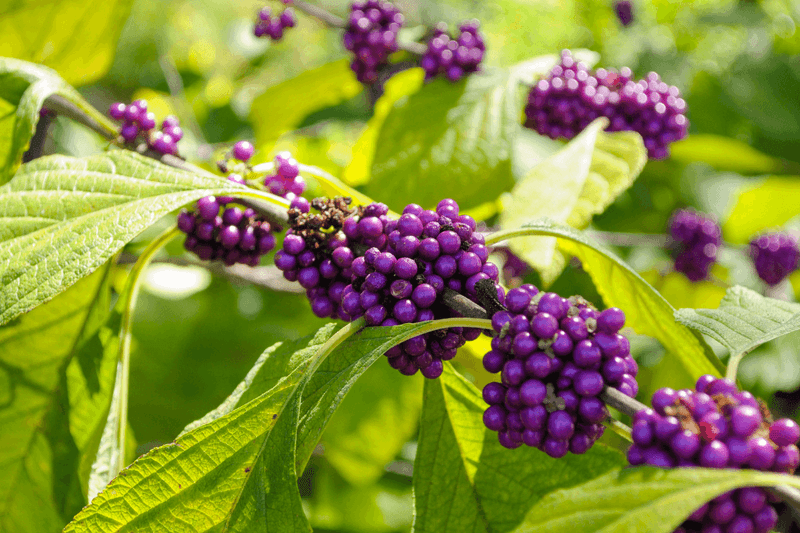
When autumn arrives in most of the country, Florida gardeners get their own spectacular show courtesy of Beautyberry’s incredible purple berries. These metallic purple clusters appear along the stems like nature’s own jewelry, creating one of the most striking displays in the native plant world.
During spring and summer, Beautyberry produces small pink or white flowers that attract various pollinators, but the real magic happens in fall. The brilliant purple berries develop in dense clusters around each stem, creating an almost surreal appearance that stops visitors in their tracks. The berries also provide food for mockingbirds, cardinals, and other native songbirds.
This adaptable shrub grows 4 to 6 feet tall and equally wide, thriving in partial shade to full sun conditions. While it prefers moist, well-drained soil, established plants handle drought periods remarkably well. The natural open growth habit creates an airy, informal appearance that works perfectly in cottage gardens or naturalized areas.
Maintenance requirements stay minimal throughout the year. You can prune the shrub heavily in late winter to maintain size and encourage bushier growth, or simply let it develop its natural form. The plant’s resistance to pests and diseases means you’ll spend more time enjoying the spectacular berry display than dealing with problems. Many gardeners harvest branches for indoor arrangements, bringing that stunning purple color inside during the holiday season.
4. Blanket Flower
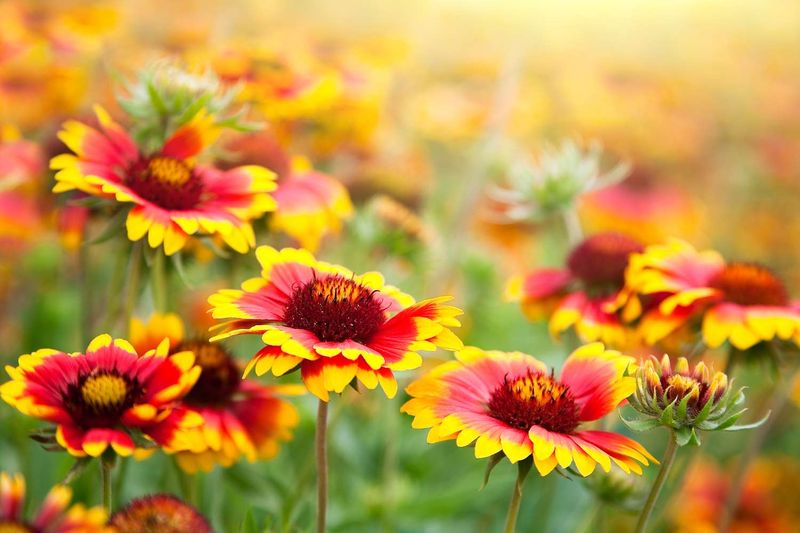
Imagine having a plant that blooms almost every day of the year with cheerful, daisy-like flowers in sunset colors – that’s exactly what Blanket Flower delivers to Florida gardens. These hardy perennials produce an endless succession of bright yellow, orange, and red blooms that seem to capture sunshine in their petals.
Each flower features distinctive patterns with darker centers radiating out to bright yellow tips, creating a stunning two-toned effect. The blooms typically measure 2 to 3 inches across and attract butterflies, bees, and other beneficial insects throughout their extended flowering season. Deadheading spent flowers encourages even more blooms, though the plant performs well even without this extra attention.
Blanket Flower thrives in full sun and well-drained soil, making it perfect for those hot, sunny spots where other plants might struggle. The plant’s drought tolerance becomes legendary once established – it actually prefers drier conditions and can suffer in overly moist soil. This makes it ideal for xeriscaping or low-water gardens.
Growing 1 to 3 feet tall depending on the variety, Blanket Flower works beautifully in borders, mass plantings, or mixed wildflower gardens. The plant self-seeds readily, creating natural drifts of color over time. Beyond its garden value, the flowers make excellent cut flowers for indoor arrangements, lasting well in vases and bringing that sunny Florida feeling indoors year-round.
5. Simpson’s Stopper
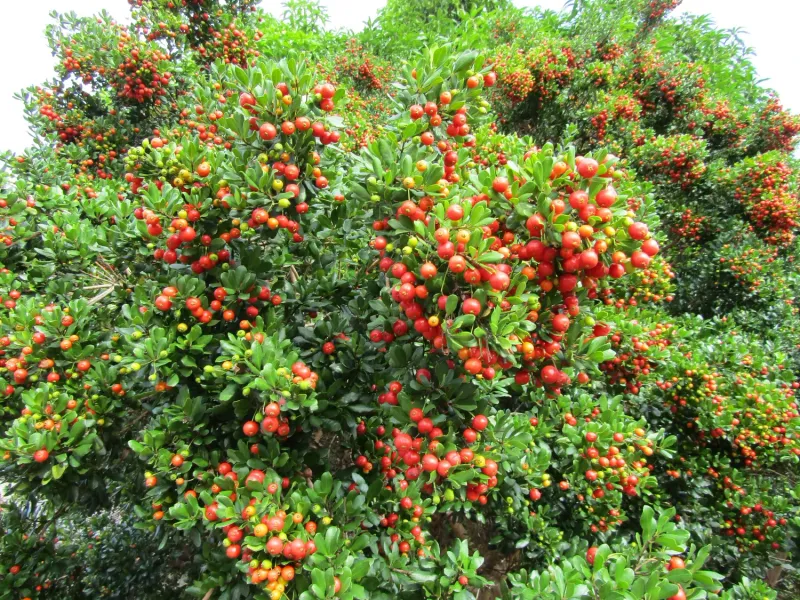
Small trees often get overlooked in favor of showier options, but Simpson’s Stopper quietly delivers everything you could want in a low-maintenance native. This charming tree stays manageable at 10 to 15 feet tall while providing year-round interest through attractive foliage, fragrant flowers, and colorful berries.
The glossy, dark green leaves create a dense canopy that provides excellent screening and privacy. Small white flowers appear in clusters during spring and summer, filling the air with a sweet fragrance that attracts butterflies and other pollinators. The flowers give way to small berries that change from green to red to dark purple as they ripen.
Adaptability ranks among Simpson’s Stopper’s greatest assets. The tree tolerates a wide range of soil conditions, from sandy to clay, and handles both drought and occasional flooding once established. It grows well in full sun to partial shade, making it suitable for various landscape positions from street trees to understory plantings.
Maintenance stays refreshingly simple with this native beauty. The tree naturally develops an attractive rounded form that rarely needs pruning beyond removing any dead or damaged branches. Pest and disease problems remain uncommon, and the tree’s moderate growth rate means you won’t be constantly trimming to keep it in bounds. The berries provide food for native birds while the dense foliage offers nesting sites, making your yard a more complete ecosystem.
6. Coral Honeysuckle
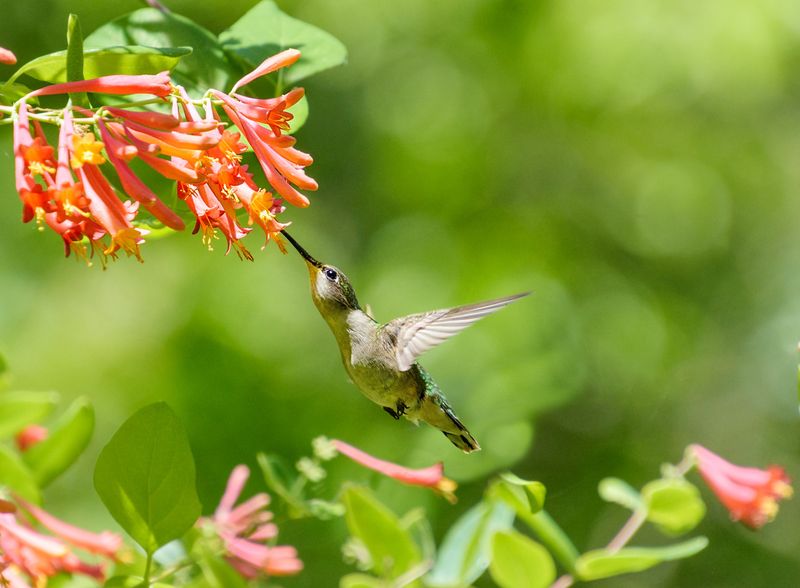
Forget everything you know about invasive honeysuckle vines – Florida’s native Coral Honeysuckle represents the best of both worlds with stunning beauty and perfect garden manners. This well-behaved climbing vine produces clusters of tubular coral-red flowers that hummingbirds find absolutely irresistible.
The flowers bloom primarily in spring and fall, creating spectacular displays of coral-colored trumpets that seem designed specifically for hummingbird beaks. Unlike its aggressive non-native cousins, Coral Honeysuckle grows at a moderate pace and stays where you plant it. The blue-green foliage provides attractive background color throughout the year.
Growing 10 to 20 feet long, this versatile vine adapts to various support structures from arbors and fences to tree trunks and pergolas. It thrives in partial shade to full sun and tolerates a wide range of soil conditions. Once established, the vine handles drought periods well while also tolerating occasional wet conditions.
Care requirements remain minimal throughout the growing season. The vine benefits from occasional pruning to maintain shape and remove any dead growth, but it doesn’t require the constant cutting back that many other vines demand. The plant’s natural resistance to pests and diseases means you can enjoy the beautiful flowers and visiting hummingbirds without worrying about spray schedules or treatments. Small red berries follow the flowers, providing additional food sources for songbirds and extending the vine’s wildlife value beyond just the nectar-seeking hummingbirds.
7. Wild Coffee
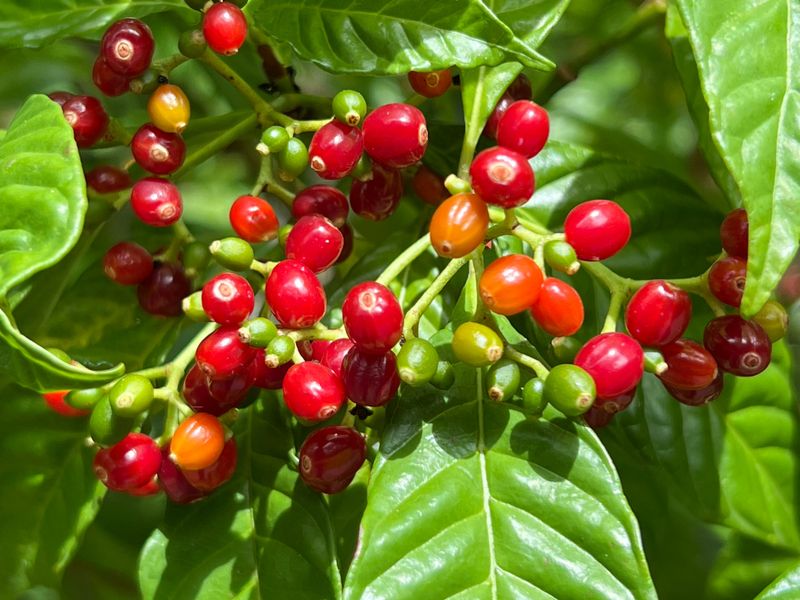
Coffee lovers will appreciate having their own “coffee plant” in the garden, even though Wild Coffee won’t provide your morning caffeine fix. This attractive native shrub offers something even better – year-round beauty with minimal care requirements and maximum wildlife appeal.
The glossy, dark green leaves resemble those of commercial coffee plants, creating dense, attractive foliage that works beautifully as screening or foundation plantings. Small white flowers appear in clusters during warm months, attracting butterflies and other pollinators with their subtle fragrance. The real excitement comes when bright red berries develop, creating stunning color contrast against the dark foliage.
Wild Coffee adapts remarkably well to various growing conditions, thriving in partial shade to full sun locations. The plant tolerates different soil types and, once established, handles both dry spells and heavy rainfall typical of Florida’s climate. This adaptability makes it perfect for gardeners who want reliable performance without constant adjustments.
Maintenance stays simple with occasional pruning to maintain desired size and shape. The shrub naturally grows 4 to 6 feet tall and wide, but responds well to trimming if you need to keep it smaller. Pest problems rarely occur, and diseases seldom affect healthy plants. The berries provide important food for native birds, while the dense branching structure offers excellent nesting sites. Many butterfly species also use Wild Coffee as a host plant for their larvae, making your garden a complete butterfly nursery while maintaining the plant’s reputation for easy care.
8. Beach Sunflower
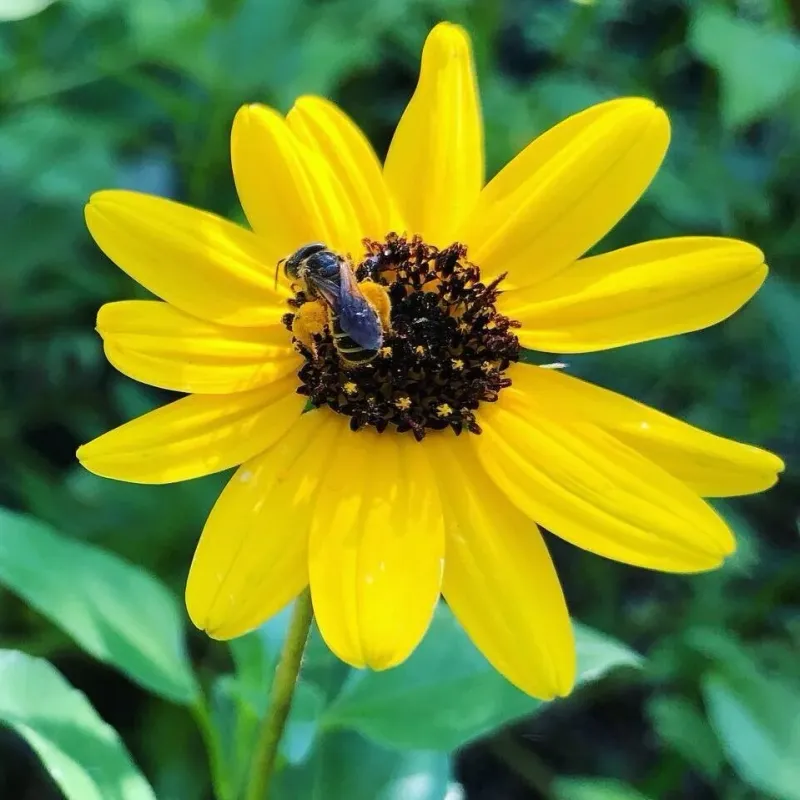
Coastal conditions challenge even the toughest plants, but Beach Sunflower thrives where others fail, bringing cheerful yellow blooms to the most demanding garden situations. This remarkable groundcover spreads naturally to create golden carpets of color while tolerating salt spray, sandy soil, and intense sun exposure.
The bright yellow daisy-like flowers bloom almost continuously throughout the year, creating constant color in the landscape. Each flower measures about 2 inches across with the classic sunflower appearance that attracts butterflies, bees, and other beneficial insects. The thick, succulent-like leaves help the plant store water during dry periods.
Beach Sunflower’s spreading habit makes it excellent for erosion control on slopes or dunes, but it also works beautifully in regular garden settings. The plant stays low, typically reaching only 1 to 2 feet tall while spreading 3 to 6 feet wide. This growth pattern creates effective groundcover that suppresses weeds naturally.
Drought tolerance reaches legendary status with this native champion. Once established, Beach Sunflower can survive extended dry periods without any supplemental watering. The plant also tolerates salt spray and sandy soils that would kill most other flowering plants. Maintenance requirements stay minimal – just occasional trimming to keep the plant within desired boundaries. The continuous flowering provides nectar sources for pollinators throughout the year, while the dense mat of foliage offers shelter for small wildlife. This combination of beauty, toughness, and ecological value makes Beach Sunflower indispensable for low-maintenance Florida gardens.
9. Spiderwort
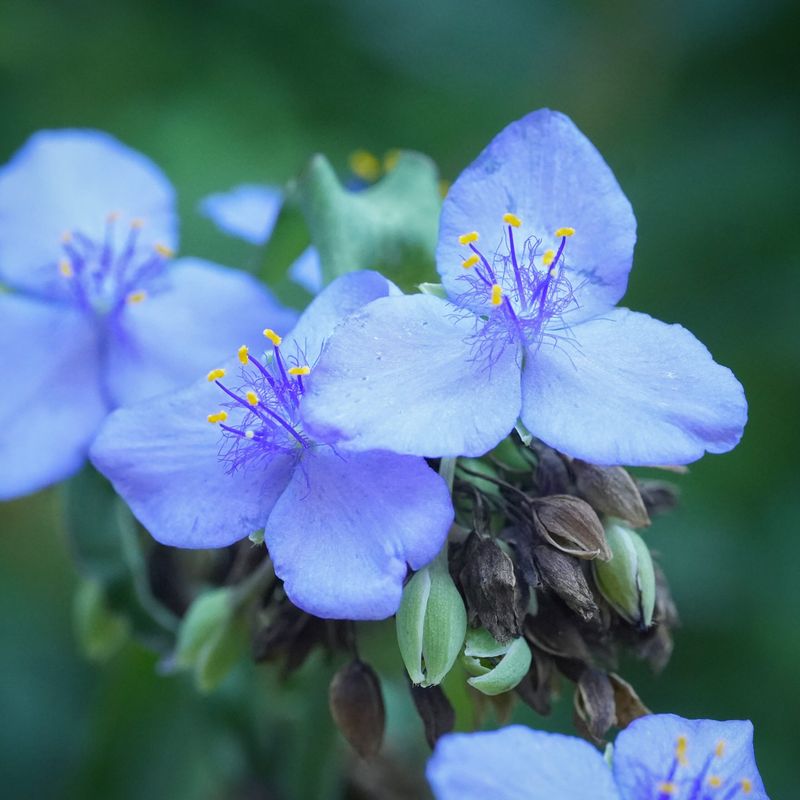
Don’t let the unusual name fool you – Spiderwort has nothing scary about it and everything wonderful for gardeners seeking reliable native perennials. This charming wildflower produces delicate three-petaled flowers in shades of purple, blue, or white that open fresh each morning like tiny gifts from nature.
Each flower lasts only one day, but the plant produces so many buds that blooms appear continuously from spring through fall. The flowers typically open in the morning and close by afternoon, creating an ever-changing display. Long, grass-like foliage forms attractive clumps that provide texture even when flowers aren’t present.
Spiderwort demonstrates remarkable adaptability, growing well in full sun to partial shade and tolerating various soil conditions from wet to moderately dry. The plant spreads slowly by underground stems, creating natural colonies over time without becoming invasive. This makes it perfect for naturalizing in woodland gardens or meadow settings.
Care requirements stay refreshingly simple throughout the growing season. The plant may look tired during hot summer months, but cutting it back encourages fresh growth and renewed flowering when cooler weather returns. Spiderwort self-seeds readily, ensuring new plants for future seasons. The flowers attract small butterflies and native bees, while the seeds provide food for songbirds. Many gardeners appreciate how Spiderwort fills in gaps between other plants, creating a natural, unplanned look that makes gardens appear more established and complete than their actual age might suggest.
10. Marlberry
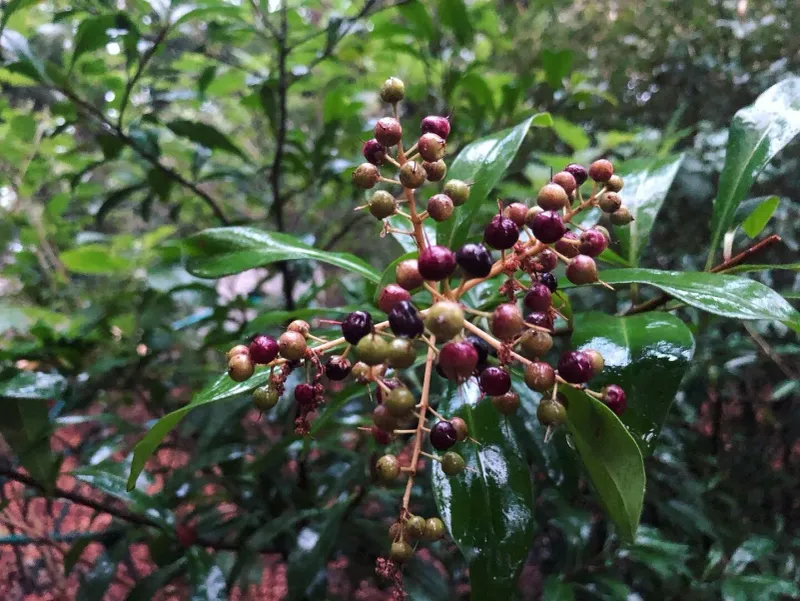
Versatility defines Marlberry’s greatest strength, as this adaptable native shrub performs beautifully in conditions ranging from bone-dry to occasionally flooded. Whether you need screening, wildlife habitat, or simply a reliable plant that thrives on neglect, Marlberry delivers consistent results year after year.
The small, glossy leaves create dense foliage that provides excellent privacy screening when planted in groups. Tiny white flowers appear in clusters during spring and summer, attracting various pollinators despite their modest size. The real show begins when small berries develop, changing from green to bright red to dark purple as they ripen.
Growing 6 to 10 feet tall and equally wide, Marlberry adapts to full sun or partial shade locations. The plant tolerates a remarkable range of soil conditions, from sandy coastal soils to heavy clay, and handles both drought and wet periods once established. This adaptability makes it invaluable for challenging garden sites.
Maintenance stays minimal with this tough native performer. The shrub develops an attractive natural form that rarely needs pruning beyond occasional shaping or removal of dead branches. Pest and disease problems occur infrequently, and the plant’s moderate growth rate means it won’t quickly outgrow its designated space. The berries provide important food for native birds throughout the year, while the dense branching offers excellent nesting sites. Many gardeners use Marlberry as a “backbone” plant in native landscapes, providing reliable structure around which more colorful seasonal plants can be arranged.
11. Pineland Croton
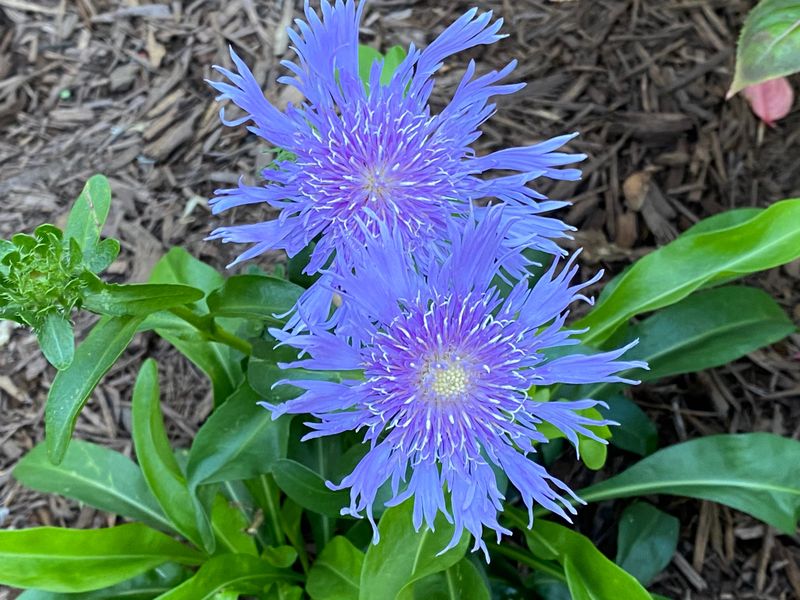
Foliage plants often play supporting roles in gardens, but Pineland Croton steps into the spotlight with leaves so beautiful they rival any flower display. This exceptional native shrub produces silvery-green foliage with a soft, velvety texture that seems to glow in both sunlight and moonlight.
The unique leaf color and texture create stunning contrast when planted near darker-leaved companions or bright flowering plants. Small, inconspicuous flowers appear periodically, but the real attraction lies in the distinctive foliage that maintains its beauty throughout the year. The plant’s natural form stays compact and rounded, typically reaching 3 to 5 feet in height and width.
Pineland Croton thrives in full sun and well-drained sandy soils, making it perfect for coastal gardens or xeriscaping projects. The plant’s exceptional drought tolerance means you can forget about watering once it establishes. It also tolerates salt spray and windy conditions that challenge many other landscape plants.
Care requirements remain almost nonexistent with this remarkable native. The plant naturally maintains its attractive shape without pruning, though you can trim it lightly if needed to control size. Pest and disease problems rarely occur, and the plant’s slow to moderate growth rate ensures it won’t quickly outgrow its space. The silvery foliage provides year-round interest and serves as an excellent backdrop for seasonal color plants. Many gardeners discover that Pineland Croton photographs beautifully, creating stunning focal points in garden photography where the unique foliage texture and color create dramatic visual impact.
12. Lanceleaf Coreopsis
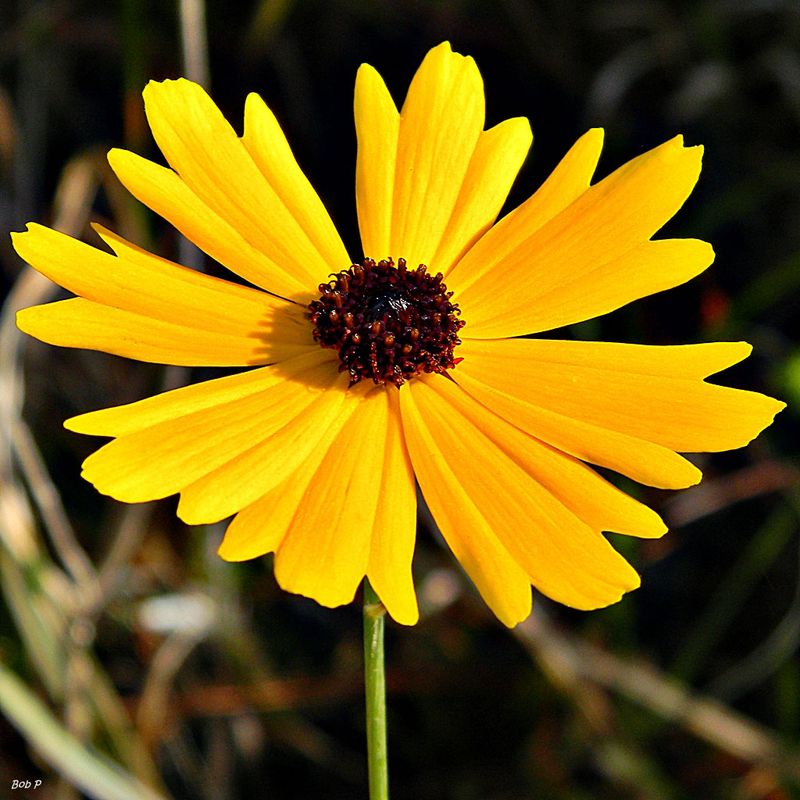
Bright yellow flowers dancing in the breeze create one of Florida’s most cheerful wildflower displays, and Lanceleaf Coreopsis delivers this joy with remarkable consistency. This perennial wildflower produces masses of golden daisy-like blooms that seem to capture and reflect Florida’s abundant sunshine.
Blooming primarily in spring and fall, with occasional flowers throughout the year, Lanceleaf Coreopsis creates spectacular displays when planted in masses. Individual flowers measure about 2 inches across with bright yellow petals surrounding darker centers. The narrow, lance-shaped leaves form neat clumps that stay attractive even when flowers aren’t present.
This adaptable wildflower thrives in full sun and well-drained soils, tolerating both sandy coastal conditions and heavier inland soils. Once established, the plant handles extended dry periods without supplemental watering. The moderate height of 2 to 4 feet makes it perfect for middle borders or naturalized meadow plantings.
Maintenance stays simple with occasional deadheading to encourage continued blooming and prevent excessive self-seeding if desired. The plant does self-seed readily, creating natural colonies that expand the display over time. Cutting plants back after the main flowering period encourages fresh growth and potential repeat blooming. The flowers attract butterflies, bees, and other pollinators, while the seeds provide food for goldfinches and other seed-eating birds. Many gardeners find that Lanceleaf Coreopsis serves as an excellent “starter” native plant, proving so reliable and beautiful that it encourages experimentation with other native species throughout the landscape.