 Complete Gardening
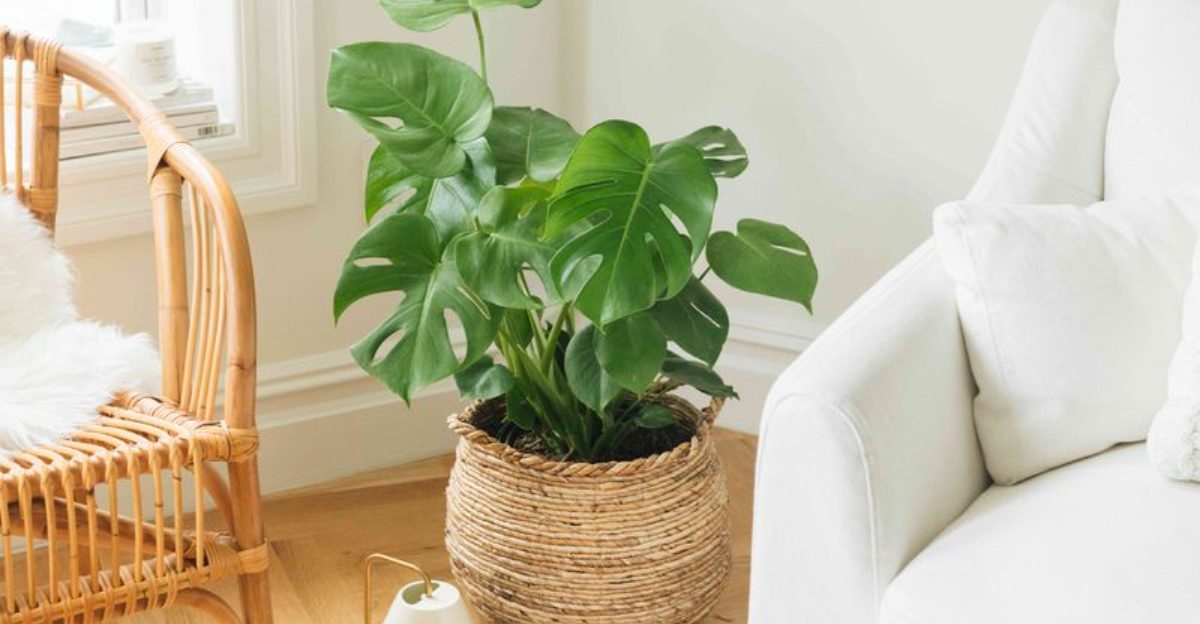
In homes with north-facing windows, finding the right plants can be a delightful challenge. These spaces often receive indirect light, making them perfect sanctuaries for certain shade-loving plants.
Whether you’re a seasoned plant enthusiast or just getting started, this list of 20 plants will help you create a thriving indoor garden. Each plant not only survives but truly flourishes in such an environment, bringing lush greenery into your home.
1. Snake Plant
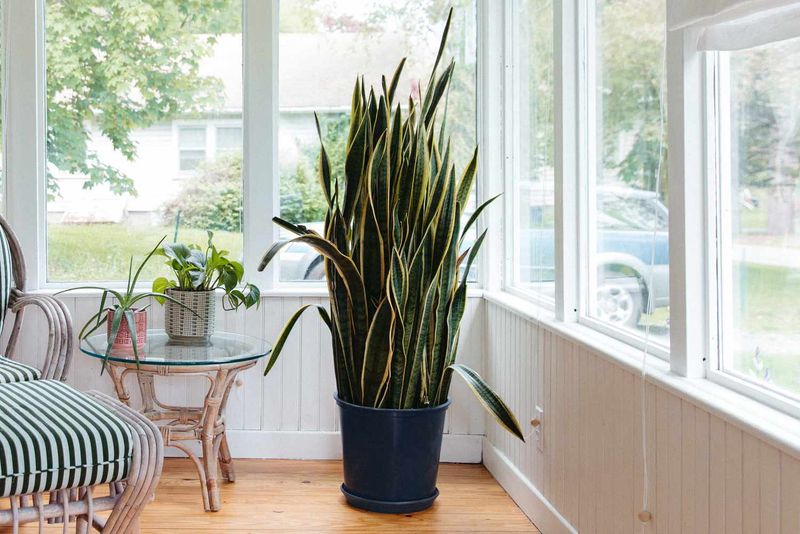
The snake plant is a survivor, thriving where others falter. With tall, sword-like leaves, it brings a touch of the wild indoors.
Its hardy nature makes it ideal for those who might forget to water regularly.
Did you know? This plant also purifies the air, making it both a resilient and health-boosting choice for any room.
2. Peace Lily
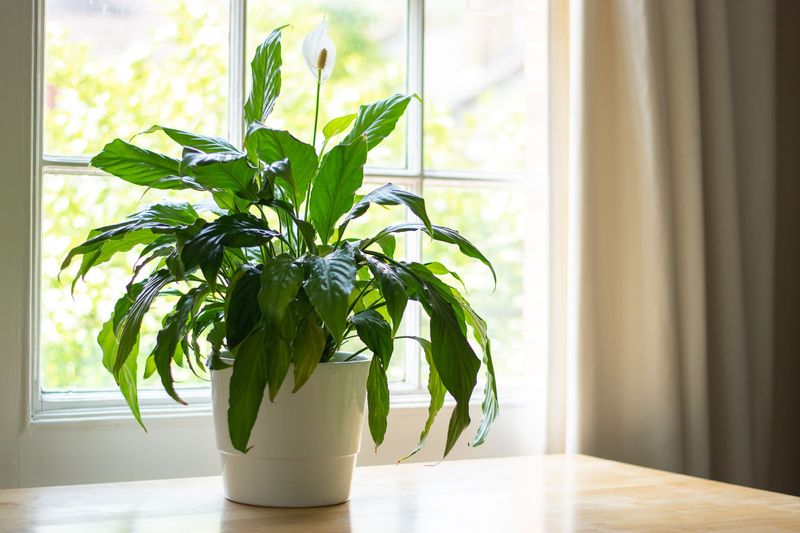
The peace lily is known for its elegance, with white blossoms that resemble peace flags. It thrives in low light, making it perfect for north-facing windows.
Its air-purifying qualities add another layer of appeal.
Fun fact: Despite its name, it’s not a true lily but belongs to the Araceae family, offering beauty without the fuss of high maintenance.
3. Pothos
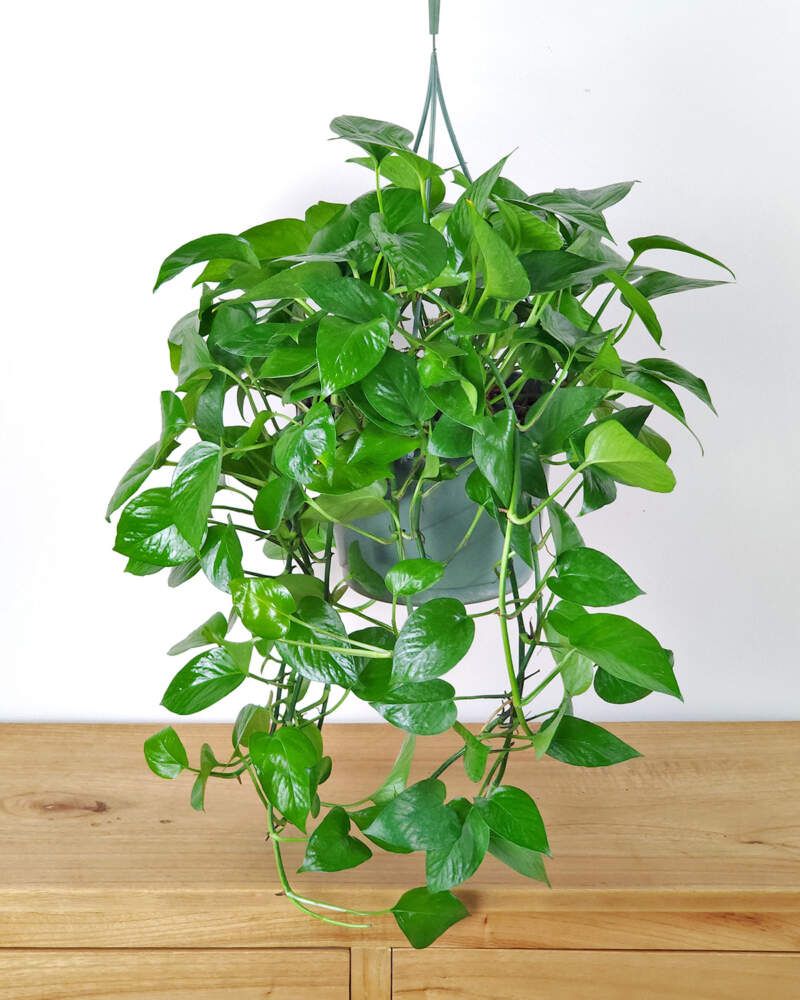
Pothos is the quintessential beginner’s plant, forgiving and flourishing with minimal care. Its trailing vines can gracefully drape or climb as you wish.
It tolerates low light and is perfect for creating a verdant indoor jungle.
A quirky fact: Pothos is sometimes called devil’s ivy because it stays green even in the dark, making it a mysterious yet charming addition to any space.
4. ZZ Plant
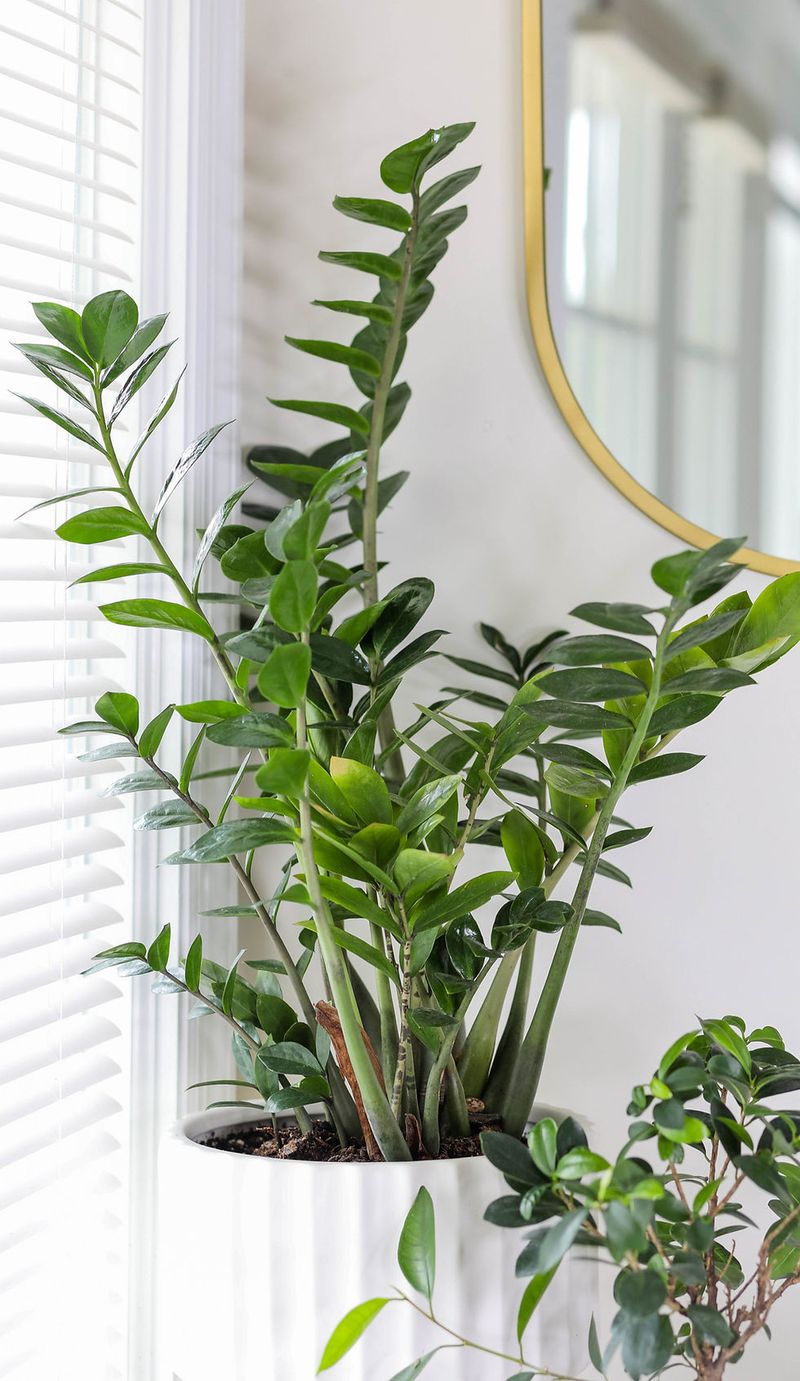
For a plant that practically thrives in neglect, the ZZ plant is a top choice. Its glossy leaves add a modern touch to any room, requiring little watering and light.
Despite its exotic appearance, it’s incredibly easy to care for.
Interestingly, it’s known as Zamioculcas zamiifolia, a name as intricate as its foliage, perfect for adding a bold statement to a dim corner.
5. Cast Iron Plant
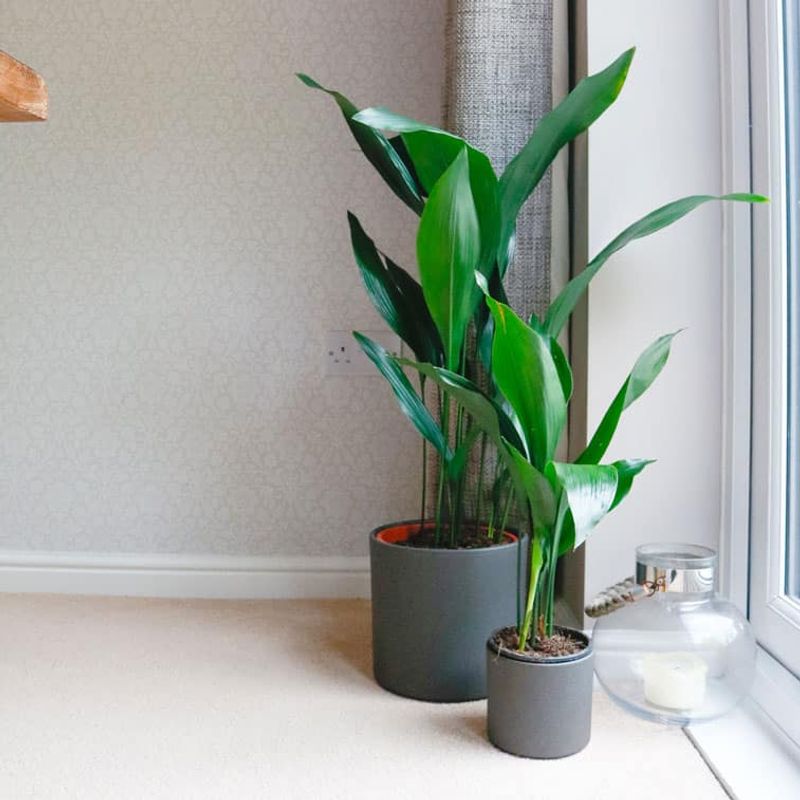
The cast iron plant earns its name from its ability to withstand tough conditions. It’s the epitome of resilience, thriving in low light and minimal care.
With broad, dark leaves, it’s both a statement and a survivor.
Its history as a favored Victorian parlor plant adds a touch of nostalgia, making it a timeless choice for modern homes.
6. Boston Fern
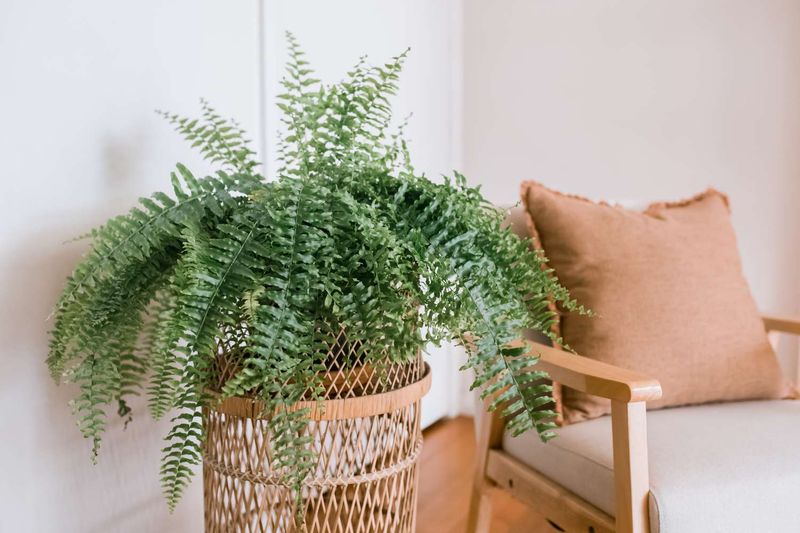
The Boston fern is a classic choice for adding softness and elegance to any room. Its feathery fronds exude a sense of calm and sophistication.
It loves humidity and indirect light, making it a perfect fit for bathrooms or kitchens with north-facing windows.
Did you know? It was a popular houseplant in the Victorian era, prized for its delicate beauty and lush foliage.
7. Chinese Evergreen
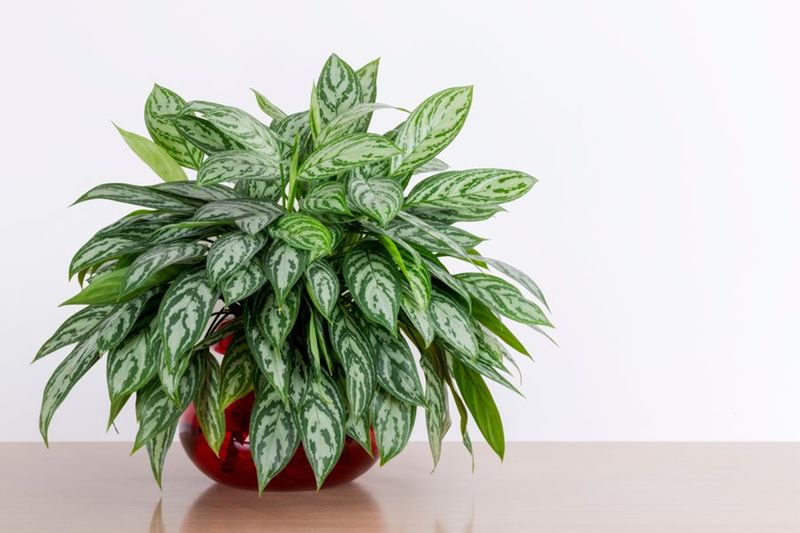
Chinese evergreen plants are celebrated for their beautiful variegated leaves and easy-going nature. They require minimal care, making them perfect for busy lifestyles.
These plants come in various colors, offering a splash of color in any room.
A little-known fact: They’re believed to bring luck, according to Feng Shui, making them not just a decoration, but a charm.
8. Spider Plant
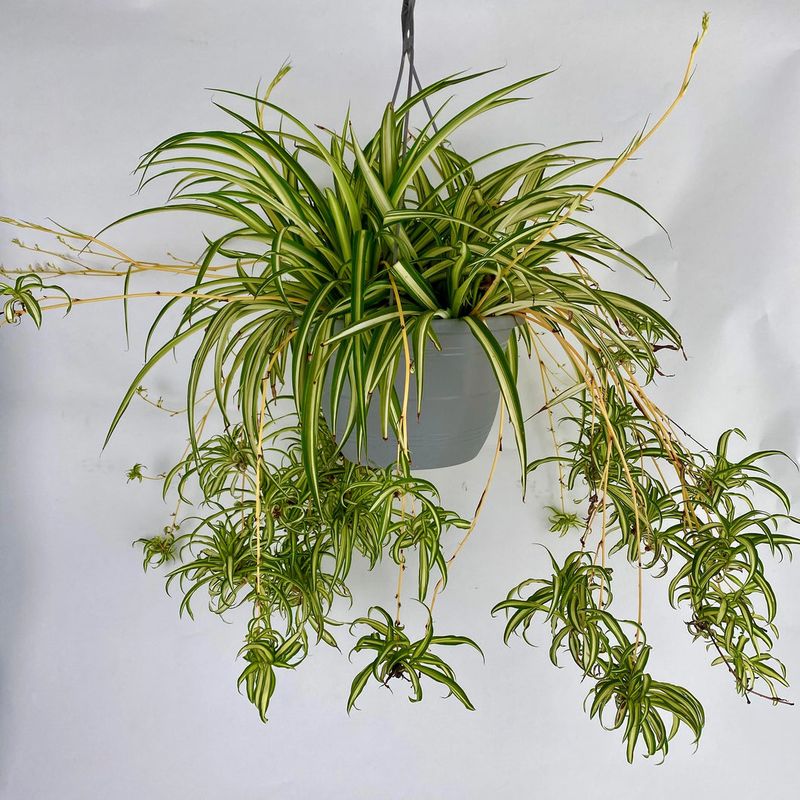
Spider plants are a delightful addition to any home, known for their arching leaves and charming little plantlets. They thrive in indirect sunlight and are perfect for hanging baskets.
Their air-purifying capabilities add an extra layer of benefit.
Fun fact: They’re called spider plants because of their spidery offshoots, which are small versions of the parent plant, ready to be transplanted.
9. Maidenhair Fern
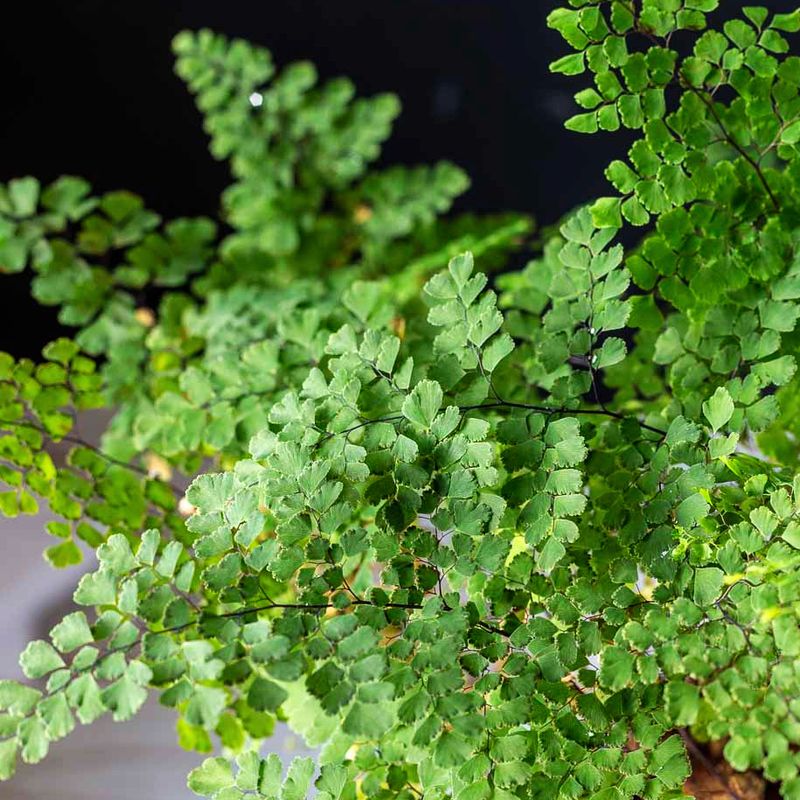
Maidenhair ferns captivate with their delicate, fan-shaped leaves, adding an ethereal touch to any space. They prefer high humidity and indirect light, fitting perfectly by north-facing windows.
Their elegant appearance belies their hardy nature.
Did you know? These ferns are named for their fine, hair-like stems, which are as strong as they are graceful, making them both delicate and durable.
10. Parlor Palm
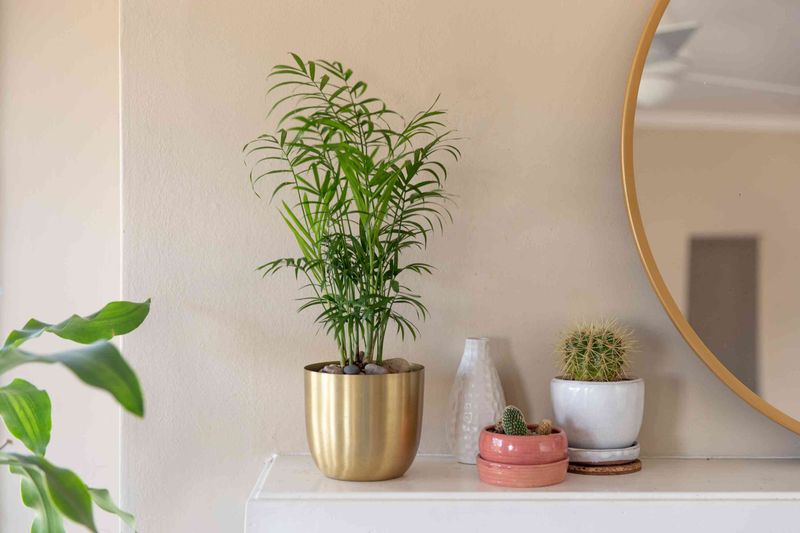
The parlor palm brings a touch of the tropics to any interior space. With its feathery fronds, it’s both elegant and adaptable to low-light environments.
It’s a favorite for creating a sophisticated, lush atmosphere indoors.
A historical note: This palm was a status symbol during the Victorian era, often displayed in the parlors of the wealthy, hence its distinguished name.
11. English Ivy
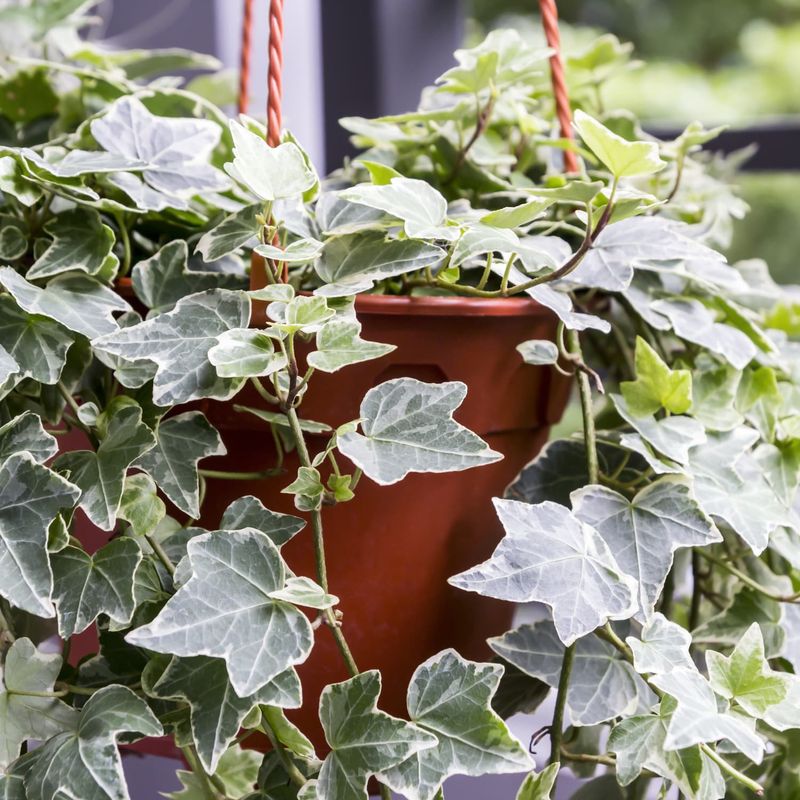
English ivy offers a classic, timeless appeal with its trailing vines and vibrant green leaves. It’s perfect for creating a vertical garden or adding greenery to high shelves.
Thriving in indirect light, it’s a versatile plant for any indoor space.
An interesting tidbit: English ivy has been used in traditional medicine for centuries, adding a touch of history to its natural beauty.
12. Philodendron
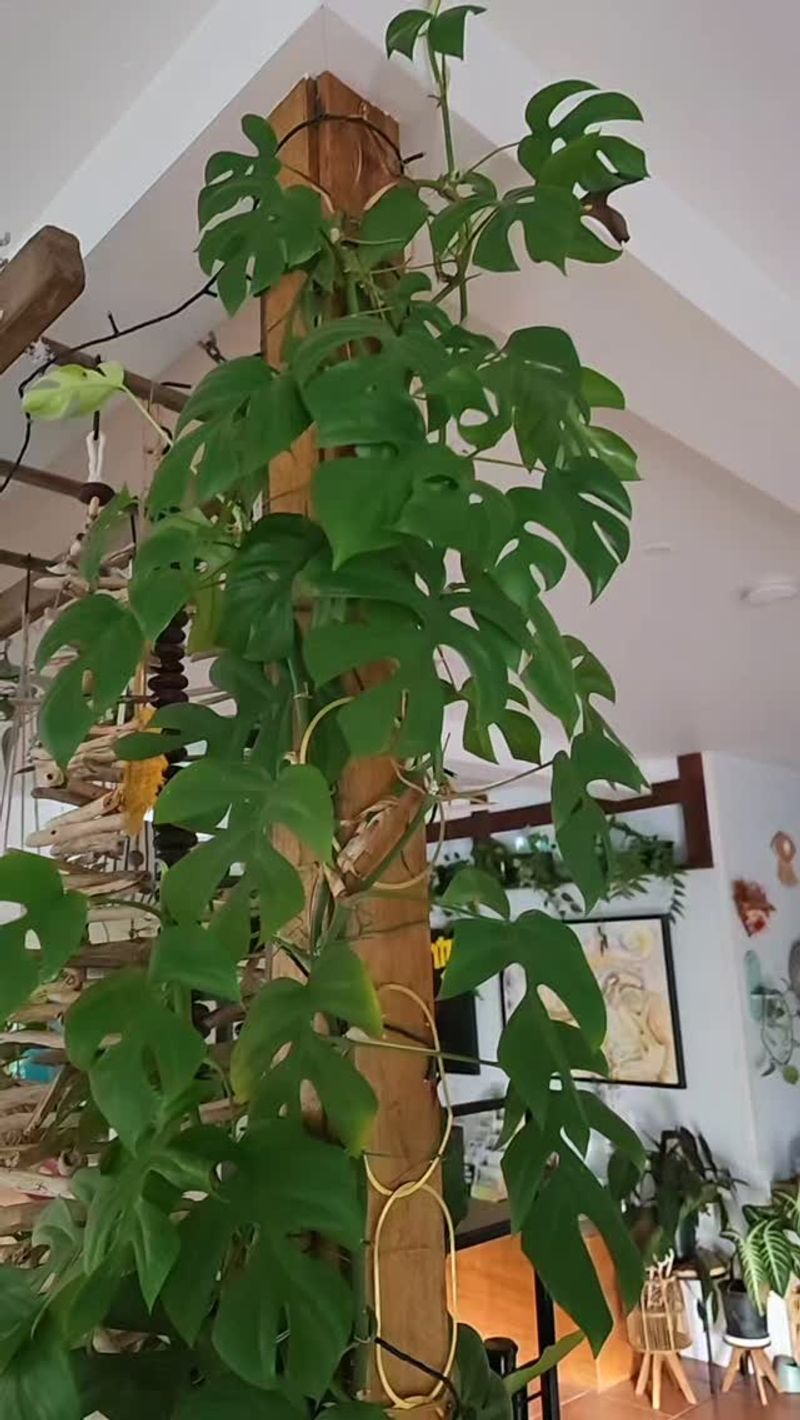
Philodendrons are beloved for their lush greenery and ease of care. With heart-shaped leaves, they can climb or trail elegantly.
They thrive in indirect sunlight, making them perfect companions for indoor spaces with limited light.
A fascinating fact: The name Philodendron comes from Greek, meaning “tree hugger,” reflecting its natural climbing habit.
13. Rubber Plant
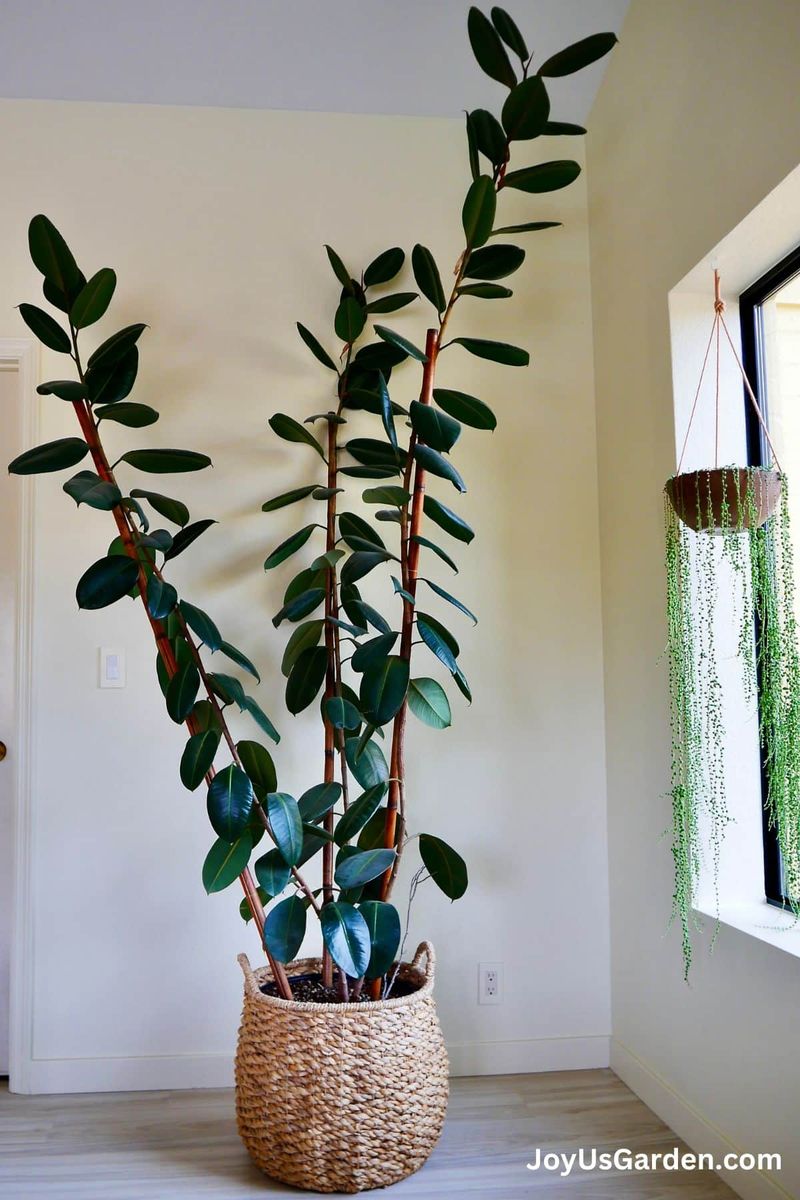
The rubber plant is a statement piece, with its broad, glossy leaves that can easily become the focal point of any room. It prefers indirect sunlight and minimal watering.
Its elegant appearance adds a touch of modernity to traditional settings.
Did you know? Its sap was once used to produce rubber, adding a unique twist to its ornamental appeal.
14. Dracaena
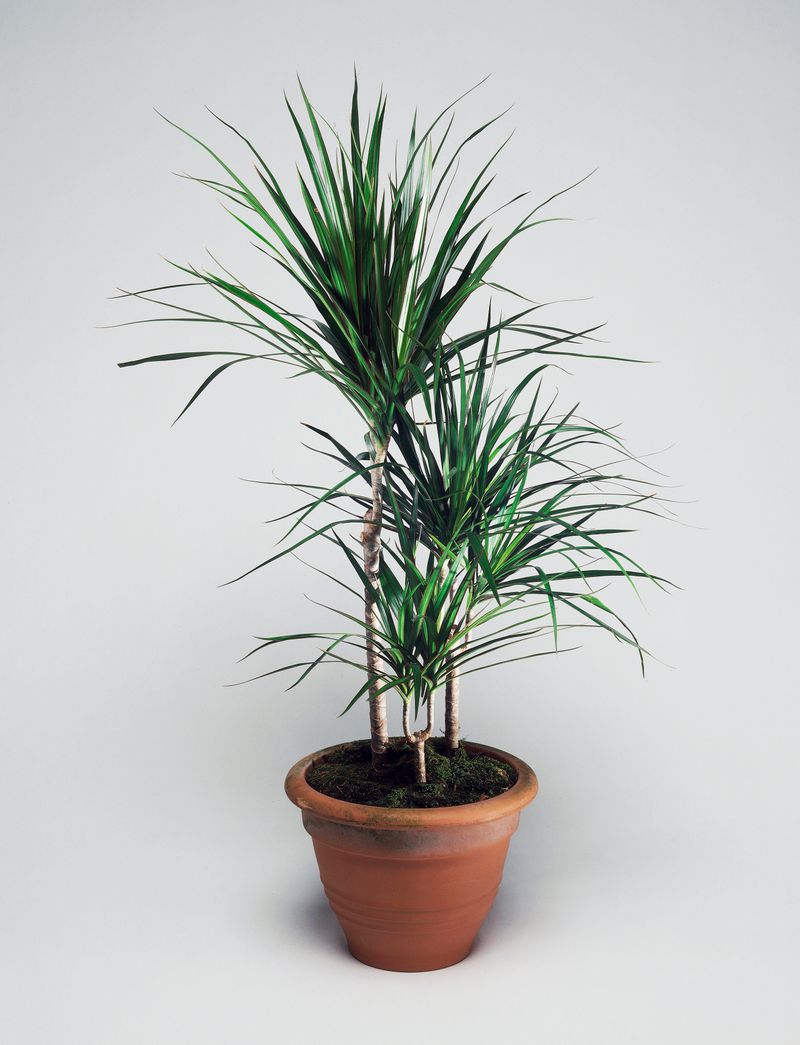
Dracaena plants are perfect for adding height and drama to any space with their spiky, variegated leaves. They thrive in low to moderate light conditions.
Their modern appearance suits contemporary interiors.
An interesting note: Dracaena is derived from the Greek word for dragon, referring to the red resin called “dragon’s blood” that some species produce, adding a mythical allure.
15. Bird’s Nest Fern
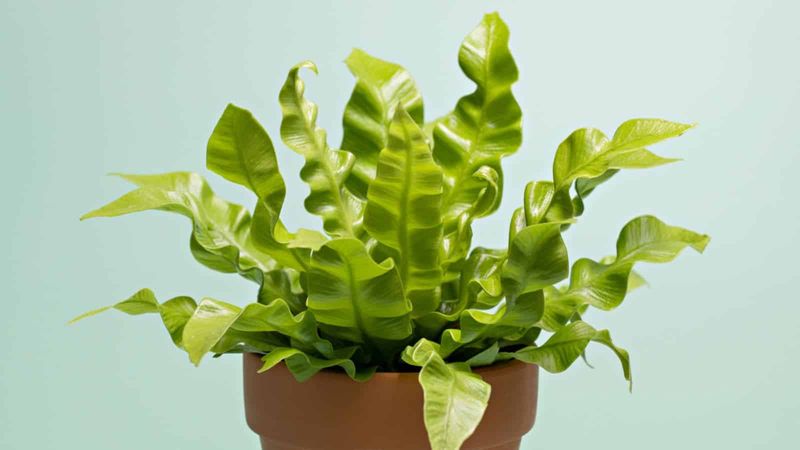
The bird’s nest fern stands out with its wide, wavy fronds that resemble a bird’s nest. It flourishes in indirect light and high humidity.
This unique fern adds a playful touch to any room.
Did you know? Its fronds unfurl from the center, creating a nest-like appearance, which is both enchanting and intriguing.
16. Calathea
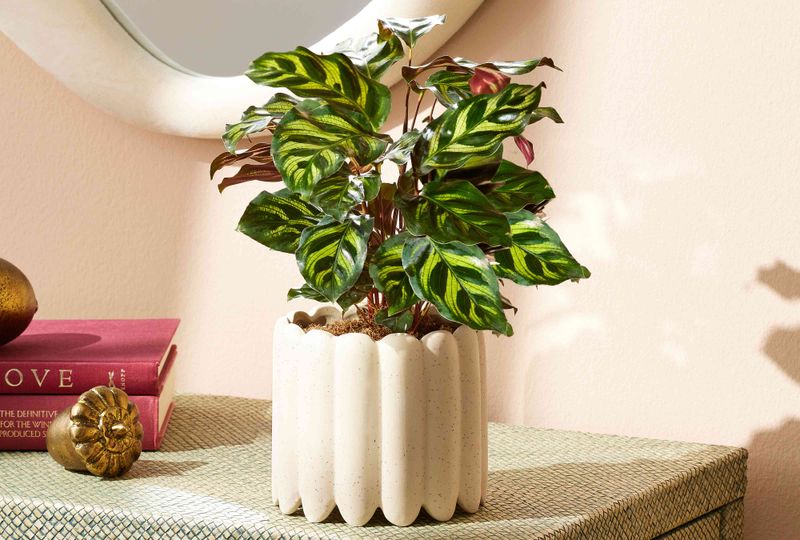
Calatheas are show-stoppers with their intricately patterned leaves that seem to dance in the light. They thrive in low light and high humidity, making them perfect for bathrooms.
Their dynamic foliage adds movement and life to any space.
Fun fact: Calatheas close their leaves at night and open them in the morning, a phenomenon known as nyctinasty, adding a dynamic touch to your decor.
17. Fittonia
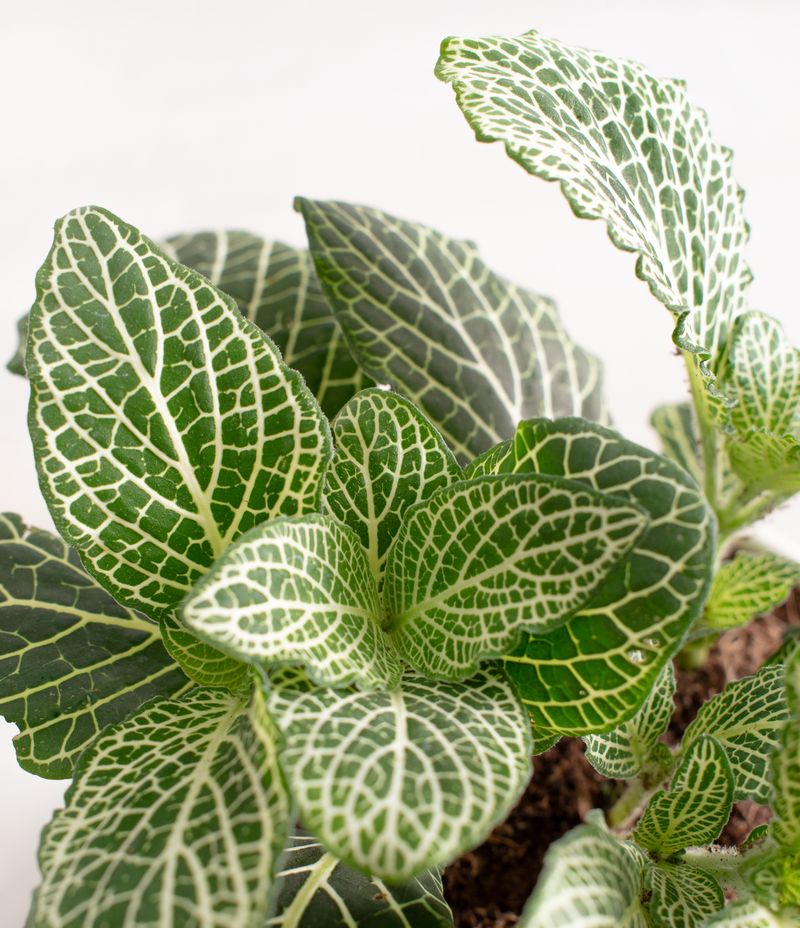
Fittonia, or nerve plant, is admired for its striking leaf patterns of vibrant veins across deep green foliage. It thrives in low light and high humidity.
This small but impactful plant is perfect for adding color to shaded spots.
A quirky fact: It’s called the nerve plant because of the vein-like patterns that crisscross its leaves, adding a touch of whimsy and intrigue.
18. Kentia Palm
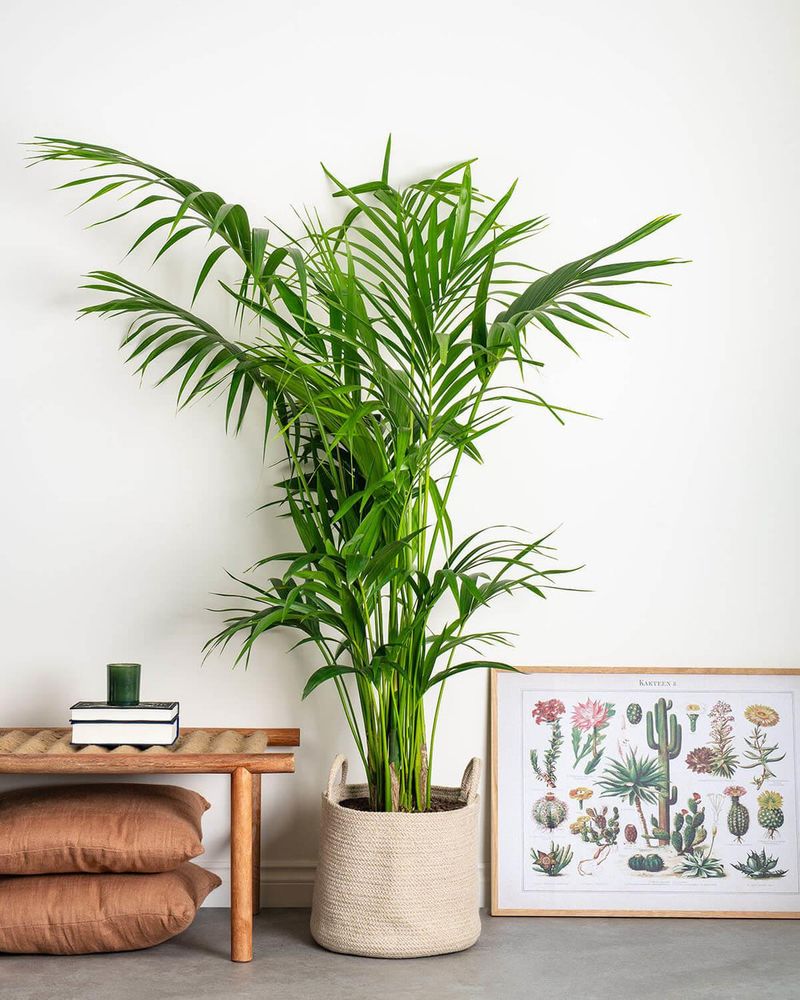
Kentia palms bring a touch of tropical elegance to any space with their feathery fronds and tall stature. They thrive in low light and are remarkably resilient.
This stately plant adds sophistication to both modern and traditional interiors.
Did you know? The Kentia palm was a favorite of Queen Victoria, adding a royal touch to your home decor.
19. Fiddle Leaf Fig
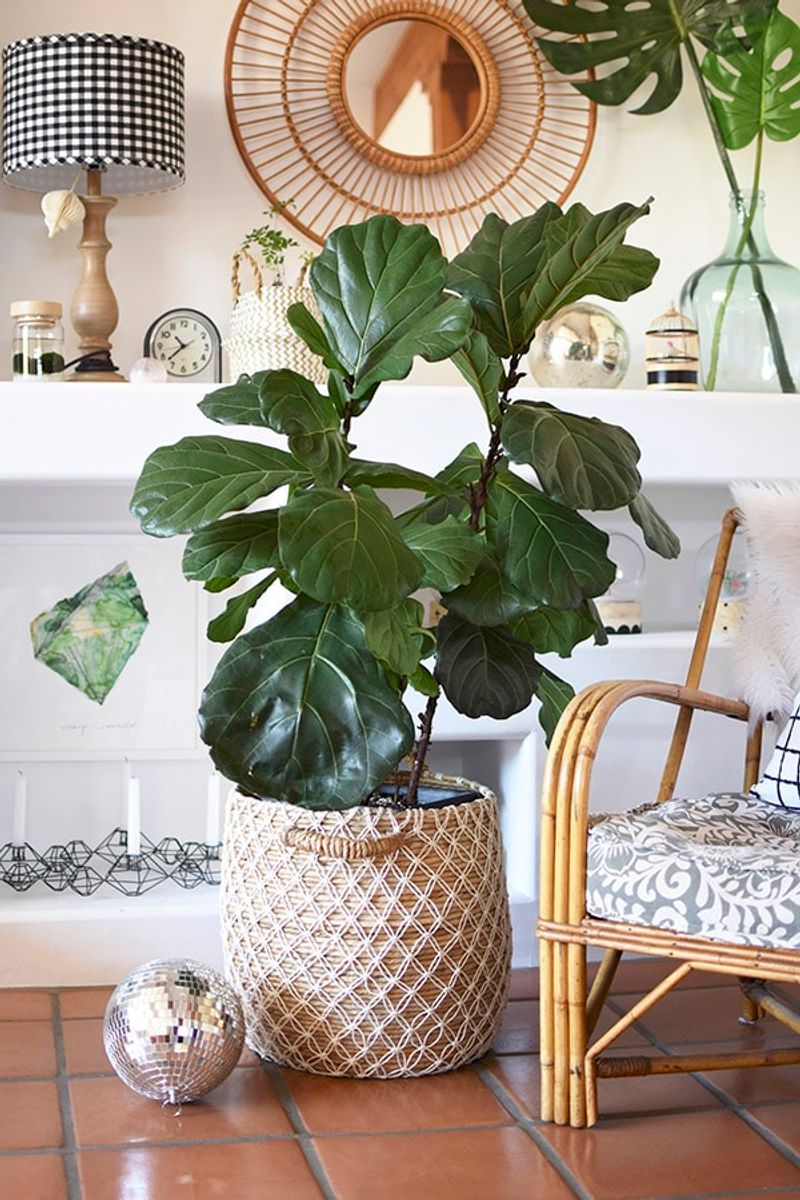
Fiddle leaf figs are adored for their large, glossy leaves that can add drama to any room. They thrive in bright, indirect light and need careful watering.
Their bold foliage makes them a favorite among interior designers.
Fun fact: The name derives from the leaf shape, which resembles a fiddle, adding a musical note to its visual appeal.
20. Monstera
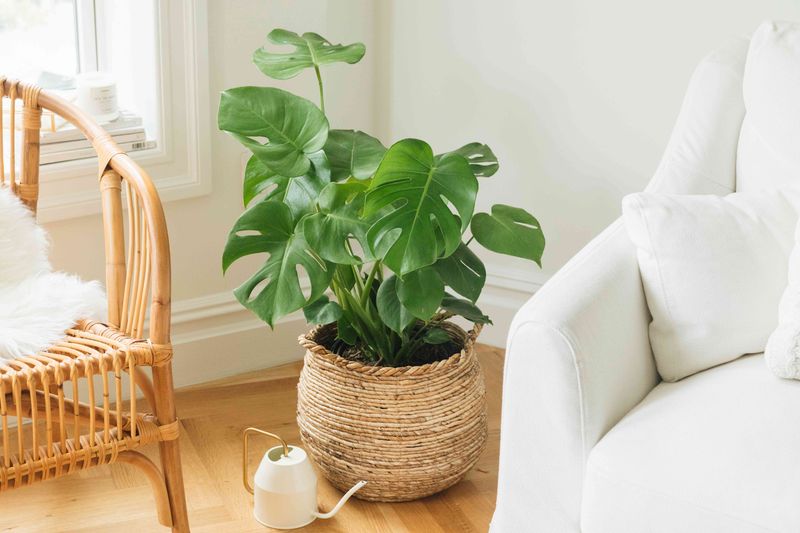
Monstera plants, known for their iconic split leaves, add an exotic touch to indoor spaces. They thrive in bright, indirect light and enjoy a bit of humidity.
Their dramatic appearance makes them a focal point in any room.
Fun fact: Also called the Swiss cheese plant, its unique leaf holes bring an artistic and playful vibe to your decor.