 Complete Gardening
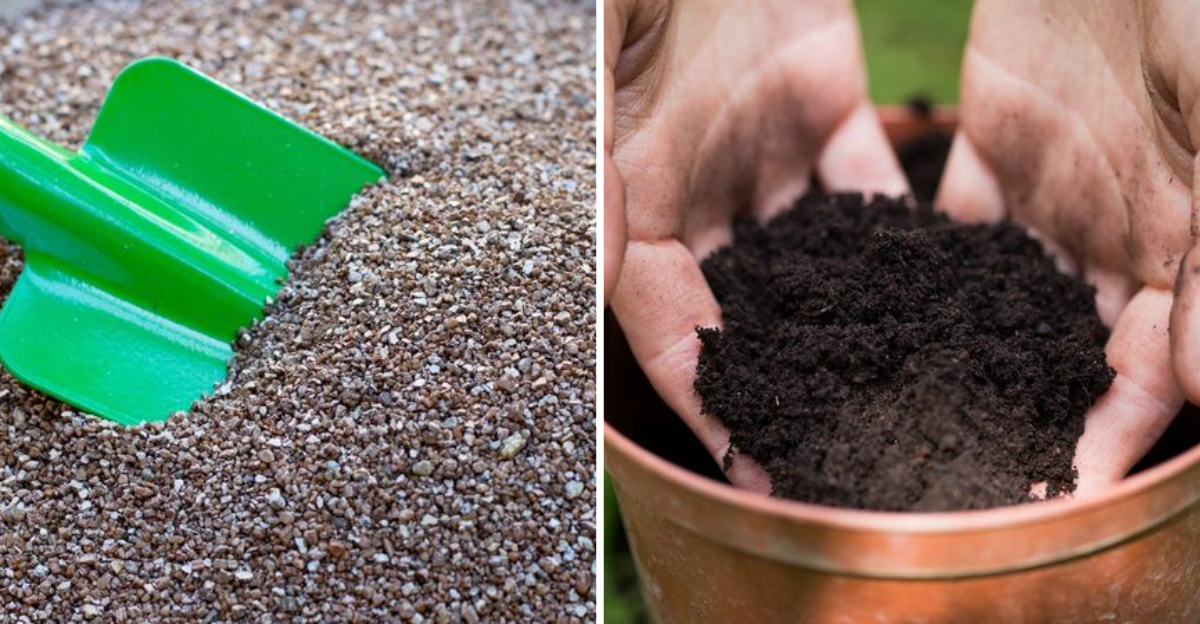
Container gardening offers a flexible and rewarding way to grow plants in limited spaces. Selecting the right soil mix is crucial for healthy plant growth, ensuring adequate drainage, aeration, and nutrient supply. This guide explores the best soil mixes for container gardening, each uniquely suited to different plant needs and environmental conditions. Whether you’re growing herbs on an apartment balcony or flowers in a backyard garden, these soil mixes will help your plants thrive.
Peat-Based Mix
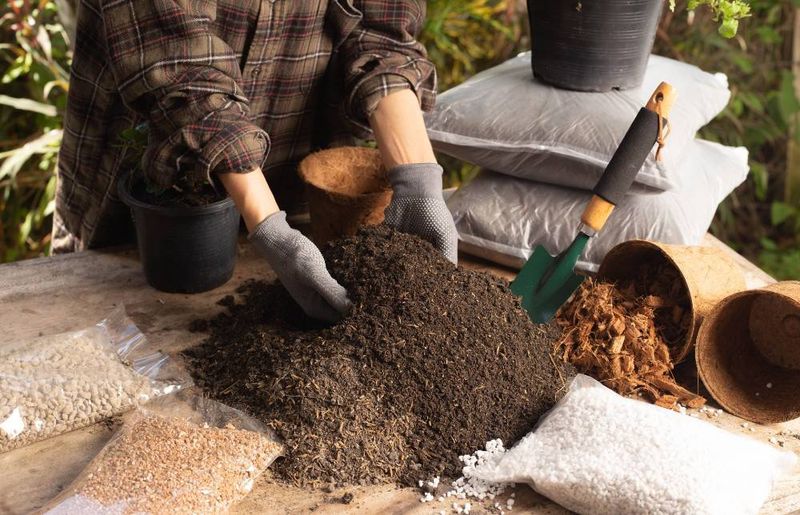
Peat-based soil mixes are preferred for their lightweight nature and excellent water retention. They provide roots with ample space to grow and breathe. These mixes usually include a combination of peat moss, pine bark, and perlite. This blend ensures plants receive enough moisture without becoming waterlogged. The airy texture also allows for easy root penetration, fostering strong, healthy growth. Despite peat moss’s declining popularity due to environmental concerns, it remains a top choice for container gardening. Alternatively, coco coir can serve as a sustainable substitute, maintaining similar properties without ecological drawbacks.
Cactus Mix
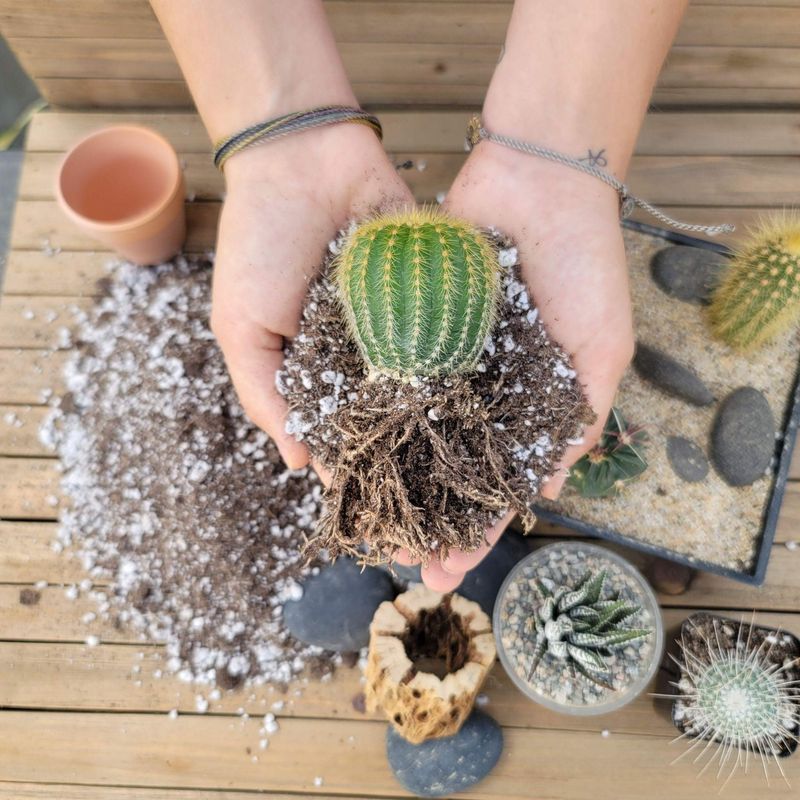
Ideal for succulents and cacti, cactus mixes provide excellent drainage, preventing root rot. They contain sand, perlite, and small gravel, creating a gritty texture that mimics desert soils. This composition allows water to flow quickly, ensuring roots dry out between waterings. The mix’s fast-draining nature reduces the risk of overwatering, a common issue with succulents. Adding coarse sand or pumice can further enhance drainage. Perfect for those craving a low-maintenance yet rewarding plant experience. Whether you’re a seasoned gardener or a beginner, cactus mix offers the ideal environment for desert plants.
Compost-Enriched Mix
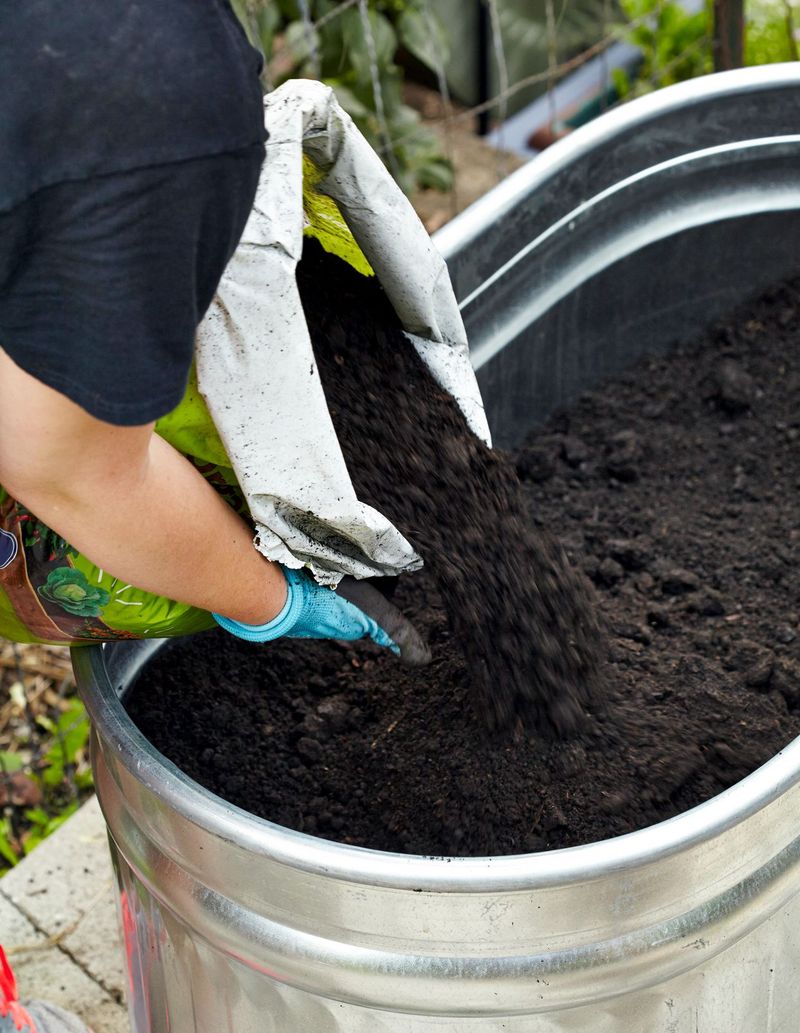
Adding compost to your container soil mix boosts nutrient content, promoting vigorous plant growth. Rich in organic matter, compost enhances soil structure and fertility. Mixing compost with loamy soil creates an environment teeming with beneficial microbes. These organisms break down organic material, releasing nutrients over time. This results in healthier plants with lush foliage and abundant blooms. Compost-enriched mixes are ideal for vegetables and flowering plants, offering a sustainable way to nourish your garden. An excellent choice for eco-conscious gardeners aiming to reduce waste and enrich their soil naturally.
Perlite-Based Mix
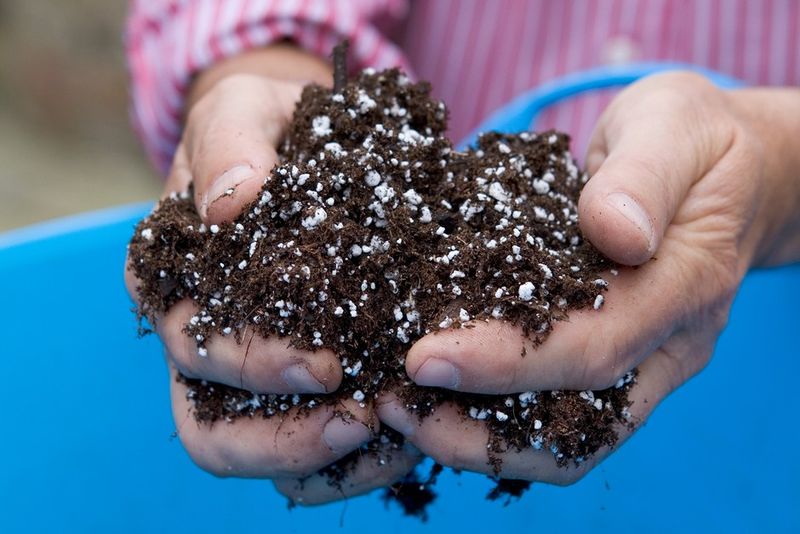
Perlite-based mixes are known for their superior drainage and aeration qualities. Perlite, a volcanic glass, is lightweight and porous, enabling air to reach plant roots effectively. This prevents soil compaction, ensuring roots have room to expand. Such mixes are ideal for plants sensitive to overwatering, like ferns and orchids. The addition of organic matter, such as peat or coir, can enhance nutrient content, supporting plant health. Gardeners seeking an airy, well-draining soil mix will find perlite-based options excellent for maintaining vibrant, thriving plants.
Vermiculite Mix
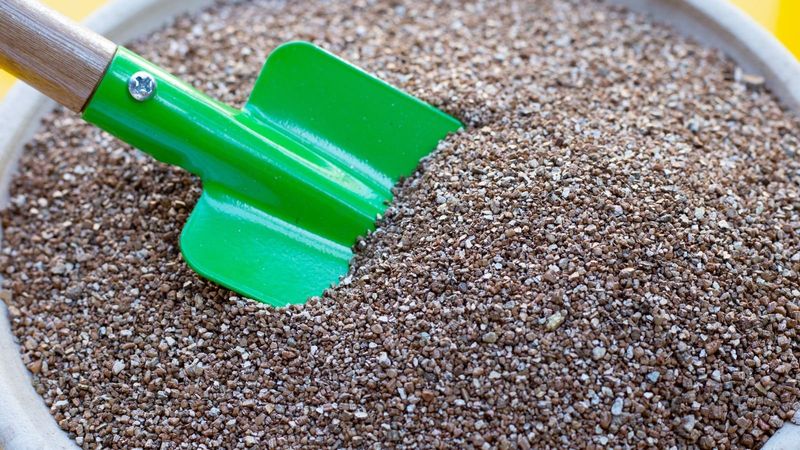
Vermiculite mixes are prized for their moisture retention and aeration properties. Vermiculite, a mineral, expands when heated, creating a spongy, absorbent material. Blending vermiculite with soil improves water retention, making it suitable for water-loving plants. This quality ensures that plants receive consistent moisture, reducing the frequency of watering. The mix also provides essential minerals like magnesium and calcium to support plant health. Ideal for a variety of container plants, vermiculite mixes offer a balanced growing medium for both novice and expert gardeners alike, catering to diverse horticultural needs.
Coconut Coir Mix
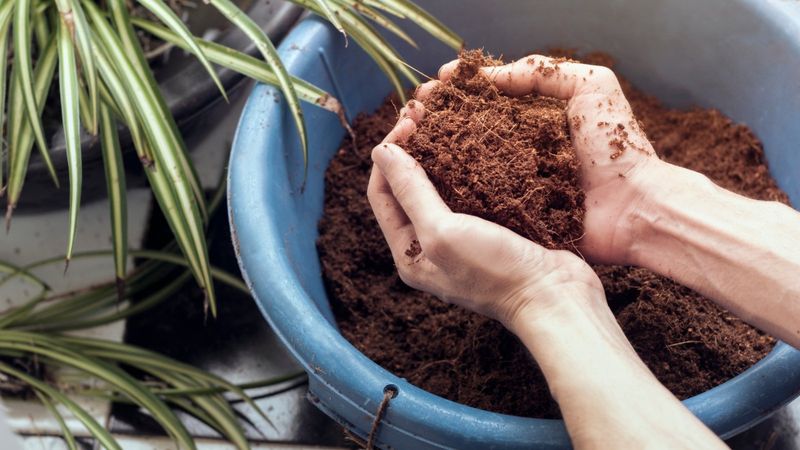
Coconut coir, a byproduct of coconut fiber processing, is an excellent alternative to peat. It retains moisture well and provides good aeration.
This sustainable option is pH neutral, making it suitable for a variety of plants. Its fibrous structure helps prevent soil compaction, ensuring roots have easy access to nutrients.
Originally used in hydroponic systems, coconut coir has gained popularity among traditional gardeners. Did you know? Coconut coir is often used in erosion control and as a growing medium for mushrooms.
Charcoal-Enhanced Mix
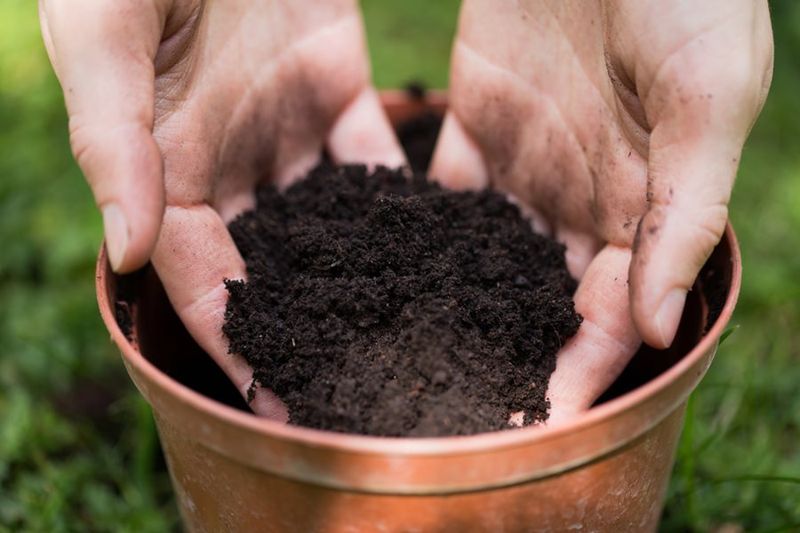
Adding charcoal to your soil mix can improve drainage and nutrient retention. It acts like a sponge, absorbing excess moisture and then slowly releasing it.
This makes it particularly useful for plants that prefer drier soil conditions. Charcoal also helps to neutralize soil toxins, promoting healthier plant growth.
Used for centuries in agriculture, charcoal is a trusted method for enriching soil. Fun Fact: The ancient Amazonian tribes used a similar technique, known as terra preta, to improve soil fertility.
Pine Bark Blend
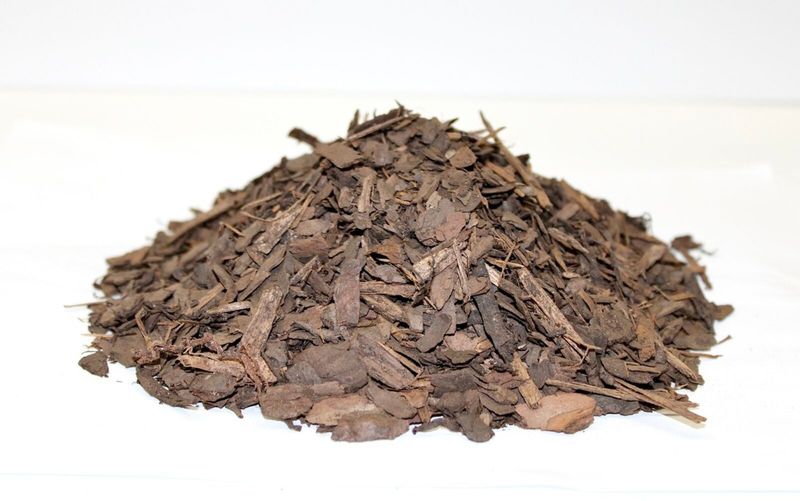
Pine bark blends offer excellent aeration and drainage, making them ideal for container gardening. The bark’s texture prevents the soil from becoming too compacted.
Its natural acidity is perfect for acid-loving plants, such as blueberries and azaleas. Additionally, pine bark is a renewable resource, making it an eco-friendly choice.
Many gardeners appreciate its rustic look and earthy scent. Interesting Fact: Pine bark has been used in gardening since the 1800s as a mulch and soil conditioner.
Rice Hulls Soil Mix
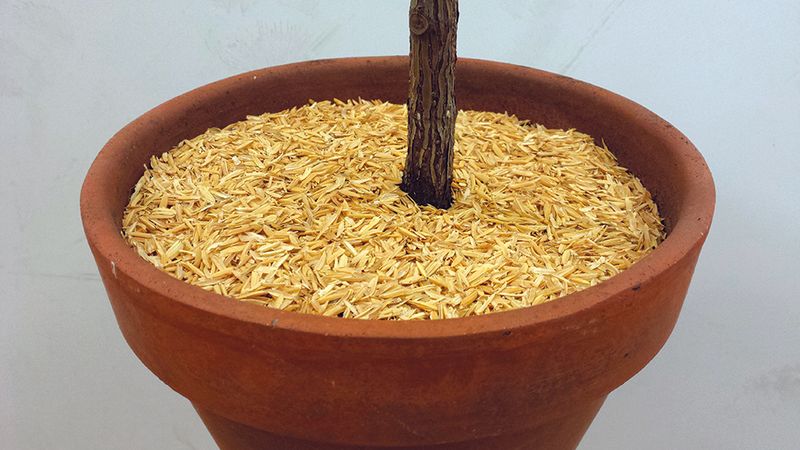
Rice hulls are a byproduct of rice milling, offering a sustainable option for soil mixes. They improve aeration and water drainage while being lightweight.
Rice hulls break down slowly, adding organic material to the soil over time. This makes them a perfect addition to container gardens.
They are especially favored in regions where rice is a staple crop. Did you know? Rice hulls can also be used as an alternative to perlite in soil mixes, providing similar benefits at a lower cost.
Sand and Peat-Free Mix
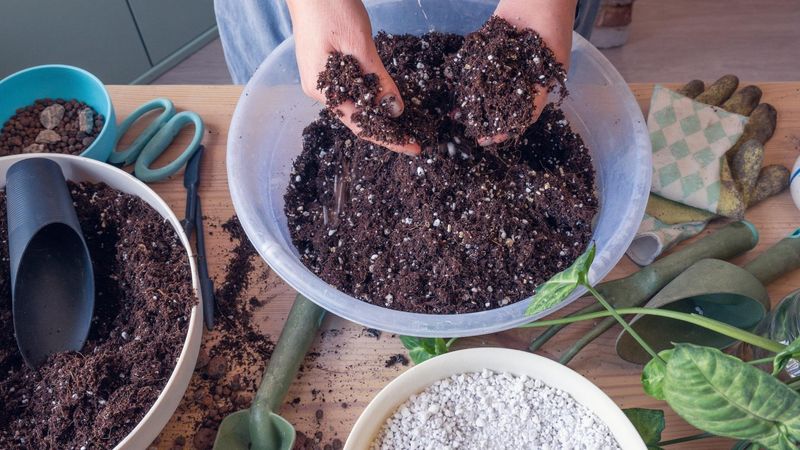
For those seeking a peat-free option, a sand-based mix can be effective. Sand improves drainage and prevents soil from becoming waterlogged.
Combined with organic matter like compost, this mix supports a wide range of plant species. Its gritty texture is ideal for succulents and cacti.
This mix reflects a growing trend towards sustainable gardening practices. Fun Fact: Sand has been used in gardening since ancient times, notably in Egyptian gardens, to improve soil drainage.
Biochar-Rich Mix
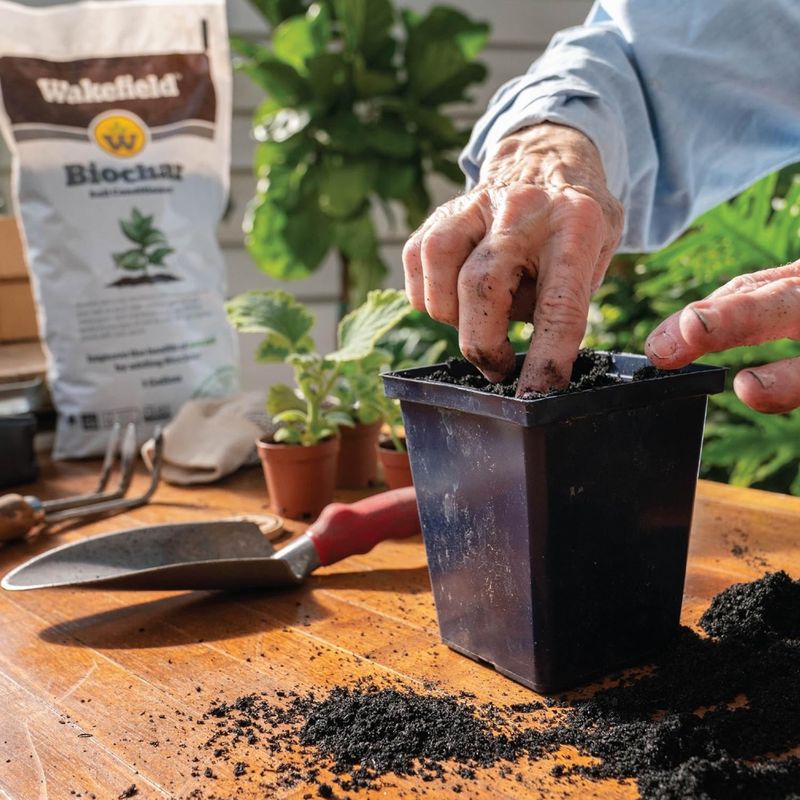
Biochar, a form of charcoal, enhances soil fertility and structure. It increases nutrient retention and promotes beneficial microbial activity.
This makes it a popular choice for organic gardeners. Biochar is known for its long-lasting effects, remaining active in soil for years.
Its production involves pyrolysis of organic materials, a process with a low carbon footprint. Interesting Tidbit: Biochar was inspired by the fertile Amazonian soils, where it naturally occurs.
Sawdust Enriched Mix
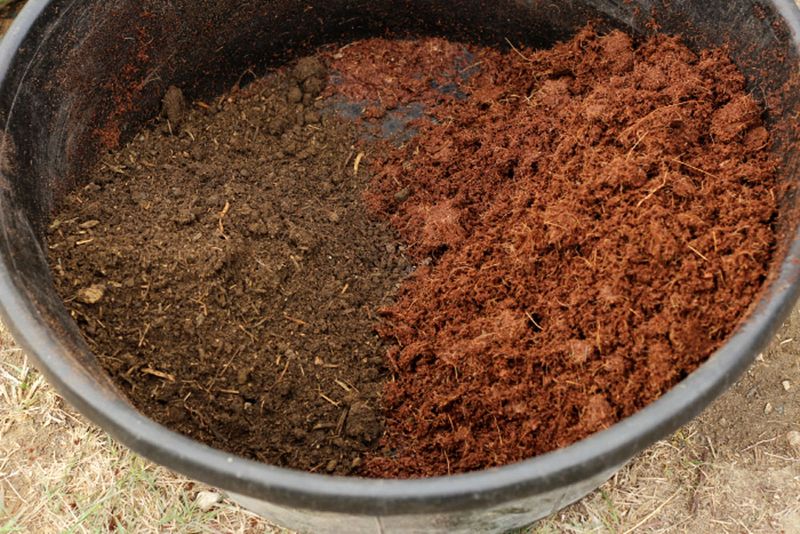
Sawdust, when properly composted, adds organic matter to soil mixes. It improves aeration and water retention, benefiting plant roots.
Paired with nitrogen-rich materials, it becomes an effective medium for growth. Using sawdust is a great way to recycle waste from wood processing industries.
Gardeners often use it for mulching and as a soil conditioner. Did you know? Composting sawdust requires careful balancing of carbon and nitrogen to avoid nutrient robbing.
Coco Loco Potting Mix
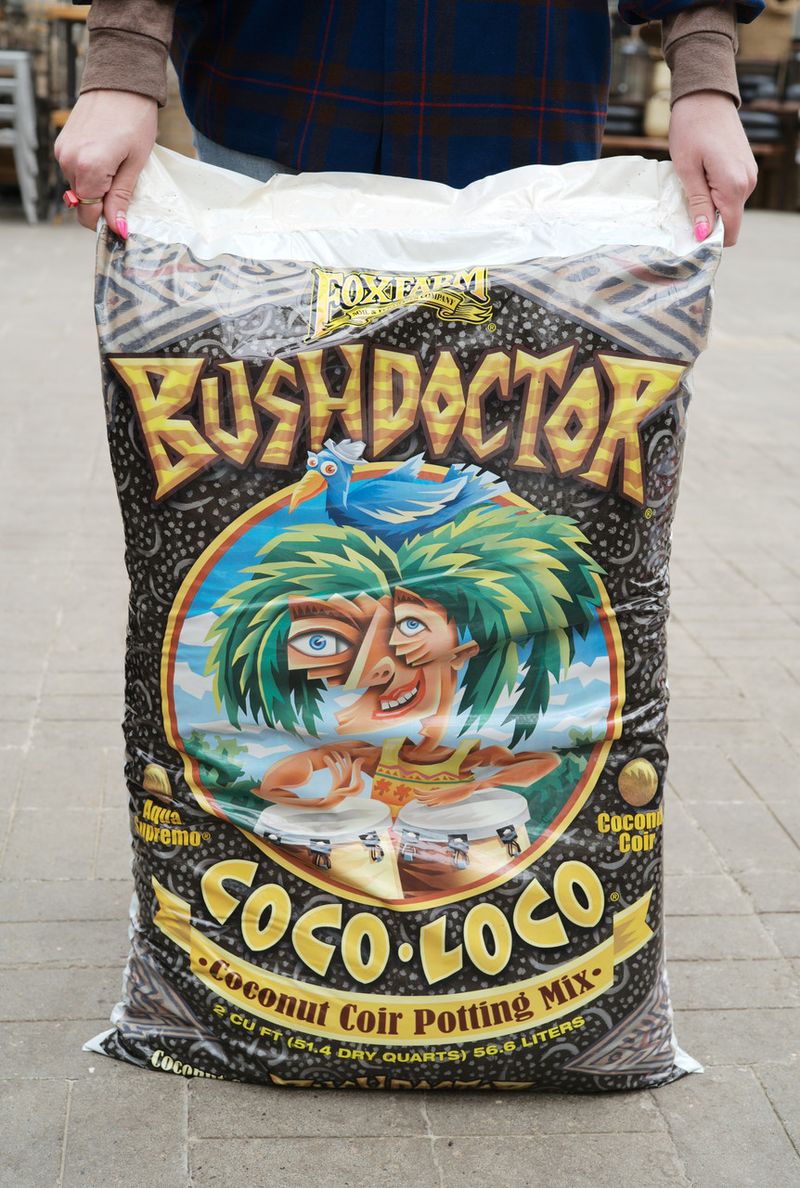
Coco Loco, a branded potting mix, is celebrated for its exceptional moisture management. Combining coconut coir, perlite, and aged forest products, it supports optimal plant health.
This mix is particularly advantageous for water-sensitive plants, preventing both under and over-watering.
Its unique composition delivers balanced nutrition and pH levels. Fun Fact: “Coco Loco” translates to “Crazy Coconut,” highlighting its unconventional use of coconut coir.
Expanded Clay Aggregate Mix
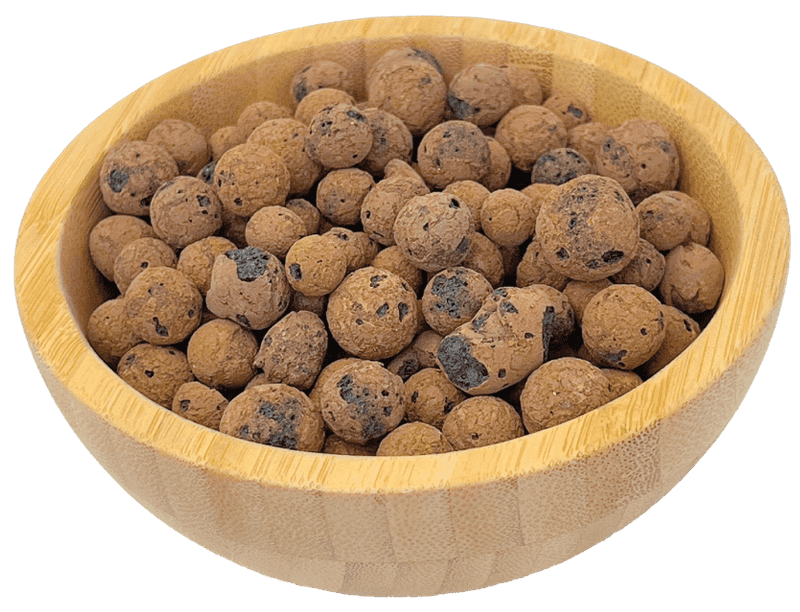
Expanded clay aggregates, or clay pebbles, offer superior aeration and drainage. They are especially popular in hydroponics but also benefit traditional container gardens.
Their porous nature absorbs and slowly releases water, preventing root rot. This mix is ideal for orchids and other epiphytes needing excellent airflow.
The aggregates are reusable and environmentally friendly. Interesting Fact: Expanded clay was first used in construction before its benefits for gardening were realized.
Sphagnum Moss Blend
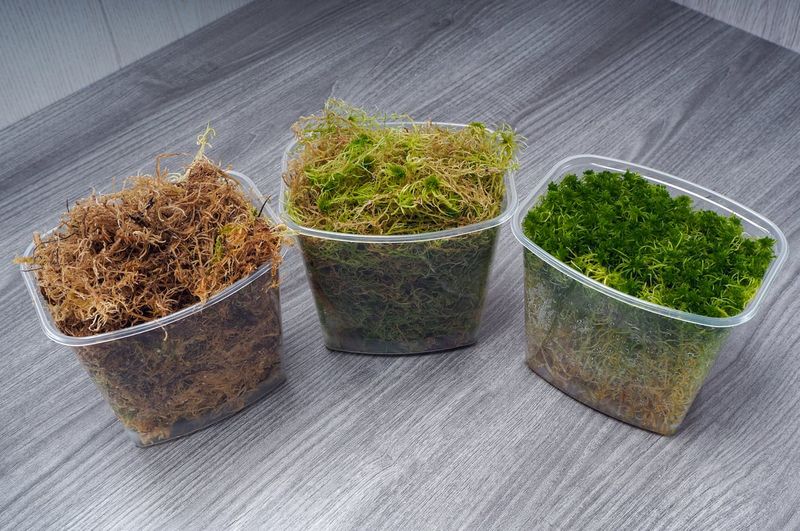
Sphagnum moss is cherished for its moisture retention and lightweight properties. It’s a perfect addition to soil mixes for water-loving plants.
This blend provides excellent aeration and is often used for growing orchids and carnivorous plants. Sphagnum moss is a renewable resource, harvested sustainably in many regions.
Its natural antibacterial properties make it a favorite among organic gardeners. Fun Fact: Sphagnum moss has been used historically as wound dressing due to its absorbent qualities.