 Complete Gardening
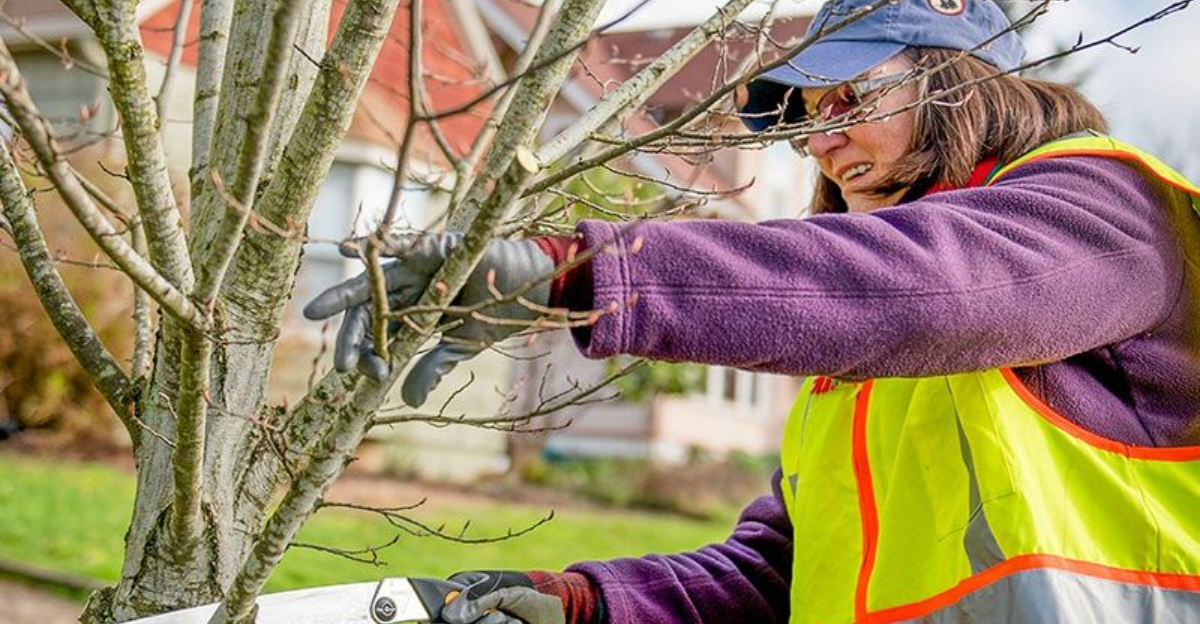
Proper pruning timing can make the difference between healthy, thriving plants and struggling ones in Washington’s unique climate. Getting the timing right helps your trees and shrubs recover quickly while avoiding disease and pest problems. Washington’s mild, wet winters and dry summers create specific windows when pruning works best for different plant types.
1. Late Winter Pruning for Deciduous Trees
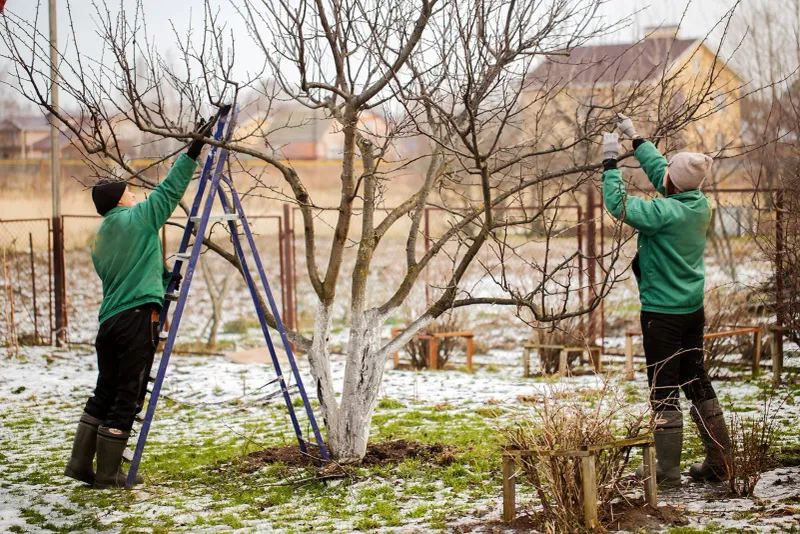
February through early March offers the perfect window for most deciduous trees. During dormancy, trees store energy in their roots and won’t waste resources healing cuts.
Maple, oak, and fruit trees respond beautifully to late winter pruning. You can easily see the tree’s structure without leaves blocking your view.
Cold weather also means fewer insects and disease spores that could infect fresh cuts.
2. Spring Flowering Shrub Timing
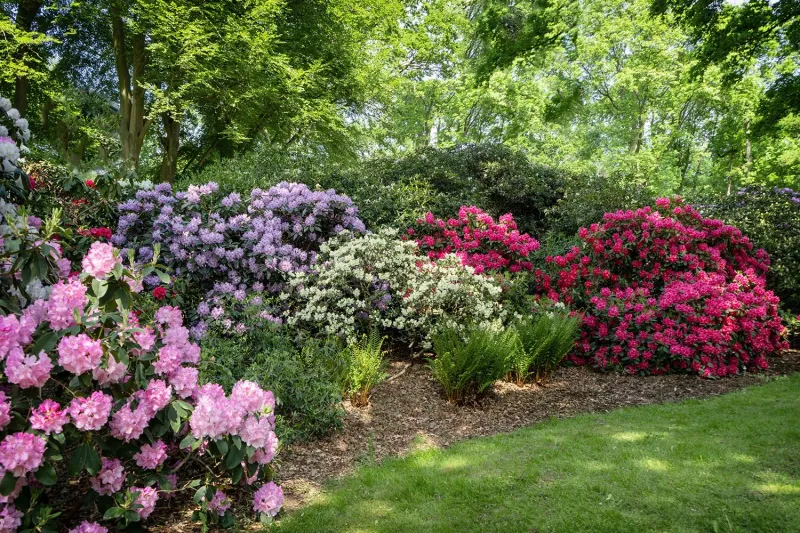
Rhododendrons, azaleas, and camellias need special attention after their spring show ends. Pruning immediately after flowering gives them maximum time to develop next year’s buds.
Wait too long, and you’ll accidentally remove future flowers. These popular Washington plants set their buds by midsummer.
June becomes your deadline for most spring bloomers to ensure abundant flowers next season.
3. Summer Pruning for Evergreen Conifers
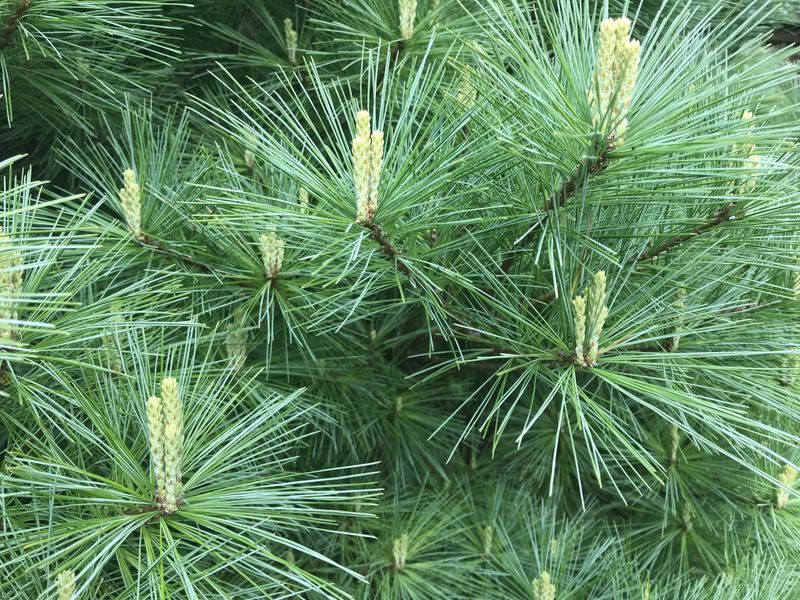
Pine, fir, and spruce trees handle summer pruning surprisingly well in Washington’s climate. July through August allows you to shape these trees while they’re actively growing.
Fresh cuts heal faster during active growth periods. You can also control size more effectively by pruning new growth.
Avoid pruning conifers during wet winter months when fungal diseases spread easily through the humid air.
4. Fall Pruning Restrictions and Exceptions
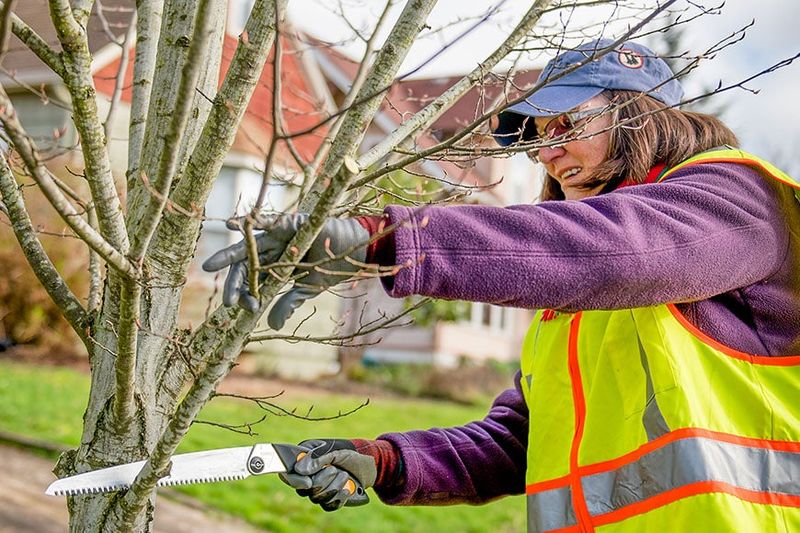
Most trees and shrubs should avoid fall pruning in Washington’s wet climate. Fresh cuts become infection sites when autumn rains arrive early.
However, removing dead, diseased, or damaged branches remains important year-round. Safety always trumps seasonal timing rules.
Emergency storm damage cleanup can’t wait for perfect timing, but healthy plant pruning should wait until winter dormancy begins.
5. Fruit Tree Pruning Schedule
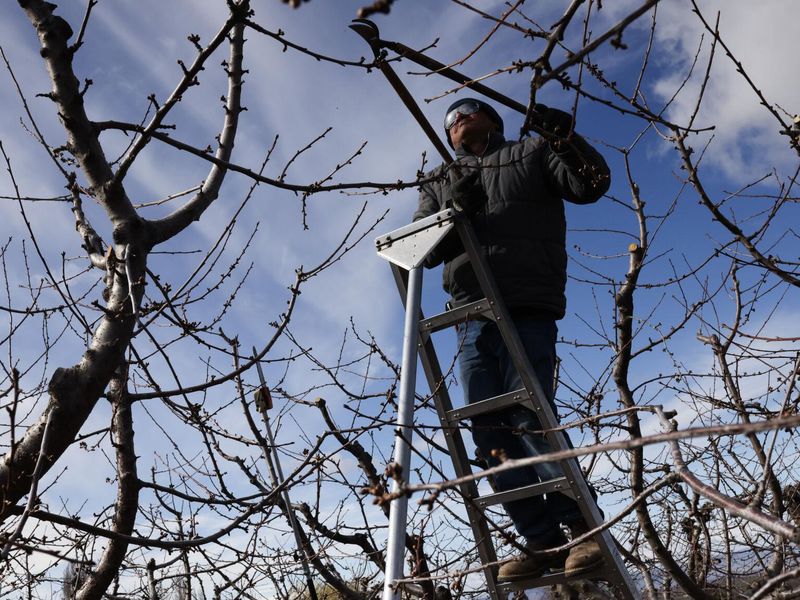
Apple, pear, and cherry trees thrive with January through February pruning in Washington. Dormant season pruning encourages strong growth and better fruit production.
Stone fruits like peaches prefer slightly later timing to avoid disease issues. March pruning works better for these sensitive trees.
Summer pruning can also help control vigorous growth and improve fruit quality on established trees.
6. Rose Pruning in the Pacific Northwest
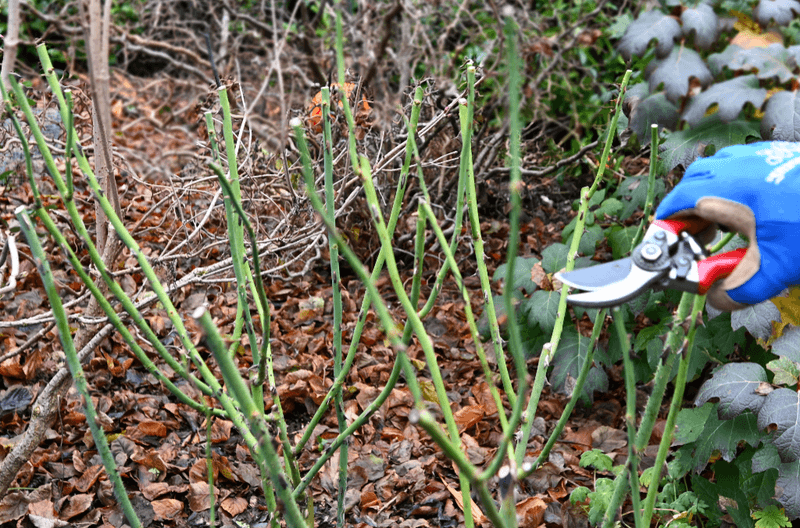
Washington roses need February through early March attention for best results. Late winter pruning removes winter damage while encouraging strong spring growth.
Hybrid teas benefit from aggressive pruning, while climbing roses need gentler treatment. Remove about one-third of the previous year’s growth.
Timing matters because roses break dormancy earlier in Washington’s mild climate than in harsher regions.
7. Hedge Maintenance Throughout the Year
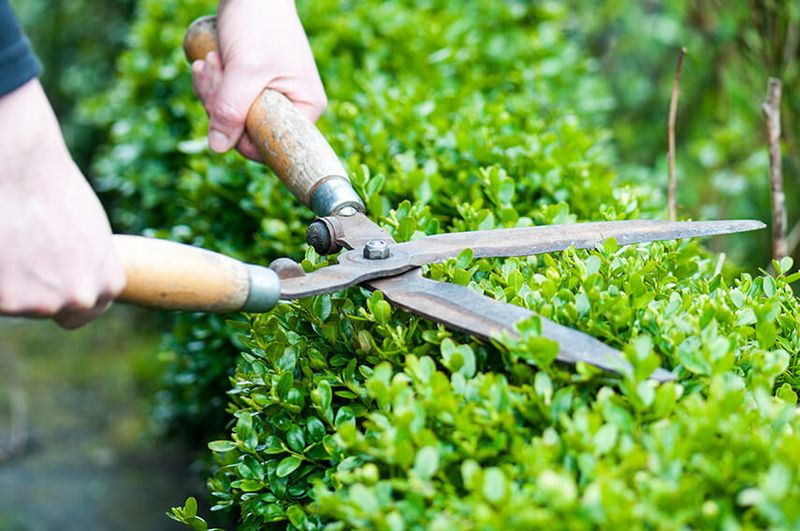
Formal hedges need multiple pruning sessions for crisp appearance. Start light shaping in late spring after initial growth flush completes.
Summer touch-ups keep hedges neat during growing season. Laurel, boxwood, and privet hedges respond well to regular maintenance.
Stop pruning hedges by late August to allow plants to harden off before winter weather arrives in Washington.
8. Weather Considerations for Pruning Success
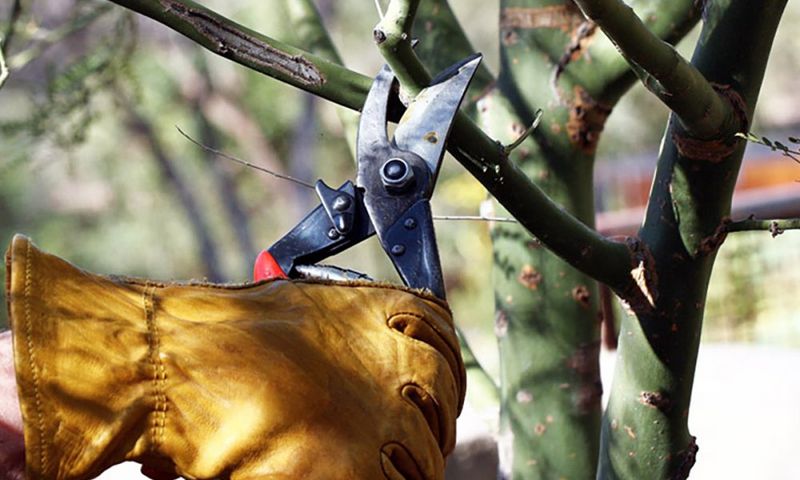
Washington’s unpredictable weather patterns require flexible pruning schedules. Avoid pruning during extended wet periods when disease spreads rapidly.
Choose dry days with mild temperatures for best healing conditions. Extreme cold or heat stress plants and slow wound healing.
Watch weather forecasts and postpone pruning if heavy rains or freezing temperatures are predicted within several days of your planned work.