 Complete Gardening
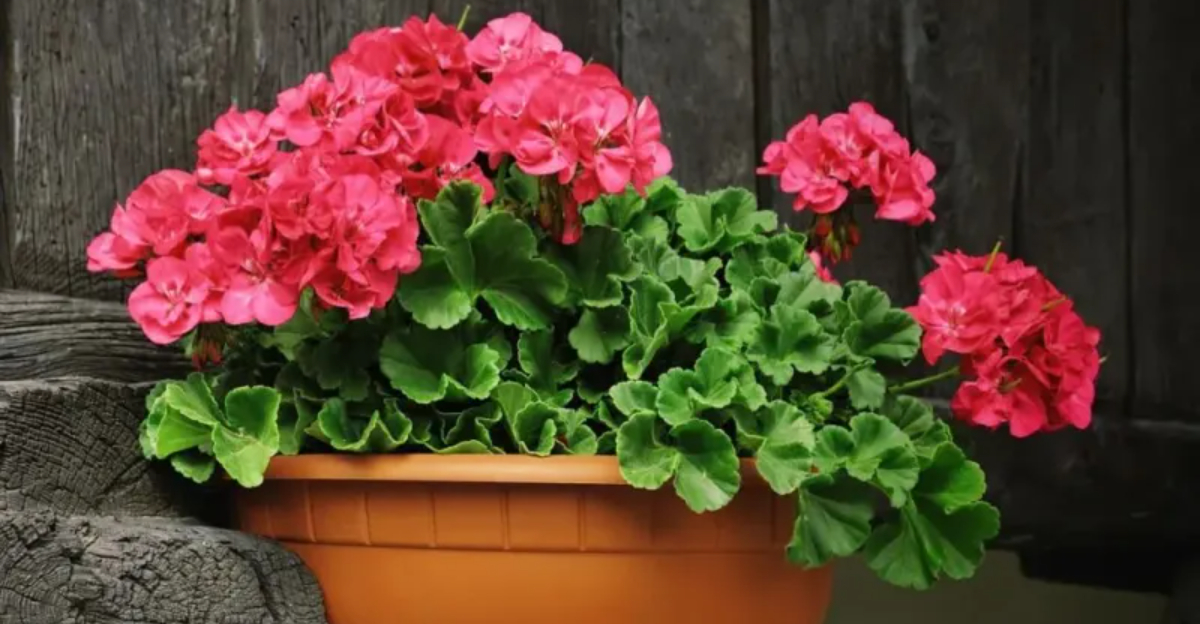
Potted geraniums add vibrant splashes of color to patios and windowsills, but they need proper nutrition to keep blooming their best.
These container plants can’t forage for nutrients like garden-grown varieties, making regular fertilizing essential for those picture-perfect blooms.
Whether your geraniums are looking a bit pale or you simply want to maximize their flowering potential, these fertilizing tips will transform your potted beauties into the showstoppers they’re meant to be.
1. Choose the Perfect Plant Food Formula
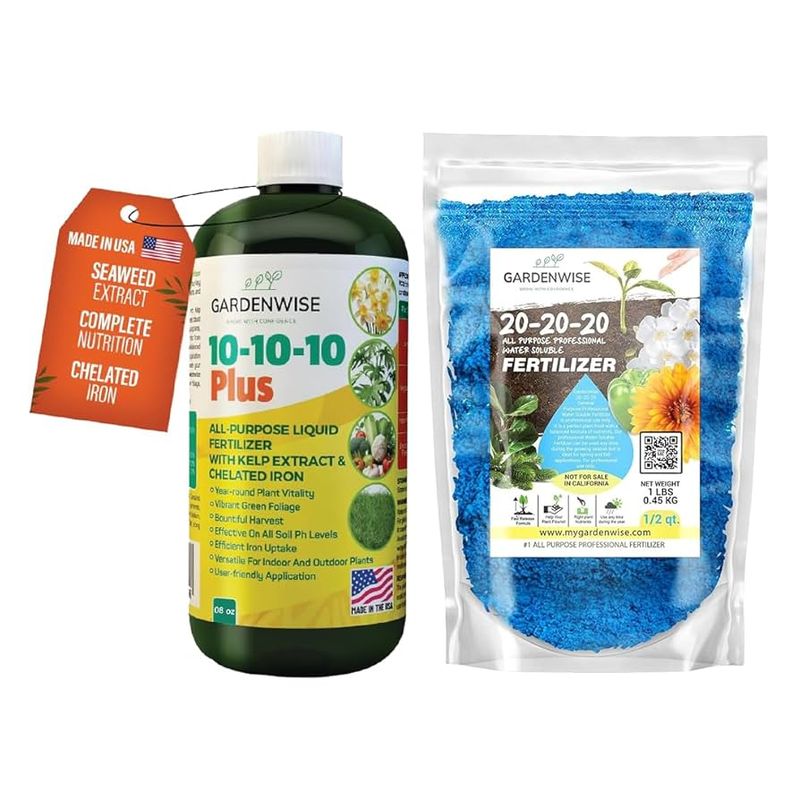
Geraniums thrive when fed with balanced fertilizers that provide equal parts nitrogen, phosphorus, and potassium (like 10-10-10 or 20-20-20). These all-purpose formulas support overall plant health while encouraging steady blooming.
For spectacular flower production, phosphorus-rich formulas marked 15-30-15 work wonders, directing the plant’s energy toward blossom development rather than excessive leaf growth. Many gardeners notice visible improvements within days of switching to these bloom-boosting blends.
Always check that your chosen fertilizer includes micronutrients like iron and magnesium for that extra boost of plant vitality. Water-soluble options dissolve completely, preventing nutrient lockout that can occur with cheaper fertilizers.
2. Maintain a Regular Feeding Schedule
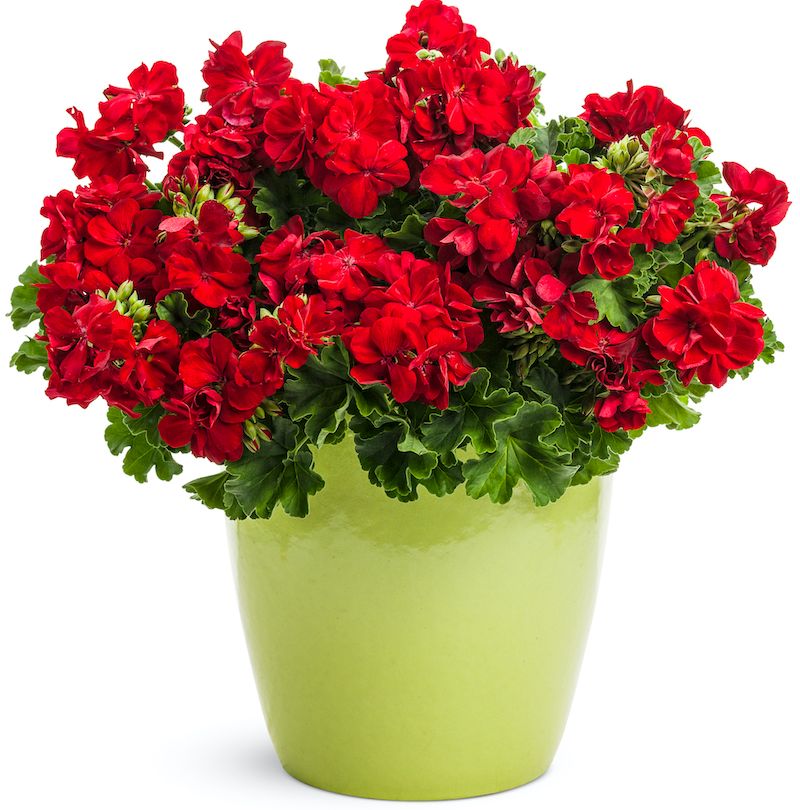
Unlike their in-ground cousins, potted geraniums can’t stretch their roots to find nutrients, making consistent feeding crucial. During active growth from spring through late summer, a biweekly feeding schedule keeps them flourishing with minimal effort.
Mark your calendar or set phone reminders for fertilizing days to establish a routine. Your geraniums will reward this consistency with continuous blooms rather than sporadic flowering cycles that often result from irregular feeding.
The feeding frequency should match your plant’s growth rate – more frequent during peak growing seasons, tapering off as days shorten. Most gardeners find that every 2-3 weeks hits the sweet spot for maintaining vibrant, healthy potted geraniums.
3. Master the Art of Proper Dilution
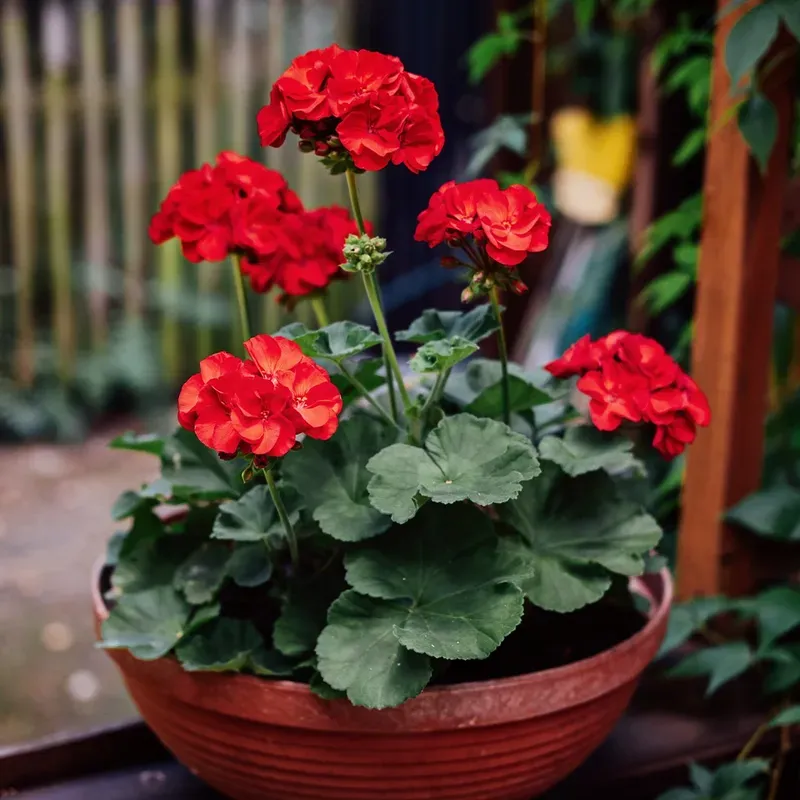
Fertilizer strength matters tremendously with container plants. The confined root system of potted geraniums makes them particularly vulnerable to fertilizer burn. Always measure precisely rather than eyeballing amounts – those measuring caps included with liquid fertilizers aren’t decorative!
Many gardeners mistakenly believe more fertilizer equals better results. In reality, using half the recommended strength but applying more frequently often produces healthier plants than occasional strong doses.
Yellow leaf edges, brown spots, or crispy foliage are telltale signs of fertilizer burn. If you notice these symptoms, flush the pot thoroughly with clean water and reduce your fertilizer concentration by half for the next few applications.
4. Hydrate First, Then Feed for Maximum Absorption
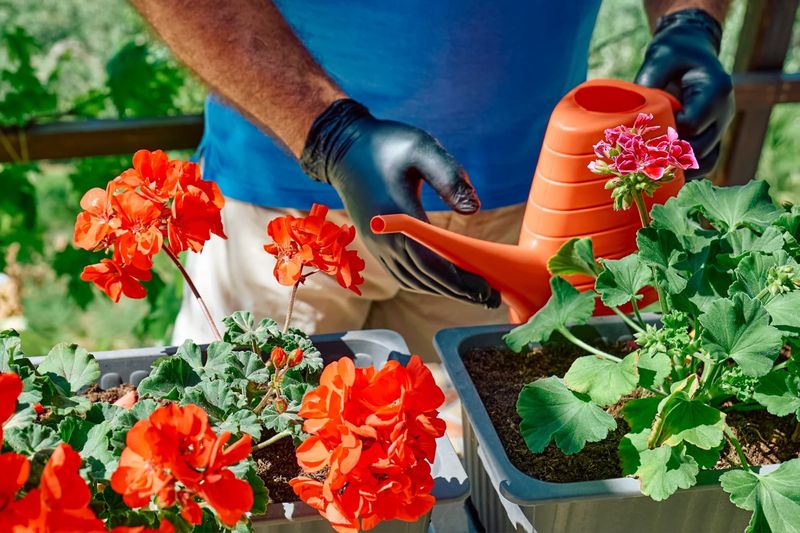
Fertilizing dry soil is like taking vitamins on an empty stomach – ineffective and potentially harmful. Always water your geraniums thoroughly before applying fertilizer to create the perfect environment for nutrient absorption.
Pre-watering activates beneficial soil microbes that help break down nutrients into forms your geraniums can readily use. This simple step prevents the concentrated fertilizer from making direct contact with delicate root hairs, which can cause burning even at recommended strengths.
For extremely dry pots, water twice – once to moisten the soil and again 15 minutes later to ensure thorough saturation before fertilizing. This extra step makes a noticeable difference in how quickly your geraniums respond to feeding.
5. Revive Tired Plants with Liquid Power Boosts
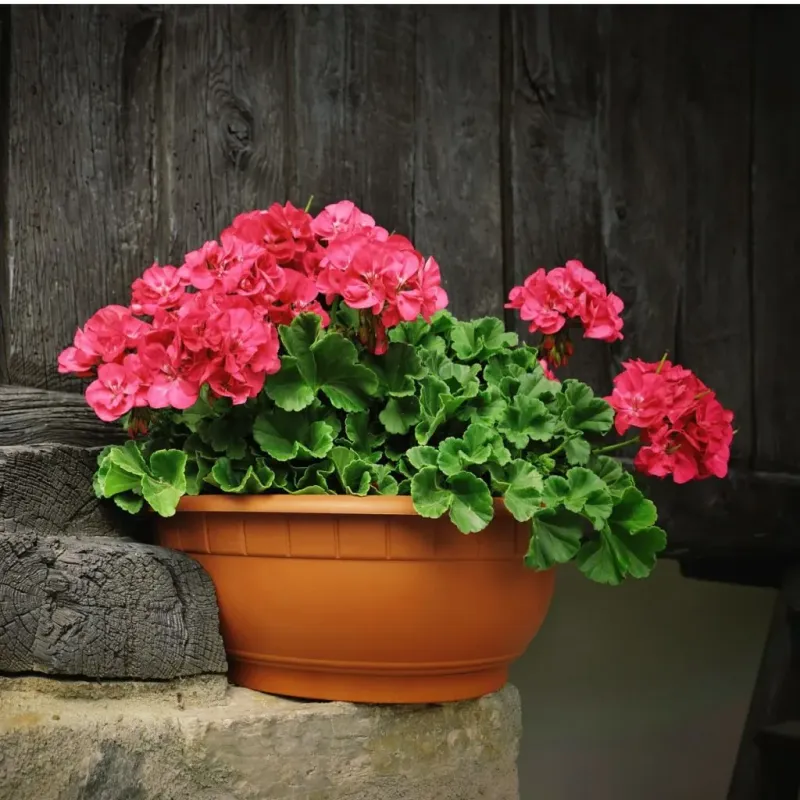
Liquid fertilizers deliver an immediate nutrient injection directly to your geranium’s root system. For plants showing signs of yellowing leaves or diminished flowering, liquid formulas can trigger visible improvement within days rather than weeks.
Foliar feeding – spraying diluted liquid fertilizer directly onto leaves – provides an additional boost during critical growth periods. Early morning application works best, allowing leaves to absorb nutrients before the hot midday sun potentially causes burn spots.
While granular slow-release fertilizers have their place in maintenance feeding, nothing beats the rapid response of liquid nutrition for geraniums needing a quick revival. Many experienced gardeners keep both types on hand, using liquid for immediate needs and slow-release for ongoing nutrition.
6. Adjust Feeding for Seasonal Changes
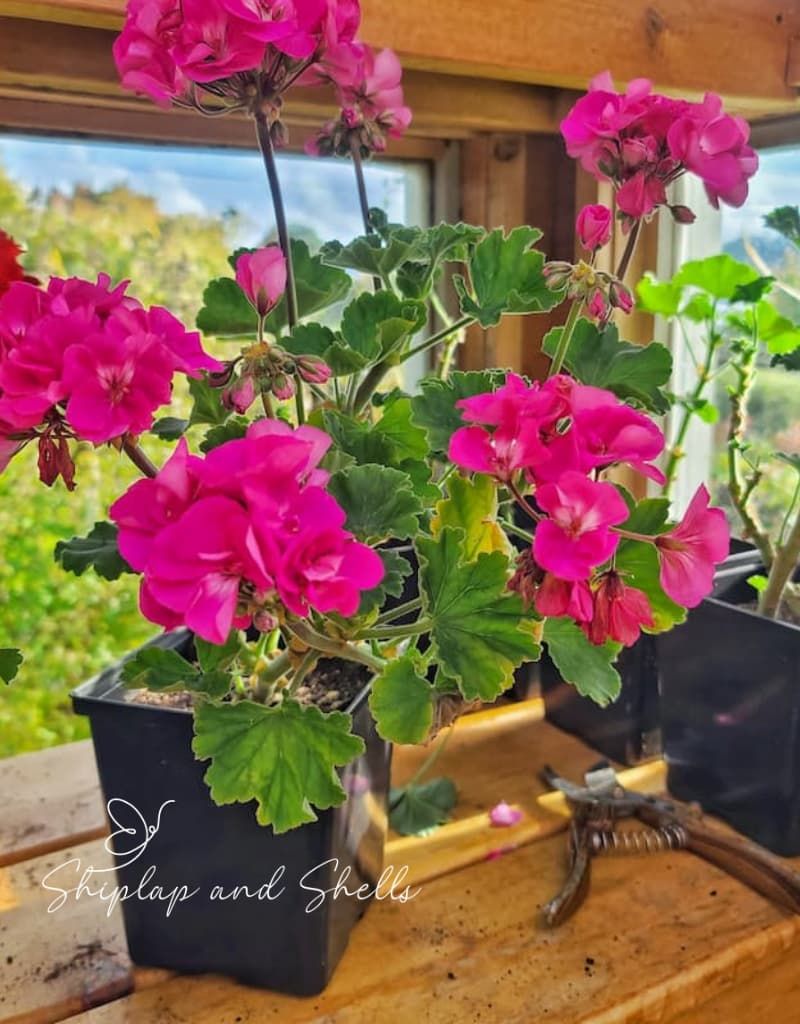
Geraniums’ nutritional needs shift dramatically with the seasons. As days shorten in fall, plants naturally slow their growth, requiring far less fertilizer. Continuing summer feeding schedules into fall forces unwanted growth that becomes leggy and weak.
For overwintered indoor geraniums, monthly feeding at half strength maintains plant health without stimulating the abundant growth that’s impossible to support in lower indoor light conditions. Some gardeners stop fertilizing entirely from November through February, allowing plants to enter a semi-dormant state.
Resume regular feeding two weeks before your last spring frost date to jumpstart growth for the new season. This timing gives plants a nutritional boost just as increasing daylight triggers their natural growth cycle.
7. Read Your Plant’s Nutritional Signals
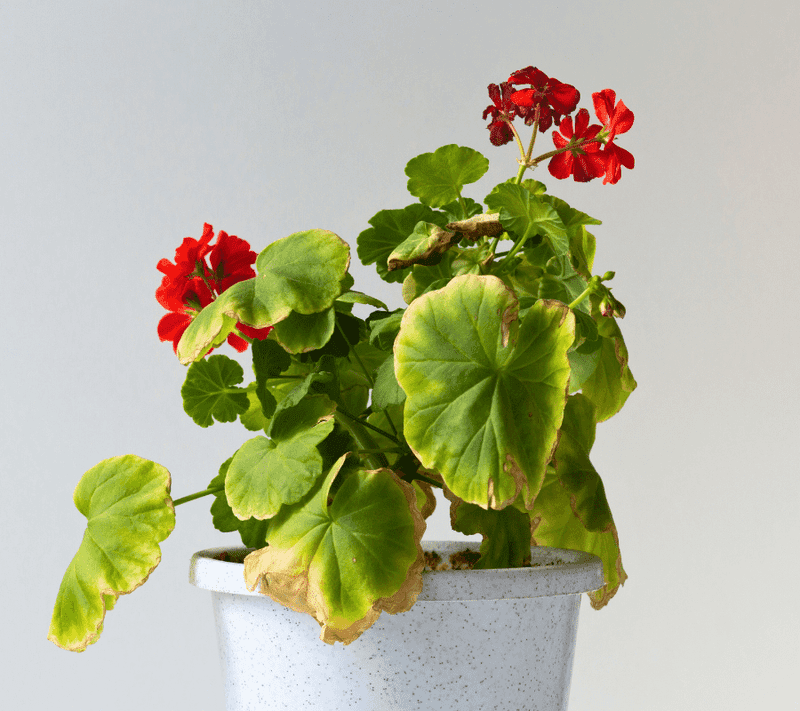
Geraniums communicate their nutritional status through visible cues. Pale yellow leaves typically indicate nitrogen deficiency, while purplish leaves often signal phosphorus shortage. Small, sparse flowers despite healthy foliage usually means the plant needs more phosphorus and potassium.
Brown leaf edges with yellowing between veins frequently points to fertilizer overdose. If this occurs, flush the pot thoroughly with clean water and hold off feeding for 2-3 weeks. Excessive fertilizer salts must leach away before resuming a gentler feeding program.
Healthy geraniums produce vibrant leaves with distinct veining and stems that stand upright without flopping. When your plants display these characteristics, you’ve found the perfect feeding balance – take notes on exactly what you’re doing right!
Bonus Tip: The Epsom Salt Secret Weapon
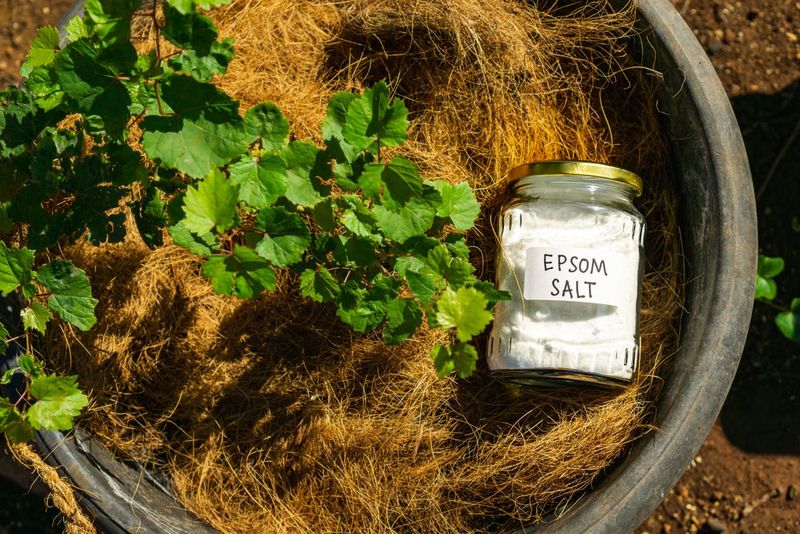
Professional gardeners have long relied on Epsom salts (magnesium sulfate) as their secret weapon for spectacular geraniums. This humble bathroom cabinet staple delivers magnesium – crucial for chlorophyll production and vibrant green foliage – that’s often missing from standard fertilizers.
Monthly applications at just one teaspoon per gallon of water prevent the common magnesium deficiency that causes lower leaves to yellow while veins remain green. Unlike harsh chemical supplements, Epsom salts work gently without risk of plant damage when used correctly.
Beyond greener foliage, many gardeners report stronger stems and more prolific flowering after implementing regular Epsom salt treatments. This affordable supplement costs pennies per application yet delivers results comparable to expensive specialty fertilizers.