 Complete Gardening
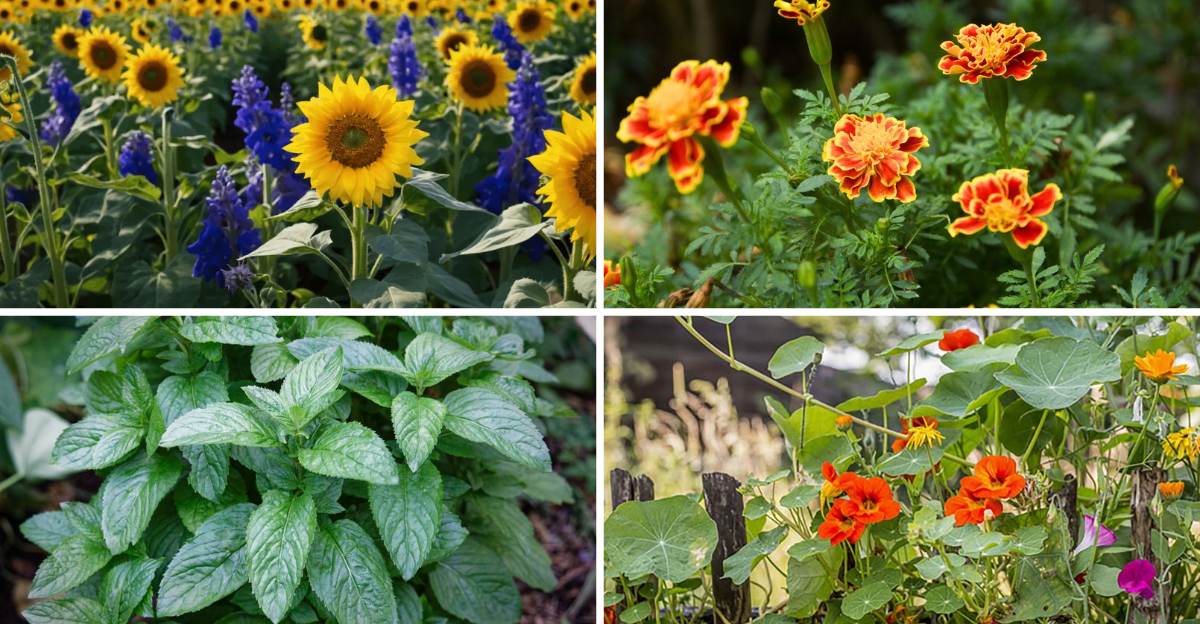
Have you ever wondered what would happen if you surrendered control to your garden, letting it dictate where everything should be planted? That’s precisely what I did, embarking on a whimsical journey that turned my garden into a vibrant tapestry of colors, textures, and surprises. Join me as I recount the unique experience of letting nature take the lead, resulting in a garden unlike any other.
The Confident Sunflower
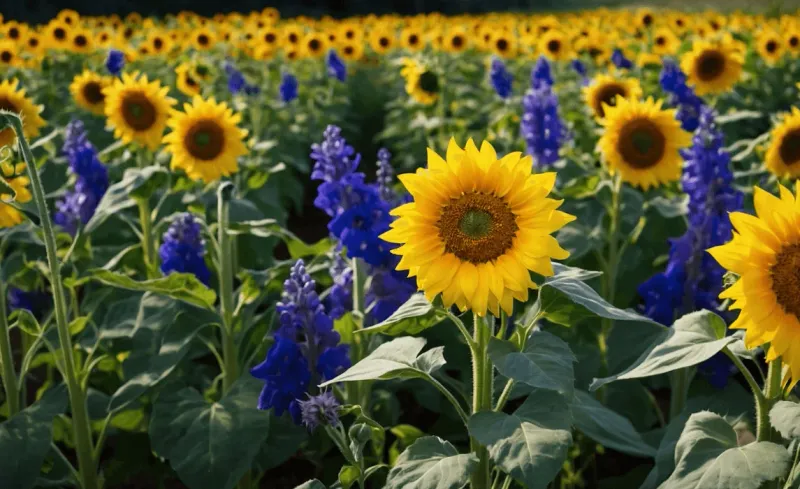
Standing tall with undeniable presence, the sunflower became the undisputed leader. Its height and boldness made it the perfect centerpiece. The sunflower’s golden petals drew the eye, commanding attention from every corner. In the garden’s chaos, it seemed to know exactly where it belonged, asserting its dominance with grace.
It was as if the sunflower whispered to the other plants, guiding them to their rightful spots. Sunflowers have a unique ability to follow the sun, a trait that added a dynamic element to the garden’s design. Truly, a natural leader.
The Adventurous Mint
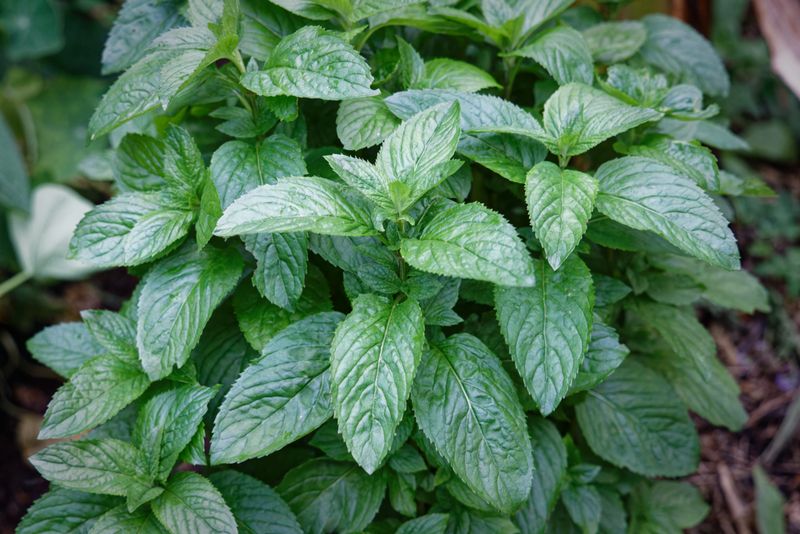
Mint, with its adventurous spirit, seemed determined to explore every inch. It was not content to stay in one spot, spreading its leaves far and wide. The mint’s tenacity was both a blessing and a challenge, creating unexpected pathways through the garden.
Its cooling fragrance added a refreshing note, enticing both humans and insects. A garden wanderer, mint’s unpredictable journey became a delightful puzzle to solve. Who knew mint could have such personality? Its presence was a reminder of nature’s unpredictability and charm.
The Shy Lavender
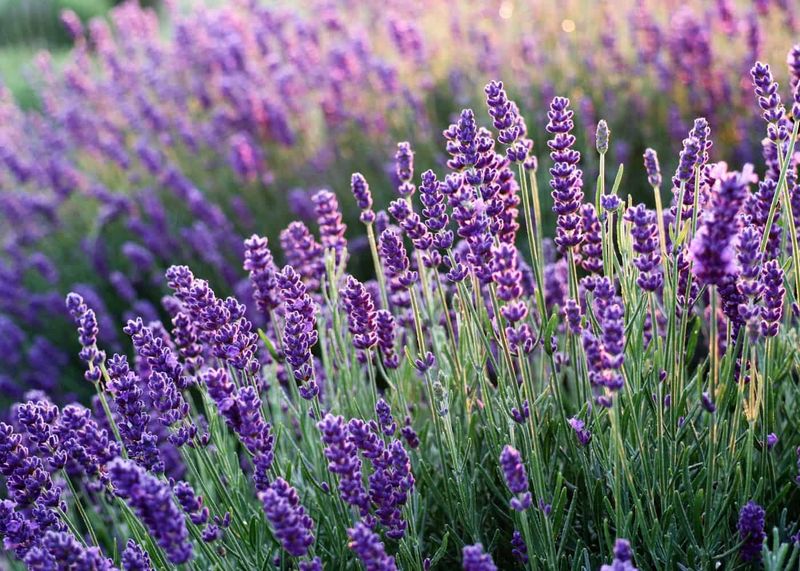
In a garden of bold statements, lavender opted for subtlety. Nestled in a quiet corner, it exuded a calming presence. Its purple blooms offered a gentle contrast to more vivid plants, creating a sanctuary of serenity.
Lavender’s shy nature didn’t scream for attention but instead invited reflection and peace. It became a favorite spot for quiet moments, proving that sometimes, less is more. Its delicate fragrance was a whisper in the air, a soothing balm for the senses.
The Sociable Basil
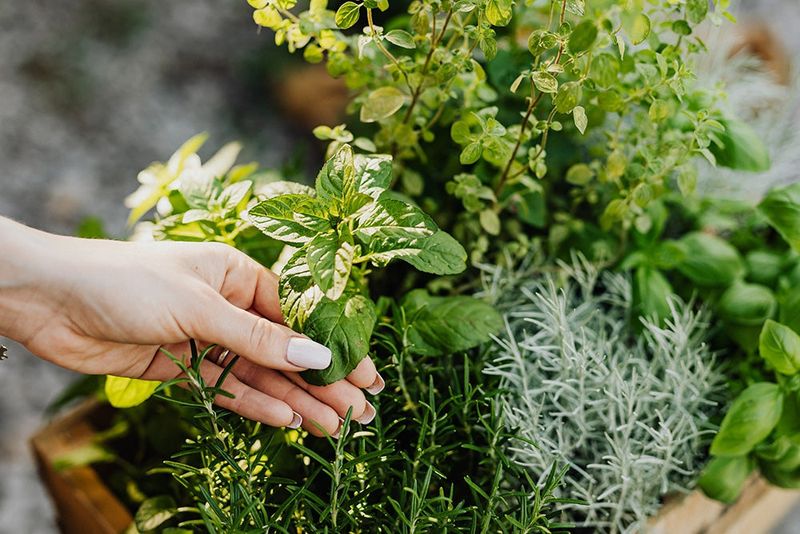
Basil, ever the social butterfly, thrived among its herb companions. It grew in clusters, happily mingling with thyme, oregano, and rosemary. This herb’s vibrant green leaves and spicy aroma made it a lively participant.
Basil’s eagerness to connect enriched the garden’s flavor palette. It seemed to dance in the wind, adding rhythm to the garden’s life. Its sociable nature brought different elements together, illustrating the joy of community in a botanical setting.
The Resilient Dandelion
Often overlooked, the dandelion proved its resilience by thriving in unlikely places. Its cheerful yellow blooms brightened even the dullest spots. Growing between cracks in a stone path, it defied expectations with tenacity.
The dandelion’s ability to adapt made it a symbol of perseverance. It brought unexpected beauty to hard surfaces, a reminder of life’s stubborn resilience. This little warrior inspired admiration, redefining what it means to bloom where you’re planted.
The Spirited Marigold
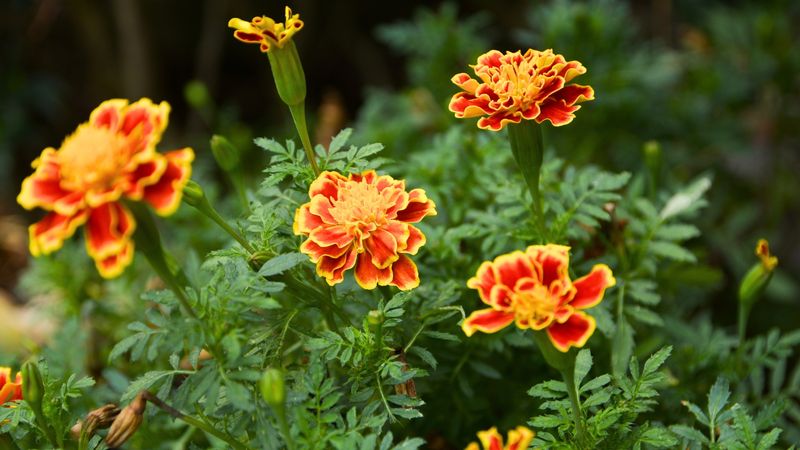
Boasting an exuberant personality, the marigold found its place basking in the sunniest corner of the garden. This cheerful flower, with its fiery orange and gold hues, brightens up any space it’s planted in. Known for its pest-repelling properties, the marigold stands as a guardian among other plants.
Interestingly, it was the first to bloom, heralding the arrival of summer. Its robust nature and vibrant colors add a lively touch to the garden’s tapestry. Its placement seemed serendipitous, as if the garden itself knew where it belonged.
Did you know? Ancient Egyptians believed marigolds could improve vision.
The Reserved Fern
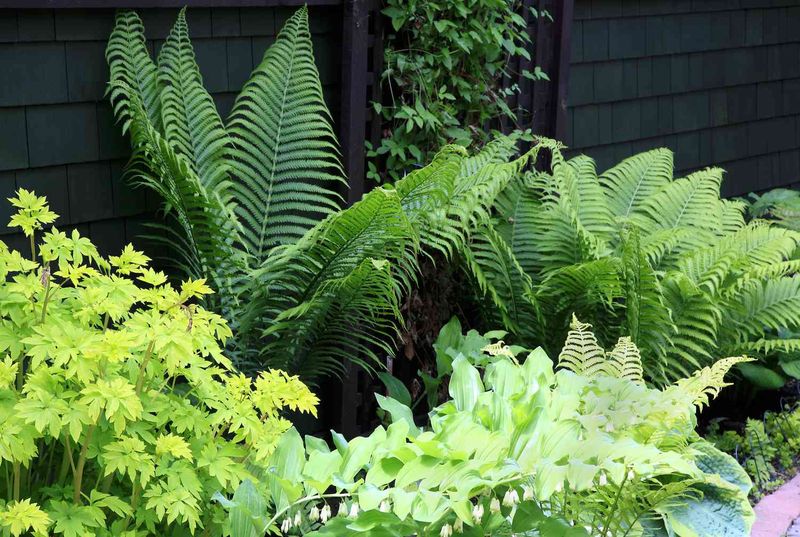
Nestled in a cozy, shaded nook, the fern exudes a quiet elegance. Its lush, feathery fronds create a serene backdrop for the more vibrant blooms around it. This plant, thriving in the shadows, offers a calming presence, balancing the garden’s energetic spots.
The fern’s preference for the cooler, less conspicuous areas of the garden speaks to its unassuming nature. It whispers its beauty rather than shouting it, providing a gentle contrast to its bolder neighbors.
Ferns have thrived on Earth for over 360 million years, making them true survivors of nature’s many changes.
The Playful Nasturtium
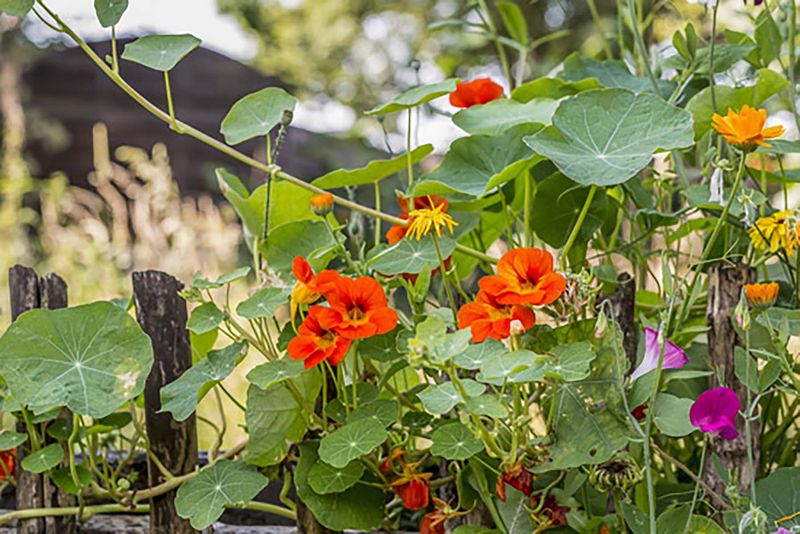
With a playful twist and a twinkle of mischief, nasturtiums meander through the garden, weaving their vibrant blooms among the vegetable plots. Their brilliant oranges and reds offer a feast for the eyes, as well as a peppery treat for those who nibble on them.
These charming flowers create a joyful riot of color, enticing bees and butterflies to join in the garden’s dance. Their carefree sprawl hints at a broader strategy, as they deter pests from their vegetable companions.
Fun fact: Both the leaves and flowers of nasturtiums are edible, adding a spicy zest to salads!
The Curious Zucchini
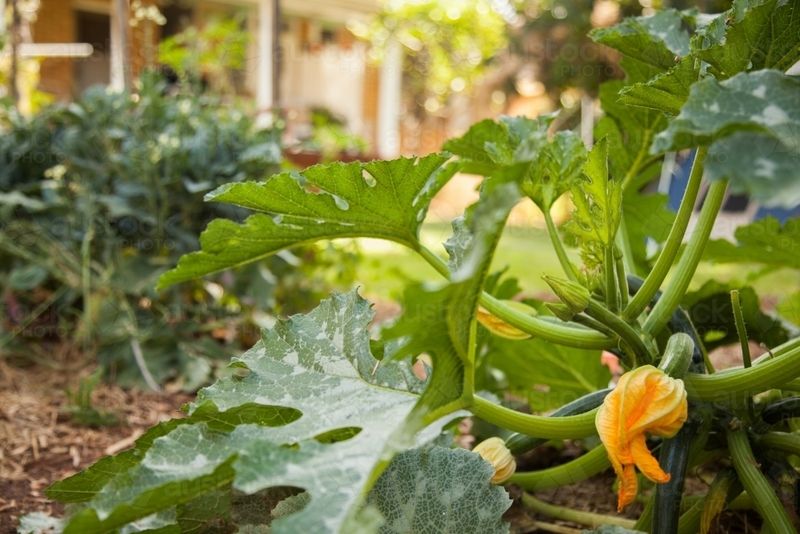
Eager and inquisitive, the zucchini plant stretches its broad leaves toward the sunlight, as if reaching for answers. Its large, sprawling vines take up considerable space, yet its fruits emerge stealthily, hiding beneath the foliage.
The zucchini’s presence in the garden is both commanding and humble, providing sustenance without fanfare. Its curious nature leads it to explore every inch of its allotted area, ensuring a bountiful harvest.
A fun tidbit: Zucchinis are technically fruits, not vegetables, and are related to melons and cucumbers!
The Graceful Lily
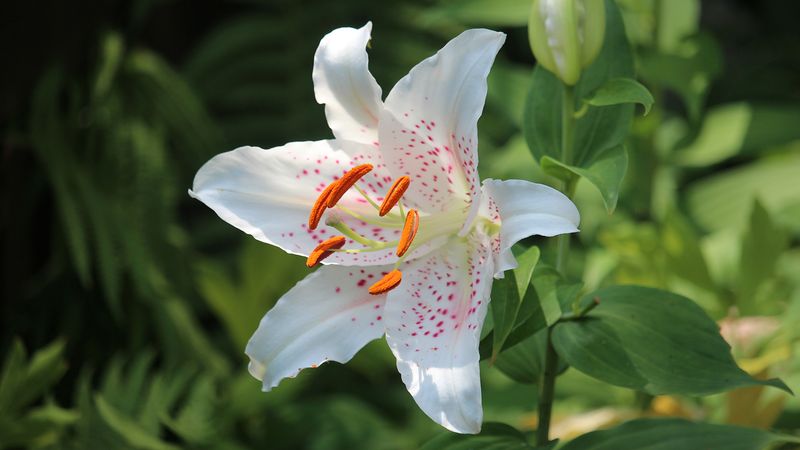
Epitomizing grace, the lily stands tall with an air of sophisticated poise. Its pristine white petals catch the morning light, illuminating the garden with a gentle glow. This flower’s elegance is matched only by its intoxicating fragrance, which subtly perfumes the air.
Planted near the garden’s edge, the lily invites passersby to pause and admire its beauty. Its serene presence offers a quiet sanctuary amidst the garden’s bustling activity.
Lilies have symbolized purity and refined beauty for centuries, often featured in art and religious ceremonies.
The Independent Rosemary
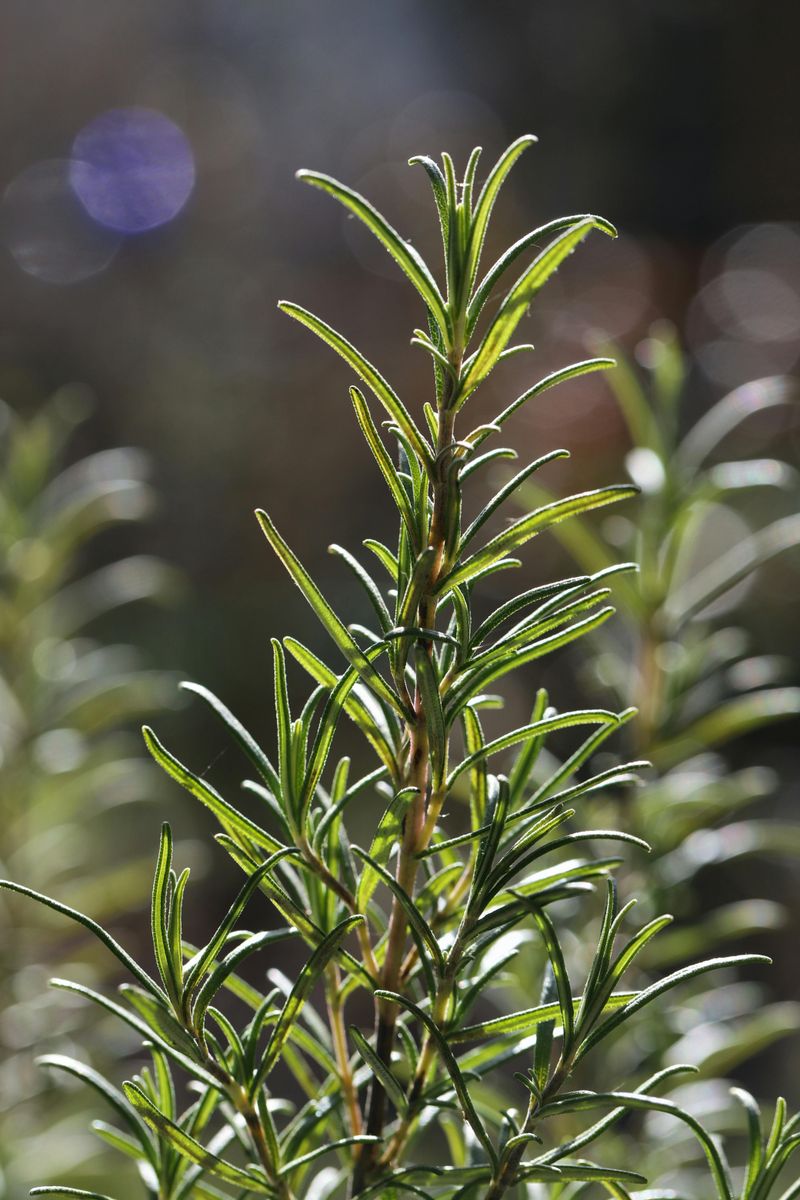
Standing proudly with an independent spirit, rosemary thrives in its sunlit spot. Its needle-like leaves release a refreshing, aromatic scent whenever brushed against, making it both a culinary favorite and a fragrant delight.
This hardy herb flourishes with minimal care, a testament to its resilient nature. Rosemary’s placement in the garden seems deliberate, as if it chose the very spot where it could best bask in the sun’s warmth.
Did you know? Rosemary has been associated with memory enhancement and was often used in ancient Greek and Roman ceremonies.
The Daring Tomato
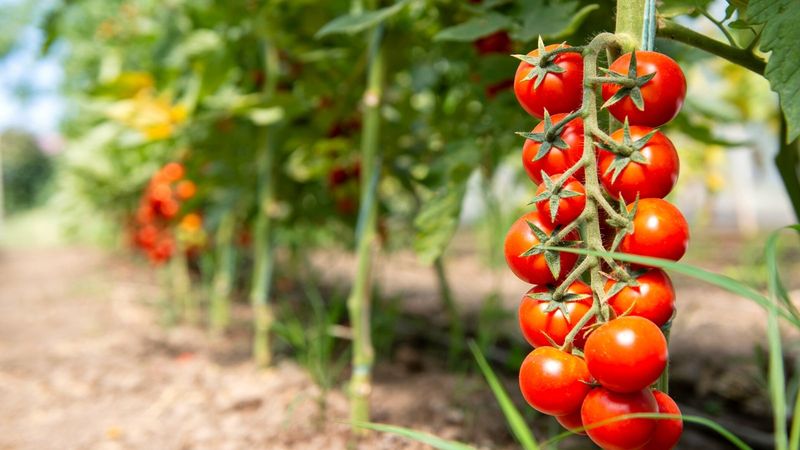
Bold and daring, the tomato plant stakes its claim in the sunniest part of the garden. Its vibrant fruits dangle invitingly, showcasing a rich palette of reds and greens. This plant embodies the spirit of summer, bursting with flavor and life.
Its adventurous growth knows no bounds, reaching skyward and sprawling outward, eager to soak up every ray of sunshine. The tomato’s willingness to explore new heights makes it a central figure in the garden.
Fun fact: Tomatoes were once thought to be poisonous and were called “love apples” in the 16th century.
The Humble Thyme
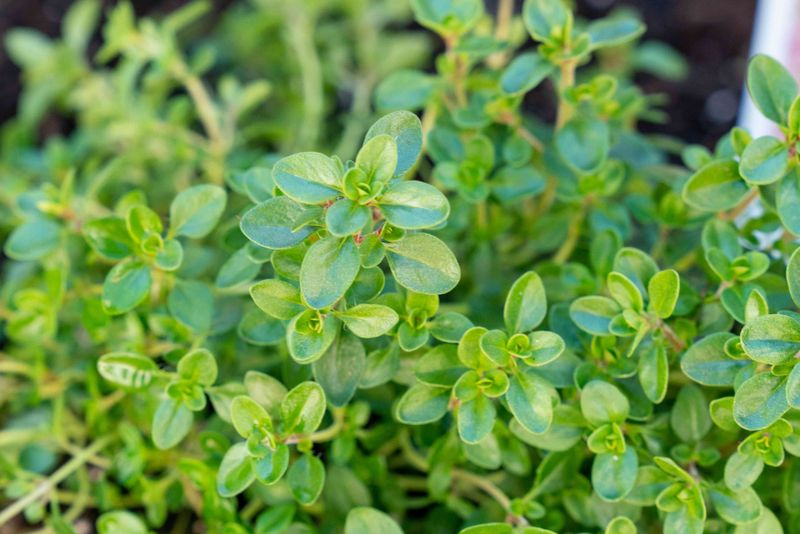
Quietly thriving, thyme spreads its low-growing branches across the garden floor, filling the air with its subtle fragrance. This humble herb’s tiny leaves pack a powerful punch, both in aroma and flavor, making it a staple in many dishes.
Thyme’s ability to thrive in challenging conditions speaks to its resilient spirit. Often overlooked, it finds its place between rocks, adding greenery to the garden’s more rugged areas.
Did you know? Thyme was used in ancient Egypt for embalming and in medieval Europe as a symbol of bravery.
The Romantic Rose
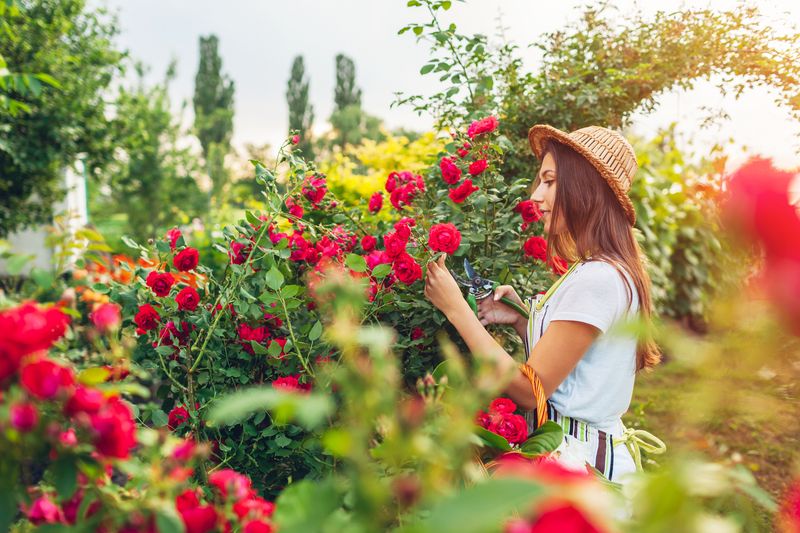
With an air of timeless romance, the rose stands as a symbol of beauty and desire. Its velvety petals and rich fragrance draw admirers from near and far, making it the garden’s undeniable star.
Planted in a sunlit area, the rose commands attention with its regal presence. Each bloom tells a story of love and passion, capturing the essence of romance in every petal.
Fun fact: Roses have been cultivated for over 5,000 years and are one of the most recognized symbols of love and beauty worldwide.
The Energetic Pepper
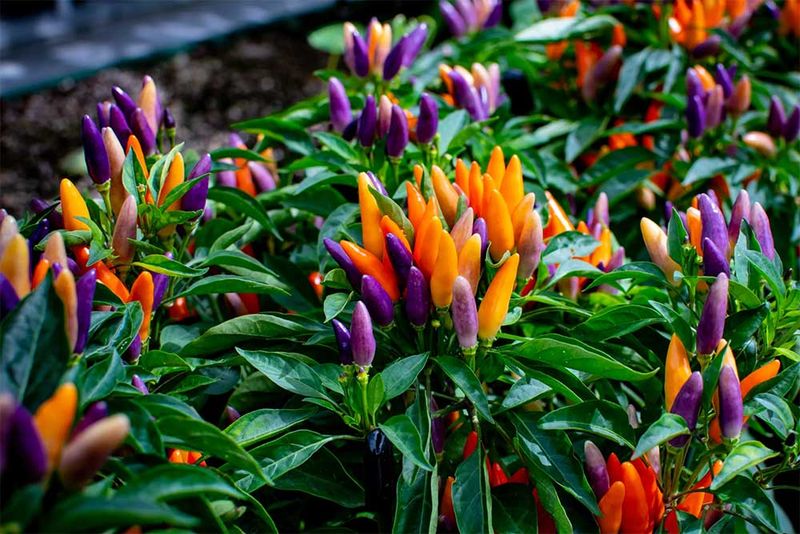
Bursting with energy, the pepper plant showcases a dazzling array of colors. Its fruits, ranging from fiery reds to lush greens, add a dynamic touch to the garden’s palette. This plant thrives in the heat, absorbing the sun’s energy to fuel its vigorous growth.
The pepper’s placement in the garden seems almost strategic, allowing it to stand out and shine. Its vibrant personality adds excitement to the garden’s landscape.
Fun fact: Peppers are packed with vitamin C, even more than oranges, making them a healthy addition to any diet.
The Majestic Sunflower
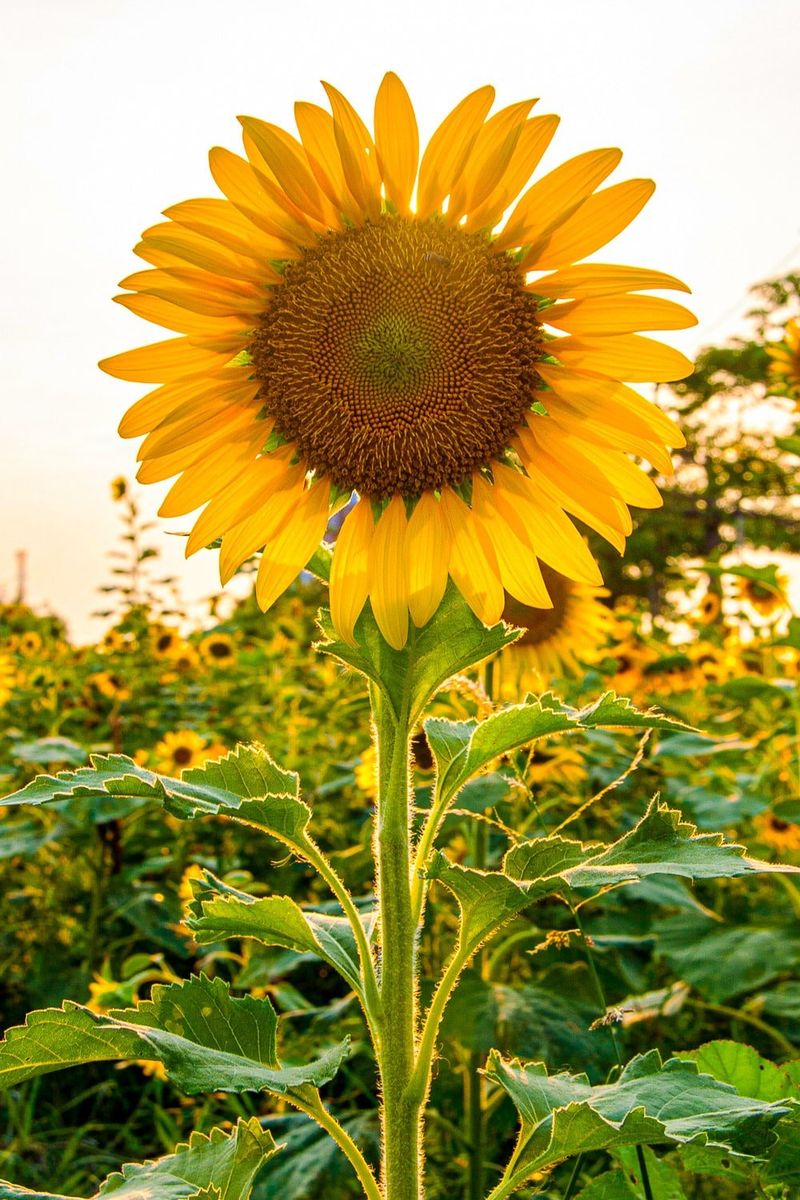
Standing tall and proud, the sunflower is the garden’s towering beacon. Its large, sunny face follows the path of the sun, a testament to its devotion to light and warmth. This majestic flower adds height and drama, creating a stunning visual impact.
The sunflower’s seeds provide nourishment for both birds and humans, making it a valuable addition to the garden’s ecosystem. Its cheerful demeanor invites visitors to bask in its sunny disposition.
Did you know? Sunflowers can grow up to 12 feet tall and are often associated with positivity and longevity.
The Cheerful Daisy
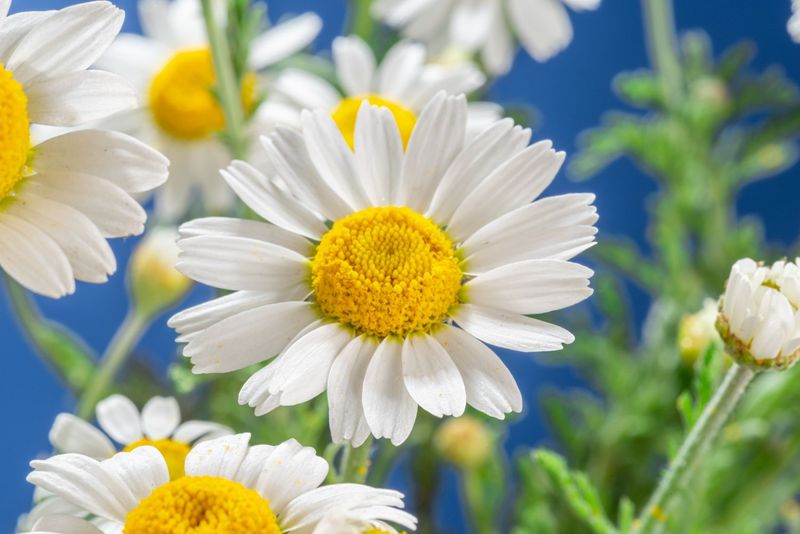
Radiating cheerfulness, the daisy’s simple beauty is a reminder of nature’s uncomplicated joys. Its white petals and sunny yellow center create a classic charm that brightens any garden corner.
The daisy’s carefree nature allows it to bloom abundantly, spreading happiness wherever it takes root. It thrives in the sunlight, emboldened by the warmth to show off its delightful simplicity.
Fun fact: The name “daisy” comes from “day’s eye,” as the flower opens with the dawn and closes at dusk, embodying the spirit of a new day.