 Complete Gardening
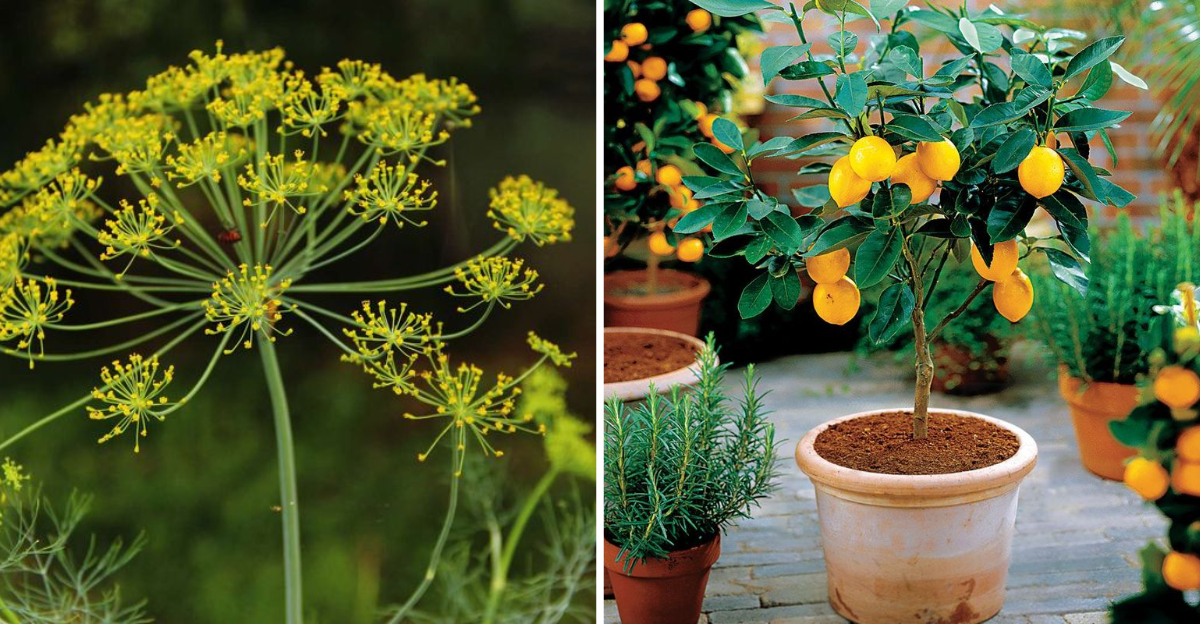
Lemon trees, cherished for their vibrant fruit and fragrant blossoms, may sometimes face unexpected challenges in the garden. While herbs are often celebrated for their culinary and medicinal benefits, certain varieties might be stealthily impacting the health of your lemon tree and its yield. Join us as we explore five specific herbs that may be slowly hindering your lemon tree’s growth and fruit production.
Mint
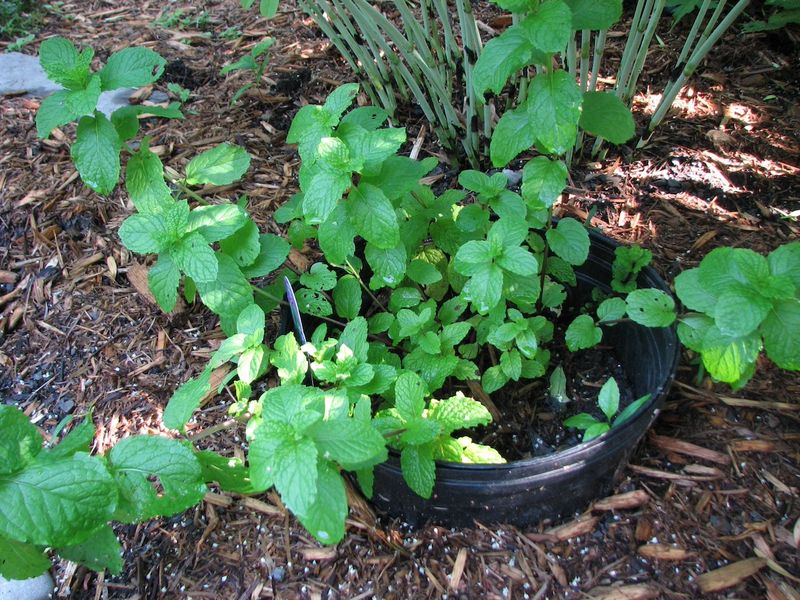
Mint, with its refreshing aroma and culinary versatility, can be a surprising antagonist in your garden. Known for its aggressive growth habit, mint spreads rapidly through underground runners. This invasive nature can compete with lemon trees for nutrients and water, potentially stunting their growth.
Gardeners often plant mint in containers to control its spread. However, if left unchecked in the ground, it may encroach upon the root zone of citrus trees. Such competition may result in reduced fruit production and overall vitality of the lemon tree.
Sage
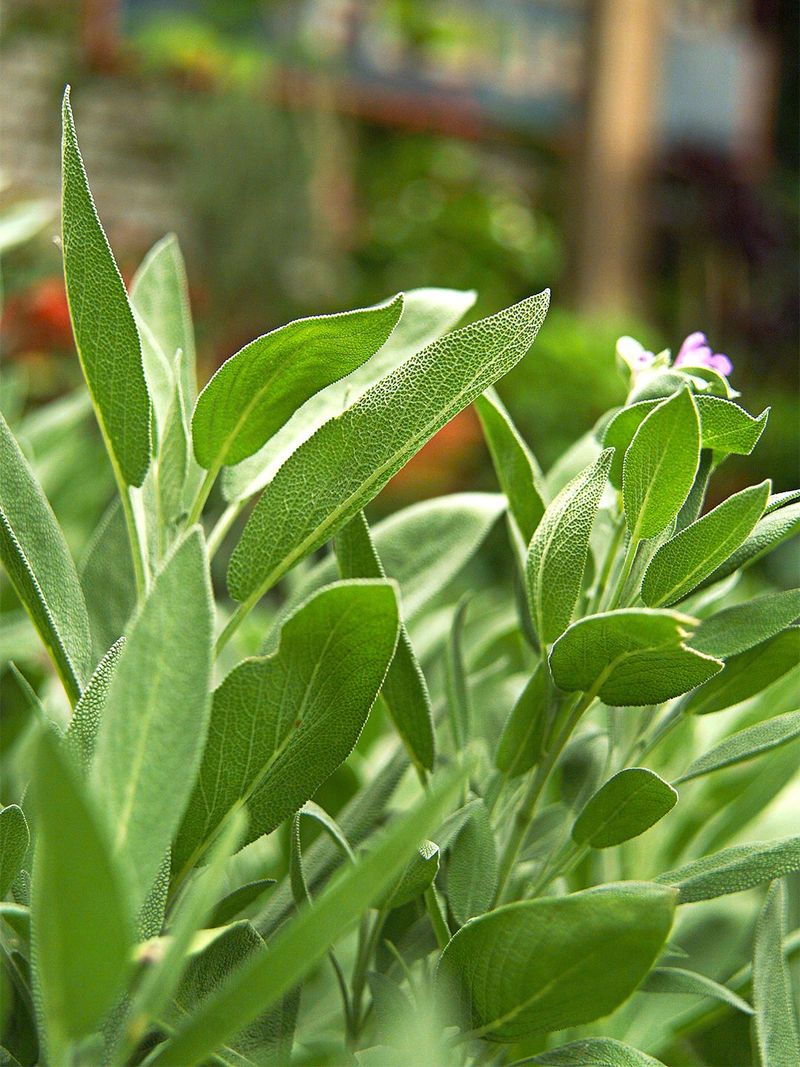
Sage, famous for its earthy scent and culinary use, can sometimes overshadow its garden companions. Its bushy growth may inadvertently shade lemon trees, restricting crucial sunlight. This lack of light can hinder photosynthesis and affect fruit development.
While sage is a delightful addition to herb gardens, its positioning is crucial. When planted too close to lemon trees, it can create competition for light and space. This spatial rivalry often leads to diminished lemon yields.
Rosemary
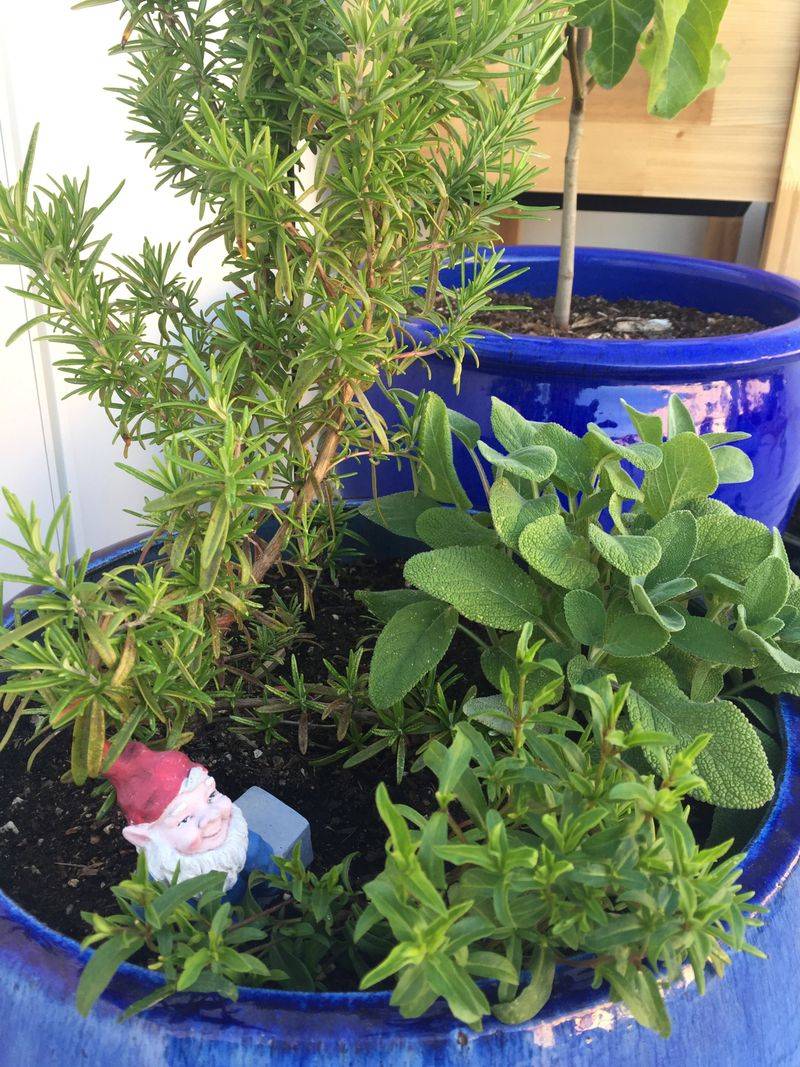
Rosemary, renowned for its robust aroma and resilience, can pose challenges when cohabitating with lemon trees. Its dense foliage and deep roots can dominate garden spaces, competing for essential nutrients and moisture.
Positioning rosemary too close to lemon trees might lead to a nutrient struggle, impacting the tree’s growth and fruitfulness. To avoid such issues, it’s advisable to plant rosemary at a safe distance from citrus trees.
Lavender
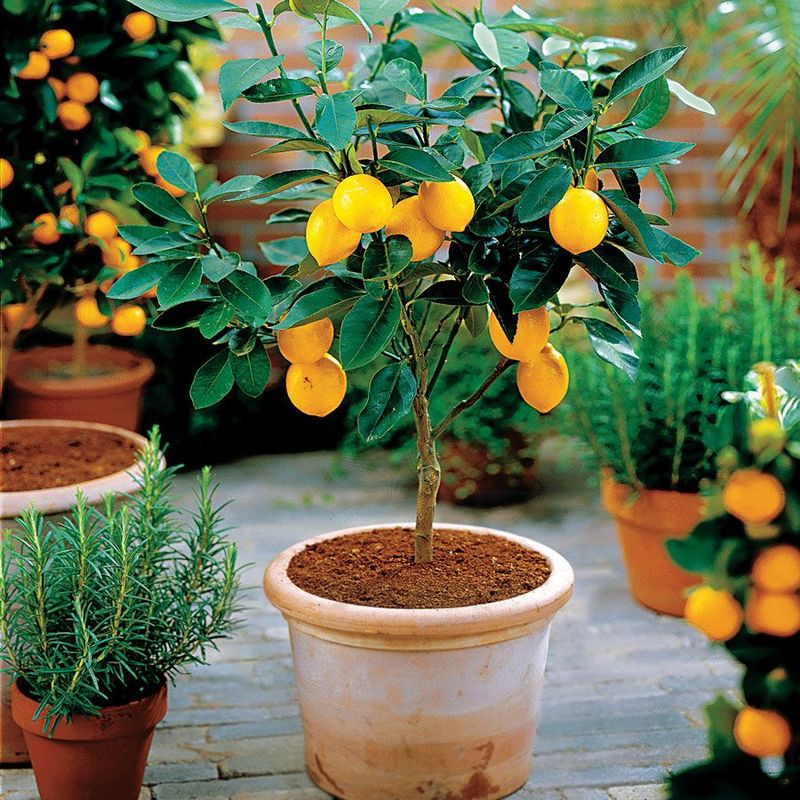
Lavender, a garden favorite for its soothing scent and vibrant blooms, could conflict with lemon trees in shared spaces. Its preference for well-drained soil conflicts with the more moisture-rich environment favored by citrus.
When lavender and lemon trees vie for the same resources, the disparity in water needs may stress the lemon tree. Ensuring a balanced growing environment is key to the harmony of both plants.
Basil
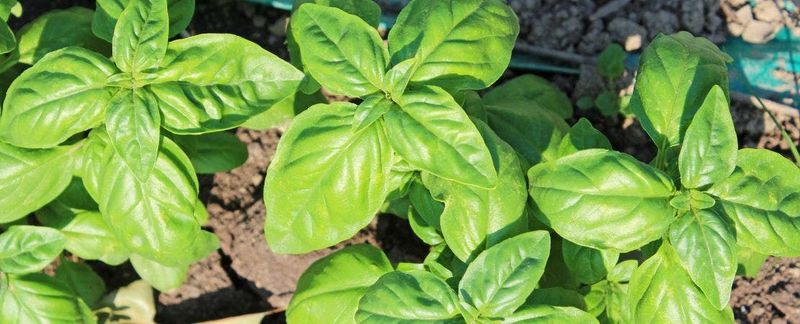
Basil, celebrated for its culinary versatility and aromatic leaves, might unexpectedly compete with lemon trees. Both plants thrive in sunny conditions, leading to a battle for sunlight when grown closely.
In gardens where space is limited, basil can overshadow citrus trees, impacting their ability to photosynthesize effectively. This competition may reduce the lemon tree’s fruit yield, highlighting the need for strategic planting arrangements.
Dill
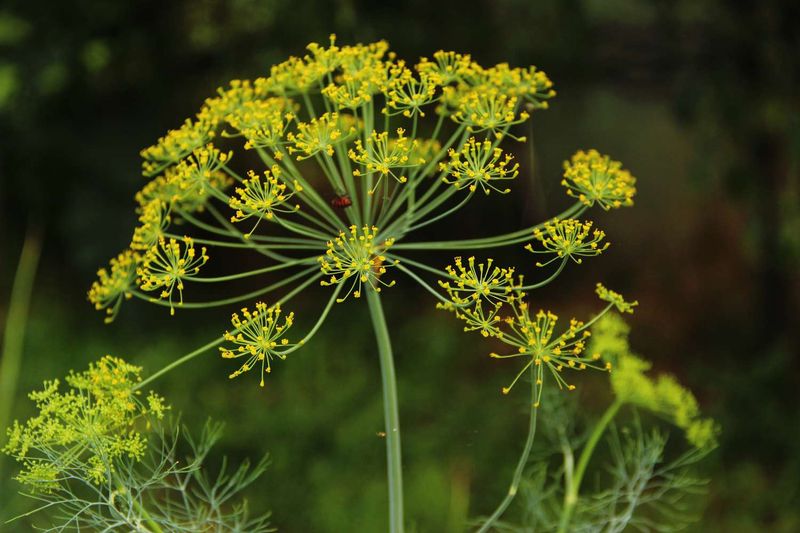
Delicate and feathery, dill often finds a cozy spot in many gardens. Yet, its presence near lemon trees can be problematic. Dill’s roots release chemicals that hinder the growth of nearby plants. For lemon trees, this interference can lead to reduced fruit production.
Gardeners might adore dill for its culinary versatility, but lemon trees would prefer its absence. The subtle competition for nutrients adds to the strain on the lemon tree, particularly in soil that’s already nutrient-poor. Consider repositioning dill to support both your herb garden and lemon harvest effectively.
Fennel
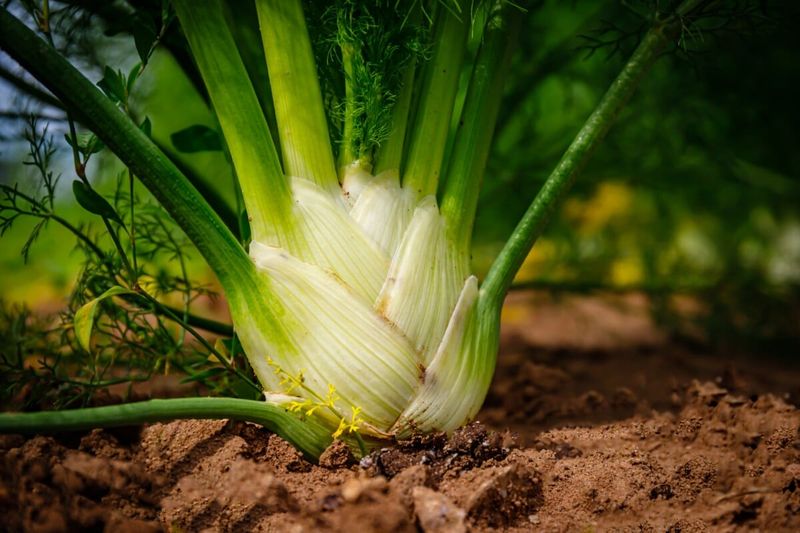
Fennel, with its towering presence and aromatic seeds, can overshadow more than just the sunlight. It releases allelopathic chemicals that suppress surrounding plant roots, including lemon trees.
This suppression can lead to nutrient deficiencies, affecting the tree’s vigor and fruit yield. Fennel lovers might enjoy its anise-like flavor in salads, but lemon trees don’t share this culinary enthusiasm.
Keeping fennel at a distance ensures your lemon tree remains the focal point of the garden, free to thrive and produce its sun-kissed bounty.
Cilantro
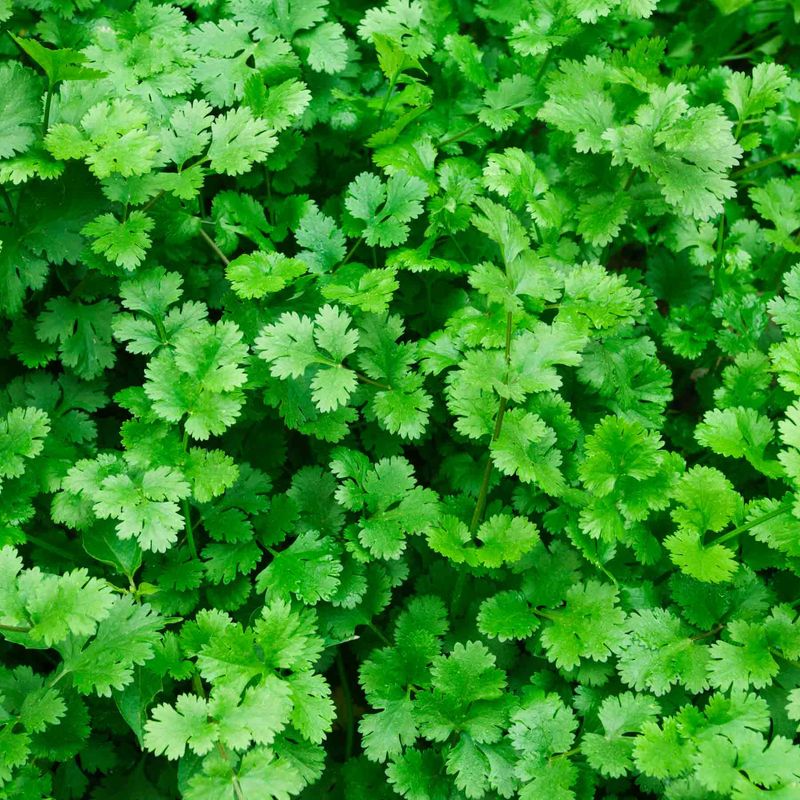
Cilantro’s vibrant leaves and distinct aroma make it a staple in kitchens, but less so in lemon orchards. Its rapid growth can crowd out young lemon trees, competing for sunlight and nutrients.
This competition can stunt the tree’s development, particularly when both plants vie for the same resources. While cilantro garnishes dishes beautifully, it doesn’t offer the same support to lemon trees.
By giving lemons room to breathe and grow, gardeners can ensure a more harmonious and fruitful coexistence in their garden.
Oregano
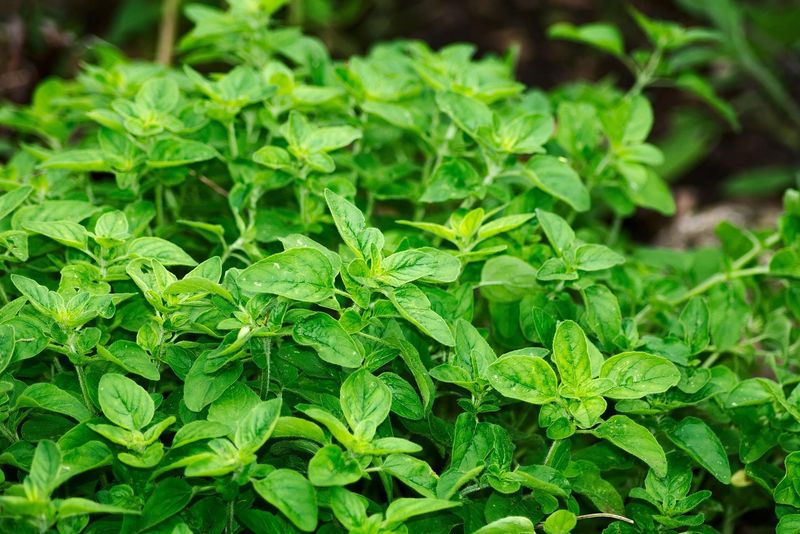
Oregano, with its robust growth habit and earthy aroma, presents a silent challenge to lemon trees. Its sprawling nature can overtake soil space, limiting the nutrients available to the tree.
This nutrient competition can result in diminished lemon yields and weaker tree health. Oregano might add a flavorful punch to pizzas, but it doesn’t add much to the vitality of lemon trees.
Reassessing plant placement can help preserve the health and productivity of your lemon tree, ensuring it remains a garden centerpiece.
Thyme
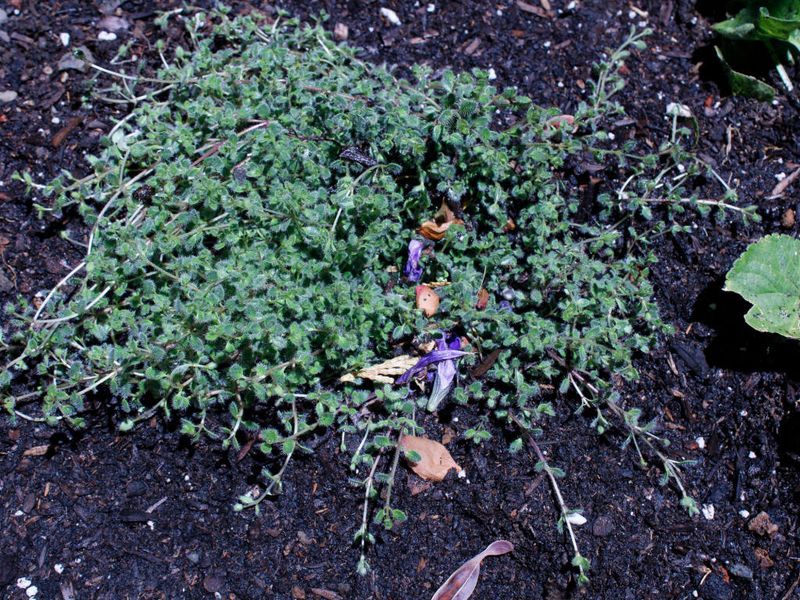
Small yet mighty, thyme spreads across garden beds with ease. However, this spreading can choke the root zone of lemon trees, inhibiting their growth.
Thyme’s low-growing habit can create a dense mat that prevents proper water infiltration and air exchange, both crucial for a lemon tree’s root health. Although thyme adds zest to culinary creations, it may not pair well with the needs of a thriving lemon tree.
Giving thyme its own space can allow your lemon tree to grow undisturbed and flourish.
Parsley
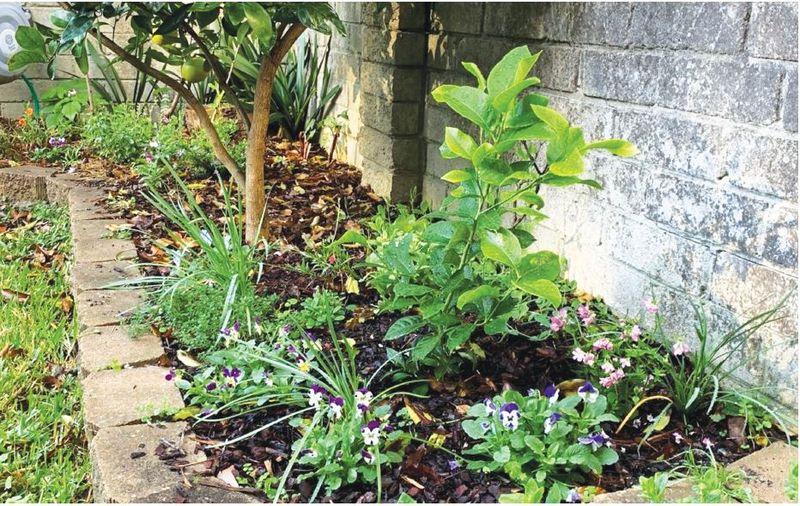
Parsley, a favorite for garnishing, grows with a vigor that can encroach on lemon trees. Its dense foliage can overshadow young trees, blocking crucial sunlight.
This shading can result in slow growth and fewer lemons, as the tree struggles to compete for light. Parsley may brighten plates, but it can dim a lemon tree’s prospects if not managed well.
Separating their growing areas can enhance the health and yield of both plants, giving each the space they need to thrive.
Chives
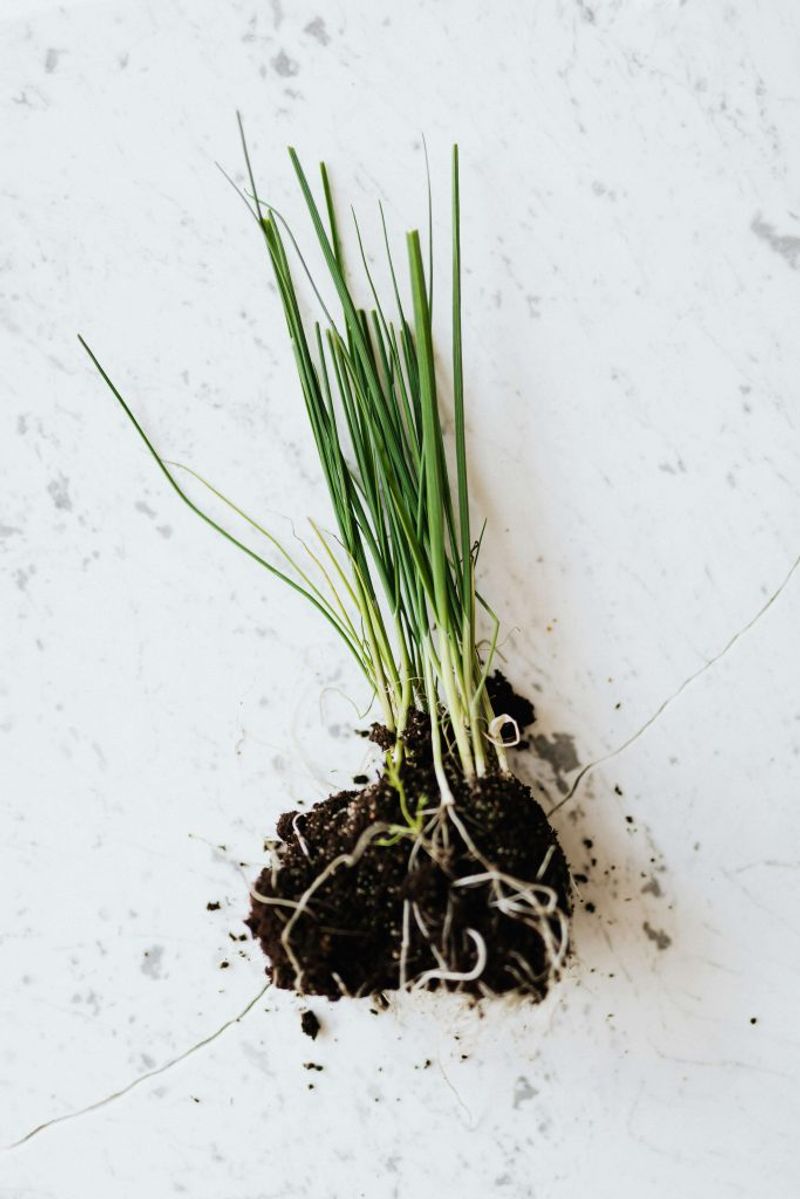
Chives, with their mild onion flavor, thrive in many gardens. Yet, when planted too closely to lemon trees, they can compete for root space.
This competition can lead to restricted root growth for the lemon tree, impacting its overall health and fruit production. While chives enhance culinary dishes, they might not enhance a lemon tree’s growing conditions.
By providing clear boundaries between these plants, gardeners can ensure both chives and lemons develop without interference.
Tarragon
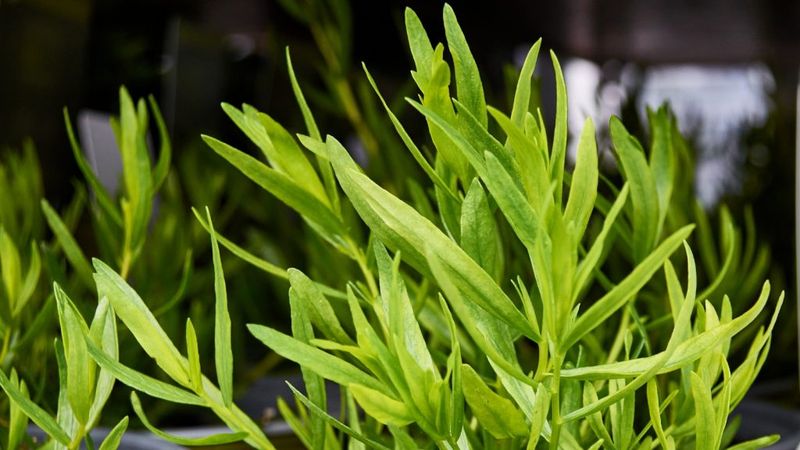
Tarragon, known for its delicate flavor, can be less than delicate to lemon trees. Its aggressive root system competes directly with lemon tree roots for nutrients and water.
This rivalry can result in nutrient deficiencies, weakening the lemon tree over time. Tarragon may enhance French cuisine, but it doesn’t enhance the lemon tree’s environment.
Positioning tarragon away from lemon trees can preserve the health of both, allowing each to flourish independently in the garden.
Marjoram
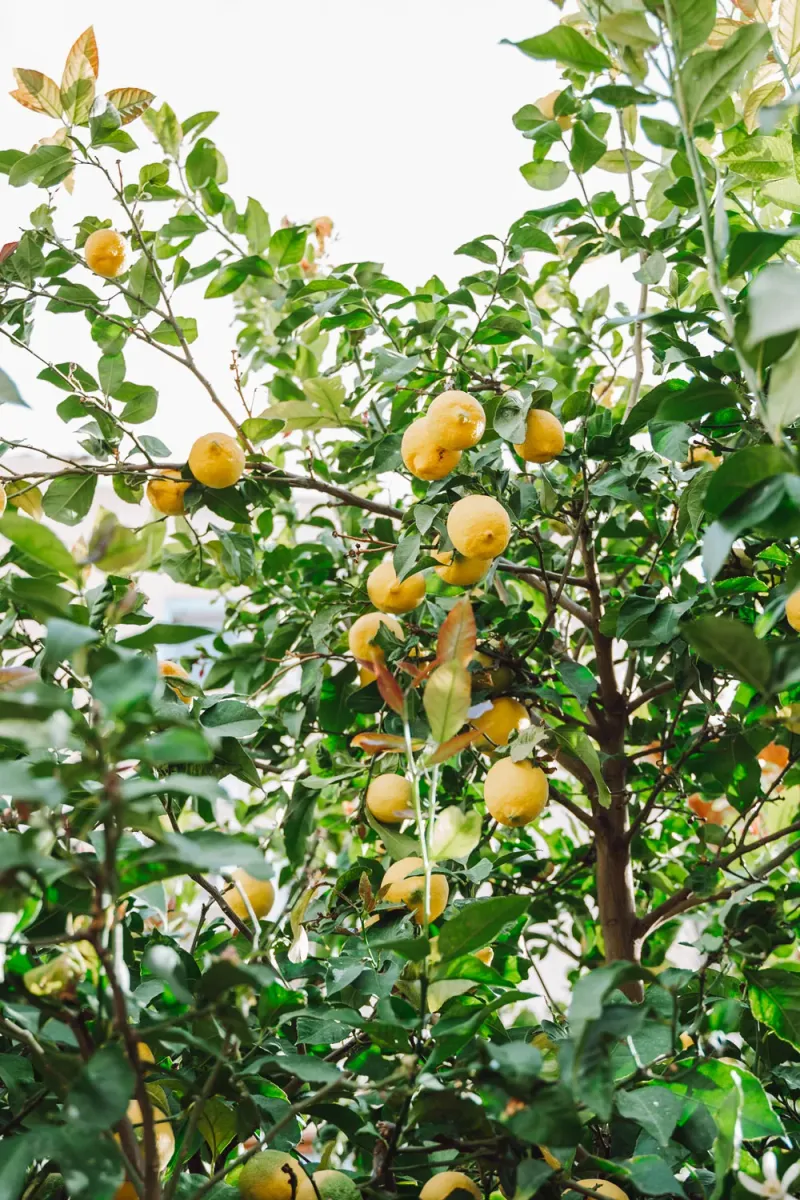
Marjoram’s sweet aroma and soft leaves make it a garden favorite, but not for lemon trees. It can siphon off nutrients, leaving lemon trees struggling to sustain themselves.
This nutrient theft can lead to poor fruit quality and reduced harvests. Marjoram may enhance seasoning blends, yet it rarely enhances a lemon tree’s vitality.
Repositioning marjoram to a separate bed can ensure that lemon trees have access to the nutrients they need to yield a lush and bountiful crop.
Dandelion
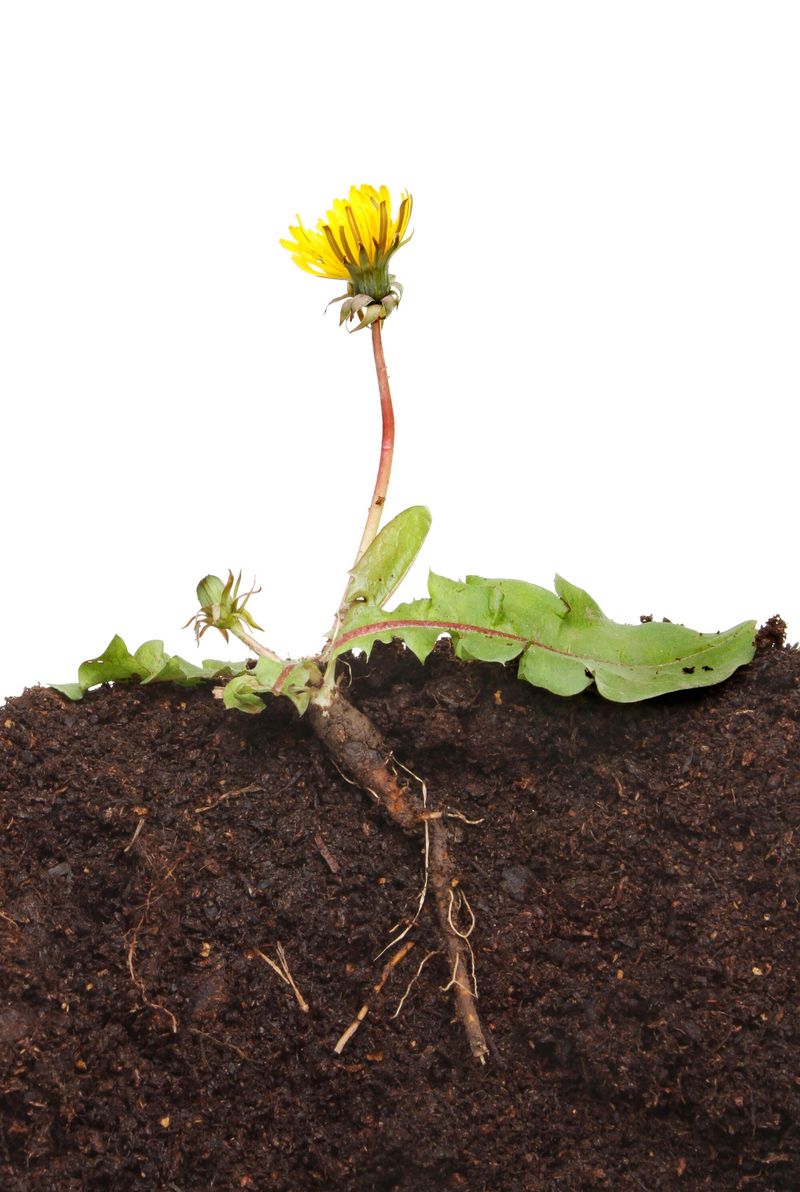
Dandelions are more than just weeds; their deep roots can penetrate and disturb lemon tree root systems. This disturbance can affect the tree’s nutrient uptake and stability.
While dandelions bring a touch of color, they don’t contribute positively to a lemon tree’s health. Their presence can lead to decreased lemon yields and a need for increased garden maintenance.
Managing dandelion growth around lemon trees allows for healthier, more bountiful lemon harvests.
Chamomile
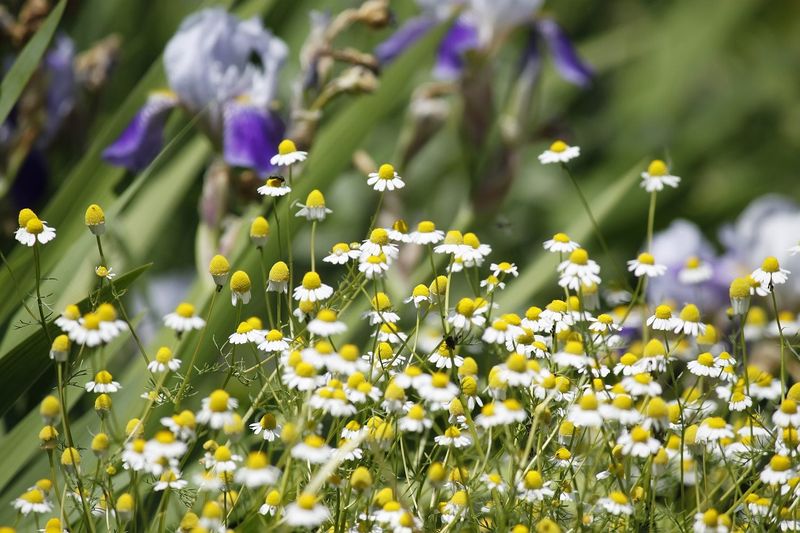
Chamomile, often associated with calming teas, can unsettle lemon trees by competing for resources. Its proximity can affect young lemon trees more significantly by limiting space and nutrients.
This competition can result in a weaker lemon tree, struggling to produce vibrant fruit. Chamomile might soothe humans, but it doesn’t soothe lemon trees.
Allowing chamomile its own space ensures lemon trees can grow robustly, providing a rewarding harvest without competition.
Lemongrass
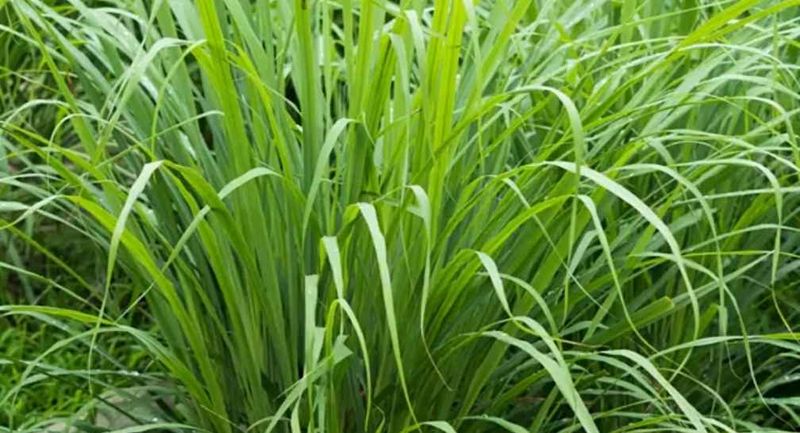
Despite its name, lemongrass can be quite the nemesis for lemon trees. Its vigorous growth can encroach on the tree’s root zone, competing for water and nutrients.
This crowding can stress lemon trees, leading to reduced vitality and fruiting. Lemongrass might lend its fragrant oil to culinary dishes, but it detracts from the health of nearby lemon trees.
Creating space between lemongrass and lemon trees ensures that both can thrive without encroaching on each other’s essential resources.
Chervil
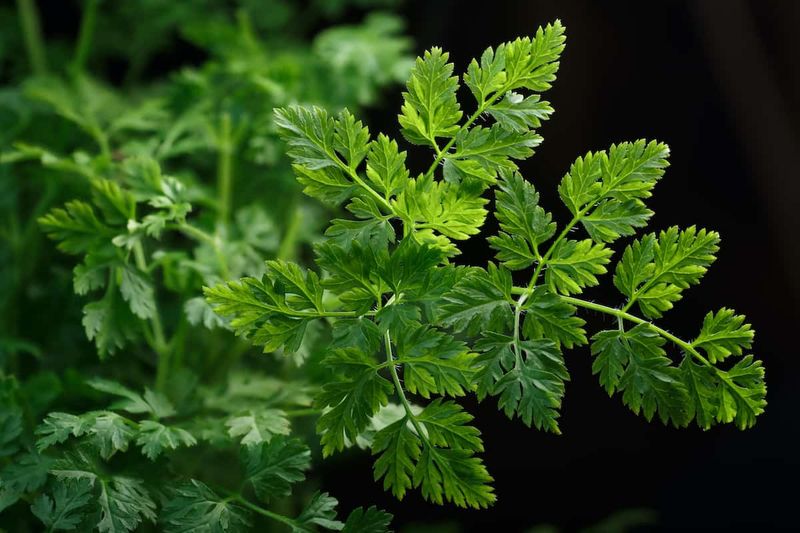
Chervil, with its delicate foliage and mild anise flavor, can be deceptively invasive to lemon trees. It can spread rapidly, consuming nutrients and overshadowing young trees.
This competition can affect the lemon tree’s growth and fruit quality, as it competes for limited resources. Chervil may grace gourmet dishes, but it doesn’t grace lemon trees with support.
By keeping chervil at a distance, gardeners can foster a more balanced and productive environment for their lemon trees.