 Complete Gardening
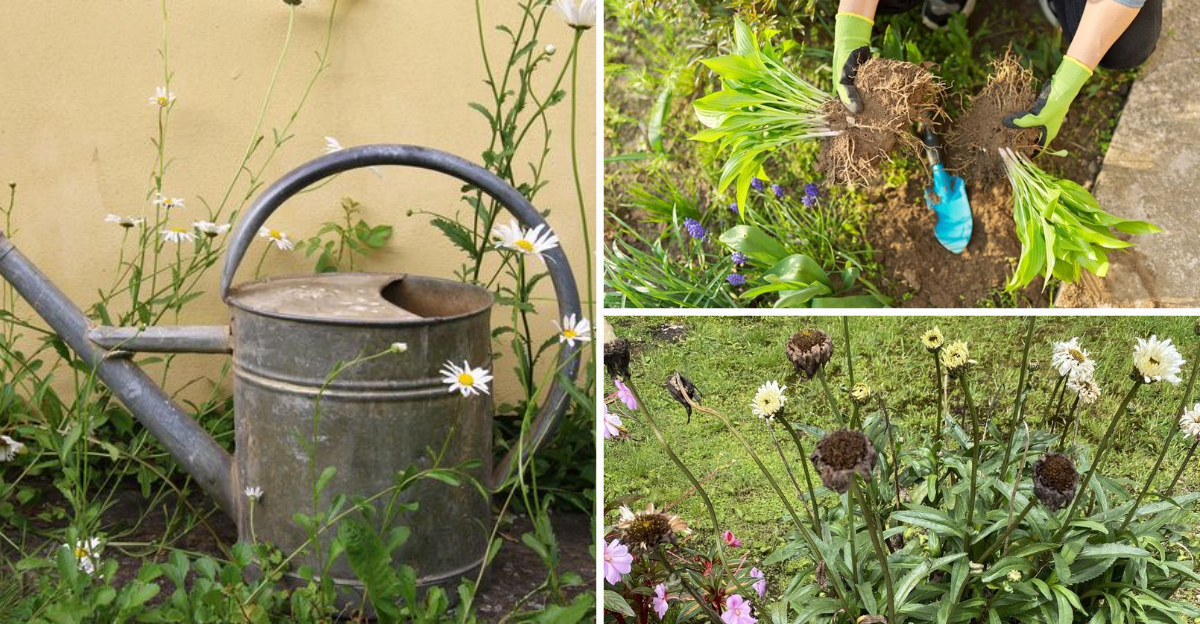
Shasta daisies seem like the perfect beginner flower with their cheerful white petals and sunny yellow centers. Most gardening guides make them sound foolproof and easy to grow anywhere. However, experienced gardeners know there are some surprising challenges and secrets that can make or break your daisy success. Here are the hidden truths that will help you grow thriving Shasta daisies.
They’re Secret Water Hogs Despite Looking Drought-Tolerant
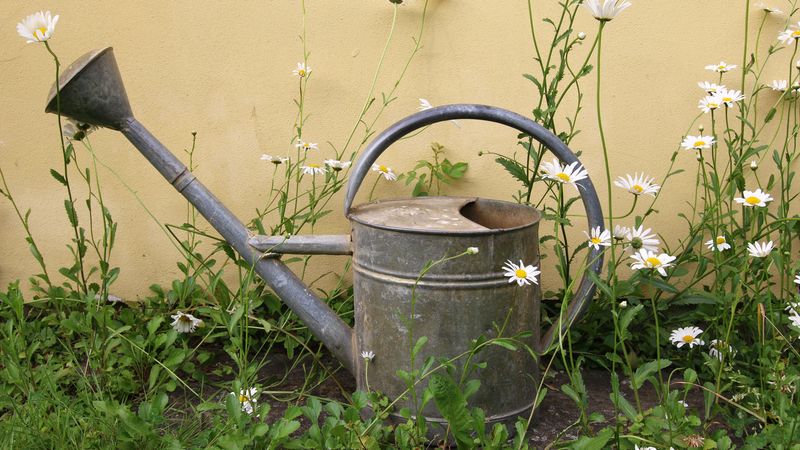
Those sturdy-looking stems fool many gardeners into thinking Shasta daisies need minimal water. Actually, these flowers are quite thirsty, especially during hot summer months.
Without consistent moisture, the blooms become smaller and the plants look stressed. Deep watering twice weekly works better than daily sprinkles.
Mulching around the base helps retain moisture and keeps roots cool during peak growing season.
Division Every Two Years Prevents Mysterious Die-Offs
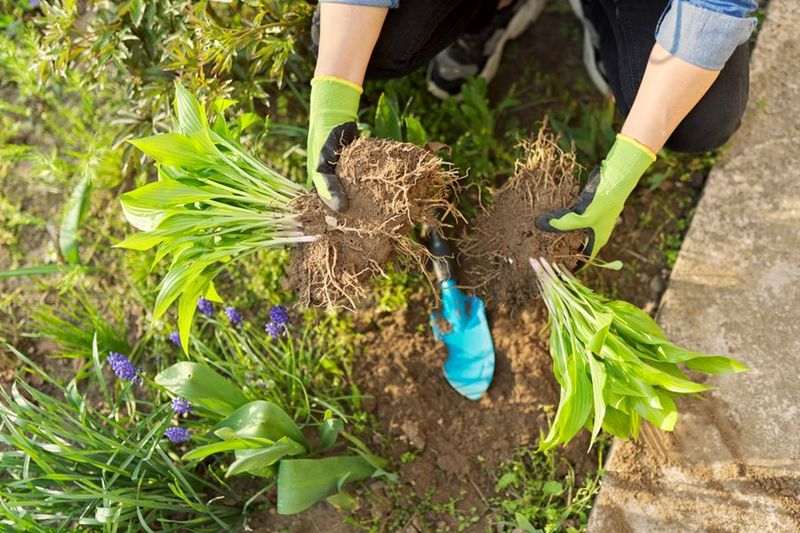
Many gardeners panic when their healthy Shasta daisies suddenly start dying in the center while edges remain green. This crowded clump syndrome happens because these perennials grow aggressively.
Dividing clumps every other spring prevents overcrowding and rejuvenates tired plants. Simply dig up the entire clump and separate into smaller sections.
Each division should have healthy roots and several shoots for best transplant success.
Deadheading Technique Determines Bloom Duration
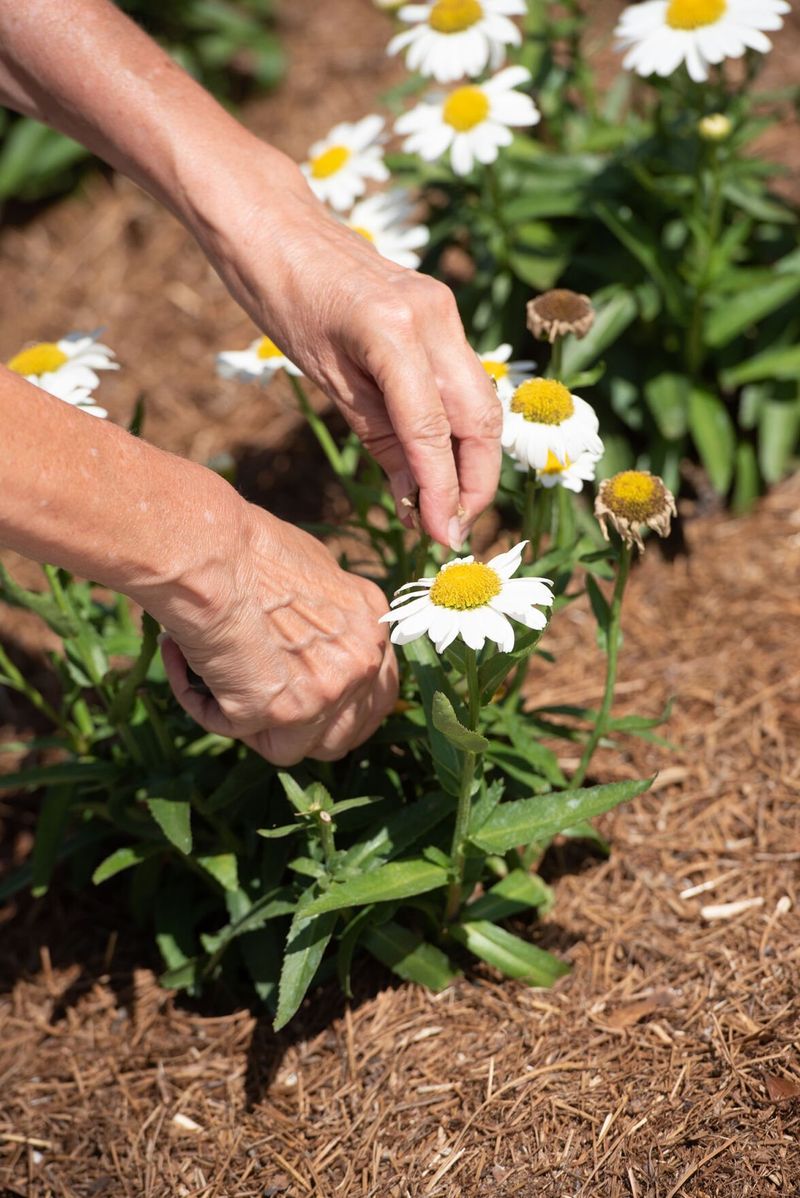
Most people simply snap off spent flowers, but proper deadheading requires cutting back to the next bud or leaf node. Wrong cuts can actually stop future blooming.
Pinching just the flower head leaves ugly brown stems that waste plant energy. Instead, use clean scissors to cut stems back to healthy growth points.
This method encourages continuous blooming from early summer through fall months.
Soil pH Above 7.0 Causes Yellowing Problems
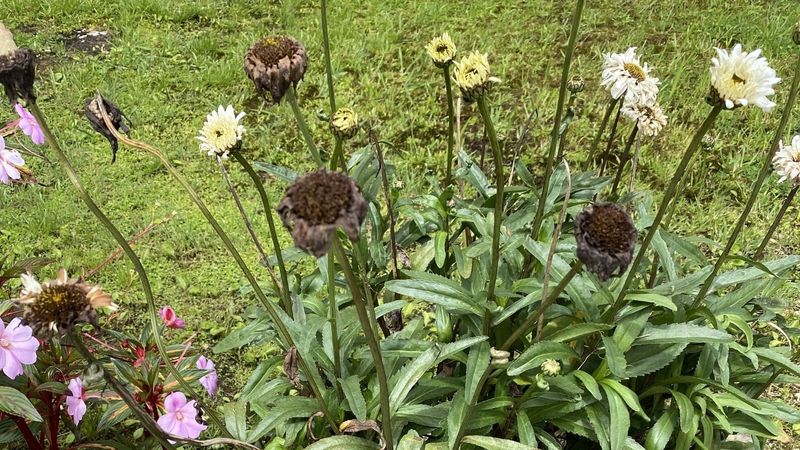
Shasta daisies prefer slightly acidic to neutral soil, but alkaline conditions cause nutrient lockout. Yellow leaves often indicate iron deficiency from high pH rather than watering issues.
Testing soil pH reveals the real problem when plants look unhealthy despite good care. Adding sulfur or organic matter helps lower pH naturally.
Coffee grounds mixed into compost also help create the acidic conditions these flowers prefer.
Late Summer Planting Outperforms Spring Installation
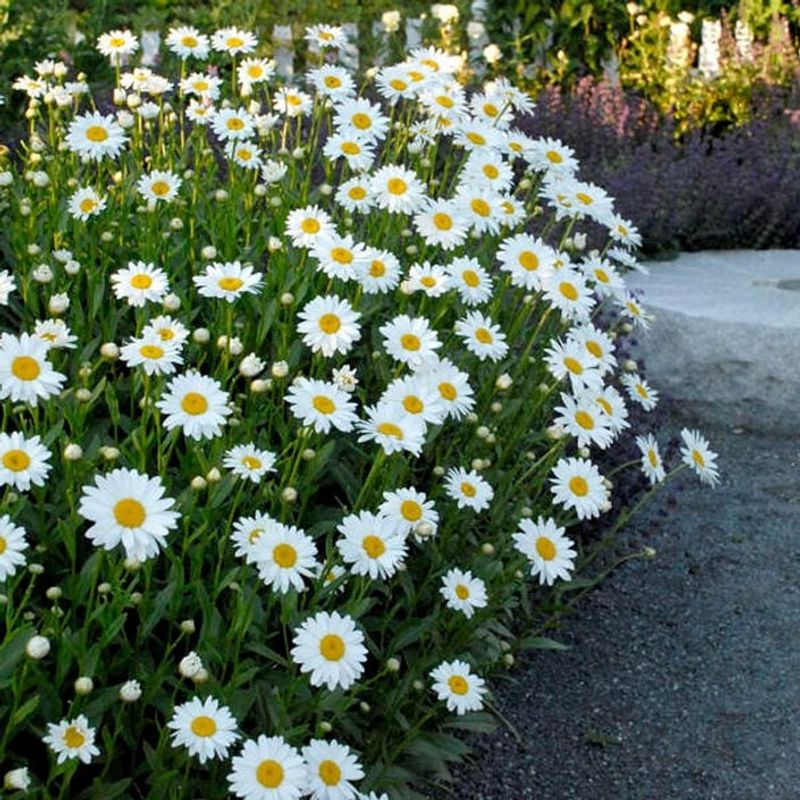
Garden centers push spring planting, but fall establishment gives Shasta daisies a huge advantage. Cool weather allows root development without flowering stress.
Plants installed in late August or September develop stronger root systems over winter months. Spring-planted daisies often struggle with summer heat before becoming established.
Fall planting also means bigger, more abundant blooms the following growing season.
Companion Plants Can Trigger Fungal Disasters
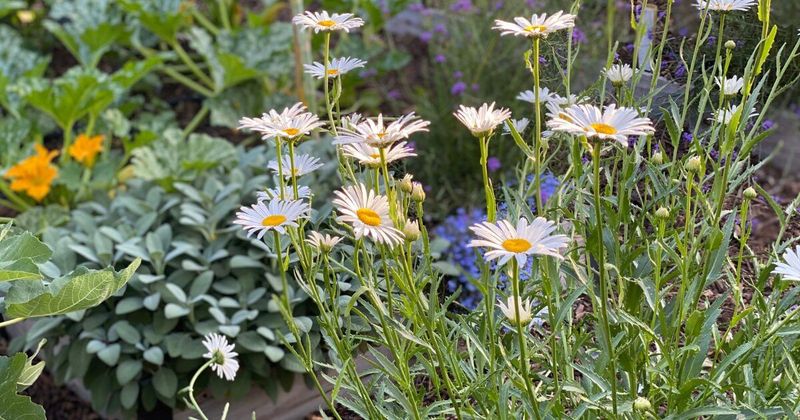
Planting Shasta daisies near dense, moisture-loving plants creates perfect conditions for crown rot and fungal problems. Poor air circulation around the base spells trouble.
Avoid placing them next to hostas, astilbe, or other shade plants that hold moisture. Instead, pair with lavender, salvia, or other plants that prefer similar growing conditions.
Proper spacing prevents most disease issues before they start.
Fertilizer Timing Affects Winter Survival Rates
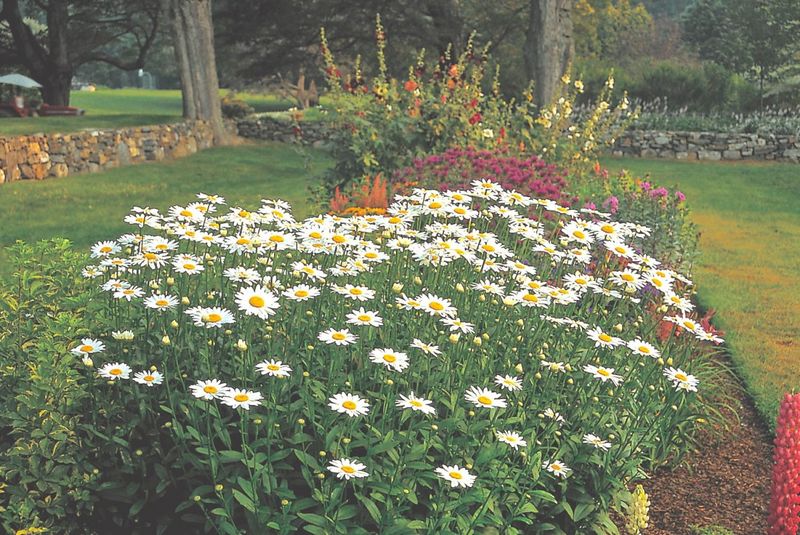
Heavy fertilizing in late summer creates tender growth that cannot survive freezing temperatures. Many gardeners unknowingly kill their plants with kindness.
Stop feeding by mid-July to allow plants to harden off properly for winter. Early season fertilizing with balanced nutrients supports healthy growth without late-season problems.
Organic compost applied in spring provides slow-release nutrition throughout the growing season.
Sunlight Intensity Matters
Believe it or not, Shasta Daisies have a penchant for bright sunlight. They thrive best when bathed in at least six hours of direct sunlight daily. However, too much intense afternoon sun can cause wilting.
Providing a balance between morning and afternoon sun helps maintain their vibrant blooms. If planted in excessively shady areas, they may become leggy and produce fewer flowers.
For optimal growth, consider planting them in locations with morning sun and slight afternoon shade. This balance ensures they flourish with robust stems and abundant blossoms.
Mulching Misconceptions
Mulching is often lauded for moisture retention, but it can be a double-edged sword for Shasta Daisies. While it helps retain soil moisture, excessive mulching can lead to root rot.
It’s crucial to use a thin layer, allowing excess water to evaporate. Organic mulch is preferable as it gradually enriches the soil.
By avoiding heavy mulch layers, you ensure the soil remains well-drained yet moisture-retentive, providing an ideal growing environment.
Wind Exposure Effects
Shasta Daisies may appear resilient, but strong winds can wreak havoc. The delicate stems struggle against persistent wind, leading to breakage or bending.
Planting them with natural windbreaks, like shrubs or fences, provides protection. In open areas, consider staking them to offer additional support.
Understanding their struggle against wind can prevent damage and ensure a lush display of blooms.
Pest Surprises
Shasta Daisies are not immune to pests. Aphids and slugs are common culprits that can damage leaves and stems. These pests often go unnoticed until significant damage occurs.
Regular inspections and natural deterrents, like neem oil or diatomaceous earth, can keep them at bay. Introducing beneficial insects such as ladybugs also helps.
Awareness of potential pest issues allows for timely intervention, safeguarding your daisies.
Water Drainage Dilemma
Good drainage is vital for Shasta Daisies. Despite their love for moisture, soggy soil spells disaster. Poorly drained areas can cause root rot, leading to plant decline.
To improve drainage, consider raised beds or amending soil with sand and compost.
This ensures that excess water moves away from roots, maintaining their health and vitality.
Soil Nutrient Nuances
Shasta Daisies demand more than just any soil. They flourish in nutrient-rich environments where organic matter is abundant.
Regularly amend the soil with compost to boost nutrients. Over-fertilizing, however, can lead to excessive foliage with fewer blooms.
Understanding this balance paves the way for a vibrant garden, showcasing daisies in their full glory.
Humidity’s Hidden Role
Humidity levels can greatly affect Shasta Daisies. High humidity often leads to fungal diseases if not managed.
Ensuring proper air circulation and spacing between plants helps mitigate this risk. Avoid overhead watering, which can exacerbate fungal issues.
Armed with this knowledge, your daisies can thrive even in humid conditions.
Propagation Perils
Propagating Shasta Daisies involves more than just division. Root cuttings can also be successful but require precision.
Taking cuttings in early spring, using only healthy roots, increases success rates. Keeping them in a moist, warm environment encourages new growth.
Mastering propagation techniques leads to a garden filled with flourishing daisies.
Temperature Tolerance
Temperature fluctuations can stress Shasta Daisies, impacting growth and bloom. They prefer consistent, moderate temperatures.
Protect them from late frosts and extreme summer heat by using protective covers or strategic planting.
Understanding temperature needs ensures robust blooms throughout the growing season.
Surprising Longevity
Many gardeners believe Shasta Daisies are short-lived, yet with proper care, they can thrive for several years.
Ensuring ideal growing conditions, regular deadheading, and prompt division prolong their life.
Cherish their blooms year after year by nurturing them diligently.