 Complete Gardening
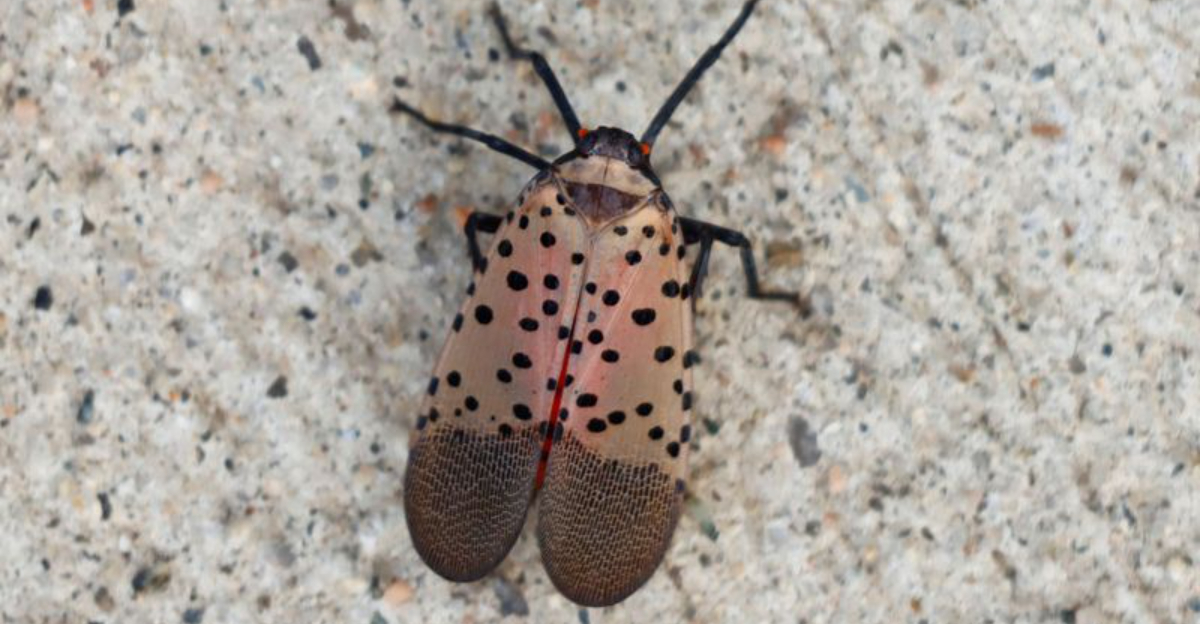
The spotted lanternfly, a menacing invader, is rapidly making its presence known in many parts of the United States. Originating from Asia, this pest was first detected in Pennsylvania in 2014 and has since spread to numerous states, leaving a trail of destruction in its wake.
Known for its appetite for over 70 plant species, including grapevines and fruit trees, it poses a significant threat to agriculture and ecosystems. In this guide, we present 10 essential tips to help you stop the spotted lanternfly from wreaking havoc on your yard.
1. Understanding the Spotted Lanternfly
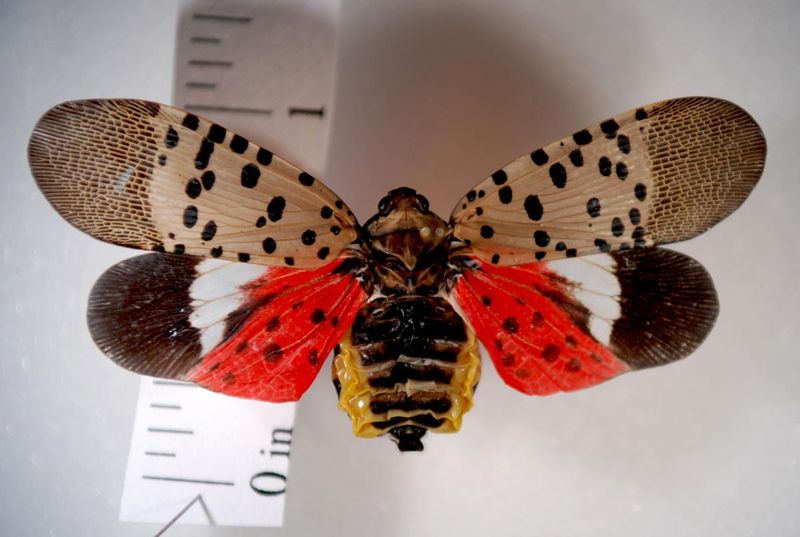
The spotted lanternfly is an invasive planthopper native to Asia. First detected in Pennsylvania in 2014, it has spread to over a dozen states, including New York, New Jersey, and Ohio. This pest feeds on the sap of over 70 plant species, such as grapevines and fruit trees, leaving behind a sticky residue called honeydew. This residue attracts other pests and promotes mold growth. Adults have gray wings with black spots and bright red underwings, while nymphs are black with white spots, turning red as they mature. Egg masses resemble dried mud smudges on various surfaces.
2. The Threat They Pose
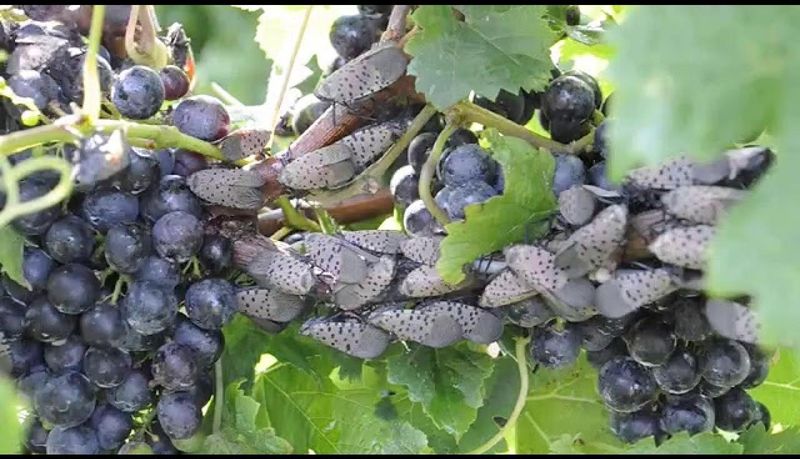
Spotted lanternflies are dangerous because they feed on the sap of various plants, including grapevines, fruit trees, and ornamentals. This feeding weakens the plants and attracts harmful mold due to the honeydew they excrete. Their presence is detrimental to agriculture, affecting crops and ornamental plants. The rapid spread is facilitated by their ability to lay eggs on outdoor items, which are then moved to new locations. Many regions have implemented quarantines to curb their movement, underscoring their potential to cause widespread ecological and economic harm if left unchecked.
3. Identifying the Pest
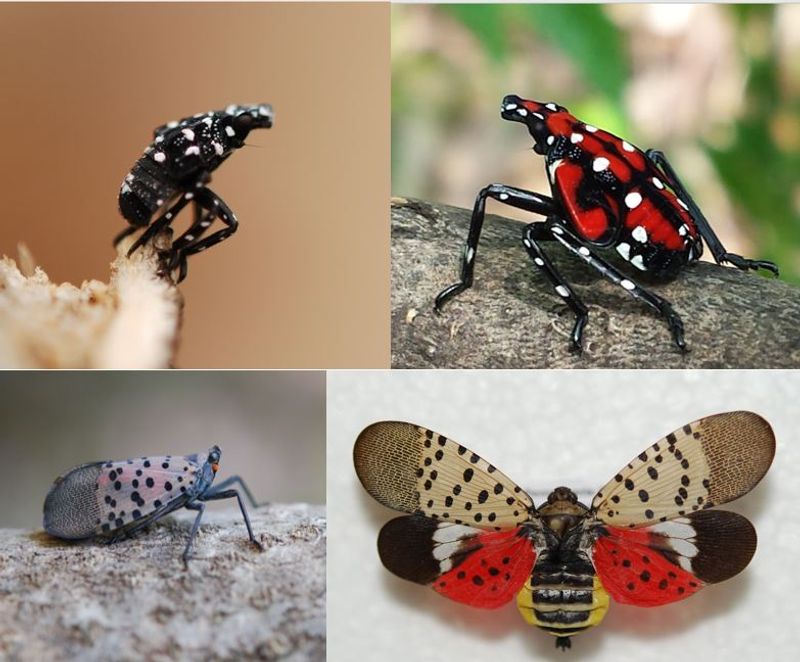
Adult spotted lanternflies are recognizable by their gray wings adorned with black spots and vivid red underwings. Nymphs undergo transformations, starting as black with white spots and turning red as they mature. Egg masses, often found on tree trunks and outdoor items, resemble patches of dried mud. Recognizing these stages is crucial for effective control. The adult’s distinctive coloring and the nymph’s evolving appearance make them noticeable to the observant eye, aiding in early detection and response. Being informed about their appearance helps in taking timely action.
4. Rapid Spread Across States
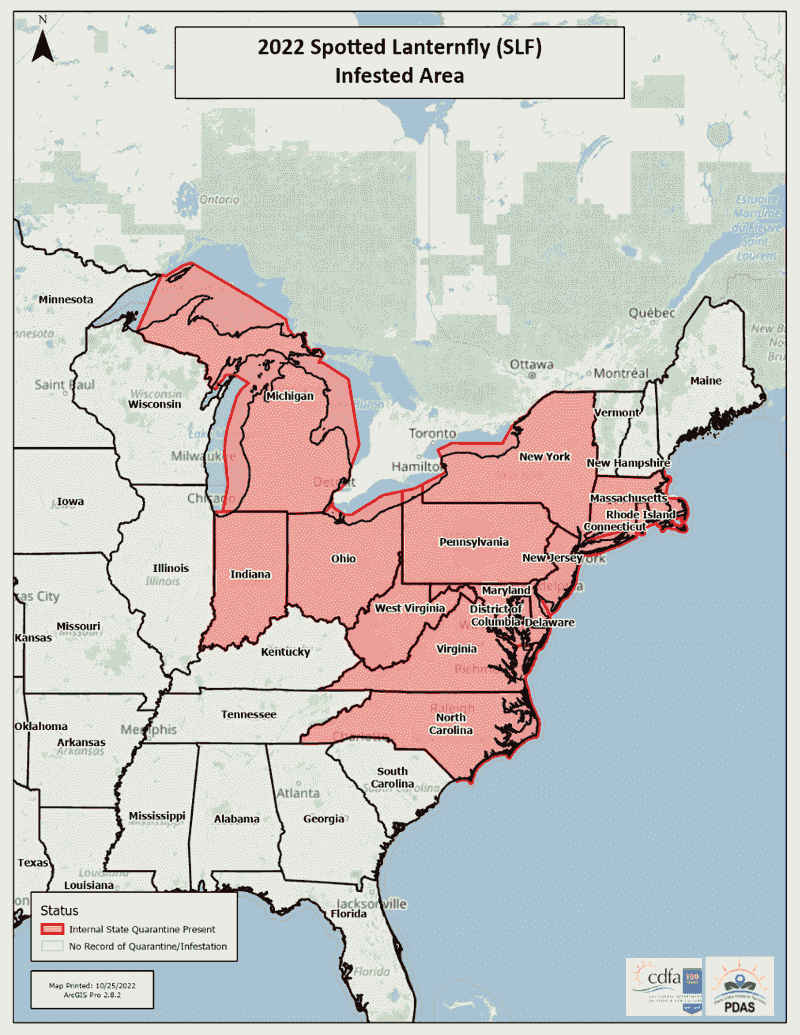
The spotted lanternfly’s rapid spread is mainly due to its ability to lay eggs on movable objects like vehicles and firewood. Since its discovery in Pennsylvania, it has reached states like New Jersey, New York, and parts of the Midwest. This movement has led states to issue quarantines and transport advisories, aiming to limit its impact. The pest’s ability to hitch rides on everyday items makes controlling its spread challenging. Monitoring and restricting the movement of potentially infested materials are essential steps in managing this pest’s expansion across regions.
5. Detecting Infestation Signs
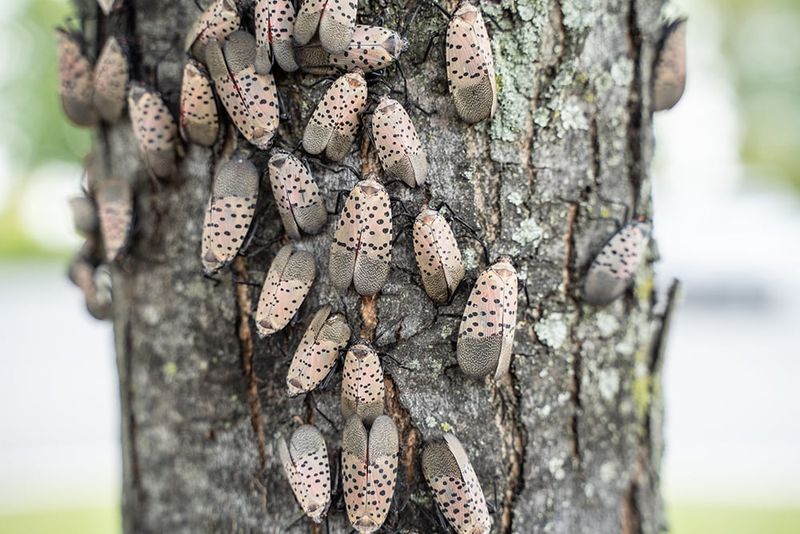
Detecting spotted lanternfly infestations involves looking for clusters of insects on tree trunks, oozing sap, and black sooty mold on leaves or surfaces. Egg masses, visible in fall and early spring, are key indicators. These signs suggest a problematic presence in your yard. Observing these symptoms allows for early intervention, crucial for managing their population. The visual confirmation of swarms and egg clusters signals the need for immediate action to prevent further spread and damage. Vigilant observation helps in maintaining plant health and protecting the ecosystem.
6. Immediate Actions on Sighting
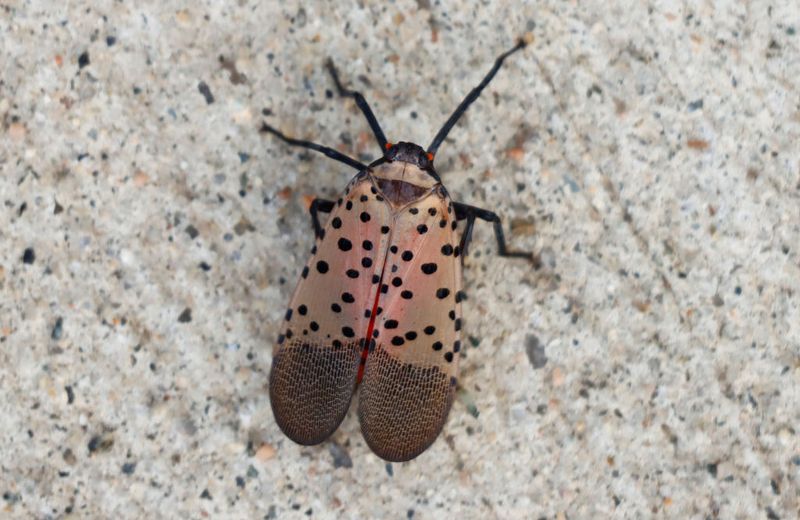
Upon spotting a spotted lanternfly, immediate action is essential. They can be easily killed as they don’t bite, making manual removal effective. Reporting sightings to state agriculture departments helps track their spread. Destroying egg masses is also crucial; scrape them into a container with alcohol or vinegar. These proactive measures significantly reduce lanternfly populations and hinder their expansion. Quick response and community reporting bolster efforts to manage this invasive species. Taking these steps ensures that the threat is addressed promptly, minimizing potential damage.
7. Eliminating the Tree-of-Heaven

The Tree-of-Heaven, an invasive species itself, is a preferred host for the spotted lanternfly. Removing it from your property can significantly impact lanternfly populations. Alternatively, treating it with systemic insecticide turns it into a trap tree, attracting and killing the pests. Eliminating this tree disrupts their breeding cycle and reduces infestation risks. This strategic removal or treatment is vital in areas with high lanternfly activity. By targeting their favored habitat, homeowners can effectively manage pest numbers and protect other plant species in their yards.
8. Utilizing Sticky Bands and Traps
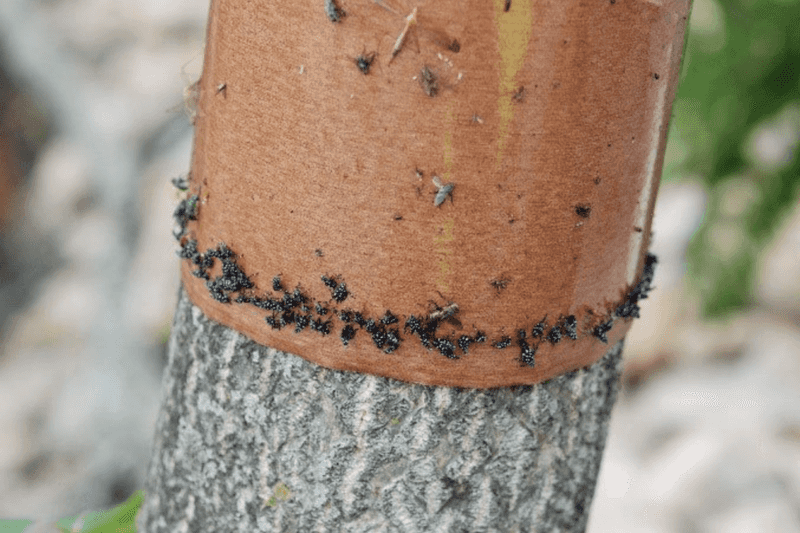
Sticky bands wrapped around tree trunks are an effective method to catch lanternfly nymphs. These bands trap the insects as they crawl upward, preventing further damage. Ensure the design is bird-safe to avoid harming wildlife. Using traps is a simple yet impactful strategy, reducing the number of nymphs reaching maturity. This method is especially useful in heavily infested areas, offering an environmentally friendly control option. By capturing nymphs early, sticky bands contribute to reducing the overall population, aiding in broader pest management efforts.
9. Organic Control with Neem

For organic gardeners, neem oil and insecticidal soap are viable options to control lanternfly nymphs. These treatments are best applied early and frequently, targeting nymphs during peak hatching periods. Neem oil disrupts the insect’s life cycle, providing an eco-friendly solution. This approach favors those seeking non-chemical methods, aligning with sustainable gardening practices. Consistent application ensures better results, curbing nymph populations and minimizing plant damage. By choosing organic solutions, gardeners can maintain ecological balance while effectively managing pest threats.
10. Year-Round Vigilance
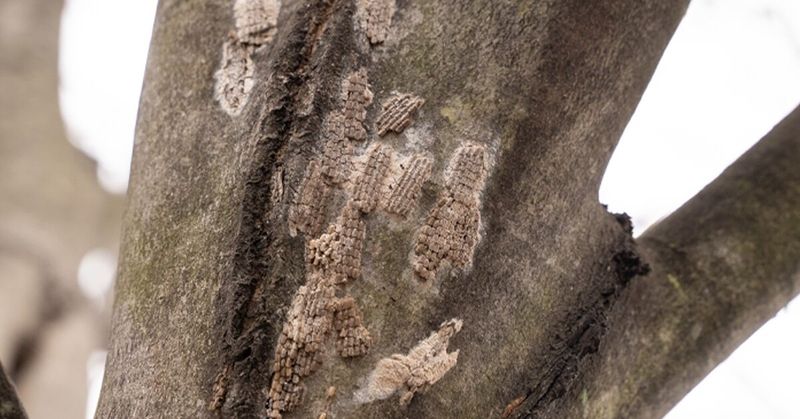
Staying vigilant throughout the year is crucial in managing spotted lanternflies. Egg masses laid in fall hatch by late spring, necessitating continuous monitoring. Scraping and destroying these clusters in winter can drastically reduce future populations. Each egg mass holds 30–50 potential pests, underlining the importance of early intervention. Year-round efforts ensure that infestations are kept under control, protecting plants from damage. This persistent vigilance not only aids in current pest management but also prevents future outbreaks, safeguarding gardens and crops alike.