 Complete Gardening
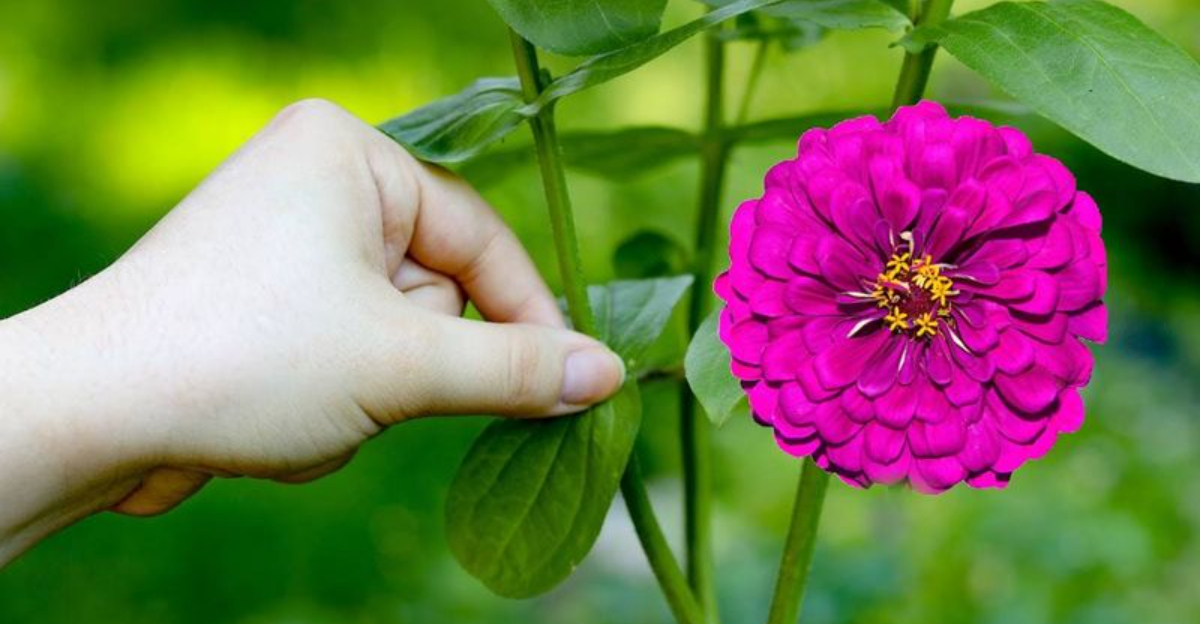
Zinnias, with their vibrant blooms, are a favorite in many gardens, but they require protection from various garden pests and diseases.
Fortunately, age-old gardening techniques can help keep these beloved flowers safe and thriving.
Here are 13 tried-and-true methods to ensure your zinnias flourish throughout the growing season.
1. Companion Planting
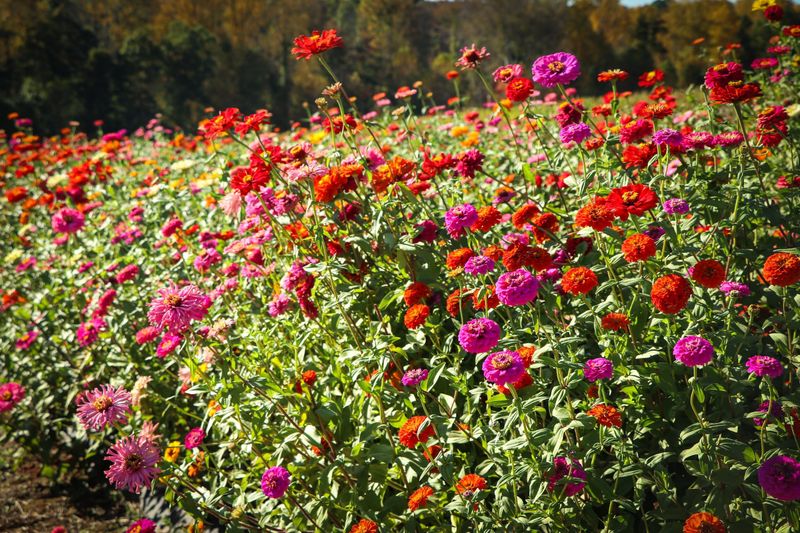
Companion planting is a time-honored way to naturally repel pests. By strategically placing zinnias near basil, garlic, or marigolds, you create a garden that confuses and deters unwanted insects.
These companion plants release scents and natural oils that repel aphids and other pests. Additionally, marigolds are known to attract beneficial insects that prey on common zinnia pests.
This symbiotic relationship not only keeps your garden safe but also enriches the diversity of your plantings. It’s a simple yet effective way to maintain a healthy and vibrant garden ecosystem.
2. Homemade Soap Spray
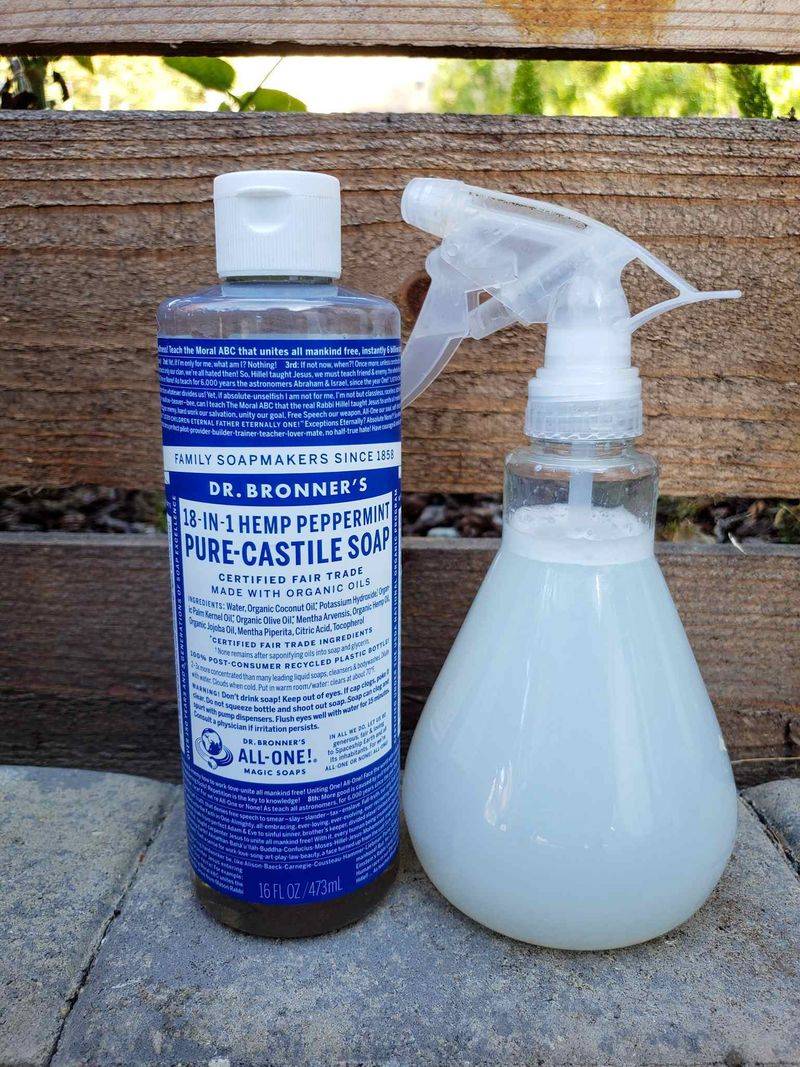
Homemade soap spray is an easy and eco-friendly solution to deter aphids and spider mites. Mix mild dish soap with water, about one teaspoon per quart, and apply the spray directly to the affected areas.
The soap dissolves the protective outer coating of these pests, rendering them defenseless. This mixture is gentle on plants and safe for the environment, making it a favored choice among organic gardeners.
Regular application is key to keeping your zinnias pest-free. Simple ingredients, effective results—this old-school trick never goes out of style.
3. Sprinkle Diatomaceous Earth
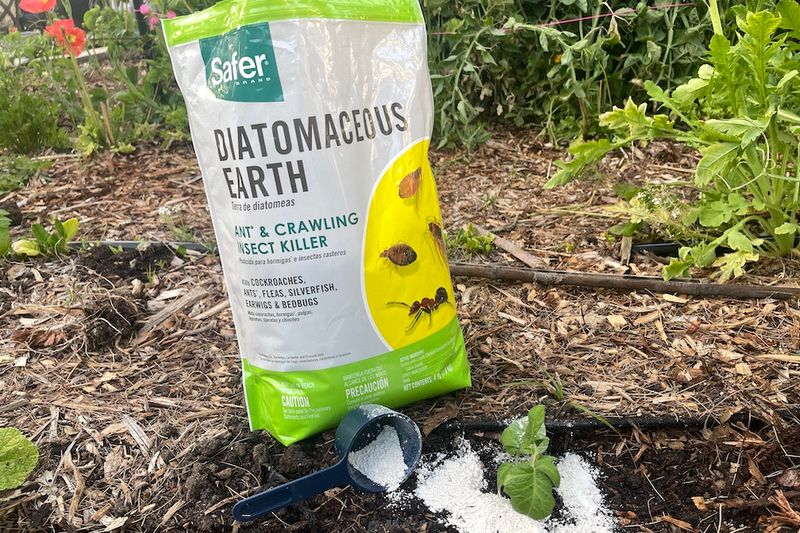
Diatomaceous earth is a natural insect deterrent made from fossilized algae. When dusted onto the soil and leaves, it acts as a physical barrier to crawling insects like slugs and beetles.
The fine particles puncture the exoskeletons of these pests, leading to their dehydration. It’s an effective, non-toxic way to protect your zinnias from damage.
Apply it after rain or watering has dried to ensure it remains effective. This old-school method is a gardener’s ally in maintaining a pest-free zone.
4. Mulch with Newspaper
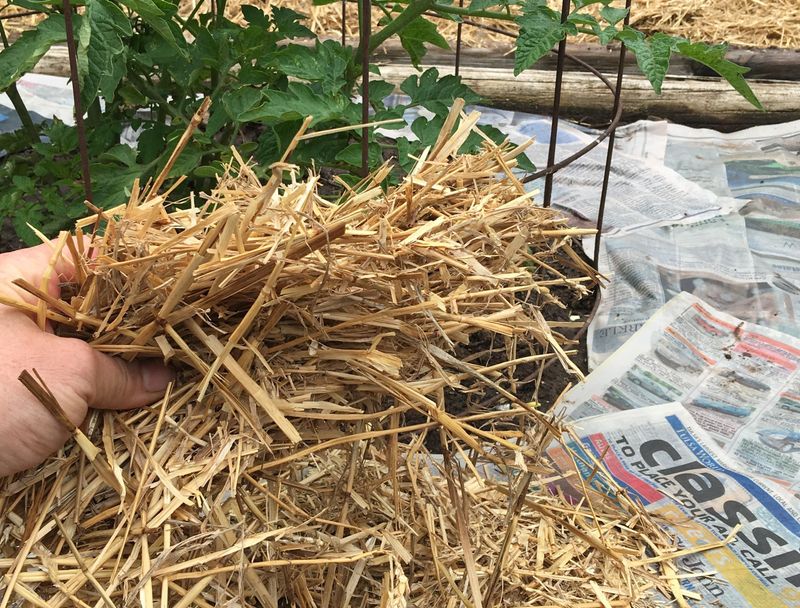
Mulching with newspaper is an effective method to suppress weeds and conserve soil moisture around zinnias. Lay down sheets of newspaper, then cover with organic mulch like wood chips.
This creates a barrier that prevents sunlight from reaching weed seeds, hindering their growth. Additionally, it helps retain moisture, ensuring your zinnias stay hydrated.
As the newspaper decomposes, it adds organic material to the soil, enriching it naturally. This simple technique supports healthy growth and reduces garden maintenance.
5. Water at the Base
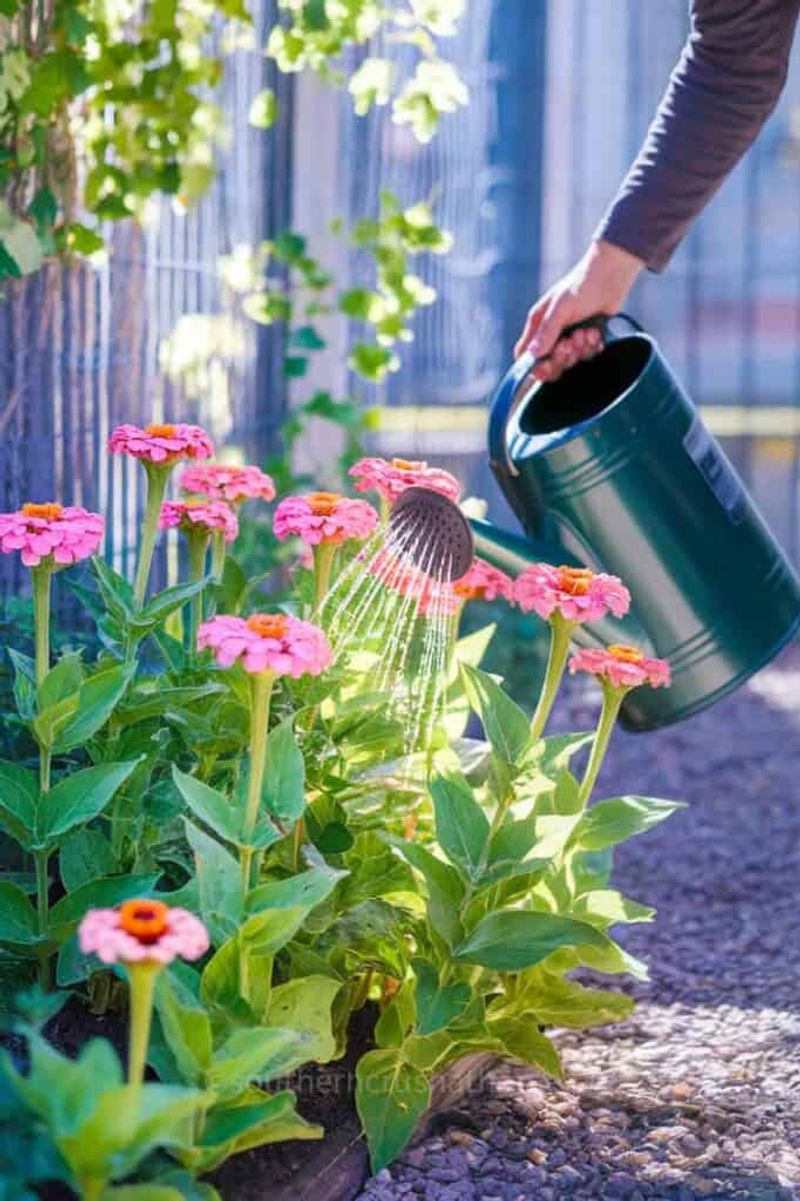
Watering at the base of plants is essential in preventing fungal diseases and mildew. By directing water to the soil rather than the foliage, you minimize the risk of moisture-related issues.
This method ensures that the roots receive the hydration they need without wetting the leaves, which can lead to mildew. It’s a straightforward yet effective practice to maintain healthy zinnias.
Consistency is key, so make this a regular part of your gardening routine to keep your plants thriving.
6. Rotate Planting Locations
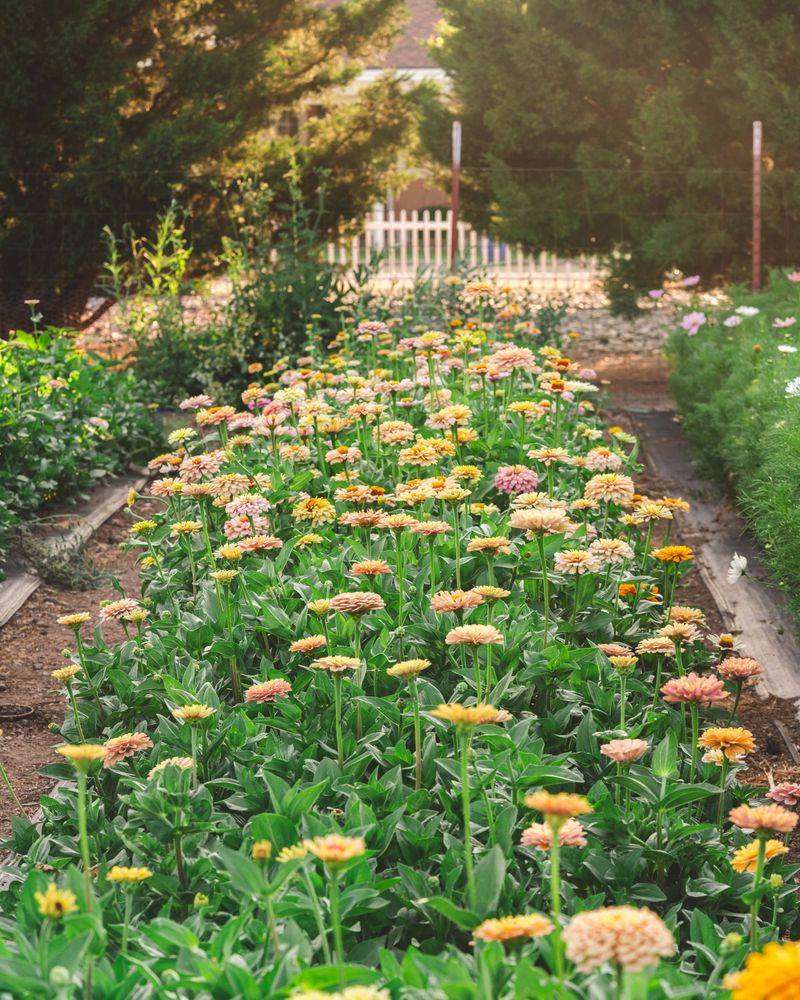
Rotating planting locations is a traditional farming practice that helps prevent soil-borne diseases. By changing the position of your zinnias each year, you disrupt the life cycles of pathogens.
This practice not only reduces disease risk but also promotes healthier soil by preventing nutrient depletion. Each plant variety has different nutrient needs, and rotation allows the soil to recover and balance.
This method creates a more resilient garden environment and contributes to sustained plant health.
7. Dust with Wood Ash
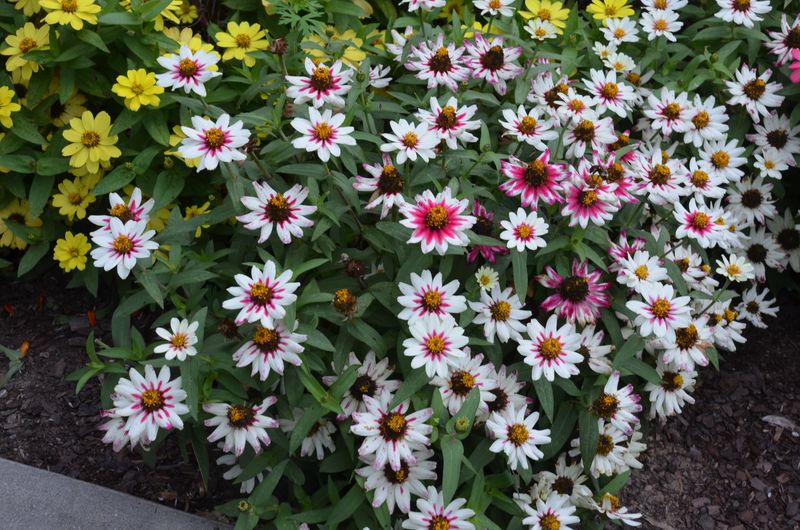
Wood ash, a byproduct of wood combustion, serves as an effective pest deterrent when lightly dusted over zinnias. Its alkaline nature deters soft-bodied insects and provides potassium to the soil.
Potassium is essential for robust plant growth, enhancing both flower and root development. However, use it sparingly to avoid raising soil pH too much.
Historically, gardeners have used ash for its natural benefits, and it remains a practical option for organic gardens today.
8. Neem Oil Spray
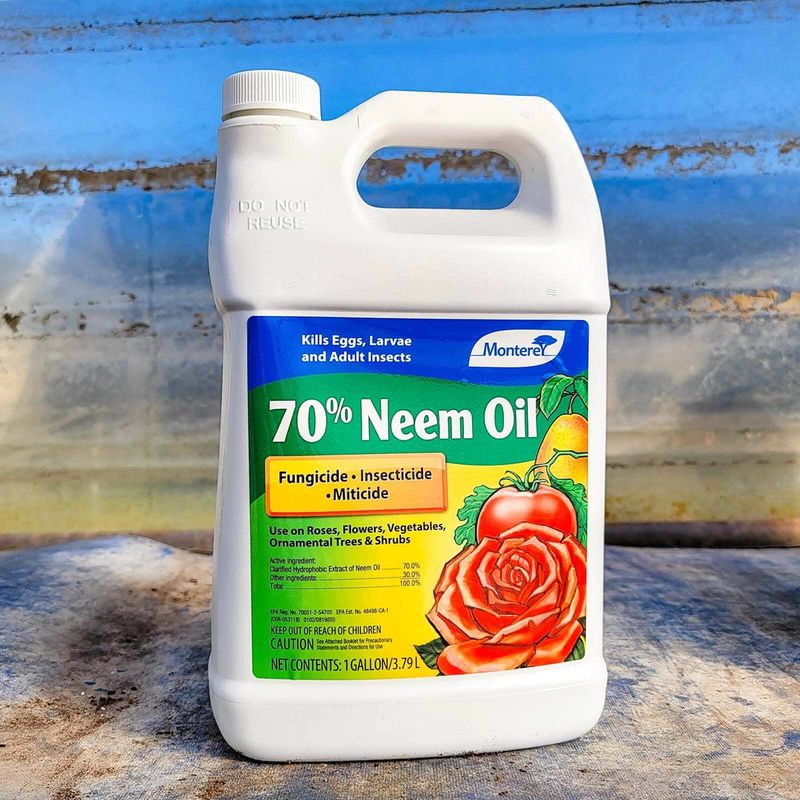
Neem oil, derived from the seeds of the neem tree, is a natural pesticide and fungicide. When applied weekly, it helps control pests and fungal issues on zinnias.
The oil disrupts the life cycle of insects and has antifungal properties, making it a versatile solution for various garden problems. Safe for beneficial insects, neem oil is a favorite among organic gardeners.
Regular use maintains healthy plants and minimizes pest damage, ensuring your zinnias remain vibrant.
9. Pinch the Tops Early
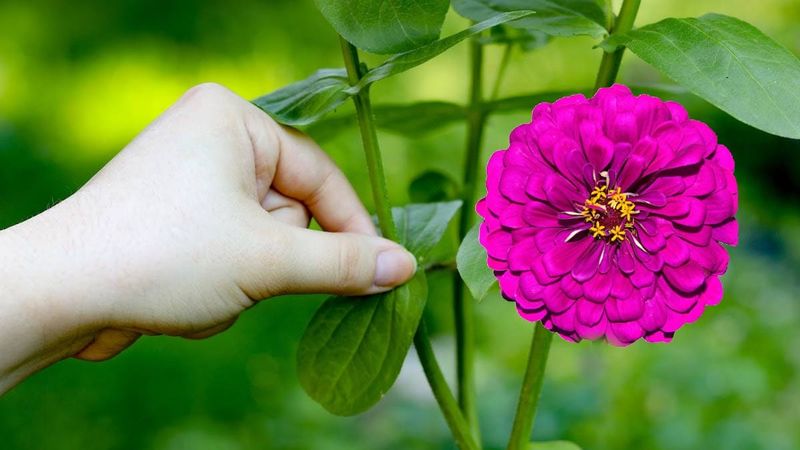
Pinching the tops of young zinnias encourages bushier growth and more blooms. This technique involves removing the top growth early in the season to stimulate lateral branching.
By doing so, you create a sturdier plant capable of supporting numerous flowers, enhancing its resilience against wind and weather.
This simple yet powerful method has been used for generations to improve plant structure and yield in gardens worldwide.
10. Use Copper Wire for Slugs
Copper wire is an effective slug deterrent. When slugs come into contact with copper, it triggers a reaction that repels them.
Placing a ring of copper wire around the base of zinnia plants acts as a barrier, preventing slug damage. This method is a chemical-free option that protects plants while being safe for the garden.
Gardeners have used copper for its pest-repelling properties for years, and it remains a popular choice for natural pest control.
11. Compost Tea Boost
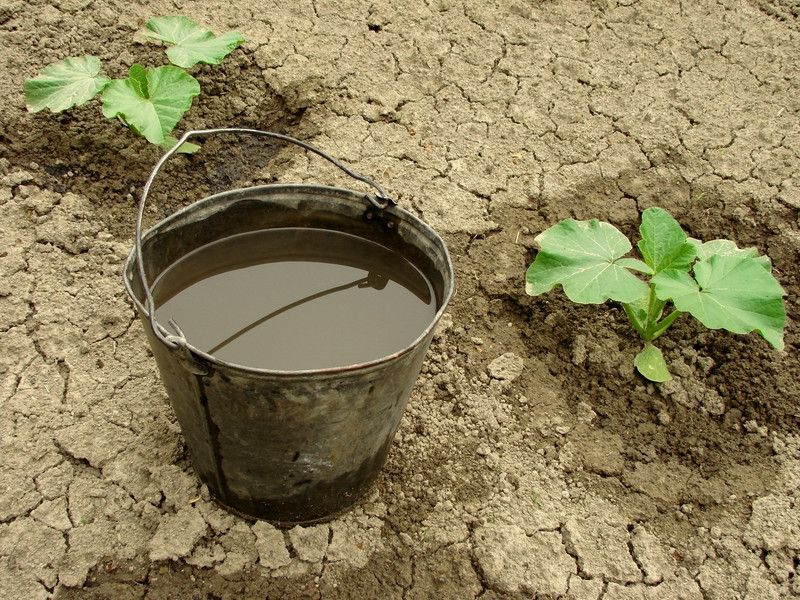
Homemade compost tea provides a nutrient boost to zinnias, enhancing plant immunity naturally. By steeping compost in water, you create a liquid fertilizer rich in beneficial microbes and nutrients.
Apply this tea at the base of plants to improve soil health and encourage robust growth. Compost tea promotes a healthy root system and increases resistance to pests and diseases.
It’s a traditional method that blends the benefits of composting with liquid feeding to achieve vibrant, healthy blooms.
12. Hand-Pick Pests
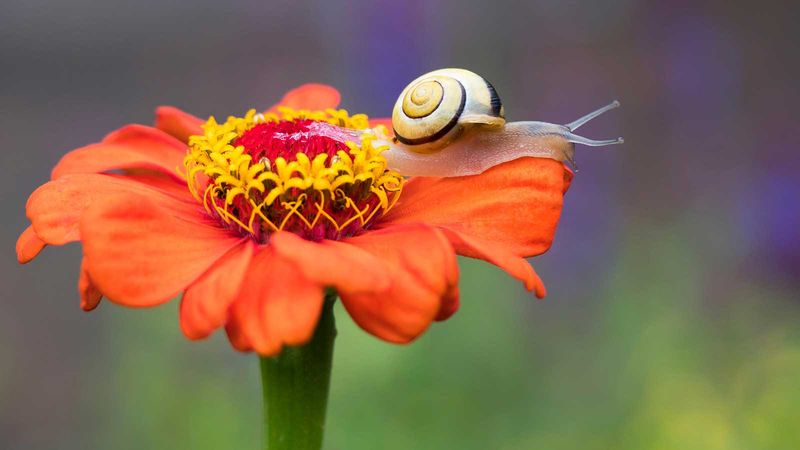
Hand-picking pests is a straightforward and effective way to control insect populations. In the early morning, when pests are most sluggish, manually remove beetles and caterpillars from your zinnias.
This approach requires patience and keen observation but ensures immediate removal of visible threats. It’s a chemical-free method that allows gardeners to stay closely connected to their plants.
Regular checks and removal help maintain a balanced ecosystem, reducing the need for more aggressive measures.
13. Sprinkle Crushed Eggshells
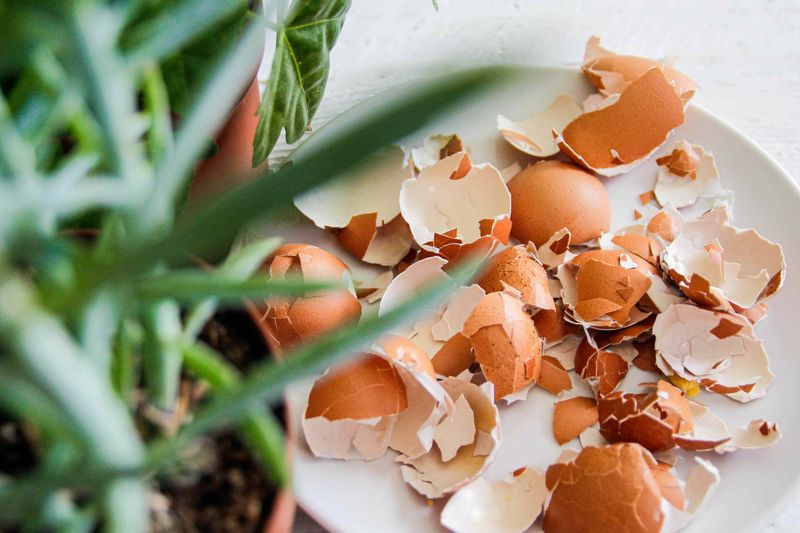
Crushed eggshells provide a dual benefit in the garden—they deter snails and enrich the soil with calcium. Scatter them around the base of zinnia plants to create a rough barrier that snails avoid.
As the shells break down, they release calcium, a vital nutrient for strong cell walls and overall plant health. This practice not only protects zinnias but also contributes to soil fertility.
Gardeners have long used eggshells for their simplicity and effectiveness, making them a sustainable choice for natural pest control.