 Complete Gardening
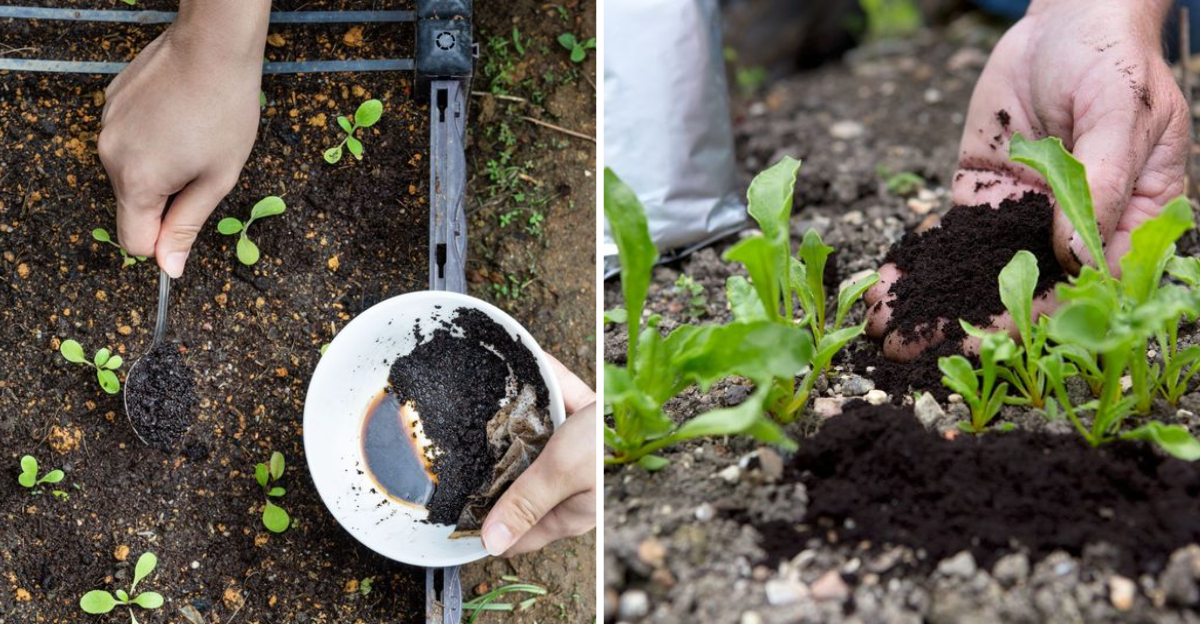
Coffee grounds are a popular topic in the world of gardening, often hailed for their potential benefits. However, misconceptions abound about their use. This blog post delves into five aspects of using coffee grounds in gardening, providing clarity and guidance for those eager to integrate them into their green spaces. We’ll explore the benefits, potential pitfalls, and practical applications, allowing gardeners to make informed decisions.
The Nutrient Boost
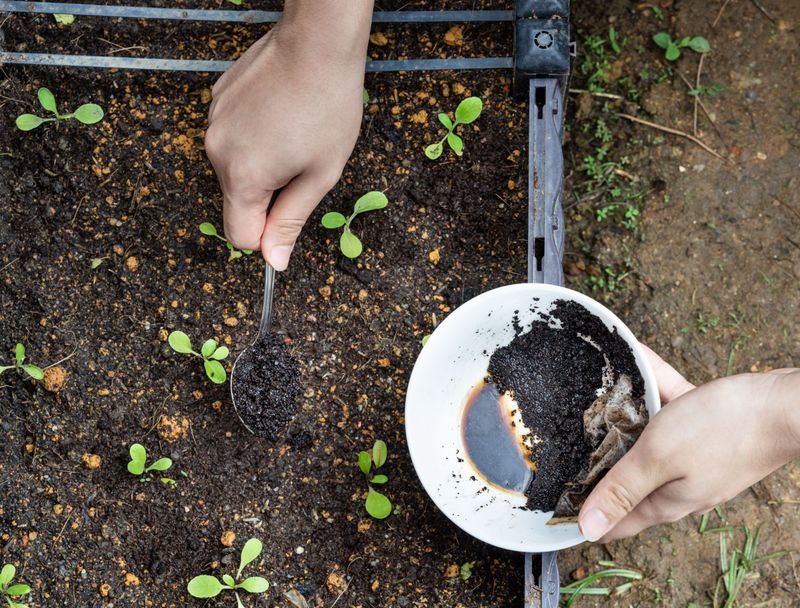
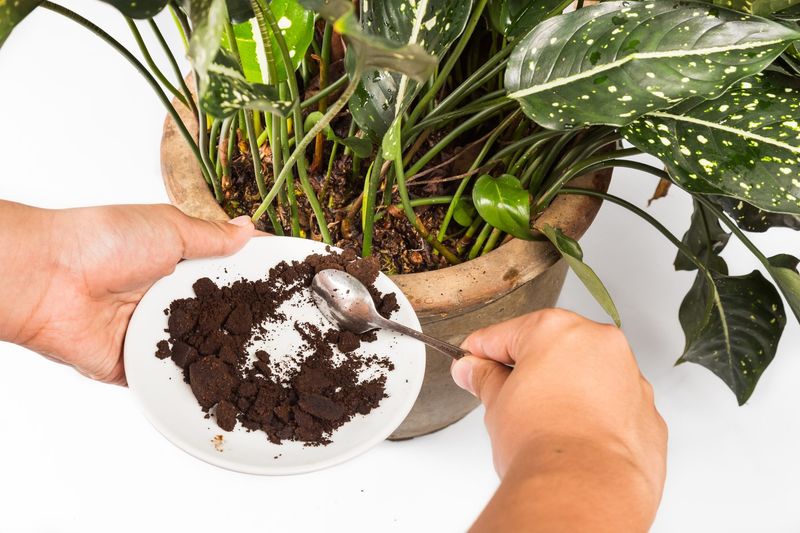
Coffee grounds, rich in nitrogen, phosphorus, and potassium, can give your garden soil a nutrient boost. Mixing these grounds into your soil can aid in plant growth. But it’s not just the nutrients; the grounds also improve soil structure.
When used correctly, they can enhance drainage and water retention. However, moderation is key. Too much can lead to compacted soil, undoing their benefits.
A light sprinkle worked into the topsoil can suffice. It’s a simple way to recycle waste while nurturing your garden.
Consider this eco-friendly practice to enrich your plants naturally.
Pest Deterrent Myth
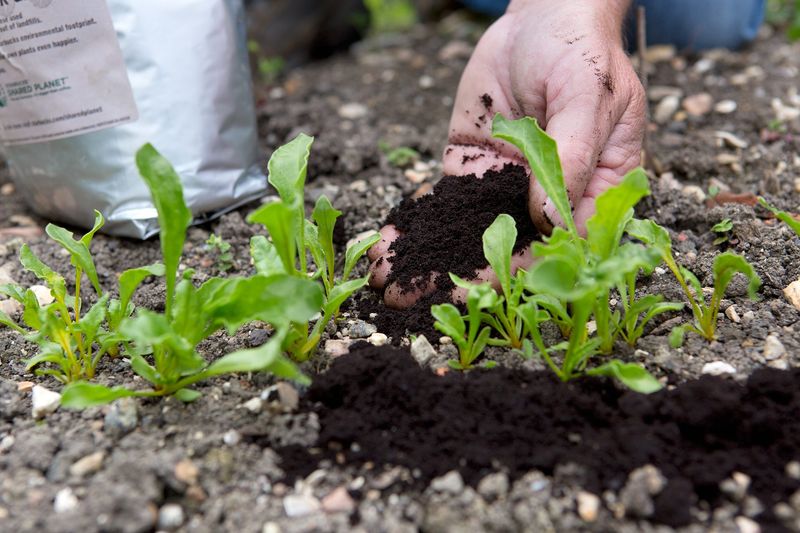
Gardeners often hear that coffee grounds repel pests, but this claim needs scrutiny. While some believe these grounds deter slugs and snails, scientific evidence is scant.
Despite this, the grounds can improve soil health, indirectly benefiting plant resilience against pests. It’s the soil enrichment, rather than direct pest repellent, that aids plant defense.
So, while coffee grounds might not keep pests at bay, they contribute to a healthier garden. Use them wisely, focusing on soil benefits rather than pest control.
This myth, though persistent, should be taken with a grain of salt.
Composting Companion
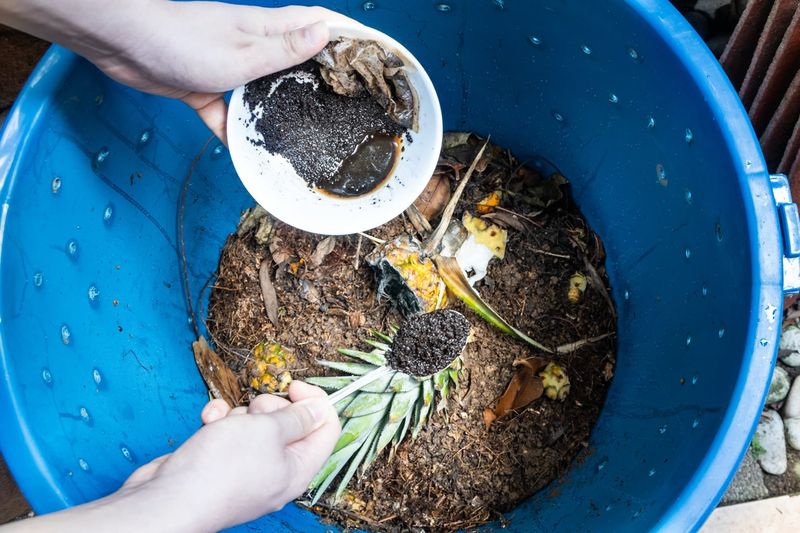
Integrating coffee grounds into your compost bin can enhance decomposition. Their nitrogen content complements carbon-rich materials like dried leaves.
This balance is crucial for a thriving compost pile. Regularly turning the pile ensures even breakdown. The grounds’ texture also helps aerate the compost, preventing odors.
When combined with other kitchen waste, they create a nutrient-rich amendment for your garden. It’s an easy step towards sustainable gardening.
Consider their role as a composting asset rather than just a direct soil additive. This dual-purpose use maximizes their value in the garden.
Soil pH Misconception
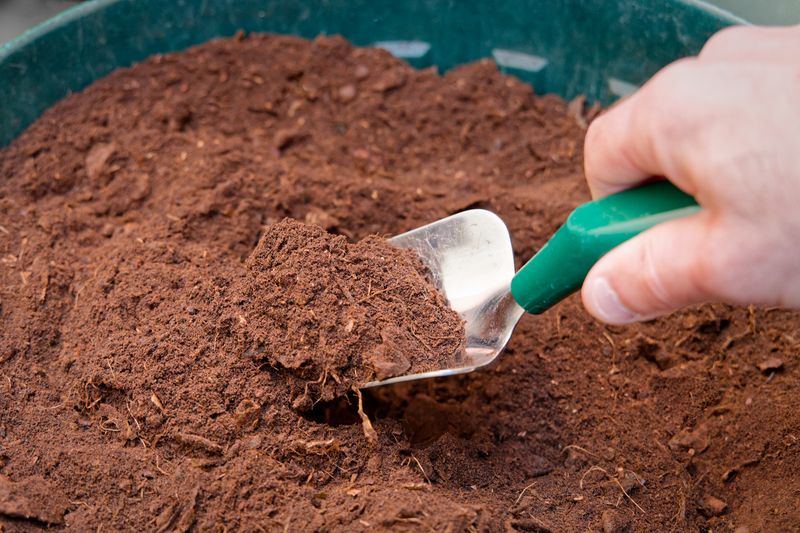
A common misconception is that coffee grounds acidify soil. Fresh grounds are acidic, but used ones typically have a neutral pH.
Their impact on soil pH is minimal, making them safe for most plants. However, testing your soil before application can prevent any pH-related issues.
Understanding this prevents unnecessary gardening mishaps. Coffee grounds contribute more to soil texture and nutrient content than altering pH.
By debunking this myth, gardeners can use them with confidence, focusing on their true benefits.
Knowledge is key to avoiding mistakes in garden care.
Earthworm Attraction
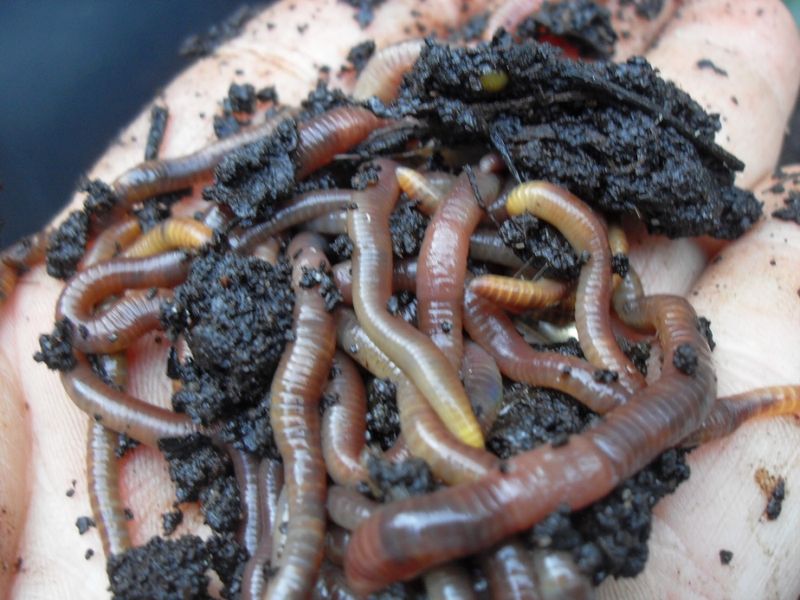
Earthworms, nature’s tillers, are attracted to coffee grounds. These creatures thrive in soil enriched with organic matter.
The grounds serve as both a food source and an enhancer of soil structure. By incorporating them, gardeners can encourage earthworm activity, enhancing soil aeration and nutrient cycling.
This leads to healthier plant growth, as earthworms play a crucial role in maintaining soil health.
Their presence indicates a thriving ecosystem. With coffee grounds, you’re inviting beneficial allies to your garden.
It’s a symbiotic relationship that benefits both soil and plants alike.
Mulching Marvels
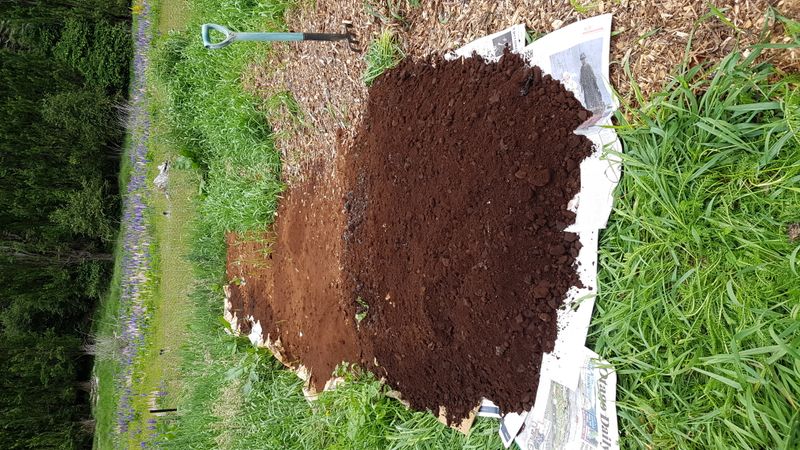
Consider using coffee grounds as a unique mulching option. Their fine texture helps them spread evenly across the soil surface, enhancing moisture retention. They also create a visually appealing, dark layer that contrasts beautifully with green foliage.
One of the notable benefits is their ability to regulate soil temperature, providing a stable environment for roots. This can be particularly useful during fluctuating weather conditions. Remember to use them sparingly to prevent compaction.
For a quirky touch, many gardeners appreciate the aroma coffee grounds bring, adding a subtle coffee scent to the morning garden routine.
Slug Deterrent Possibility
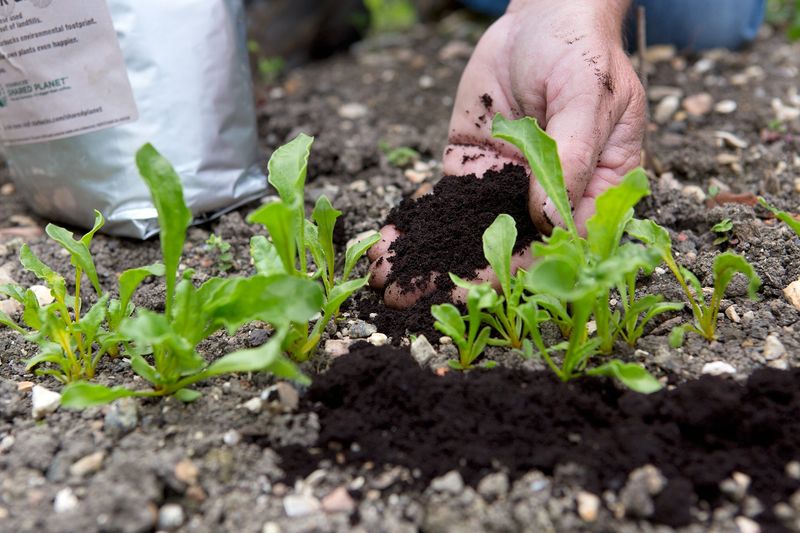
While some gardeners swear by coffee grounds as a slug deterrent, results can vary. The rough texture may deter slugs from crossing these barriers. However, it’s not foolproof, and some persistent slugs might still venture across.
Experiment by creating small barriers around vulnerable plants. This can be a fun, trial-and-error aspect of gardening, seeing which plants benefit from this natural barrier.
Curiously, some gardeners enjoy watching the interaction between slugs and coffee grounds, making it both a practical and entertaining garden addition.
Microbial Haven
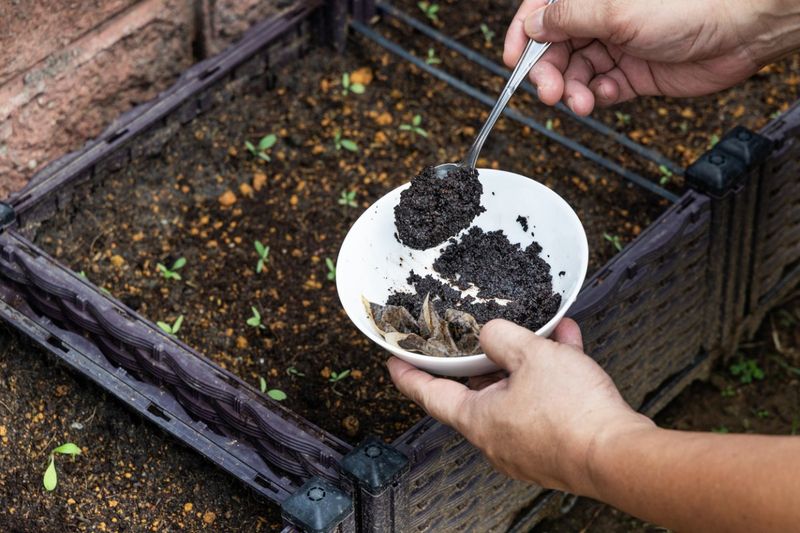
Coffee grounds provide an excellent environment for beneficial microbes. These tiny organisms play a vital role in breaking down organic matter, enriching the soil with essential nutrients as they do.
By fostering microbial life, coffee grounds can help create a balanced ecosystem within your garden. This can lead to healthier plants that are more resistant to diseases.
Interestingly, some gardeners compare this microbial boost to probiotics for plants, enhancing their growth and vitality in a natural way.
Natural Dye Source

Did you know coffee grounds can also be used as a natural dye in your garden crafts? This eco-friendly option offers rich, earthy tones to fabrics and paper.
To create your dye, simply brew a strong coffee solution using the grounds, then let your materials soak. This method not only repurposes waste but also adds a unique touch to handmade items.
Many crafters appreciate this sustainable approach, finding joy in every dyed piece that carries the characteristic coffee hue.
Fungal Friendliness
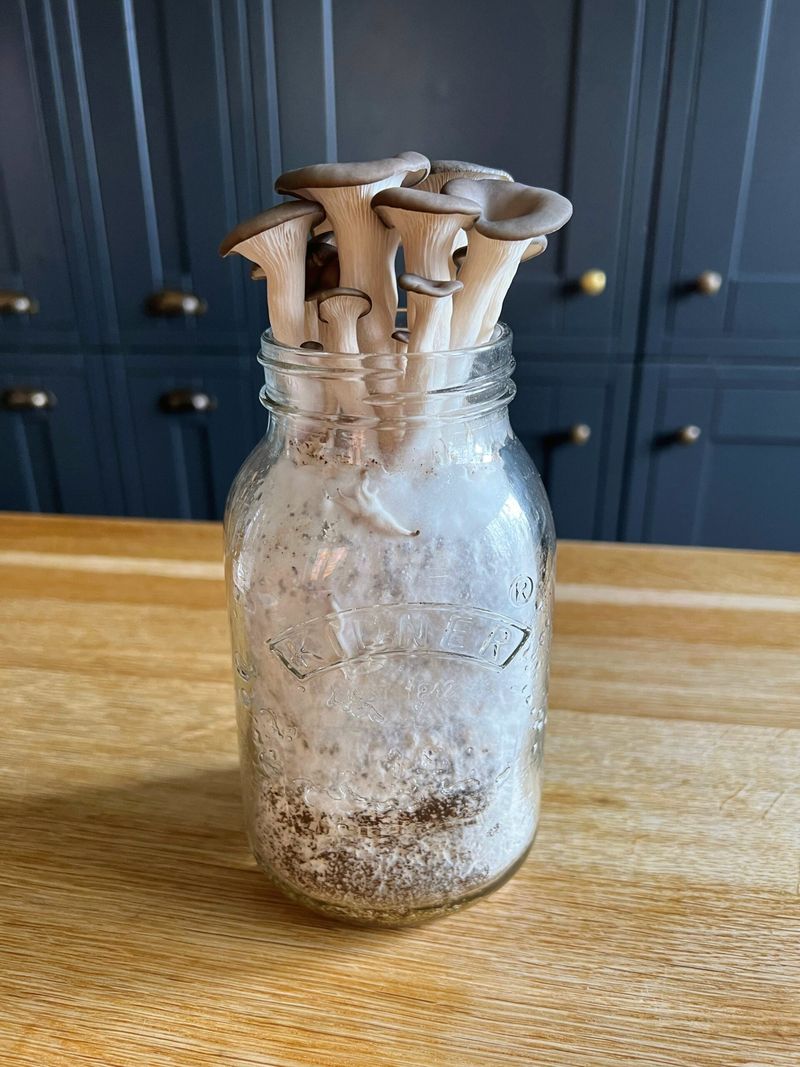
Fungi thrive in certain conditions that coffee grounds can help create. Their nutrient-rich content and moisture retention can encourage fungal growth.
This can be particularly beneficial for gardens aiming to support decomposers that break down organic matter, enriching the soil. Fungi like mycorrhizae can form symbiotic relationships with plants, enhancing nutrient uptake.
Gardeners interested in cultivating edible mushrooms might find coffee grounds a useful substrate, turning a simple garden into a gourmet farm.
Seed Germination Aid
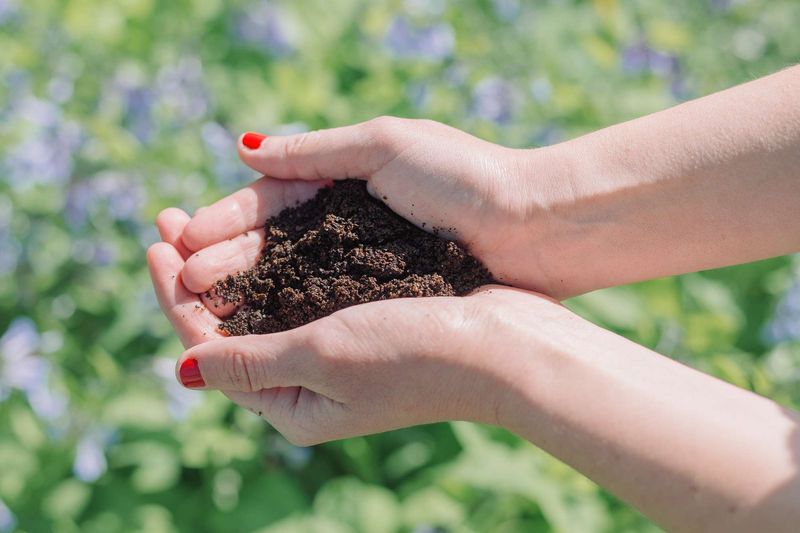
Coffee grounds can assist in seed germination by providing a nurturing bed for seeds to sprout. Their texture allows for good aeration and moisture retention, creating optimal conditions for young plants.
When mixed with soil, they can enhance drainage and prevent seeds from drying out. This can be particularly useful for gardeners experimenting with different seed types.
Some gardeners enjoy the anticipation of seeing their efforts bear fruit, comparing seed germination with coffee grounds to brewing the perfect cup.
pH Neutralizing Myth
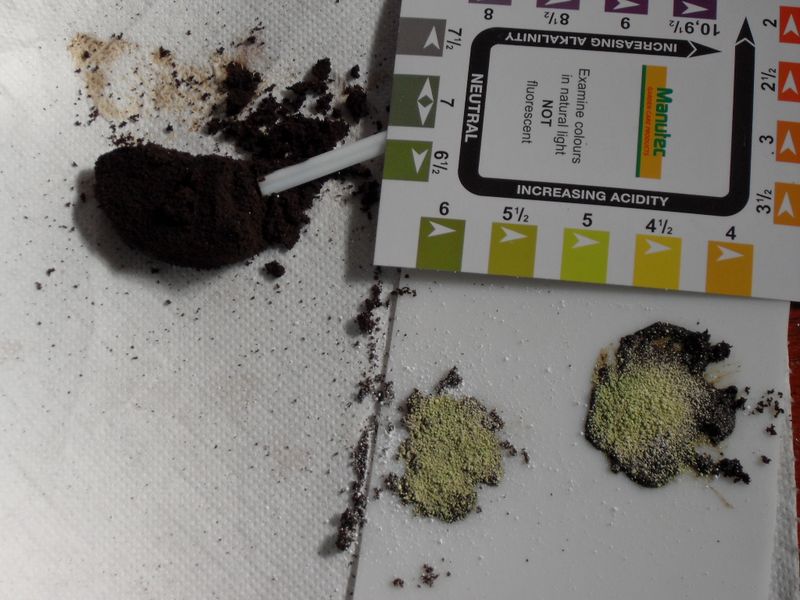
A common misconception is that coffee grounds significantly alter soil pH. While they are slightly acidic, used grounds tend to be near neutral.
Testing your soil before and after adding coffee grounds can be an enlightening experiment. It often reveals minimal changes, debunking the myth of drastic pH shifts.
This myth-busting can be a fun part of gardening, providing clarity and preventing unnecessary soil amendments based on false assumptions.
Erosion Control Experiment
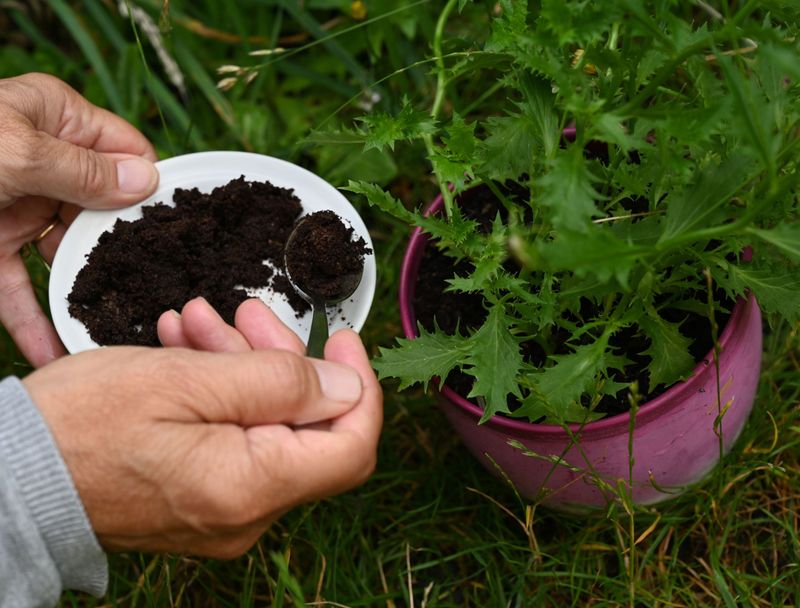
In areas prone to erosion, coffee grounds can serve as an experimental remedy. Their texture helps bind soil particles, reducing runoff and preserving soil integrity.
This can be particularly beneficial on slopes or in areas with heavy rainfall. By integrating coffee grounds into erosion control strategies, you can help maintain landscape beauty.
Some gardeners find satisfaction in testing various erosion control methods, with coffee grounds providing a sustainable and innovative option.
Aesthetic Garden Paths
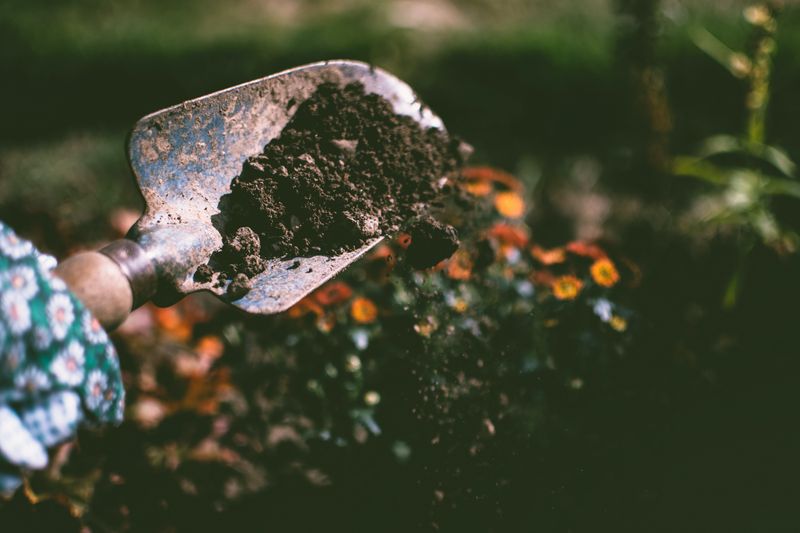
Create visually stunning garden paths by using coffee grounds. Their dark color and fine texture provide a distinct contrast that highlights the natural beauty of surrounding plants.
This can be an artistically satisfying way to repurpose waste, adding both functionality and charm to garden landscapes. The subtle coffee aroma can enhance the sensory experience of a garden stroll.
Many gardeners enjoy designing paths that lead through their botanical creations, with coffee grounds offering an eco-friendly material choice.
Winter Plant Protection

Coffee grounds can offer protection to plants during winter months. Their insulating properties help shield roots from extreme cold, maintaining a stable microenvironment.
By covering the ground around dormant plants, coffee grounds can prevent frost damage and enhance soil warmth. This provides peace of mind for gardeners worried about winter’s toll.
This simple method can become a comforting ritual, allowing gardeners to nurture their plants even in the coldest seasons.
Bee Attraction Potential
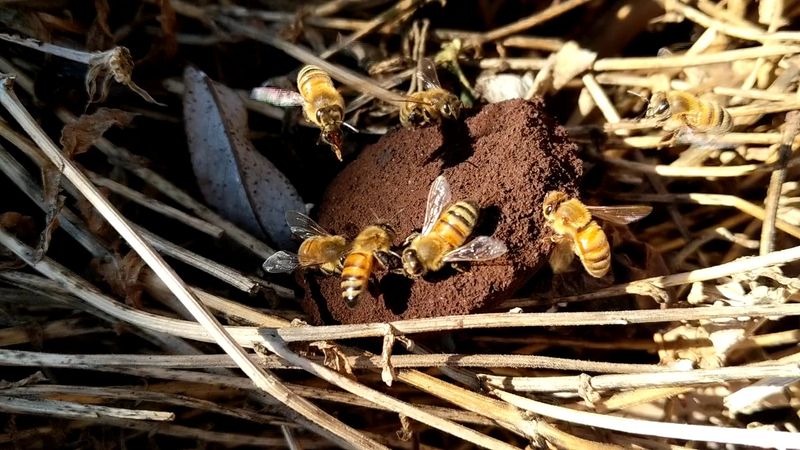
Coffee grounds might contribute to increased bee activity in gardens. The subtle scent can attract these essential pollinators, enhancing the ecological balance.
By fostering a bee-friendly environment, gardens can thrive, leading to more fruitful harvests. This eco-conscious approach celebrates biodiversity while supporting garden health.
Some gardeners take pride in creating habitats that welcome bees, enjoying the lively buzz and the benefits of natural pollination.
Alternative Fertilizer Blend
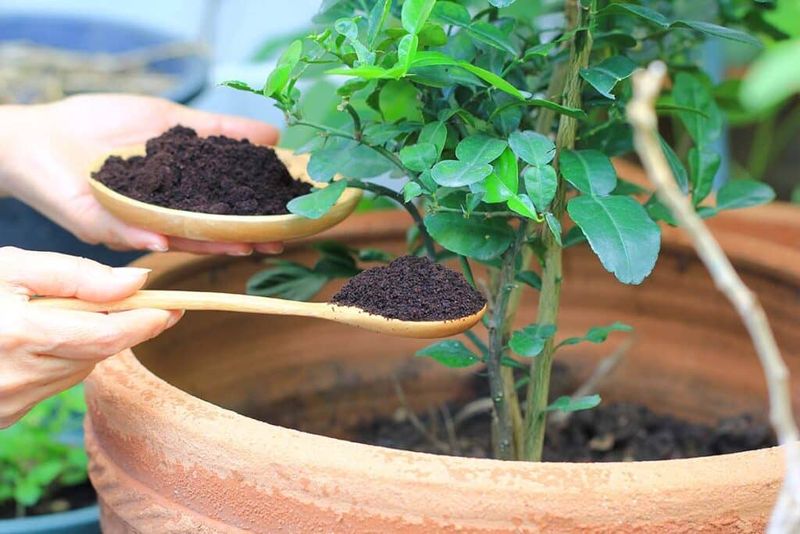
Combine coffee grounds with other organic materials to create an alternative fertilizer. Their rich nitrogen content complements other compost ingredients, boosting plant growth.
Experimenting with different compost blends can be an exciting aspect of gardening. By understanding the nutrient contributions of coffee grounds, gardeners can tailor fertilizers to specific plant needs.
This innovative approach can lead to personalized gardening solutions, fostering creativity and a deeper connection to the soil.
Caffeine’s Surprising Role
Caffeine in coffee grounds plays an unexpected role in gardening, potentially influencing plant growth. Some studies suggest caffeine may deter certain pests, although results can vary.
Gardening with this in mind can add a layer of experimentation, observing how different plants respond to caffeine’s presence. This might become a curious aspect of the gardening experience.
Understanding these nuances can enhance gardening techniques, leading to a more informed and engaging approach to using coffee grounds.
Bird Interaction Observation

Birds are often seen interacting with coffee grounds in gardens. Whether they are searching for insects or simply investigating, their presence can add life to any garden.
Observing these interactions can be a delightful pastime, providing insight into the garden’s ecosystem. Coffee grounds may even inspire creative ways to enhance bird-friendly environments.
Engaging with these lively garden visitors allows gardeners to appreciate the interconnectedness of nature, with coffee grounds playing a part.