 Complete Gardening
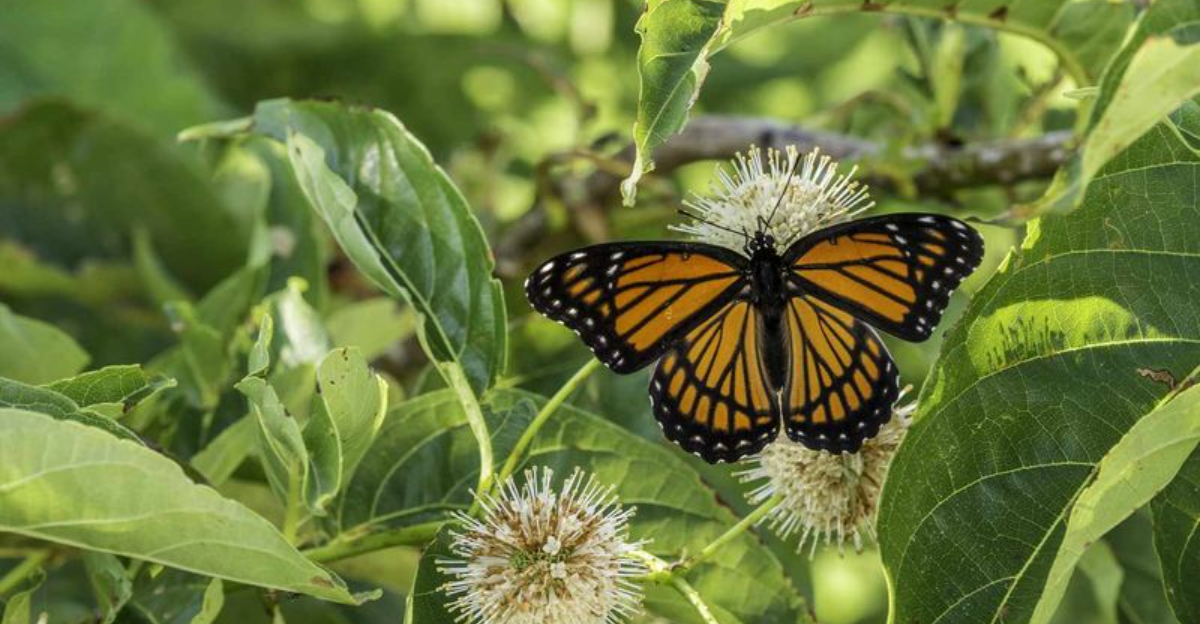
Explore the captivating world of the Viceroy Butterfly, a creature renowned for its striking resemblance to the Monarch.
As you delve into these 11 fascinating facts, you’ll uncover what makes the Viceroy unique and why it’s a vital addition to any garden.
From its clever mimicry to its preference for native trees, gardeners will find a wealth of intriguing information to help support this beautiful butterfly in their own backyard.
1. It Looks Just Like a Monarch – But It’s Not!
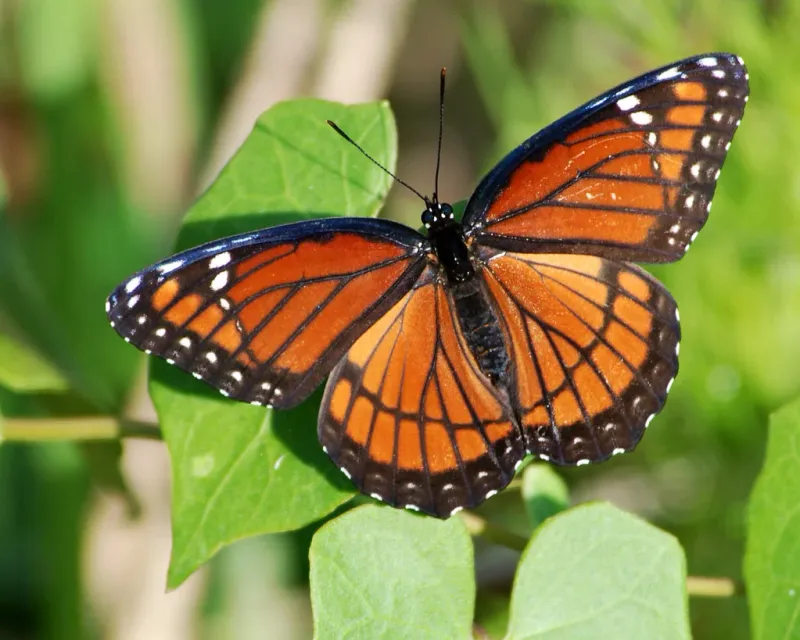
The Viceroy (Limenitis archippus) is a master of disguise, mimicking the Monarch’s orange-and-black pattern to deceive predators. This visual trickery, known as Batesian mimicry, is a survival strategy that fools predators into thinking it’s a bitter-tasting Monarch. By resembling the Monarch, the Viceroy gains protection in the dangerous world of nature. However, a keen observer will notice subtle differences. The Viceroy showcases a striking black line across its hind wings, a feature absent in Monarchs. This unique trait helps dedicated butterfly watchers distinguish these fascinating insects in the garden.
2. It’s Slightly Smaller Than a Monarch
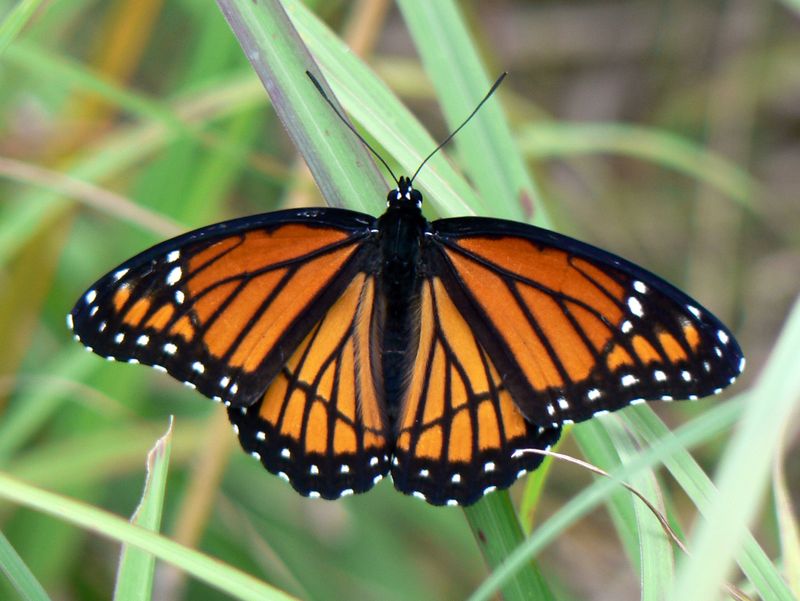
While both butterflies share a striking resemblance, the Viceroy is slightly smaller, usually 1–2 inches shorter in wingspan. This size difference is one easy way to tell them apart. The distinct black line across the Viceroy’s hind wings further aids in identification. Observing these characteristics can help gardeners differentiate between these two beautiful butterflies when they visit flowers. In the garden, recognizing the Viceroy not only enriches the viewing experience but also contributes to understanding the complex web of interactions in nature’s ecosystem.
3. They’re Actually Toxic Too
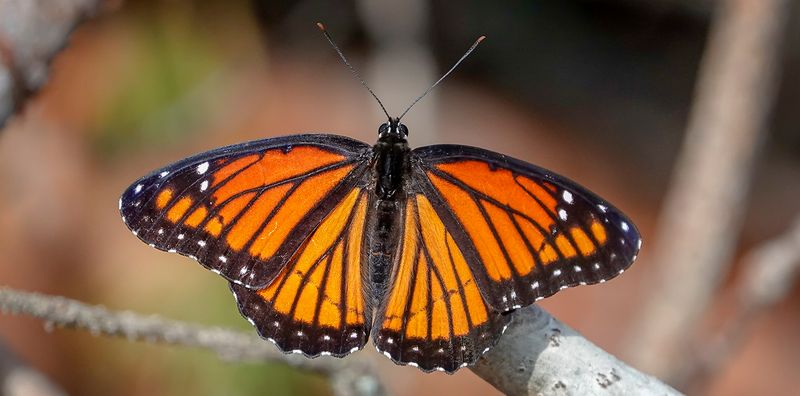
Initially thought to be just a mimic, the Viceroy is also distasteful to predators. Scientists discovered that Viceroys absorb defensive compounds from their host plants, making them unappealing to potential threats. This revelation categorizes them as Müllerian mimics, where both they and Monarchs benefit from shared warning coloration. The protective strategy ensures survival in a world where danger lurks at every corner. For gardeners, understanding this aspect adds depth to the appreciation of these butterflies, highlighting how complex and interconnected natural ecosystems are.
4. Willow and Poplar Trees Are Their Host Plants
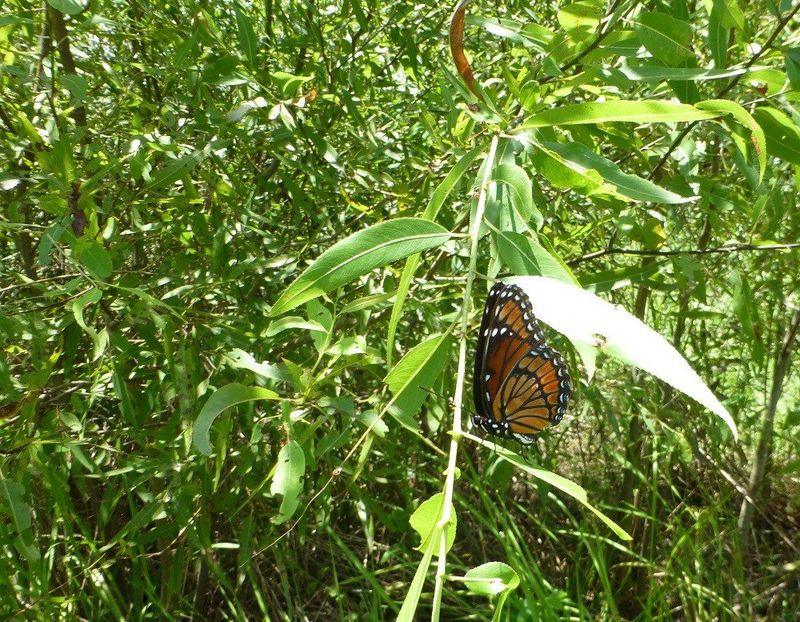
For those eager to attract Viceroys, planting native willow, cottonwood, or poplar trees is the way to go. These trees serve as the host plants where female Viceroys lay their eggs, and caterpillars feast on the leaves. This connection to specific trees enhances a garden’s biodiversity and supports the entire life cycle of the Viceroy butterfly. Gardeners interested in nurturing native species will find joy in watching these butterflies thrive. The presence of Viceroys not only adds beauty but also signifies a commitment to ecological sustainability and conservation.
5. Caterpillars Look Like Bird Droppings (On Purpose!)
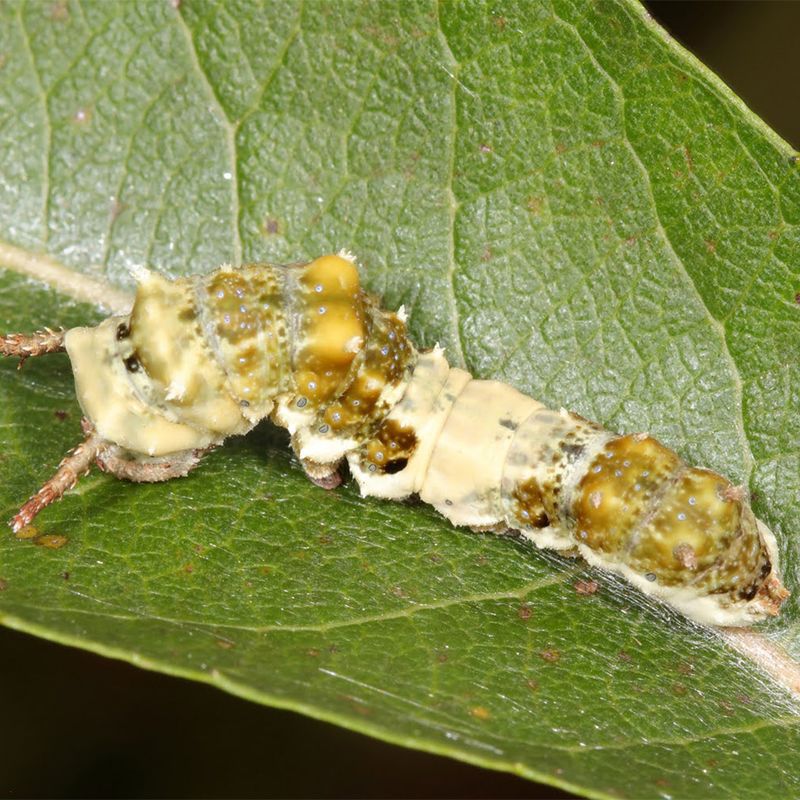
The Viceroy caterpillar’s unique camouflage is a remarkable survival tactic. By resembling bird droppings, these caterpillars avoid being eaten by predators. This clever disguise is nature’s way of providing protection in a perilous world. For gardeners, observing this fascinating adaptation adds an extra layer of intrigue to the butterfly’s life cycle. Witnessing the transformation from caterpillar to butterfly becomes a captivating experience. Such natural wonders highlight the creativity and resourcefulness inherent in wildlife, offering gardeners a glimpse into the intricacies of evolutionary survival strategies.
6. Adults Love Flowering Herbs and Shrubs
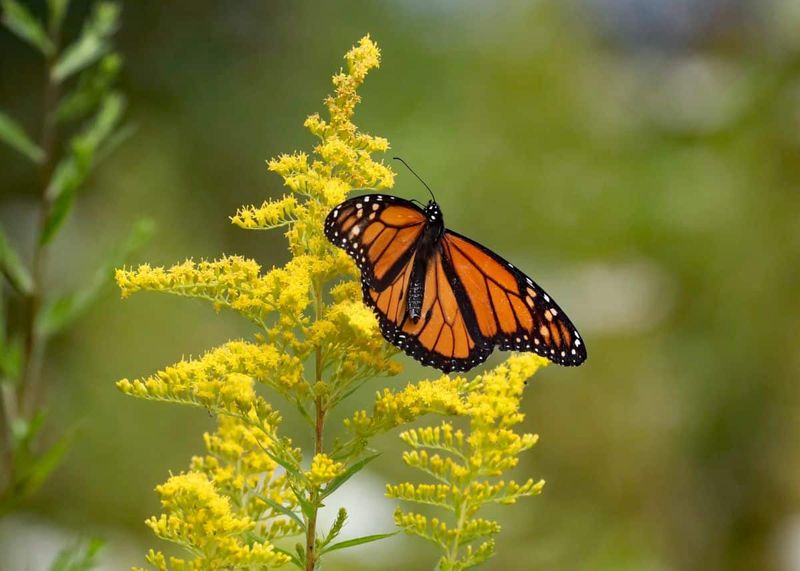
To keep adult Viceroys fluttering through your garden, plant nectar-rich flowers such as asters, goldenrod, Joe-Pye weed, coneflowers, and even milkweed for Monarchs. These vibrant blossoms provide the essential nourishment Viceroys need to thrive. The presence of these flowers not only enhances the garden’s visual appeal but also supports a diverse community of pollinators. For gardeners, cultivating such plants fosters a lively ecosystem where butterflies and blooms coexist harmoniously. The dance of Viceroys around these flowers is a testament to the garden’s role in sustaining wildlife.
7. They Prefer Wetland and Moist Garden Edges
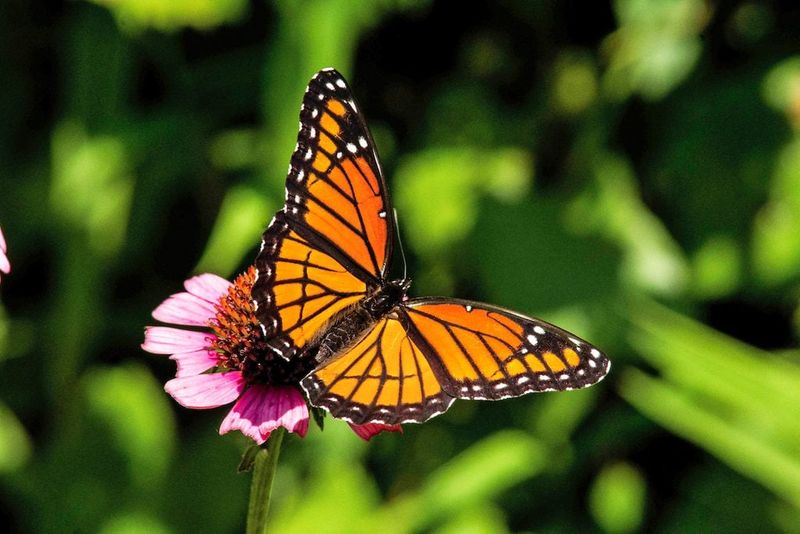
Viceroys thrive near marshes, riverbanks, and damp meadows, making them ideal residents for gardens with rain gardens, ponds, or damp border areas. These butterfly-friendly habitats are perfect for supporting their needs. By creating or maintaining such environments, gardeners can attract Viceroys and other wildlife. The presence of these butterflies indicates a healthy, balanced ecosystem. Supporting wetland species not only brings beauty to the garden but also strengthens biodiversity. For those passionate about wildlife conservation, these efforts contribute to preserving delicate ecological balances.
8. They’re Most Active in Late Summer
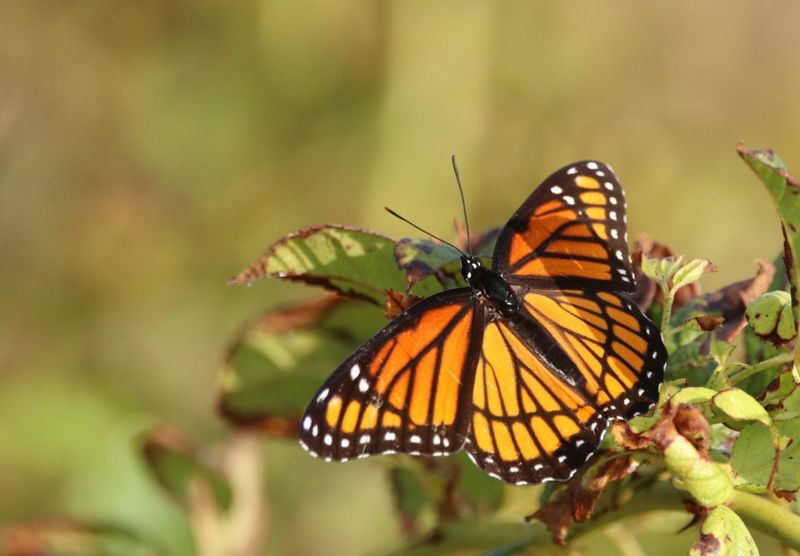
With bold orange coloring, Viceroys are most active in late summer, fluttering among August and September blooms. This seasonal activity brings vibrancy to gardens, enhancing the visual spectacle of summer. Gardeners can look forward to witnessing these butterflies as they bring life and movement to their outdoor spaces. Understanding this timing helps gardeners plan their planting and maintenance schedules, ensuring that their gardens are ready to welcome these seasonal visitors. The beauty of Viceroys in late summer serves as a reminder of the changing seasons and the cycles of nature.
9. Viceroys Are Found Across North America
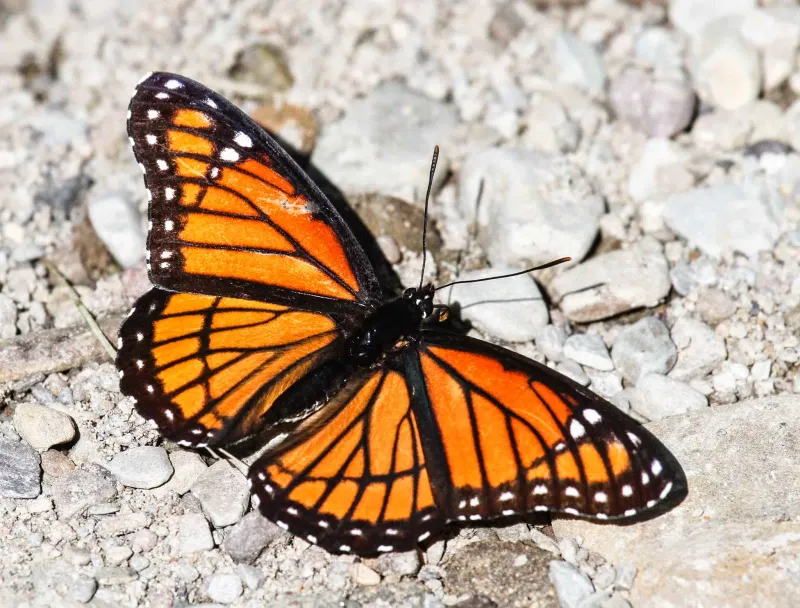
Spanning from southern Canada through Florida and west to Texas and California, Viceroys are widely distributed across North America. Their presence in diverse regions underscores their adaptability and resilience. Gardeners everywhere can play a part in supporting these butterflies by cultivating native plants that cater to their needs. This widespread distribution also makes Viceroys accessible to butterfly enthusiasts across different USDA zones. Understanding their range helps gardeners and nature lovers appreciate the Viceroy’s role in various ecosystems, making them a cherished part of natural landscapes.
10. They’re a Great Indicator of Healthy Ecosystems
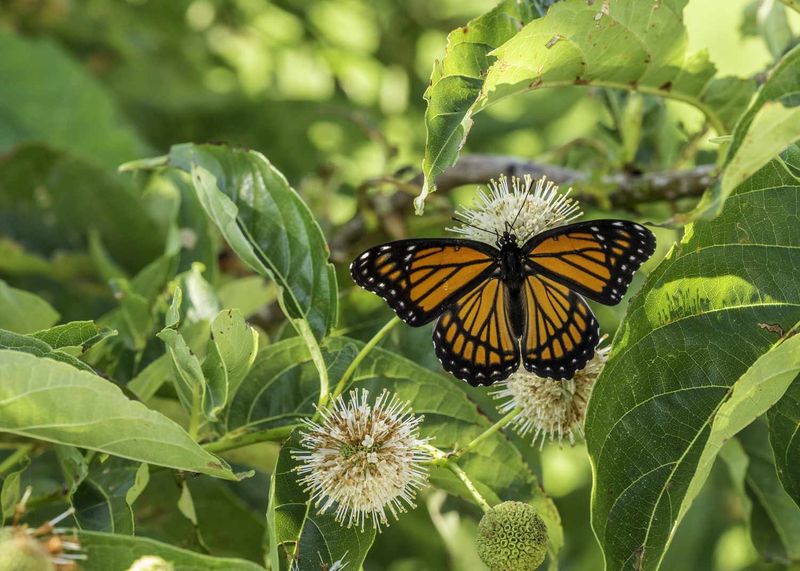
The presence of Viceroys in a garden is a positive sign of a healthy ecosystem. Their reliance on native trees and nectar-rich flowers means they thrive in environments free from pesticides. For gardeners, this serves as motivation to create sustainable, pesticide-free habitats. Supporting Viceroys reflects a commitment to environmental stewardship and biodiversity. Observing them in the garden provides insights into the health of the surrounding ecosystem. By nurturing these butterflies, gardeners contribute to larger conservation efforts, ensuring that the beauty of nature continues to flourish for future generations.
11. They Inspire Gardeners and Artists Alike
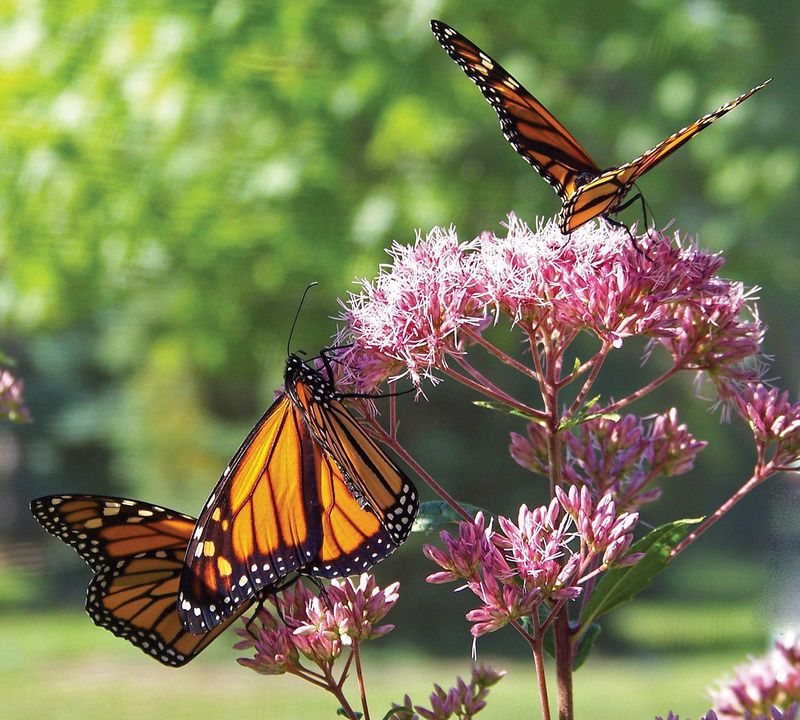
Viceroys, with their striking Monarch-like wings, captivate photographers, illustrators, and nature lovers. Their presence in gardens not only brings beauty but also inspires creativity. For artists, capturing the Viceroy’s vibrant colors and intricate patterns becomes a rewarding endeavor. Gardeners, too, find joy in creating spaces that attract these butterflies, blending artistry with nature. This connection between art and the natural world enriches the gardening experience. By cultivating environments that support Viceroys, gardeners and artists collectively celebrate the wonders of nature, fostering a deep appreciation for its splendor.