 Complete Gardening
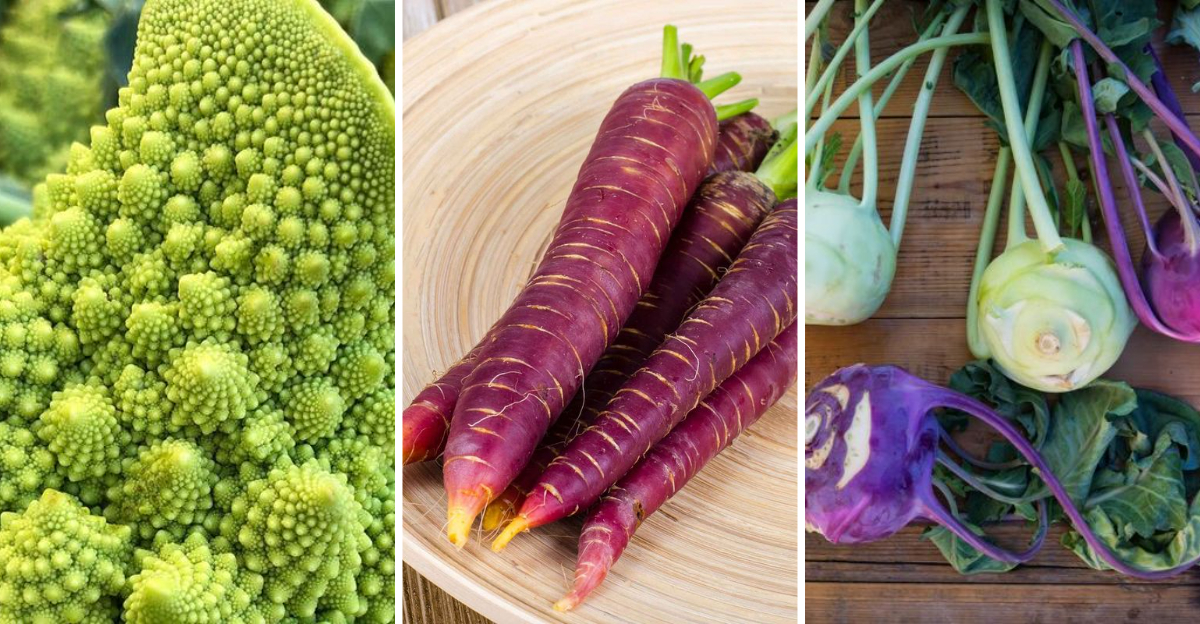
Gardening enthusiasts and culinary adventurers alike often seek out the most bizarre and intriguing vegetables to grow in their own backyards. Whether you aim to surprise dinner guests or simply want a unique garden, these ten weird-looking veggies are sure to catch your eye. From peculiar shapes to vibrant colors, these veggies not only offer visual appeal but also unique flavors and nutritional benefits.
Romanesco Broccoli
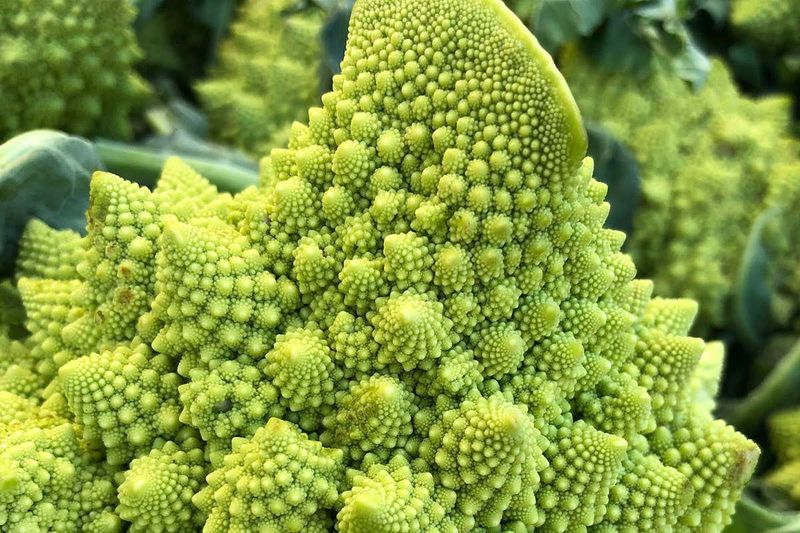
Romanesco Broccoli is a mesmerizing vegetable with its intricate fractal patterns and bright green hue. Its perfectly spiraled florets resemble a Christmas tree, making it a standout in any garden. Many find Romanesco’s taste to be a delightful cross between broccoli and cauliflower.
Growing Romanesco requires patience and a cool climate, as it thrives best in temperatures between 50-70°F. Its architectural beauty isn’t just for show; Romanesco is rich in vitamins C and K.
Fun fact: Romanesco has been cultivated in Italy since the 16th century!
Kohlrabi
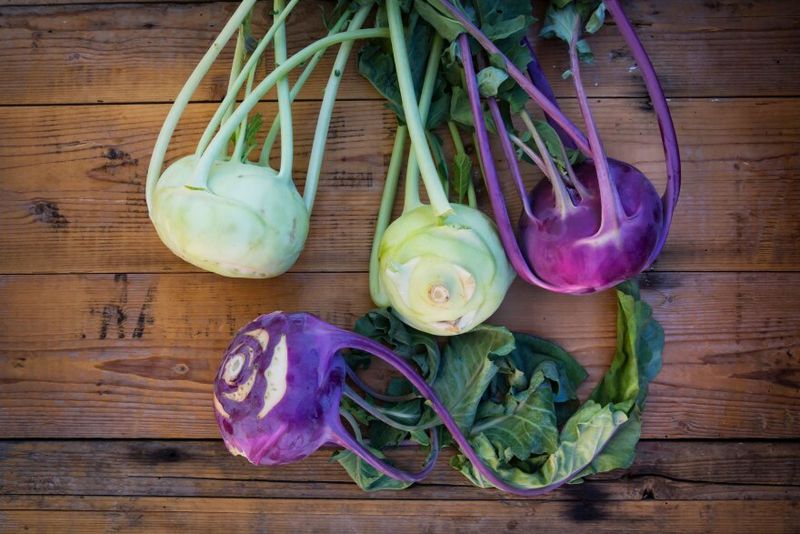
Kohlrabi, often dubbed the ‘space cabbage,’ looks a bit like a vegetable from another planet. Its swollen, bulbous stem can be purple or green, topped with elongated leaves, creating an alien-like appearance.
This vegetable is not just visually striking; it offers a crisp texture and a flavor akin to a blend of broccoli and radish. Kohlrabi is versatile in the kitchen, perfect for salads or stir-fries.
For gardeners, it’s a hardy plant, tolerating a wide range of temperatures. Historically, kohlrabi was a staple in European diets as early as the 16th century.
Oca
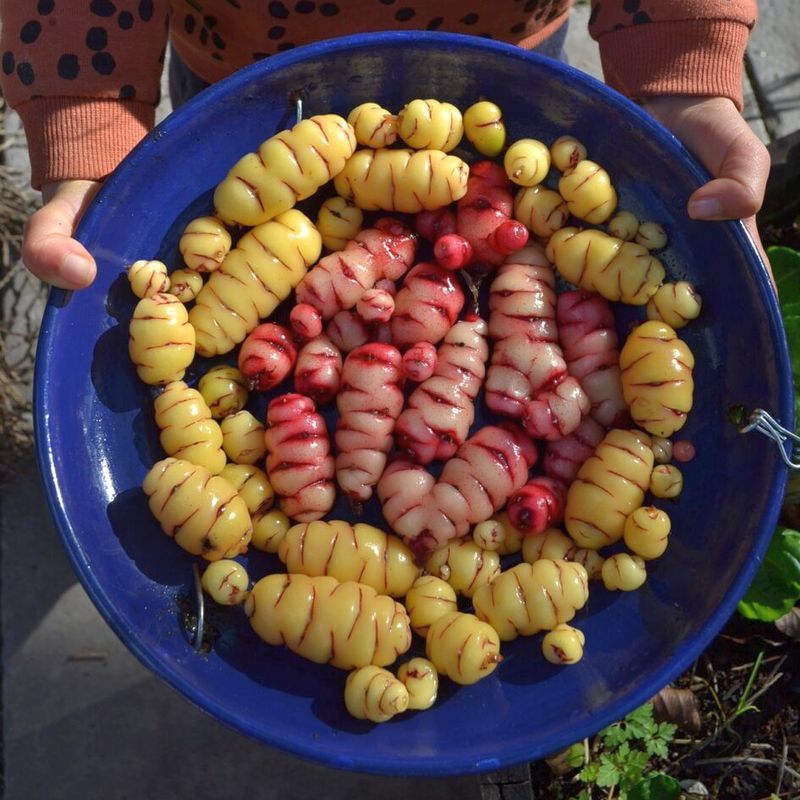
Oca, a tuber native to the Andes, is celebrated for its vibrant colors and tangy flavor. These small, knobby tubers can be red, yellow, or even pink, adding a splash of color to your garden or plate.
With a flavor reminiscent of potatoes with a hint of lemon, oca is both versatile and delicious. It grows well in cooler climates, making it perfect for high-altitude gardens.
A delightful tidbit: Oca was one of the primary carbohydrate sources for ancient Andean civilizations, prized for its nutritional value and storability.
Chinese Artichoke
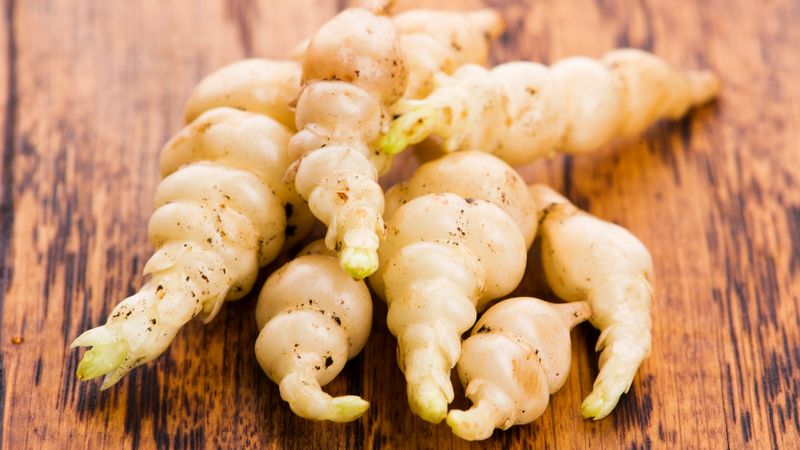
The Chinese Artichoke, or Crosne, is a unique vegetable known for its small, segmented tubers. Resembling a string of pearls, these tubers are often mistaken for tiny, twisted roots.
Their nutty flavor with a hint of sweetness makes them a gourmet delight, especially when sautéed or pickled. Chinese Artichokes thrive in temperate climates and are relatively easy to grow.
Intriguingly, these tubers were introduced to Europe in the late 19th century and quickly became a favorite among chefs for their unique texture and flavor profile.
Purple Carrot
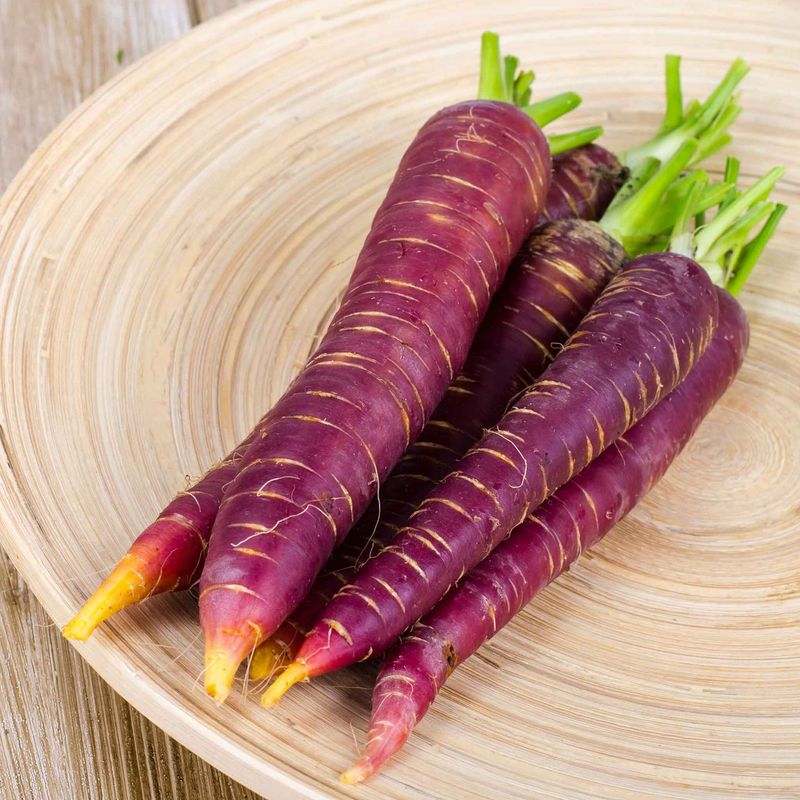
Purple Carrots are a stunning twist on the familiar orange variety. With their deep purple skin and orange core, they offer a visual and nutritional feast.
Rich in antioxidants, particularly anthocyanins, these carrots have a slightly sweeter taste. They can be eaten raw, roasted, or blended into smoothies.
Historically, carrots were originally purple before being bred to the orange variety we commonly see today. Their dramatic color can add vibrancy to any dish, from salads to stews.
Buddha’s Hand
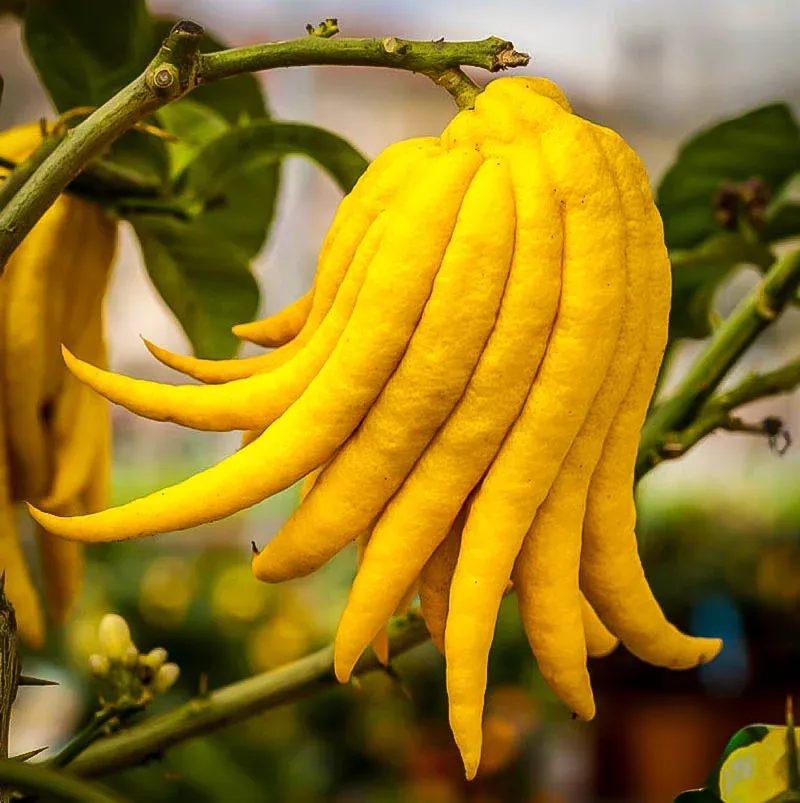
Buddha’s Hand is no ordinary citrus fruit; its finger-like segments resemble an open hand, making it one of the most exotic fruits you can grow. Its vibrant yellow color and fragrant aroma make it a delightful addition to any home garden.
While it lacks juice, the zest of Buddha’s Hand is versatile, perfect for adding flavor to desserts or infusing into liquors. It prefers a sunny climate, thriving best in warm, subtropical regions.
Interestingly, this fruit is often used in religious offerings, symbolizing happiness and good fortune in Chinese culture.
Malabar Spinach
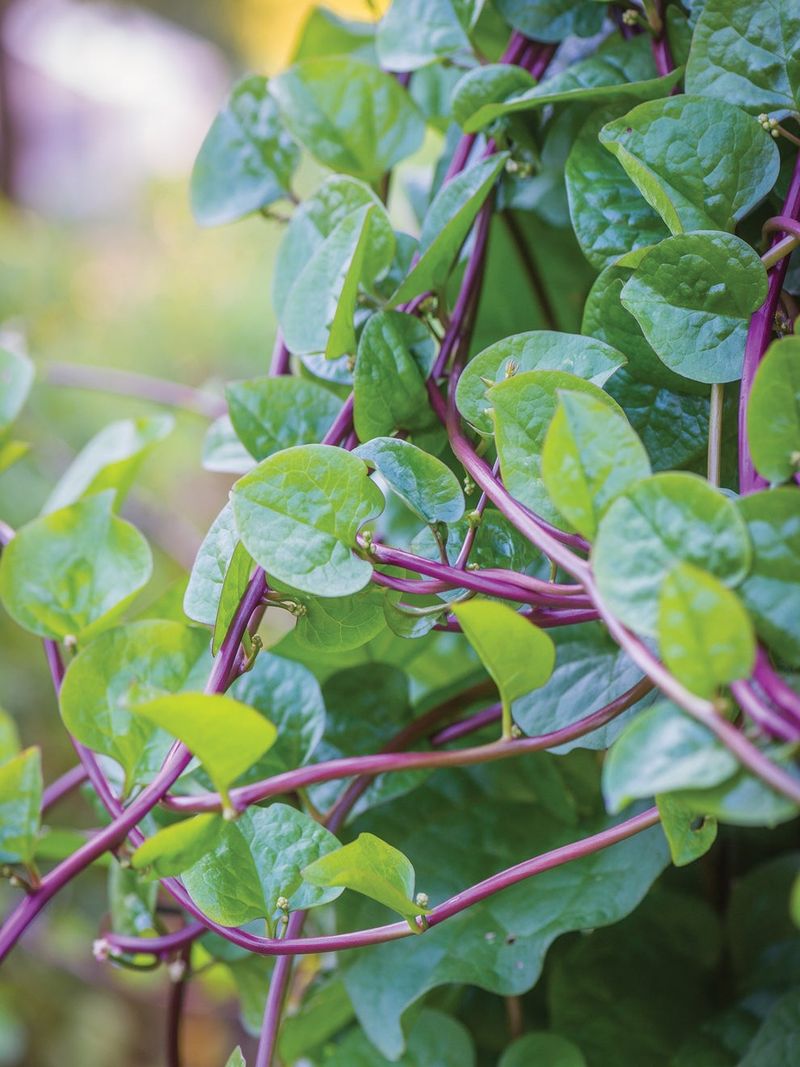
Malabar Spinach, unlike traditional spinach, is a climbing vine with thick, glossy leaves. Its striking red stems and fast-growing nature make it both ornamental and practical for vertical gardening.
With a flavor similar to spinach, it’s ideal for salads and stir-fries. This heat-loving plant thrives in warm climates, making it a popular choice in tropical regions.
A fascinating fact: Malabar Spinach is not a true spinach but belongs to a different botanical family, yet offers similar nutritional benefits like iron and calcium.
Fiddlehead Ferns
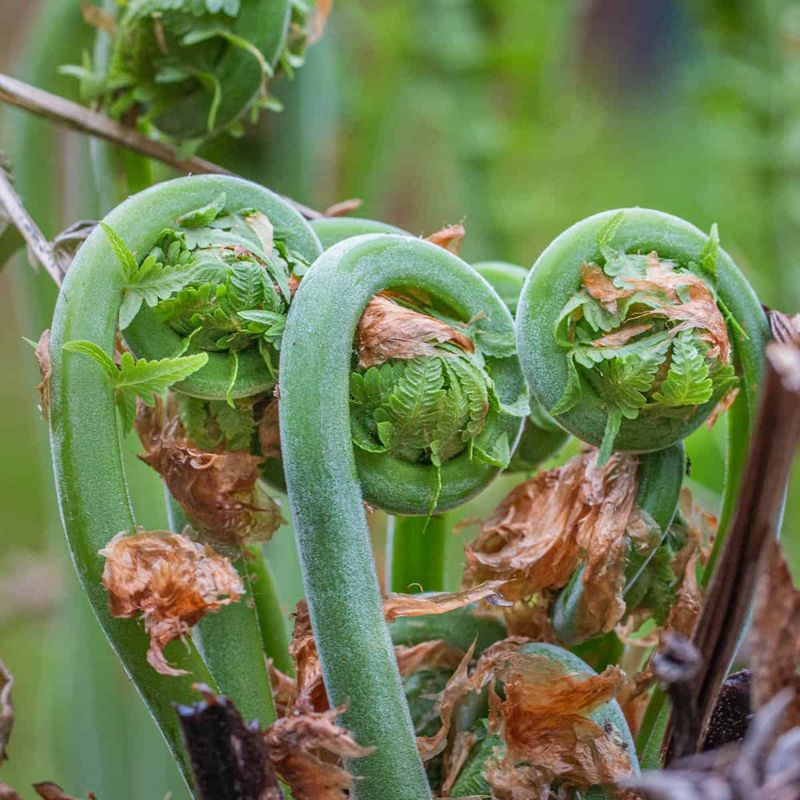
Fiddlehead Ferns, with their coiled, whimsical appearance, look like something out of a fairy tale. These edible shoots of certain fern species are a seasonal delicacy, cherished for their unique texture and flavor.
Often compared to asparagus with a hint of nuttiness, fiddleheads are a springtime favorite in many regions. They thrive in damp, shady environments, making them perfect for woodland gardens.
An interesting tidbit: Fiddleheads have been foraged and consumed by Indigenous peoples for centuries, valued for their seasonal abundance and nutritional content.
Cucamelon
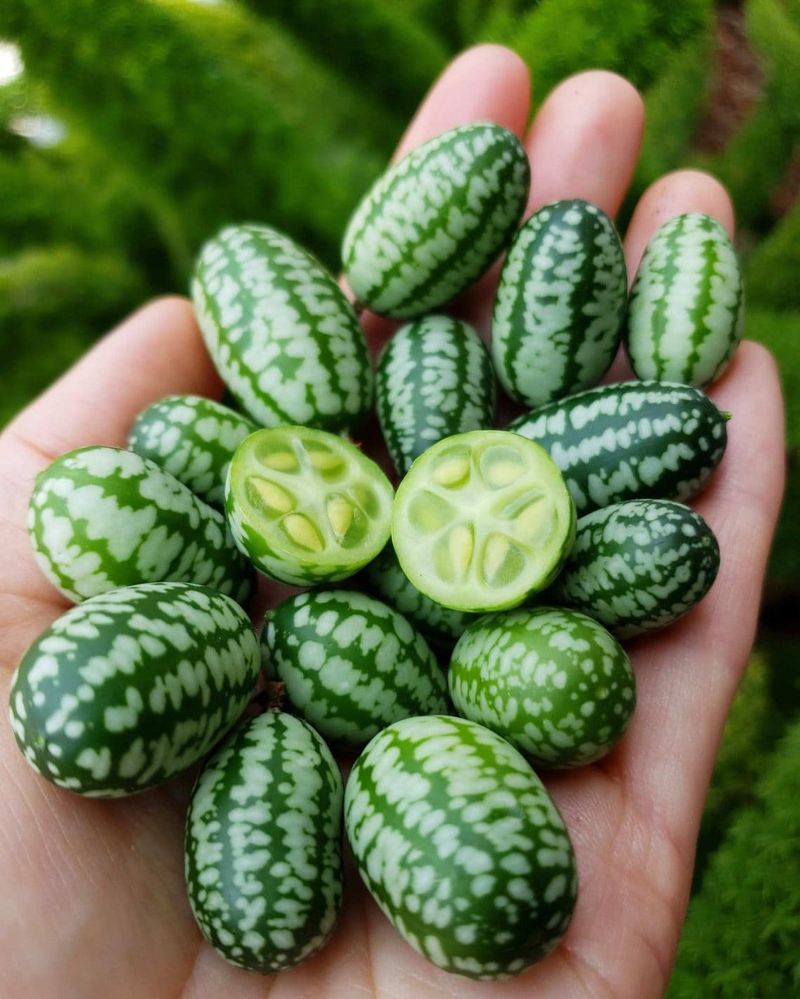
Cucamelons, also known as mouse melons, are a delightful miniature fruit. Resembling tiny watermelons, they are about the size of grapes and offer a refreshing, cucumber-like taste with a hint of citrus.
These charming fruits are perfect for snacking or adding to salads. Cucamelons are easy to grow, thriving in warm climates and needing minimal care once established.
Fun fact: Despite their appearance, cucamelons are not related to watermelons but are part of the cucumber family, native to Central America.
Cardoon
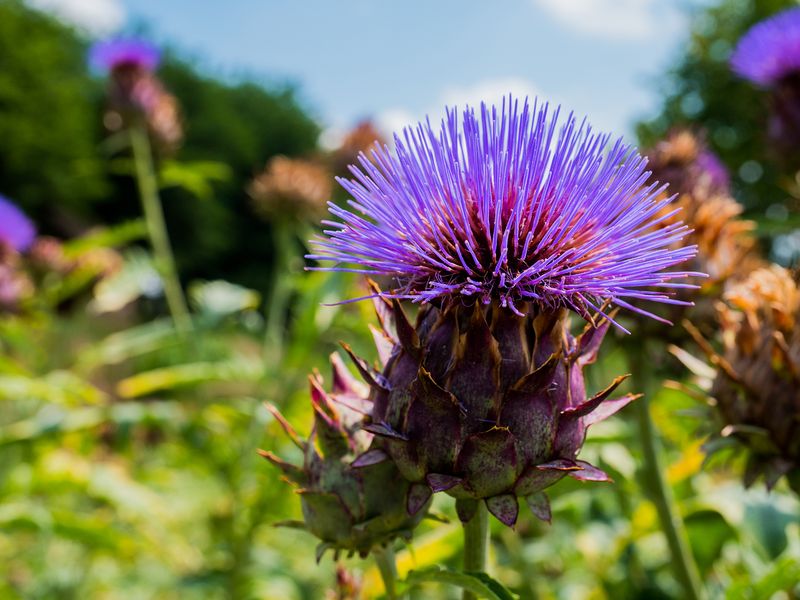
Cardoon, a relative of the artichoke, is a striking plant with its tall, silvery foliage and thistle-like appearance. Its large, serrated leaves add dramatic flair to any garden landscape.
In the kitchen, the stalks are the star, offering a flavor that hints at artichokes and celery. Cardoons thrive in Mediterranean climates, enjoying sunny, well-drained soil.
Historically, cardoons were prized in ancient Roman cuisine and are still celebrated in Mediterranean dishes today. Their unique taste and appearance continue to captivate gardeners and chefs alike.
Dragon’s Tongue Bean
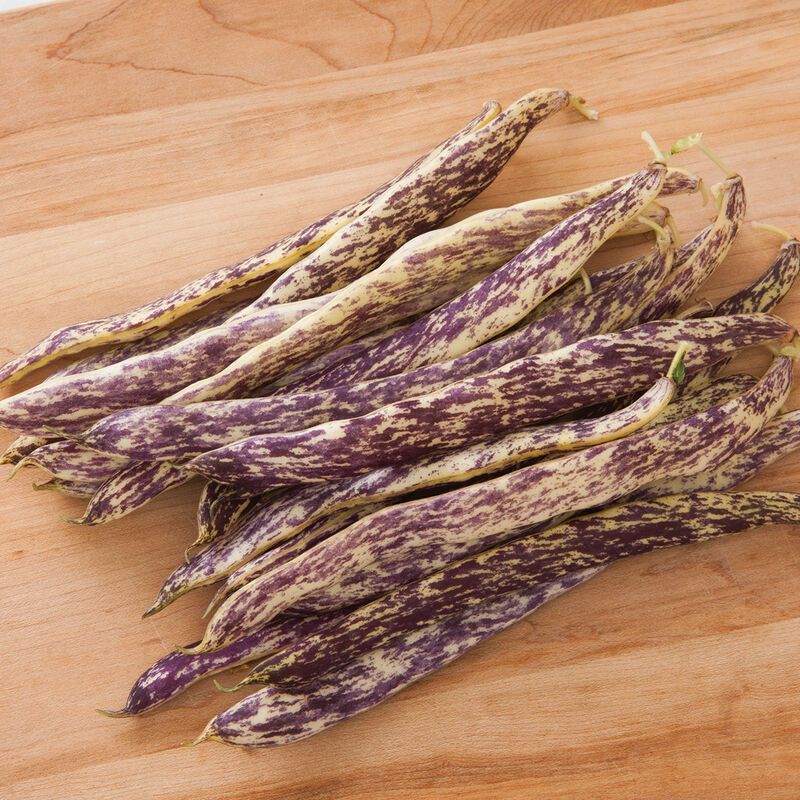
Dragon’s Tongue Bean is a marvel in the garden. Its pale yellow pods with vivid purple streaks stand out against the lush green leaves. As the pods mature, they transform into a canvas of colors.
These beans are not just a visual treat but also a delight in the kitchen. Their crunchy texture and nutty flavor add a special touch to salads and stir-fries.
Easy to grow, they thrive in well-drained soil and full sun, making them a perfect choice for home gardeners looking to add a dash of color to their plots.
Sea Kale
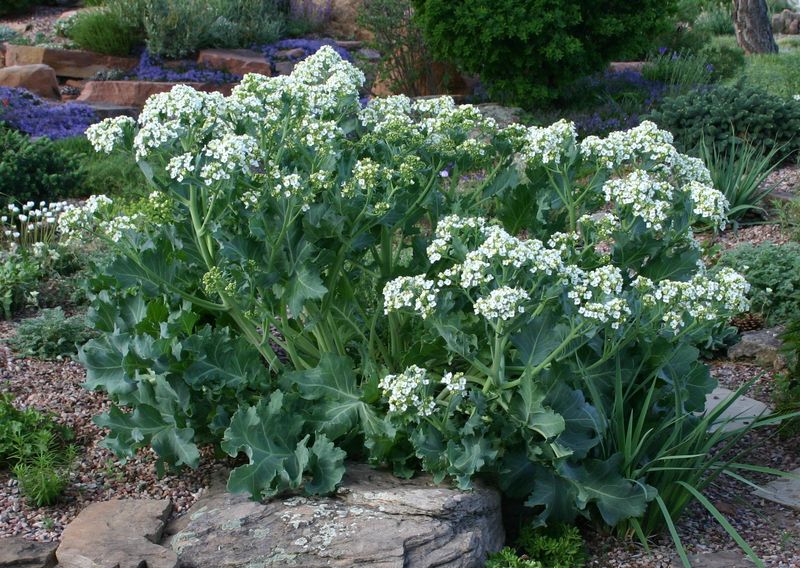
Sea Kale is a coastal beauty with luscious, curly blue-green leaves. It’s not just its appearance that intrigues gardeners; the plant’s resilience and adaptability to salty conditions make it a standout.
Beyond its looks, Sea Kale offers a unique taste reminiscent of broccoli and kale. It’s a perennial that returns year after year, providing a consistent harvest.
To grow Sea Kale, plant it in full sun and provide well-drained soil. It’s perfect for those looking to experiment with perennial vegetables in their garden.
Yardlong Bean
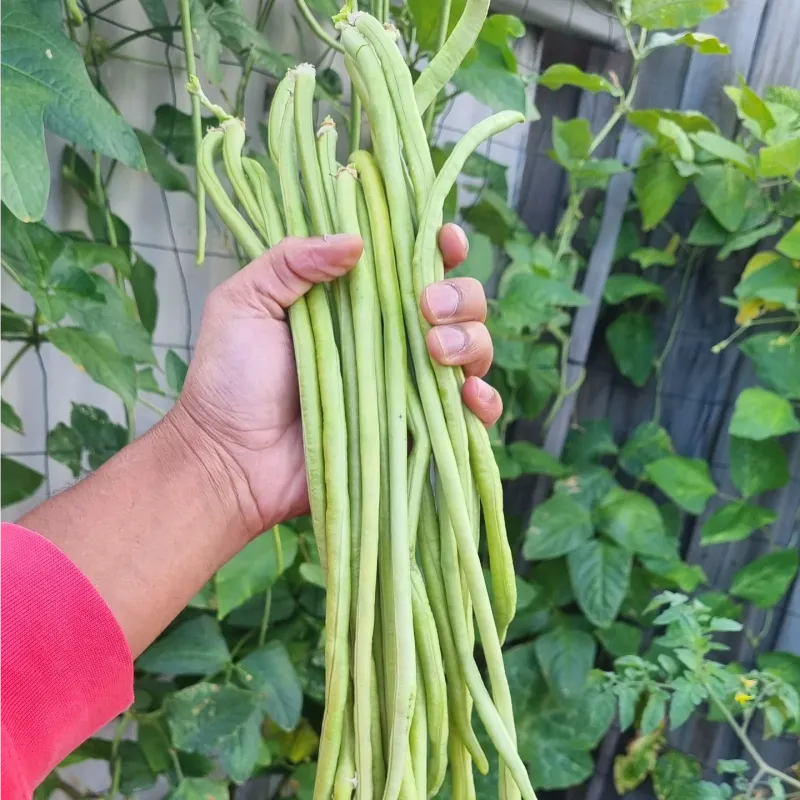
The Yardlong Bean is a real showstopper. These beans can grow up to two feet long, drawing admiration and curiosity alike. Their climbing nature makes them ideal for trellises in home gardens.
Aside from their impressive length, Yardlong Beans are tender and flavorful. They’re often used in Asian dishes, bringing a unique texture and taste.
To cultivate these giants, provide a sturdy support and lots of sunlight. They thrive in warm climates, making them a great addition to eclectic vegetable gardens.
Gooseberry Tomatillo
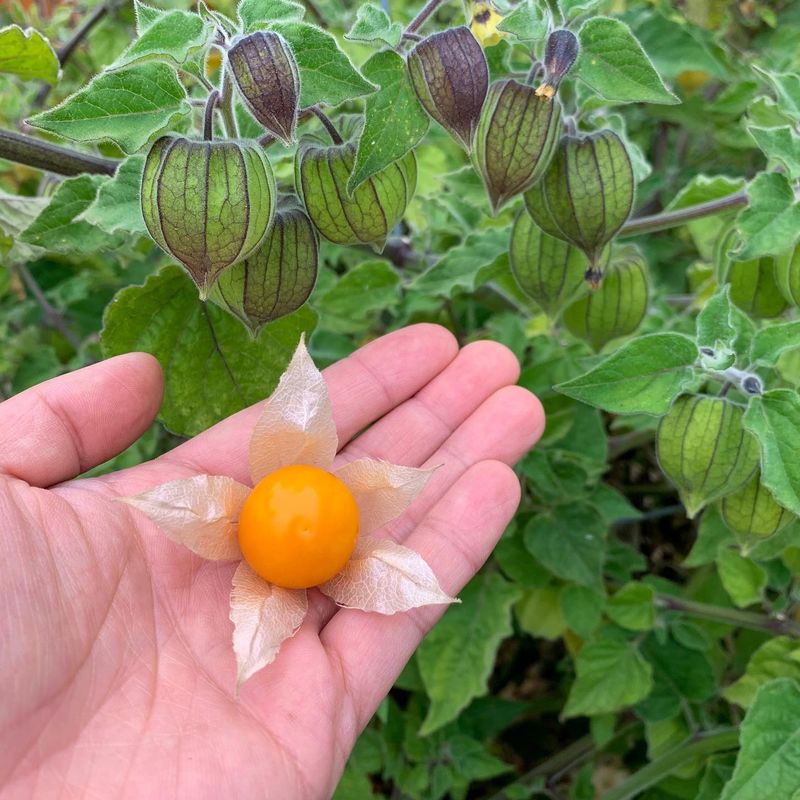
Gooseberry Tomatillo captures the imagination with its lantern-like husks containing small, round fruits. Its quirky appearance adds a whimsical touch to any garden.
The fruit’s tart, citrusy flavor complements salsas and sauces beautifully. It’s a prolific plant, ensuring gardeners a bountiful harvest.
Best grown in sunny spots with fertile soil, Gooseberry Tomatillo is an easy-to-grow option for those wanting to expand their culinary horizons beyond the usual tomatoes.
Samphire
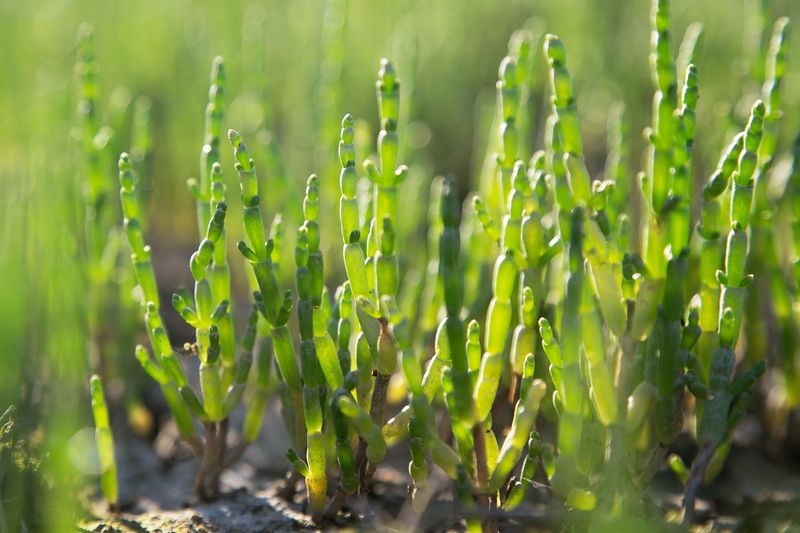
Samphire is a coastal wonder often found in maritime regions. Its fleshy, bright green stems make it a peculiar addition to any garden.
Known for its salty, crisp flavor, Samphire is a gourmet’s delight, often used in salads and seafood dishes. It’s a hardy plant that thrives in sandy, well-drained soil and sunny locations.
Growing Samphire adds an exotic touch to home gardens, especially for those away from the coast who wish to bring a hint of the ocean to their backyard.
Celeriac
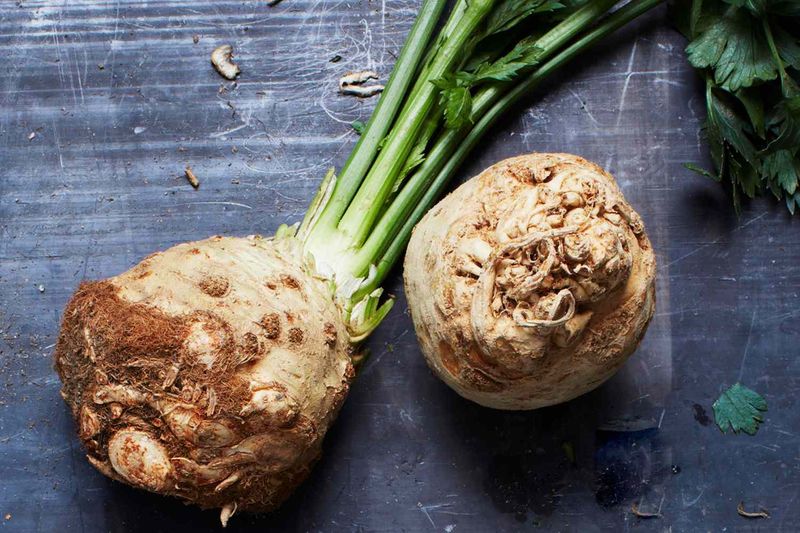
Celeriac, with its knobbly appearance, is often nicknamed “the ugly duckling” of vegetables. Despite its rough exterior, this root vegetable offers a delicate, nutty flavor.
It’s a versatile ingredient, perfect for mashes, soups, and stews. The plant’s unique look makes it a conversation starter in any garden.
Celeriac prefers cooler climates and well-drained soil. It’s a great option for those looking to grow a vegetable that’s as intriguing as it is tasty.
Cucuzza Squash
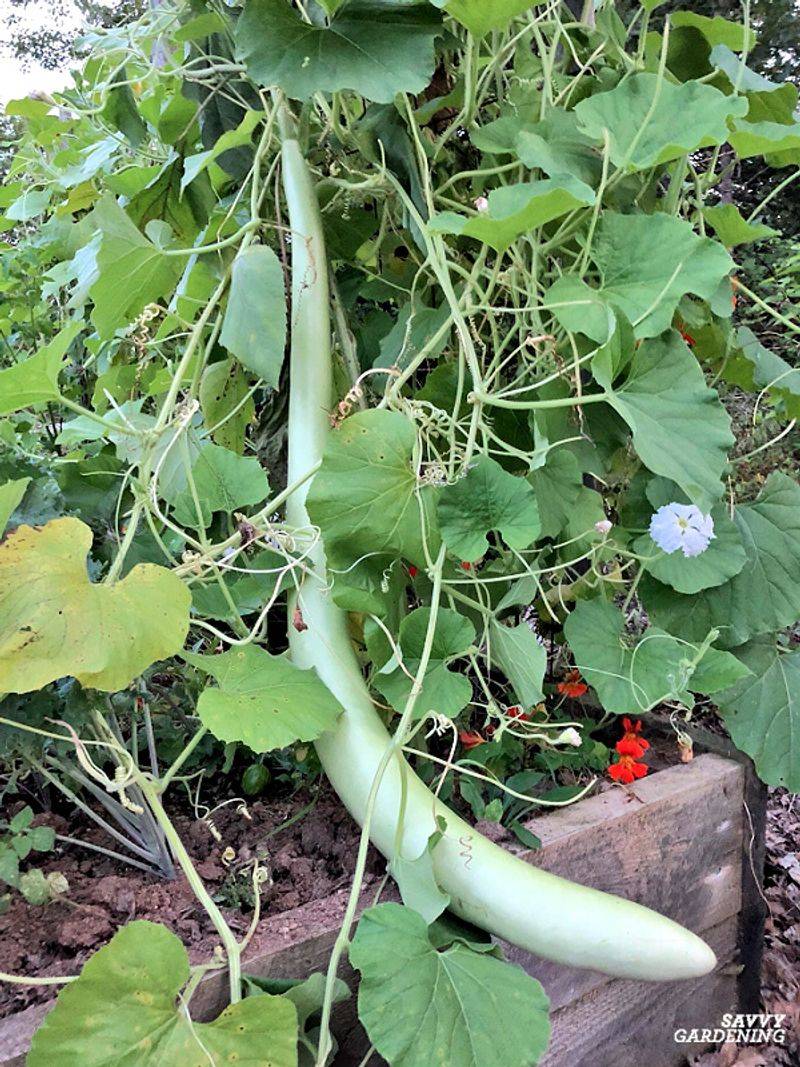
Cucuzza Squash is not your ordinary squash. Its elongated, light green fruits can grow impressively long, making it a unique garden spectacle.
With a mild, sweet flavor, it’s a versatile ingredient in many Italian dishes. Its vigorous growth means it can quickly cover trellises, offering both shade and produce.
Cucuzza thrives in warm climates and requires plenty of space to sprawl. This squash is perfect for gardeners aiming to cultivate an unusual yet productive plant.
Salsify
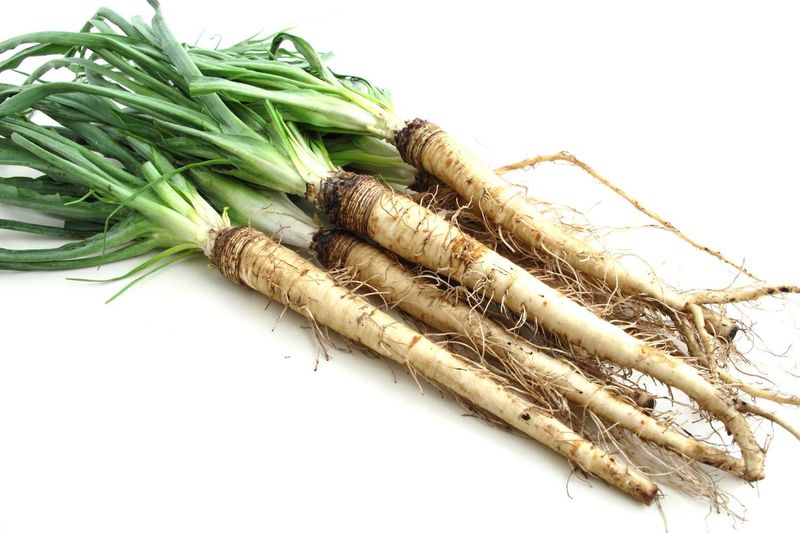
Salsify, sometimes called the “oyster plant,” is known for its unique, delicate flavor reminiscent of oysters. Its slender, grass-like leaves and purple flowers are visually striking.
This root vegetable is ideal for soups and stews, offering a subtle taste and creamy texture. Its mysterious allure makes it an exciting addition to any veggie patch.
Salsify grows best in loose, well-drained soil and full sun. It’s a must-have for adventurous gardeners seeking to diversify their root vegetable collection.
Jerusalem Artichoke
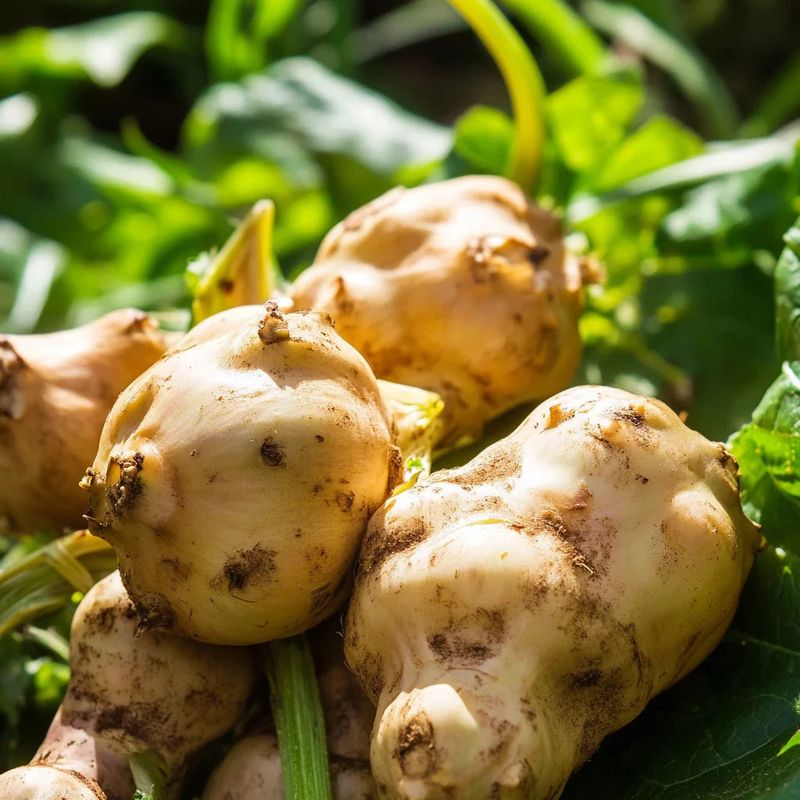
Jerusalem Artichoke, or “sunchoke,” is famed for its sunflower-like blooms and knobbly tubers. These tubers offer a sweet, nutty flavor, making them a popular choice for roasts and soups.
The plant’s tall stalks and bright flowers add beauty to any garden, while its underground bounty provides culinary delight.
Growing Jerusalem Artichokes is straightforward; they prefer sunny spots and loose soil. They’re an excellent choice for those looking to add beauty and productivity to their backyard.