 Complete Gardening
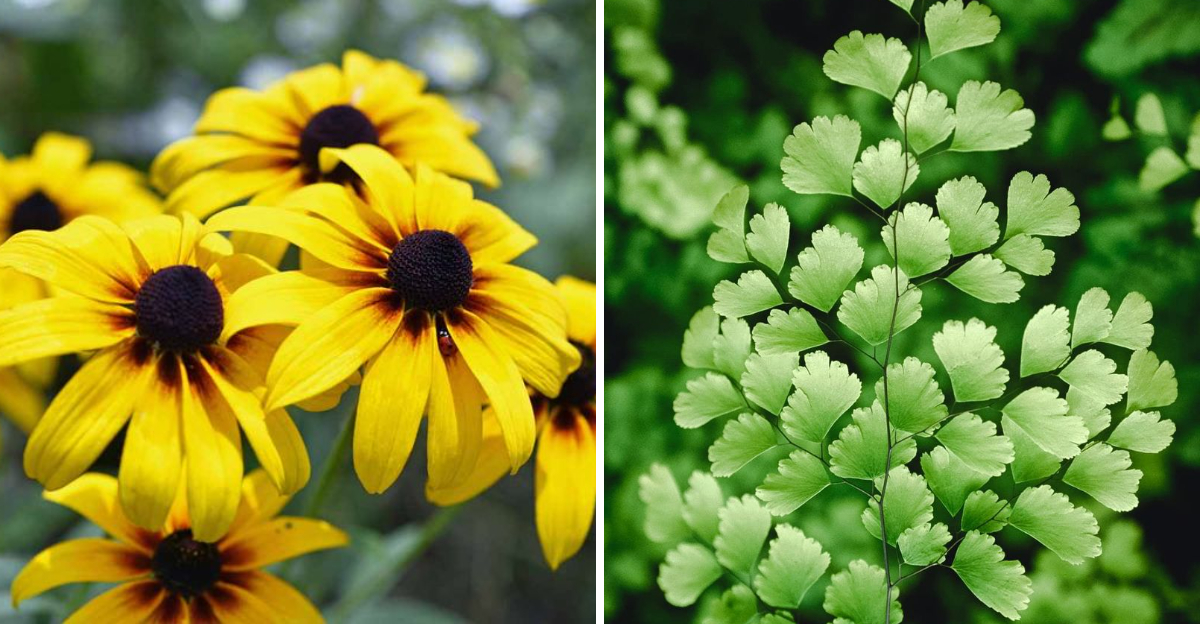
In the world of gardening, not all plants are created equal. Some perennials flourish with minimal care, thriving in neglect, while others require careful attention and can suffer from too much love.
This guide explores 11 perennials perfect for those who prefer low-maintenance gardens and 9 that might falter if over-pampered.
Whether you’re a hands-off gardener or someone who loves to tend to every leaf, understanding these plants’ preferences can lead to a more successful and satisfying gardening experience.
1. Sedum (Stonecrop)
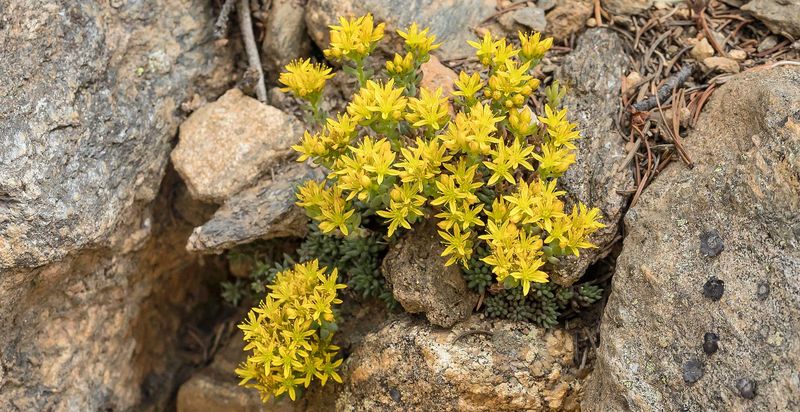
Sedum, often known as Stonecrop, is the epitome of resilience in the plant world. Thriving on neglect, this perennial loves dry, rocky soil and requires minimal watering. Its drought tolerance makes it a perfect choice for those who forget to water regularly. The plant’s star-shaped flowers add a pop of color to any garden. With its tough nature, Sedum is almost carefree, needing little more than sunlight to flourish. Its ability to adapt to poor soil conditions makes it a gardener’s ally, especially in arid regions.
2. Daylily (Hemerocallis)
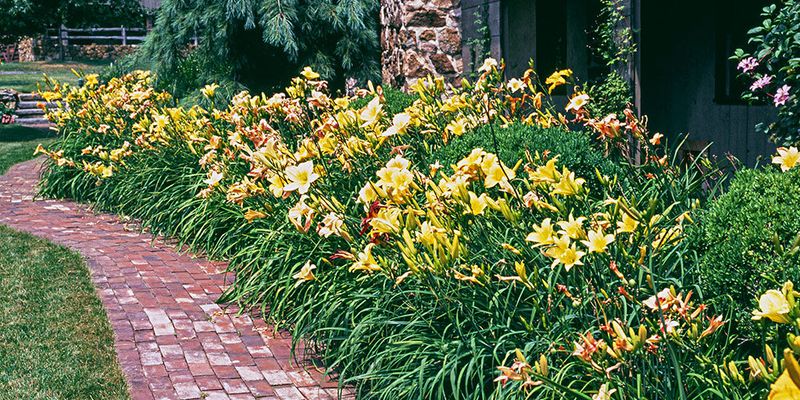
Daylilies are robust and adaptable, making them a staple in low-maintenance gardens. Known for their ability to thrive in various conditions, they are as tough as nails. Once established, they require little attention and tend to spread on their own. Their vibrant blooms appear effortlessly each season, offering a burst of color. This perennial’s forgiving nature means it can handle neglect with grace. Whether planted in sun or partial shade, daylilies persistently bloom, creating a lively display with minimal intervention.
3. Coneflower (Echinacea)
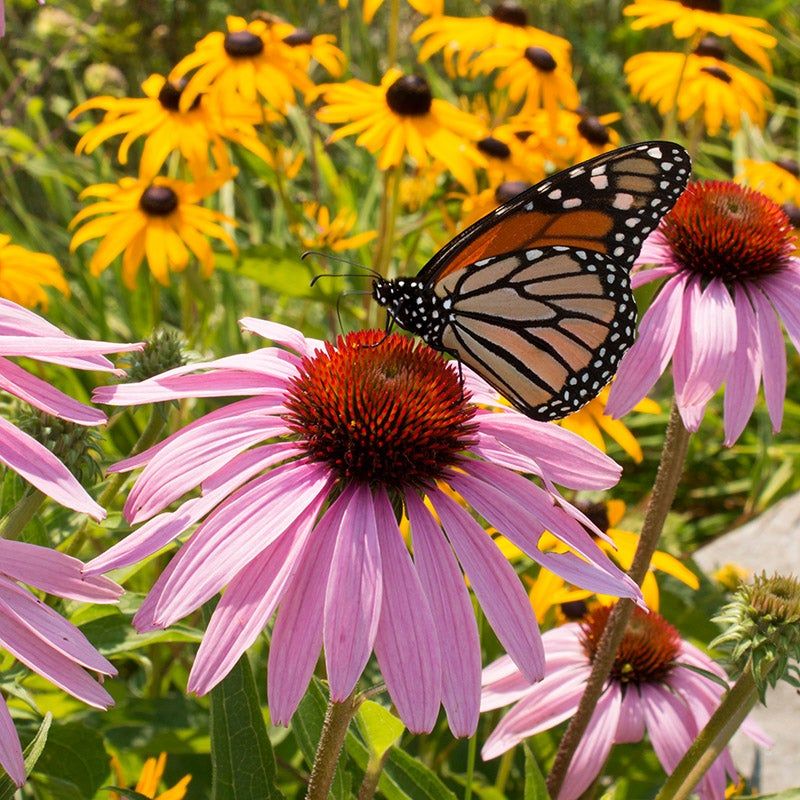
With its heat and drought tolerance, the Coneflower is a gardener’s dream. This perennial doesn’t demand much attention, thriving without the need for deadheading or fertilizing. Its striking purple petals and raised central cone attract pollinators, adding life to any garden. Echinacea stands resilient in the face of dry spells and poor soil, making it ideal for those who prefer a hands-off approach. The plant’s natural beauty and hardiness make it a favorite among both novice and seasoned gardeners.
4. Russian Sage (Perovskia)
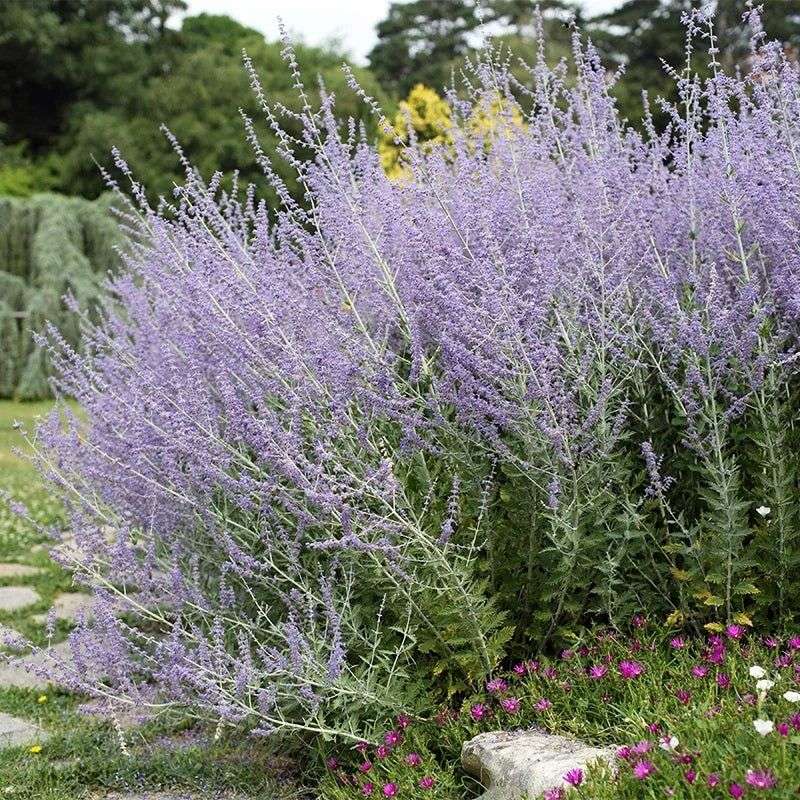
Russian Sage is a sun-loving, drought-resistant perennial that requires little more than annual pruning. Its tall spires of lavender-blue flowers and silvery-green leaves create a striking visual in any landscape. Thriving in full sun and dry soil, this plant is perfect for those who prefer low-effort gardening. Once planted, it establishes quickly, needing minimal care to maintain its beauty. Its fragrant foliage and ability to withstand poor soil make it a popular choice for xeriscaping and sustainable gardens.
5. Yarrow (Achillea)
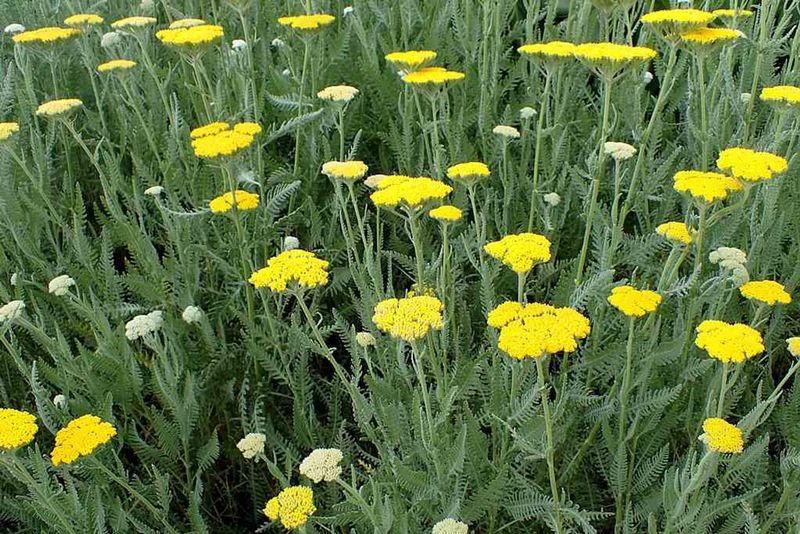
Yarrow is almost indestructible once established, flourishing in poor, dry soil where others might falter. Its flat-topped clusters of yellow flowers are a familiar sight in many gardens. Yarrow spreads easily, adapting to a range of conditions with minimal intervention. Known for its resilience, this perennial requires little more than sunlight to thrive. Its ability to deter pests makes it an attractive addition to any garden. Yarrow’s hardy nature and ease of care make it a reliable choice for gardeners seeking simplicity.
6. Black-Eyed Susan (Rudbeckia)
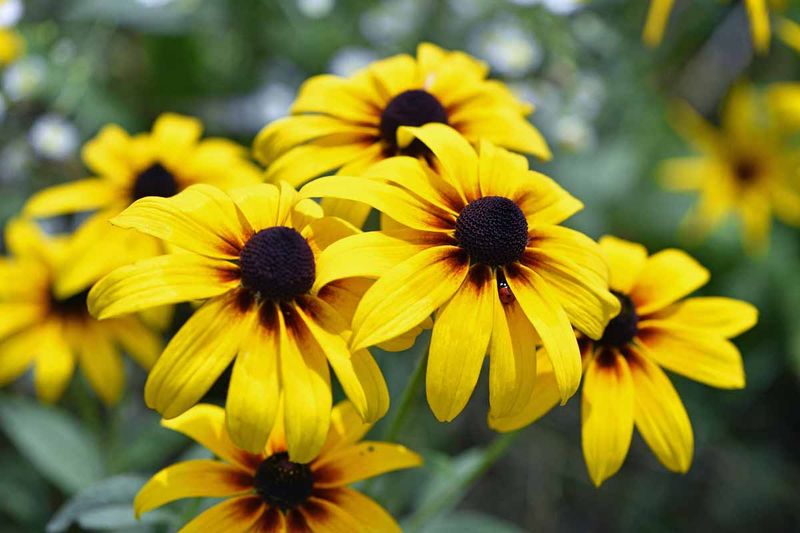
Black-Eyed Susan is a sunshine-loving perennial that self-seeds and requires little beyond basic sunlight to thrive. Its bright yellow petals encircle a dark central cone, creating a cheerful display in gardens. Resilient to drought, this plant is ideal for those who prefer minimal fuss. Once established, it spreads easily, filling spaces with vibrant color year after year. The plant’s adaptability to various soil conditions and its self-sufficient nature make it a favorite among gardeners seeking a low-maintenance flower.
7. Lamb’s Ear (Stachys byzantina)
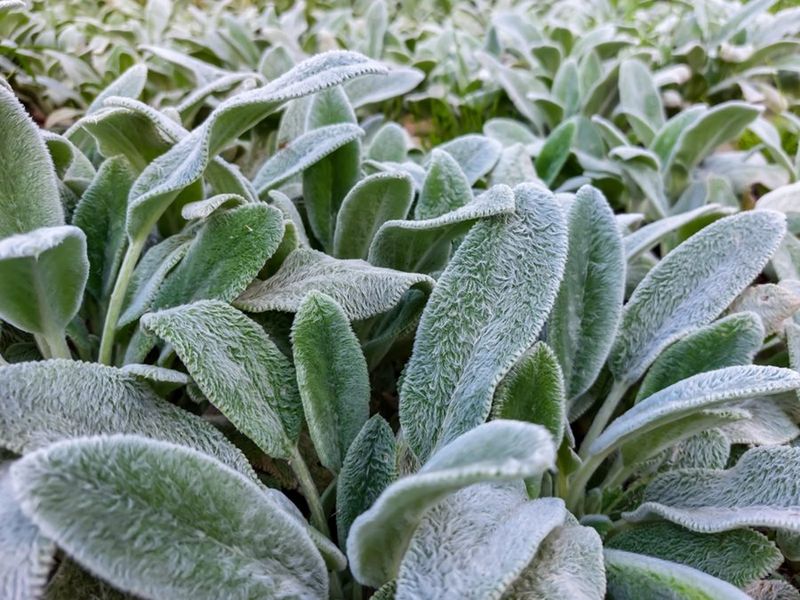
Lamb’s Ear is known for its distinctive velvety silver foliage that persists as an evergreen in many zones. This perennial thrives in poor soil and dry conditions, making it perfect for low-maintenance gardens. Its unique texture and appearance add visual interest without demanding much care. Resistant to drought, Lamb’s Ear requires little more than occasional cutting back. It fits well in borders or as ground cover, adapting easily to its environment. Its soft leaves invite touch, creating a sensory experience in the garden.
8. Hosta (in shade gardens)
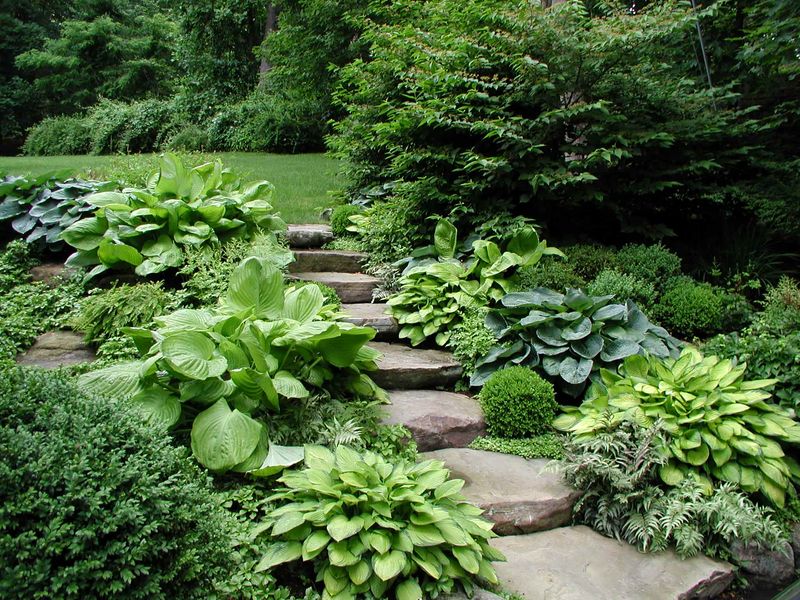
Hostas are shade-loving perennials that require almost no maintenance once established. Their large, variegated leaves add lushness to any garden space. Hostas can go years without needing division or fertilizing, thriving in moist, shady areas. Known for their longevity and resilience, they easily adapt to their surroundings. While they do prefer moisture, they are forgiving of occasional neglect. Their ability to withstand various conditions while maintaining their beauty makes them a staple in many gardens, offering a touch of elegance with minimal effort.
9. Coreopsis (Tickseed)
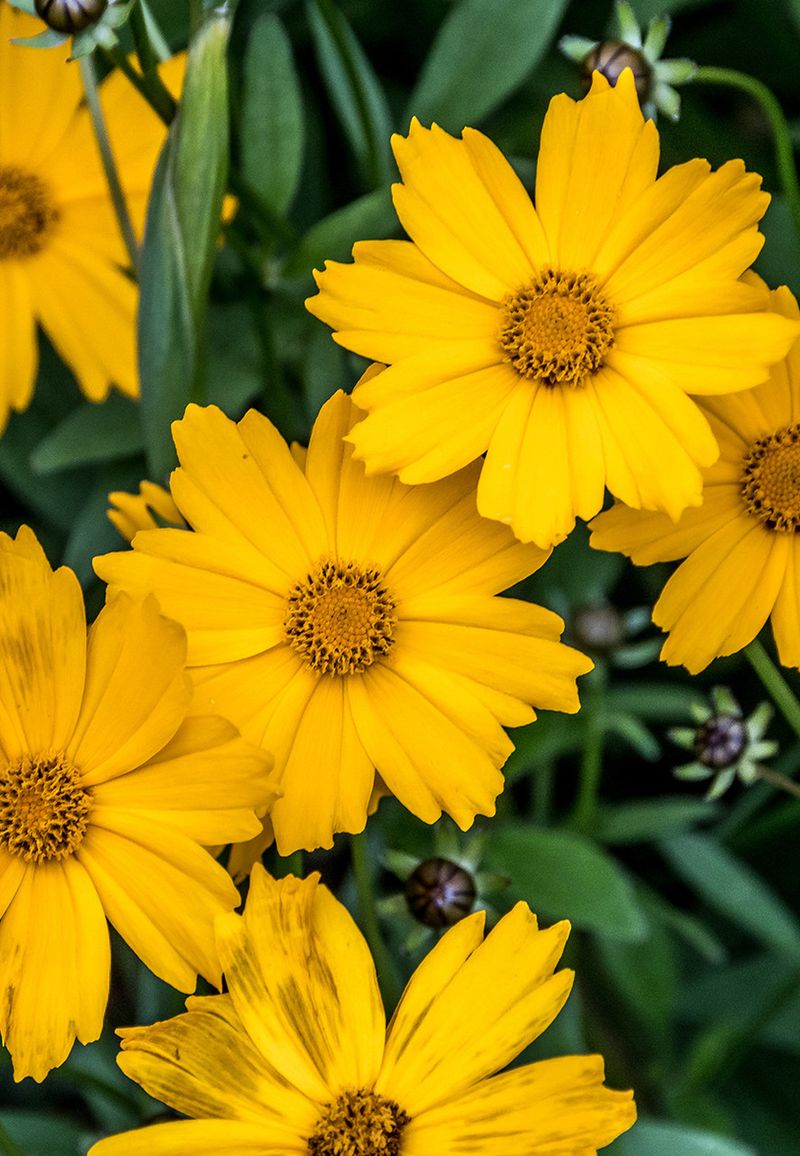
Coreopsis, known for its sunny disposition, thrives in dry, sandy soil and full sun. Its bright yellow blooms bring cheer to any garden with little effort required. This perennial is resistant to pests and diseases, making it a gardener’s friend. Coreopsis spreads easily, creating vibrant patches of color throughout the growing season. Its resilient nature means it can withstand neglect, requiring minimal watering and care. The plant’s ability to flourish in challenging conditions makes it an excellent choice for those seeking low-maintenance beauty in their gardens.
10. Catmint (Nepeta)
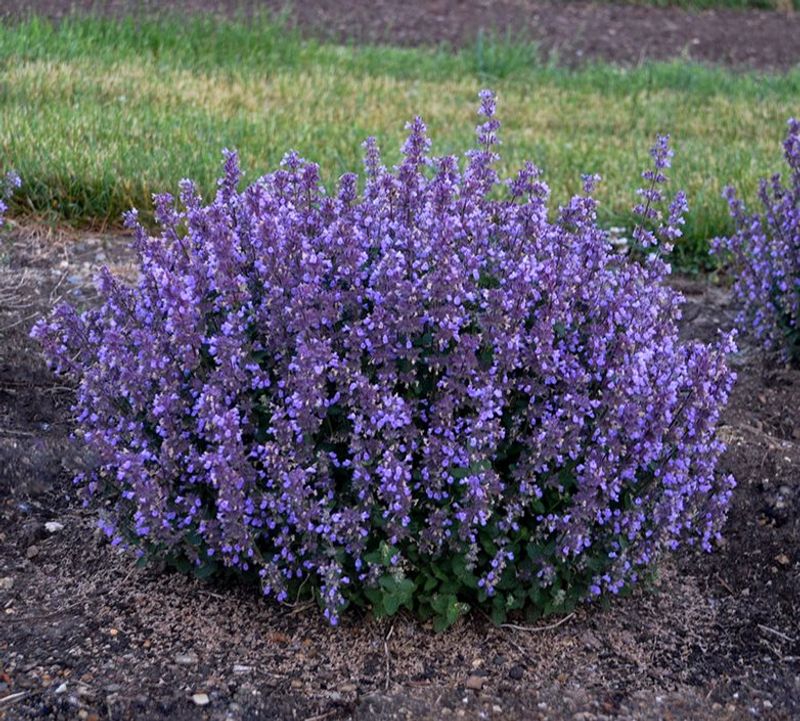
Catmint, with its aromatic foliage and purple-blue flowers, offers a pleasant scent and visual appeal to any garden. Known for being tough and drought-tolerant, this perennial requires little care once established. Deer and rabbits tend to avoid it, making it an ideal choice for areas where these animals are prevalent. Catmint’s ability to thrive in tough conditions with minimal intervention makes it suitable for gardeners who prefer a hands-off approach. Its long-lasting blooms and hardy nature ensure it remains an attractive garden feature with ease.
11. Butterfly Weed (Asclepias tuberosa)
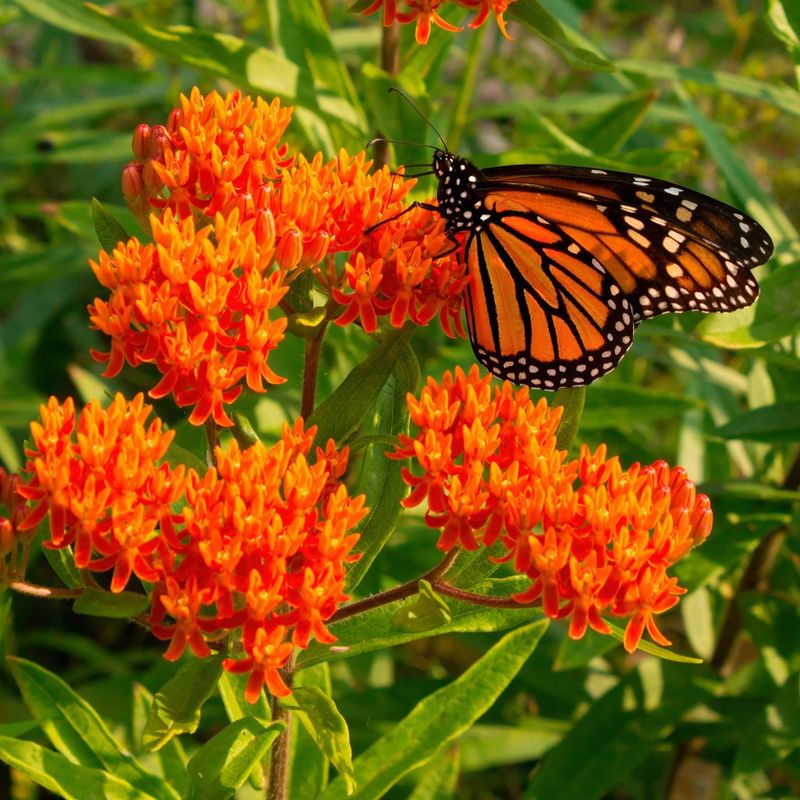
Butterfly Weed, a native plant, thrives without pampering, offering bright orange blooms that attract pollinators. Growing in poor soil conditions, this perennial is ideal for those who prefer a natural, low-maintenance garden. Its vibrant flowers provide a splash of color while supporting local ecosystems. Butterfly Weed’s resilience to drought and poor soil makes it a dependable choice for sustainable gardening. This plant not only adds beauty but also plays a vital role in attracting butterflies and bees, enhancing the garden’s ecological value.
1. Lavender
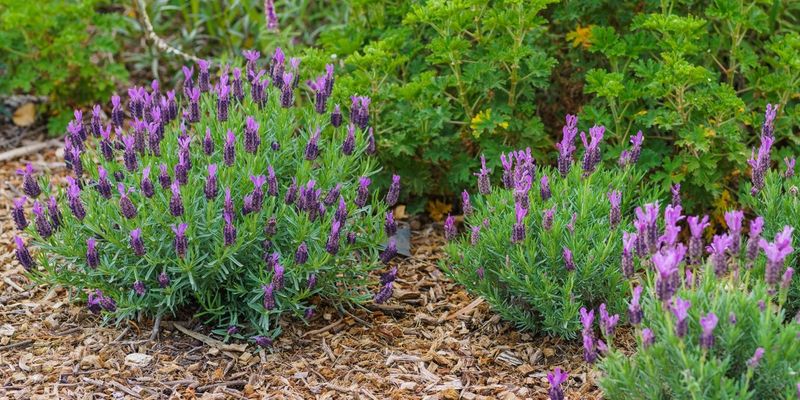
Lavender is a perennial that suffers from excessive care, particularly overwatering and overly rich soil. Known for its fragrant purple flowers, lavender thrives in dry, sandy soil with little interference. Too much love in the form of water can lead to root rot, causing this beautiful plant to struggle. Proper placement in well-drained areas ensures its success, allowing gardeners to enjoy its calming scent and vibrant color with minimal care. Lavender’s delicate balance of needs makes it a challenge for those who tend to over-nurture their gardens.
2. Peony
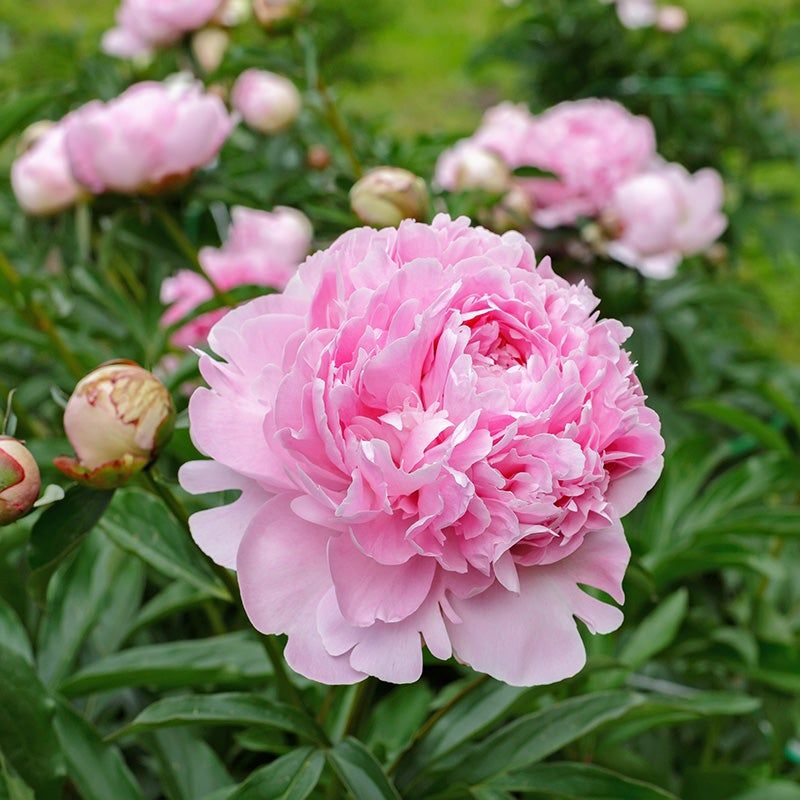
Peonies are cherished for their large, lush blooms and require a stable environment to flourish. Too much love, such as frequent moving or deep planting, can hinder their growth. These perennials need a dedicated spot with ample space and patience to bloom year after year. While they appreciate some care, overdoing it can lead to disappointment. Peonies embody elegance and resilience when given the right conditions, rewarding gardeners with their stunning flowers. Their ability to thrive with just the right touch highlights the importance of understanding plant needs.
3. Bleeding Heart (Dicentra)
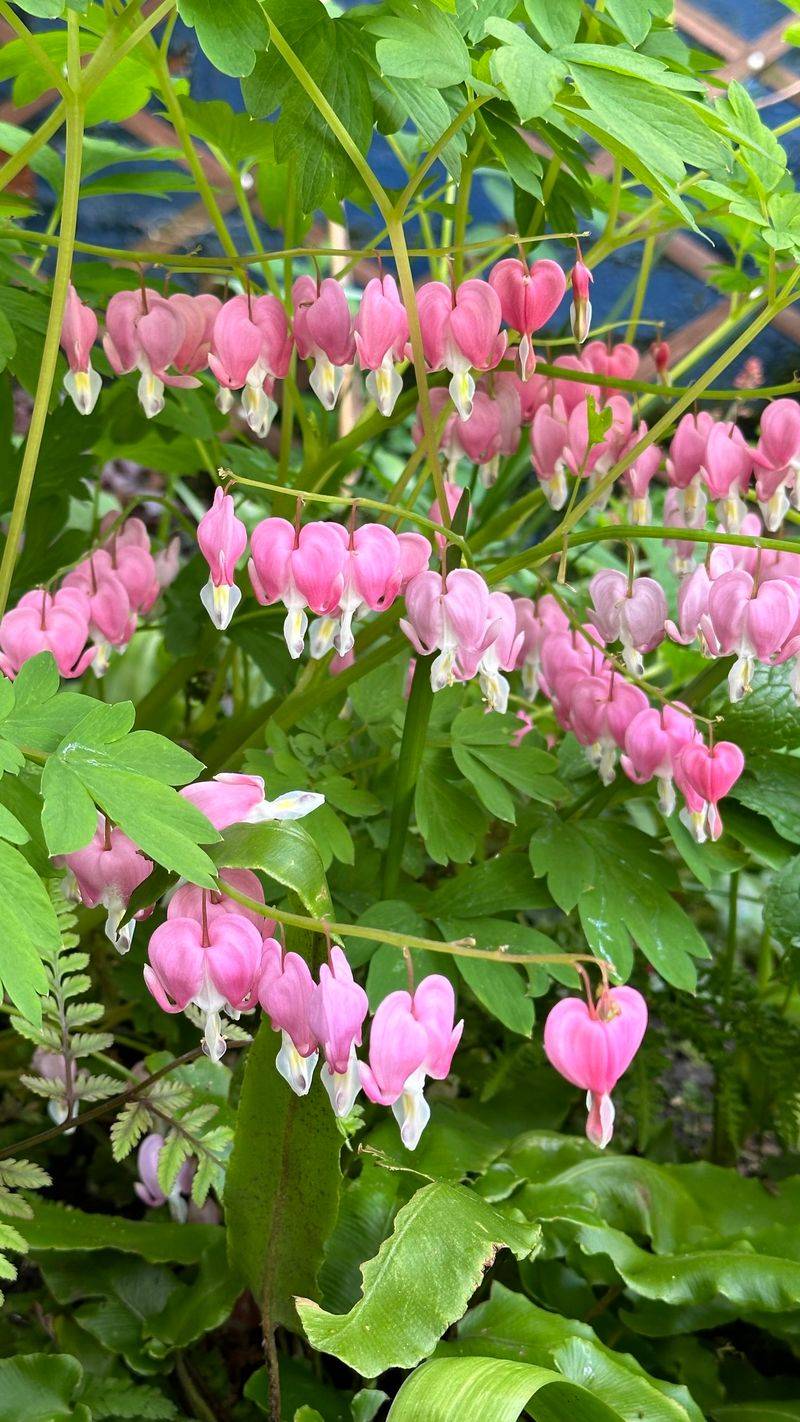
Bleeding Heart, with its charming heart-shaped flowers, is susceptible to overwatering, which can cause crown rot. This perennial thrives in shade with steady moisture but suffers when its feet are wet. Ensuring proper drainage and a suitable environment helps maintain its health and beauty. Known for its delicate appearance, the Bleeding Heart adds a touch of romance to any garden. Careful attention to its moisture needs ensures its longevity and vibrancy, allowing it to flourish without being over-cared for. Its graceful blooms make it a beloved choice.
4. Astilbe
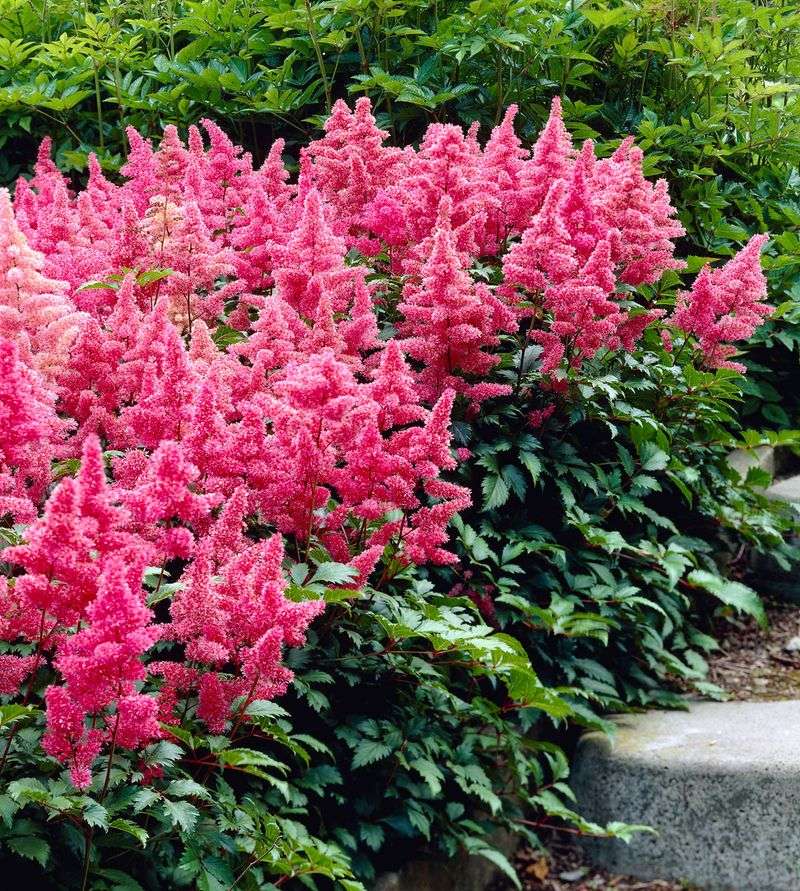
Astilbe is sensitive to both excessive sun and dryness, requiring a balance of moist soil and light shade to thrive. Known for its feathery plumes, this perennial can suffer if exposed to too much love in the form of direct sunlight or neglect of watering. Proper care involves ensuring a moist environment and protection from harsh conditions. Astilbe’s delicate beauty and unique texture make it a favorite in shaded garden areas. Understanding its specific needs ensures it remains a vibrant and lush addition to any garden space.
5. Delphinium
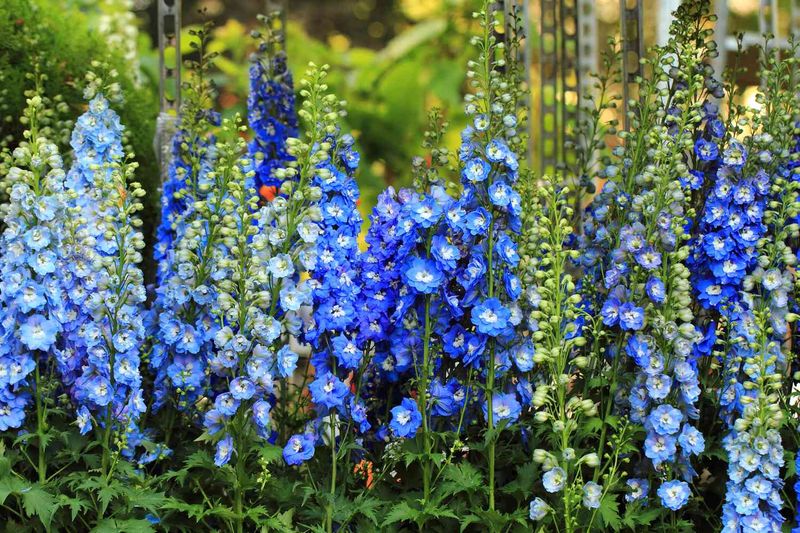
Delphiniums are stunning perennials known for their towering spikes of vibrant blue flowers. However, too much love in the form of over-fertilizing can lead to floppy stems and disease. They require rich soil, but feeding should be limited to maintain their structure. Ensuring good air circulation and proper staking helps these plants reach their full potential. Delphiniums bring a majestic touch to gardens, but understanding their needs allows them to flourish without being overwhelmed by care. Their dramatic presence is a testament to balanced gardening.
6. Coral Bells (Heuchera)
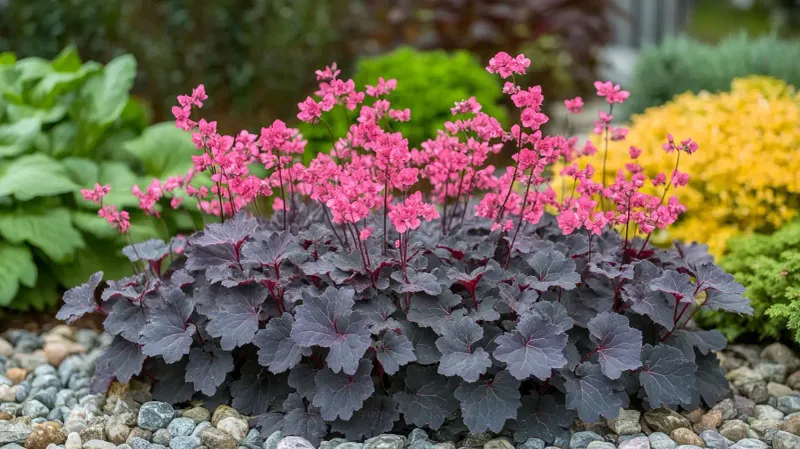
Coral Bells, known for their vibrant, ruffled foliage, can suffer from soggy soil and crowding. These perennials thrive with a light touch in watering and benefit from regular division to maintain their health. Ensuring well-drained conditions allows them to display their colorful leaves without issue. Coral Bells add a striking visual element to gardens, with their varied hues creating interest across seasons. Their preference for moderate care makes them a rewarding choice for those who understand their needs, ensuring they remain a highlight in any garden setting.
7. Japanese Anemone
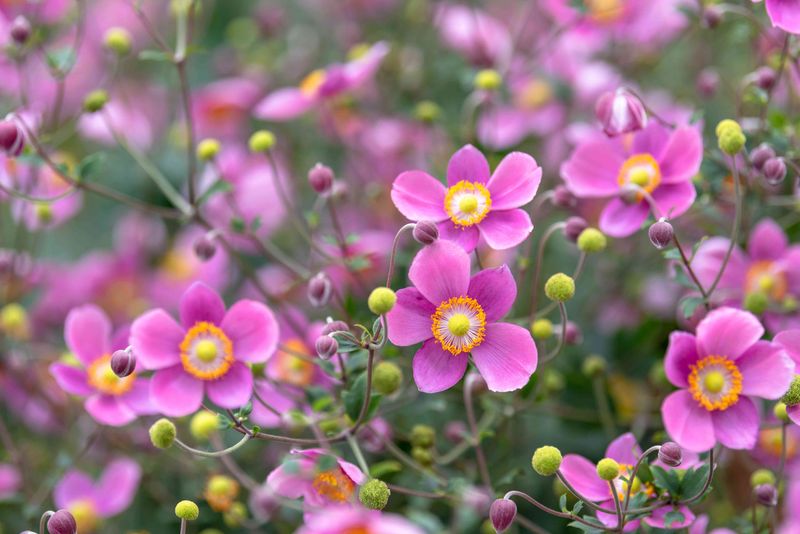
The Japanese Anemone, with its graceful white and pink blooms, dislikes being disturbed or relocated. This perennial thrives when given a semi-permanent home, requiring consistent care without excessive handling. Its delicate nature is best supported by providing a stable environment where it can flourish year after year. Known for its late-season blooms, the Japanese Anemone adds elegance to any garden. By honoring its preference for minimal disturbance, gardeners can enjoy its beauty and resilience through the seasons, making it a cherished addition to perennial collections.
8. Ferns (e.g., Maidenhair)
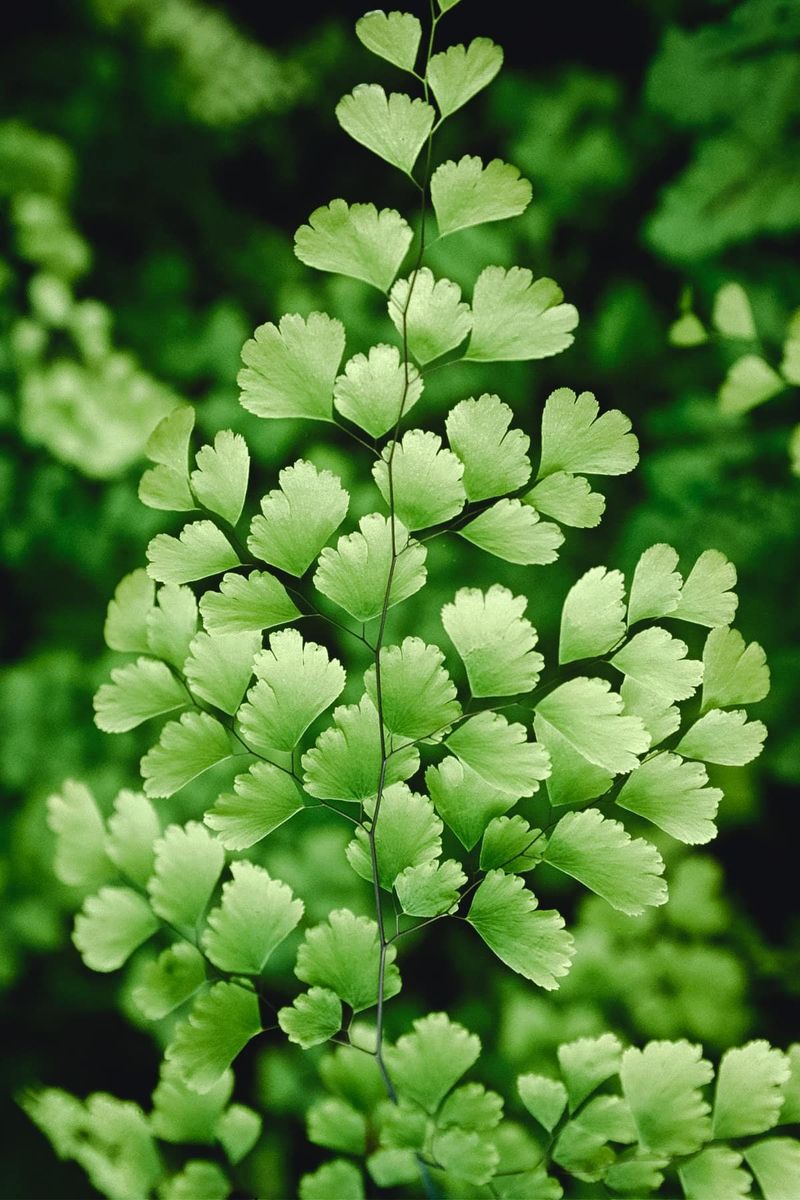
Ferns, like the Maidenhair, are sensitive to changes in moisture and handling, thriving in high humidity and steady shade. Too much love, in the form of frequent moving or excessive touching, can stress them. These perennials require a delicate balance of care, ensuring they remain in a stable environment. Known for their airy fronds, ferns add a lush, natural look to indoor and outdoor gardens. Understanding their specific needs for humidity and minimal disturbance allows them to flourish, providing a touch of tranquility to any space.
9. Primrose
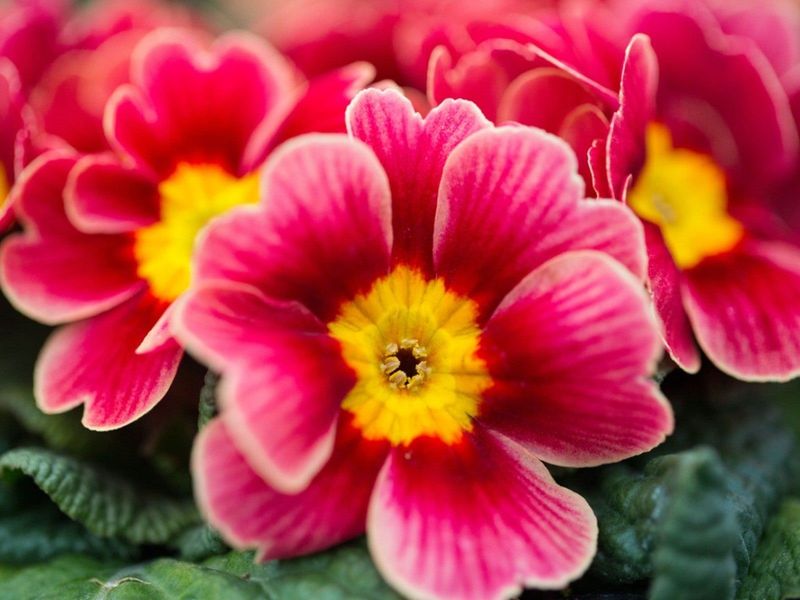
Primroses, with their vibrant blooms, are sensitive to high levels of fertilizer and drying out. These perennials thrive in cool, moist soil, requiring careful attention to maintain their health. Light feeding and consistent watering help them flourish without overwhelming their delicate nature. Known for their early spring color, primroses bring a cheerful touch to gardens. Balancing their need for moisture with minimal fertilization ensures they remain a delightful presence year after year. Understanding their care requirements allows gardeners to enjoy their beauty with ease.