 Complete Gardening
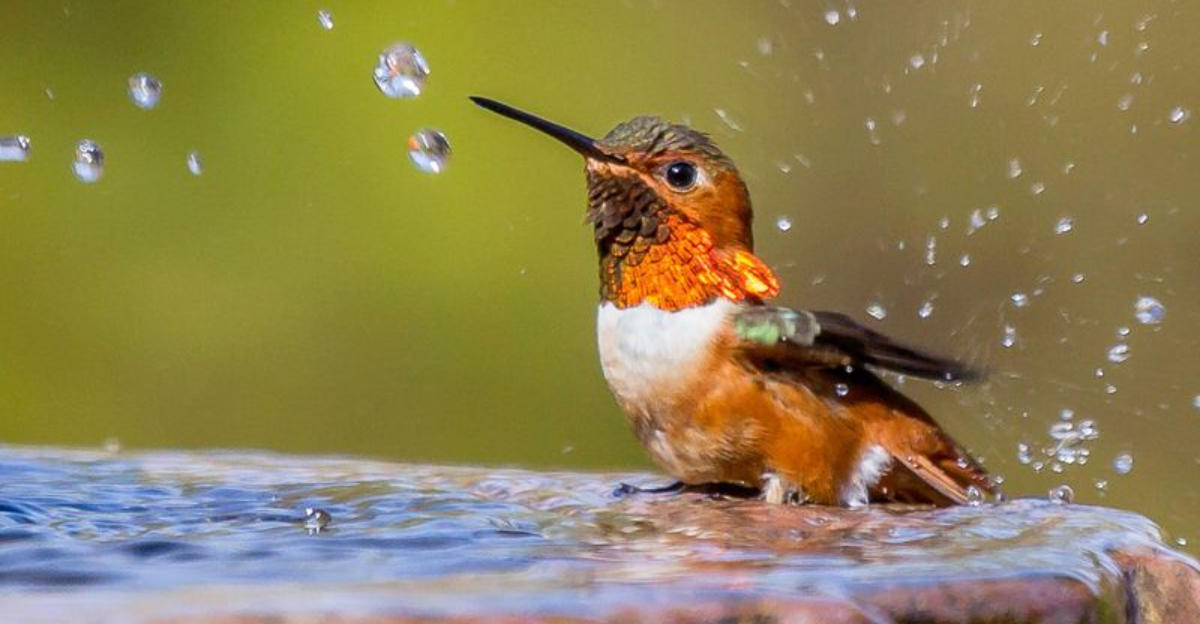
Hummingbirds, with their dazzling colors and agile flight, are a delight to observe. Yet, certain common yard mistakes might be deterring these tiny wonders from visiting your garden. By understanding and addressing these issues, you can create a welcoming environment for hummingbirds. Here are 11 common mistakes that might be scaring hummingbirds away and how you can fix them to enjoy the company of these vibrant visitors.
1. Using Pesticides & Herbicides
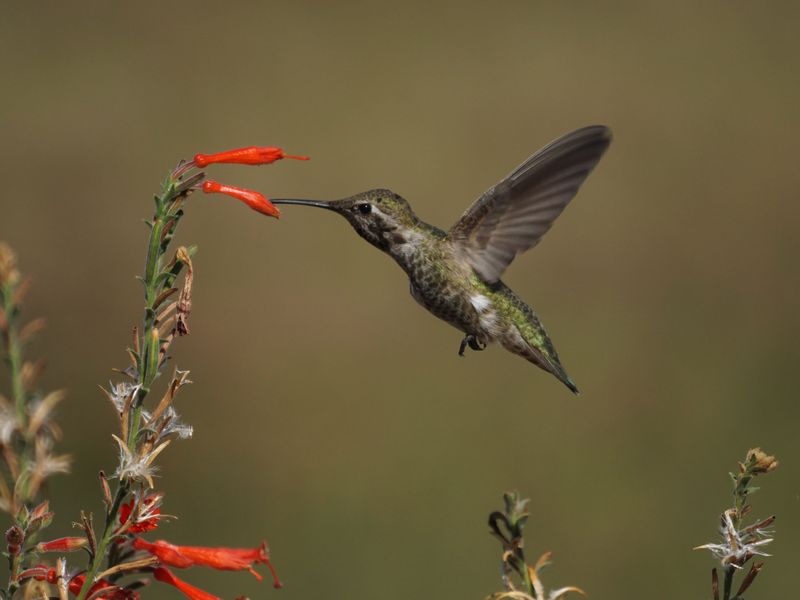
Pesticides and herbicides, while effective against pests, can have unintended consequences. These chemicals often eliminate insects that serve as a crucial protein source for hummingbirds. Without these insects, hummingbirds may look elsewhere for sustenance. Instead of synthetic options, consider natural pest control methods. For instance, ladybugs can effectively manage aphid populations, while neem oil serves as a gentle alternative to chemical sprays. Hand-weeding is another practical approach. By maintaining a balanced ecosystem, you not only protect the environment but also encourage hummingbirds to visit regularly.
2. Poor Feeder Placement
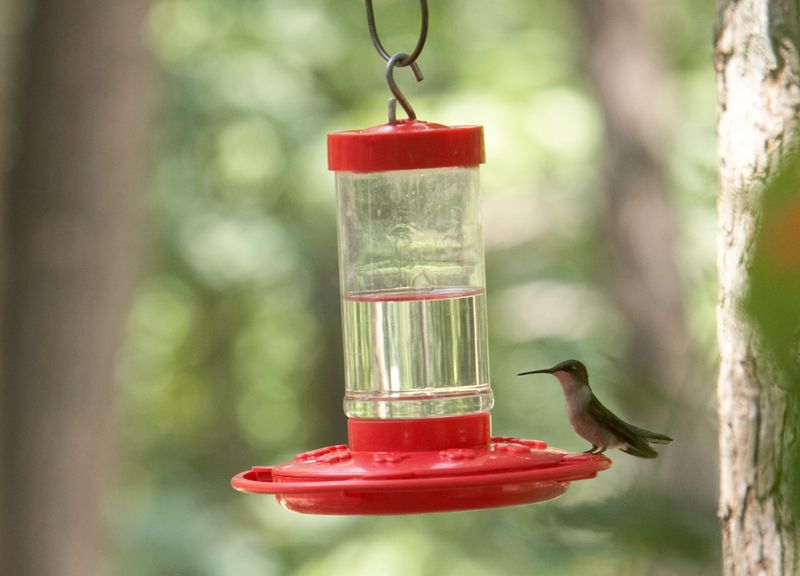
These delicate creatures prefer feeding in tranquility. To ensure their comfort, position feeders in serene, sheltered spots, perhaps near a shrub or tree. Such locations offer natural cover and quick escape routes if needed. Avoid placing feeders in high-traffic or noisy areas, as these can intimidate the sensitive birds. The right placement not only provides safety but also enhances your chances of enjoying these mesmerizing flitters up close.
3. Dirty or Moldy Feeders
A dirty feeder is more than just an eyesore. Contaminated nectar or mold growth can pose serious health risks to hummingbirds. Mold, in particular, can be toxic and deter these birds from returning. To maintain a safe feeding environment, clean your feeders every 2 to 3 days using hot water and vinegar. Steer clear of soap, as residues can be harmful. Regular cleaning ensures the nectar remains fresh and inviting. By doing so, you promote the health of your feathered guests and keep them coming back for more sips of sweetness.
4. Wrong Nectar Recipe
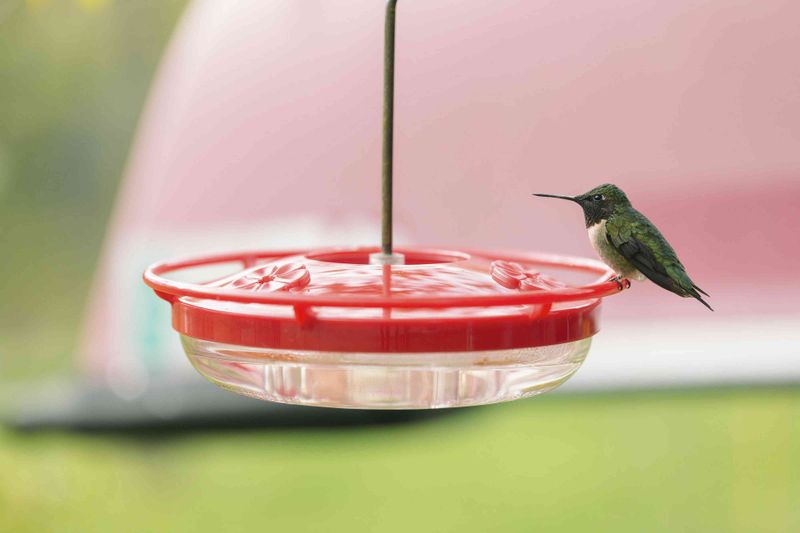
Commercially available nectar often contains dyes or incorrect sugar ratios that can be harmful. A simple homemade solution provides a safer alternative. Combine four parts water to one part white sugar, ensuring the mixture is well dissolved. Avoid honey and dyes, as these can introduce harmful bacteria or unnecessary chemicals. Hummingbirds are naturally attracted to the color red, so there’s no need for artificial coloring. By offering this natural concoction, you provide a healthy energy source for these vibrant aviators. Remember, simplicity in nature often yields the best results.
5. Lack of Natural Food Sources
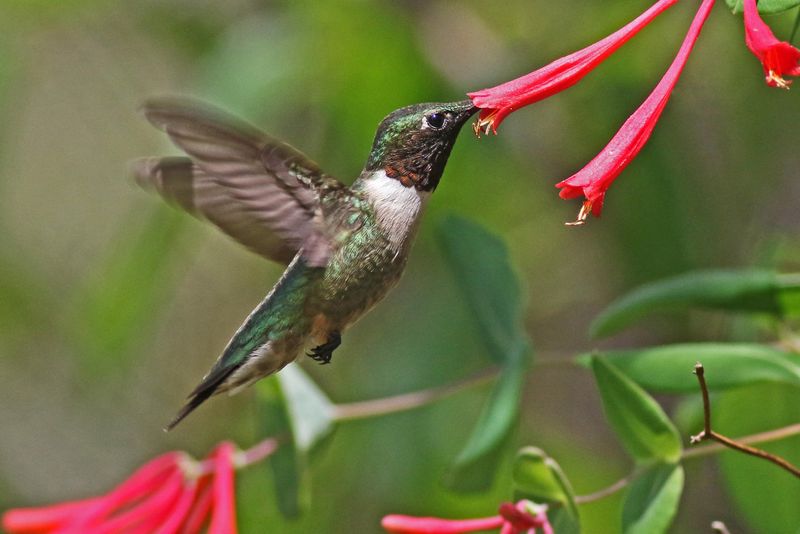
Reliance solely on feeders may not offer hummingbirds all the nutrients they need. These birds thrive on a varied diet, which includes the nectar of native, tubular flowers. Think bee balm, salvia, or trumpet vine. Planting these flowers not only beautifies your garden but also provides essential nourishment. The vibrant blooms attract hummingbirds with their rich colors and promise of nectar. A diverse plant selection ensures a continuous food supply. By enriching your garden’s biodiversity, you cater to the nutritional needs of visiting hummingbirds, making your space a favored stopover.
6. No Perching Spots
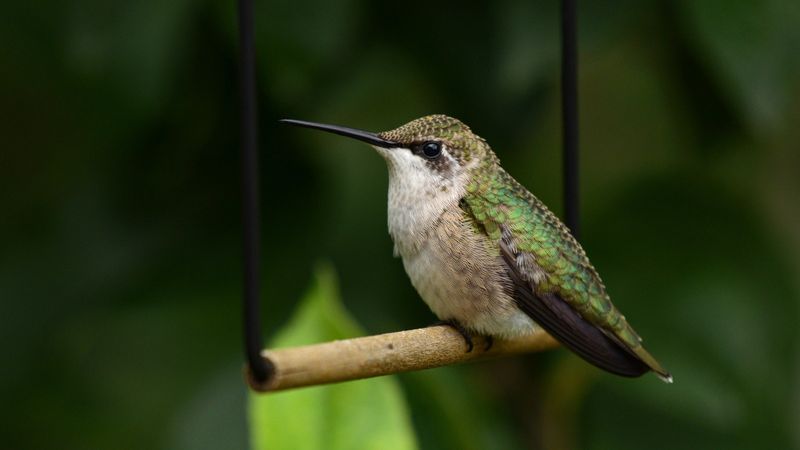
Hummingbirds exert a lot of energy when in flight and need brief resting periods. A garden devoid of perching spots can be exhausting. Thin branches or small shrubs near feeders can serve as convenient resting areas. These perches allow hummingbirds to conserve energy between feedings. Additionally, such resting spots provide an opportunity to watch their surroundings for potential threats. By integrating perching options, you create a more accommodating environment for these busy little visitors, ensuring they have a reason to linger a bit longer in your garden.
7. Predator Threats (Cats, Large Birds)
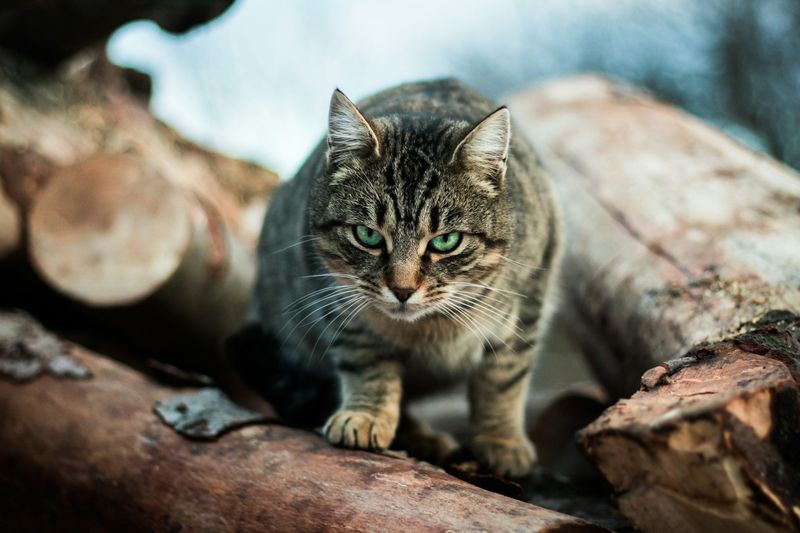
Predators such as outdoor cats or aggressive birds can easily deter hummingbirds from visiting. To counteract this, position feeders at least five feet above the ground and away from potential hiding spots for cats. This elevation reduces the risk of predatory attacks. Additionally, choose areas where larger, aggressive birds are less likely to frequent. By creating a safe feeding zone, you offer hummingbirds a haven free from the looming threat of predators. This proactive approach not only protects these fragile birds but also ensures their frequent return to your garden.
8. Bright Red Dyes in Feeders
Artificial dyes in nectar, though visually appealing, can be harmful to hummingbirds. These birds are naturally attracted to the red parts of feeders, so there’s no need for dyed nectar. Instead, use plain sugar water, a simple and safe option. Ensure the feeder has red components to attract the birds. This natural approach not only safeguards their health but also keeps their environment as organic as possible. By eliminating unnecessary dyes, you create a genuine and inviting space for hummingbirds to enjoy their meals without health concerns.
9. Too Few Feeders (Aggression)
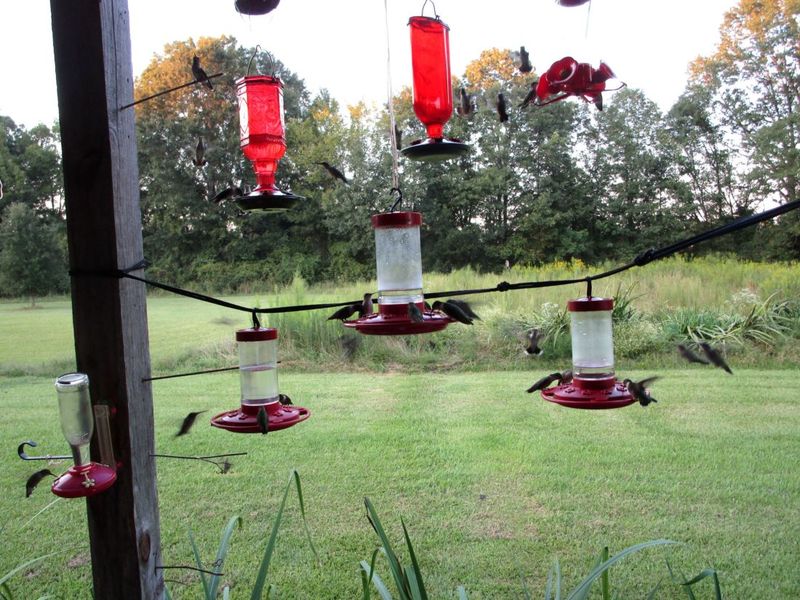
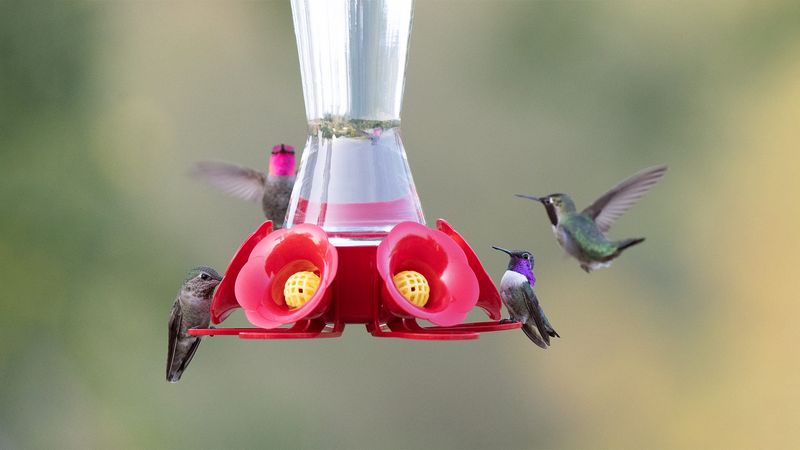
Picture a single feeder swarmed by aggressive hummingbirds. Territorial behavior can dominate, leading to frequent squabbles. By providing multiple feeders, you alleviate this competition. Place feeders out of sight from each other to offer individual feeding havens. This distribution reduces conflict and ensures that all hummingbirds have access to nourishment. The result is a serene feeding environment, where harmony prevails. Multiple feeders not only accommodate more birds but also enrich your garden with the sight of vibrant, peaceful avian activity, showcasing nature at its finest.
10. Lack of Water Sources
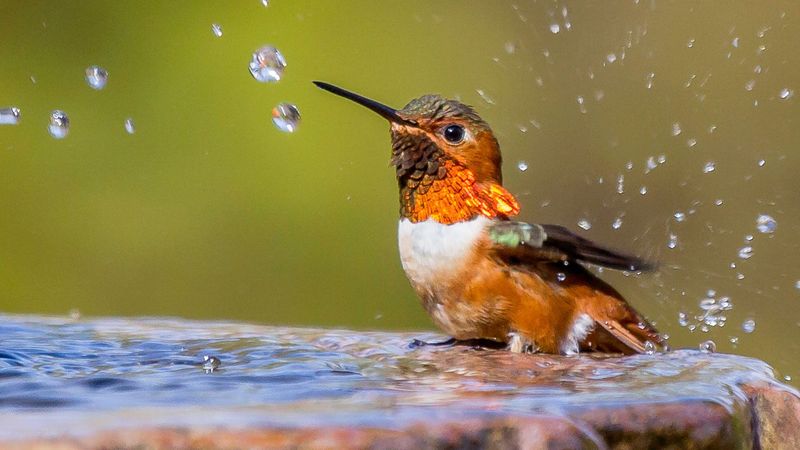
Water plays a crucial role in a hummingbird’s daily routine. Beyond drinking, these birds delight in bathing. Shallow water sources, such as misters or birdbaths with pebbles, provide essential hydration and cleaning opportunities. These features not only attract hummingbirds but also invite other wildlife, enriching your garden’s ecosystem. A gentle mist or splash encourages playful bathing sessions. By ensuring a reliable water supply, you enhance your garden’s appeal. Hummingbirds, refreshed and invigorated, are more likely to visit regularly, drawn by the promise of sustenance and comfort.
11. Neglecting Seasonal Needs
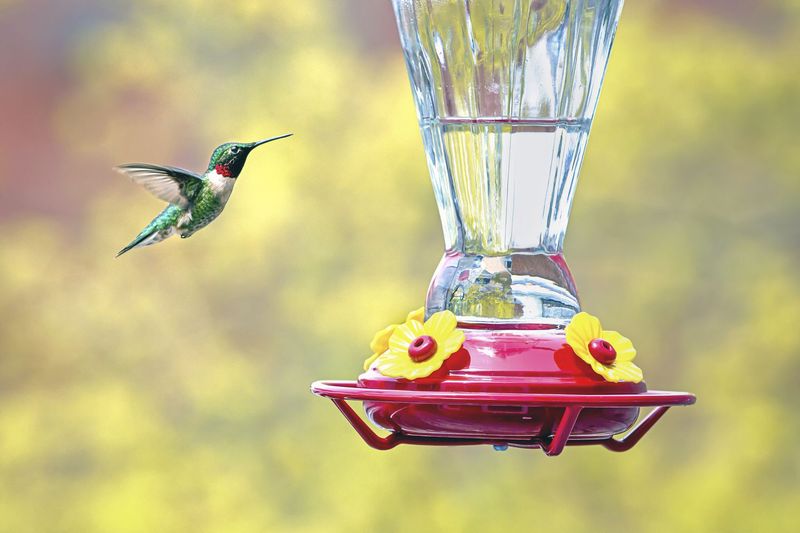
As seasons shift, hummingbirds embark on migration journeys. Removing feeders too early can deprive them of crucial energy resources. Leave feeders up until two weeks after the last sighting in fall. This ensures migrating birds find the sustenance they need. Your feeders become a vital stopover for these travelers. The transition from summer to fall is marked by changing foliage, and the continued presence of feeders offers a comforting constant. By understanding and accommodating their seasonal needs, you play a role in the remarkable migration of these tiny voyagers.