 Complete Gardening
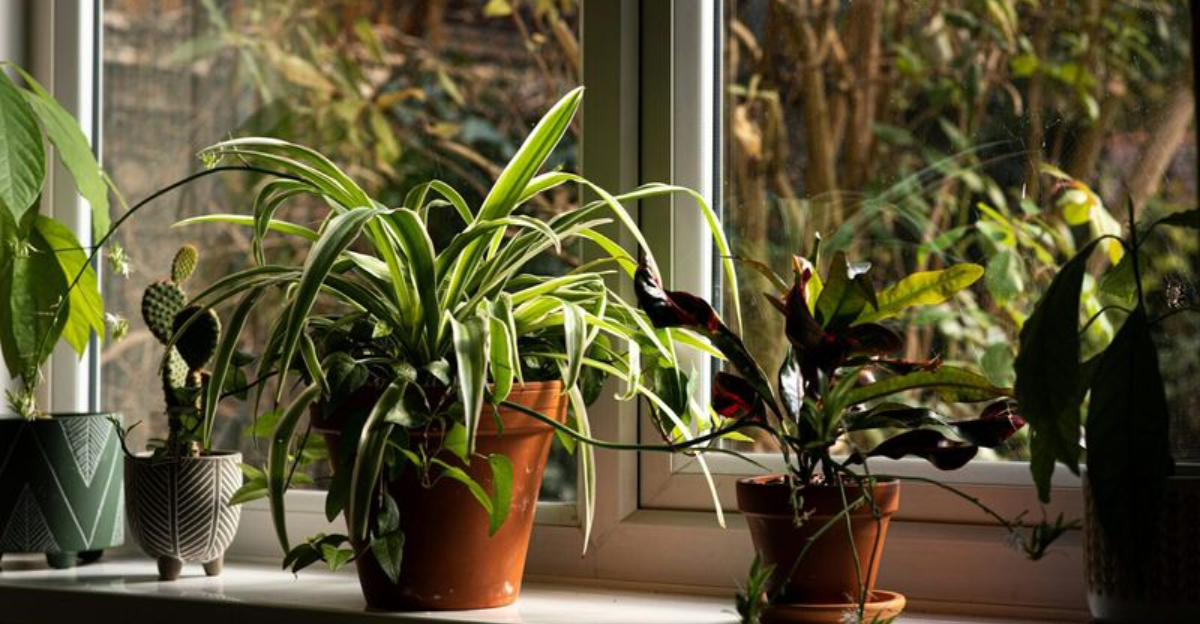
Unlock the secrets to transforming your indoor gardening experience with these expert tips and tricks.
Whether you’re a budding beginner or an established enthusiast, these 12 essential secrets will guide you to achieve lush, thriving houseplants.
From mastering the art of watering to creating the perfect environment, elevate your green thumb game and bring the joy of nature into your home.
Choose the Right Plant for the Right Spot
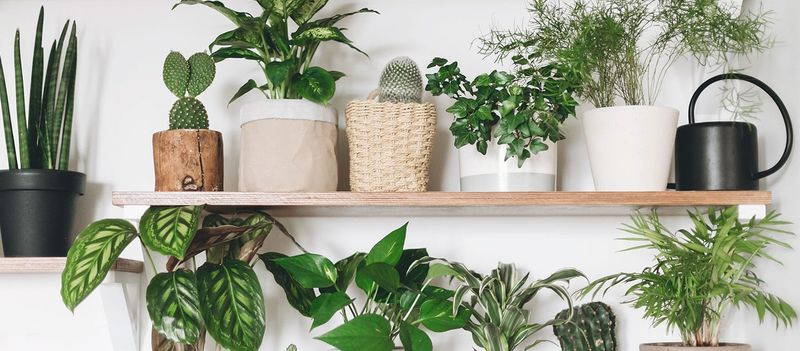
The key to a flourishing indoor garden is selecting plants that match the available light conditions in your home. Snake plants and peace lilies thrive in low-light areas, adding a touch of green where the sun is scarce. In contrast, succulents and cacti crave bright, direct sunlight to grow robust and vibrant. By understanding the light preferences of each plant, you can create a harmonious environment that encourages healthy growth. The right plant in the right place is not just a decorative choice but a strategic move toward successful plant care.
Don’t Overwater—Let Them Breathe
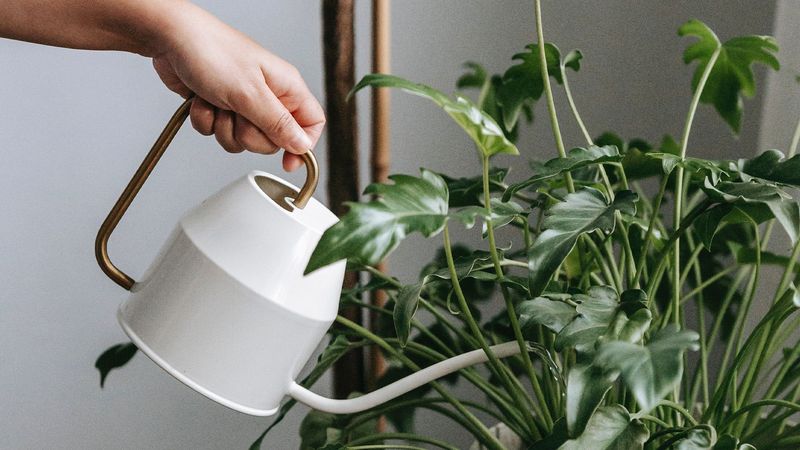
Overwatering is the silent killer of many houseplants, leading to dreaded root rot and droopy leaves. Most indoor plants appreciate drying out a bit between waterings. When the top inch of soil feels dry to the touch, it’s typically time to water. Opt for pots with good drainage and avoid leaving plants in standing water. This approach ensures that roots have access to both moisture and air, which is crucial for their health. Remember, a little neglect can sometimes be better than too much attention when it comes to watering.
Give Them a Shower
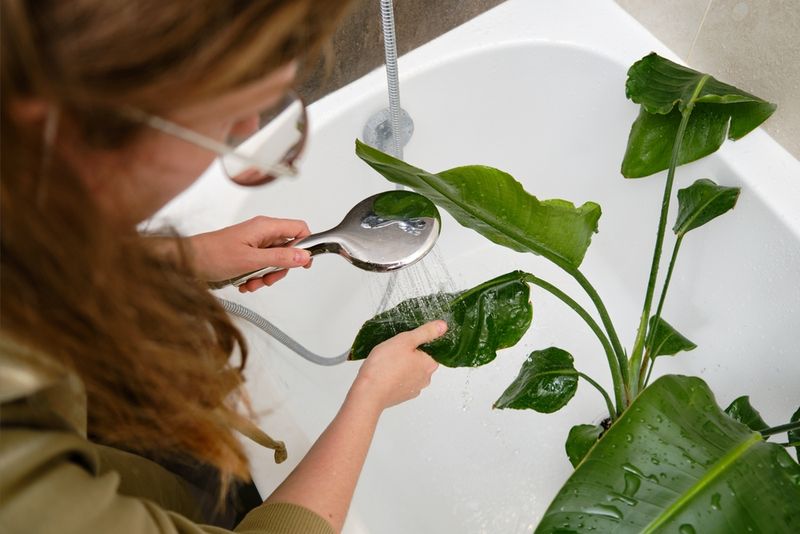
Every now and then, houseplants need a refreshing shower to wash away accumulated dust and grime. This simple act of kindness not only cleans the leaves but also helps to increase humidity and promote better hydration. Use lukewarm water, as cold water can shock the plant and hot water may harm it. This mimics natural rain and invigorates the foliage, leaving it looking glossy and healthy. A regular shower is a spa day for your plants, keeping them vibrant and breathing easy in your home.
Rotate for Balanced Growth
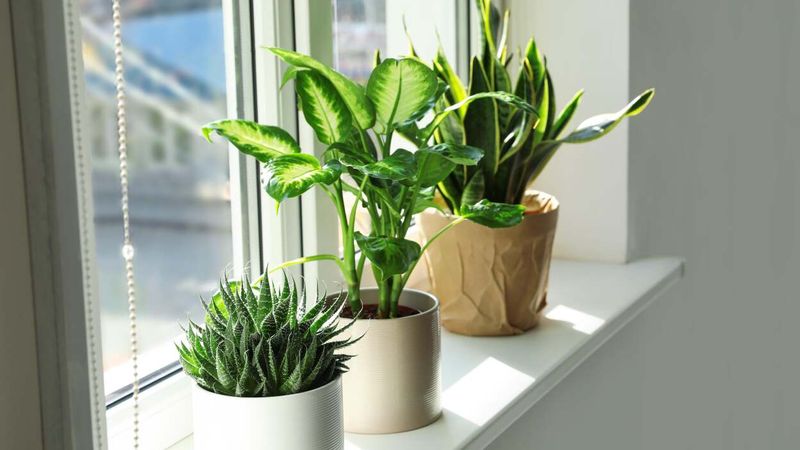
Plants naturally grow towards the light, which can lead to uneven growth if they remain in the same position for too long. Every couple of weeks, give your plants a little spin to ensure all sides receive equal light exposure. This simple practice encourages symmetrical growth and prevents leaning. It’s like a mini workout for your plants, helping them to develop strong, sturdy stems. Rotating your plants regularly can transform them from lopsided and lanky to balanced and beautiful, showcasing their full potential.
Clean the Leaves
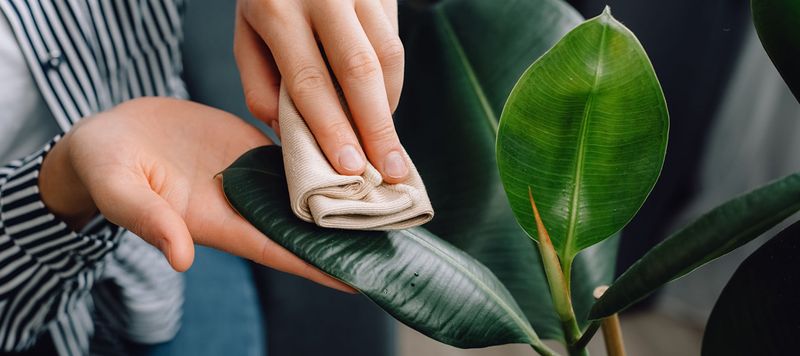
Keeping the leaves of your houseplants clean isn’t just about aesthetics; it’s vital for their health and photosynthesis. Dusty leaves can block sunlight, hindering the plant’s ability to produce energy. Use a soft, damp cloth to gently wipe the leaves, ensuring the pores remain open and functional. This not only improves photosynthesis but also gives your plants a natural shine. Regular cleaning is like a gentle massage for your plants, promoting vitality and longevity as they bask in their clean, sunlit glory.
Use the Right Pot and Soil
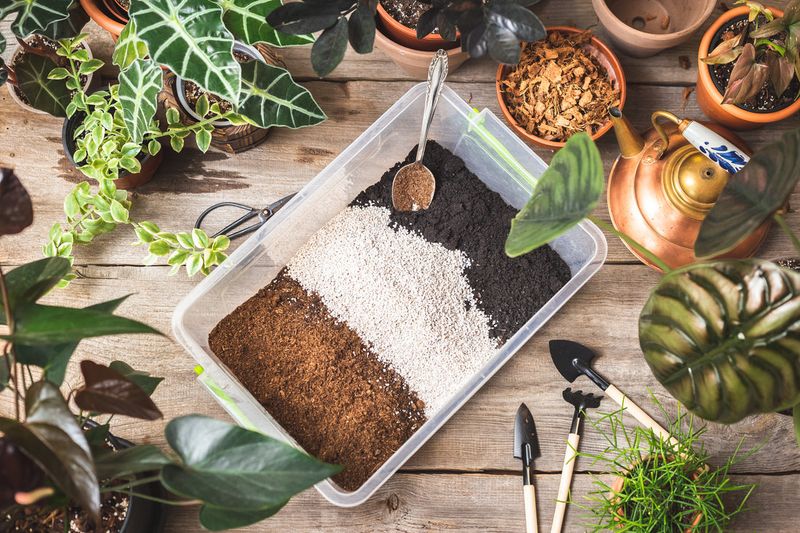
The combination of the right pot and soil is foundational for thriving houseplants. Proper drainage is crucial; pots should have holes to allow excess water to escape, preventing root rot. The soil should be tailored to the plant—cactus mix for succulents, or a peat-based mix for tropical species. This ensures that roots have the appropriate environment to breathe and absorb nutrients. It’s like selecting the perfect pair of shoes; the right fit makes all the difference. Prioritizing pot and soil will set your plants up for success.
Repot When Necessary
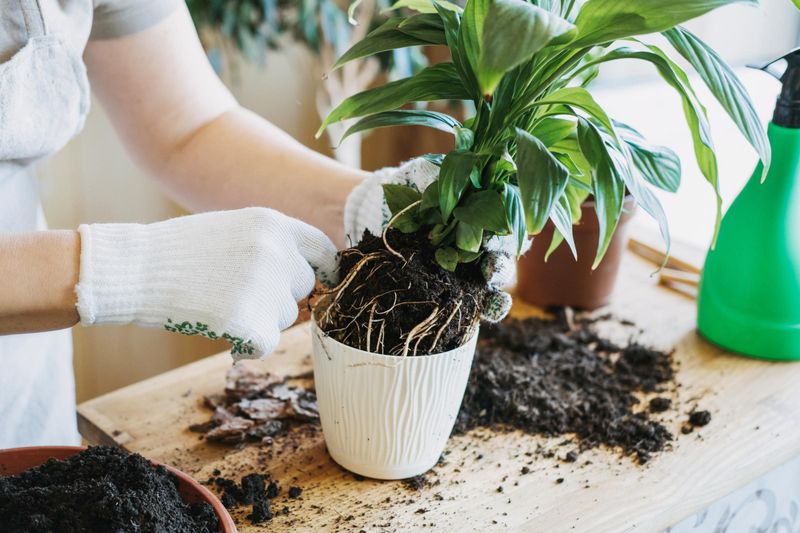
As houseplants grow, their roots can become cramped, leading to poor drainage and stunted growth. Repotting is like giving your plant a new home—essential when roots outgrow their container. Choose a pot slightly larger than the old one and refresh the soil to enhance nutrient uptake. Repotting not only helps manage root growth but also revitalizes the plant with fresh soil nutrients. This simple change can breathe new life into your plants, encouraging them to stretch out and thrive in their new surroundings.
Feed Them Well
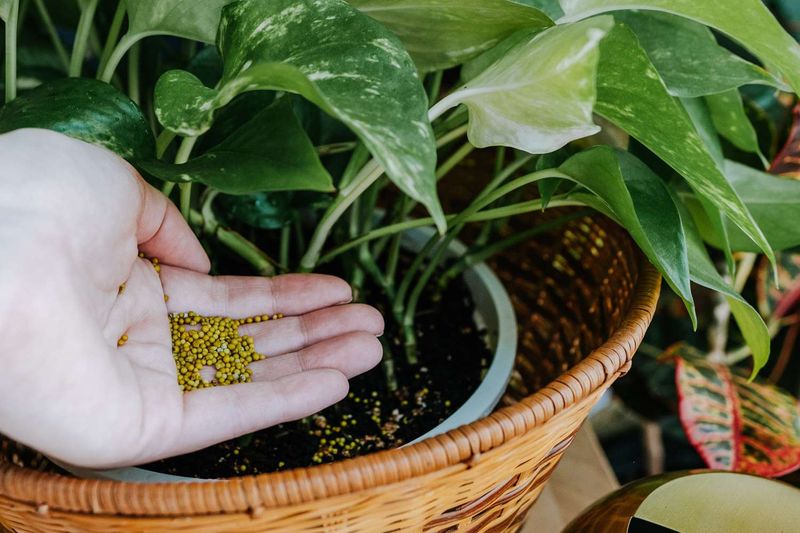
Fertilizing is the key to supporting your houseplants during their active growing season, typically spring and summer. The right houseplant food provides essential nutrients that encourage new growth and flowering. Liquid fertilizers are easy to apply and quickly absorbed, making them a popular choice. However, moderation is key; over-fertilizing can harm your plants. It’s like serving a balanced diet—give them what they need without overindulging. Feeding your plants well ensures they have the energy to grow strong and vibrant, elevating your indoor garden’s beauty.
Check for Pests Often
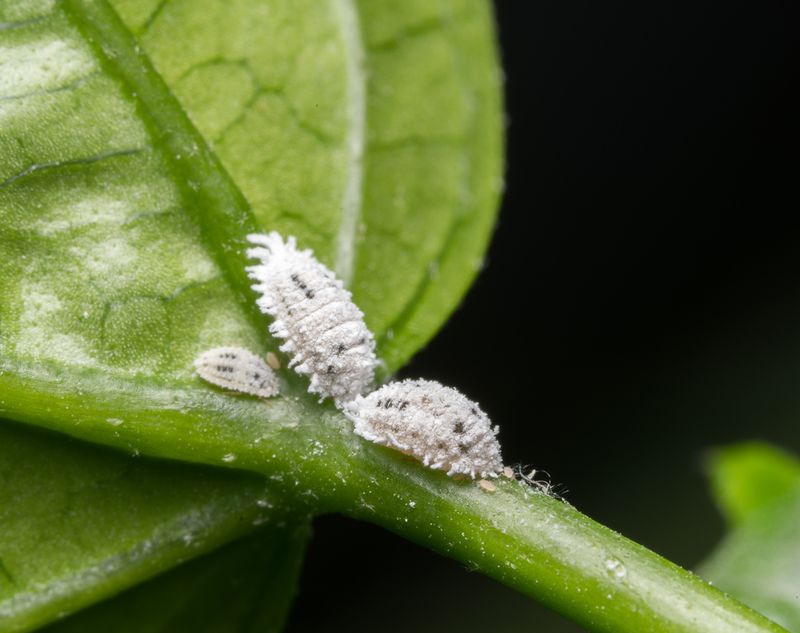
Houseplants are not immune to pest invasions, and early detection is crucial. Regularly inspect your plants for signs of spider mites, mealybugs, or gnats. Look underneath leaves and along stems for any unusual spots or webs. Catching infestations early allows you to take swift action, whether through gentle washing or applying organic pest control solutions. Vigilance is your best defense, ensuring your plants remain healthy and pest-free. Keeping a watchful eye on your plants can prevent minor issues from becoming major problems.
Group for Humidity
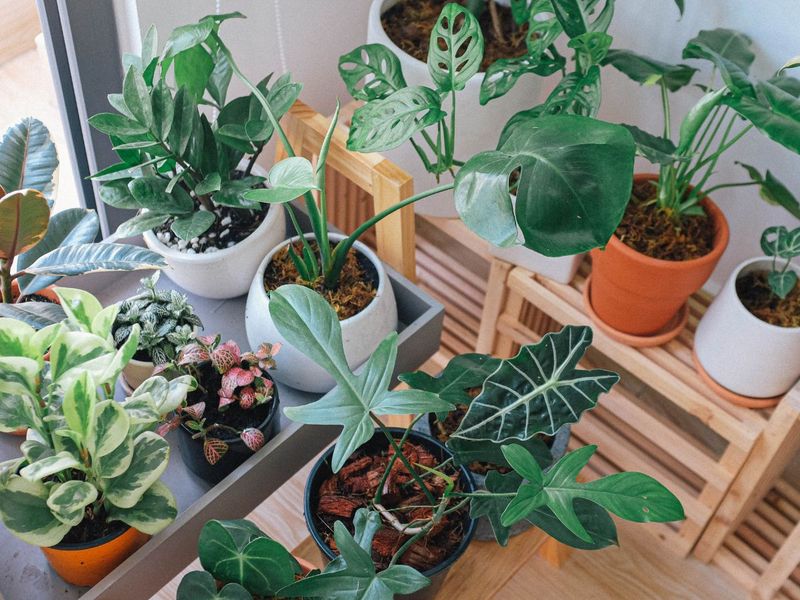
Certain houseplants, like ferns and calatheas, thrive in higher humidity environments. Grouping them together can naturally increase the humidity around them, creating a mini ecosystem. This is particularly beneficial during dry months or in homes with central heating. Adding a small humidifier or placing a tray of water nearby can further enhance this effect. It’s like building a supportive community for your plants, ensuring they have the moisture they need to flourish. Grouping plants is a simple yet effective way to boost their well-being.
Give Them a Rest Period
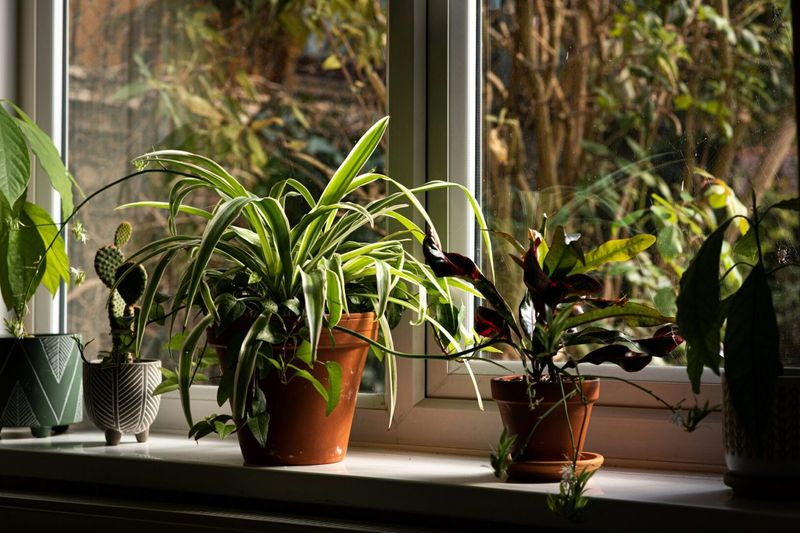
Just like humans, houseplants need rest to rejuvenate. During fall and winter, many go into a semi-dormant state, requiring less water and food. It’s important to recognize this phase and adjust care routines accordingly. Reduce watering and hold back on fertilizing to allow your plants to rest. This rest period mimics their natural cycle, preparing them for robust growth when spring arrives. Acknowledging their need for downtime is essential, ensuring they stay healthy and ready to burst into life with renewed vigor.
Talk, Touch, and Tune In
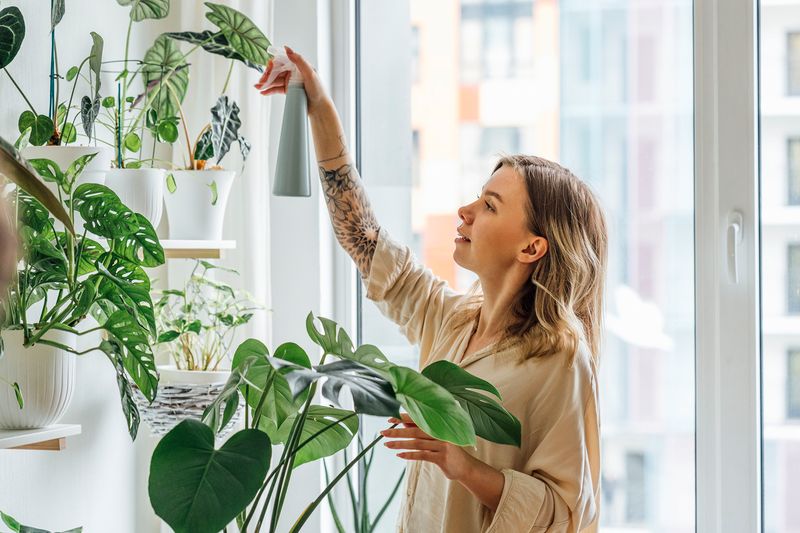
Studies suggest that interacting with your houseplants by talking or playing music can enhance their growth. Touching them gently can also promote sturdier stems. These interactions create a bond between you and your plants, enriching your indoor gardening experience. It’s a delightful way to connect, ensuring your plants feel like part of your home. Engaging with your plants isn’t just beneficial for them—it’s also a mood booster for you. This symbiotic relationship nurtures both plant and caretaker, fostering a thriving indoor garden.