 Complete Gardening
Clay soil can be both a blessing and a curse for gardeners. While its dense, water-retentive properties make it challenging for many plants, certain perennials thrive in these conditions. In this guide, we’ll explore 13 perennials that revel in clay soil and 7 that find it a struggle. Whether you’re looking to cultivate a vibrant garden or avoid plant failures, this list will guide you through the best and worst choices for clay soil.
1. Black-Eyed Susan (Rudbeckia)
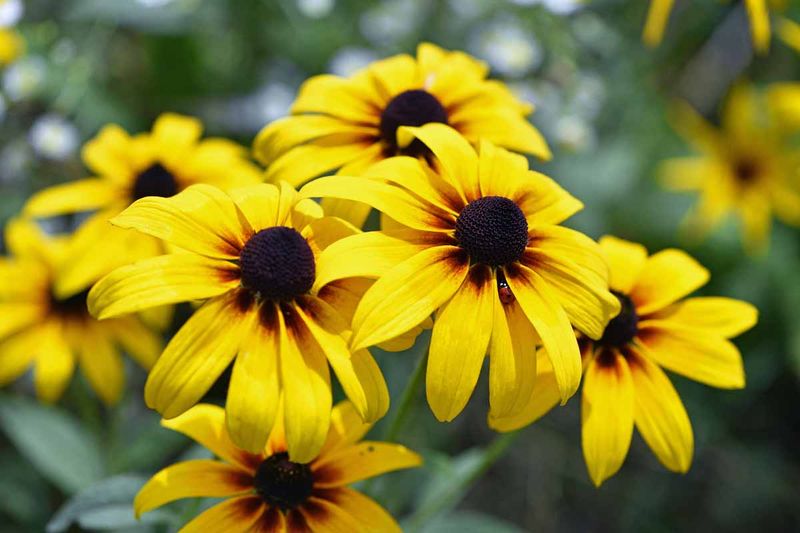
Black-Eyed Susan beams with sunny charm in the garden. This perennial shines with bright yellow petals surrounding a dark, contrasting center. Established plants boast drought tolerance, thriving even in the toughest conditions.
Beyond its beauty, this plant is a haven for pollinators, attracting bees and butterflies. Its resilience makes it a favorite for gardeners dealing with challenging soil.
Adaptable and hardy, Black-Eyed Susan brings a burst of color that lasts from mid-summer through fall. Its ability to withstand different conditions makes it a true garden asset.
2. Daylily (Hemerocallis)
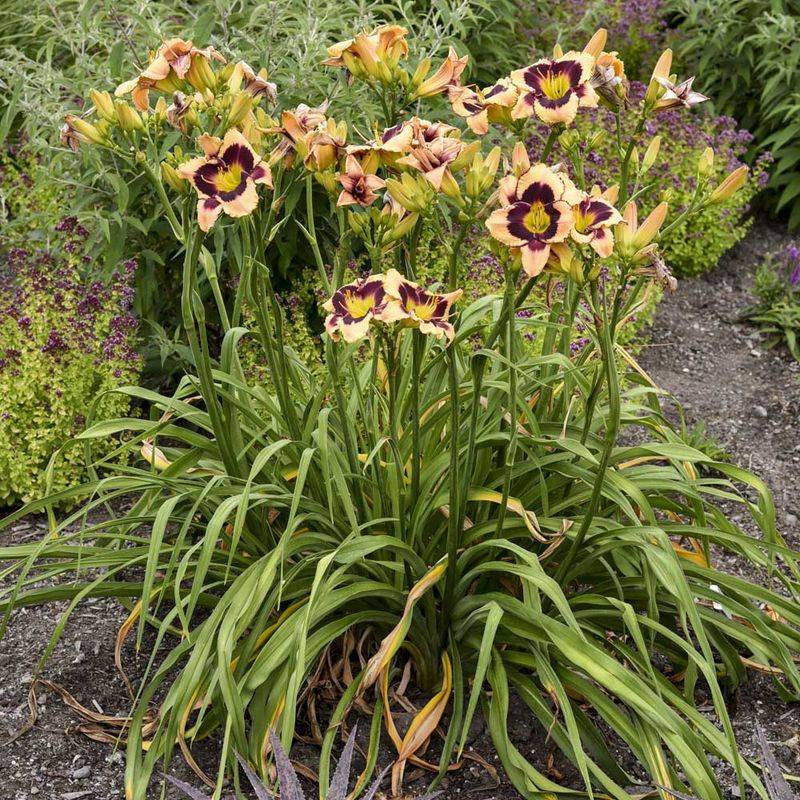
Daylilies are the unsung heroes of clay soil gardens. These adaptable beauties bloom profusely, painting landscapes with their vivid colors. With trumpet-shaped flowers, they grace gardens with elegance and charm.
Known for their easy-going nature, Daylilies require minimal maintenance. They are resilient and versatile, thriving under various conditions, including heavy clay.
Each bloom lasts just a day, but the plant produces multiple buds, ensuring a continuous display of beauty. This perennial’s adaptability and vibrant appearance make it a must-have for any gardener.
3. Coneflower (Echinacea)
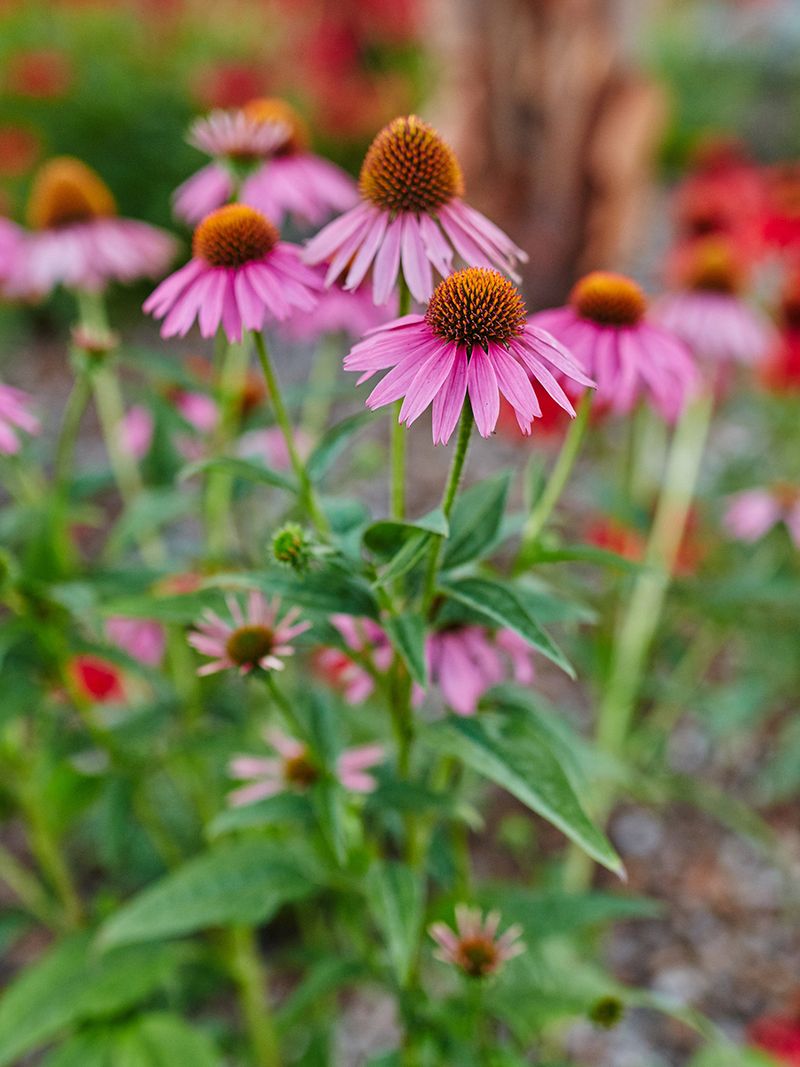
Coneflowers command attention with their striking purple petals and spiky centers. These hardy perennials stand tall, attracting pollinators like bees and butterflies.
Renowned for their resilience, Coneflowers do well in clay, providing beauty and ecological benefits. Their long-lasting blooms make them a staple in perennial gardens.
Beyond aesthetics, Coneflowers are known for medicinal properties, often linked to boosting immunity. Their robust nature and dual-purpose appeal make them a standout choice for clay soil environments.
4. Astilbe
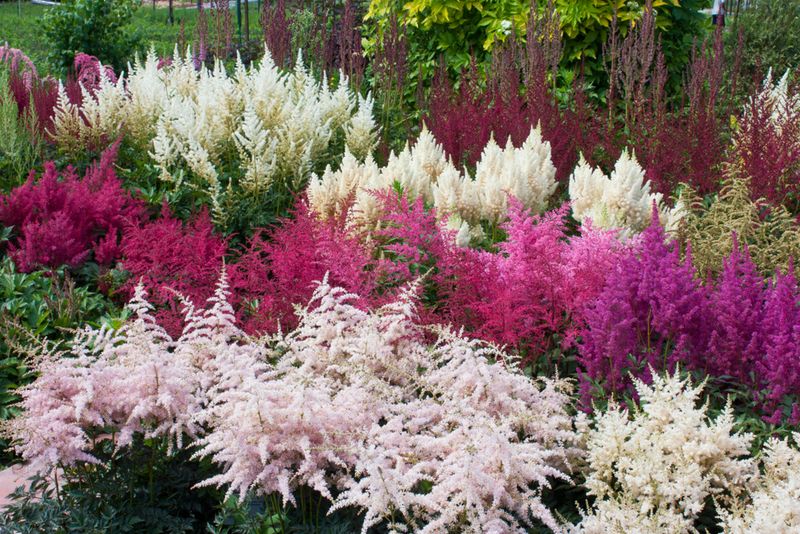
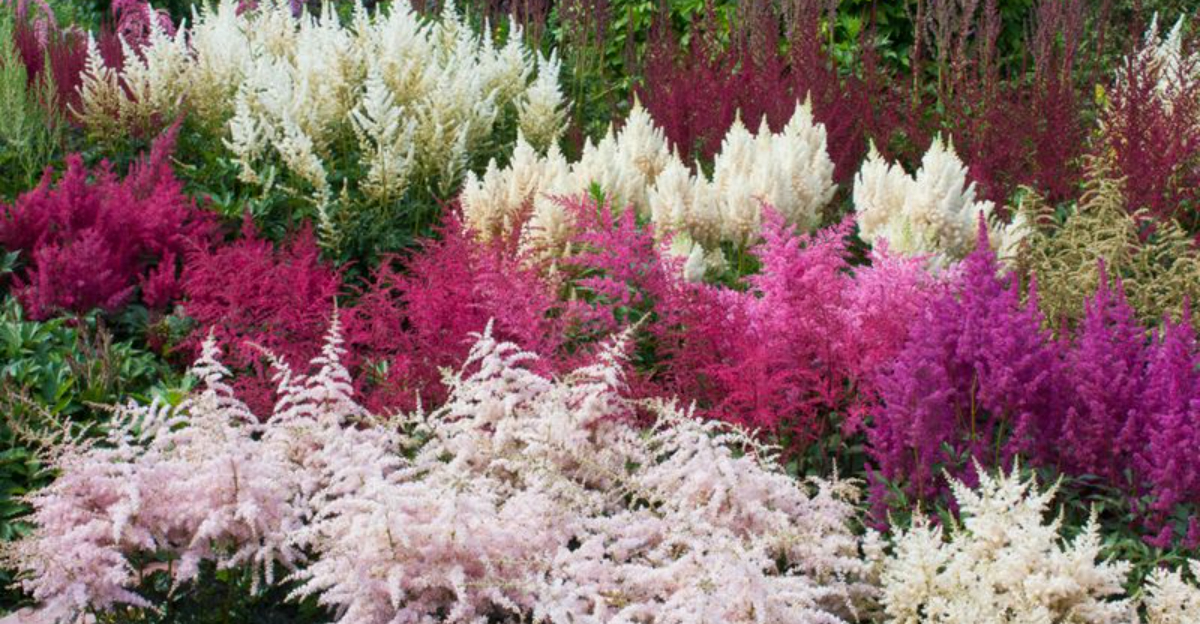
Astilbe offers a touch of elegance with its fluffy, feathery plumes. Preferring moist clay, it thrives in shaded areas, making it an ideal choice for less sunny spots.
Its graceful blooms range from pink to white, adding a soft touch to gardens. Astilbe’s love for moisture contrasts with many sun-loving perennials, setting it apart.
This perennial is excellent for adding texture and interest, maintaining its beauty throughout the growing season. Its adaptability to shade and moisture makes it a top pick for tricky clay soils.
5. Hosta
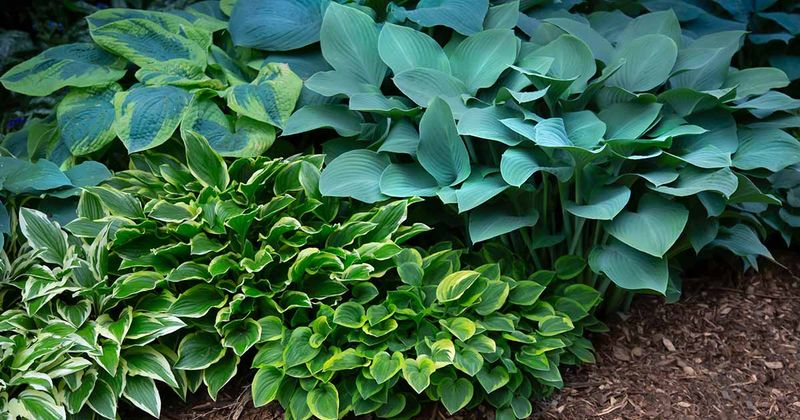
Hostas are the cornerstone of any shaded garden. Their lush, broad leaves create a tapestry of green, thriving in rich, moist clay soils.
These plants are unparalleled in their adaptability to shade, growing in areas where others might struggle. Hostas provide a lush backdrop, offering texture and visual interest.
Their variety in leaf color and texture adds depth to gardens, making them a versatile choice for creative landscaping. Hostas embody resilience and beauty, perfect for clay conditions.
6. Bee Balm (Monarda)
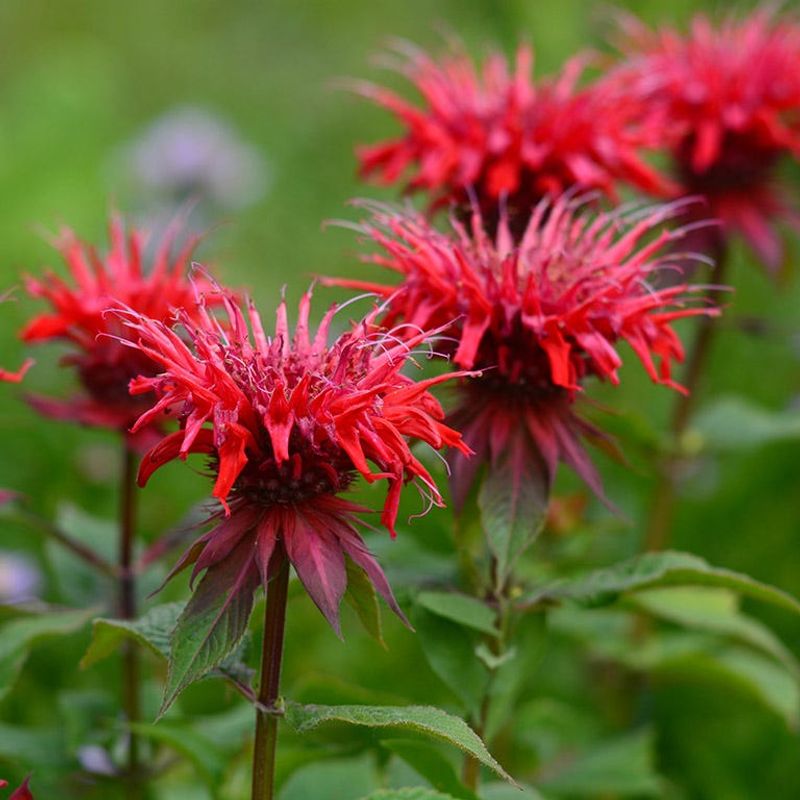
Bee Balm stands out with its vibrant, tubular flowers, a magnet for bees and hummingbirds. This perennial thrives in heavy soil, provided it has good air circulation.
Its aromatic foliage adds another dimension, releasing a pleasant fragrance. Bee Balm’s colorful blooms make it a lively addition to any garden.
With its unique appearance and adaptability, this plant offers both beauty and ecological benefits. It’s a delightful choice for gardeners looking to support pollinators in clay soil environments.
7. Russian Sage (Perovskia)
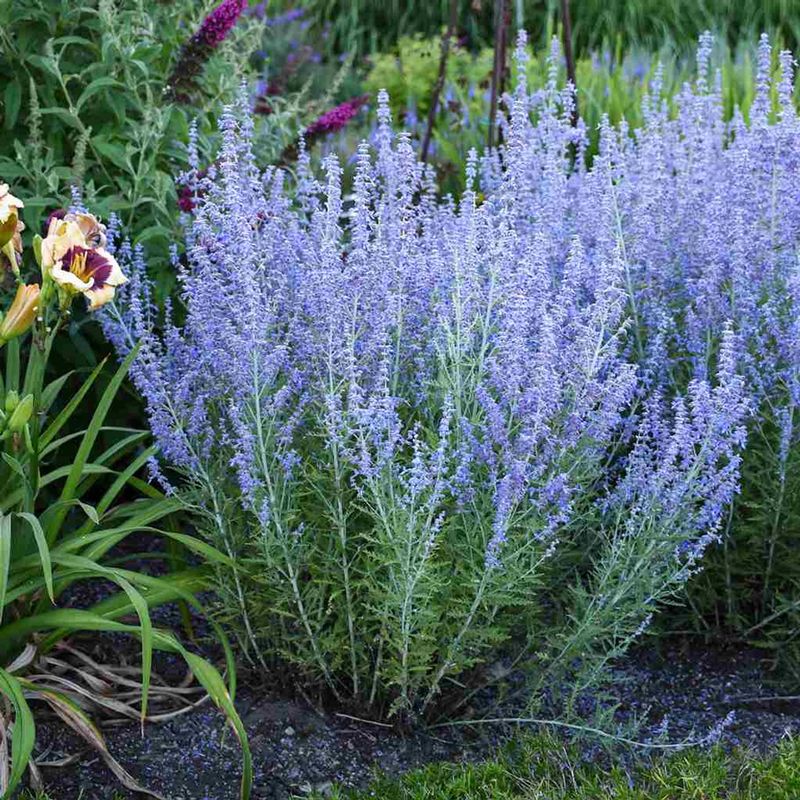
Russian Sage captivates with its aromatic, silvery foliage and lavender-blue flowers. Once established, this plant defies drought, thriving even in dry, clay conditions.
Its airy, open structure adds a gentle, wispy texture to gardens, contrasting with denser plantings. Russian Sage’s long flowering period extends the garden’s beauty through the seasons.
Known for its resilience, this perennial requires little maintenance, making it a gardener’s delight. Its unique color and form make it a standout choice for challenging soil conditions.
8. Sedum (Stonecrop)
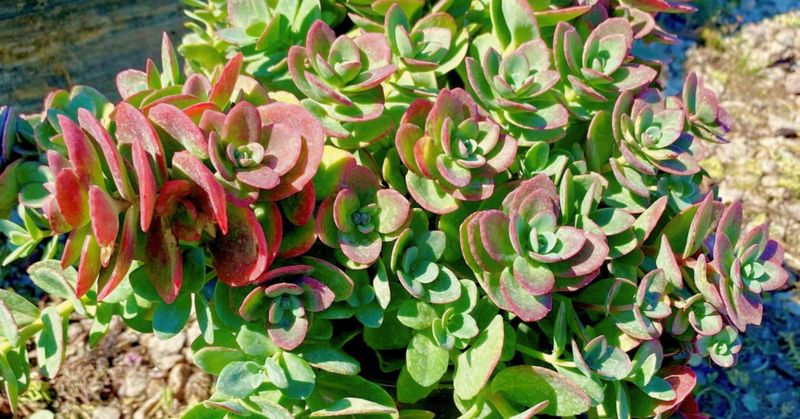
Sedum, often known as Stonecrop, adds a rugged charm to any garden. With succulent leaves and star-shaped flowers, it handles clay with ease.
This perennial’s drought tolerance makes it a versatile choice for various garden settings. Its low-growing habit and minimal care requirements appeal to gardeners seeking simplicity.
Available in many varieties, Sedum offers a range of colors and textures, perfect for creative landscaping. Its resilience and unique appearance make it a favorite for clay soils.
9. Joe-Pye Weed (Eutrochium)
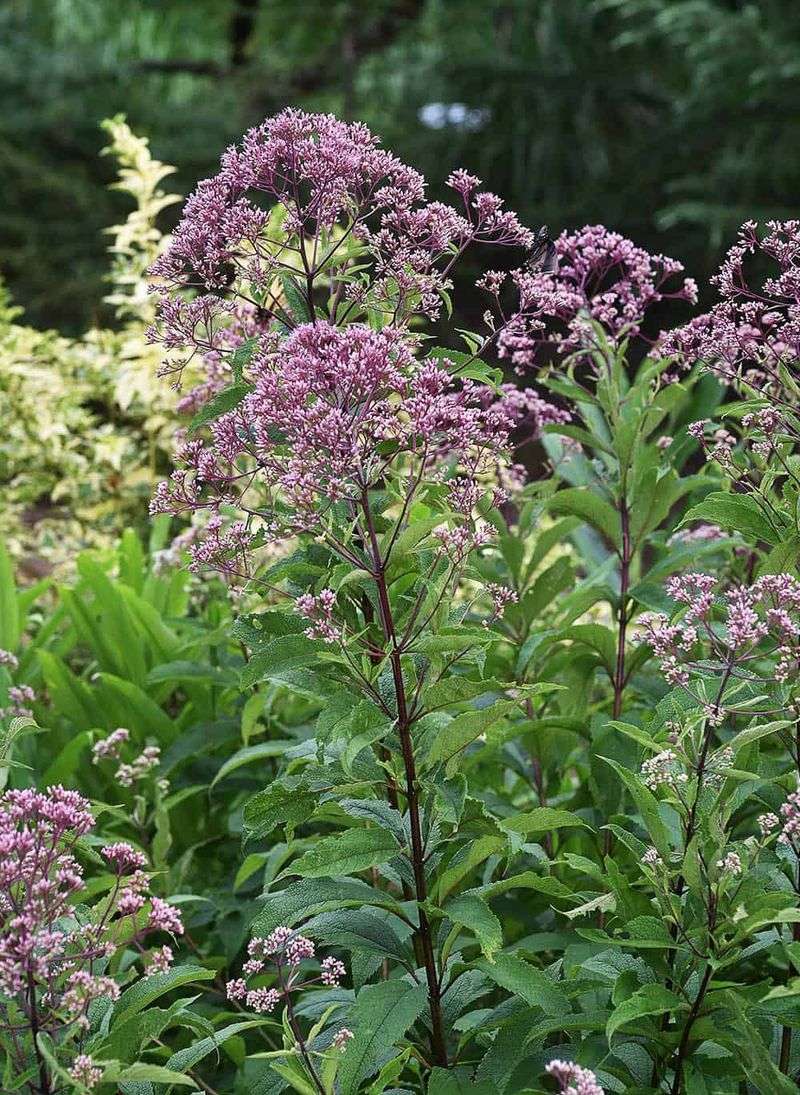
Joe-Pye Weed brings height and color to moist clay gardens. Its tall stems and pinkish-purple blooms attract butterflies, creating a vibrant wildlife haven.
This perennial thrives in wet conditions, flourishing where others may fail. It’s known for both its ornamental and ecological benefits.
Ideal for naturalistic plantings, Joe-Pye Weed adds a wild, meadow-like feel to gardens. Its ability to attract pollinators and thrive in clay makes it a valuable addition to the landscape.
10. Goldenrod (Solidago)
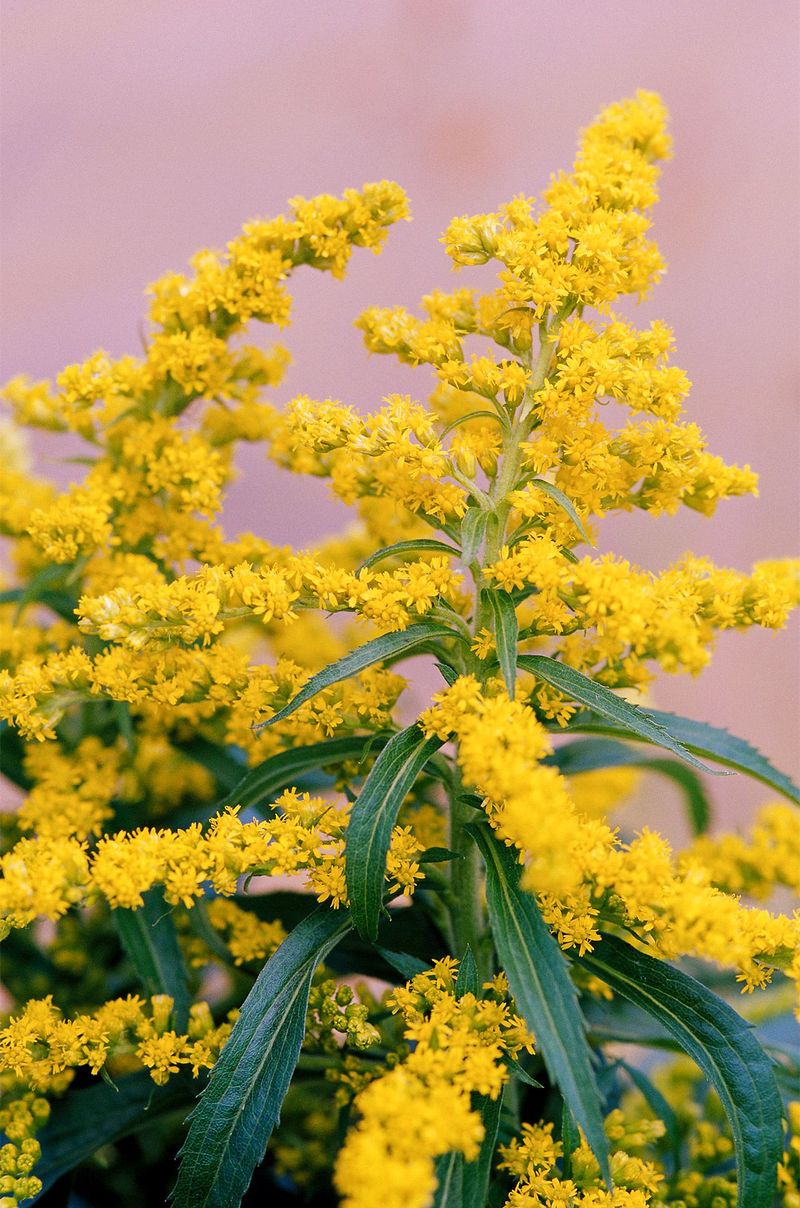
Goldenrod lights up the garden with its radiant yellow flowers, a beacon for pollinators like bees and butterflies.
This robust perennial stands strong in clay, adaptable to both dry and wet conditions. Its tall, arching stems create a striking presence in any landscape.
Despite misconceptions, Goldenrod is not the cause of hay fever, making it a guilt-free choice for allergy sufferers. Its ecological benefits and vibrant color make it an excellent addition to gardens.
11. Switchgrass (Panicum virgatum)
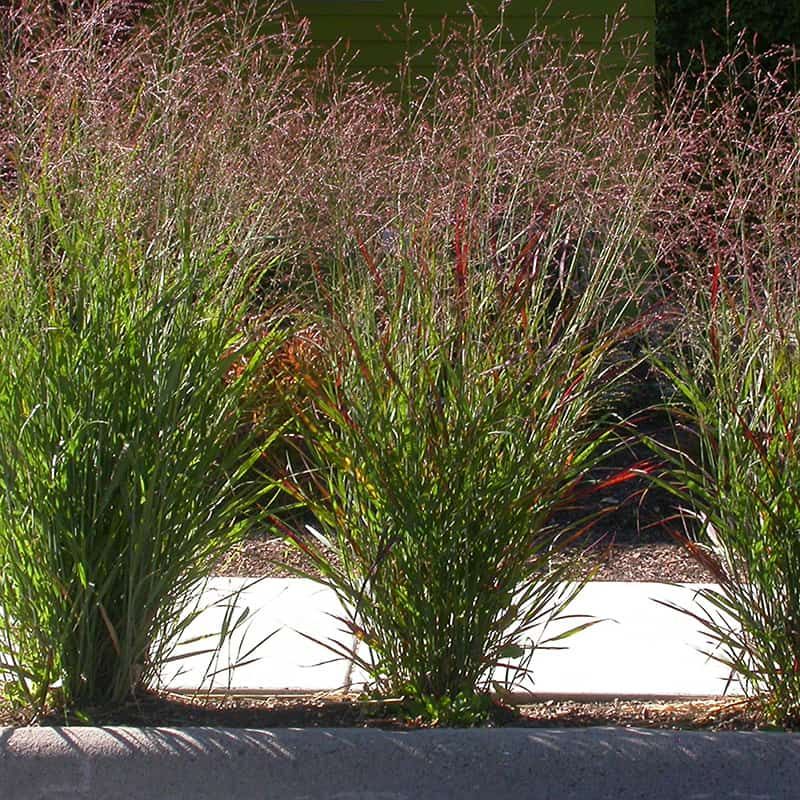
Switchgrass offers a graceful presence in gardens with its tall, feathery plumes. This ornamental grass thrives in clay, adding movement and texture to landscapes.
Its upright growth and tolerance to various conditions make it a versatile planting choice. Switchgrass is also known for its ecological benefits, providing habitat and food for wildlife.
Used in prairie restorations and garden designs, it brings a natural, flowing aesthetic. Its adaptability to clay and ornamental appeal make it a garden favorite.
12. Siberian Iris (Iris sibirica)
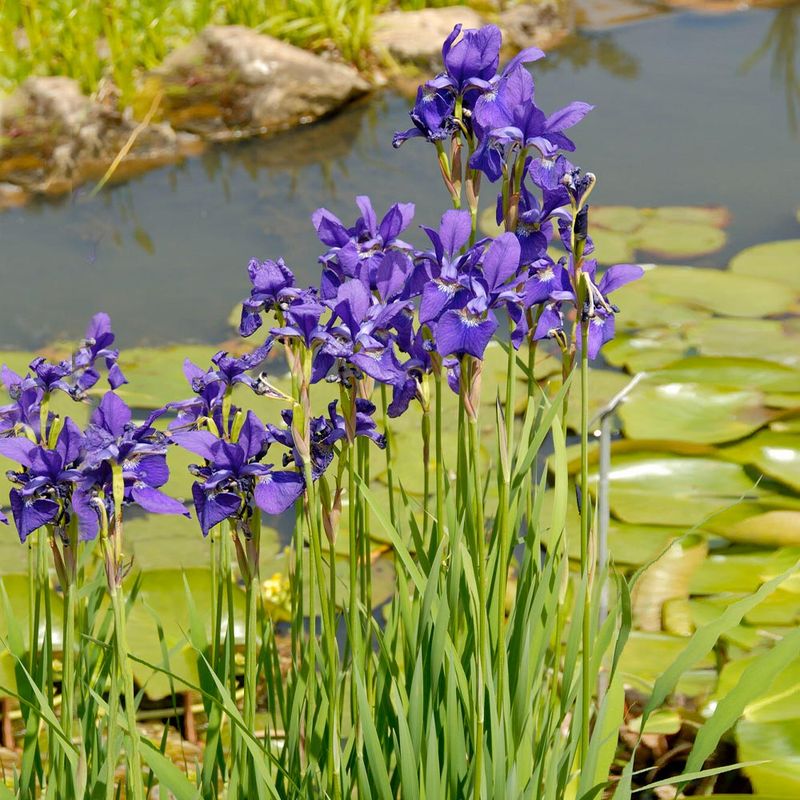
Siberian Iris brings elegance to moist clay environments with its slender stems and delicate blooms. Known for its adaptability, it thrives in wetter conditions where others may falter.
The flowers, ranging in shades of blue and purple, add a touch of sophistication to gardens. Siberian Iris is valued for its long-lasting beauty and low maintenance needs.
Ideal for water features or damp areas, it complements other moisture-loving plants. Its adaptability and aesthetic appeal make it a valuable garden addition.
13. Ligularia
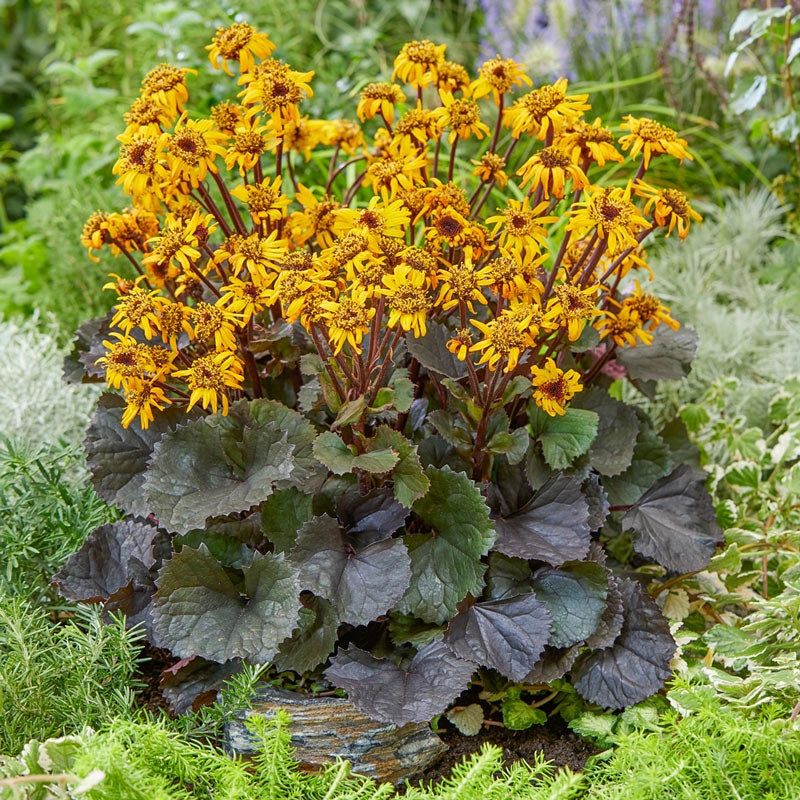
Ligularia commands attention with its bold, dramatic foliage and bright yellow flowers. Thriving in damp, shaded clay environments, it brings a lush, exotic feel to gardens.
The large leaves create a striking visual contrast, providing both texture and interest. Ligularia’s preference for moisture makes it a perfect companion for water features.
Beyond its beauty, it offers habitat for various garden creatures, enhancing ecological diversity. Its adaptability to shade and wet conditions makes it a unique garden choice.
1. Lavender (Lavandula)
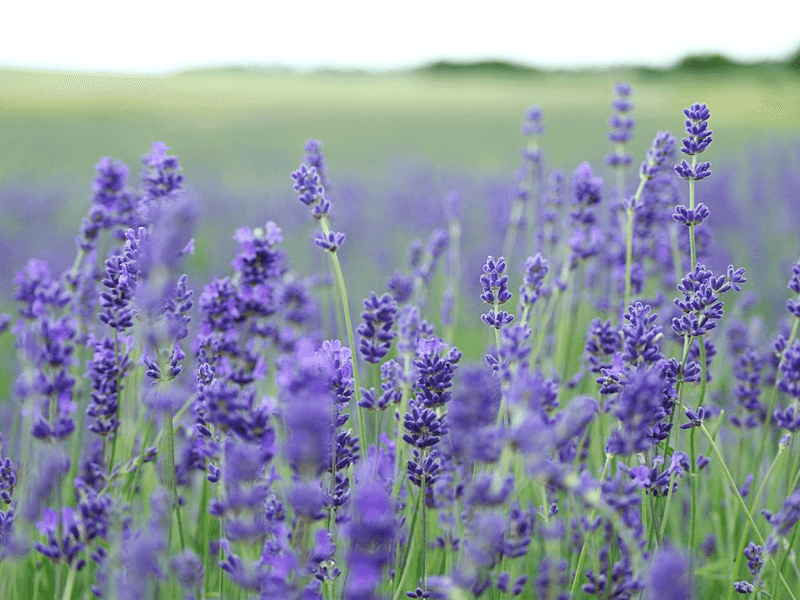
Lavender, with its fragrant purple blossoms, struggles in dense clay due to poor drainage. This Mediterranean native prefers well-draining, sandy soils.
In clay, its roots are prone to rot, leading to sparse, lackluster growth. Lavender’s need for excellent drainage often requires raised beds or amended soil.
Despite its challenges, when conditions are right, it delights gardeners with its scent and beauty. Its struggle in clay highlights the importance of soil conditions for plant success.
2. Rosemary (Salvia rosmarinus)
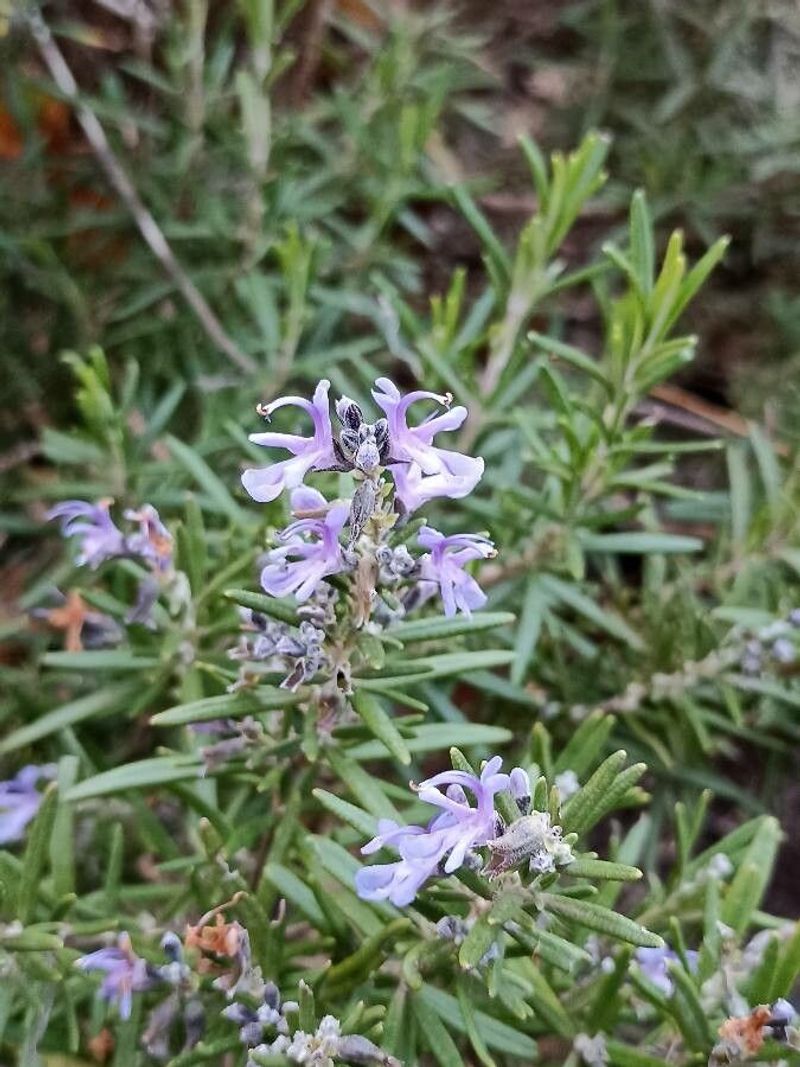
Rosemary’s aromatic, needle-like leaves are a staple in culinary gardens, yet this plant struggles in heavy clay soil. Its roots, susceptible to rot, prefer well-drained conditions.
In clay, Rosemary may suffer from waterlogging, leading to poor growth and potential death. Gardeners often resort to raised beds or pots to accommodate its needs.
Despite the challenge, when thriving, Rosemary provides both beauty and culinary delight. Its struggle in clay serves as a reminder of the importance of suitable soil for plant health.
3. Delphinium
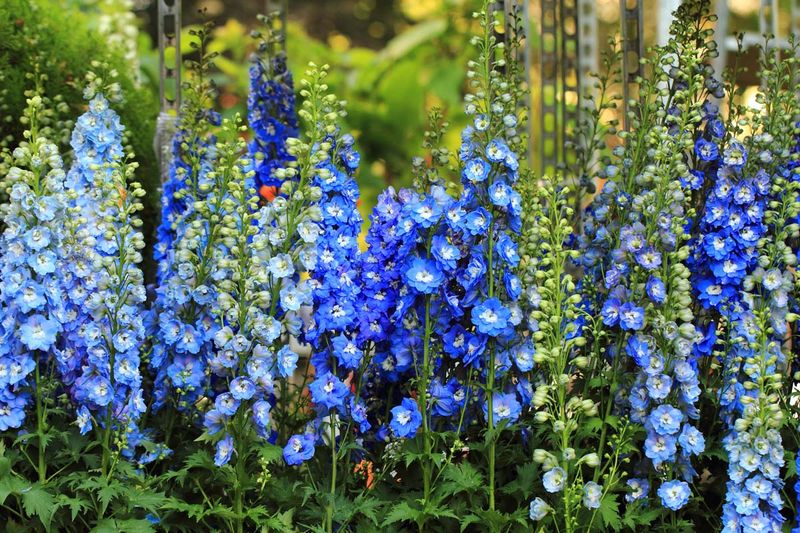
Delphiniums, with their towering spikes of blue, pink, or white flowers, face challenges in clay soil. Preferring loose, well-drained environments, they often falter in dense conditions.
In clay, Delphiniums may suffer from root rot, leading to stunted growth and poor flowering. Their need for good drainage makes them better suited to amended beds.
Despite these challenges, their striking blooms captivate gardeners, making the extra effort worthwhile. Their struggle in clay highlights the need for proper soil preparation.
4. Lupine (Lupinus)
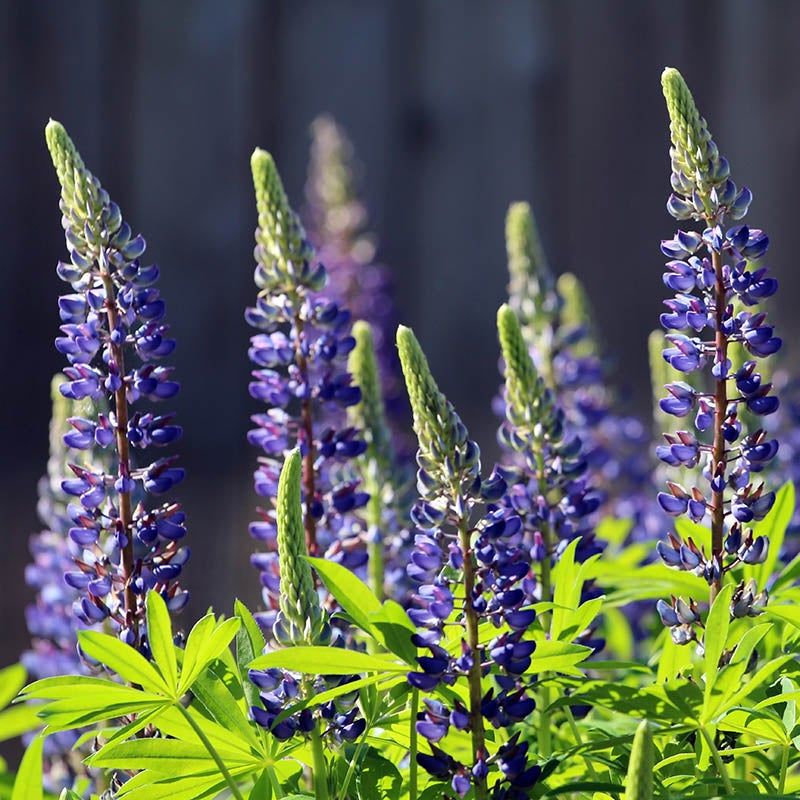
Lupines, known for their vibrant spires of flowers, struggle in heavy clay due to poor drainage. These plants naturally prefer sandy, well-drained soils.
In clay, their roots are prone to waterlogging, affecting growth and flowering. Lupines often require soil amendments or raised beds to thrive in such conditions.
Despite the struggle, when flourishing, they bring spectacular color to gardens. Their challenges in clay highlight the importance of understanding plant needs and soil compatibility.
5. Coreopsis (Tickseed)
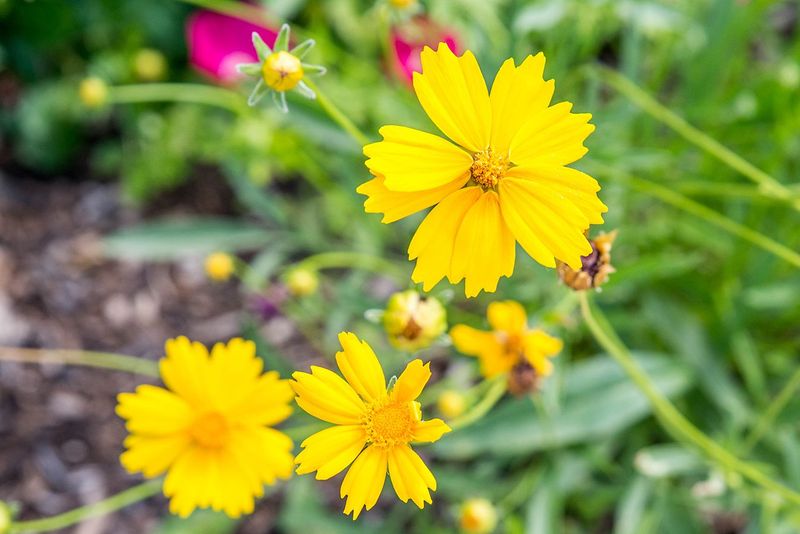
Coreopsis, or Tickseed, shines with cheerful yellow blooms but struggles in dense clay soil. Its preference for well-drained conditions means it often succumbs to root rot in heavy soil.
In clay, Coreopsis may face stunted growth and lack of vitality. Gardeners frequently need to amend soil or use raised beds for success.
Despite the difficulty, its bright flowers and long blooming period make it a worthwhile challenge for enthusiasts. Its struggle in clay underscores the need for proper drainage in garden planning.
6. Yarrow (Achillea millefolium)
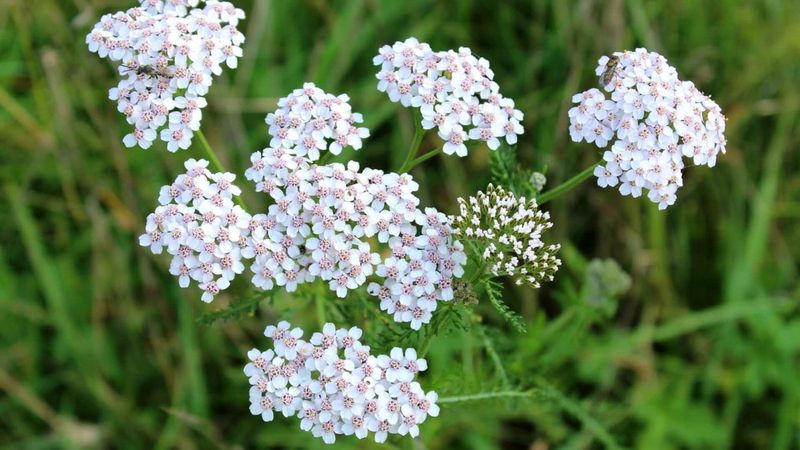
Yarrow, with its feathery leaves and clusters of tiny flowers, thrives in sandy, dry conditions but struggles in clay soil.
In dense clay, Yarrow’s roots may become waterlogged, leading to poor growth. Its preference for well-drained environments often necessitates soil amendments.
Despite these challenges, Yarrow’s medicinal properties and drought tolerance make it a valuable garden plant. Its struggle in clay highlights the importance of matching plants to their ideal growing conditions.
7. Butterfly Weed (Asclepias tuberosa)
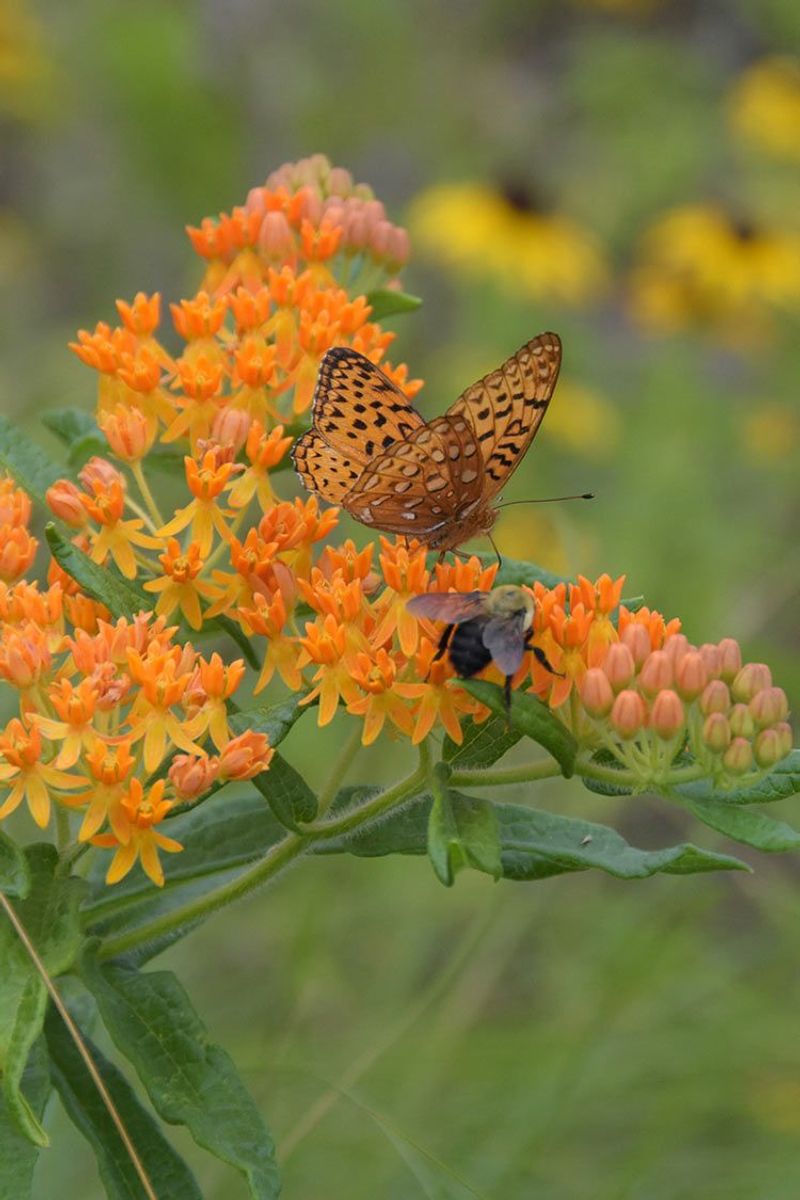
Butterfly Weed dazzles with bright orange flowers, attracting butterflies but struggling in dense clay soil. Its need for excellent drainage often leads to challenges in heavy soil conditions.
In clay, roots may rot, preventing the plant from reaching its full potential. Gardeners often choose raised beds or sandy amendments to accommodate its needs.
Despite the challenge, when thriving, Butterfly Weed offers ecological benefits and vibrant color. Its struggle in clay serves as a reminder of the importance of suitable soil conditions for successful gardening.