 Complete Gardening
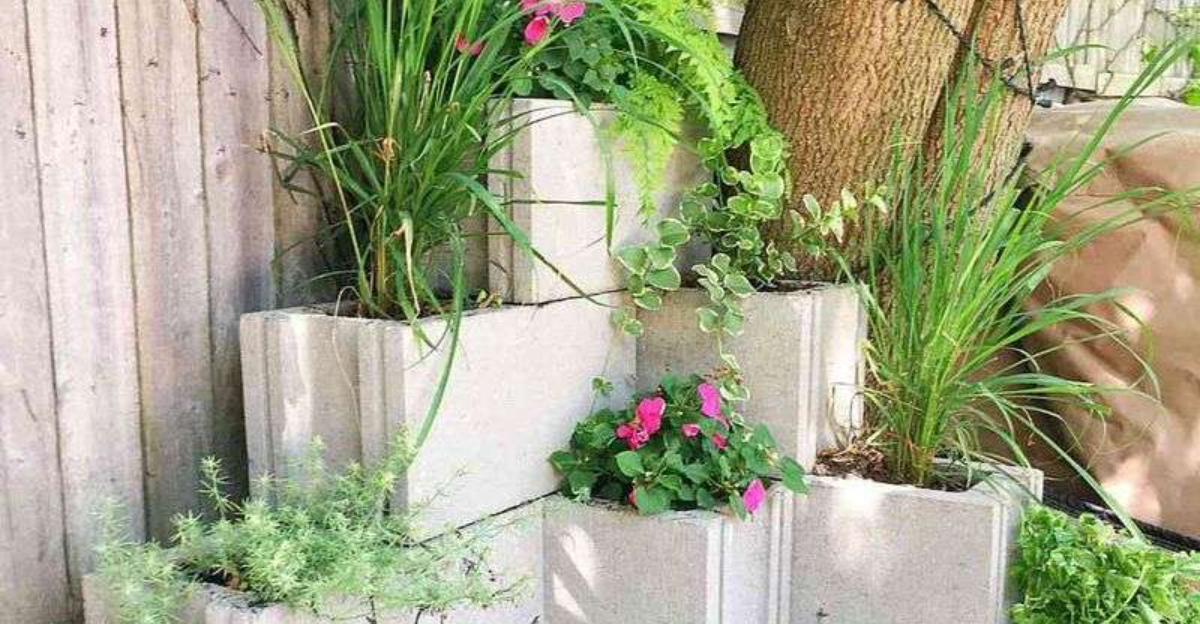
Gardening, a practice both ancient and ever-evolving, continues to surprise with inventive trends that might seem bizarre but prove incredibly effective. From using upcycled planters to applying lunar cycles in planting, these innovative approaches bring new life to traditional gardening. Explore these 15 unconventional methods that not only enhance garden growth but also embrace sustainability and creativity.
1. Lasagna Gardening (No-Dig Layers)
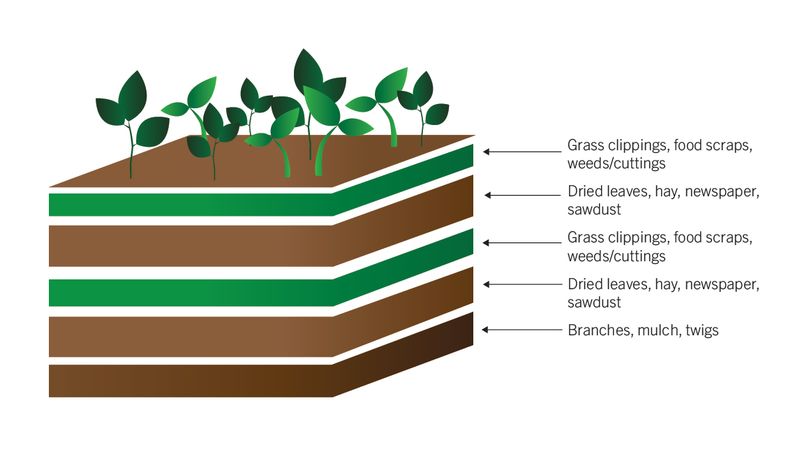
Lasagna gardening, named for its layered approach, involves stacking organic materials such as cardboard, compost, and mulch. This method builds nutrient-rich soil and suppresses weeds. As rain and time work their magic, these layers decompose, enriching the earth beneath. Moisture retention is another bonus, reducing the need for frequent watering. By mimicking nature’s processes, this technique not only saves labor but also supports sustainable gardening. Why disturb the soil when you can nurture it with such effortless elegance?
2. Planting in Tires or Shoes (Upcycled Planters)
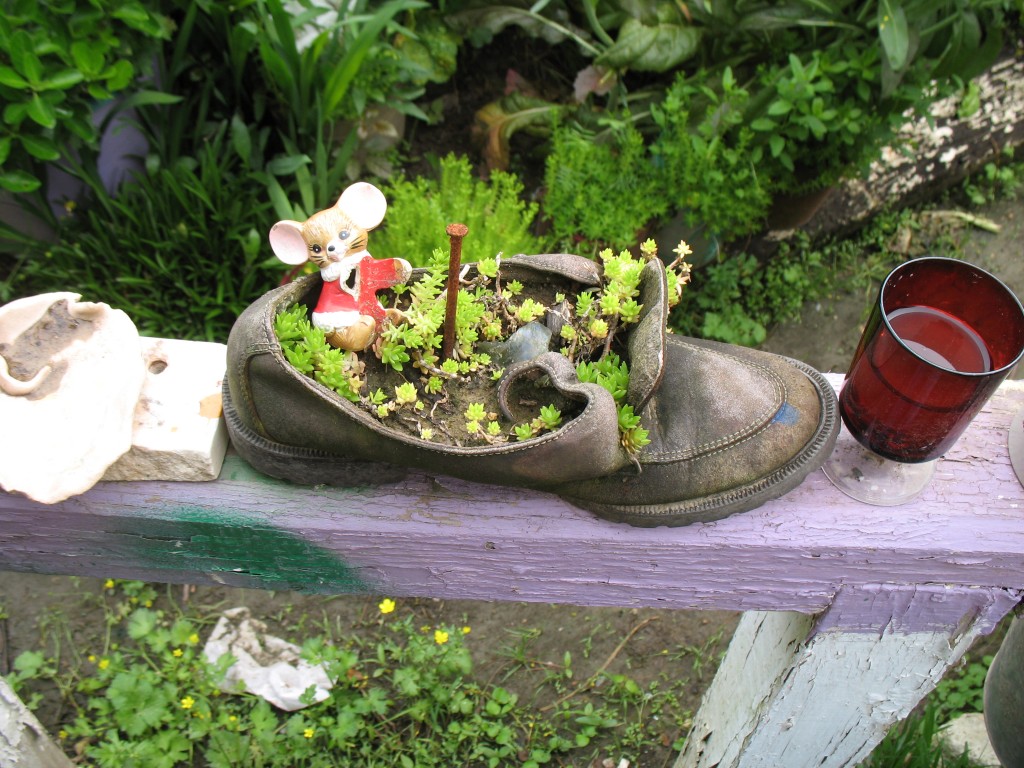
Transforming trash into treasure, upcycled planters breathe new life into discarded items. Whether it’s planting marigolds in an old boot or nurturing herbs in a worn-out tire, these whimsical containers add character to any garden. Their quirky appearance often becomes a conversation starter. Moreover, the unique shapes and materials improve drainage, ensuring healthy plant growth. By recycling waste into functional art, this trend also contributes to environmental conservation. It’s a delightful dance between creativity and sustainability, where every discarded object finds a purpose.
3. Companion Planting with Weeds
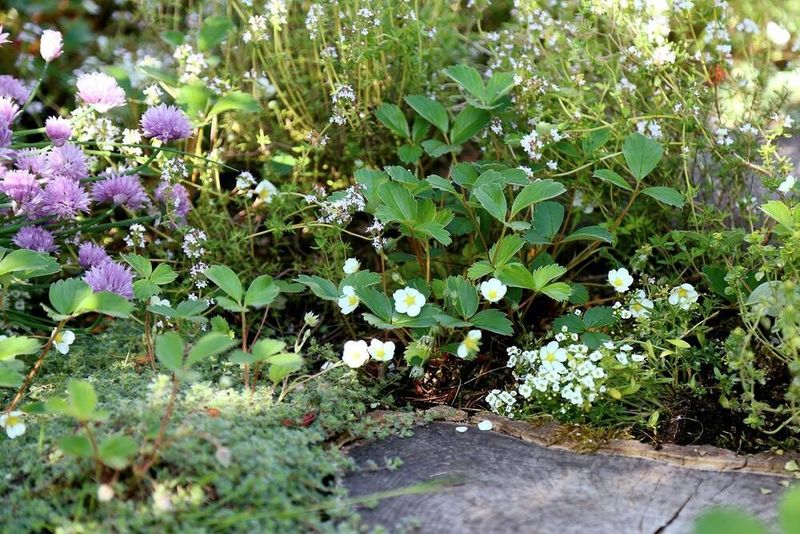
Who would have thought that weeds could be allies in the garden? Companion planting with weeds like dandelions and clover can bring unexpected benefits. Dandelions have deep roots that draw nutrients up to the surface, while clover fixes nitrogen, enriching the soil. By coexisting with crops, these plants promote biodiversity and natural balance. This approach challenges conventional gardening wisdom, inviting us to see value in what we often discard. Embracing weeds as partners rather than pests transforms them into unsung heroes of the garden.
4. Burying a Fish Under Tomatoes (Fish Fertilizer Hack)
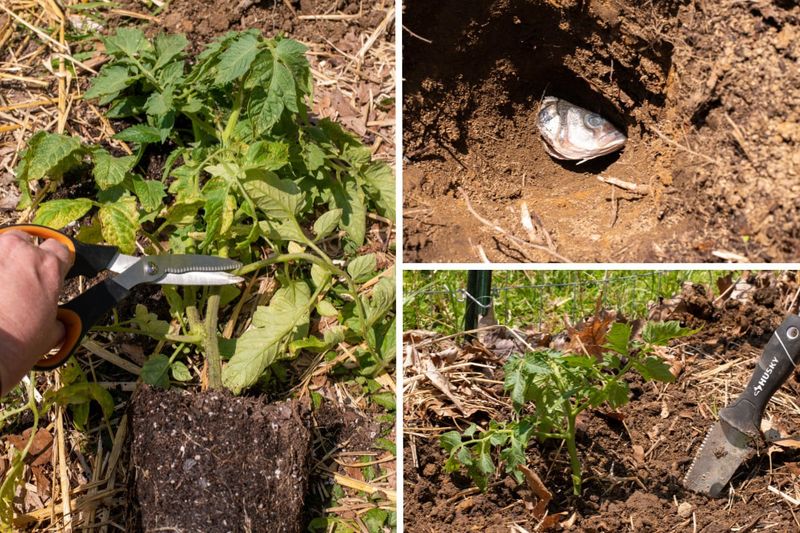
Rooted in age-old wisdom, burying a fish under tomato plants is more than just folklore. As the fish decomposes, it releases nitrogen and phosphorus, essential nutrients for robust growth. This slow-release fertilization nurtures the plant over time, promoting vibrant foliage and bountiful harvests. It’s a testament to nature’s recycling genius, where one life nourishes another. This practice may seem peculiar, but it embodies the cycle of life and death that sustains our ecosystems. Simple, efficient, and profoundly natural, it’s a gardener’s secret weapon.
5. Urine as Fertilizer (Diluted, of Course)
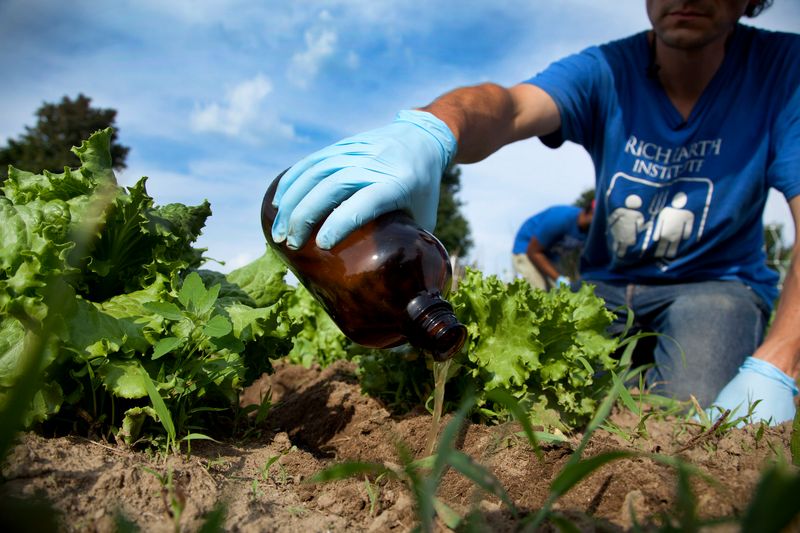
Urine, often considered a waste product, holds untapped potential as a powerful garden fertilizer. When diluted appropriately, it becomes a nitrogen-rich elixir that plants adore. Fresh urine is sterile, making it a safe and effective nutrient source. Applied carefully, it invigorates plant growth, providing essential elements for lush foliage. This unconventional technique not only recycles a natural resource but also reduces reliance on chemical fertilizers. Embracing such an unexpected ally in our gardens encourages us to rethink sustainability and resourcefulness in surprising ways.
6. Planting in Straw Bales (Straw Bale Gardening)
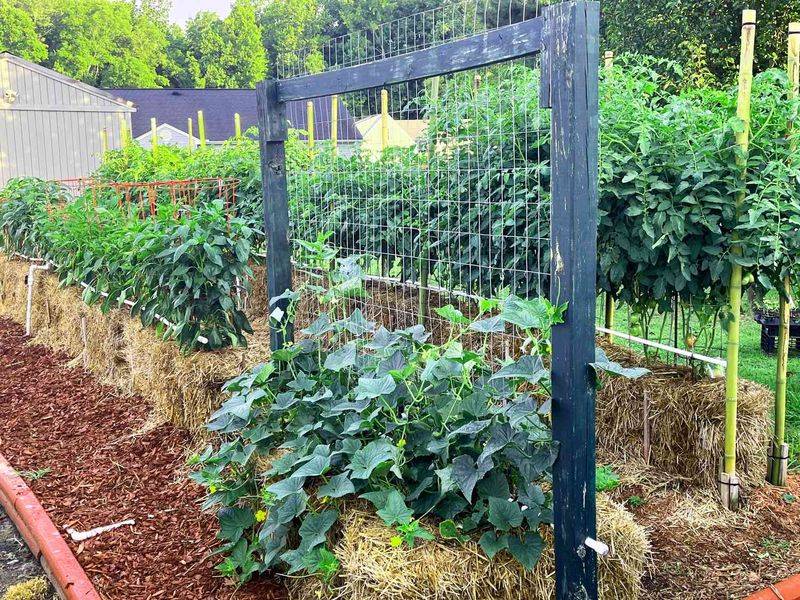
Straw bale gardening offers a unique twist to traditional cultivation, eliminating the need for soil. By conditioning bales with water and fertilizer, they become fertile beds for various crops. This method reduces pest issues and facilitates easy access, making gardening more accessible. As the bales decompose, they transform into nutrient-rich compost, nourishing the plants. This approach aligns with sustainable practices, promoting natural recycling and resourcefulness. It’s a practical solution for those seeking innovative yet effective gardening techniques, where the humble straw becomes an unexpected hero.
7. Red Plastic Mulch for Tomatoes
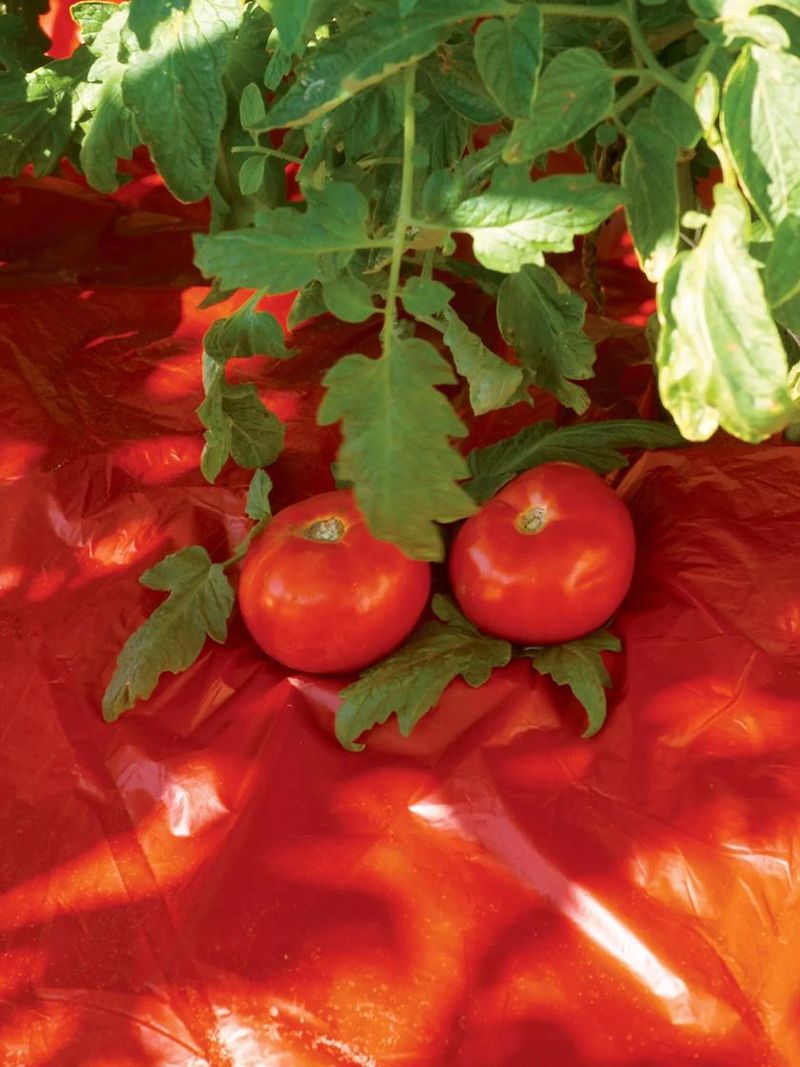
Harnessing the power of color, red plastic mulch turns ordinary tomato gardening into a scientific experiment. By reflecting red light, this mulch enhances photosynthesis, boosting plant growth and fruit yield. Studies confirm its effectiveness, making it a favored choice among savvy gardeners. The plastic also suppresses weeds and retains moisture, further benefiting the plants. While it may look unusual, this technique exemplifies creativity in gardening, where science meets art. It’s a reminder that even small changes can lead to remarkable results in our green spaces.
8. Beer Traps for Slugs
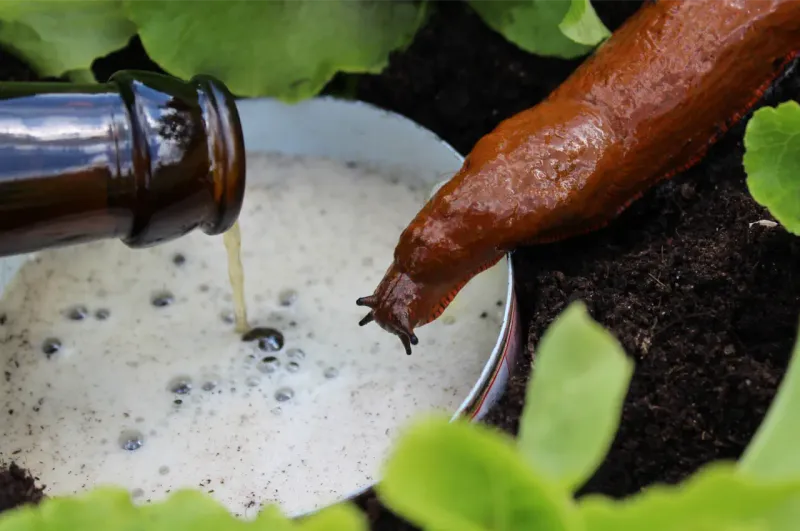
Beer isn’t just for barbecues; it can also be a gardener’s ally in the battle against slugs. By sinking cups of beer into the soil, slugs are lured by the yeast and meet their demise. This natural pest control method is both simple and effective, reducing the need for chemical solutions. It’s an eco-friendly approach that aligns with organic gardening principles. Who would have thought that a cold brew could protect plants from pesky invaders? This quirky technique illustrates the inventive spirit that defines modern gardening.
9. Planting by the Moon (Lunar Gardening)
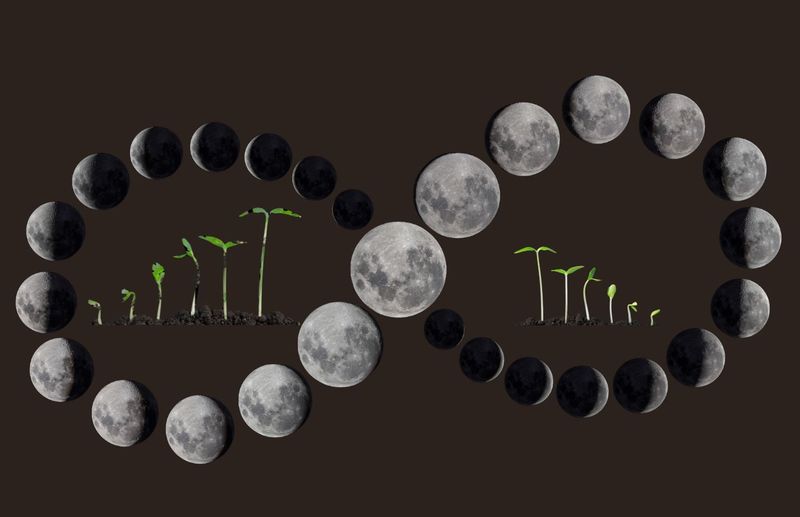
Planting by the moon adds a touch of mystique to gardening practices. Guided by lunar phases, this ancient method believes that the moon’s gravitational pull influences plant growth. While the science is debated, many gardeners swear by its benefits, claiming it improves germination and vitality. This practice connects us to celestial rhythms, blending folklore with horticulture. Whether it’s myth or magic, lunar gardening invites us to observe nature in its cosmic dance, adding a poetic dimension to our gardens. Why not plant with the moon as your guide?
10. Eggshell Seed Starters
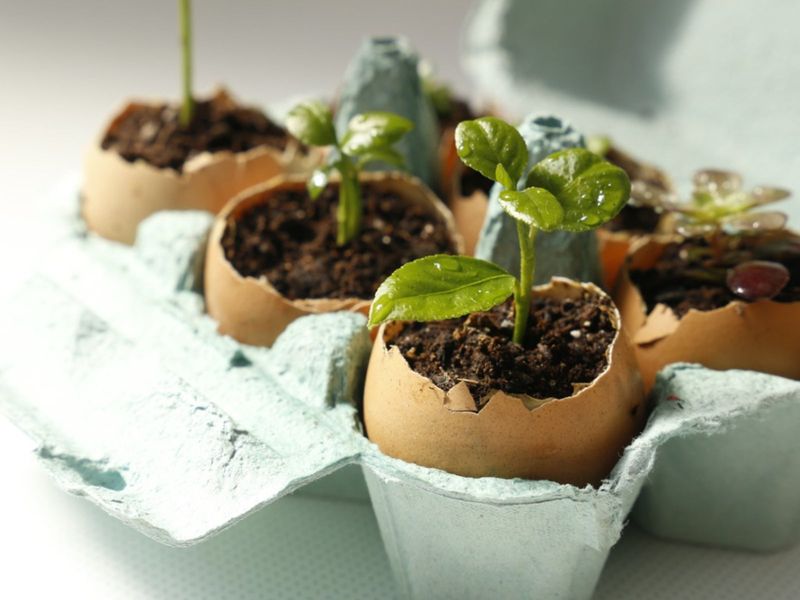
Eggshells, often discarded without a second thought, find new purpose as seed starters in this ingenious gardening technique. The shells provide a cozy home for seeds to germinate, later transitioning into the soil. As they biodegrade, they enrich the earth with calcium, bolstering plant health. This method embraces sustainability, turning kitchen waste into a nurturing vessel for new life. It’s a creative dance between recycling and gardening, where even the humblest materials find value. A small step towards greener practices, it showcases the elegance of simplicity.
11. Cinnamon as a Natural Fungicide
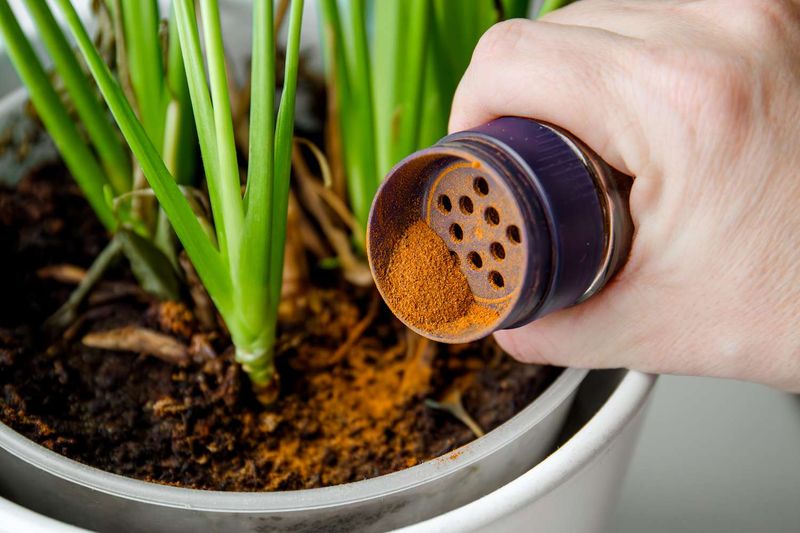
Cinnamon, a beloved kitchen spice, extends its uses beyond culinary delights to the garden. Its antifungal properties make it a natural ally in combating damping-off disease in seedlings. By sprinkling cinnamon on young plants, gardeners can protect them from harmful fungi without resorting to chemicals. This gentle approach showcases the power of nature’s remedies, reinforcing the idea that prevention can be both effective and environmentally friendly. It’s a fragrant reminder that sometimes the answers to our gardening woes are right on our spice rack.
12. Banana Peel Water for Roses
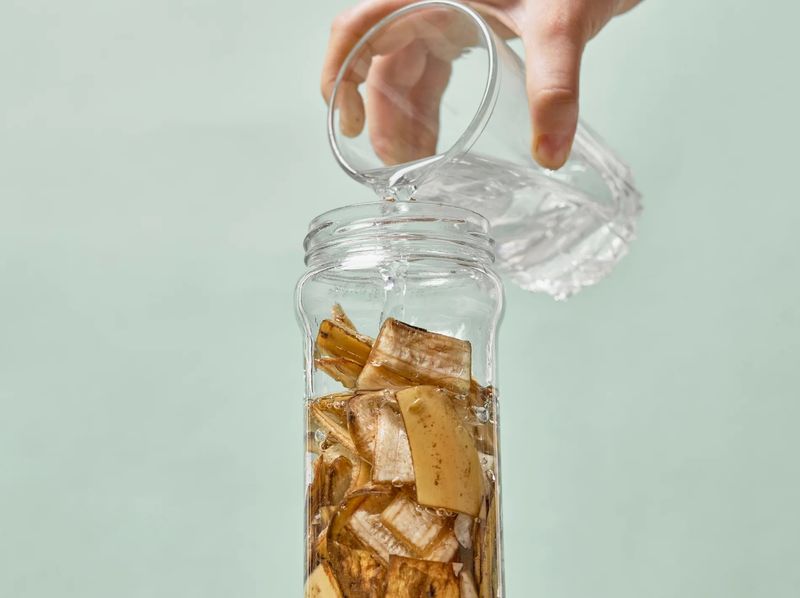
Banana peels, often tossed aside, transform into a nourishing potion for roses in this creative gardening hack. Soaking peels in water creates a potassium-rich “tea” that promotes blooming in roses. This method leverages nature’s bounty, providing essential nutrients without synthetic fertilizers. By recycling kitchen waste, gardeners embrace sustainable practices, turning waste into a vital resource. It’s a testament to the unexpected connections between what we consume and how we cultivate. Who knew that yesterday’s snack could be today’s secret to flourishing blooms?
13. Aspirin Spray for Plant Immunity
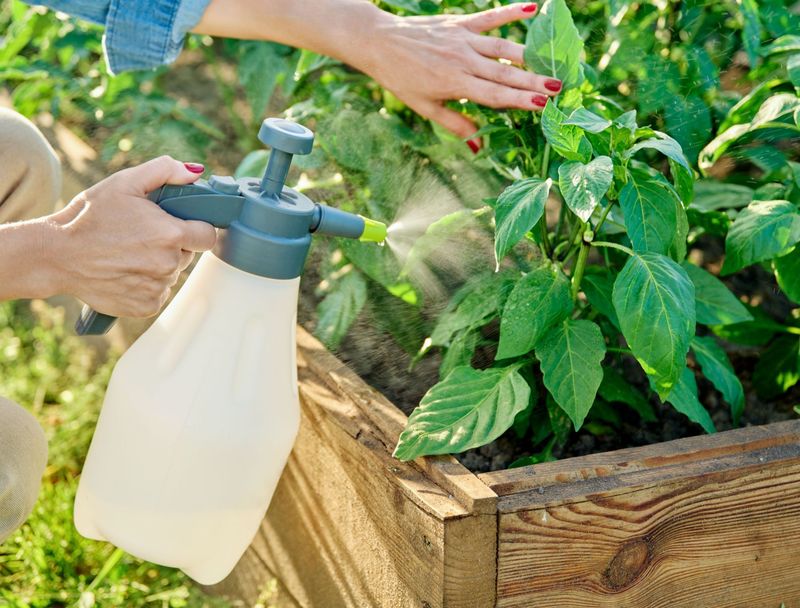
Aspirin, known for relieving human aches, finds a surprising new role in plant care. Dissolving aspirin in water and spraying it on plants triggers their defense responses, enhancing immunity. This method taps into the natural salicylic acid found in aspirin, boosting resilience against diseases. It’s a fascinating intersection of medicine and horticulture, where simple solutions yield profound effects. By fortifying plants naturally, gardeners reduce reliance on synthetic chemicals, embracing a more harmonious approach. Aspirin spray symbolizes innovation, where everyday items become powerful garden allies.
14. Garden Graffiti (Carved Squash & Melons)

Garden graffiti, the playful art of etching words into young squash and melons, turns produce into a canvas. As these fruits grow, the designs expand, creating personalized messages. This technique transforms gardening into a whimsical form of self-expression, blending creativity with cultivation. It’s a harmless and fun way to engage with plants, adding a dash of personality to the garden. Whether for personal enjoyment or a unique gift, garden graffiti invites us to view our crops as more than just food. It’s art you can eat.
15. Planting in Concrete Blocks (Cinder Block Gardens)
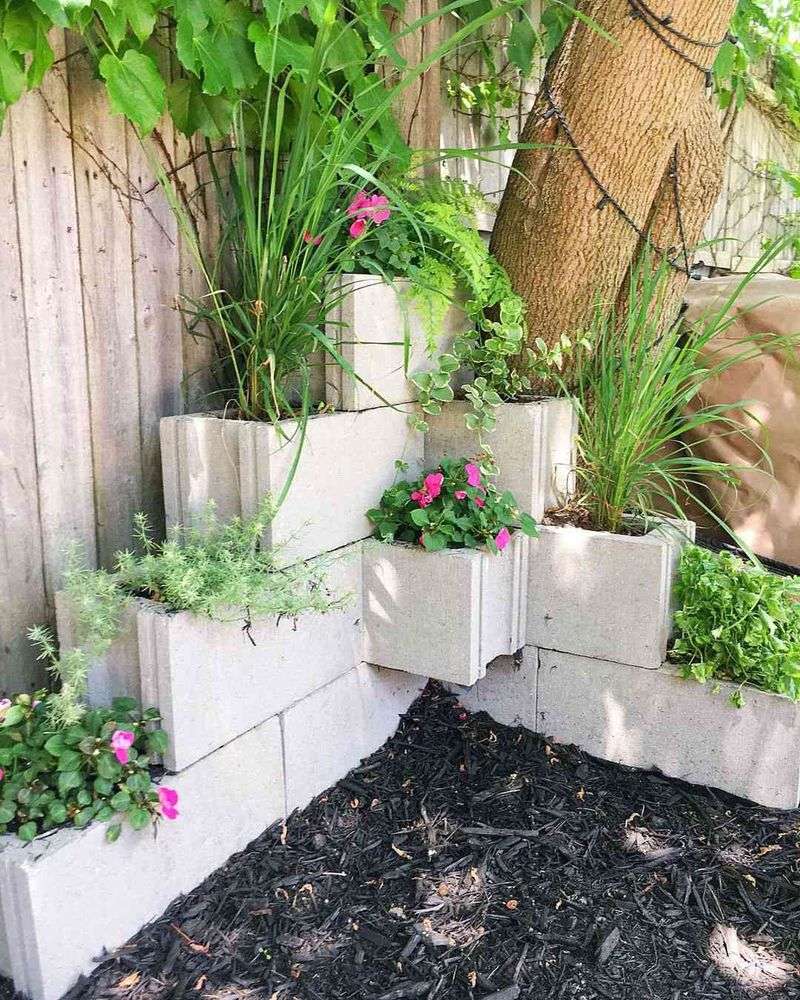
Cinder blocks, often overlooked in construction, find a new lease on life in creative gardening. Used as raised beds or herb planters, they offer durability and practicality. The blocks retain heat, fostering warmth-loving plants, while their structure deters pests. This method marries form and function, providing an adaptable solution for urban or limited spaces. It’s a testament to the innovative spirit of gardeners who see potential in every material. By reimagining these concrete giants, we celebrate the ingenuity that breathes life into seemingly mundane objects.